Tips for Efficiently Using Your Kitchen Timer and Thermometer: Precision for Perfect Cooking
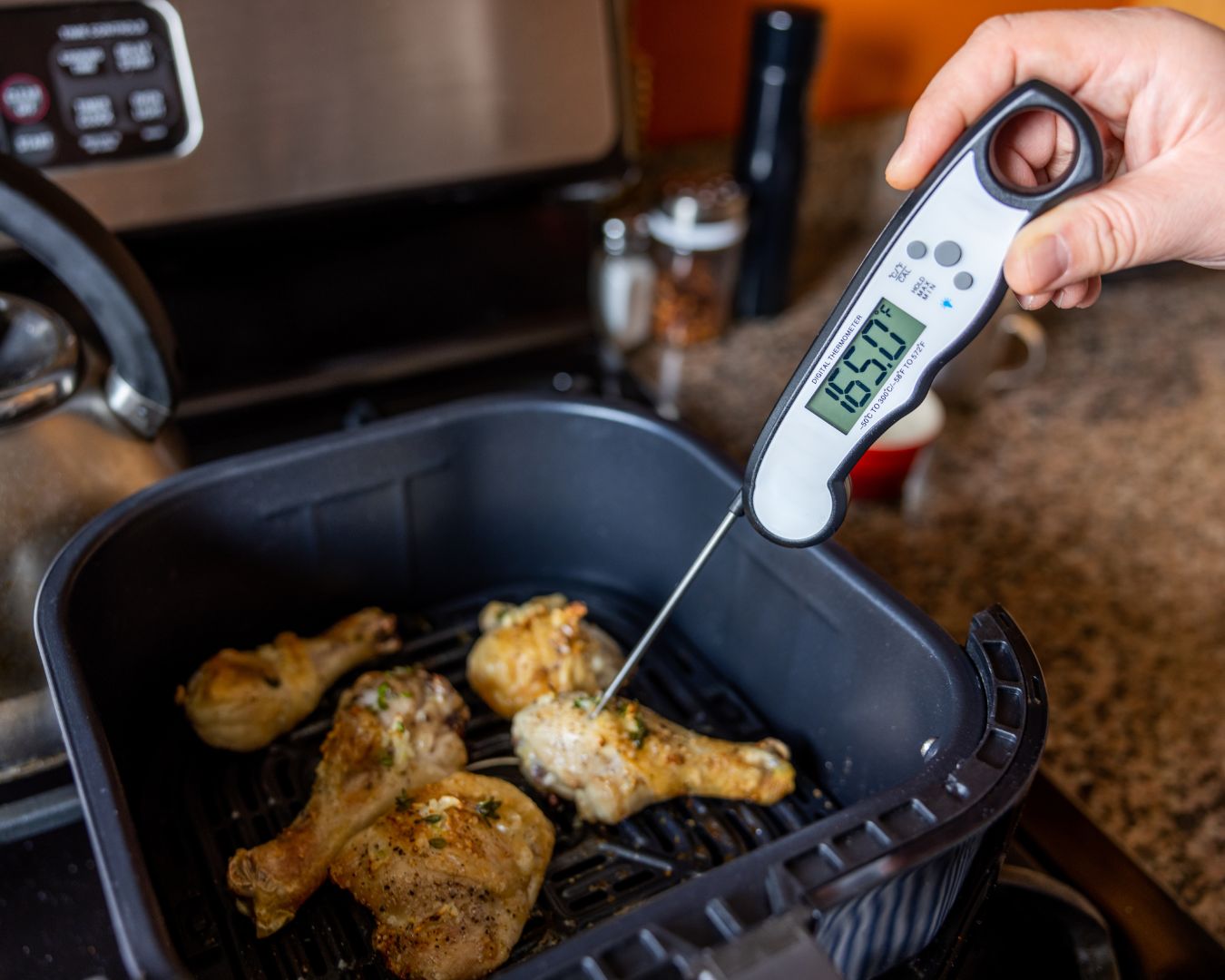
A kitchen timer and a thermometer are two of the most essential tools for any home cook or baker. They help ensure that your meals are cooked to perfection by providing precise control over cooking times and temperatures. However, using these tools efficiently can make all the difference between a deliciously moist roast and an overcooked one, or perfectly baked cookies versus burnt edges. Here are some tips to help you make the most out of your kitchen timer and thermometer for flawless results in the kitchen. Know When to Use a Timer and When to Use a Thermometer While both the timer and thermometer help with cooking accuracy, they serve different purposes, and knowing when to rely on each one is key. Pro Tip: For dishes like roasts, cakes, or custards, use both tools: the timer as a general guide and the thermometer to ensure the dish reaches the perfect internal temperature. Set Multiple Timers for Different Tasks When cooking multiple dishes at once, it’s easy to lose track of time and overcook or undercook an item. Using multiple timers can help you keep everything on track, ensuring all components of your meal are ready at the same time. Pro Tip: To prevent forgetting a timer, place a sticky note near the stove or oven with labels that remind you which timer belongs to which dish. Place the Thermometer Properly for Accurate Readings Using a thermometer correctly is crucial for ensuring accurate readings, especially with meat and poultry. Incorrect placement can lead to misleading results, which can result in undercooking or overcooking your dish. Pro Tip: Always clean your thermometer before and after each use to prevent cross-contamination, especially when working with raw meat. Use Rest Times Wisely Resting is crucial for meats and baked goods to finish cooking and settle after being removed from the heat. Your kitchen timer and thermometer can help you make the most of this process. Pro Tip: For meats, aim to remove them from the heat 5-10 degrees below your target internal temperature and let carryover cooking bring it up to the final desired temperature. Program Your Timer for Prep Steps Timers aren’t just for cooking—they’re also helpful during preparation. Many recipes require timed tasks, such as letting dough rise, marinating meat, or allowing batter to rest. Set your timer for each of these steps to ensure you’re not rushing through important prep tasks. Pro Tip: Use different sound alarms or labels to distinguish between prep timers and cooking timers. Stay Hands-On with Cooking Thermometers Digital and instant-read thermometers are fantastic tools, but they require active attention. You can’t just stick them in and leave them like a timer. Here’s how to get the most accurate readings: Pro Tip: Invest in a probe thermometer that stays in the meat while it cooks, giving you a real-time temperature reading without having to open the oven. Use Alarms for Thermometer Targets Some thermometers come with built-in alarms that alert you when your food reaches the desired temperature. This feature ensures that you don’t have to keep opening the oven or grill to check. Pro Tip: If your thermometer doesn’t have an alarm, set a separate timer as a reminder to check the temperature at regular intervals during cooking. Keep Batteries and Accuracy in Check A dead battery or an inaccurate reading can lead to cooking disasters. Regularly check your thermometer and timers to ensure they’re functioning correctly. Mastering the use of your kitchen timer and thermometer can elevate your cooking from good to great by ensuring precise timing and temperature control. Whether you’re baking cookies, roasting meats, or deep-frying, these tools help you cook with confidence, ensuring your food is cooked safely and to perfection. By following these tips, you’ll avoid overcooked meals and undercooked disasters, making your time in the kitchen more efficient and enjoyable.