
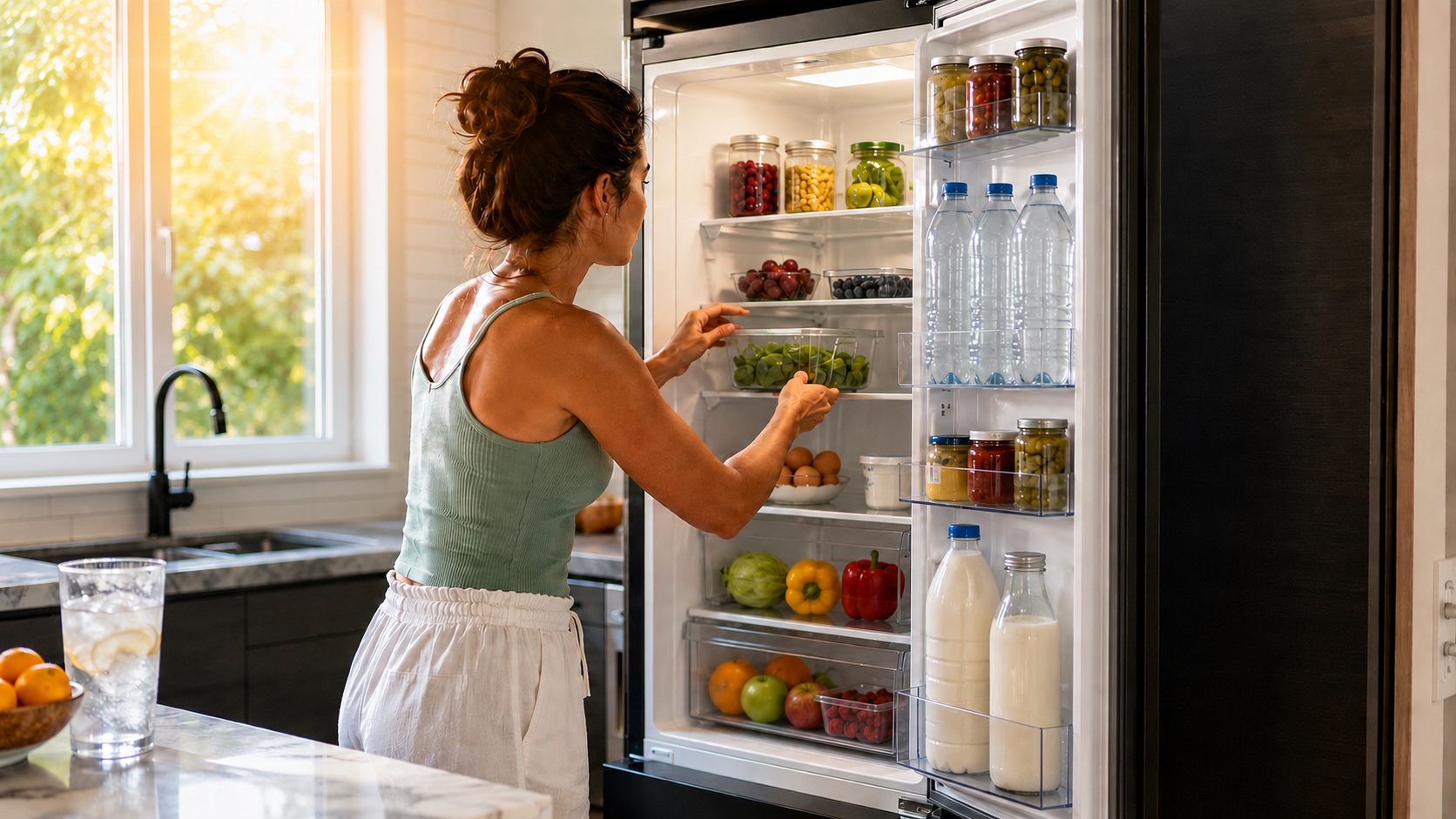
How to Use Your Refrigerator More Effectively During a Heatwave
A heatwave changes your refrigerator’s operating conditions in ways that most households don’t account for until they notice food spoiling faster than expected, the refrigerator running constantly, or energy bills climbing noticeably despite no change in usage patterns. The refrigerator that handled your household’s food storage adequately through spring suddenly seems to be struggling — and in many cases it genuinely is, because the ambient temperature conditions it’s operating against have changed substantially. Understanding what a heatwave actually does to your refrigerator’s performance, why certain foods fail faster in high ambient heat conditions, and what operational changes extend both food quality and appliance efficiency gives you practical tools that make a real difference during the weeks when outdoor temperatures push household cooling systems to their limits. None of this requires buying new equipment or making permanent changes — it’s adjustments to how you use the refrigerator you already own in conditions it wasn’t optimized for. What a Heatwave Actually Does to Your Refrigerator The refrigerator doesn’t operate in isolation from its surrounding environment. Its job is maintaining a temperature differential between the interior cavity and the room it sits in — and the larger that differential, the harder the compressor works to maintain it. The Ambient Temperature Effect: A refrigerator maintaining 38°F in a 70°F kitchen is working against a 32°F differential. The same refrigerator maintaining 38°F in a 90°F kitchen is working against a 52°F differential — 62% harder for the same result. The compressor runs more frequently, cycling on and off more times per hour to compensate for the increased heat transfer through the refrigerator’s walls and door seals. This increased compressor activity translates directly into higher electricity consumption and increased mechanical wear on the compressor — the most expensive component to replace in any refrigerator. The Efficiency Degradation: Most refrigerators are rated for energy consumption at 70°F ambient temperature. Every 10°F increase in ambient temperature beyond this increases a refrigerator’s energy consumption by approximately 10-15%. A kitchen that runs at 85°F during a heatwave — common in homes without powerful air conditioning or in kitchens that absorb outdoor heat — could increase refrigerator energy consumption by 20-30% compared to normal operating conditions. This isn’t a marginal difference. Temperature Consistency Suffers: During a heatwave the refrigerator’s interior temperature fluctuates more between compressor cycles than during normal operating conditions. The compressor brings the interior down to target temperature, shuts off, and the interior warms faster than usual because the surrounding ambient heat transfer is more aggressive. This wider temperature swing affects food quality and safety in ways that normal temperature maintenance doesn’t — the interior spends more time at the warmer end of its acceptable range rather than consistently staying at the cooler set point. Door Seal Vulnerability: High ambient temperatures accelerate the deterioration of refrigerator door gaskets. Rubber and silicone seals that maintain acceptable performance at 70°F ambient can allow more heat infiltration at 90°F+ because temperature differentials push heat through any gap more aggressively. A gasket that sealed adequately under normal conditions may be allowing meaningful heat infiltration during a heatwave without being noticeably damaged. Adjusting Temperature Settings During a Heatwave The first operational adjustment during a heatwave is verifying and potentially adjusting temperature settings to account for the changed operating conditions. Verify Actual Interior Temperature: Refrigerator temperature displays and dial settings reflect target temperatures rather than actual interior temperatures. During a heatwave when the compressor is working harder and cycling more frequently, the actual interior temperature may run higher than the displayed setting — particularly in zones far from the cooling unit like door shelves and the refrigerator’s front section. Place a thermometer in the center of the refrigerator and leave it for several hours before reading. The reading should be between 35-38°F. If it’s above 40°F, your refrigerator is struggling to maintain safe temperatures. Lower the Set Point Slightly: During extended heatwaves, setting your refrigerator 2-3°F colder than normal operating temperature provides a buffer against the increased temperature fluctuation that hotter ambient conditions create. If you normally run at 38°F, setting to 35-36°F ensures that even at the warmer end of the compressor cycle the interior stays within safe food storage range. This adjustment increases energy consumption slightly but maintains the food safety margin that normal settings assume a cooler ambient environment provides. Freezer Temperature Check: The same ambient heat effect applies to the freezer. During a heatwave, freezer temperatures can drift higher than normal between compressor cycles. A freezer that maintains 0°F under normal conditions may be running at 5-8°F during extended heat events — still safe for frozen food but worth verifying with a thermometer. If your freezer is running consistently above 10°F, the refrigerator’s cooling system is genuinely struggling and professional service evaluation may be warranted. Organizing the Interior for Heatwave Conditions How you organize the refrigerator interior affects both food safety and appliance efficiency — particularly during heatwave conditions when both are under increased stress. The Cold Zone Map: Refrigerators have temperature zones that exist regardless of seasonal conditions but matter more during heatwaves when temperature differentials are amplified. The coldest zone is typically the back of the lower shelves, closest to the cooling coil and furthest from the warm air that enters through the door. The warmest zone is door shelves, which experience the most temperature variation from door openings and have the least insulation separating them from ambient kitchen temperature. During a heatwave, organize around this reality rather than available space. Move Temperature-Sensitive Items to Cold Zones: Raw meat, fish, and items with the narrowest safe storage temperature range belong in the coldest back section of the lower shelves during a heatwave — not in door shelves where temperature fluctuates most. This matters more during a heatwave than normal conditions because the temperature differential between zones is greater when ambient heat is pushing up overall interior temperatures. Don’t Store Hot Food: This is standard food safety advice that becomes more critical during heatwave conditions. Placing hot food in