
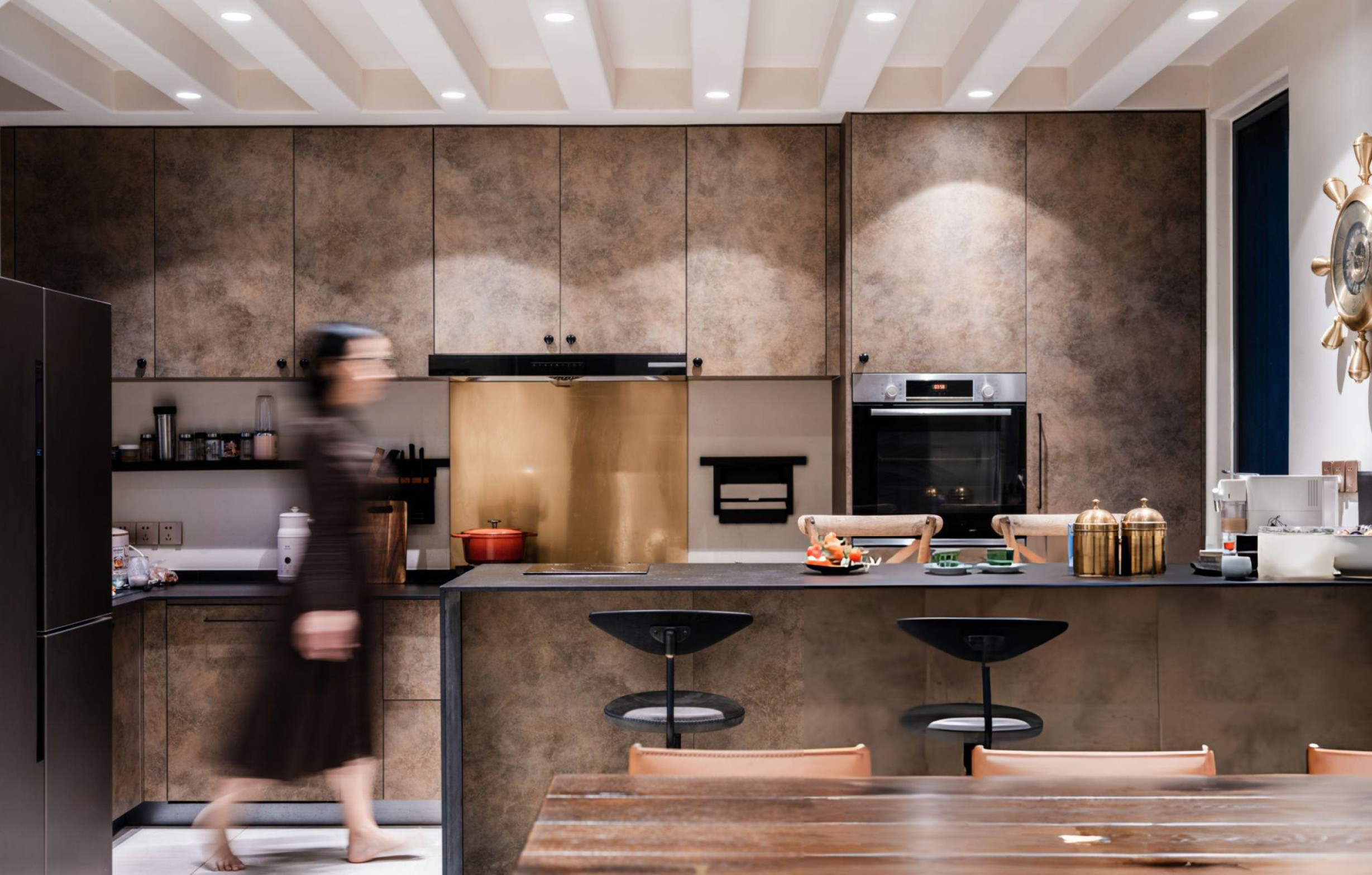
lasting kitchen design

How to Blend Trends with Classics in Your Kitchen

Creating a kitchen that feels current without becoming dated in five years requires a delicate balance between embracing what’s new and honoring what’s timeless. The most successful kitchens aren’t slaves to trends or stuck in the past – they’re thoughtful combinations of enduring design principles with carefully selected contemporary touches that reflect your personality and enhance daily function. The challenge most homeowners face is distinguishing between trends that will age well and fads that will look embarrassing in a few years. Understanding this difference helps you invest your renovation budget wisely while creating a kitchen you’ll love for decades, not just until the next design trend cycle begins. Understanding the Difference Between Trends and Classics Classic kitchen elements have proven their staying power over decades because they work functionally and aesthetically regardless of changing fashions. These foundational choices form the backbone of your kitchen design and deserve the bulk of your budget and attention. Shaker-style cabinets have remained popular for over a century because their clean lines and simple construction work with virtually any design style. Whether your kitchen leans traditional, transitional, or modern, shaker cabinets provide a neutral foundation that won’t fight with other design elements. Neutral color palettes in whites, grays, and natural wood tones maintain their appeal because they create calm, versatile backgrounds that adapt to changing accent colors and accessories. These foundations never scream “2015 kitchen” or “2020 renovation” the way trendy colors can. Quality materials like natural stone, hardwood, and stainless steel age gracefully and develop character over time rather than just looking worn out. Investing in real materials for permanent elements ensures your kitchen maintains its appeal even as design trends shift. Functional layouts based on the work triangle and logical workflow principles remain relevant because human needs and cooking processes don’t fundamentally change. Good design serves function first, with aesthetics following naturally from smart planning. Trends, on the other hand, represent current preferences that may or may not have staying power. Some trends mature into classics, while others fade quickly as new ideas emerge. The key is identifying which trends align with classic principles and which are purely fashion-driven. The Foundation: Invest in Timeless Elements Your kitchen’s permanent, expensive elements should lean heavily toward classic choices that won’t feel dated as trends evolve. These foundational decisions create a stable base that accommodates changing tastes over time. Cabinet Style and Quality Choose simple, well-constructed cabinets in classic profiles that have proven their longevity. Avoid overly ornate details or unusual door styles that tie your kitchen to a specific era. Quality construction matters more than trendy finishes – solid wood construction with dovetail joinery outlasts particle board with fashionable veneers. Full-overlay cabinets with minimal or no face frame create clean lines that work with both traditional and contemporary aesthetics. This versatility ensures your cabinets remain appropriate even as your style preferences evolve or as you prepare to sell your home. Countertop Choices Natural materials like marble, granite, and soapstone have been used in kitchens for centuries because they’re beautiful, durable, and age well. While specific edge profiles and finishes trend in and out of fashion, the materials themselves remain desirable. Engineered quartz offers a modern alternative with classic appeal, providing consistent appearance and easy maintenance that appeals across design styles. Choose colors and patterns that mimic natural stone rather than obviously artificial designs for better longevity. Avoid countertop materials or colors that are currently trendy but haven’t proven their staying power. If a material or finish didn’t exist five years ago, question whether it will still look good five years from now. Flooring Fundamentals Hardwood flooring in medium tones provides timeless appeal that works with virtually any design direction. Wide planks offer contemporary style that doesn’t sacrifice classic warmth and character. The natural variation in wood grain ensures your floor never looks too matchy or obviously from a specific decade. High-quality tile in classic formats like subway, hexagon, or large-format squares provides durable, versatile flooring that accommodates changing design preferences. Neutral colors in tile ensure long-term satisfaction even as grout color trends shift. Lighting Infrastructure Install ample lighting infrastructure even if you don’t immediately fill every location with fixtures. Recessed lighting on dimmer switches provides flexible ambient lighting that works with any design style. Plan for under-cabinet task lighting and pendant locations over islands, even if you start with simple fixtures you can upgrade later. Quality lighting transforms how your kitchen functions and feels while remaining invisible – the perfect classic element. You can change fixture styles to follow trends without touching the underlying electrical infrastructure. Where to Embrace Current Trends Once your classic foundation is established, trends become fun, low-risk ways to inject personality and freshness into your kitchen. Focus trend experimentation on easily changeable elements that don’t require major renovation to update. Cabinet Hardware Pulls and knobs offer one of the most impactful yet easily changeable ways to update your kitchen’s look. Black matte hardware trends currently, but if that changes, replacing hardware costs hundreds rather than thousands of dollars. Choose hardware that complements both your cabinet style and your overall design direction, but don’t stress excessively about whether it will remain fashionable forever. Hardware updates take a few hours and modest budgets, making them perfect candidates for trend exploration. Backsplash Statements Backsplashes provide opportunities for pattern, color, and personality without overwhelming your kitchen. Current trends favor larger tiles, interesting patterns, and unexpected materials that add visual interest to otherwise neutral spaces. The relatively small square footage of backsplashes makes them economical to update if your taste changes or if the trend dates poorly. Bold backsplash choices can be dramatic and fun without carrying the same long-term risk as trendy cabinets or countertops. Paint Colors Wall paint represents the ultimate low-commitment way to embrace color trends. Currently popular colors like sage green, warm terracotta, or moody blues can transform your kitchen’s mood without permanent commitment. The ease and affordability of repainting means you can experiment with trendy colors knowing you can change
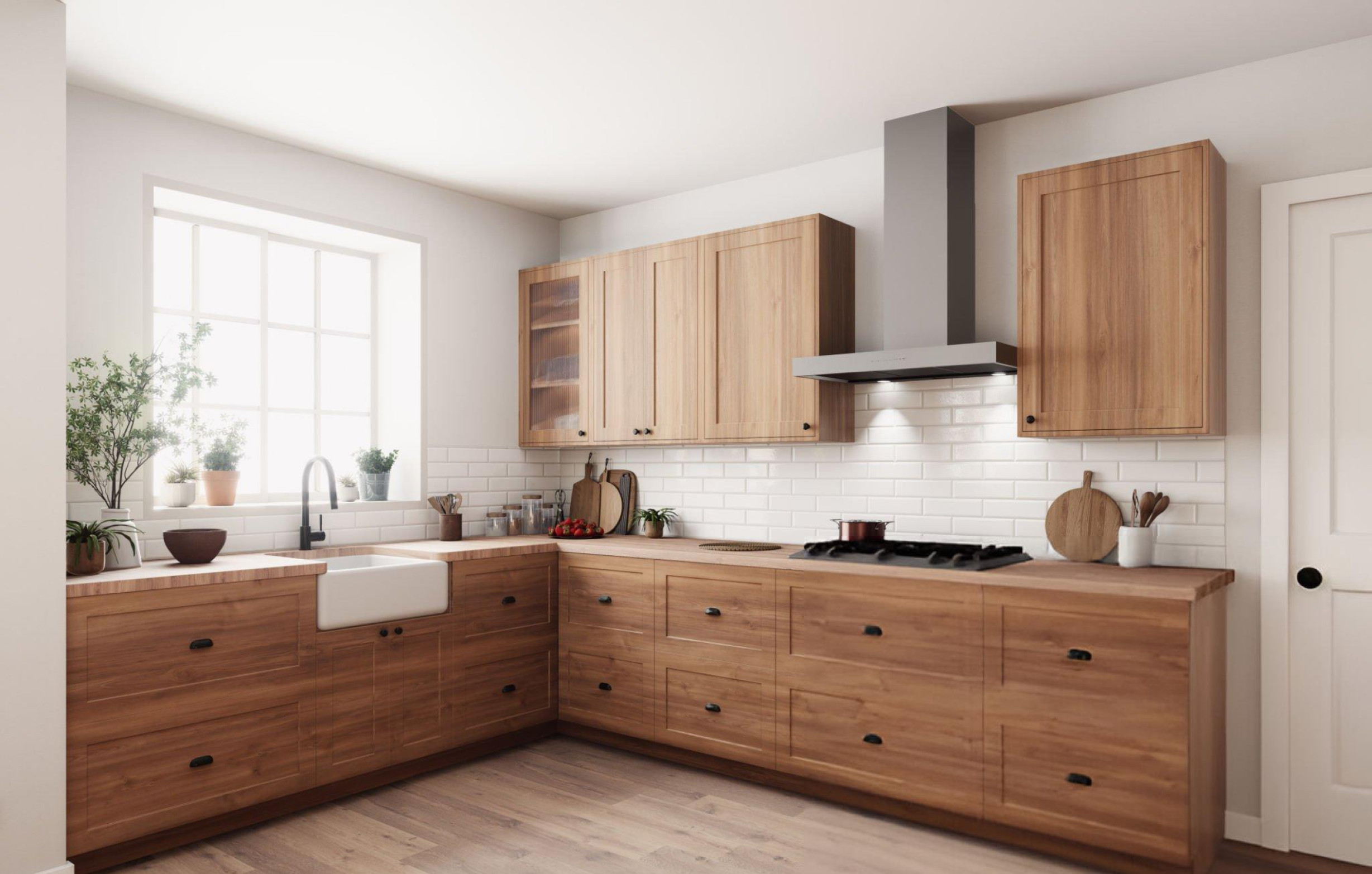
Kitchen Color Schemes That Stand the Test of Time: Creating Beauty That Lasts

Choosing the right color scheme for your kitchen renovation represents one of the most important decisions you’ll make, as these colors will surround you daily for many years to come. While trendy colors might look appealing in magazines or on social media, the most successful kitchen color schemes are those that maintain their appeal across decades and design movements. Understanding which colors have proven their staying power helps you create a kitchen that feels fresh and current while avoiding the regret that comes with choices that quickly look dated. Timeless kitchen color schemes work because they’re based on natural color relationships and classic combinations that appeal to human psychology rather than temporary fashion trends. These color choices provide a foundation that works with various decorating styles while allowing flexibility to update accents and accessories as your preferences evolve over time. The Psychology Behind Lasting Color Appeal Certain colors have maintained their popularity in kitchens because they address fundamental human needs and preferences that transcend temporary style movements. Understanding why these colors work helps you make choices that will satisfy you for years to come. Neutral colors create calming environments that reduce stress and promote relaxation, essential qualities in kitchens where families gather and daily routines unfold. Colors like white, cream, gray, and beige provide a sense of cleanliness and order that feels appropriate for food preparation spaces. Natural color relationships found in nature tend to feel harmonious and comfortable over long periods. Earth tones, sky blues, and plant greens connect us to the natural world in ways that feel inherently pleasing and restful. Light colors make spaces feel larger and brighter, particularly important in kitchens where good lighting and spacious feelings improve both function and comfort. Light color schemes also reflect natural and artificial light better, creating more pleasant working environments. Warm colors promote appetite and social interaction, making them naturally suited to kitchen environments where families share meals and gather for conversation. However, the most successful warm colors are muted rather than intense, providing comfort without overwhelming. Cool colors can provide balance and sophistication when used appropriately, though they work best in combination with warmer accents to prevent kitchens from feeling cold or unwelcoming. Classic color combinations that have appeared throughout design history continue to work because they’re based on fundamental color theory principles rather than temporary preferences. White: The Ultimate Timeless Choice White remains the most enduring kitchen color choice because it provides a clean, fresh foundation that works with virtually any design style while making kitchens feel larger and brighter. However, successful white kitchens require careful attention to texture, lighting, and accent colors to avoid feeling sterile. Pure white works best in kitchens with excellent natural light and varied textures that add visual interest. Smooth white cabinets, textured white subway tiles, and white quartz countertops with subtle veining create depth while maintaining the clean white aesthetic. Warm whites with undertones of cream or yellow feel more inviting than stark, cool whites, particularly in kitchens with limited natural light. These warmer whites provide the benefits of white while feeling more comfortable and livable. Off-white variations like ivory, cream, and antique white offer sophistication and warmth while maintaining the spacious feeling that makes white so popular. These colors work particularly well in traditional and transitional kitchen designs. White combinations with natural materials like wood and stone create balance and prevent all-white kitchens from feeling cold or institutional. Natural wood islands, stone countertops, or wood flooring add warmth while maintaining white’s fresh appeal. Textural variety becomes crucial in white kitchens to create visual interest without color contrast. Mixing matte and glossy finishes, smooth and textured surfaces, and different white tones adds depth while maintaining color harmony. Accent flexibility represents white’s greatest advantage, as virtually any accent color works with white foundations. You can change hardware, lighting, textiles, and accessories to update your kitchen’s personality without changing the fundamental color scheme. Gray: Modern Sophistication with Staying Power Gray has proven its lasting appeal as a sophisticated neutral that provides more visual interest than white while maintaining the versatility and timeless quality that makes for successful long-term color choices. Light grays offer similar space-enhancing qualities to white while providing subtle color that adds sophistication and reduces the stark appearance that some people find uncomfortable in all-white kitchens. Medium grays provide excellent background colors that highlight both warm and cool accent colors while maintaining neutral sophistication. These grays work particularly well in contemporary and transitional kitchen designs. Charcoal and dark grays create dramatic, sophisticated looks when used carefully, particularly effective on kitchen islands or lower cabinets balanced with lighter colors on upper cabinets and walls. Gray undertones matter significantly in how the color feels over time. Blue-gray feels cool and contemporary, while greige (gray with beige undertones) provides warmth that many families find more comfortable for daily living. Gray combinations work beautifully with white for classic two-tone looks, with natural wood for warmth, or with bold accent colors for personality. This versatility helps gray kitchens adapt to changing preferences over time. Natural light affects gray significantly, so it’s important to test gray paint colors in your specific kitchen lighting conditions before making final decisions. What looks perfect in a paint store may appear different in your kitchen’s unique lighting. Cream and Warm Neutrals: Comfort That Endures Cream, beige, and other warm neutrals have maintained their appeal because they provide the space-enhancing benefits of light colors while offering warmth and comfort that pure white sometimes lacks. Cream cabinets offer a softer alternative to white that works beautifully with both traditional and contemporary design styles. The subtle warmth prevents the sterile feeling that stark white can create while maintaining classic appeal. Beige tones provide sophisticated neutrals that complement a wide range of accent colors and decorating styles. Quality beige paint colors offer depth and richness that cheap alternatives often lack. Warm gray-beige combinations (greige) have become popular because they offer the sophistication of gray with the warmth of beige, creating colors that feel both