
Things You’re Doing That Make Your Kitchen Smell (And How to Actually Fix It)
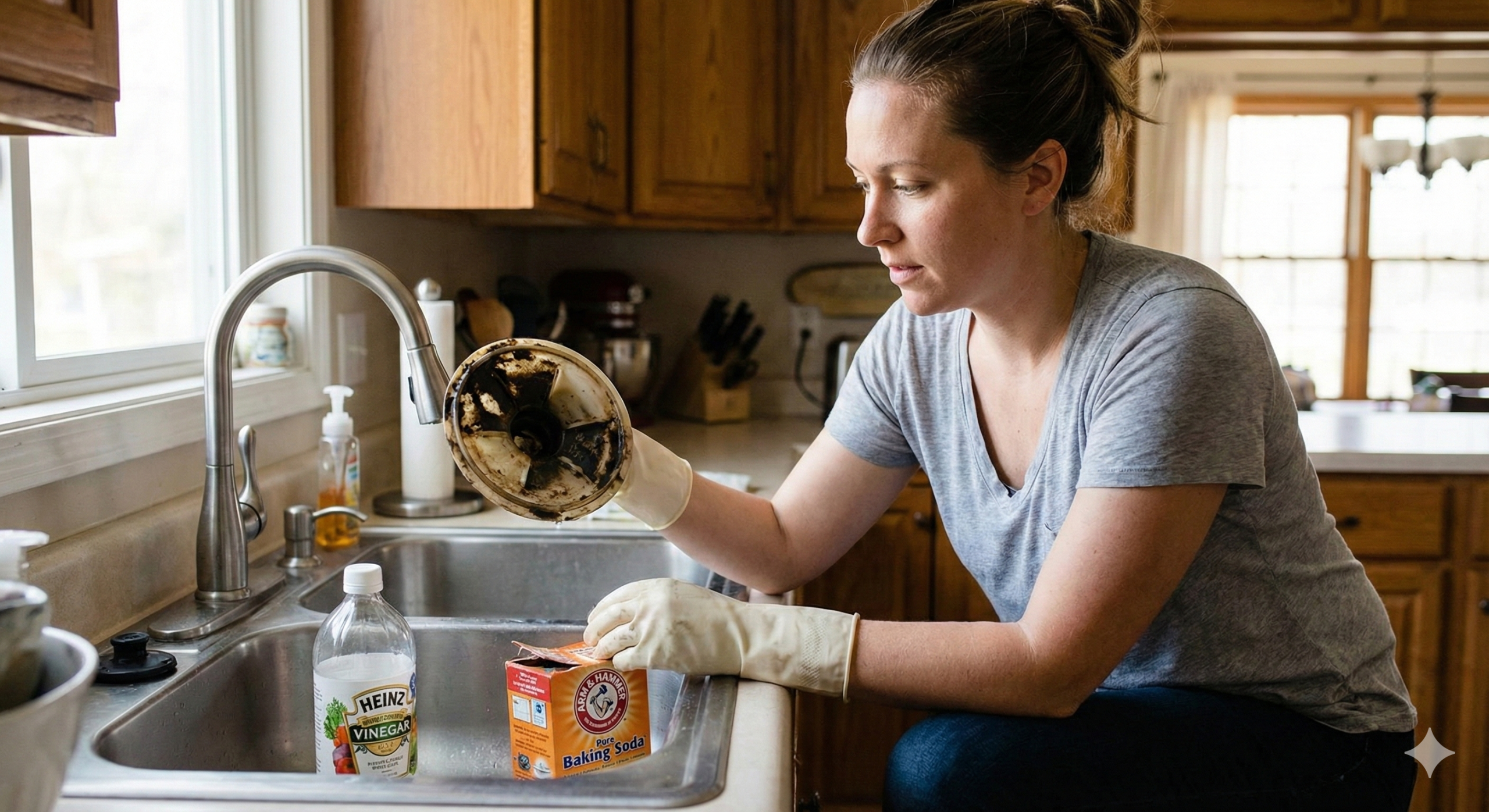
Your kitchen smells off and you can’t figure out why. You clean regularly, take out the trash, run the dishwasher, yet persistent odors linger or return within hours of cleaning. The problem usually isn’t that you’re not cleaning enough – it’s that you’re missing specific sources that continuously generate odors while focusing on obvious areas that might not be the actual culprits. Understanding where kitchen smells actually originate versus where you think they come from helps you eliminate odors at their source rather than just masking them with air fresheners that don’t address root causes. Kitchen odors come from biological processes – bacteria breaking down organic matter, mold growing in damp areas, grease oxidizing and going rancid, and food decomposing in places you don’t realize it’s accumulating. These processes happen continuously in kitchens because kitchens provide ideal conditions: moisture, warmth, and organic material. Effective odor elimination requires interrupting these processes by removing moisture, eliminating food sources, or cleaning areas where bacteria and mold establish themselves. Spraying air freshener just covers smells temporarily without stopping their generation. Your Garbage Disposal Is Growing a Bacterial Garden Garbage disposals seem self-cleaning since water constantly runs through them, but they’re actually odor-generating machines that cultivate bacteria in areas you can’t see or easily reach. Food particles stick to the underside of the rubber splash guard, decomposing in the warm, moist environment the disposal provides. This hidden area accumulates slime and debris that generates persistent odors even when the visible disposal area looks clean. The grinding chamber retains food particles in crevices and around grinding components where water flow doesn’t fully remove debris. These particles decompose over days, creating the source of smells that seem to come from the drain. Grease and fat coat disposal interiors, going rancid over time and creating persistent odors that water alone won’t remove. The oxidized fat smells musty and unpleasant while providing food for bacteria. Biofilm develops on all disposal surfaces – a slimy bacterial layer that regenerates quickly even after cleaning. This living layer continuously produces odors as bacteria metabolize residual organic matter. How to actually fix it: Lift the rubber splash guard and scrub its underside weekly with dish soap and a brush. The slime and debris here are often the primary odor source. Run ice cubes and rock salt through the disposal to scour surfaces, followed by citrus peels to freshen. Pour a paste of baking soda and vinegar into the disposal, let it sit 15 minutes, then flush with very hot water. The goal is mechanical removal of biofilm and debris, not just rinsing. For persistent odors, fill the sink with hot soapy water, run the disposal while draining to flush the entire chamber thoroughly, then repeat with clean water. This volume flush removes debris that normal use doesn’t dislodge. Your Dishwasher Filter Is Disgusting Most people never clean their dishwasher filter despite it catching food particles from every load, creating a bacterial breeding ground that makes your entire kitchen smell like old food and standing water. The filter traps food debris to prevent clogging the drain pump, but this debris sits in warm water between cycles, decomposing and generating odors that spread when you open the dishwasher. Standing water in the filter area provides ideal bacterial growth conditions. The combination of warmth, moisture, and organic matter creates perfect conditions for odor-producing bacteria. Grease accumulation in filters creates rancid odors as the fat oxidizes. This smell differs from decomposing food but is equally unpleasant and often stronger. Mold growth in and around filters happens when dishwashers stay closed between uses, trapping moisture without adequate airflow. The musty mold smell spreads throughout your kitchen when you open the dishwasher door. How to actually fix it: Locate your dishwasher filter (usually in the bottom of the tub) and remove it according to your model’s instructions. Most twist and lift out easily. Rinse the filter under hot water while scrubbing with a brush to remove trapped debris. Soak stubborn buildup in hot soapy water, then scrub clean. Clean the filter housing and drain area visible after removing the filter. Food particles accumulate here and contribute to odors even when the filter itself is clean. Do this weekly if you run the dishwasher daily, every other week for less frequent use. The improvement in kitchen smell after the first thorough cleaning is often dramatic because most people have never cleaned this area. Leave the dishwasher door slightly ajar between uses to allow air circulation that prevents mold growth and musty smells. You’re Storing Dish Sponges Wet Sponges seem innocent but are actually odor factories that spread bacteria and smell throughout your kitchen while you use them to “clean.” The porous structure retains moisture and food particles, creating ideal bacterial growth conditions. Sponges can harbor more bacteria than toilet seats despite being used to clean dishes. Warmth from your kitchen plus moisture in sponges creates perfect bacterial growth temperatures. The bacteria multiply rapidly, producing the characteristic sour smell of old sponges. Food particles trapped in sponge pores decompose, feeding bacterial growth while generating odors that transfer to dishes and surfaces you’re supposedly cleaning. The sour smell that develops in sponges after a few days comes from bacterial waste products. You’re essentially spreading bacterial colonies around your kitchen while trying to clean. How to actually fix it: After each use, thoroughly rinse sponges to remove all food particles, then squeeze them as dry as possible. Standing water in sponges accelerates bacterial growth. Microwave wet sponges for one minute to kill bacteria (ensure they’re wet to prevent fire), or run them through the dishwasher on the hottest cycle. Do this daily for sponges that get heavy use. Replace sponges weekly or when they develop any smell, regardless of how they look. The bacterial contamination isn’t visible even when it’s severe. Better yet, switch to washable dish cloths that you can launder frequently. Cloths dry faster than sponges and go through washing machines that kill bacteria more effectively than any sponge-cleaning method.