

kitchen cleaning tips

How to Actually Keep a Kitchen Clean While You’re Cooking

Most kitchen cleaning advice focuses on what happens after cooking — the post-meal scrub, the weekly deep clean, the seasonal reorganization. This is useful, but it addresses the symptom rather than the cause. The reason kitchens get genuinely difficult to clean is rarely that people don’t clean them afterward. It’s that cooking itself generates mess faster than any post-session cleaning can efficiently address, and certain habits during cooking either contain that mess or let it compound into something that takes far longer to deal with than it needed to. Cooking clean — the habit of managing mess during the cooking process rather than purely after it — is one of the more underrated skills in practical kitchen management. It’s not about perfectionism or anxiety about a dirty kitchen. It’s about the relationship between active mess generation and active mess management, and understanding which interventions during cooking make the cleanup afterward genuinely easier rather than just displacing effort. Professional kitchens operate on this principle out of necessity. A restaurant that waits until after service to address the mess generated during service would be non-functional within a week. The systems they use to stay clean during operation translate directly into home kitchens with some adjustment for scale and context. Why Kitchens Get Out of Control During Cooking Understanding the mechanics of kitchen mess accumulation helps you identify where to intervene rather than just trying harder to keep everything tidy. Mess Compounds Nonlinearly: A small amount of mess at the beginning of a cooking session doesn’t stay small. Grease splattered on a stovetop in the first five minutes of cooking gets heated repeatedly by subsequent burner use, eventually baking onto the surface and becoming significantly harder to remove than it would have been if wiped immediately. Flour on a counter gets pressed into the surface by subsequent prep work, then moistened by water, then dried again into something that requires actual scrubbing. Mess that gets addressed quickly is easy. The same mess left until cooking is complete is harder. Left until the next morning, it’s genuinely difficult. Surfaces Interact: Mess generated on one surface migrates to others through normal kitchen activity. Wet hands touch cabinet doors. Splattered oil moves from the stovetop to the counter to cutting boards as items are transferred between surfaces. The spoon that stirred the sauce gets set down and leaves a ring. These interactions spread mess faster than it’s generated at any single point, which is why kitchens that seem manageable at the start of cooking look chaotic thirty minutes in. Mental Load of Visible Mess: Beyond the physical accumulation, visible kitchen mess during cooking creates cognitive load that affects cooking performance. Studies on cluttered environments consistently show reduced focus and increased stress in people working in visually disordered spaces. A clean or cleaner workspace during cooking actually supports better cooking outcomes — you notice when things are burning, you find tools quickly, you move efficiently rather than navigating around accumulating debris. The Parallel Processing Problem: Cooking requires attention across multiple simultaneous tasks — timing multiple dishes, monitoring heat levels, following recipe steps, managing ingredients. Adding cleaning as another parallel task competes for the same cognitive resources. The key is making cleaning habitual enough that it doesn’t require active attention, which means establishing specific reflexes rather than making conscious decisions about when to clean. Setting Up for Clean Cooking Before You Start The conditions you establish before cooking begins determine how manageable the cleanup process is throughout. Clear Counter Surfaces Completely: Start with as much clear counter space as possible. This sounds obvious but rarely happens in practice — counters accumulate everyday items that don’t belong there and don’t get moved before cooking starts. A full counter has no space for prep debris, finished components, or tools, so everything piles onto whatever space remains. A cleared counter gives mess somewhere to go other than on top of other things. Establish a Debris Zone: Designate one specific area of counter for cooking debris — vegetable trimmings, packaging, empty cans, used paper towels. This could be a bowl, a section of counter, or a cutting board positioned near the trash. Funneling debris to one location prevents it from distributing across the entire kitchen and makes disposal a single action rather than a surface-by-surface collection effort. Position the Trash Strategically: Where your trash can sits during cooking affects how much debris ends up on counters rather than in it. The trash should be within arm’s reach of your primary prep zone without requiring you to cross the kitchen to dispose of anything. Pulling the trash can out from under a cabinet or repositioning it before cooking starts makes disposal effortless rather than requiring a deliberate trip. Set Up a Dish Station: Place a large bowl or container near the sink before cooking starts. Every dish, utensil, and piece of equipment you finish using goes directly into this container rather than onto the counter. This prevents finished tools from spreading across surfaces while also making post-cooking dish management a single collection rather than hunting for items across the kitchen. Lay Down a Splatter Mat or Towel: For cooking tasks that will generate significant mess — rolling out dough, working with oily ingredients, anything involving substantial liquid — lay a clean kitchen towel or silicone mat under the work area. The mat catches debris that would otherwise reach the counter surface, and cleanup means picking up and disposing of the mat rather than scrubbing the counter. The Habits That Actually Make Cooking Cleaner Specific cooking behaviors, repeated consistently, prevent the vast majority of mess accumulation rather than just managing it after the fact. Wipe As You Go, Not After You’re Done: The single most impactful clean-cooking habit is wiping surfaces during natural pauses in the cooking process rather than waiting until the end. While something simmers for five minutes, wipe down the stovetop, counter, and any surfaces you’ve used. The mess at this point is fresh and takes seconds to address. The
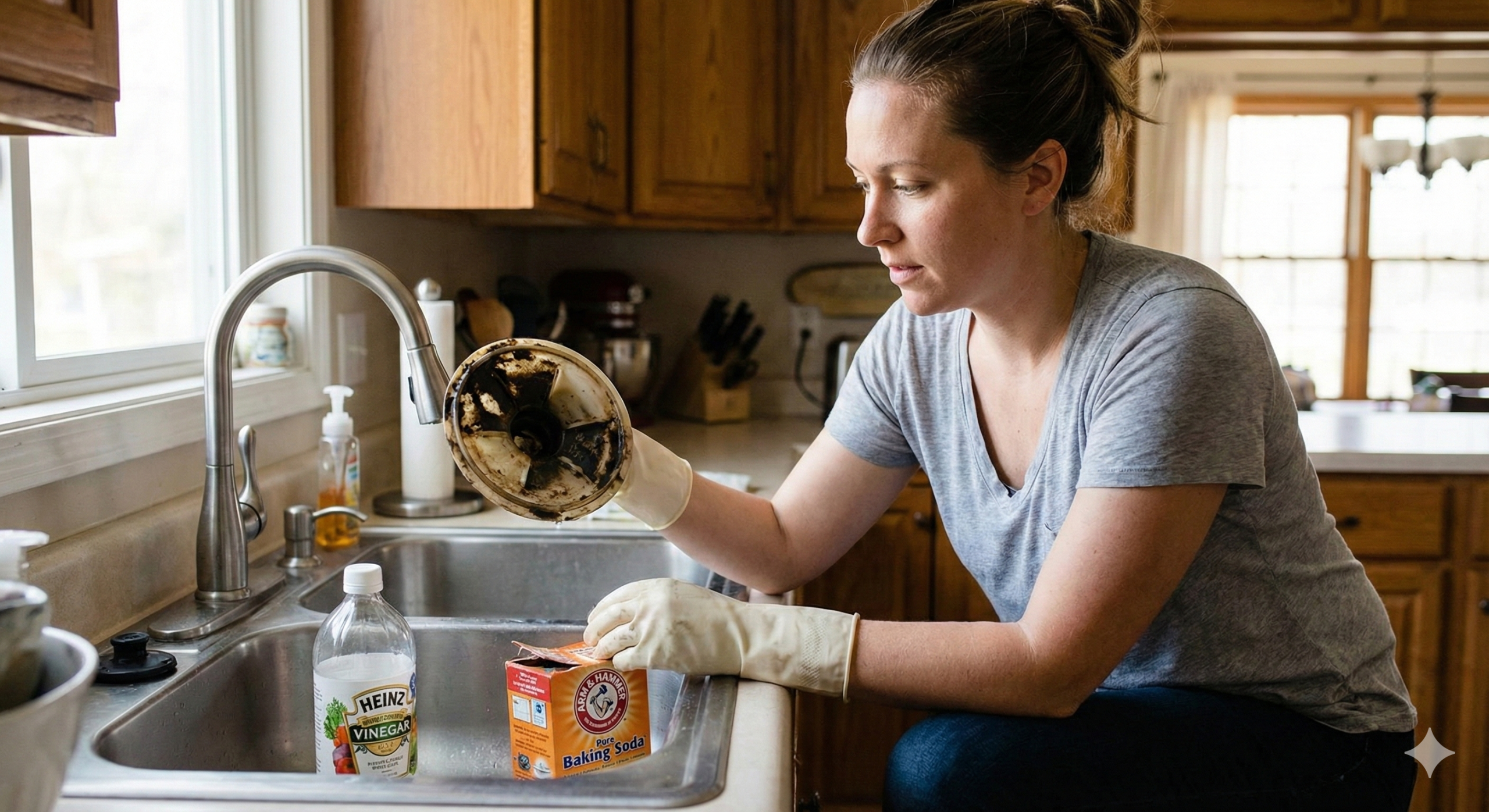

Things You’re Doing That Make Your Kitchen Smell (And How to Actually Fix It)

Your kitchen smells off and you can’t figure out why. You clean regularly, take out the trash, run the dishwasher, yet persistent odors linger or return within hours of cleaning. The problem usually isn’t that you’re not cleaning enough – it’s that you’re missing specific sources that continuously generate odors while focusing on obvious areas that might not be the actual culprits. Understanding where kitchen smells actually originate versus where you think they come from helps you eliminate odors at their source rather than just masking them with air fresheners that don’t address root causes. Kitchen odors come from biological processes – bacteria breaking down organic matter, mold growing in damp areas, grease oxidizing and going rancid, and food decomposing in places you don’t realize it’s accumulating. These processes happen continuously in kitchens because kitchens provide ideal conditions: moisture, warmth, and organic material. Effective odor elimination requires interrupting these processes by removing moisture, eliminating food sources, or cleaning areas where bacteria and mold establish themselves. Spraying air freshener just covers smells temporarily without stopping their generation. Your Garbage Disposal Is Growing a Bacterial Garden Garbage disposals seem self-cleaning since water constantly runs through them, but they’re actually odor-generating machines that cultivate bacteria in areas you can’t see or easily reach. Food particles stick to the underside of the rubber splash guard, decomposing in the warm, moist environment the disposal provides. This hidden area accumulates slime and debris that generates persistent odors even when the visible disposal area looks clean. The grinding chamber retains food particles in crevices and around grinding components where water flow doesn’t fully remove debris. These particles decompose over days, creating the source of smells that seem to come from the drain. Grease and fat coat disposal interiors, going rancid over time and creating persistent odors that water alone won’t remove. The oxidized fat smells musty and unpleasant while providing food for bacteria. Biofilm develops on all disposal surfaces – a slimy bacterial layer that regenerates quickly even after cleaning. This living layer continuously produces odors as bacteria metabolize residual organic matter. How to actually fix it: Lift the rubber splash guard and scrub its underside weekly with dish soap and a brush. The slime and debris here are often the primary odor source. Run ice cubes and rock salt through the disposal to scour surfaces, followed by citrus peels to freshen. Pour a paste of baking soda and vinegar into the disposal, let it sit 15 minutes, then flush with very hot water. The goal is mechanical removal of biofilm and debris, not just rinsing. For persistent odors, fill the sink with hot soapy water, run the disposal while draining to flush the entire chamber thoroughly, then repeat with clean water. This volume flush removes debris that normal use doesn’t dislodge. Your Dishwasher Filter Is Disgusting Most people never clean their dishwasher filter despite it catching food particles from every load, creating a bacterial breeding ground that makes your entire kitchen smell like old food and standing water. The filter traps food debris to prevent clogging the drain pump, but this debris sits in warm water between cycles, decomposing and generating odors that spread when you open the dishwasher. Standing water in the filter area provides ideal bacterial growth conditions. The combination of warmth, moisture, and organic matter creates perfect conditions for odor-producing bacteria. Grease accumulation in filters creates rancid odors as the fat oxidizes. This smell differs from decomposing food but is equally unpleasant and often stronger. Mold growth in and around filters happens when dishwashers stay closed between uses, trapping moisture without adequate airflow. The musty mold smell spreads throughout your kitchen when you open the dishwasher door. How to actually fix it: Locate your dishwasher filter (usually in the bottom of the tub) and remove it according to your model’s instructions. Most twist and lift out easily. Rinse the filter under hot water while scrubbing with a brush to remove trapped debris. Soak stubborn buildup in hot soapy water, then scrub clean. Clean the filter housing and drain area visible after removing the filter. Food particles accumulate here and contribute to odors even when the filter itself is clean. Do this weekly if you run the dishwasher daily, every other week for less frequent use. The improvement in kitchen smell after the first thorough cleaning is often dramatic because most people have never cleaned this area. Leave the dishwasher door slightly ajar between uses to allow air circulation that prevents mold growth and musty smells. You’re Storing Dish Sponges Wet Sponges seem innocent but are actually odor factories that spread bacteria and smell throughout your kitchen while you use them to “clean.” The porous structure retains moisture and food particles, creating ideal bacterial growth conditions. Sponges can harbor more bacteria than toilet seats despite being used to clean dishes. Warmth from your kitchen plus moisture in sponges creates perfect bacterial growth temperatures. The bacteria multiply rapidly, producing the characteristic sour smell of old sponges. Food particles trapped in sponge pores decompose, feeding bacterial growth while generating odors that transfer to dishes and surfaces you’re supposedly cleaning. The sour smell that develops in sponges after a few days comes from bacterial waste products. You’re essentially spreading bacterial colonies around your kitchen while trying to clean. How to actually fix it: After each use, thoroughly rinse sponges to remove all food particles, then squeeze them as dry as possible. Standing water in sponges accelerates bacterial growth. Microwave wet sponges for one minute to kill bacteria (ensure they’re wet to prevent fire), or run them through the dishwasher on the hottest cycle. Do this daily for sponges that get heavy use. Replace sponges weekly or when they develop any smell, regardless of how they look. The bacterial contamination isn’t visible even when it’s severe. Better yet, switch to washable dish cloths that you can launder frequently. Cloths dry faster than sponges and go through washing machines that kill bacteria more effectively than any sponge-cleaning method.

How to Maintain and Care for Stainless Steel Appliances: Keep Your Kitchen Looking Brand New

Stainless steel appliances have become the gold standard in modern kitchens, and for good reason. They offer a sleek, professional appearance that works with virtually any design style while providing durability that lasts for decades. However, keeping stainless steel looking its best requires more than just occasional wiping down. Understanding proper care techniques will help your appliances maintain their stunning appearance and protect your investment for years to come. Many homeowners struggle with water spots, fingerprints, and streaks on their stainless steel surfaces. The good news is that with the right knowledge and techniques, maintaining stainless steel appliances becomes much easier. You don’t need expensive specialty products or professional cleaning services – just the right approach and consistent care. Understanding Your Stainless Steel Finish Not all stainless steel finishes are created equal. Most appliances use either brushed or polished stainless steel, and each requires slightly different care approaches. Brushed finishes have a directional grain that helps hide fingerprints and scratches, while polished finishes offer a mirror-like shine but show marks more easily. The grain direction in brushed stainless steel is crucial for proper cleaning. Always clean in the direction of the grain, never against it. Cleaning against the grain can create scratches and make your appliances look dull over time. If you’re unsure about the grain direction, look closely at the surface in good light – you should be able to see the subtle lines that indicate which way to clean. Some manufacturers apply protective coatings or special finishes to their stainless steel appliances. These fingerprint-resistant finishes make daily maintenance easier but may require specific care instructions. Check your appliance manual for any special requirements before using cleaning products. Understanding the grade of stainless steel also helps with care decisions. Higher grades like 304 stainless steel resist corrosion better and are easier to maintain than lower grades. This information is usually available in your appliance documentation. Daily Cleaning Routine That Works The key to beautiful stainless steel appliances is consistent daily care rather than intensive deep cleaning sessions. Developing a simple routine prevents buildup of grease, fingerprints, and water spots that become harder to remove over time. Start each day by wiping down your appliances with a clean, damp microfiber cloth. Microfiber is ideal because it picks up dust and light soil without scratching the surface. Always wipe in the direction of the grain, using long, smooth strokes rather than circular motions. For everyday cleaning, warm water often works perfectly well without any cleaning products. This gentle approach prevents chemical buildup while removing surface dirt and fingerprints. Dry immediately with a clean, dry microfiber cloth to prevent water spots from forming. Pay special attention to high-touch areas like handles, control panels, and the areas around faucets. These spots accumulate oils from hands and need more frequent attention. A quick daily wipe prevents these oils from building up and becoming harder to remove. Don’t forget about the sides and back of appliances that are visible in your kitchen. Dust and grease can settle on these surfaces, making your appliances look dingy even if the fronts are clean. The Right Products for Stainless Steel Care While many commercial stainless steel cleaners are available, you don’t always need specialty products to keep your appliances looking great. Some of the most effective cleaning solutions are probably already in your kitchen. Dish soap mixed with warm water creates an effective, gentle cleaner for most stainless steel surfaces. Use just a few drops of mild dish soap in a spray bottle filled with warm water. This solution cuts through grease and fingerprints without being harsh on the finish. White vinegar works exceptionally well for removing water spots and mineral deposits. Mix equal parts white vinegar and water in a spray bottle for tough spots. The acidity in vinegar dissolves mineral buildup that plain water can’t remove. Always rinse thoroughly after using vinegar to prevent any potential etching. For stubborn fingerprints and smudges, rubbing alcohol on a microfiber cloth can be very effective. The alcohol evaporates quickly, reducing the chance of streaking while cutting through oils from fingerprints. Commercial stainless steel cleaners can be useful for weekly deep cleaning or particularly stubborn spots. Look for products specifically designed for stainless steel rather than general-purpose cleaners. These products often contain oils that help protect the finish while cleaning. Baby oil or mineral oil can add shine and create a protective barrier against fingerprints when used sparingly. Apply a tiny amount to a microfiber cloth and wipe in the direction of the grain. This technique works particularly well on refrigerator doors and other high-touch surfaces. What to Avoid: Products That Can Damage Stainless Steel Knowing what not to use is just as important as knowing what works well. Many common household cleaners can damage stainless steel finishes permanently, so avoiding these products protects your investment. Bleach and chlorine-based cleaners can cause pitting and discoloration in stainless steel. Even small amounts can start corrosion processes that worsen over time. If you accidentally use a chlorine product, rinse thoroughly with clean water immediately. Abrasive cleaners, steel wool, and scouring pads will scratch stainless steel finishes. Once scratches occur, they’re very difficult to remove and can make your appliances look worn and old. Stick to soft cloths and non-abrasive cleaning tools. Ammonia-based cleaners can discolor stainless steel and should be avoided. Many glass cleaners contain ammonia, so check labels carefully before using any cleaning product on your appliances. Cleaners containing hydrochloric acid, muriatic acid, or other strong acids can permanently damage stainless steel. These ingredients are sometimes found in rust removers and heavy-duty bathroom cleaners. Paper towels, while convenient, can actually scratch stainless steel surfaces and leave lint behind. The rough texture of paper towels makes them unsuitable for delicate finishes. Stick to microfiber cloths for best results. Never use oven cleaner on stainless steel surfaces, even if part of your range or oven has stainless steel exterior panels. These cleaners are far too harsh and will damage the finish. Removing