
Kitchen Upgrades That Actually Matter (and the Ones That Don’t)
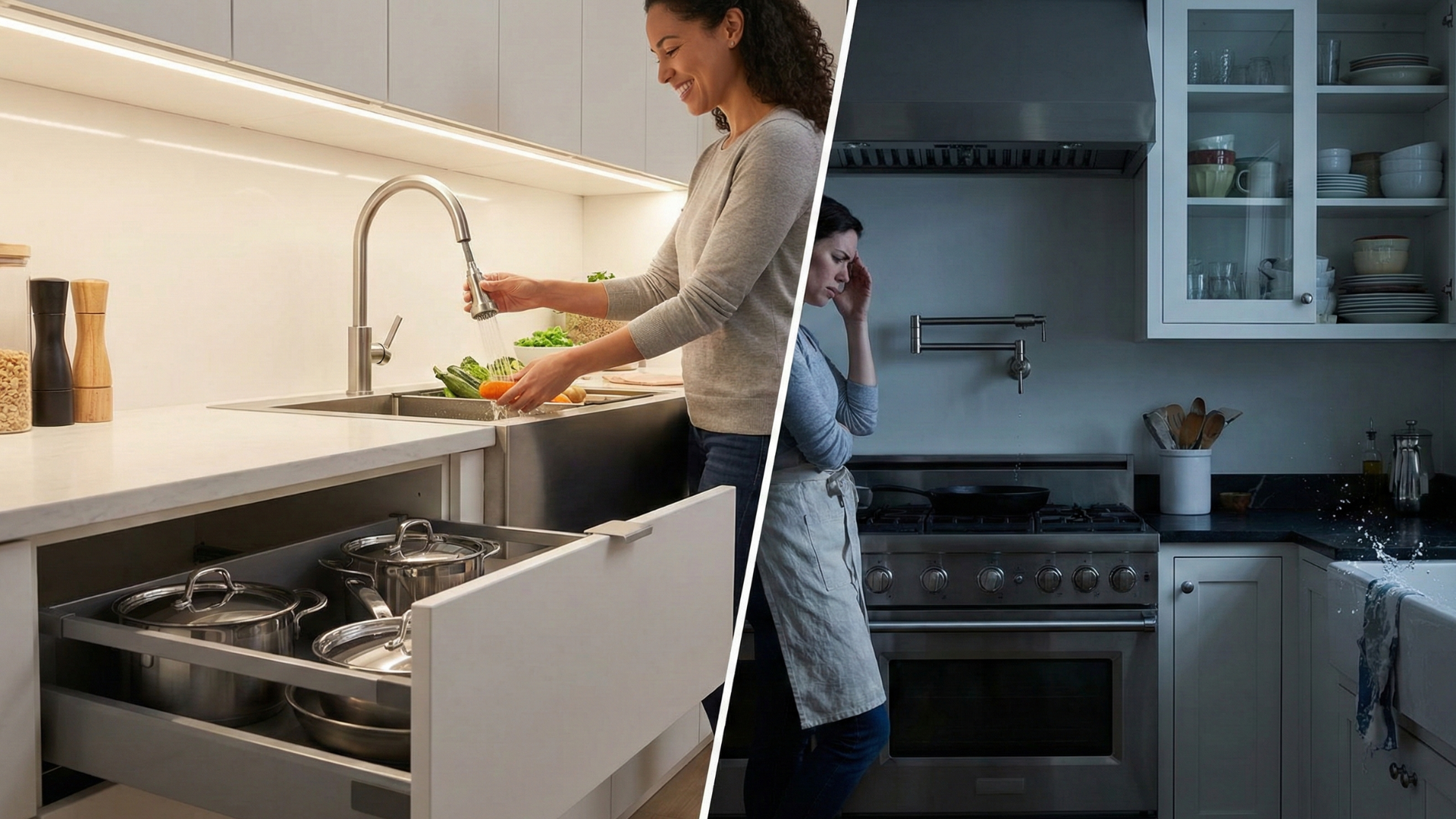
Kitchen renovation advice tends toward either extreme budget constraints or luxury indulgence, leaving most homeowners wondering which improvements actually enhance daily cooking and living versus which ones look impressive but contribute little to function. The gap between marketed kitchen features and genuinely useful upgrades creates confusion when you’re trying to spend money wisely on improvements that will serve you for years. Understanding which kitchen changes deliver real value—through better workflow, reduced frustration, or improved cooking capability—helps you invest in upgrades that matter rather than trendy features that sound appealing but don’t change how your kitchen actually works. The challenge is separating marketing narratives from lived experience. Some upgrades that seem practical turn out frustrating, while others that appear unnecessary prove invaluable once you experience them. The difference often comes down to how you actually use your kitchen rather than how you imagine using it or how magazines suggest you should use it. Upgrades Worth Every Dollar Adequate and Well-Placed Lighting Kitchen lighting ranks among the most impactful upgrades because insufficient or poorly positioned lighting makes every kitchen task more difficult and less safe. Most kitchens rely too heavily on a single overhead fixture that casts shadows exactly where you’re working. Under-cabinet lighting transforms food preparation by illuminating countertops where you actually work. The difference between chopping vegetables in shadow versus in direct light affects both safety and efficiency dramatically. LED strip lights installed under wall cabinets cost relatively little but change how your kitchen functions every single day. Task lighting over the sink makes dishwashing and food prep at the sink far easier. A pendant or recessed light positioned directly over the sink area eliminates the shadows created when your body blocks overhead lighting. Overhead lighting should be layered rather than relying on a single central fixture. Multiple recessed lights, a pendant over the island, or track lighting that can be directed creates even illumination without harsh shadows. Dimmer switches add flexibility by allowing bright light when needed for detailed tasks and softer lighting for casual kitchen use or entertaining. The ability to adjust lighting intensity makes the kitchen more comfortable throughout the day. The lighting upgrade provides value every single time you use your kitchen. Unlike features you use occasionally, lighting affects every meal, every cleanup, every kitchen task. Better Faucet and Sink Configuration The faucet and sink get used constantly, making quality improvements here worthwhile investments that reduce daily frustration and improve kitchen workflow. Pull-down or pull-out faucet sprayers provide flexibility that standard faucets don’t offer. Rinsing large pots, washing vegetables, cleaning the sink itself—all become easier when you can direct water flow exactly where needed. Higher faucet clearance accommodates large pots under the spout without awkward tilting. If you’ve ever struggled to fill a tall stockpot or water pitcher under a low faucet, adequate clearance eliminates that constant annoyance. Quality faucet construction means the faucet continues working smoothly for years without developing drips, loose handles, or spray pattern problems. Cheap faucets fail within a few years while quality faucets last decades. Deeper sinks hold more dishes and large cookware without overflowing onto the counter. An extra two or three inches of depth makes a surprising difference in sink utility. Single-basin versus divided sinks depends on your actual usage. If you regularly need to soak large sheet pans or roasting pans, a single large basin serves you better than a divided sink where nothing fits properly. The sink and faucet upgrade improves kitchen function multiple times daily. These aren’t glamorous improvements, but they affect your kitchen experience constantly. Functional Storage Solutions Basic cabinets with empty space and fixed shelves waste storage capacity and create frustration when you need specific items buried in back corners. Thoughtful storage upgrades make the kitchen far more functional. Pull-out shelves in lower cabinets bring items from the back within reach without crawling on the floor and moving everything else. The ability to pull out the entire shelf transforms how you access pots, pans, and small appliances. Deep drawer dividers for utensils, tools, and gadgets prevent the tangled mess that develops in standard drawers. Organized storage means finding what you need immediately rather than digging through chaos. Pull-out trash and recycling bins hide waste containers while keeping them easily accessible. Built-in waste solutions eliminate floor clutter from freestanding bins while making disposal convenient during cooking. Vertical storage for baking sheets, cutting boards, and trays utilizes cabinet space efficiently instead of stacking these items horizontally where you need to remove six things to reach the one you want. Corner cabinet solutions like lazy Susans or pull-out systems make corner spaces usable rather than letting them become black holes where items disappear forever. Drawer organizers for spices keep bottles visible and accessible rather than crowded on shelves where you can’t see what you have. Being able to find spices quickly improves cooking flow. Storage improvements reduce daily frustration and make cooking more enjoyable by ensuring everything has a logical place where you can find and access it easily. Quality Ventilation Proper range hood ventilation removes smoke, steam, grease, and cooking odors before they permeate your home. Inadequate ventilation means cooking smells linger for hours and grease accumulates on surfaces throughout the kitchen. Adequate CFM (cubic feet per minute) for your cooking style ensures the hood can actually clear the air. Undersized hoods run constantly without effectively removing cooking byproducts. Ducted ventilation to the outside works dramatically better than recirculating hoods with charcoal filters. Truly removing air from the kitchen eliminates odors rather than just filtering and returning them. Proper hood sizing covers the cooktop width completely. A 30-inch hood over a 36-inch cooktop cannot capture all the smoke and steam from the outer burners. Quiet operation at usable fan speeds makes the difference between actually using your hood versus avoiding it because the noise is unbearable. Good hoods provide strong ventilation without sounding like jet engines. The ventilation upgrade pays dividends during any cooking that generates smoke, steam, or strong odors. If you cook regularly,