Featured

Homemade Cheeseburgers: Juicy Burger with Melted American Cheese

Homemade cheeseburgers start with properly seasoned beef and end with toasted buns. The difference between a flat tasteless patty and a juicy flavorful burger comes down to fat content, seasoning mixed into the meat, and not overcooking. Ground beef at 70/30 fat ratio keeps patties juicy through cooking. Leaner beef loses moisture faster leaving dry burgers. The fat renders during cooking keeping the interior moist while the exterior browns. Here’s how to make juicy cheeseburgers at home with seasoned patties, melted American cheese, and toasted buns. What You’ll Need Ingredients: Equipment: Step-by-Step Instructions Step 1: Prep the Aromatics Finely mince the onion and add to a small bowl. The finer the mince the better it distributes through the meat without creating large onion chunks in the patty. Add garlic paste to the minced onion and mix together. Set aside. This mixture goes directly into the beef. Step 2: Prep the Toppings Slice tomatoes into rounds. Separate lettuce leaves. Slice onion into thin rings or half-moons depending on preference. Place all sliced toppings in a bowl and set aside. Having toppings ready before cooking means everything moves quickly once burgers come off the heat. Step 3: Season and Mix the Beef Add ground beef to a large mixing bowl. Break it up slightly to allow even seasoning distribution. Add the garlic paste and minced onion mixture from earlier. Add salt, black pepper, onion powder, garlic powder, and a small amount of butter. Mix everything thoroughly until all seasonings distribute evenly through the beef. The butter adds richness and helps keep the patty moist during cooking. Don’t overmix. Working the beef too long creates dense tough patties. Mix until just combined and stop. Step 4: Form the Patties Divide the seasoned beef into evenly sized portions. The number of patties depends on preferred size — two larger patties or three to four smaller ones from one pound. Form each portion into a round patty slightly wider than your bun. Patties shrink during cooking so starting wider prevents the finished burger from being smaller than the bun. Press a slight indent in the center of each patty with your thumb. This prevents the patty from puffing up into a dome shape during cooking. Place formed patties on a baking sheet and set aside. Step 5: Preheat the Skillet Place skillet over medium-high heat. Allow it to preheat for about 5 minutes. A properly preheated skillet creates a good sear on the patty exterior. Cold or lukewarm skillets steam the meat instead of browning it. Lightly grease the skillet with cooking spray just before adding patties. Step 6: Cook the Patties Place patties onto the hot skillet. Cook for 5 minutes without moving them. Resist pressing down on patties with the spatula. Pressing squeezes out juices creating drier burgers. Flip patties and cook for another 5 minutes. Adjust time based on preferred doneness — less time for pink center, full 5 minutes for well done. Internal temperature guidelines: 130-135°F for medium-rare, 145°F for medium, 160°F for well done. Step 7: Add the Cheese Place one slice of American cheese on top of each patty immediately after the final flip or in the last minute of cooking. Let cheese melt from the residual heat of the patty. American cheese melts quickly and evenly making it ideal for burgers. If the cheese isn’t melting fast enough, cover the skillet briefly with a lid to trap steam and accelerate melting. Step 8: Toast the Buns While patties finish cooking or rest briefly, place buns cut-side down onto the skillet. Toast until golden brown. The toasting adds texture and prevents the bun from going soggy from burger juices. Watch carefully — buns toast quickly on a hot skillet. Remove from heat as soon as they reach golden color. Step 9: Assemble and Serve Bottom bun first. Place the cheesy patty directly on the bottom bun while still hot. Layer lettuce, tomato slices, and onion on top of the patty. Add mayo to the top bun and ketchup to the bottom or wherever you prefer. Place top bun on and serve immediately while everything is hot and the cheese is still melted. Why Fat Content Matters 70/30 ground beef (70% lean, 30% fat) is the sweet spot for juicy burgers. The fat renders during cooking keeping the interior moist and adding flavor. 80/20 works as well but produces slightly leaner results. 90/10 or leaner beef creates dry burgers lacking flavor — the fat is doing most of the work. The fat also helps form the patty and keeps it together during cooking. Very lean beef tends to crumble more easily. Getting the Patty Right Uniform thickness ensures even cooking. Patties thicker in the middle take longer to cook through while the edges overcook. The thumb indent in the center is worth doing every time. Without it, the center of the patty swells during cooking creating an uneven burger that’s hard to stack toppings on. Season generously. The seasoning gets diluted through the entire pound of beef so what seems like too much in the bowl becomes just right in the finished patty. Skillet vs. Grill Skillet cooking captures juices and fat creating a flavorful crust from fond building in the pan. The enclosed cooking environment keeps more moisture in the patty. Grill cooking adds smoke flavor and creates char marks. The open flame allows fat to drip away producing slightly leaner results with different flavor profile. Both methods work well. Skillet cooking is more controllable and works year-round regardless of weather. Cheese Choices American cheese melts better than most alternatives. It’s specifically formulated to melt smoothly and evenly making it the default choice for classic cheeseburgers. Cheddar adds sharper flavor but melts less smoothly, sometimes breaking or becoming oily. If using cheddar, choose a younger variety which melts better than aged. Swiss provides milder nutty flavor. Provolone melts well with mild flavor. Pepper jack adds heat. For the classic cheeseburger experience, American cheese is hard to beat on

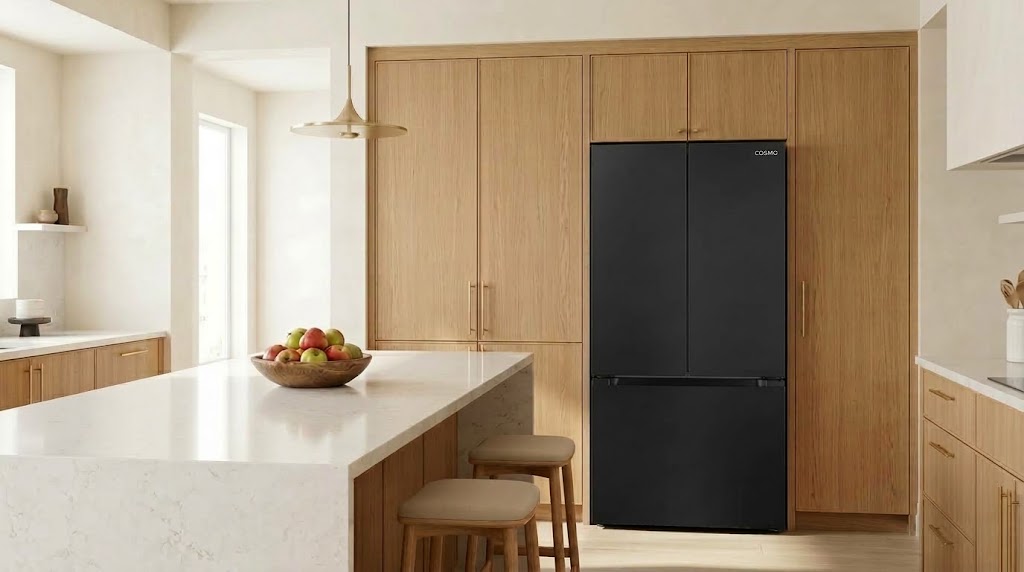
The COS-FDR223GWSS French Door Refrigerator: 22.4 Cu. Ft. with Water Dispenser

French door refrigerators with water dispensers solve the reaching-across-the-kitchen problem every time you want cold water. Built-in water access eliminates pitcher refilling and provides filtered water on demand. The COS-FDR223GWSS stores 22.4 cubic feet of food in French door configuration with upper refrigerator and lower freezer layout. Electronic temperature controls, LED lighting, and soft-close doors handle the details while you handle groceries. Here’s what this refrigerator delivers for households wanting water dispenser convenience without sacrificing storage capacity. 22.4 Cubic Feet French Door Configuration French doors open side-by-side providing refrigerator access without swinging a wide single door into your kitchen. The configuration works better in tight spaces than traditional single-door models. Capacity of 22.4 cubic feet handles typical household food storage. The volume suits families buying groceries weekly without running out of space mid-week. French door layout positions refrigerator at eye level with freezer below. You access refrigerated items most frequently, so placing them at comfortable height reduces bending. Wide shelves from side-by-side door opening accommodate large platters, pizza boxes, and sheet cakes that don’t fit in traditional narrow refrigerators. Full-width shelves maximize storage flexibility. Lower freezer drawer slides out providing top-down freezer view. The drawer configuration shows frozen items better than traditional freezer shelves. The French door configuration provides comfortable access to refrigerated items while maximizing shelf width for large items. Built-In Water Dispenser External water dispenser mounted in refrigerator door provides filtered cold water without opening the door. Fill glasses, water bottles, or cooking pots directly from dispenser. Water access convenience eliminates refrigerator-stored pitchers taking up shelf space. The built-in filtration and dispensing replaces multiple-step pitcher filling and filtering. Filtered water from built-in system (specific filtration type not mentioned but typical refrigerator filters reduce chlorine taste and common contaminants) improves water taste compared to straight tap water. Dispenser location on door exterior allows accessing water without opening refrigerator. The closed-door dispensing maintains internal temperature better than opening doors for water access. Filter replacement (schedule and filter type not specified but typically 6-month replacement intervals) maintains water quality. Regular filter changes ensure consistent filtration performance. The built-in water dispenser provides convenient filtered water access without pitcher storage or refrigerator door opening. Automatic Ice Maker Built-in ice production eliminates tray filling and freezing creating continuous ice supply for daily use without manual ice-making effort. Automatic ice maker produces ice continuously refilling storage bin as ice gets used. The automatic operation means ice is always available when needed. Ice storage capacity (specific bin size not mentioned) holds sufficient ice for typical daily household use. Larger gatherings may require advance ice production or supplemental ice. Ice production rate (specific pounds per day not mentioned but typical residential ice makers produce 3-8 pounds daily) replenishes used ice automatically. The production keeps up with moderate daily ice consumption. Ice maker operation requires water line connection to refrigerator. Professional installation ensures proper water supply hookup and leak prevention. The automatic ice maker provides continuous ice production eliminating manual ice tray filling and freezing. Electronic Temperature Controls Digital temperature management allows precise refrigerator and freezer temperature settings maintaining optimal food storage conditions through electronic monitoring. Electronic controls provide separate temperature settings for refrigerator and freezer compartments. Independent control maintains each section at ideal temperature for its contents. Digital display shows current temperature settings. The visual feedback confirms refrigerator maintains set temperature. Temperature adjustment through electronic buttons allows fine-tuning storage conditions. Adjust temperatures based on food types or seasonal needs. Consistent temperature maintenance from electronic systems preserves food quality better than mechanical thermostats. Electronic controls prevent temperature fluctuations that accelerate food spoilage. The electronic temperature controls provide precise climate management through digital adjustment maintaining optimal storage conditions in both compartments. LED Lighting and Soft-Close Doors Energy-efficient interior lighting illuminates refrigerator contents, while soft-close door mechanism prevents slamming and ensures proper sealing. LED lighting throughout refrigerator interior provides bright illumination without heat generation. LEDs last longer and use less energy than traditional incandescent bulbs. Light placement (specific locations not detailed but typically top and side lighting) illuminates shelves and drawers clearly. Good lighting helps locate items quickly reducing door-open time. Soft-close door mechanism gently pulls doors closed in final inches of closing. The assisted closing prevents door slamming and ensures doors seal properly. Proper door sealing from soft-close mechanism maintains internal temperature. Partially-open doors waste energy and allow warm air infiltration. The LED lighting and soft-close doors provide practical features improving visibility and ensuring proper door closure. Controllable Door Alarm Audible alert notifies when refrigerator doors remain open preventing temperature loss from extended door-open periods. Door alarm activates when doors stay open beyond set duration (specific time threshold not mentioned but typically 1-2 minutes). The alert reminds you to close doors preventing food spoilage. Alarm control allows adjusting sensitivity or turning alarm off when needed. The controllable feature prevents nuisance alarms during extended food loading or cleaning. Temperature protection from alarm prevents warm air infiltration during inadvertent door-open situations. The reminder helps maintain consistent internal temperature. The controllable door alarm provides temperature protection through audible reminder when doors remain open too long. Adjustable Storage and Spill-Proof Shelves Customizable interior organization accommodates varied food sizes through adjustable bins and shelves, while spill-proof glass shelves contain leaks preventing mess spread. Adjustable door bins (specific configuration not detailed) allow repositioning bin heights matching bottle and container sizes. The flexibility accommodates different product heights. Adjustable shelves provide vertical flexibility moving shelf positions based on tall items or storage needs. The customization adapts refrigerator interior to your groceries. Spill-proof glass shelves contain liquid spills preventing drips to lower shelves. The contained spills simplify cleanup limiting mess to single shelf. Durable glass shelf construction supports heavy items without flexing. The sturdy shelves handle loaded casserole dishes and full storage containers. The adjustable storage and spill-proof shelves provide organization flexibility while containing messes for easier cleanup. Making the Right Choice for Your Kitchen The COS-FDR223GWSS works for households wanting French door refrigerator with water dispenser convenience and automatic ice making in 22.4 cubic feet capacity.

The Mise en Place Myth: Why Prep-Everything-First Doesn’t Always Work

Professional chefs prep everything before they start cooking. You’ve seen it on cooking shows—neat little bowls of chopped vegetables, measured spices, prepped proteins all lined up before heat touches pan. Then you try it at home. You spend 45 minutes chopping, measuring, and organizing. Your counter looks like a bowl store exploded. Half your ingredients sit getting warm or oxidizing while you finish prep. And somehow the actual cooking still feels rushed. The problem isn’t your knife skills. The problem is blindly applying restaurant kitchen logic to home cooking without understanding why restaurants work that way or how your kitchen differs. Here’s the truth about mise en place, when complete pre-prep actually helps versus hurts, and how to adapt the concept for home cooking efficiency. Restaurant Kitchens Aren’t Home Kitchens Restaurants prep everything first because they’re cooking the same dishes repeatedly under time pressure for paying customers who expect fast service. Restaurant line cooks work during service rush cooking identical orders back-to-back. Prepping once lets them execute quickly when orders arrive. They make the same pasta dish 50 times per night—complete prep makes sense. Restaurants have prep cooks whose entire job involves chopping vegetables and measuring ingredients. Line cooks receive already-prepped ingredients. The division of labor spreads prep burden across multiple people. Restaurant mise en place prevents mistakes during rush. When cooking under pressure with tickets piling up, having everything measured prevents forgetting ingredients or adding wrong amounts. Restaurants optimize for speed during service, not efficiency of total labor. They accept longer total prep time because it enables faster cooking when customers are waiting. Your home kitchen operates differently. You’re cooking one or two portions, not fifty. You’re the prep cook and line cook. You’re not racing against customer expectations. Different constraints require different strategies. Downtime During Cooking Is Wasted Prep Time Most recipes include natural waiting periods where you’re not actively doing anything—perfect opportunities for prep work without adding total cooking time. Onions take ten minutes to soften properly. You can chop garlic, measure spices, and prep other vegetables during those ten minutes instead of standing watching onions. Water takes time to boil. While waiting for pasta water, you can grate cheese, chop herbs, or prepare sauce ingredients rather than prepping everything before you start. Meat needs time to brown undisturbed. Flipping chicken too early prevents proper browning. Use that hands-off time productively prepping what comes next. Ovens need preheating time. While the oven reaches temperature, prep your ingredients instead of prepping before you turn the oven on. Rice cookers, slow cookers, and other set-it-and-forget-it equipment create prep windows. Use their cooking time for other preparation instead of front-loading everything. Sequential prep during natural downtime means your total time from starting to eating stays roughly the same, but you’re not creating artificial prep time before cooking begins. Some Ingredients Suffer From Early Prep Certain ingredients degrade when prepped too far in advance, making complete mise en place actively harmful to final dish quality. Cut avocados oxidize and brown within minutes. Prep avocado right before using, not at the start of your prep session. Sliced apples and pears discolor quickly. Chop them last to maintain appearance and prevent browning. Minced garlic loses pungency and develops harsh flavors when sitting. Chop garlic right before it hits the pan for best flavor. Fresh herbs wilt and blacken when chopped early. Prep herbs at the last minute to maintain color and aroma. Salad greens get soggy when dressed too early. Keep components separate until serving time. Some vegetables release moisture when salted and chopped. Prepping too early creates watery mess rather than neat mise. Complete advance prep forces you to compromise ingredient quality. Strategic last-minute prep maintains optimal flavor and texture. Partial Mise Works Better for Home Cooks Instead of all-or-nothing approach, prep strategically based on cooking sequence and ingredient needs. Prep long-cooking components first. If recipe starts with onions cooking for 15 minutes, chop those onions before anything else. Prep quick-cooking ingredients during the onion cooking time. Group ingredients by cooking stage. Prep everything for step one together. Prep step two ingredients while step one cooks. Prep step three during step two. Measure dry ingredients in advance. Spices, flour, and shelf-stable items can sit measured without quality loss. Prep these first if it helps organization. Keep proteins refrigerated until needed. Don’t let chicken or fish sit at room temperature for 30 minutes while you prep vegetables. Prep proteins right before cooking. Wash and dry produce in advance but don’t chop until needed. Clean vegetables store better than chopped vegetables. Do the washing early, the cutting strategically. This hybrid approach gives you organization benefits without quality compromises or artificial waiting time. Your Recipe Determines Your Strategy Different recipes require different prep approaches based on cooking intensity and timing demands. Stir-fries need complete mise. When cooking happens in three minutes over high heat, stopping mid-cooking to chop something means burned food. Everything must be prepped and ready. Braises allow progressive prep. When something simmers for two hours, you have abundant time for prep during cooking. Front-loading makes no sense. Baking often requires complete mise. When ratios and techniques are precise, having everything measured prevents mistakes. Measure before mixing. One-pan meals with sequential cooking work well with progressive prep. Brown meat, remove it, prep vegetables while pan cools slightly, continue cooking. The sequence builds in prep time. Recipes with many components benefit from partial advance prep. If making main dish plus two sides, prepping some elements early prevents last-minute chaos. Read your recipe before deciding prep strategy. Let the cooking method and timing dictate your approach. Mise en Place Is About Readiness, Not Bowls The core concept behind mise en place isn’t having pretty bowls, it’s being ready to execute without scrambling or forgetting things. Mental mise matters more than physical mise. Knowing what ingredients you need and what order they’re added prevents mistakes regardless of when you chop them. Reading the recipe through completely before starting provides mental organization. Understanding the flow prevents