
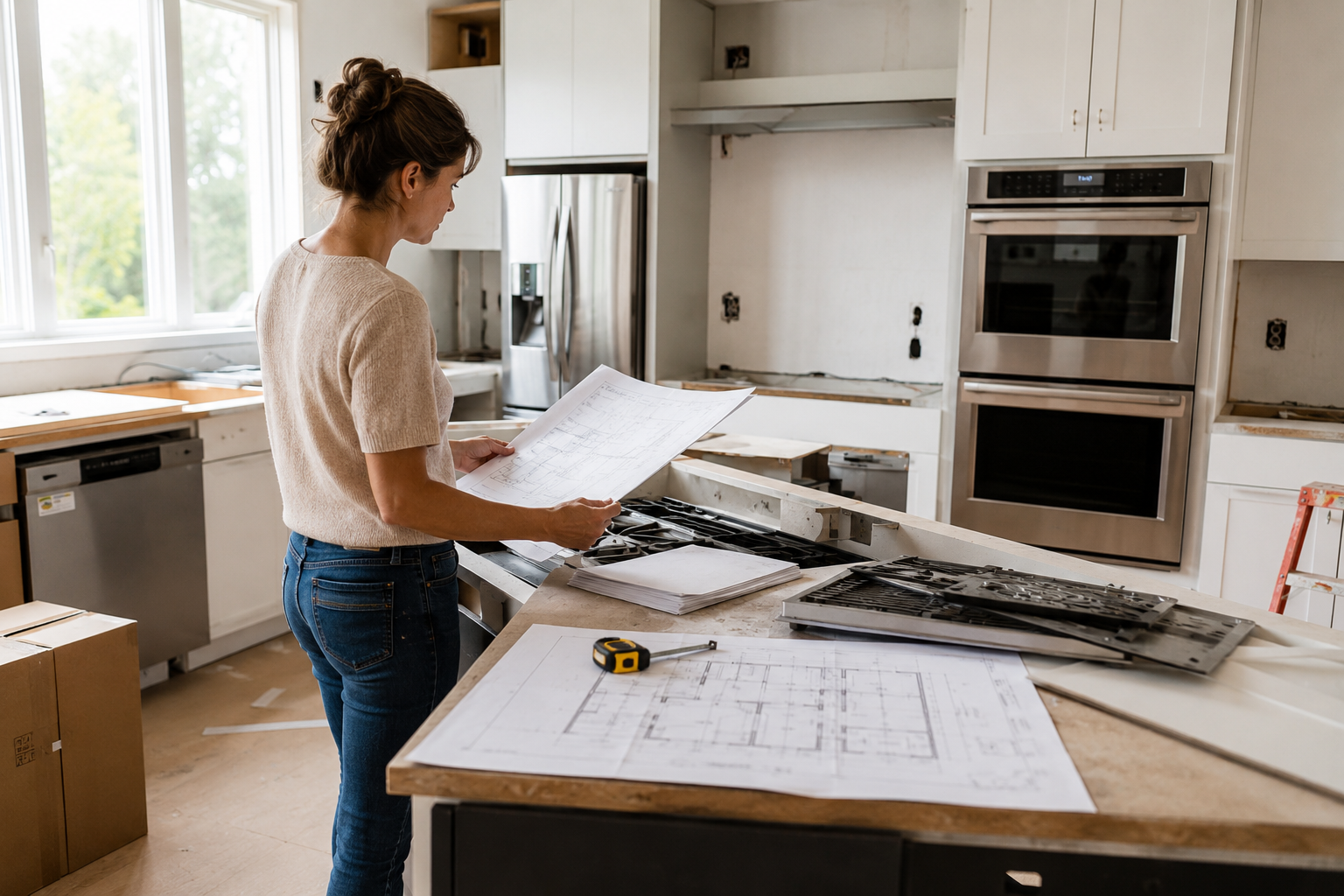
What Nobody Tells You About Buying Kitchen Appliances During a Renovation
Kitchen renovations expose a specific category of mistake that people who’ve never done one before don’t anticipate and people who have done one before wish someone had warned them about. These aren’t mistakes about tile selection or cabinet finishes — they’re appliance mistakes, and they’re particularly costly because appliances are expensive, often non-returnable once installed, and sometimes reveal their problems only after surrounding cabinetry, countertops, and flooring are already completed and paid for. The challenge isn’t that appliance buying is complicated in isolation. Buying a refrigerator for an existing kitchen is straightforward. The challenge is that renovation appliance buying happens simultaneously with dozens of other decisions, under time pressure from contractors, with lead times that don’t always cooperate with construction schedules, and with information that’s incomplete until too late to change course. Understanding where these decisions go wrong helps you sequence them correctly and avoid the specific traps that renovation projects create. Order of Operations Matters More Than Most People Realize The single most consequential mistake in renovation appliance buying is treating appliance selection as something you can do after other decisions are finalized. It needs to happen first, or at minimum simultaneously, because appliances determine requirements that everything else must accommodate. Appliances Drive Cabinet Dimensions: Built-in appliances — dishwashers, wall ovens, refrigerators, wine coolers, microwave drawers — have precise cutout dimensions that cabinets must match exactly. If you finalize cabinet orders before confirming appliance dimensions, you risk cutouts that don’t fit. A wall oven that’s a half-inch taller than the cabinet opening means either returning the oven, modifying the cabinet (expensive and sometimes impossible), or living with a gap that looks unfinished. Appliances Drive Utility Rough-In Locations: Where gas lines, electrical circuits, and water connections end up in your walls and floors must match where your chosen appliances need them. Rough-in work happens early in renovation — before drywall, before cabinets, often before tile. If you haven’t selected appliances when rough-in happens, contractors make educated guesses about utility locations. These guesses are sometimes wrong in ways that create expensive corrections later. Countertop Cutouts: Drop-in cooktops require counter cutouts made after countertop installation. The cutout dimensions come from the cooktop specifications. Ordering countertops before confirming cooktop selection and dimensions creates situations where installers cut openings that don’t match what arrives weeks later. Lead Times Compound: Some appliances have lead times of 8-16 weeks or longer, particularly high-end models or anything on backorder. If you select appliances late in the renovation process, construction may complete before appliances arrive, leaving you with a finished kitchen you can’t use. Or contractors return for a second trip to do appliance installation, adding cost and scheduling complexity. The Showroom Problem Appliance showrooms are designed to sell appliances under conditions that don’t reflect how those appliances will look or work in your actual kitchen. Understanding this gap protects you from decisions that look good in the showroom but feel wrong at home. Display Appliances Stand Alone: Showroom appliances sit on display pedestals or in demonstration kitchen vignettes with generous surrounding space. Your kitchen has different dimensions, different cabinet heights, different counter depths, and different sight lines. An appliance that looks appropriately sized in a showroom may look massive or oddly small in your actual space. Finishes Look Different in Context: Stainless steel, matte black, and other finishes look different under showroom lighting than under the natural light and specific fixture types in your kitchen. A finish that appears warm and refined under showroom spotlights might look cold or flat under your actual lighting conditions. If possible, bring photos of your kitchen — ideally with the lighting on — when evaluating finishes in showrooms. You Can’t Hear Operational Noise: Showrooms are loud environments with multiple appliances running, background music, and ambient conversation. The dishwasher that seems quiet in the showroom might be noticeably loud in your open-plan kitchen that connects to your living room. Noise specifications exist for exactly this reason — use them rather than relying on showroom impressions. Door and Drawer Swing in Your Space: Refrigerator doors, dishwasher doors, and oven drawers all require clearance to open fully. In a showroom, these open without obstruction. In your kitchen, a refrigerator positioned near a wall or perpendicular cabinet might have its door blocked before it reaches full open, preventing access to shelves or drawer compartments. Measuring for Appliances Is More Involved Than It Seems Appliance measurements that seem straightforward in theory reveal complications in actual kitchens that aren’t always obvious until something doesn’t fit. Height Variations Matter: Standard counter height is 36 inches, and most appliances are designed around this. But actual counter heights in older homes sometimes vary. Custom kitchen designs sometimes deviate from standard heights for ergonomic or aesthetic reasons. Appliances designed for standard height installations may sit slightly proud or recessed in non-standard situations. Depth Includes Handles and Hinges: Refrigerator and dishwasher depth specifications typically measure the appliance body only, not handles and door hinges that extend beyond it. An appliance specified at 30 inches deep might actually extend 33-34 inches into the room once handles are included. In tight kitchen layouts where every inch of aisle width matters, this discrepancy affects traffic flow in ways that become daily annoyances. Diagonal Delivery Clearance: Large appliances — refrigerators especially — often can’t travel in a straight line from the delivery truck to their installation position. They need to be tilted diagonally to navigate doorways, hallways, and turns. The diagonal measurement of a refrigerator (corner to corner) determines whether it can physically reach its intended location. People occasionally receive appliances they can’t install because the delivery path doesn’t accommodate diagonal clearance. Opening Widths: Measure every doorway, hallway, and turn between the building entrance and the appliance’s final position. Standard interior doorways are 32-36 inches wide. A 36-inch wide refrigerator won’t pass through a 32-inch doorway without removing the doors — both the doorway door and sometimes the refrigerator doors as well. Know this before delivery day. Ventilation Clearances: Built-in and integrated appliances specify minimum