
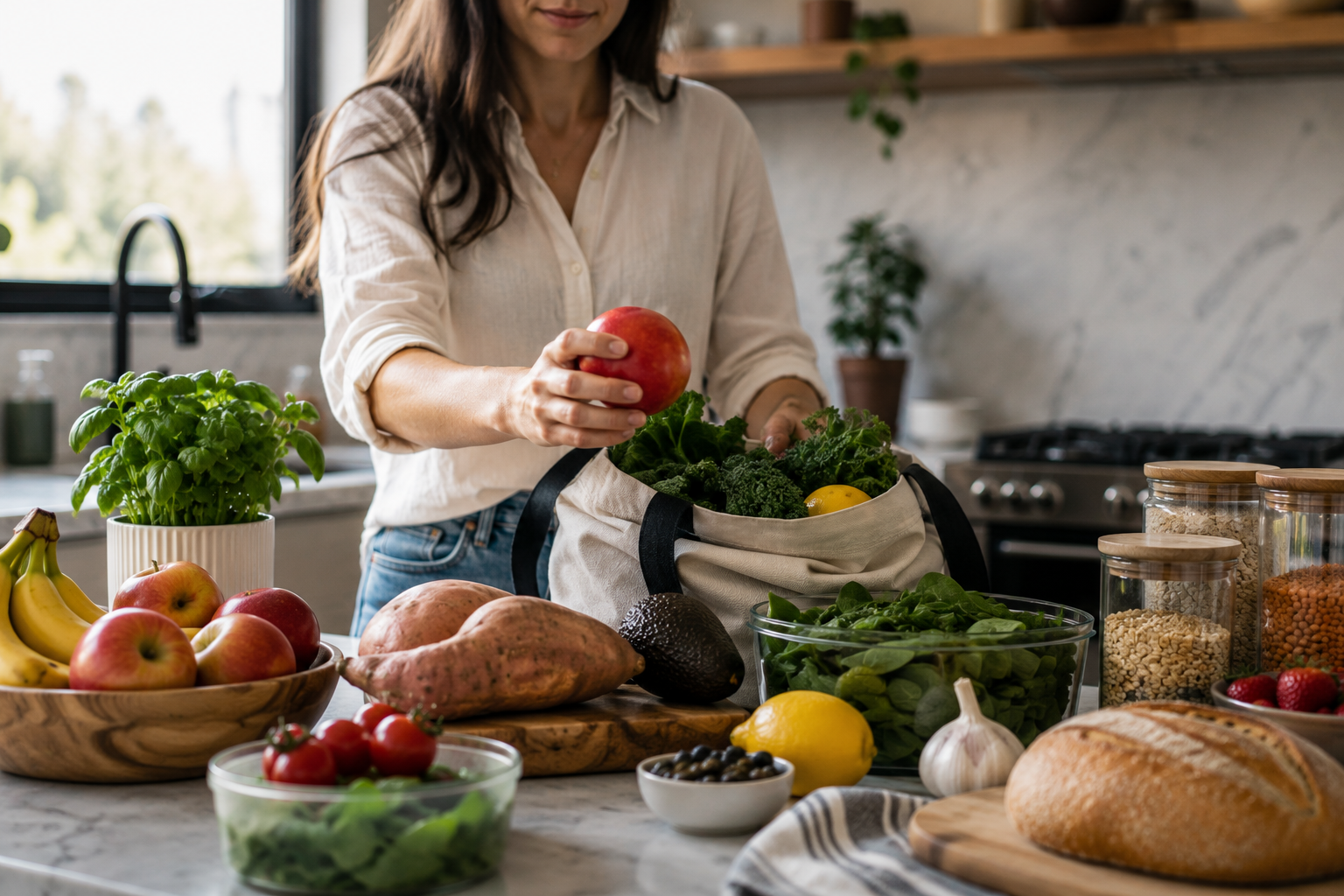
The Ingredients You’re Storing Wrong (And What It’s Costing You)
Food waste in American households runs at roughly 30-40% of the food purchased, and a meaningful portion of that waste isn’t from buying too much or forgetting about leftovers — it’s from storing food incorrectly in ways that accelerate spoilage well beyond what proper storage would allow. The frustrating part is that most of these storage mistakes aren’t obvious. They feel like correct behavior because they’re habitual, because the packaging sometimes gives misleading guidance, and because the connection between storage method and spoilage rate isn’t always immediately visible until food has already degraded past the point of usefulness. Understanding why certain foods spoil faster under specific storage conditions — not just what the correct storage method is, but why it’s correct — creates the kind of internalized knowledge that translates into better storage decisions for foods not covered by any specific rule you’ve encountered. The logic underlying food spoilage is consistent, and once you understand it, proper storage becomes intuitive rather than a collection of disconnected rules to remember and apply. The Refrigerator Isn’t Always the Right Answer The refrigerator feels like the safest place for food — cold temperatures slow bacterial growth, and most people default to refrigerating anything that seems perishable. But refrigeration damages a surprising number of foods through mechanisms that aren’t about bacterial spoilage at all. Tomatoes: Refrigerated tomatoes develop mealy, mushy texture and lose the volatile compounds responsible for their flavor. This happens because cold temperatures disrupt cell membrane function in ways that affect texture irreversibly, and because the enzymes responsible for developing tomato flavor compounds become inactive below certain temperatures. A tomato stored at 55-65°F ripens properly and maintains its texture and flavor. The same tomato in a 38°F refrigerator loses these qualities within days in ways that can’t be reversed by warming it back up before eating. Potatoes: Refrigerating potatoes converts starch to sugar through an enzymatic process that’s dramatically accelerated at cold temperatures. The result is potatoes that taste noticeably sweeter than they should, cook unevenly, and — most concerningly — develop higher levels of acrylamide (a potentially harmful compound) when cooked at high temperatures because of the elevated sugar content. Store potatoes in a cool, dark, ventilated space — a pantry, basement, or cabinet away from heat sources. Darkness matters because light exposure causes potatoes to produce solanine, the compound responsible for green coloration and bitterness. Onions and Garlic: Whole uncut onions and garlic heads deteriorate faster in refrigerators than in dry, cool, ventilated storage because the refrigerator’s humidity encourages mold growth on their papery outer skins. Once cut, the situation reverses — cut onions and peeled garlic belong in the refrigerator in sealed containers. The distinction between whole and cut is the relevant variable, not whether onions and garlic are generally refrigerated or not. Bread: Refrigerated bread goes stale faster than bread stored at room temperature because the starch retrogradation that causes staling accelerates at refrigerator temperatures — the cold temperature causes starch molecules to crystallize more rapidly than at room temperature. The freezer, counterintuitively, is better for extending bread’s life than the refrigerator. Freezing essentially pauses staling by stopping the molecular movement that retrogradation requires. Frozen bread thawed properly (or toasted directly from frozen) maintains better quality than bread that spent several days in a refrigerator. Stone Fruits: Peaches, nectarines, plums, and similar stone fruits continue ripening at room temperature and develop their full flavor and texture during this process. Refrigerating unripe stone fruits halts ripening in ways that sometimes prevent it from ever completing properly after the fruit warms again — the cold damages the ripening process rather than just slowing it. Ripen stone fruits at room temperature until they yield slightly to gentle pressure, then refrigerate if you need a few more days before eating them. Ethylene Gas Is Ruining Your Produce Ethylene gas is a naturally produced plant hormone that triggers ripening and eventually senescence in fruits and vegetables. Some produce items emit relatively high amounts of ethylene. Others are particularly sensitive to ethylene exposure. Storing high ethylene producers alongside ethylene-sensitive items in the same refrigerator or bowl accelerates spoilage dramatically, and this happens invisibly until the sensitive items are visibly over-ripe or damaged. High Ethylene Producers: Apples are among the highest emitters, along with avocados, bananas, tomatoes (another reason to keep them out of the refrigerator’s produce drawer), melons, pears, and stone fruits. These items actively ripen surrounding produce through the ethylene they release into enclosed spaces. Ethylene Sensitive Items: Leafy greens, broccoli, cauliflower, Brussels sprouts, kale, cucumbers, and carrots are highly sensitive to ethylene exposure. Even modest amounts of ethylene in their storage environment dramatically accelerates yellowing, softening, and deterioration. Storing a bag of apples in the same crisper drawer as broccoli or spinach produces noticeably faster spoilage of the greens. Practical Storage Separation: Keeping high ethylene producers in a separate crisper drawer from ethylene-sensitive vegetables is the most impactful single refrigerator organization change most households can make for reducing produce waste. Many refrigerators have two crisper drawers specifically because this separation is beneficial — use one for fruits and the other for vegetables rather than mixing them based on available space. The Banana Bowl Effect: The common practice of keeping a fruit bowl with bananas alongside other fruits on the counter accelerates ripening of the other fruits through the ethylene bananas emit continuously. If you want other fruits to ripen quickly, place them in a closed paper bag with a banana — the trapped ethylene concentrates and speeds ripening. If you want other fruits to last, keep them away from bananas. Moisture Is the Variable Most People Don’t Control Different foods require different moisture environments, and the refrigerator contains zones with meaningfully different humidity levels that most people use interchangeably without considering the moisture preferences of what they’re storing. Crisper Drawers and Their Settings: Most refrigerators include crisper drawers with humidity control settings — typically a vent or slide that allows more or less air circulation. High humidity settings (vents closed or