
budget cooking

Kitchen Habits That Are Costing You Money (Without You Realizing It)

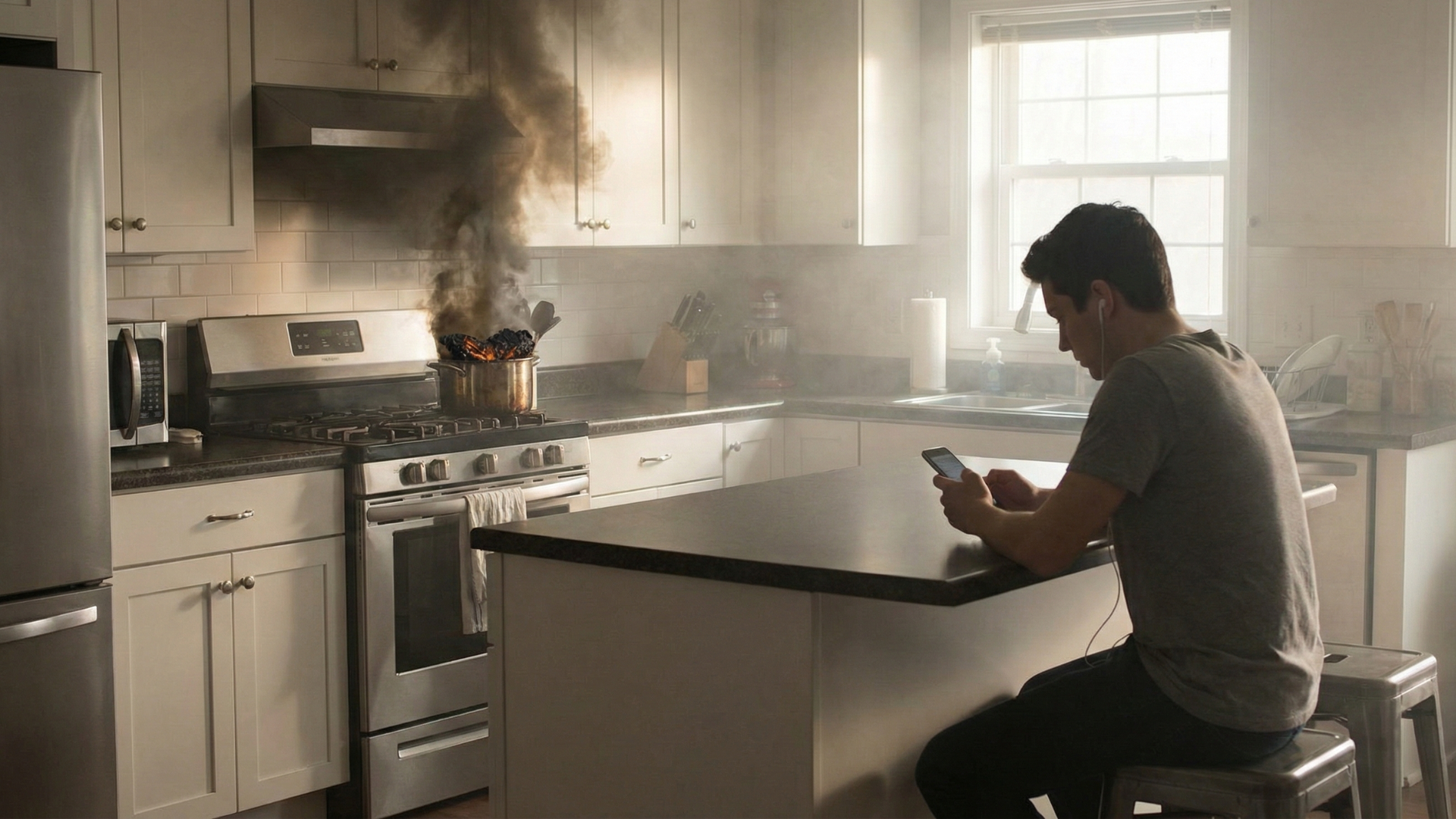
Small daily kitchen habits accumulate into significant unnecessary expenses over time, yet most people don’t recognize these practices as wasteful because the individual instances seem trivial. Running water continuously while washing dishes, preheating ovens far longer than necessary, discarding food that’s still perfectly usable, buying ingredients for single recipes then letting the remainder spoil—these behaviors cost real money month after month while appearing too minor to address. The cumulative financial impact of wasteful kitchen habits often exceeds what people spend on the obvious budget items like dining out or premium ingredients, yet these hidden costs receive little attention because they’re dispersed across countless small moments rather than appearing as clear line items. Understanding which common kitchen practices waste money helps you identify where simple behavior changes create meaningful savings without requiring major lifestyle alterations or sacrificing cooking quality. The goal isn’t extreme frugality but rather eliminating waste that serves no purpose and costs you money for no benefit. Running Water Continuously While Washing Dishes Letting water flow continuously during dishwashing wastes both water and the energy required to heat that water, creating dual costs that accumulate significantly. Continuous flow during scrubbing means water runs down the drain unused while you’re physically scrubbing dishes that aren’t under the stream. The running water serves no purpose during the scrubbing motion but continues consuming resources and costing money. Hot water heater energy costs add up because heating water represents significant energy use. Letting hot water run for minutes while washing dishes means paying to heat water that immediately goes down the drain without serving any function. Basin washing or filling the sink partway uses a fraction of the water compared to continuous flow. Washing dishes in standing water—whether in the sink or a basin—means using perhaps two gallons total rather than multiple gallons per minute flowing continuously. Two-basin method for washing and rinsing minimizes water use while maintaining cleanliness. Wash in soapy water in one basin, rinse in clean water in the other. This uses far less water than continuous running during washing and rinsing. The water usage difference is dramatic—continuous flow might use 20-30 gallons for a sink full of dishes while basin method uses 4-6 gallons. That difference multiplied by daily dishwashing creates substantial water and energy costs over time. Turning off the tap while scrubbing is simple habit change that costs nothing but saves money on every utility bill. The water doesn’t need to run while your hands aren’t under the faucet. Over-Preheating Ovens and Leaving Them Empty Ovens don’t need the excessive preheat times people habitually allow, and leaving ovens running empty while preparing food wastes significant energy. Ovens reach temperature faster than most people think—typically 15-20 minutes for most residential ovens. Setting the oven to preheat then spending 30-40 minutes prepping means the oven runs empty and unnecessarily for extended periods. Empty oven running costs the same as oven with food inside. You’re paying to heat empty space rather than cooking food, providing zero benefit while consuming energy. Timing preheat to match your actual readiness saves energy. Start preheating when you’re nearly ready to cook rather than at the beginning of all meal prep. The oven will be ready when you are without extended empty running. Many foods tolerate going into ovens that aren’t fully preheated. Roasted vegetables, casseroles, braises, and many other dishes work fine starting in warming ovens. Only delicate baking truly requires exact starting temperatures. Oven thermometers verify actual preheat time for your specific oven. Many ovens signal “ready” before actually reaching temperature, but testing with a thermometer shows your oven’s real preheat duration. The energy cost of running ovens empty for extended periods adds unnecessary dollars to utility bills month after month for no cooking benefit. Discarding Food Based on Dates Rather Than Actual Condition “Best by,” “sell by,” and “use by” dates cause massive food waste because people discard perfectly safe, good-quality food based on arbitrary dates rather than actual spoilage. Best-by dates indicate quality, not safety. Food doesn’t become unsafe or spoiled on that date—it’s the manufacturer’s estimate of peak quality. Food remains fine for consumption well past these dates if properly stored. Sell-by dates tell retailers when to rotate stock, not when consumers should discard food. These dates have nothing to do with home storage safety or quality after purchase. Visual and smell assessment tells you food condition far better than dates. Spoiled food looks, smells, or feels wrong. Food that appears and smells normal is almost certainly fine regardless of printed dates. Dairy products remain good well past dates if refrigerated properly. Milk, yogurt, cheese, and other dairy items last significantly longer than dates suggest when stored at proper temperatures. Eggs remain safe for weeks past carton dates. The float test—placing eggs in water to see if they float—provides actual freshness assessment. Eggs that sink are fresh regardless of dates. Canned and dry goods last years past printed dates. These shelf-stable items remain perfectly safe and nutritious long after best-by dates as long as packaging remains intact. The money wasted discarding food based on dates rather than condition amounts to hundreds of dollars annually for most households. Buying Ingredients for Single Recipes Then Letting Remainders Spoil Purchasing specialty ingredients for one recipe then failing to use the remainder before spoilage wastes both the initial purchase and the unused portion. Specialty produce bought for garnishes or small quantities—fresh herbs, unusual vegetables, exotic fruits—often spoils before you use the entire package. Buying a bunch of cilantro to use two tablespoons means the rest typically deteriorates unused. Condiments and sauces opened for single recipes sit unused until they expire. Specialty Asian sauces, hot sauces, or unique condiments purchased for one recipe often remain in the refrigerator until they’re too old to use safely. Dairy products bought in larger quantities than needed spoil before consumption. Heavy cream for a recipe using 1/4 cup often spoils before the remaining portion gets used, wasting both money and food. Spices purchased for single recipes sit unused
Why Expensive Ingredients Don’t Make You a Better Cook

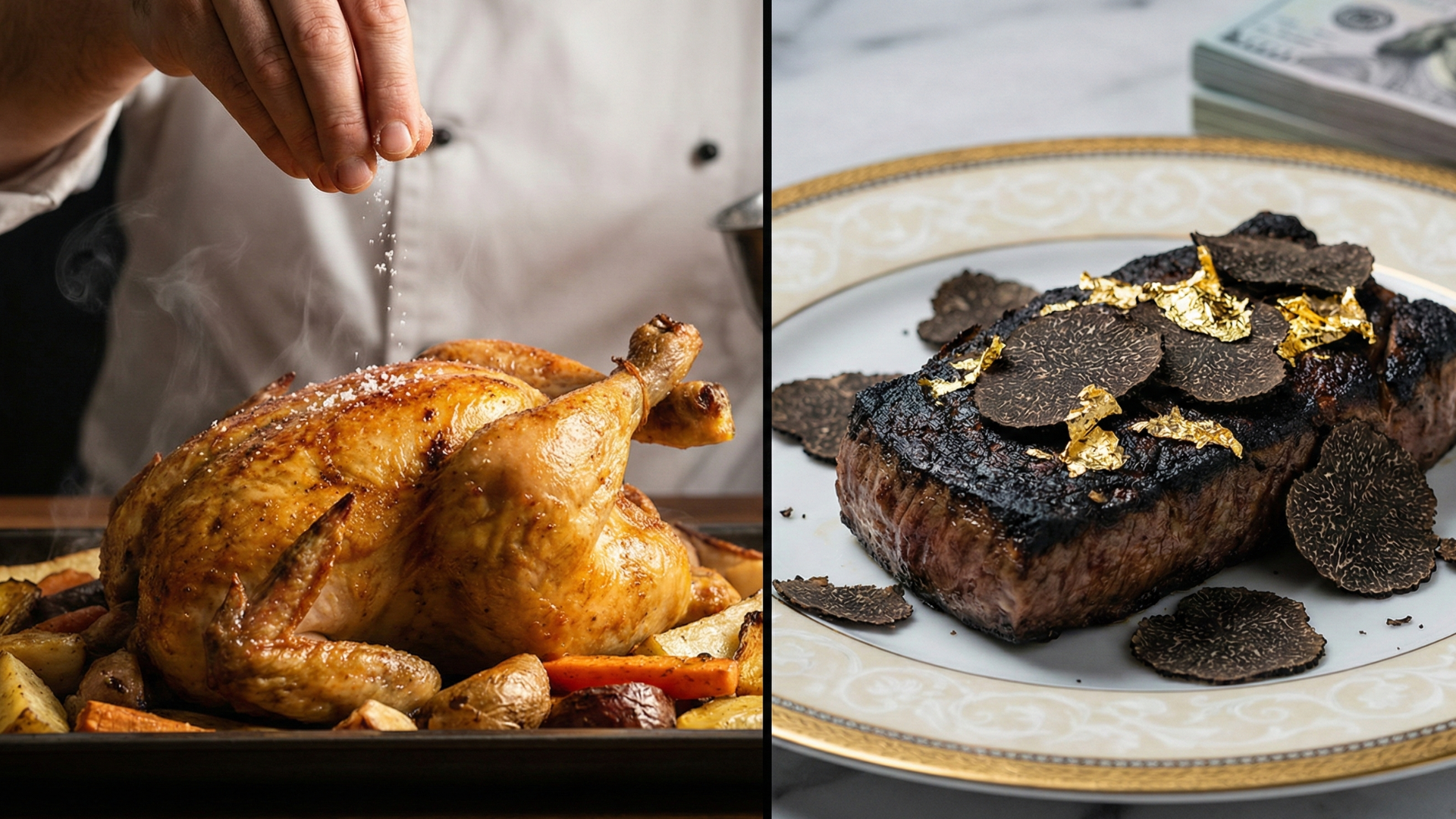
The assumption that premium ingredients automatically produce superior results pervades cooking culture, creating the belief that buying better costs more and that budget constraints prevent good cooking. This narrative benefits specialty food retailers and creates aspirational shopping habits, but it misrepresents how cooking actually works and what separates good results from mediocre ones. Technique, timing, and understanding what you’re doing matter far more than ingredient price points for most home cooking situations. Expensive ingredients can enhance dishes when used appropriately, but they cannot compensate for poor execution and often get wasted when cooks don’t understand how to handle them properly. The gap between ingredient cost and cooking results is larger than food marketing suggests. A skilled cook produces better meals with standard ingredients than an inexperienced cook produces with premium ones. Understanding this distinction helps you invest cooking energy where it actually improves results rather than assuming that spending more money solves cooking challenges. Technique Trumps Ingredients in Most Situations Proper cooking methods transform ordinary ingredients into good food while poor technique ruins expensive ingredients just as effectively as cheap ones. Heat control matters more than ingredient quality for most cooking tasks. Knowing when to use high heat versus low heat, understanding how pans retain and distribute heat, recognizing when food is properly seared versus burned—these skills affect results regardless of what you’re cooking. Seasoning appropriately with salt makes more difference to flavor than buying premium ingredients. Under-seasoned expensive steak tastes worse than properly salted standard steak. Salt enhances and balances flavors in everything you cook, making it the most impactful flavor element in your kitchen. Timing doneness correctly prevents ruining good ingredients. Overcooked expensive fish becomes dry and disappointing just like overcooked cheap fish. Knowing when food is done—through temperature, texture, or visual cues—preserves quality regardless of what you paid for ingredients. Understanding cooking processes like browning, deglazing, reducing, and emulsifying creates flavor through technique. These methods develop complexity from basic ingredients without requiring expensive specialty items. Knife skills affect cooking results by ensuring even cooking and proper texture. Uniformly cut vegetables cook evenly while haphazardly chopped ones create texture inconsistencies and uneven doneness regardless of vegetable quality. Building flavors through layering aromatics, acids, fats, and seasonings creates depth that expensive single ingredients cannot provide. Knowing how to develop flavor through cooking process matters more than starting with premium ingredients. The cook who understands these fundamentals produces better food with ordinary ingredients than someone who buys expensive items but doesn’t know how to handle them properly. Expensive Ingredients Often Get Wasted Through Misuse Premium ingredients require appropriate handling and preparation that inexperienced cooks often don’t provide, resulting in wasted money and disappointing results. High-end proteins get overcooked constantly because people don’t understand doneness temperatures or resting periods. A $40 steak cooked to 180°F internal temperature tastes worse than a $12 steak cooked to 135°F and rested properly. Delicate ingredients like fresh herbs, specialty greens, or premium produce deteriorate quickly when stored improperly. Buying expensive ingredients without knowing how to store them means watching them spoil before you use them. Subtle flavor differences in premium ingredients disappear when overwhelmed by heavy sauces or aggressive seasonings. Using truffle oil on heavily seasoned pasta wastes the truffle because you can’t taste it through everything else. Expensive cuts of meat get treated like lesser cuts requiring long cooking times. Cooking tender premium cuts low and slow turns them dry and tough when they should be cooked quickly at high heat. Specialty ingredients get used in inappropriate applications where their unique qualities don’t matter. Using expensive olive oil for high-heat cooking destroys its flavor compounds—you might as well use regular oil. Premium ingredients often shine best with minimal preparation. Buying them then cooking them elaborately can mask rather than highlight what you paid for. The expensive ingredient needed simple treatment, not complex preparation. The waste comes from not understanding how ingredients work rather than from the ingredients themselves being problematic. Standard Ingredients in Good Recipes Outperform Premium Ingredients in Bad Ones Recipe quality and cooking method matter more than ingredient cost for determining final results. Well-developed recipes using ordinary ingredients produce consistent good results. A tested recipe with proper ratios, cooking times, and technique guidance succeeds with standard ingredients. Poor recipes fail regardless of ingredient quality. Using expensive butter in a bad cake recipe still produces bad cake. The recipe’s structural problems—wrong ratios, incorrect technique, poor method—create failure that ingredients cannot fix. Recipe testing and development creates reliability. Recipes from sources that actually test their formulas work better than recipes thrown together without verification, regardless of suggested ingredients. Understanding why recipes work allows substitution of standard ingredients for premium ones. When you know the recipe’s underlying logic, you can adapt ingredient choices while maintaining good results. Traditional recipes evolved using available affordable ingredients. Classic dishes became classics using whatever people had access to, not specialty items. These recipes work because they’re fundamentally sound, not because they require expensive ingredients. Home cooks often achieve better results following reliable recipes with basic ingredients than attempting ambitious recipes with premium ingredients they don’t know how to handle. The recipe quality determines the outcome more than the ingredient quality in most home cooking situations. Ingredient Quality Matters Most Where Ingredients Aren’t Transformed The situations where premium ingredients genuinely improve results involve minimal cooking that showcases the ingredient rather than transforming it. Fresh raw applications like salads, caprese, or crudo highlight ingredient quality because there’s no cooking to develop flavor. When ingredients are eaten raw or barely cooked, their inherent quality matters significantly. Simple preparations with few ingredients put the spotlight on each component. Pasta with garlic and olive oil showcases the olive oil quality. Margherita pizza highlights the tomato and mozzarella. These simple dishes benefit from better ingredients because there’s nowhere to hide. Finishing elements added at the end taste exactly like themselves without transformation. The final drizzle of olive oil, the shaving of Parmesan, the squeeze of lemon—these additions aren’t cooked, so their quality is directly