kitchen efficiency

Your Sink Is in the Wrong Spot (And Why It Matters)

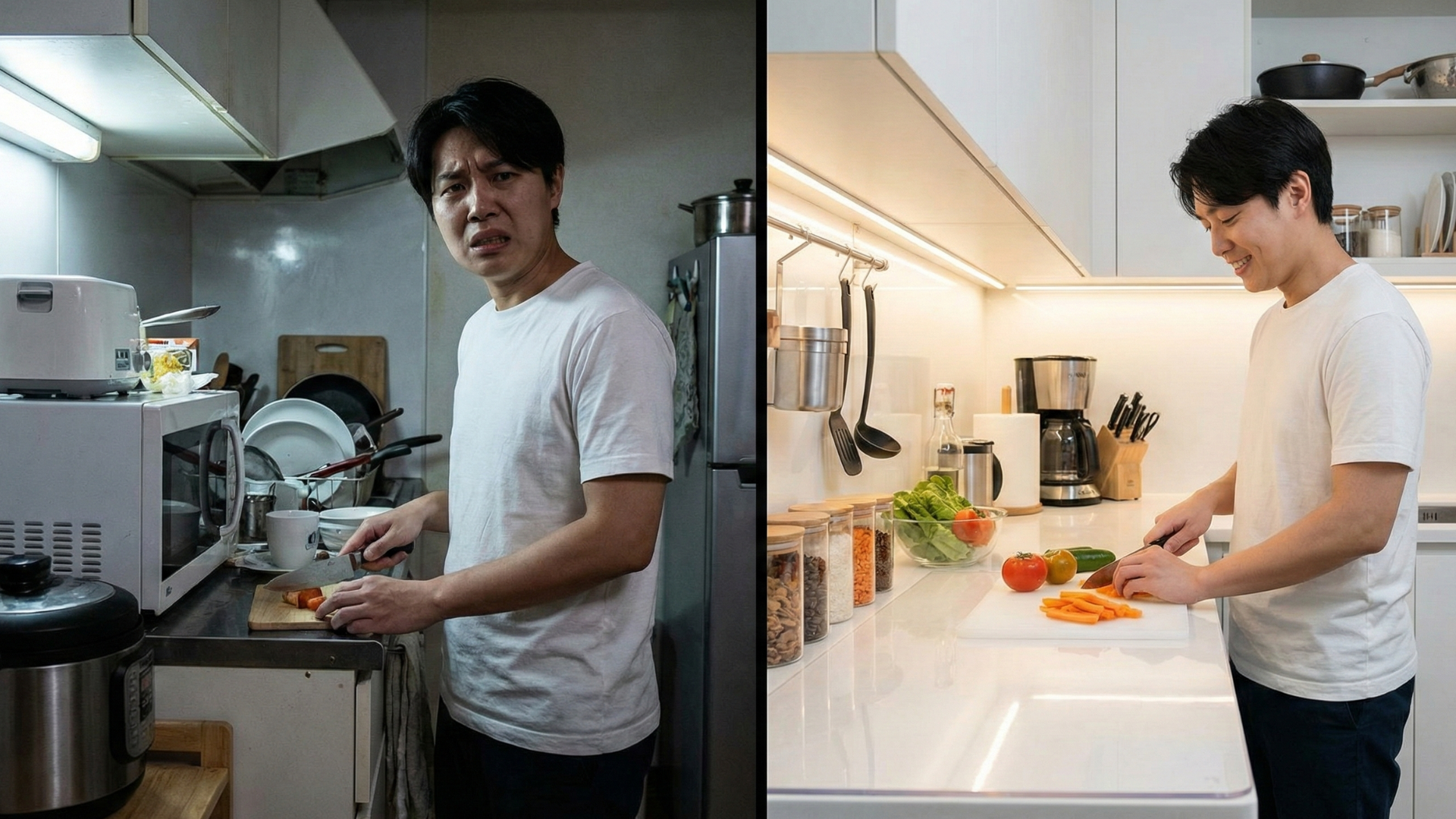
Most kitchens place the sink under a window for the view. This positioning ignores how you actually cook and creates workflow problems you’ve adapted to without realizing they’re problems. The sink-under-window convention comes from pre-dishwasher era when washing dishes meant standing at the sink for extended periods. A window view made the tedious task more bearable. Modern kitchens inherited this layout without questioning whether it still makes sense. Your sink location affects cooking efficiency more than almost any other kitchen design choice. Wrong placement adds steps, creates awkward reaches, and forces inefficient movement patterns during food preparation. Here’s why standard sink placement causes problems, where sinks should actually go based on cooking workflow, and what you can do about your existing kitchen without renovating. The Window Wastes Your Best Counter Space Windows occupy prime real estate in kitchens—exterior walls with natural light. Dedicating that space to a sink means your brightest, most pleasant kitchen area gets used for dish washing instead of food preparation. Natural light matters for detailed work like chopping vegetables, reading recipes, or plating food. The window area provides the best natural illumination in the kitchen. Putting the sink there means you’re doing dishes in the best light while prepping food in dimmer interior spaces. This backwards priority wastes the window location on tasks that don’t require good lighting. Counter space beside window-mounted sinks often ends up narrow and awkward. Window placement constraints leave minimal workspace flanking the sink, creating cramped prep areas. The view argument assumes you spend significant time staring out windows while doing dishes. With modern dishwashers, hand-washing time is minimal. You’re not standing at the sink long enough to justify sacrificing prime counter real estate for the view. Better window use would be placing your primary prep area there—cutting board, ingredient staging, detailed work that benefits from natural light. Save the sink for interior wall placement where windows don’t matter. Sink-to-Stove Distance Creates Unnecessary Walking Standard kitchen layouts often place sinks far from stoves because window locations dictate sink placement rather than cooking workflow dictating design. Think about cooking tasks requiring both sink and stove: draining pasta, transferring parboiled vegetables, filling pots with water, rinsing ingredients mid-cooking. Each task involves carrying heavy, hot, or wet items between sink and stove. Distance between these two workstations multiplies throughout cooking. A recipe requiring five trips between sink and stove in a poorly-designed kitchen might need ten steps per trip. That’s fifty extra steps for one meal. Water spills happen during sink-to-stove transfers. Carrying full pots across the kitchen drips water on floors creating slip hazards and mess. Heavy pot handling over distance strains arms and creates dropping risk. A full stockpot weighs significantly. Carrying it ten feet versus three feet matters for safety and effort. Ideal sink-to-stove distance measures three to six feet. This range allows easy transfer without excessive walking while providing enough separation that sink splashes don’t reach the stovetop. Many kitchens exceed this distance by placing sinks on opposite walls or far corners from stoves. The extra steps add up over years of daily cooking. You’re Prepping in the Wrong Location Most people prep food wherever counter space exists, not where prep should logically happen based on cooking workflow. Prep happens between ingredient retrieval (refrigerator) and cooking (stove). The prep area should sit geographically between these two points creating logical left-to-right or right-to-left workflow. Many kitchens force prep in locations requiring backtracking. You grab ingredients from the refrigerator, walk to the sink area to prep, then walk back past the refrigerator to reach the stove. This backwards flow wastes motion. The sink attracts prep work because it’s where you wash vegetables and dispose of scraps. But using the sink as your prep center puts you in the wrong location relative to refrigerator and stove. Ideal prep location sits between refrigerator and stove, with the sink accessible but not central. You grab ingredients, prep them while moving toward the stove, and cook. Linear workflow without backtracking. Current kitchen layouts often create triangular movement patterns—refrigerator to sink to stove and back—instead of efficient linear flow. The triangle adds unnecessary distance to every cooking task. Observe your own cooking movement. If you’re constantly walking back and forth across the kitchen rather than moving in one general direction from ingredient storage to cooking, your layout forces inefficient patterns. The Dishwasher Dictates More Than You Think Dishwasher placement affects kitchen workflow beyond just dish loading. It determines where clean dishes get stored and how post-cooking cleanup happens. Dishwashers installed far from dish storage cabinets create extra steps during unloading. You’re walking across the kitchen repeatedly carrying plates and glasses to their storage locations. Logical dishwasher placement sits adjacent to dish storage cabinets. Open dishwasher, transfer dishes directly to nearby cabinets. Minimal walking during unloading. Many kitchens place dishwashers next to sinks (logical for plumbing) but put dish storage on the opposite side of the kitchen (illogical for workflow). This split creates unnecessary unloading distance. The dishwasher also affects cleanup workflow. Scraping plates and loading the dishwasher works best when the dishwasher sits near where you eat, not necessarily near where you cook. Some kitchens benefit from dishwasher placement between cooking area and dining area—convenient for both cooking cleanup and dish loading from dining table. This middle-ground location serves both functions. Standard kitchen design puts dishwashers beside sinks without considering whether sink location makes sense for overall dish workflow. The dishwasher follows the sink regardless of whether that placement is optimal. Counter Depth Matters More Than Length Kitchens emphasize counter length—how many linear feet of counter space exists. But counter depth determines usability more than length. Standard counter depth measures 24-25 inches from wall to edge. This depth barely accommodates cutting board, ingredient bowls, and working space simultaneously. Deep counters (30+ inches) provide adequate working space for multiple tasks. You can stage ingredients behind your active cutting board without things falling off the back edge. Shallow counters force choosing between tool placement. The cutting board occupies most

The Drawer Organization That Actually Stays Organized

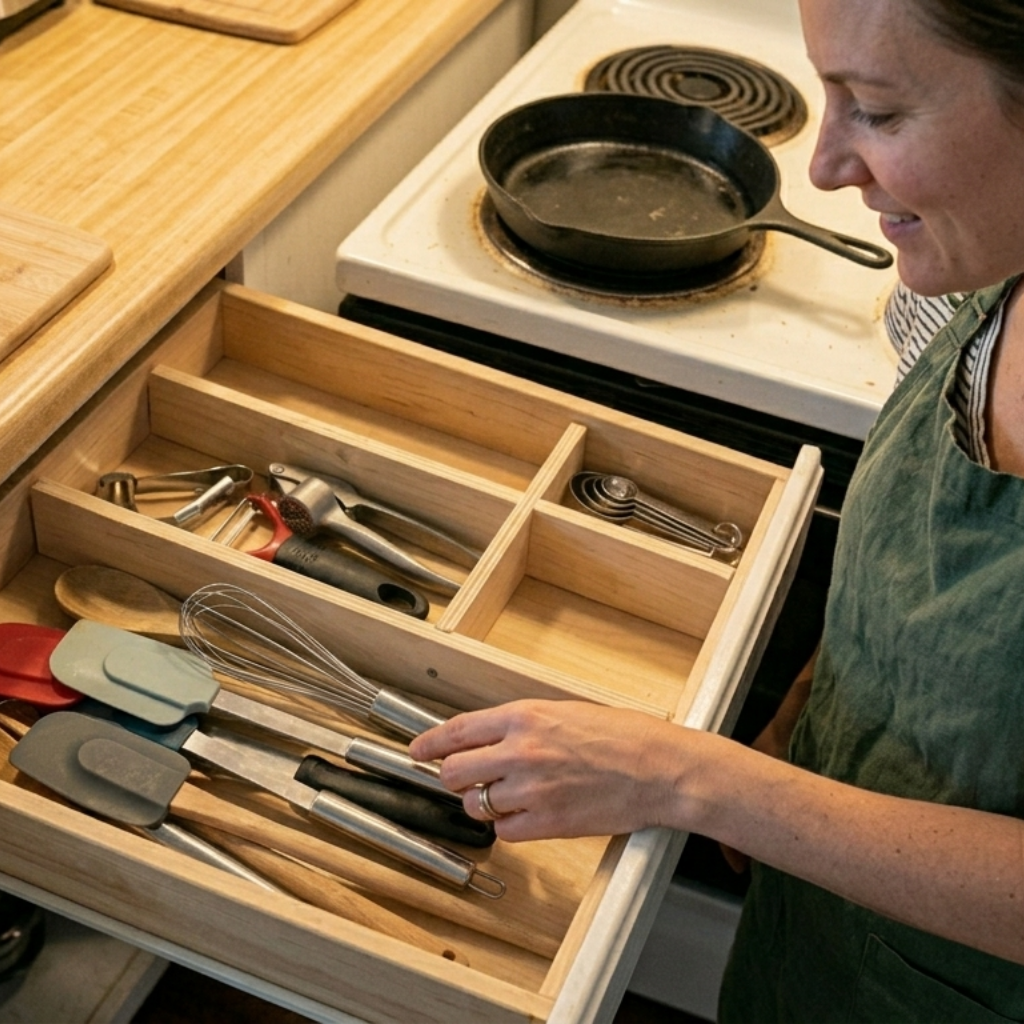
You organize your kitchen drawers. It looks beautiful for three days. Then you need a whisk in a hurry, toss it back imperfectly, and the whole system collapses within a week. The problem isn’t your discipline or commitment. The problem is organizing systems designed for photographs, not daily cooking. They require precision placement and careful maintenance that real cooking doesn’t allow. Drawer organization that actually lasts works with your cooking habits, not against them. It assumes you’ll be rushed, distracted, and unwilling to play Tetris with spatulas while something’s burning on the stove. Here’s why most drawer organization fails, what actually keeps drawers functional long-term, and how to set up systems that survive real kitchen use. Perfect Compartments Create Maintenance Hell Those beautiful drawer organizer systems with precisely-sized slots for every utensil look incredible in before-and-after photos. They fail in actual kitchens because they demand exact placement every time. Custom-fit organizers require identifying which slot belongs to which tool, orienting the tool correctly, and sliding it into its designated space. This works when you’re organizing slowly and deliberately. It fails when you’re cooking three things simultaneously and need to return a spatula quickly. The tighter the fit, the more frustrating the system. That perfectly-sized slot for your fish spatula only accepts the spatula at the correct angle. Put it in slightly rotated and it doesn’t fit. Now you’re fumbling with a greasy spatula while your sauce reduces. Precision systems also break when you add new tools. Buy a second whisk or different-sized spatula and suddenly you’ve got no designated slot. The new item becomes homeless, getting tossed wherever it fits, beginning the drawer’s descent into chaos. Organization that lasts uses zones, not slots. Group similar items together in loose categories without demanding precise placement. Spatulas go in the spatula zone anywhere, not in individually-assigned slots. Wide compartments that hold multiple items of the same type accommodate tools at various angles and positions. You’re dropping items into a zone, not threading them into specific slots. Shallow Organizers For Deep Drawers Guarantee Failure Standard drawer organizers sit shallow in deep drawers, leaving several inches of unused space below. This invites layering, which destroys organization immediately. You buy a utensil organizer that’s two inches deep. Your drawer is six inches deep. That four-inch gap below the organizer becomes tempting storage for overflow items. Initially you resist. Then you acquire a new tool that doesn’t fit in the organizer. “Just temporarily,” you think, sliding it underneath. Then another tool. Then a random kitchen gadget. Within weeks you’ve got a hidden layer of chaos beneath your organized surface. Deep drawers need either organizers that span full depth or intentional use of vertical space with stackable systems. Half-depth organizers in deep drawers are organizational traps. If you’ve got deep drawers, use tall organizers or bins that prevent layering. The goal is making layering physically impossible, not relying on your future self to resist temptation. Alternatively, dedicate deep drawers to large items that actually need the depth: large serving utensils, rolling pins, or bulky kitchen tools. Save shallow drawers for the precision organization that shallow organizers support. Too Many Categories Mean Nothing Has a Home Organizing guides tell you to separate whisks, spatulas, spoons, tongs, peelers, zesters, and measuring spoons into individual compartments. This creates so many categories that placing items correctly becomes a puzzle. Your brain during cooking operates in simplified mode. You’re tracking multiple tasks, monitoring temperatures, and timing various components. Your mental bandwidth for “which compartment does the slotted spoon belong in” is approximately zero. Too many categories increase friction. Is the slotted spoon a spoon or a spatula? Does the silicone scraper go with spatulas or with whisks? These ambiguous items bounce between categories, creating placement inconsistency. Successful organization uses three to five broad categories maximum. “Stirring tools,” “measuring tools,” “cutting tools,” and “miscellaneous” works better than ten specific categories requiring constant decision-making. Broad categories forgive mistakes. Tossing a whisk into the general “stirring tools” zone succeeds even if it lands next to spatulas. Perfect placement isn’t required. You can subdivide within broad categories using visual separation (different colored bins or simple dividers), but the primary organization should be simple enough that rushing doesn’t break the system. Measuring Tools Don’t Belong With Cooking Tools Most drawer organization systems mix measuring cups and spoons with cooking utensils. This creates access conflicts because you use these tools at different times during different tasks. Measuring happens during prep before cooking starts. You’re standing at your prep area measuring ingredients into bowls. Cooking utensils are used at the stove during active cooking. Mixing these tools in the same drawer means accessing the drawer from different locations at different times. Your measuring cup drawer should be near your prep area, not your stove. Separating measuring tools into dedicated drawer near your mixing/prep zone improves workflow. When gathering ingredients, you’re not digging through spatulas to find measuring spoons. This separation also prevents cross-contamination of organizational systems. Cooking utensils get greasy and sauce-covered; they’re cleaned quickly and returned slightly damp. Measuring tools stay cleaner because they’re used during prep, not cooking. Dedicate one small drawer or one large drawer section near your primary prep area exclusively to measuring tools. Everything else goes in cooking utensil drawers near the stove. The Junk Drawer Is Necessary, Not Failure Every kitchen organization guide promises to eliminate your junk drawer. This is unrealistic and counterproductive. The junk drawer serves an important function. Kitchens accumulate miscellaneous items: birthday candles, bag clips, corn holders, specialty tools used quarterly. These items need storage but don’t fit into any logical category. Without a designated miscellaneous drawer, these items infiltrate your organized drawers. The corn holders end up with spatulas. The bag clips migrate to the utensil drawer. Your organization breaks down accommodating items that don’t belong. A dedicated miscellaneous drawer contains chaos in one location rather than letting it spread. Everything else stays organized because the random stuff has somewhere to go. The key is intentionality. Designate

Why Your Kitchen Layout Makes Cooking Harder

You’ve got decent knives, good pans, working appliances. You follow recipes carefully. Yet cooking still feels awkward and inefficient. The problem might not be your skills or equipment. It might be your kitchen layout forcing you to walk too much, reach too far, and interrupt your workflow constantly. Most home kitchens weren’t designed by people who cook seriously. They were designed to look good in real estate photos and maximize cabinet storage. The result is layouts that create unnecessary steps, dangerous reaches, and workflow interruptions. Here’s what makes cooking harder in poorly-designed kitchens, why standard layouts ignore actual cooking needs, and what you can fix without renovating. The Refrigerator Is Too Far From Everything Walk into most kitchens and the refrigerator sits at one end while the stove sits at the opposite end. This creates exhausting back-and-forth trips every time you cook. Think about a typical cooking sequence. Retrieve vegetables from refrigerator, walk to sink to wash them, walk to cutting board to chop them, walk back to refrigerator for protein, walk to stove to cook. You’ve crossed the kitchen five times before cooking even starts. Professional kitchens cluster refrigeration near prep areas. Home cooks walk marathons because refrigerators get placed based on cabinet layouts and electrical outlet locations, not cooking workflow. Each unnecessary trip adds time and disrupts focus. You’re mentally tracking cooking progress while physically retrieving ingredients across the room. This divided attention leads to mistakes like overcooked onions or forgotten ingredients. The refrigerator-to-prep-to-stove triangle should be tight. Ideal distance totals 12-25 feet for all three legs combined. Many home kitchens exceed this by placing refrigerator far from primary work areas. If you can’t move your refrigerator, adapt your workflow. Stage all ingredients on counter near stove before starting to cook, eliminating mid-cooking refrigerator trips. The Sink Isn’t Where You Actually Prep Standard kitchen design puts the sink under a window for aesthetic reasons. This forces you to prep food wherever counter space exists, which often isn’t near the sink. Washing vegetables at the sink then carrying them across the kitchen to cutting board creates dripping mess. Chopping produces scraps that need disposal, requiring trips back to sink or trash. The sink should sit adjacent to your primary prep area, not isolated in its own zone. Professional cooks keep prep within arm’s reach of water and waste disposal. Many kitchens have ample counter space beside the stove but minimal space beside the sink. This backwards priority means you’re prepping far from water source then walking ingredients to heat source. Deep sinks create ergonomic problems too. Reaching into deep basin to wash large items strains your back. Shallow prep sinks or dual-basin configurations work better for actual cooking tasks. Consider adding a cutting board that fits over your sink if counter space beside sink is limited. This creates temporary prep area directly over water and waste disposal. Your Stove Sits in a Corner or Against a Wall Stoves placed in corners or tight against walls limit access and create dangerous reaching angles over active burners. Corner stoves force you to reach across multiple burners to access back burners. This puts your arm over open flames or hot pots every time you stir something cooking at the back. Wall-mounted stoves without adequate side clearance mean you’re reaching from one direction only. Professional ranges have approach space from multiple sides allowing safer access. The range hood’s positioning matters too. Low hoods help ventilation but reduce visibility and access to back burners. You’re cooking half-blind. Inadequate counter space flanking the stove creates nowhere to set hot pans when removing them from burners. You’re carrying hot cookware across the kitchen searching for landing space. Ideally, stoves have 15-18 inches of counter space on at least one side, preferably both sides. This provides pot-setting space and ingredient staging area within arm’s reach while cooking. If your stove lacks side counter space, add a rolling cart positioned beside it during cooking. This temporary surface provides the landing zone and staging area the permanent layout omits. Cabinet Storage Ignores Cooking Frequency Most kitchens dedicate prime real estate to items used rarely while forcing frequently-used items into inconvenient locations. Pots and pans belong near the stove. Yet many kitchens store them in cabinets across the room or in lower cabinets requiring bending and digging. Meanwhile, fancy serving platters used twice annually occupy prime locations. Spices should live near cooking area. Common kitchen layouts put spice storage far from stove, interrupting cooking flow every time you need to season food. Everyday dishes and glasses should be near dishwasher for easy unloading. Storing them far away adds steps to post-cooking cleanup. The “work triangle” concept (sink-stove-refrigerator) addresses appliance placement but ignores storage. You can have a perfect triangle yet still walk unnecessarily if your storage doesn’t support your workflow. Reorganize cabinets based on use frequency rather than matching dish sets or traditional storage conventions. Daily-use items get prime real-estate. Occasional-use items get less convenient storage. Upper cabinets within arm’s reach should hold items you grab while cooking: oils, vinegars, frequently-used spices, go-to pans. Lower cabinets work for items retrieved during prep: mixing bowls, baking sheets, storage containers. Counter Space Isn’t Continuous Broken counter runs interrupted by appliances or sink create workflow problems requiring shifting food and equipment between disconnected surfaces. You need continuous counter space for multi-step tasks. Kneading bread dough, rolling pasta, or arranging ingredients for complex recipes requires uninterrupted work surface. Many kitchens break counter runs with range placement, creating two separate prep zones instead of one continuous surface. This forces choosing which side to work on rather than spreading out naturally. Small counter segments between appliances become dead zones too small for actual work. That 8-inch gap beside the stove holds dish soap but can’t accommodate cutting board or mixing bowl. Island or peninsula additions help only if they’re positioned within the work triangle. Islands far from primary work area become overflow surfaces that don’t integrate into cooking workflow. Minimum useful counter space measures at

The Mise en Place Myth: Why Prep-Everything-First Doesn’t Always Work

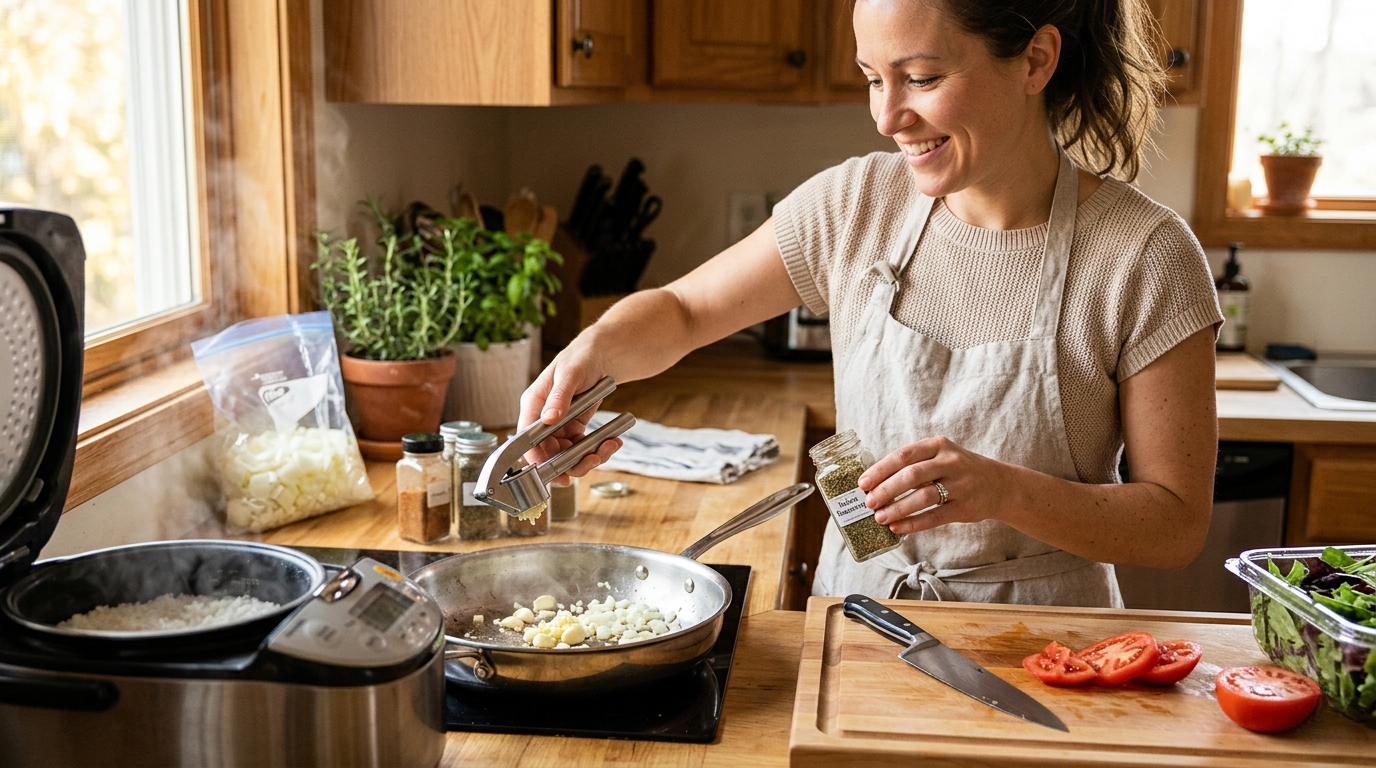
Professional chefs prep everything before they start cooking. You’ve seen it on cooking shows—neat little bowls of chopped vegetables, measured spices, prepped proteins all lined up before heat touches pan. Then you try it at home. You spend 45 minutes chopping, measuring, and organizing. Your counter looks like a bowl store exploded. Half your ingredients sit getting warm or oxidizing while you finish prep. And somehow the actual cooking still feels rushed. The problem isn’t your knife skills. The problem is blindly applying restaurant kitchen logic to home cooking without understanding why restaurants work that way or how your kitchen differs. Here’s the truth about mise en place, when complete pre-prep actually helps versus hurts, and how to adapt the concept for home cooking efficiency. Restaurant Kitchens Aren’t Home Kitchens Restaurants prep everything first because they’re cooking the same dishes repeatedly under time pressure for paying customers who expect fast service. Restaurant line cooks work during service rush cooking identical orders back-to-back. Prepping once lets them execute quickly when orders arrive. They make the same pasta dish 50 times per night—complete prep makes sense. Restaurants have prep cooks whose entire job involves chopping vegetables and measuring ingredients. Line cooks receive already-prepped ingredients. The division of labor spreads prep burden across multiple people. Restaurant mise en place prevents mistakes during rush. When cooking under pressure with tickets piling up, having everything measured prevents forgetting ingredients or adding wrong amounts. Restaurants optimize for speed during service, not efficiency of total labor. They accept longer total prep time because it enables faster cooking when customers are waiting. Your home kitchen operates differently. You’re cooking one or two portions, not fifty. You’re the prep cook and line cook. You’re not racing against customer expectations. Different constraints require different strategies. Downtime During Cooking Is Wasted Prep Time Most recipes include natural waiting periods where you’re not actively doing anything—perfect opportunities for prep work without adding total cooking time. Onions take ten minutes to soften properly. You can chop garlic, measure spices, and prep other vegetables during those ten minutes instead of standing watching onions. Water takes time to boil. While waiting for pasta water, you can grate cheese, chop herbs, or prepare sauce ingredients rather than prepping everything before you start. Meat needs time to brown undisturbed. Flipping chicken too early prevents proper browning. Use that hands-off time productively prepping what comes next. Ovens need preheating time. While the oven reaches temperature, prep your ingredients instead of prepping before you turn the oven on. Rice cookers, slow cookers, and other set-it-and-forget-it equipment create prep windows. Use their cooking time for other preparation instead of front-loading everything. Sequential prep during natural downtime means your total time from starting to eating stays roughly the same, but you’re not creating artificial prep time before cooking begins. Some Ingredients Suffer From Early Prep Certain ingredients degrade when prepped too far in advance, making complete mise en place actively harmful to final dish quality. Cut avocados oxidize and brown within minutes. Prep avocado right before using, not at the start of your prep session. Sliced apples and pears discolor quickly. Chop them last to maintain appearance and prevent browning. Minced garlic loses pungency and develops harsh flavors when sitting. Chop garlic right before it hits the pan for best flavor. Fresh herbs wilt and blacken when chopped early. Prep herbs at the last minute to maintain color and aroma. Salad greens get soggy when dressed too early. Keep components separate until serving time. Some vegetables release moisture when salted and chopped. Prepping too early creates watery mess rather than neat mise. Complete advance prep forces you to compromise ingredient quality. Strategic last-minute prep maintains optimal flavor and texture. Partial Mise Works Better for Home Cooks Instead of all-or-nothing approach, prep strategically based on cooking sequence and ingredient needs. Prep long-cooking components first. If recipe starts with onions cooking for 15 minutes, chop those onions before anything else. Prep quick-cooking ingredients during the onion cooking time. Group ingredients by cooking stage. Prep everything for step one together. Prep step two ingredients while step one cooks. Prep step three during step two. Measure dry ingredients in advance. Spices, flour, and shelf-stable items can sit measured without quality loss. Prep these first if it helps organization. Keep proteins refrigerated until needed. Don’t let chicken or fish sit at room temperature for 30 minutes while you prep vegetables. Prep proteins right before cooking. Wash and dry produce in advance but don’t chop until needed. Clean vegetables store better than chopped vegetables. Do the washing early, the cutting strategically. This hybrid approach gives you organization benefits without quality compromises or artificial waiting time. Your Recipe Determines Your Strategy Different recipes require different prep approaches based on cooking intensity and timing demands. Stir-fries need complete mise. When cooking happens in three minutes over high heat, stopping mid-cooking to chop something means burned food. Everything must be prepped and ready. Braises allow progressive prep. When something simmers for two hours, you have abundant time for prep during cooking. Front-loading makes no sense. Baking often requires complete mise. When ratios and techniques are precise, having everything measured prevents mistakes. Measure before mixing. One-pan meals with sequential cooking work well with progressive prep. Brown meat, remove it, prep vegetables while pan cools slightly, continue cooking. The sequence builds in prep time. Recipes with many components benefit from partial advance prep. If making main dish plus two sides, prepping some elements early prevents last-minute chaos. Read your recipe before deciding prep strategy. Let the cooking method and timing dictate your approach. Mise en Place Is About Readiness, Not Bowls The core concept behind mise en place isn’t having pretty bowls, it’s being ready to execute without scrambling or forgetting things. Mental mise matters more than physical mise. Knowing what ingredients you need and what order they’re added prevents mistakes regardless of when you chop them. Reading the recipe through completely before starting provides mental organization. Understanding the flow prevents

Kitchen Habits That Are Costing You Money (Without You Realizing It)

Small daily kitchen habits accumulate into significant unnecessary expenses over time, yet most people don’t recognize these practices as wasteful because the individual instances seem trivial. Running water continuously while washing dishes, preheating ovens far longer than necessary, discarding food that’s still perfectly usable, buying ingredients for single recipes then letting the remainder spoil—these behaviors cost real money month after month while appearing too minor to address. The cumulative financial impact of wasteful kitchen habits often exceeds what people spend on the obvious budget items like dining out or premium ingredients, yet these hidden costs receive little attention because they’re dispersed across countless small moments rather than appearing as clear line items. Understanding which common kitchen practices waste money helps you identify where simple behavior changes create meaningful savings without requiring major lifestyle alterations or sacrificing cooking quality. The goal isn’t extreme frugality but rather eliminating waste that serves no purpose and costs you money for no benefit. Running Water Continuously While Washing Dishes Letting water flow continuously during dishwashing wastes both water and the energy required to heat that water, creating dual costs that accumulate significantly. Continuous flow during scrubbing means water runs down the drain unused while you’re physically scrubbing dishes that aren’t under the stream. The running water serves no purpose during the scrubbing motion but continues consuming resources and costing money. Hot water heater energy costs add up because heating water represents significant energy use. Letting hot water run for minutes while washing dishes means paying to heat water that immediately goes down the drain without serving any function. Basin washing or filling the sink partway uses a fraction of the water compared to continuous flow. Washing dishes in standing water—whether in the sink or a basin—means using perhaps two gallons total rather than multiple gallons per minute flowing continuously. Two-basin method for washing and rinsing minimizes water use while maintaining cleanliness. Wash in soapy water in one basin, rinse in clean water in the other. This uses far less water than continuous running during washing and rinsing. The water usage difference is dramatic—continuous flow might use 20-30 gallons for a sink full of dishes while basin method uses 4-6 gallons. That difference multiplied by daily dishwashing creates substantial water and energy costs over time. Turning off the tap while scrubbing is simple habit change that costs nothing but saves money on every utility bill. The water doesn’t need to run while your hands aren’t under the faucet. Over-Preheating Ovens and Leaving Them Empty Ovens don’t need the excessive preheat times people habitually allow, and leaving ovens running empty while preparing food wastes significant energy. Ovens reach temperature faster than most people think—typically 15-20 minutes for most residential ovens. Setting the oven to preheat then spending 30-40 minutes prepping means the oven runs empty and unnecessarily for extended periods. Empty oven running costs the same as oven with food inside. You’re paying to heat empty space rather than cooking food, providing zero benefit while consuming energy. Timing preheat to match your actual readiness saves energy. Start preheating when you’re nearly ready to cook rather than at the beginning of all meal prep. The oven will be ready when you are without extended empty running. Many foods tolerate going into ovens that aren’t fully preheated. Roasted vegetables, casseroles, braises, and many other dishes work fine starting in warming ovens. Only delicate baking truly requires exact starting temperatures. Oven thermometers verify actual preheat time for your specific oven. Many ovens signal “ready” before actually reaching temperature, but testing with a thermometer shows your oven’s real preheat duration. The energy cost of running ovens empty for extended periods adds unnecessary dollars to utility bills month after month for no cooking benefit. Discarding Food Based on Dates Rather Than Actual Condition “Best by,” “sell by,” and “use by” dates cause massive food waste because people discard perfectly safe, good-quality food based on arbitrary dates rather than actual spoilage. Best-by dates indicate quality, not safety. Food doesn’t become unsafe or spoiled on that date—it’s the manufacturer’s estimate of peak quality. Food remains fine for consumption well past these dates if properly stored. Sell-by dates tell retailers when to rotate stock, not when consumers should discard food. These dates have nothing to do with home storage safety or quality after purchase. Visual and smell assessment tells you food condition far better than dates. Spoiled food looks, smells, or feels wrong. Food that appears and smells normal is almost certainly fine regardless of printed dates. Dairy products remain good well past dates if refrigerated properly. Milk, yogurt, cheese, and other dairy items last significantly longer than dates suggest when stored at proper temperatures. Eggs remain safe for weeks past carton dates. The float test—placing eggs in water to see if they float—provides actual freshness assessment. Eggs that sink are fresh regardless of dates. Canned and dry goods last years past printed dates. These shelf-stable items remain perfectly safe and nutritious long after best-by dates as long as packaging remains intact. The money wasted discarding food based on dates rather than condition amounts to hundreds of dollars annually for most households. Buying Ingredients for Single Recipes Then Letting Remainders Spoil Purchasing specialty ingredients for one recipe then failing to use the remainder before spoilage wastes both the initial purchase and the unused portion. Specialty produce bought for garnishes or small quantities—fresh herbs, unusual vegetables, exotic fruits—often spoils before you use the entire package. Buying a bunch of cilantro to use two tablespoons means the rest typically deteriorates unused. Condiments and sauces opened for single recipes sit unused until they expire. Specialty Asian sauces, hot sauces, or unique condiments purchased for one recipe often remain in the refrigerator until they’re too old to use safely. Dairy products bought in larger quantities than needed spoil before consumption. Heavy cream for a recipe using 1/4 cup often spoils before the remaining portion gets used, wasting both money and food. Spices purchased for single recipes sit unused

Why Your Kitchen Makes Cooking Harder Than It Should Be

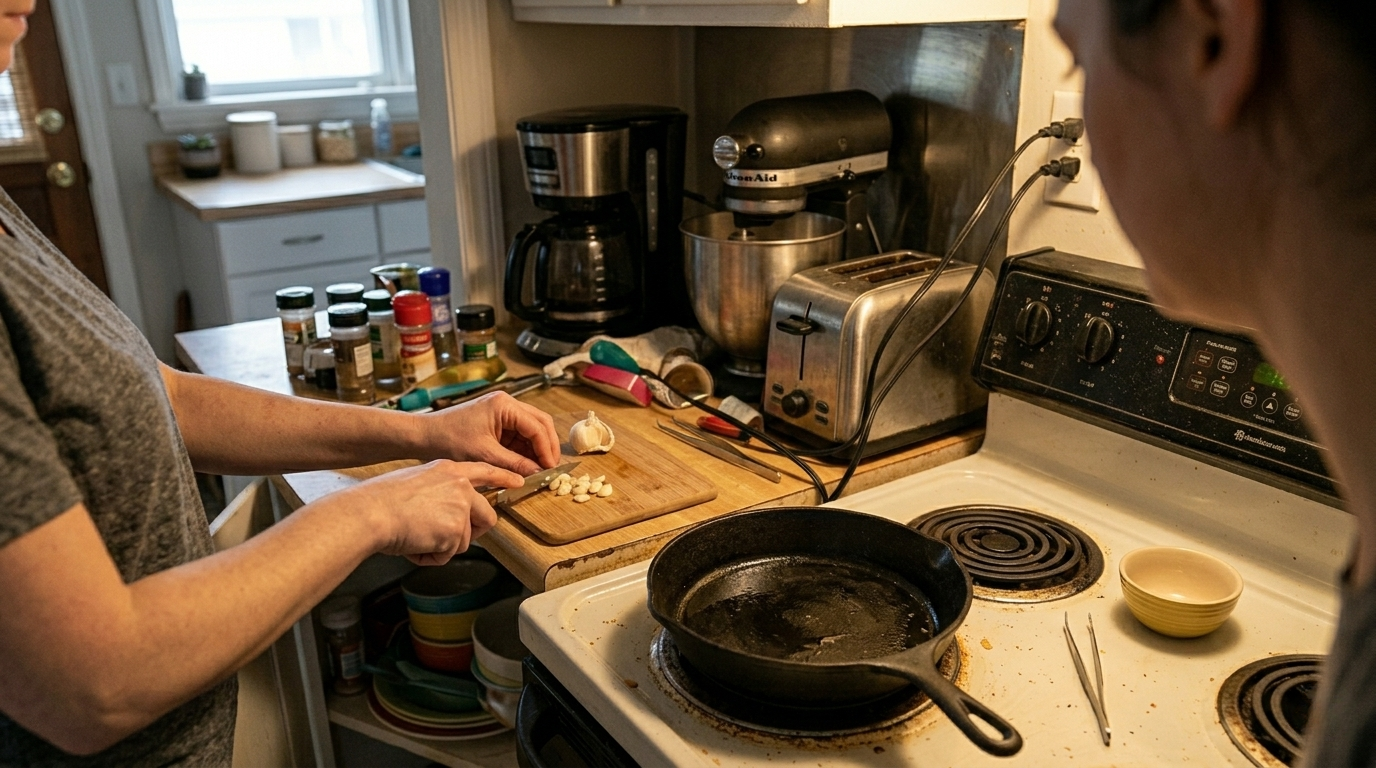
Cooking difficulty often gets attributed to lack of skill or time when the actual problem is a kitchen setup that creates unnecessary obstacles during routine tasks. Poorly arranged work zones, inadequate counter space, inconvenient storage placement, and missing basic tools all add friction to cooking that has nothing to do with recipe complexity or culinary ability. These kitchen design and organization issues accumulate into significant frustration that makes cooking feel harder than the recipes themselves warrant. When preparing dinner requires walking back and forth across the kitchen repeatedly, digging through crowded cabinets for basic items, and working in cramped spaces without room to prep ingredients, the cooking process becomes unnecessarily exhausting regardless of what you’re making. The challenge is recognizing that kitchen setup problems are fixable rather than permanent conditions you must accept. Many cooking frustrations stem from correctable organizational issues, missing equipment, or workflow inefficiencies rather than from cooking being inherently difficult or your abilities being insufficient. Understanding which kitchen factors create unnecessary difficulty helps you identify and fix problems that genuinely impede cooking rather than just trying to cook better in a space working against you. Your Counter Space Doesn’t Actually Function Many kitchens have reasonable total counter area but almost none of it remains usable for actual food preparation because permanent items occupy nearly all available space. Small appliances crowd counters leaving minimal prep space. The coffee maker, toaster, stand mixer, knife block, utensil holder, and various other items consume counter real estate permanently, leaving you perhaps one small area for cutting boards and ingredient prep. Corner spaces go unused because they’re awkward to access and items placed there become semi-permanent obstacles. Counter corners typically collect things that then never move, effectively removing that space from useful circulation. Counter space near the stove gets occupied by decorative items, spice racks, or utensil holders that could be stored elsewhere. The most valuable prep space—right next to where you’re cooking—often isn’t available for staging ingredients because other items live there. Working in remaining small spaces forces overlapping tasks. You chop vegetables on a cutting board, but then have nowhere to put the cutting board when you need counter space for something else. You play a constant shell game moving items around to free up small work areas. The solution isn’t necessarily more counters but rather clearing current counters of items that don’t need permanent placement. Store infrequently used appliances in cabinets or pantries. Use wall-mounted solutions for utensils and knives. Create actual empty counter space where you can work rather than accepting that counters are for storage. Functional counter space means empty space available when you need it, not total counter area that’s perpetually occupied. Everything You Need Is in the Wrong Place Kitchen organization that doesn’t match cooking workflow creates constant unnecessary movement and interruptions during food preparation. Pots and pans stored far from the stove force repeated trips across the kitchen. Every time you need a different pan, you walk away from the cooking area, retrieve the pan, and return—multiplied across every cooking session for years. Spices stored in cabinets above eye level require reaching, searching, and often climbing on step stools to access items you use constantly. Cooking that uses four different spices means four separate interruptions to find and retrieve seasonings you can’t see clearly. Utensils kept in drawers across the kitchen from the stove mean abandoning the cooking area repeatedly for spatulas, tongs, spoons, and other tools needed during active cooking. The constant back-and-forth wastes time and breaks cooking flow. Cutting boards stored under the sink or in a cabinet nowhere near food prep areas create extra steps before you can even start cooking. Something you use in nearly every cooking session shouldn’t require retrieval from an inconvenient location. Oils, vinegars, and frequently used condiments stored in various cabinets rather than grouped near cooking areas force hunting for items mid-recipe when you’re trying to focus on cooking technique and timing. The solution involves moving items to logical locations based on where and how you use them. Store pots near the stove, utensils within reach of cooking areas, spices where you can see and grab them easily, and cutting boards where you do prep work. The specific storage location matters less than matching storage to usage patterns. You’re Missing Basic Equipment That Would Help Many cooking struggles stem from not having fundamental tools that make cooking tasks easier rather than from the tasks being inherently difficult. Sharp knives make dramatic differences in food prep speed and safety. Dull knives require force and create frustration while sharp knives cut effortlessly and precisely. If chopping vegetables feels like a chore, the knife is probably the problem, not your technique. Adequate cutting boards provide stable prep surfaces sized appropriately for the task. Trying to chop ingredients on a cutting board too small for the food creates mess and inefficiency. Having proper-sized boards for different tasks reduces frustration. Bench scrapers or bowl scrapers move chopped ingredients from cutting board to bowl efficiently instead of using knife blades or your hands to gather and transfer food. This simple tool speeds prep work significantly. Kitchen scissors handle many tasks faster than knives—trimming herbs, cutting through packaging, portioning raw chicken, snipping bacon. Not having scissors means using knives inefficiently for tasks scissors handle better. Instant-read thermometer eliminates guessing about meat doneness. Constantly overcooking or undercooking proteins because you’re guessing when they’re done creates frustration that a simple thermometer solves. Mixing bowls in varied sizes provide proper containers for different quantities rather than making do with bowls too small or wastefully large. Having the right size bowl for the task at hand makes mixing and prep work easier. The missing equipment issue isn’t about needing specialty gadgets but rather lacking basic tools that genuinely simplify routine tasks. These fundamental items aren’t expensive but their absence makes cooking harder than necessary. Your Lighting Is Completely Wrong Inadequate or poorly positioned lighting makes every kitchen task more difficult and less safe without you necessarily

What Professional Cooks Do at Home (It’s Not What You Think)

You might assume that chefs and professional cooks go home after work and prepare elaborate, restaurant-quality meals for themselves using advanced techniques and exotic ingredients. The reality is almost the opposite – most professional cooks eat simply at home, often relying on quick preparations, leftovers, and minimal cooking after spending all day in professional kitchens. Understanding how professionals actually cook at home reveals important truths about sustainable cooking, what techniques genuinely matter, and the difference between cooking as a job versus cooking as part of daily life. The disconnect between professional cooking and home cooking by professionals highlights that elaborate restaurant techniques often aren’t practical, necessary, or even desirable for everyday eating. Professional cooks develop strong opinions about what’s worth doing at home versus what’s just work they’re glad to leave at the restaurant. Their home cooking choices reflect what actually matters for daily meals when you deeply understand cooking but aren’t trying to impress anyone or optimize for restaurant economics and presentation. They Eat Way More Simply Than You’d Expect Professional cooks who spend 8-12 hours preparing complex dishes at work often have zero interest in cooking elaborately at home, choosing instead the simplest meals that meet their needs. Pasta with butter and cheese becomes a legitimate dinner after a long shift, not a shameful shortcut. Professional cooks don’t judge simple food harshly because they understand that elaborate doesn’t necessarily mean better for everyday eating. Eggs in various forms – scrambled, fried, omelets – appear frequently because they’re quick, nutritious, satisfying, and require minimal cleanup. The speed and reliability matter more than impressiveness. Rice bowls with whatever’s available represent common professional cook dinners at home. Simple rice topped with leftover protein, fresh vegetables, and a sauce makes a complete meal in minutes. Sandwiches and toast get elevated by technique and quality ingredients rather than complexity. A perfectly grilled cheese or excellent toast with good butter satisfies without requiring elaborate preparation. The willingness to eat simply comes from understanding that cooking skill isn’t demonstrated through complexity but through making simple things well. A perfectly cooked egg shows more skill than an over-complicated dish executed poorly. Professional cooks also recognize that food fatigue is real – after tasting and smelling food all day at work, they often want minimal food involvement at home, not more elaborate cooking. They Actually Use Convenience Products Professional cooks use store-bought items at home without guilt because they understand that some convenience products offer excellent value and quality that doesn’t justify making from scratch. Rotisserie chickens from grocery stores appear regularly in professional cooks’ home meals. They recognize that the economics and convenience make these purchased birds smarter than roasting chicken themselves for weeknight dinners. Quality jarred pasta sauce gets used and enhanced with fresh ingredients rather than making sauce from scratch every time. Adding fresh herbs, garlic, or vegetables to good jarred sauce creates excellent results with minimal effort. Pre-washed salad greens eliminate tedious washing and spinning for simple weeknight salads. Professional cooks value their time and recognize when convenience justifies the cost premium. Frozen vegetables often appear because professionals know these are frozen at peak freshness and require zero prep. The quality frequently exceeds “fresh” vegetables that spent days in transport and storage. Good bread from bakeries replaces homemade for most purposes because professional cooks know their bread-baking time is better spent elsewhere unless they genuinely enjoy baking. The key insight is that professional cooks use convenience strategically where it makes sense rather than either avoiding it entirely or relying on it completely. They know which shortcuts maintain quality and which ones compromise results. They Focus on a Few Techniques Done Well Rather than using the full range of professional techniques they know, home cooking by professionals usually involves a small set of reliable methods used repeatedly. High-heat searing appears frequently because professionals know proper searing creates flavor quickly without elaborate preparation. A well-seared steak or piece of fish needs little else to be excellent. Simple roasting of vegetables and proteins at high heat produces reliable results with minimal attention. Sheet pan dinners represent professional-level efficiency applied to home cooking. Quick sautés that combine protein and vegetables in one pan create complete meals while minimizing cleanup. The speed and simplicity make this technique ideal for weeknight cooking. Basic pan sauces from fond (browned bits) elevate simple proteins without requiring separate sauce preparation. This single technique adds restaurant quality to home meals with minimal additional effort. The techniques professionals actually use at home are ones that create good results quickly with minimal setup and cleanup. Elaborate multi-step techniques stay at work where they have time, space, and economic justification. They Keep Pantries Extremely Simple Professional cooks’ home pantries often contain fewer items than enthusiastic home cooks keep, focusing on versatile staples rather than extensive collections of specialty ingredients. Quality olive oil, salt, and pepper represent the foundation because professionals know that proper seasoning matters more than exotic ingredients. These basics appear in almost every dish. Garlic, onions, and fresh herbs provide flavor bases for countless dishes without requiring extensive spice collections. A few aromatics create more versatility than dozens of specialty spices. Rice, pasta, and one or two grains cover starch needs without maintaining extensive variety. Having too many options creates decision fatigue without adding genuine value. Canned tomatoes, beans, and a few other pantry staples support quick meals without requiring extensive inventory management. Professional cooks know which shelf-stable items actually get used. The minimal pantry reflects understanding that having too many ingredients creates waste and complexity without improving daily cooking. Better to have fewer items you actually use than extensive collections that expire before you finish them. They’re Extremely Practical About Leftovers Professional cooks waste almost nothing at home, viewing leftovers as valuable resources rather than depressing repeats to avoid. Intentional leftover planning means cooking extra deliberately to provide future meals, not just dealing with whatever remains. Making a large batch of rice or beans is efficient meal planning, not accidental excess. Leftover

Why Restaurant Kitchens Are Set Up Completely Different Than Home Kitchens

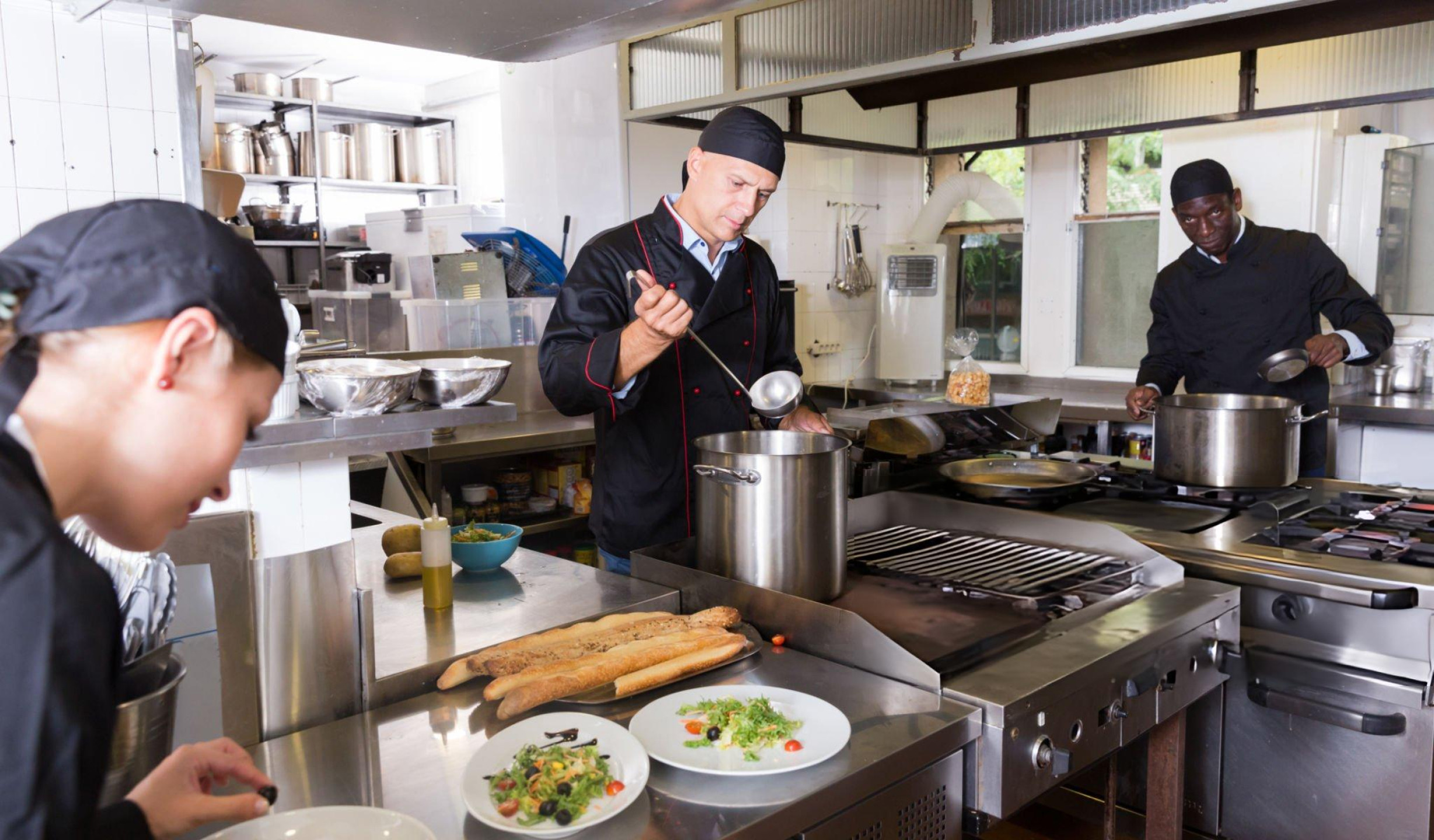
Walk into any restaurant kitchen and you’ll immediately notice it looks nothing like the kitchen in your home. The layout, equipment, workflow, and even the basic philosophy behind the design are fundamentally different. Understanding these differences helps explain why trying to replicate a restaurant kitchen at home often creates more problems than it solves, and why home kitchens need their own unique approach to design and functionality. Restaurant kitchens are built around completely different priorities than home kitchens. They’re designed for speed, volume, and multiple cooks working simultaneously under intense pressure. Home kitchens, on the other hand, need to balance cooking functionality with family life, entertaining, and often serving as the heart of the home. These different priorities create dramatically different spaces. The Fundamental Philosophy Difference Restaurant kitchens exist for one purpose: producing food as quickly and efficiently as possible for paying customers. Every design decision flows from this single goal. There’s no consideration for aesthetics, comfort, or creating a welcoming space because those factors don’t contribute to getting food out faster. Home kitchens serve multiple purposes beyond cooking. They’re gathering spaces for families, homework stations for kids, entertainment areas for guests, and often the most-used room in the house. This multi-purpose nature means home kitchen design must balance many competing priorities that restaurants never consider. The commercial kitchen mentality focuses on pure efficiency and durability. If it doesn’t make cooking faster or last longer under heavy use, it doesn’t belong in a restaurant kitchen. Comfort, appearance, and personal preference take a distant back seat to functionality. Home kitchen design must account for the reality that most people aren’t cooking eight hours straight every day. The space needs to work well for occasional cooking while remaining pleasant for all the other activities that happen there. This fundamental difference affects every design choice. Regulatory requirements shape restaurant kitchens in ways that don’t apply to homes. Health codes dictate specific materials, spacing, ventilation, and equipment that home kitchens never need to worry about. These regulations exist to protect public health but create requirements that would be excessive in residential settings. The Work Triangle vs. The Assembly Line Home kitchens typically follow the work triangle concept, positioning the sink, stove, and refrigerator in a triangular arrangement that minimizes walking while cooking. This design works well for one or two cooks preparing family meals where the same person handles multiple tasks. Restaurant kitchens use station-based layouts where different cooks handle specific tasks at dedicated workstations. The sauté cook stays at the range, the grill cook at the grill, and the prep cook at the prep station. Food moves between stations rather than cooks moving around the kitchen. The assembly line approach in restaurants means each station is optimized for its specific function. The grill area has everything needed for grilling within arm’s reach, while the pasta station has pots, colanders, and ingredients organized for maximum efficiency. This specialization would be wasteful in homes where one person does all these tasks. Linear workflow in commercial kitchens moves food from prep areas through cooking stations to plating areas in a logical sequence. Home kitchens don’t need this level of workflow optimization because the volume and pace are completely different. Multiple simultaneous users in restaurants require wide aisles and clear traffic patterns that prevent cooks from colliding during rush periods. Home kitchens rarely need this much space since family cooking involves fewer people moving at slower speeds. Equipment That Makes No Sense at Home Commercial ranges pump out heat levels that home cooking rarely requires. A restaurant range might have burners producing 25,000-30,000 BTUs or more because speed matters when you’re cooking dozens of orders per hour. Home cooking rarely benefits from this extreme heat, and the additional cost, ventilation requirements, and energy consumption don’t make sense for typical residential use. Reach-in refrigerators and freezers in restaurants prioritize accessibility over energy efficiency. Commercial units are designed to be opened hundreds of times per day without losing much temperature, but they consume far more energy than home refrigerators. The trade-off makes sense for restaurants but not for homes. Commercial dishwashers complete cycles in 90 seconds to 2 minutes, compared to the hour or more that home dishwashers take. This speed comes at the cost of extremely hot water, special detergents, and maintenance requirements that make no sense for washing dinner dishes once a day. Prep tables with built-in cold storage keep ingredients at safe temperatures during prep work, crucial when prepping large quantities over hours. Home cooks preparing dinner for a family don’t need refrigerated work surfaces and would waste the energy they consume. Specialized equipment like commercial mixers, food processors, and slicers handle volumes that would take hours by hand but represent overkill for home cooking quantities. The space they occupy and their maintenance requirements make them impractical for residential use. Material Choices Driven by Different Needs Stainless steel dominates restaurant kitchens because it’s durable, easy to sanitize, and meets health code requirements. The cold, industrial appearance doesn’t matter in commercial settings where customers never see the kitchen. Home kitchens can use warmer materials like wood, stone, and decorative finishes that create more inviting spaces. Sealed concrete or commercial tile floors in restaurants handle heavy traffic, frequent washing, and spills without damage. These surfaces feel hard and cold underfoot but provide durability and ease of cleaning that restaurant use demands. Home kitchens can use softer, warmer flooring that’s more comfortable for standing and more forgiving when dishes get dropped. Commercial-grade materials resist damage from heat, impacts, and harsh cleaning chemicals that restaurant use involves. Home materials can prioritize appearance and comfort over extreme durability since residential use is much gentler. Seamless surfaces and coved corners in commercial kitchens prevent bacteria growth and meet health codes but create an institutional appearance that most homeowners find unappealing. Home kitchens can use decorative trim and traditional joinery that would be unacceptable in commercial settings. Ventilation Requirements Are Completely Different Restaurant ventilation systems must handle massive amounts of heat, smoke,

The Appliances That Actually Pay for Themselves: A Smart Investment Guide

Most kitchen appliances cost money. Some cost a lot of money. But a few special appliances actually save you more than they cost over time, turning what seems like an expense into an investment that pays real dividends. Understanding which appliances fall into this category helps you make smarter purchasing decisions that benefit both your cooking experience and your bank account. The key to identifying these money-saving appliances is calculating their total cost of ownership rather than just the purchase price. When you factor in energy savings, reduced waste, avoided costs, and improved efficiency, certain appliances deliver returns that justify and eventually exceed their initial investment. Energy Star Refrigerators: The Obvious Winner Refrigerators run 24 hours a day, 365 days a year, making energy efficiency incredibly important. An ENERGY STAR certified refrigerator uses about 15% less energy than non-certified models, translating to real savings on every electric bill. The Cosmo COS-FDR225RHSS French door refrigerator carries the ENERGY STAR rating and demonstrates how modern refrigerators pay for themselves. With 22.5 cubic feet of capacity and energy-efficient LED lighting throughout, this model reduces electricity consumption while providing ample storage space. Calculate the savings by comparing your current refrigerator’s energy use to a new efficient model. If your old refrigerator uses 800 kWh annually and a new ENERGY STAR model uses 450 kWh, you save 350 kWh per year. At average electricity rates of $0.13 per kWh, that’s $45.50 saved annually. Over the refrigerator’s 15-year lifespan, you save $682.50 in electricity costs alone. Beyond energy savings, modern refrigerators like the COS-FDR225RHSS include features that reduce food waste. Better temperature control keeps food fresh longer, adjustable storage accommodates various container sizes to prevent items from being forgotten, and door alarms prevent accidental temperature rises that spoil food. The built-in ice maker eliminates the need to buy bags of ice, saving another $100-200 annually for families who use ice regularly. The soft-close door mechanism prevents incomplete closure that wastes energy, while the fingerprint-resistant finish reduces cleaning product costs over time. Convection Ovens: Faster Cooking, Lower Bills Convection ovens cook food 25-30% faster than conventional ovens while often allowing temperature reductions of 25°F. This efficiency translates directly into lower energy costs and reduced cooking time that has real value. The Cosmo COS-30ESWC single wall oven features Turbo True European Convection with 5.0 cubic feet of capacity and seven cooking functions. The convection system pays for itself through multiple mechanisms that conventional ovens cannot match. Energy savings come from reduced cooking times and lower temperature requirements. If you use your oven for 5 hours weekly, convection cooking could save 1-1.5 hours of oven operation time per week. At typical electric oven operating costs of $0.30-0.40 per hour, that’s $15-30 saved annually just in reduced cooking time. The faster cooking also has hidden value in reduced kitchen heating during summer months. Shorter oven run times mean less heat added to your home, reducing air conditioning costs during warm weather. This secondary benefit can add another $20-40 to annual savings in hot climates. Better cooking results reduce food waste from burnt or undercooked items. The even heat distribution of the COS-30ESWC’s convection system means fewer ruined dishes and more consistent results that don’t require discarding failed attempts. For serious home cooks or larger families, the Cosmo COS-30EDWC double wall oven doubles these benefits. Two independent 5.0 cubic foot ovens with convection allow you to cook multiple dishes simultaneously at different temperatures, eliminating sequential cooking that wastes time and energy. Range Hoods with Permanent Filters: Stop Buying Replacements Most range hoods use disposable filters that require replacement every 3-6 months at $20-40 per filter. Over a hood’s 15-year lifespan, you spend $600-1,200 just on filter replacements. Range hoods with permanent stainless steel filters eliminate this recurring cost entirely. The Cosmo COS-668ICS900 island range hood features ARC-FLOW permanent stainless steel filters that are dishwasher-safe and have unlimited uses. These filters effectively capture grease and cooking odors while eliminating ongoing replacement costs. Calculate the savings: If disposable filters cost $30 and require replacement three times yearly, you spend $90 annually on filters. Over 15 years, that’s $1,350 in filter costs that permanent filters eliminate completely. The island hood’s initial higher cost pays back through eliminated filter expenses within a few years. The four LED lights in the COS-668ICS900 add another layer of savings. LED bulbs last 25,000-50,000 hours compared to 1,000-2,000 hours for incandescent bulbs. With typical range hood light usage, LEDs last 10-20 years without replacement, saving $100-200 in bulb costs while using 75% less electricity. For under-cabinet installations, the Cosmo COS-KS6U series offers the same permanent filter advantages in a space-saving design. The soft touch controls and multiple fan speeds allow you to use only the ventilation power actually needed, reducing electricity consumption while maintaining effective air quality. LED Lighting Throughout: Small Investment, Big Returns LED lights use 75-80% less energy than incandescent bulbs while lasting 25-50 times longer. Replacing kitchen lighting with LEDs creates one of the fastest paybacks of any home improvement. Range hoods with LED lighting like the Cosmo COS-63ISS90 eliminate both energy costs and replacement expenses for task lighting. The four LED lights provide comprehensive illumination for cooking while using minimal electricity. Over the hood’s lifespan, LED efficiency saves $150-250 in electricity costs compared to incandescent lighting. The savings extend beyond the hood itself. When your range hood provides adequate task lighting, you can use lower-wattage ambient lighting in the kitchen, compounding the energy savings. This layered lighting approach improves both function and efficiency. LED lights also generate significantly less heat than incandescent bulbs, reducing the load on your range hood’s ventilation system and air conditioning during summer. This secondary effect adds measurable savings in warm climates or for frequent cooks. Auto Re-Ignition Gas Burners: Safety and Efficiency Gas burners with auto re-ignition technology prevent gas waste and improve safety by automatically relighting flames that are accidentally extinguished. This feature saves money while providing peace of mind that traditional burners cannot match. The Cosmo COS-GRP366

Understanding Kitchen Appliance Energy Ratings: What They Really Mean for Your Bills

Kitchen appliances account for a significant portion of household energy consumption, with refrigerators, ovens, dishwashers, and other devices running constantly or frequently throughout the day. Understanding energy ratings and what they actually mean for your utility bills can help you make smarter purchasing decisions that save money over the appliance’s lifetime while reducing your environmental impact. The difference between an efficient and inefficient appliance can add up to hundreds of dollars over several years. Energy ratings aren’t just marketing buzzwords – they’re standardized measurements that provide genuine insight into how much electricity or gas an appliance will consume during normal use. Learning to interpret these ratings, understand what affects energy consumption, and calculate real-world costs empowers you to choose appliances that balance upfront price with long-term operating expenses. Decoding ENERGY STAR Certification The ENERGY STAR label represents the most recognizable energy efficiency certification in North America, but understanding what it actually guarantees helps you appreciate its value beyond just being a marketing symbol. ENERGY STAR certified appliances meet strict energy efficiency guidelines set by the U.S. Environmental Protection Agency and the Department of Energy. These standards are regularly updated to reflect technological improvements and ensure that certified products represent significant efficiency advantages over standard models. Efficiency thresholds vary by appliance type, with each category having specific performance requirements. A refrigerator must be at least 15% more efficient than the minimum federal standard, while dishwashers must meet specific water and energy consumption limits per load. Third-party verification ensures that ENERGY STAR claims are legitimate rather than manufacturer self-assessments. Independent testing laboratories verify performance before products can display the certification, providing consumer confidence in the ratings. Annual energy cost estimates on ENERGY STAR labels help you understand real-world operating expenses rather than just technical efficiency percentages. These estimates are based on typical usage patterns and national average energy rates. Comparative context shows how specific models compare to similar appliances, helping you understand whether you’re looking at a minimally compliant or exceptionally efficient option within the certified category. Environmental impact information sometimes accompanies ENERGY STAR ratings, showing greenhouse gas emission reductions and environmental benefits alongside financial savings to appeal to environmentally conscious consumers. Understanding EnergyGuide Labels The yellow and black EnergyGuide labels required on many appliances provide standardized information that allows direct comparison between models, but knowing how to read these labels correctly ensures you’re making informed decisions. Estimated yearly operating cost appears prominently on these labels, calculated using national average energy rates. This figure provides a baseline for comparison, though your actual costs will vary based on local utility rates and usage patterns. Energy consumption measurements show kilowatt-hours per year for electric appliances or therms per year for gas appliances. These technical measurements allow you to calculate precise operating costs using your specific utility rates. Cost range comparisons display where the specific model falls on a scale from most efficient to least efficient among similar models. This visual representation quickly shows whether you’re considering a high, medium, or low-efficiency option. Model-specific information includes capacity, features, and other factors that affect energy consumption, helping you understand why certain models use more or less energy than comparable appliances. Calculation methodology details explain the testing conditions and usage assumptions underlying the estimates, though these are often in small print. Understanding these assumptions helps you adjust estimates for your actual usage patterns. Federal minimum standards are referenced on the labels, showing the least efficient model allowed by law. This context helps you understand how much better than minimum your potential purchase performs. Calculating Real-World Energy Costs Label estimates provide useful baselines, but calculating actual costs based on your specific situation and usage patterns gives you more accurate long-term expense projections for better decision-making. Local utility rates significantly affect operating costs, potentially making estimates on labels substantially inaccurate for your situation. Check your utility bills to find your actual cost per kilowatt-hour or therm, which can vary from $0.08 to $0.30 per kWh depending on location. Usage patterns influence actual consumption, with heavy users spending significantly more than label estimates while light users may spend less. Consider your family’s actual cooking frequency, dishwasher loads per week, and other usage factors. Seasonal variations affect costs for appliances like refrigerators that work harder in hot weather or ovens that contribute to cooling costs in summer but reduce heating costs in winter. These factors can significantly impact annual expenses. Time-of-use rates in some areas charge different prices for electricity used during peak versus off-peak hours. If your utility uses this pricing structure, running appliances during off-peak times can substantially reduce costs. Calculation formulas for precise cost estimation multiply the appliance’s kWh or therm rating by your local utility rate and estimated annual usage. For example, an appliance using 500 kWh annually with rates of $0.12 per kWh costs $60 yearly to operate. Comparison across models helps quantify savings from choosing more efficient options. If Model A costs $60 annually while Model B costs $90, the $30 annual savings over a 15-year lifespan totals $450 in operating cost differences. Major Kitchen Appliance Energy Consumption Different kitchen appliances vary dramatically in their energy consumption and potential savings from efficiency improvements, helping you prioritize which appliances deserve closest attention when considering efficiency. Refrigerators and freezers run continuously, making them typically the highest energy consumers in kitchens. Modern ENERGY STAR refrigerators use about 300-600 kWh annually compared to 1000-1500 kWh for older models, creating substantial savings potential. Dishwashers consume both electricity for operation and energy to heat water, with modern efficient models using 270-300 kWh annually versus 500+ kWh for older models. Water heating represents the majority of dishwasher energy use. Electric ranges and ovens vary widely in consumption based on cooking frequency and methods. Convection ovens typically use 20-30% less energy than conventional ovens for the same cooking tasks due to faster, more even heating. Gas ranges offer different efficiency considerations, with energy costs depending on natural gas or propane prices in your area. Gas cooking is often more economical than electric,