
Food Waste

Leftovers: What Actually Matters for Food Safety

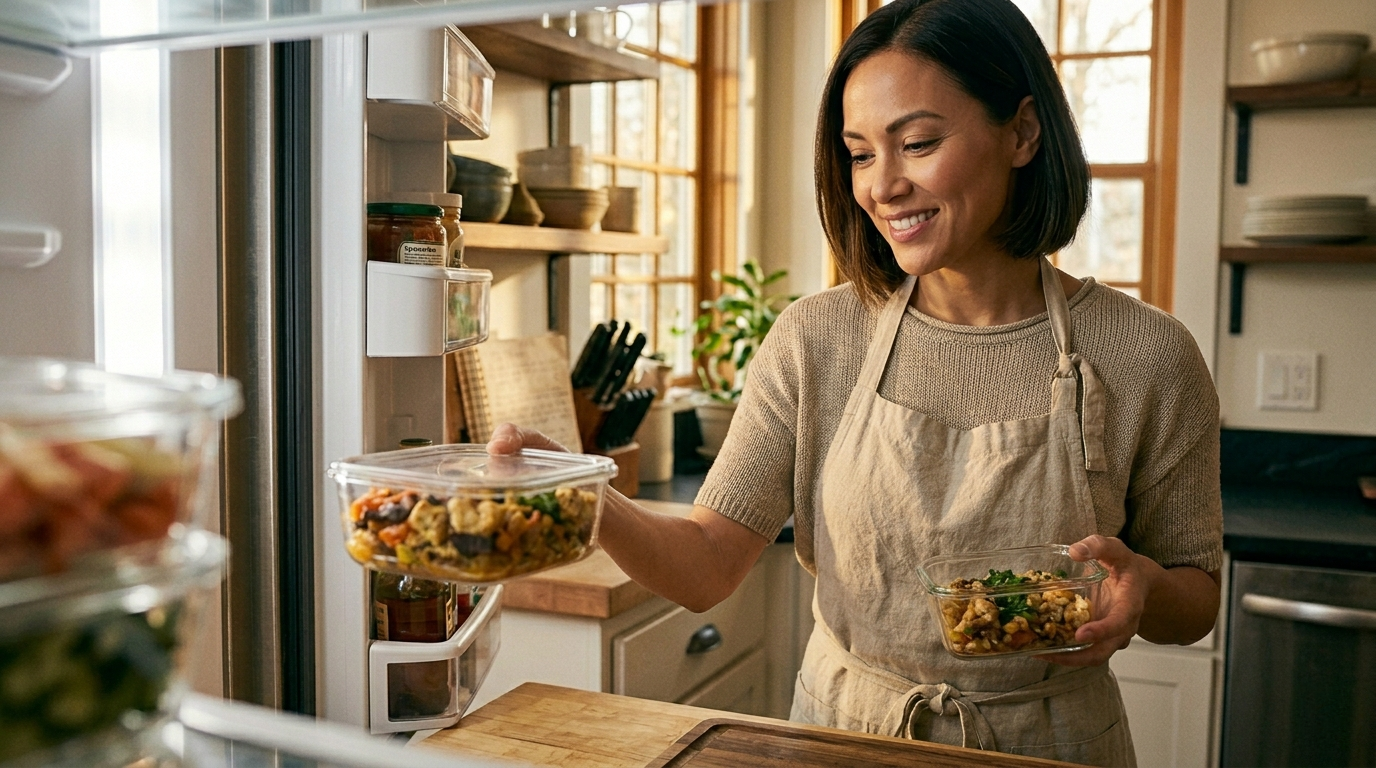
Food safety guidelines about leftovers read like legal disclaimers written by lawyers afraid of lawsuits. Discard after three days. Cool within two hours. Reheat to 165°F. Never leave at room temperature. Some of this advice matters. Much of it is excessive caution designed to protect institutions serving vulnerable populations, not guidance for healthy adults eating home-cooked food. Understanding what actually causes foodborne illness from leftovers lets you make informed decisions instead of following arbitrary rules that waste perfectly good food or create unnecessary anxiety. Here’s what actually matters for leftover safety, what’s overblown caution, and how to store and reheat leftovers without making yourself sick or throwing away edible food. The Two-Hour Rule Is About Temperature, Not Time The standard advice says food left at room temperature for more than two hours becomes unsafe. This oversimplifies what’s actually happening. Bacteria multiply rapidly between 40°F and 140°F—the “danger zone.” Food sitting in this temperature range gives bacteria time to reproduce to potentially dangerous levels. But “two hours” assumes worst-case scenarios: high bacterial load on the food initially, warm room temperature, and vulnerable populations eating it. For most situations with most foods, this timeline is conservative. Hot food cooling on the counter doesn’t spend two full hours in the danger zone. It starts at 180°F or higher and cools through the danger zone gradually. The time actually spent between 40°F and 140°F might be 30-45 minutes, not two hours. Room temperature also matters. Food cooling in a 65°F kitchen behaves differently than food cooling in an 80°F kitchen. Cooler rooms mean faster passage through the danger zone. The type of food affects risk too. High-acid foods like tomato sauce resist bacterial growth better than low-acid foods like rice. Dry foods pose less risk than moist foods. For home cooking eaten by healthy adults, letting dinner cool on the stove for an hour before refrigerating won’t kill you. Institutional guidelines assume cafeterias serving immunocompromised populations—different risk profile than your Tuesday night chicken. Use judgment. If dinner sat out for three hours on a hot summer evening, maybe skip the leftovers. If it cooled for 90 minutes in a cool kitchen and you’re healthy, you’re probably fine. The Three-Day Discard Rule Ignores Your Senses Standard guidance says discard refrigerated leftovers after three to four days regardless of how they look, smell, or taste. This is absurdly wasteful. Three to four days is conservative estimate covering worst-case scenarios with high-risk foods. Many leftovers last a week or more without safety issues. Your nose and eyes detect spoilage effectively. Off smells, visible mold, slimy texture, or color changes indicate spoilage. If leftovers look and smell normal after five days, they’re likely fine. Different foods have different shelf lives. Properly stored cooked grains can last a week. Leafy green salads wilt and become unappetizing after a day but aren’t necessarily unsafe. High-acid tomato sauce lasts longer than cream-based sauce. Storage method dramatically affects longevity. Food in airtight containers lasts longer than food loosely covered. Food stored in shallow containers cools faster and lasts longer than food in deep containers. The three-day rule exists because institutions need blanket policies. They can’t trust cafeteria workers to use judgment about individual containers. Home cooks can and should use their senses. If you’re immunocompromised, pregnant, or feeding young children or elderly people, conservative timelines make sense. Healthy adults can extend timelines for low-risk foods that pass the smell and visual test. Reheating to 165°F Is Overkill for Most Leftovers Food safety guidelines say reheat all leftovers to 165°F. This temperature kills bacteria reliably, but it also turns many foods into dry, overcooked mush. 165°F is the temperature that kills harmful bacteria instantly. Lower temperatures also kill bacteria—they just need more time. Holding food at 145°F for several minutes achieves similar safety to instant 165°F. Reheating guidelines come from institutional settings serving food that might have been mishandled. Commercial kitchens can’t know how long food sat at unsafe temperatures, so they mandate kill-step temperatures. At home, you know your food’s history. If you cooked chicken to safe temperature initially, cooled it properly, and stored it correctly, reheating it to 165°F is redundant. You’re not killing new bacteria—you’re just drying out your chicken. Reheating until steaming hot (around 140-150°F) suffices for most leftovers eaten by healthy adults. This temperature makes food palatable while still heating it adequately. Some foods justify higher reheating temperatures: anything with questionable storage history, foods that sat out too long, or foods being served to vulnerable populations. But last night’s properly-stored pasta doesn’t need blast-furnace reheating. Texture and enjoyment matter. Reheating salmon to 165°F creates dry, chalky fish. Reheating to 140°F keeps it moist while still being perfectly safe given proper initial cooking and storage. Rice Deserves Special Attention, But Not Paranoia The internet is terrified of leftover rice. Articles warn about Bacillus cereus spores surviving cooking and producing toxins in stored rice. This risk is real but overstated. Yes, rice can harbor B. cereus spores that survive cooking. Yes, these spores can germinate and produce toxins if rice sits at room temperature too long. No, this doesn’t mean leftover rice is a death sentence. The actual risk factor is letting cooked rice sit at room temperature for extended periods. Rice sitting out for hours (like at a buffet) allows bacteria to multiply and produce heat-stable toxins that reheating won’t destroy. Properly handled rice poses minimal risk. Cool it quickly after cooking (spread it out rather than leaving it in a deep pot), refrigerate it within an hour or two, and store it in the fridge for up to four to five days. Reheating rice thoroughly kills bacteria (though not pre-formed toxins, which is why proper storage matters). Fried rice, rice pudding, or reheated rice are all safe if the rice was stored correctly. The paranoia around rice exceeds the actual danger. Millions of people eat leftover rice daily without incident. The few cases of B. cereus poisoning usually involve rice sitting at room temperature for many hours—not

Kitchen Habits That Are Costing You Money (Without You Realizing It)

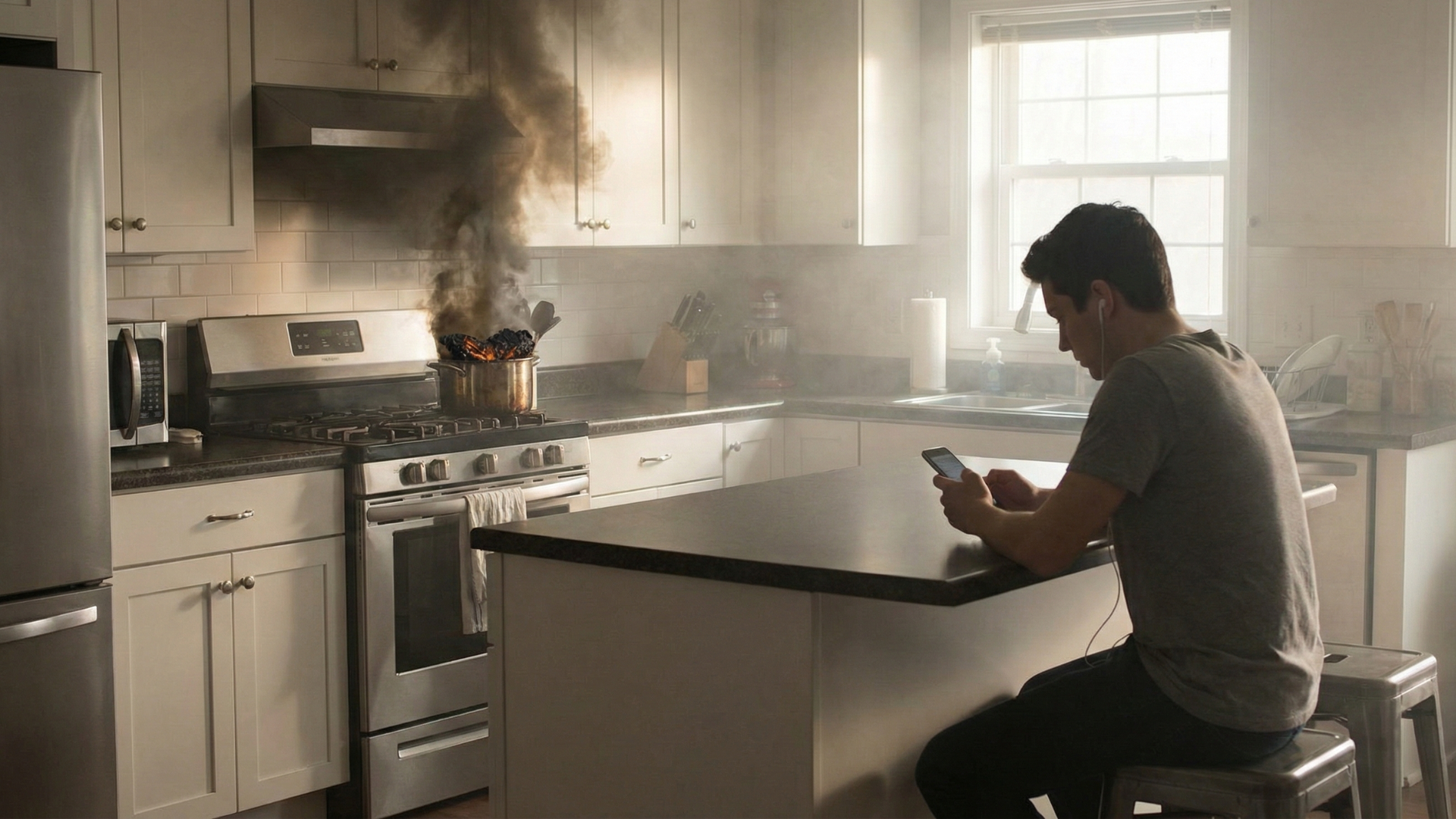
Small daily kitchen habits accumulate into significant unnecessary expenses over time, yet most people don’t recognize these practices as wasteful because the individual instances seem trivial. Running water continuously while washing dishes, preheating ovens far longer than necessary, discarding food that’s still perfectly usable, buying ingredients for single recipes then letting the remainder spoil—these behaviors cost real money month after month while appearing too minor to address. The cumulative financial impact of wasteful kitchen habits often exceeds what people spend on the obvious budget items like dining out or premium ingredients, yet these hidden costs receive little attention because they’re dispersed across countless small moments rather than appearing as clear line items. Understanding which common kitchen practices waste money helps you identify where simple behavior changes create meaningful savings without requiring major lifestyle alterations or sacrificing cooking quality. The goal isn’t extreme frugality but rather eliminating waste that serves no purpose and costs you money for no benefit. Running Water Continuously While Washing Dishes Letting water flow continuously during dishwashing wastes both water and the energy required to heat that water, creating dual costs that accumulate significantly. Continuous flow during scrubbing means water runs down the drain unused while you’re physically scrubbing dishes that aren’t under the stream. The running water serves no purpose during the scrubbing motion but continues consuming resources and costing money. Hot water heater energy costs add up because heating water represents significant energy use. Letting hot water run for minutes while washing dishes means paying to heat water that immediately goes down the drain without serving any function. Basin washing or filling the sink partway uses a fraction of the water compared to continuous flow. Washing dishes in standing water—whether in the sink or a basin—means using perhaps two gallons total rather than multiple gallons per minute flowing continuously. Two-basin method for washing and rinsing minimizes water use while maintaining cleanliness. Wash in soapy water in one basin, rinse in clean water in the other. This uses far less water than continuous running during washing and rinsing. The water usage difference is dramatic—continuous flow might use 20-30 gallons for a sink full of dishes while basin method uses 4-6 gallons. That difference multiplied by daily dishwashing creates substantial water and energy costs over time. Turning off the tap while scrubbing is simple habit change that costs nothing but saves money on every utility bill. The water doesn’t need to run while your hands aren’t under the faucet. Over-Preheating Ovens and Leaving Them Empty Ovens don’t need the excessive preheat times people habitually allow, and leaving ovens running empty while preparing food wastes significant energy. Ovens reach temperature faster than most people think—typically 15-20 minutes for most residential ovens. Setting the oven to preheat then spending 30-40 minutes prepping means the oven runs empty and unnecessarily for extended periods. Empty oven running costs the same as oven with food inside. You’re paying to heat empty space rather than cooking food, providing zero benefit while consuming energy. Timing preheat to match your actual readiness saves energy. Start preheating when you’re nearly ready to cook rather than at the beginning of all meal prep. The oven will be ready when you are without extended empty running. Many foods tolerate going into ovens that aren’t fully preheated. Roasted vegetables, casseroles, braises, and many other dishes work fine starting in warming ovens. Only delicate baking truly requires exact starting temperatures. Oven thermometers verify actual preheat time for your specific oven. Many ovens signal “ready” before actually reaching temperature, but testing with a thermometer shows your oven’s real preheat duration. The energy cost of running ovens empty for extended periods adds unnecessary dollars to utility bills month after month for no cooking benefit. Discarding Food Based on Dates Rather Than Actual Condition “Best by,” “sell by,” and “use by” dates cause massive food waste because people discard perfectly safe, good-quality food based on arbitrary dates rather than actual spoilage. Best-by dates indicate quality, not safety. Food doesn’t become unsafe or spoiled on that date—it’s the manufacturer’s estimate of peak quality. Food remains fine for consumption well past these dates if properly stored. Sell-by dates tell retailers when to rotate stock, not when consumers should discard food. These dates have nothing to do with home storage safety or quality after purchase. Visual and smell assessment tells you food condition far better than dates. Spoiled food looks, smells, or feels wrong. Food that appears and smells normal is almost certainly fine regardless of printed dates. Dairy products remain good well past dates if refrigerated properly. Milk, yogurt, cheese, and other dairy items last significantly longer than dates suggest when stored at proper temperatures. Eggs remain safe for weeks past carton dates. The float test—placing eggs in water to see if they float—provides actual freshness assessment. Eggs that sink are fresh regardless of dates. Canned and dry goods last years past printed dates. These shelf-stable items remain perfectly safe and nutritious long after best-by dates as long as packaging remains intact. The money wasted discarding food based on dates rather than condition amounts to hundreds of dollars annually for most households. Buying Ingredients for Single Recipes Then Letting Remainders Spoil Purchasing specialty ingredients for one recipe then failing to use the remainder before spoilage wastes both the initial purchase and the unused portion. Specialty produce bought for garnishes or small quantities—fresh herbs, unusual vegetables, exotic fruits—often spoils before you use the entire package. Buying a bunch of cilantro to use two tablespoons means the rest typically deteriorates unused. Condiments and sauces opened for single recipes sit unused until they expire. Specialty Asian sauces, hot sauces, or unique condiments purchased for one recipe often remain in the refrigerator until they’re too old to use safely. Dairy products bought in larger quantities than needed spoil before consumption. Heavy cream for a recipe using 1/4 cup often spoils before the remaining portion gets used, wasting both money and food. Spices purchased for single recipes sit unused

The Importance of Sustainability and Reducing Food Waste: A Path to a Greener Future

In today’s world, sustainability is more than just a buzzword; it’s a necessity. As the global population grows and resources become scarcer, the importance of sustainable practices, particularly in food production and consumption, has never been greater. One of the most impactful ways individuals and communities can contribute to sustainability is by reducing food waste. This blog post explores the significance of sustainability and offers practical tips on how to reduce food waste at home. Understanding Sustainability in Food Systems Sustainability in food systems refers to practices that ensure food production, distribution, and consumption have minimal negative impacts on the environment, economy, and society. Sustainable food systems focus on: The Alarming Reality of Food Waste Despite the global emphasis on sustainability, food waste remains a significant challenge. According to the Food and Agriculture Organization (FAO), approximately one-third of all food produced for human consumption is wasted each year. This amounts to about 1.3 billion tons of food, which could feed billions of people. Food waste has serious environmental, economic, and social consequences: Practical Tips for Reducing Food Waste at Home Reducing food waste starts at home, and everyone can make a difference by adopting sustainable practices in their daily lives. Here are some practical tips to help you reduce food waste and contribute to a more sustainable food system: 1. Plan Your Meals Planning your meals in advance is one of the most effective ways to reduce food waste. By creating a weekly meal plan, you can buy only what you need, avoiding impulse purchases that often go to waste. Meal planning also helps you use up ingredients before they spoil. 2. Store Food Properly Proper storage can significantly extend the shelf life of your food. Make sure to store perishable items like fruits, vegetables, and dairy products in the right conditions. For example, keep fruits and vegetables in the crisper drawer of your refrigerator, and store dry goods like grains and cereals in airtight containers. 3. Understand Expiration Dates Many people mistakenly believe that food past its “best by” or “sell by” date is unsafe to eat. In reality, these dates are often indicators of quality, not safety. Use your senses to determine whether food is still good to eat, and don’t be afraid to consume items that are slightly past their labeled dates if they still look, smell, and taste fine. 4. Get Creative with Leftovers Leftovers don’t have to be boring! Get creative in the kitchen by transforming leftovers into new meals. For example, roasted vegetables can be turned into a hearty soup, and stale bread can be used for bread crumbs or croutons. By repurposing leftovers, you can reduce food waste and enjoy a variety of meals. 5. Compost Food Scraps Even with the best intentions, some food waste is inevitable. Composting is an excellent way to recycle food scraps and create nutrient-rich soil for your garden. Composting reduces the amount of waste sent to landfills and helps close the loop in the food system by returning nutrients to the earth. 6. Support Local and Sustainable Producers Buying locally produced food not only supports your community but also reduces the environmental impact of transporting food over long distances. Look for farmers’ markets, community-supported agriculture (CSA) programs, and local food cooperatives that prioritize sustainable practices. 7. Educate Yourself and Others Educating yourself about the impact of food waste and sharing that knowledge with others is crucial in the fight against waste. The more people understand the importance of sustainability, the more likely they are to adopt practices that reduce waste and promote a healthier planet. The Ripple Effect of Reducing Food Waste When we reduce food waste, the benefits extend far beyond our kitchens. By wasting less food, we conserve valuable resources, reduce greenhouse gas emissions, and contribute to a more equitable food system. Moreover, reducing food waste can help alleviate hunger by ensuring that more food reaches those in need rather than ending up in the trash. Sustainability and reducing food waste are essential for the health of our planet and future generations. By making small changes in our daily lives, such as planning meals, storing food properly, and composting, we can collectively make a big impact. Let’s commit to sustainable practices in our kitchens and beyond, and work towards a future where food is valued, resources are conserved, and waste is minimized. Together, we can create a greener, more sustainable world.