
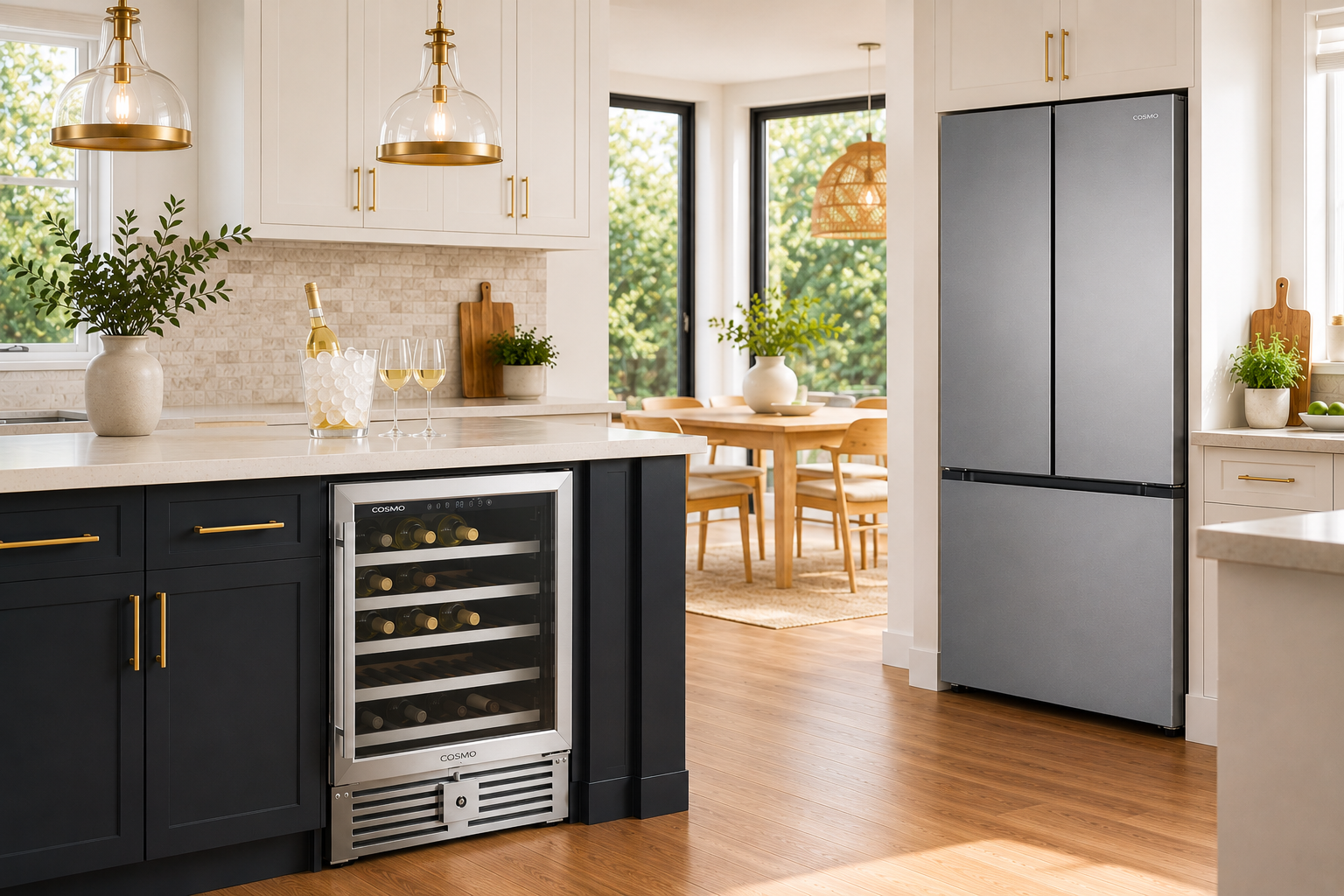
built-in wine cooler

Wine Cooler vs. Regular Refrigerator for Summer Entertaining: Which One Actually Serves Your Guests Better

Summer entertaining creates a specific set of demands that the rest of the year’s hosting doesn’t quite replicate. Guests arrive expecting cold drinks immediately. Wine consumption increases when the weather is hot and gatherings run long. The refrigerator that handles a household’s weekly food storage is suddenly also being asked to chill a case of white wine, keep rosé at serving temperature through a four-hour afternoon party, and produce ice for cocktails while simultaneously storing the potato salad, the marinated chicken waiting to go on the grill, and the dessert that needs to stay cold until serving. Something in that equation usually suffers. The question of whether a dedicated wine cooler makes sense for summer entertaining isn’t purely about wine enthusiasm or kitchen aesthetics — it’s a practical question about whether your cold storage setup can actually handle what summer hosting demands, and whether the right tool for chilling wine is the same tool that’s keeping your raw chicken food-safe. Those two functions have genuinely different requirements, and understanding the gap between them explains why the answer isn’t simply “put the wine in the fridge like everything else.” What Your Refrigerator Is Actually Designed to Do A standard kitchen refrigerator is engineered for food safety — maintaining temperatures cold enough to slow bacterial growth across a wide range of perishable foods. The FDA recommends refrigerator temperatures at or below 40°F for food safety, and most household refrigerators run between 35-38°F to stay safely within this range with some margin for temperature variation from door openings. This temperature is too cold for wine storage and significantly too cold for wine serving. Red wines served at refrigerator temperature — 35-38°F — taste muted, tannic, and closed because cold temperatures suppress the volatilization of aromatic compounds that give wine its flavor complexity. White wines at these temperatures are drinkable but past the point where their fruit character and acid balance are most expressive. Sparkling wines do reasonably well since they’re typically served very cold, but even they show better at 42-48°F than at 35°F. Beyond temperature, refrigerators create additional wine-unfriendly conditions. The compressor cycling that maintains food-safe temperatures creates vibration that disturbs wine sediment and, over extended storage, accelerates chemical reactions that degrade wine quality. Refrigerators dehumidify aggressively to prevent food spoilage — exactly the wrong condition for wine corks that need moderate humidity to stay properly sealed against air intrusion. Strong food odors in a refrigerator transfer to wine through cork over time, particularly for wines stored more than a few days. None of this means wine in the refrigerator is ruined — people store and serve wine from household refrigerators constantly with acceptable results. But “acceptable” and “optimal” are different standards, and understanding what’s actually happening to wine in a standard refrigerator helps frame what a dedicated wine cooler is actually solving. What Wine Actually Needs Wine storage and wine serving temperature requirements differ from food refrigeration requirements in specific ways that determine what equipment serves wine best. Storage Temperature: Long-term wine storage — anything beyond a few weeks — performs best between 55-65°F depending on wine type. Reds generally store toward the warmer end of this range, whites and sparkling wines toward the cooler end. This range is warm enough to allow gradual aging and flavor development but cool enough to prevent the heat damage that accelerates undesirable chemical changes. Standard refrigerators run 15-25°F colder than this range. Serving Temperature by Wine Type: Different wines have specific serving temperature ranges where they taste best — a detail that matters more in summer entertaining where guests are drinking wine rather than cooking with it. Red wines: 60-65°F for lighter styles like Pinot Noir and Beaujolais, 65-68°F for fuller-bodied reds like Cabernet Sauvignon and Syrah. These temperatures are actually warmer than many people realize — a red wine pulled from a 68°F room temperature environment in summer is too warm, but a red pulled from a standard refrigerator and allowed to warm slightly for 20-30 minutes is often close. White wines: 45-55°F depending on style. Crisp, light whites like Pinot Grigio and Sauvignon Blanc serve well at 45-48°F. Fuller, more complex whites like white Burgundy or aged Chenin Blanc show better at 50-55°F. These temperatures are achievable from a standard refrigerator but require timing — pulling white wine too early means it warms past its window before guests can finish the bottle. Rosé: 48-54°F — cold enough to be refreshing in summer heat but warm enough to show its fruit character. A rosé at 35°F from the back of the refrigerator needs 20-30 minutes on the counter before it reaches this range. Sparkling wines: 40-50°F — the category that comes closest to refrigerator temperatures, which is why Champagne and Prosecco pulled directly from a household refrigerator is generally fine. Temperature Stability: Perhaps more important than the specific temperature is temperature consistency. Wine quality degrades faster from repeated temperature fluctuations than from storage at a slightly suboptimal but consistent temperature. A refrigerator that cycles from 35°F to 42°F multiple times daily due to door openings stresses wine differently than a dedicated wine cooler designed for minimal temperature variation. What a Dedicated Wine Cooler Does Differently A wine cooler isn’t simply a refrigerator set to a different temperature — it’s an appliance engineered specifically for the conditions wine needs, differing from standard refrigerators in several meaningful ways. Temperature Range Designed for Wine: Wine coolers typically maintain temperatures between 40-65°F — the range that covers wine serving and short-to-medium-term storage. The Cosmo COS-24BIWCS, for example, maintains temperatures across the range appropriate for both red and white wine storage, allowing you to optimize for whichever type dominates your collection. This is temperature calibrated for wine rather than for food safety. Temperature Stability: Wine cooler compressor and thermostat systems are designed to minimize temperature fluctuation rather than simply maintaining a target average. The narrower temperature swings in a purpose-built wine cooler stress wine less than the wider cycling of a food refrigerator managing door openings, new
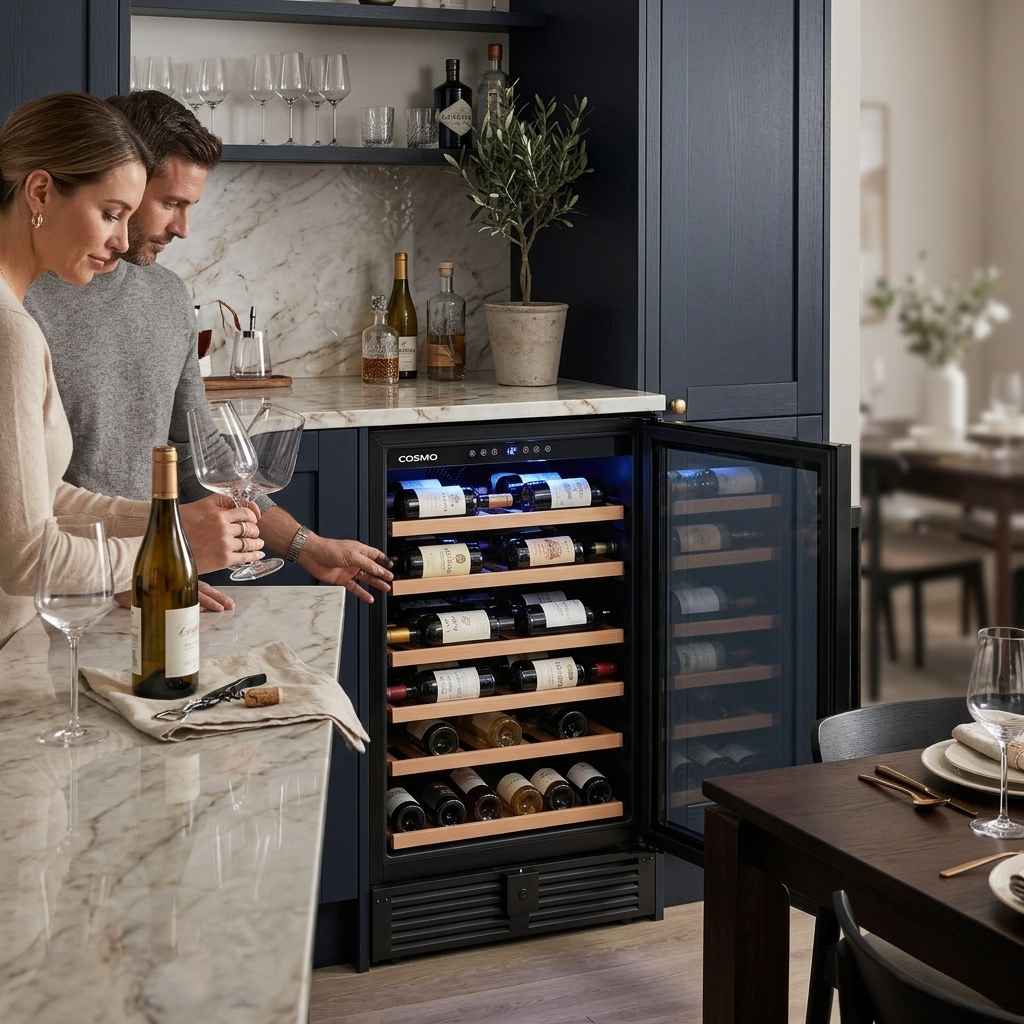
The COS-24BIWCS-BK Wine Cooler: 52-Bottle Capacity in Matte Black

Wine coolers handle what refrigerators can’t: proper temperature for wine storage without freezing or over-chilling your bottles. The COS-24BIWCS-BK stores 52 bottles in matte black finish that coordinates with modern kitchen appliances. It installs built-in flush with cabinets or stands alone depending on your kitchen layout. Electronic temperature controls, telescopic sliding shelves, and fan cooling keep your collection at the right temperature. The matte black finish provides contemporary alternative to stainless steel. Here’s what makes this wine cooler work for serious wine storage without requiring a dedicated cellar. 52-Bottle Capacity Wine Storage Substantial storage accommodates diverse wine collection through capacity handling both everyday drinking wines and special occasion bottles in single temperature-controlled environment. Capacity measurement of 52 bottles represents significant residential wine storage. The quantity suits serious wine enthusiasts maintaining varied collections without requiring wine cellar space. Bottle sizing affects actual capacity. Standard Bordeaux bottles fit differently than wider Burgundy or Champagne bottles. Stated capacity typically assumes standard Bordeaux bottle dimensions. Storage configuration (specific rack arrangement not detailed but typical configurations use horizontal stacking maximizing capacity) positions bottles horizontally keeping corks moist preventing drying and oxidation. Telescopic sliding rails extend shelves forward providing access to bottles at cabinet rear without removing front bottles. The sliding mechanism prevents disturbing entire rack when retrieving single bottle. The 52-bottle capacity provides substantial wine storage suitable for collectors maintaining diverse selections requiring proper temperature control and organization. Built-In or Freestanding Installation The cooler works both ways: flush with cabinetry or standing alone. This flexibility matters when you’re unsure about permanent placement or planning future kitchen changes. Built-in installation integrates the cooler into cabinetry creating seamless appearance matching cabinet depth. The unit sits flush eliminating appliance-sticking-out look. Freestanding operation allows placing the cooler anywhere with electrical access. No cabinet modifications required. Ventilation requirements differ between installation types. Built-in needs front ventilation since cabinet surrounds block airflow. Freestanding allows rear or side venting. Cabinet opening dimensions (typically 24-inch width for undercounter wine coolers) need verification before buying for built-in installation. Moving flexibility from freestanding option helps if your kitchen layout changes or you relocate. Built-in becomes permanent fixture. The dual installation capability adapts to your kitchen configuration without locking you into one placement method. Matte Black Finish Contemporary non-reflective black surface creates alternative to stainless steel coordinating with black appliance trends in modern kitchens. Matte finish provides dark color without glossy shine. The surface looks sophisticated and understated rather than shiny and attention-grabbing. Fingerprint resistance exceeds shiny stainless steel. Smudges and prints show less obviously on matte surfaces than polished metal. Design coordination matters when matching appliances. If your kitchen runs black dishwasher, black microwave, or black range, this wine cooler continues the aesthetic. Cleaning requires gentle wiping with appropriate cleaners. Abrasive products or rough cloths damage matte texture. The matte black finish coordinates with contemporary kitchen designs while showing fewer fingerprints than reflective finishes. Electronic Temperature Controls Digital temperature management maintains precise climate control keeping wine at optimal storage temperature through electronic monitoring. Electronic controls (typical wine cooler range runs 40-65°F) allow setting exact temperature matching wine type. Reds prefer different temperatures than whites. Digital display shows current internal temperature. Quick glance confirms the cooler maintains your set temperature. Temperature adjustment through button controls allows fine-tuning in small increments. Achieve precise settings rather than rough approximations. Temperature stability from electronic systems maintains consistent environment. Mechanical thermostats allow wider temperature swings potentially affecting wine quality. The electronic controls provide precise climate management through digital adjustment maintaining optimal storage conditions. Advanced Fan Cooling System Active air circulation prevents hot and cold zones ensuring bottles at top store at same temperature as bottles at bottom. Fan cooling circulates cooled air throughout cabinet. Without circulation, warm air rises and cool air sinks creating temperature differences top to bottom. Even distribution means your expensive bottle at top won’t store warmer than everyday wine at bottom. Consistent temperature across all positions matters for quality preservation. Compressor-based cooling (typical for fan-cooled wine refrigerators) handles ambient temperature variations better than thermoelectric systems. Works reliably in warm kitchens. The fan cooling system maintains even temperature distribution preventing stratification that creates inconsistent storage conditions. Telescopic Sliding Rails and LED Lighting Smooth-extending shelves bring rear bottles forward without removing front bottles. LED lights illuminate interior without generating heat. Telescopic rails slide forward on smooth mechanism. Extend the rack to access bottles at back without disturbing bottles at front. Full extension brings rear bottles to cabinet front for easy viewing and retrieval. Partial extension leaves rear bottles partially hidden requiring reaching. Beech wood shelves (typical wine cooler construction) provide natural aesthetic and gentle bottle support preventing rolling. LED lighting illuminates without heat generation. Traditional bulbs produce heat affecting internal temperature. LEDs provide visibility without thermal impact. Light activation (likely door-opening trigger) illuminates interior for bottle identification without searching through dark cabinet. The telescopic rails and LED lighting simplify bottle identification and retrieval from wine collection. Hidden Hinge Mechanism and Door Lock Concealed hardware creates clean appearance. Lock prevents unauthorized access protecting wine collection. Hidden hinges eliminate visible mounting hardware. The concealed design improves aesthetic creating smooth cabinet profile. Door lock requires key preventing children or guests from opening cabinet without permission. Protects expensive collection from unauthorized access. Accidental opening prevention from lock keeps door closed during transport or cabinet repositioning. Locked door prevents bottle shifting or damage. Glass door (typical wine cooler construction) showcases collection while maintaining temperature. Tinted or UV-resistant glass protects wine from light damage. The hidden hinges and lock provide aesthetic refinement and security protection for wine collection. Making the Right Choice for Your Kitchen The COS-24BIWCS-BK works for wine enthusiasts wanting substantial storage with installation flexibility in contemporary matte black finish. Consider whether 52 bottles suits your collection size. This capacity handles serious collections without requiring dedicated wine cellar. Built-in versus freestanding affects placement flexibility. Decide whether integrated installation or standalone flexibility suits your kitchen better. Matte black coordinates with modern kitchens running black appliances. Verify this finish complements your existing appliance

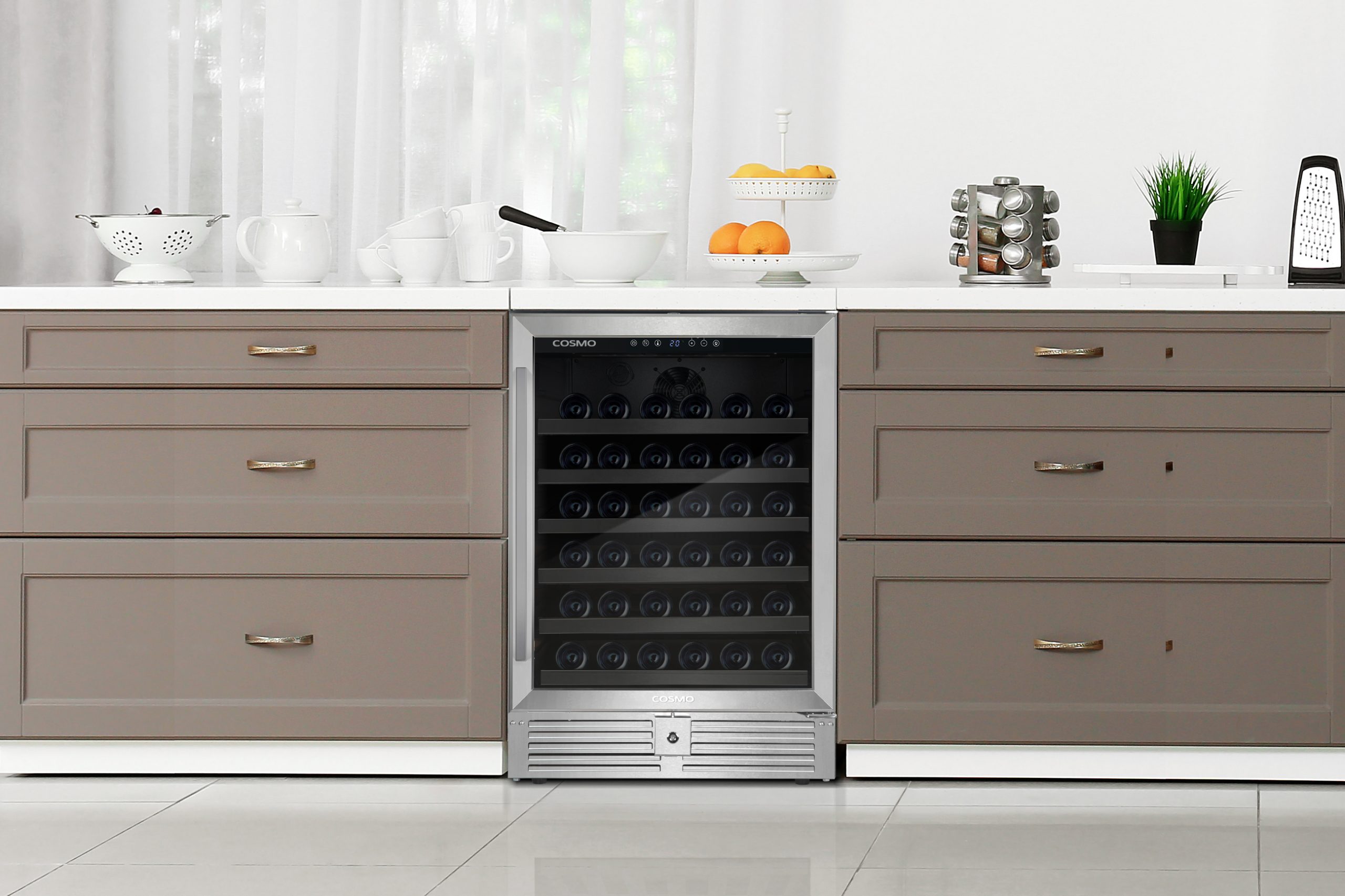
The COS-24BIWCS Wine Cooler: Perfect Storage for 48 Bottles in Any Kitchen Design

Wine storage has evolved far beyond basic wine racks and basement cellars. The COS-24BIWCS wine cooler brings sophisticated wine preservation technology to your kitchen, providing proper storage conditions for 48 bottles in a sleek 24-inch design that integrates beautifully with your existing appliances. Whether you’re a casual wine enthusiast building a collection or someone who entertains frequently, this wine cooler ensures your wines are stored at optimal conditions while remaining easily accessible for any occasion. Modern wine storage requires more than just keeping bottles on their sides. Proper temperature control, humidity management, and protection from light and vibration are essential for maintaining wine quality and allowing proper aging. The COS-24BIWCS addresses all these requirements while fitting seamlessly into contemporary kitchen designs that value both function and aesthetics. Why Proper Wine Storage Matters More Than You Think Wine is a living product that continues to evolve after bottling, and storage conditions dramatically affect both immediate drinking quality and long-term aging potential. Understanding why dedicated wine storage matters helps you appreciate the investment in proper wine preservation equipment. Temperature stability prevents the expansion and contraction that occurs when wines experience temperature fluctuations. These changes can damage corks, allow air into bottles, and accelerate aging in undesirable ways that affect taste and quality. Optimal temperature ranges vary by wine type, but most wines benefit from consistent temperatures between 45-65°F. Red wines generally prefer slightly warmer storage than whites, though both suffer from excessive heat or cold that can alter their chemical composition. Humidity control prevents cork deterioration that can occur in environments that are too dry, while also preventing mold growth that can happen in overly humid conditions. Proper humidity keeps corks flexible and sealed while maintaining label integrity. Light protection shields wines from UV rays that can break down compounds in wine and create off-flavors. Even indoor lighting can affect wine quality over time, making dark storage environments important for maintaining wine integrity. Vibration reduction prevents sediment disturbance and chemical changes that can occur when wines are constantly agitated. Steady, vibration-free storage allows wines to age gracefully while maintaining their intended flavor profiles. 48-Bottle Capacity for Serious Wine Storage The generous 48-bottle capacity accommodates substantial wine collections while fitting into standard 24-inch cabinet openings. This capacity strikes the perfect balance between adequate storage for wine enthusiasts and practical sizing for residential kitchens. Collection flexibility allows you to store various wine types, sizes, and styles while maintaining proper organization. The capacity handles everyday drinking wines alongside special occasion bottles and wines you’re aging for future enjoyment. Entertaining readiness ensures you always have appropriate wines available for dinner parties, holiday gatherings, or spontaneous celebrations. Having a well-stocked wine cooler eliminates last-minute wine shopping while ensuring you can offer guests properly stored wines. Investment protection becomes important as wine collections grow in both size and value. Proper storage protects your investment by maintaining wine quality and preventing premature aging or deterioration that can make expensive bottles undrinkable. Bulk purchasing opportunities become practical when you have adequate storage capacity. You can take advantage of wine sales, case discounts, or seasonal releases while knowing you can store purchases properly until you’re ready to enjoy them. Variety accommodation allows you to store different wine styles at appropriate conditions. While this single-zone cooler maintains one temperature, you can organize it to prioritize either reds or whites based on your preferences and drinking habits. Built-In or Freestanding Installation Flexibility The COS-24BIWCS offers both built-in and freestanding installation options, providing flexibility for various kitchen layouts and design preferences while maintaining optimal performance in either configuration. Built-in installation creates a seamless, custom appearance that integrates the wine cooler into your kitchen cabinetry. This approach provides a sophisticated, intentional look that suggests quality and attention to detail in kitchen planning. Freestanding flexibility allows placement wherever it works best for your space and usage patterns. You can position the wine cooler in kitchens, dining rooms, entertainment areas, or anywhere you want convenient access to properly stored wines. Standard sizing fits 24-inch cabinet openings without requiring custom cabinetry or extensive modifications. This compatibility makes installation straightforward while ensuring the wine cooler works with existing kitchen layouts. Professional appearance maintains aesthetic appeal regardless of installation method. The quality construction and finish coordinate with other stainless steel appliances while providing the sophisticated look that wine storage deserves. Ventilation considerations ensure optimal performance in both installation types. Proper airflow around the unit maintains efficient operation while preventing overheating that could affect wine storage conditions. Electronic Temperature Controls for Precision Storage Digital temperature controls provide precise management of storage conditions while allowing easy adjustments based on your wine preferences and seasonal requirements. Electronic controls maintain more consistent temperatures than mechanical alternatives. Precise temperature settings allow you to optimize storage conditions for your preferred wine types. Whether you focus on reds, whites, or a combination, you can set the ideal temperature for your collection’s primary focus. Digital display shows current temperature clearly, allowing you to monitor storage conditions at a glance. This visibility provides confidence that your wines are being stored under optimal conditions while alerting you to any temperature variations. Easy adjustments enable you to modify settings based on seasonal changes, different wine types, or personal preferences without complex programming or difficult-to-use controls. Temperature stability benefits from electronic controls that respond quickly to changes while maintaining consistent conditions. This stability protects wine quality while ensuring optimal aging conditions. User-friendly operation makes temperature management simple for all household members while preventing accidental changes that could affect wine storage quality. Telescopic Sliding Rails for Easy Access The telescopic sliding rail system provides smooth, full-extension access to stored wines while supporting the weight of fully loaded shelves. This hardware ensures easy wine selection and organization while maintaining system durability. Full extension brings bottles completely out of the wine cooler, allowing easy access to wines stored at the back of shelves. This accessibility eliminates the need to move multiple bottles to reach the wine you want. Smooth operation makes wine selection pleasant