
Cyclosporiasis Outbreak: What to Avoid, What’s Safe, and How to Protect Your Kitchen
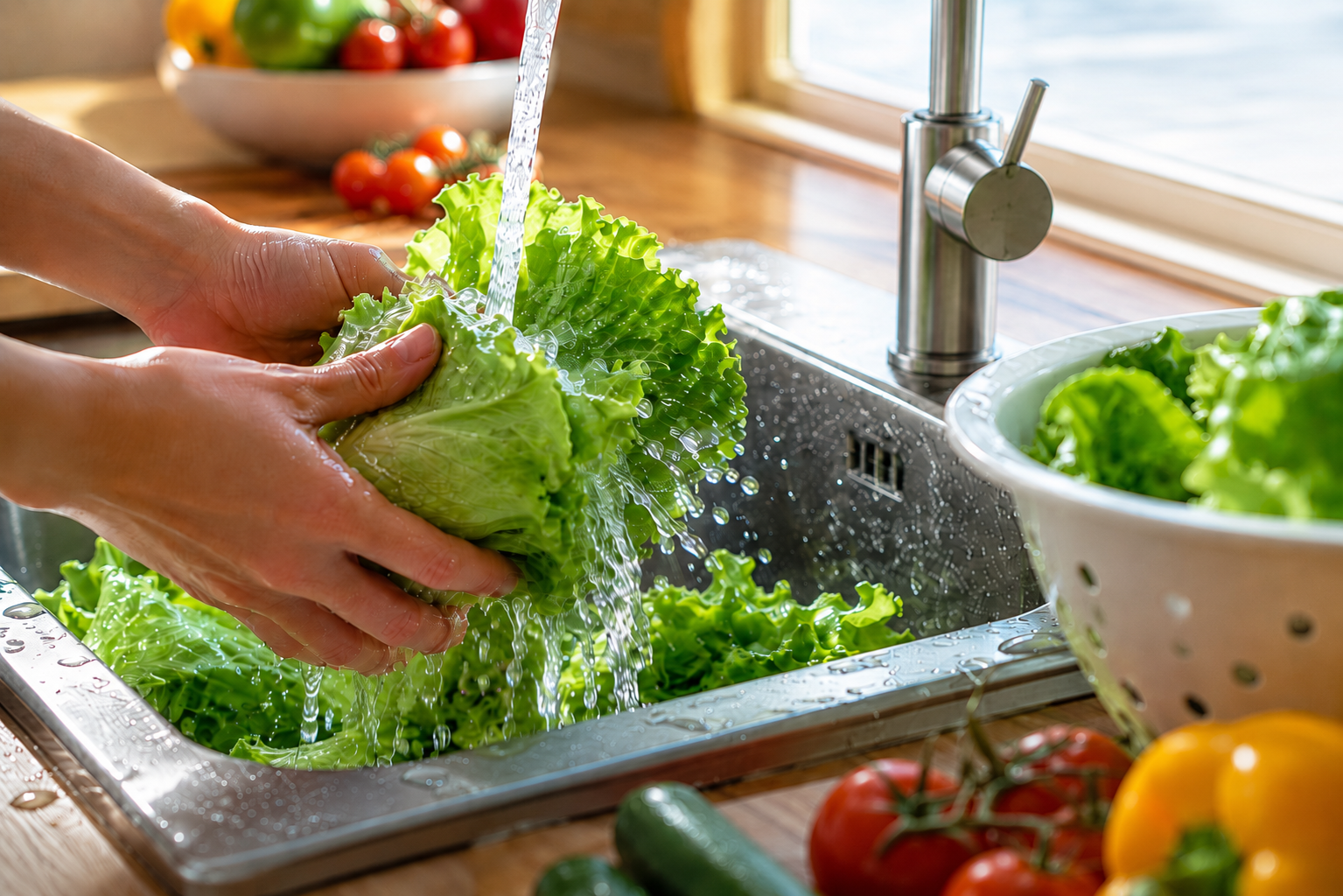
A significant foodborne illness outbreak is currently spreading across the United States, and if you haven’t heard about it yet, now is the time to pay attention. Cyclosporiasis — an intestinal illness caused by the microscopic parasite cyclospora — has surged to more than 7,000 confirmed or investigated cases across 34 states since May 1, according to the US Centers for Disease Control and Prevention. The outbreak is concentrated in Michigan and Ohio, where more than 4,000 cases have been reported, with linked cases appearing in West Virginia and Kentucky. This isn’t a reason to panic, but it is a reason to be informed. Understanding what the parasite is, how it spreads, which foods are currently under scrutiny, and what you can do in your kitchen to protect yourself and your household helps you navigate the outbreak intelligently rather than either dismissing it or avoiding produce entirely out of fear. What Is Cyclospora and How Does It Spread Cyclospora cayetanensis is a microscopic parasite — too small to see without a microscope — that causes intestinal illness when consumed through contaminated food or water. Unlike many foodborne illnesses, cyclospora is not considered contagious from person to person. You can’t catch it from someone who is sick. You can only get it by consuming food or water that contains the parasite. “Cyclospora is a very interesting organism. It’s a parasite, so it’s historically been linked to outbreaks in the past, usually foodborne outbreaks,” according to Dr. Nuwan Gunawardhana, a hospital epidemiologist and physician specializing in infectious diseases at Columbia University Irving Medical Center, who described it as “a very hardy organism” that “has the ability to adhere to the surfaces very, very well with fresh produce and fruit.” This hardiness is one of the features that makes cyclospora particularly challenging to manage. It clings to fresh produce surfaces effectively and — as we’ll cover in detail — is resistant to some common disinfection methods that people might assume would eliminate it. The illness typically develops two days to two weeks after exposure. Symptoms include prolonged watery diarrhea, stomach cramps, nausea, fatigue, loss of appetite, and weight loss. The word “prolonged” is important here — cyclosporiasis can last weeks if left untreated, and approximately 1 in every 11 cases has required hospitalization according to CDC data. No deaths have been reported in the current outbreak. The illness can be treated with a combination antibiotic, so seeing a doctor promptly if you develop these symptoms — particularly if you’ve recently consumed fresh produce — is important. Who Is Most at Risk While the illness can affect anyone who consumes contaminated food, certain populations face more serious risk from the infection. “Those most at risk are young children, elderly individuals and immunosuppressed people,” according to Dr. Dan Barouch, director of the Center for Virology and Vaccine Research at Beth Israel Deaconess Medical Center. “In most other healthy people, disease is often mild.” For people with weakened immune systems specifically, some health officials suggest going further than standard precautions during the current outbreak period. Dr. Gunawardhana advises that immunocompromised individuals “may want to avoid eating fresh produce altogether until a culprit is determined, given that this particular population is at a higher risk for severe disease.” If you or someone in your household falls into this category — cancer patients, people on immunosuppressive medications, those with HIV, or anyone whose immune system is compromised — this guidance deserves serious consideration until authorities identify the specific source. What Foods Are Currently Under Scrutiny Michigan health officials have indicated their investigation suggests lettuce or salad greens may be the culprit in the current outbreak, though no specific type, grower, or supplier has been identified. Federal health officials emphasize that other foods cannot be ruled out while the investigation continues. What to Avoid Right Now: Precut and packaged lettuce and salad products represent the highest current concern. Bagged salad mixes and kits have been specifically linked to previous cyclospora outbreaks in the United States and Canada. “It’s probably a good idea to avoid bagged lettuce products and bagged salad products for now. And if those are desired, then to rewash them at home, even if they come prewashed, because the actual source of the outbreak is not yet known,” according to Dr. Barouch. Beyond the current outbreak’s focus, it’s worth knowing which foods have been linked to cyclospora outbreaks historically — raspberries, basil, salad mixes including vegetable trays and coleslaw, cilantro, berry and fruit mixes, lettuce, and snap peas have all appeared in past outbreak investigations. This historical pattern doesn’t mean these foods are currently contaminated, but it provides useful context for understanding which produce categories this parasite has previously been associated with. What to Buy Instead: Michigan health officials specifically recommend purchasing whole head lettuce rather than prepackaged alternatives. The reasoning is straightforward — whole, uncut produce typically undergoes less handling than prepackaged options, reducing exposure opportunities. If using whole head lettuce, officials suggest discarding the outer two to three layers of leaves and thoroughly washing the remaining inner leaves before using. More broadly, whole fruits and vegetables that can be peeled offer an additional layer of protection. “If you are eating produce that you’re able to peel, that’s also a very optimal way to prevent ingesting these organisms, because when you’re peeling the fruits or vegetables, you’re getting rid of the contaminated surfaces as well,” according to Dr. Gunawardhana. Importantly — don’t abandon fresh produce entirely. “Whole fruits and vegetables, including leafy greens, should not be avoided completely because they are still an important part of a healthy diet,” according to Don Stoeckel, an environmental microbiologist and associate at the Produce Safety Alliance. The vast majority of fresh produce in the market is safe, and the nutritional cost of avoiding it entirely is real. The goal is informed caution, not wholesale avoidance. The Right Way to Wash Produce This is where many people make mistakes that they believe are protective but aren’t. Cyclospora has specific