
holiday entertaining

Caprese Candy Cane: A Festive Holiday Appetizer

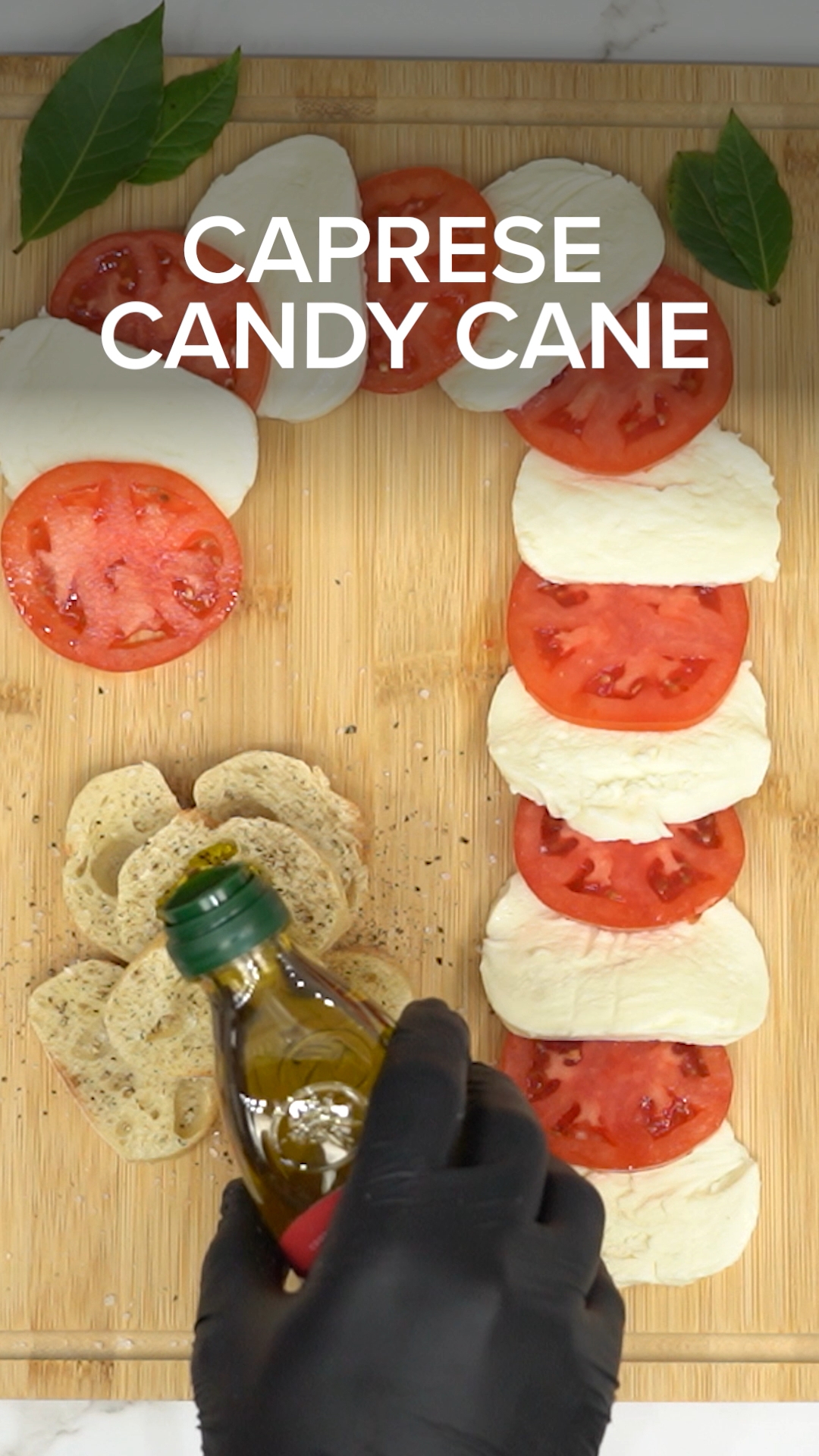
Spiral potatoes have taken social media by storm, and holiday appetizers are following the same trend. This Caprese candy cane transforms classic Italian flavors into a festive presentation that’s visually stunning and surprisingly easy to make at home. These candy cane-shaped appetizers arrange fresh mozzarella, ripe tomatoes, and fragrant basil into accordion-style treats perfect for holiday gatherings. With just a few simple ingredients and basic assembly, you can create restaurant-quality presentations that are creamy, fresh, and beautifully festive. What makes this recipe so appealing is the dramatic presentation combined with simple execution. The candy cane shape creates visual impact while the classic Caprese flavors deliver familiar taste that everyone loves. The toasted bread component ensures guests can enjoy the appetizer without mess while keeping the preparation stress-free for hosts. Why This Caprese Candy Cane Works So Well Simple assembly revolutionizes how holiday appetizers come together by requiring no cooking skills beyond toasting bread. The candy cane shape creates maximum visual impact while the straightforward ingredient list keeps shopping and prep minimal. Fresh ingredients do all the heavy lifting in this recipe. Unlike complicated appetizers requiring multiple cooking steps, this one relies on quality components arranged thoughtfully. The combination of creamy mozzarella, juicy tomatoes, and aromatic basil needs nothing more than good olive oil and proper seasoning. Quick preparation time of just 15-20 minutes total makes this Caprese candy cane ideal for busy holiday schedules. You can toast the bread while arranging the other components, getting impressive appetizers on the table faster than most recipes require. Minimal cleanup represents a major advantage since you’re not dealing with multiple cooking vessels or complicated techniques. One baking sheet for the bread and one serving board for assembly means easy post-party cleanup. Versatile presentation options mean you can adapt this recipe to different serving situations, from casual family gatherings to elegant dinner parties. The self-serve format works beautifully for both sit-down meals and standing cocktail parties. Make-ahead friendly components allow you to prep ingredients hours before guests arrive. Toast the bread and prep the vegetables earlier, then assemble the candy cane shape right before serving for maximum freshness and visual impact. Choosing the Right Ingredients Simple ingredients make this Caprese candy cane accessible, but making smart choices about each component significantly improves your results while accommodating different preferences and dietary needs. Bread Selection: French baguette provides the ideal base with its crispy crust and airy interior. Choose a fresh baguette from your bakery rather than pre-sliced bread for better texture and flavor. The bread should be firm enough to hold toppings without getting soggy. Tomato Choice: Medium-sized tomatoes work best for slicing into uniform rounds. They should be ripe but still firm to hold their shape during assembly. Roma tomatoes offer consistent size, while heirloom varieties provide interesting colors and flavors. Mozzarella Type: Fresh mozzarella packed in water or whey delivers the authentic creamy texture this recipe needs. Avoid pre-shredded mozzarella, which contains anti-caking agents that prevent proper melting and don’t provide the right texture. Look for it in the specialty cheese section. Basil Freshness: Fresh basil brings aromatic quality that dried herbs simply cannot match. Choose bright green leaves without brown spots or wilting. If your basil leaves are large, you’ll tear them into smaller pieces for better distribution. Oil Quality: Extra virgin olive oil adds richness without overwhelming the other ingredients. Since it’s not being cooked, the flavor comes through clearly. Choose an oil you’d happily dip bread into on its own for best results. Seasoning Components: Sea salt or kosher salt provides better flavor than table salt. Freshly ground black pepper delivers more punch than pre-ground versions. These simple seasonings enhance without masking the fresh ingredient flavors. Ingredients You’ll Need Main Ingredients: Optional Additions: Step-by-Step Preparation Technique Success with this Caprese candy cane comes from proper ingredient preparation and understanding the assembly process that ensures both beautiful presentation and practical serving for guests. Bread Preparation: Preheat your oven to 375°F. Slice the French baguette into ½-inch thick pieces on a slight diagonal for larger surface area. Arrange slices on a baking sheet in a single layer without overlapping. Toasting Process: Place the baking sheet in the preheated oven for 8-10 minutes, checking halfway through. You want golden-brown edges with crispy texture throughout. The bread should be firm enough to hold toppings without bending but not so dark it tastes burnt. Tomato Slicing: While the bread toasts, wash and dry your tomatoes thoroughly. Slice them into ¼-inch thick rounds using a sharp knife. Uniform thickness ensures even presentation and makes assembly easier. Discard the end pieces or save them for other uses. Mozzarella Preparation: Drain the fresh mozzarella and pat it dry with paper towels. Excess moisture makes your presentation watery and causes the bread to get soggy. Slice the mozzarella into pieces similar in size to your tomato slices for balanced flavor in each bite. Board Selection: Choose a large cutting board, serving platter, or wooden board that provides enough space for your candy cane shape. The board becomes part of your presentation, so select something attractive that complements your table setting. Creating the Candy Cane Shape: Start at one end of your serving board and begin alternating mozzarella and tomato slices in a curved line that resembles a candy cane. Overlap each slice slightly so they create a continuous pattern. The overlapping helps everything stay in place and creates visual flow. Layering Technique: Place a slice of mozzarella, then a tomato slice, then mozzarella again, continuing the pattern. Angle each piece slightly to follow the curve of the candy cane shape. Don’t worry about making it absolutely perfect – slight variations add to the handmade charm. Seasoning Application: Once your candy cane shape is complete, season the entire arrangement with sea salt and freshly ground black pepper. Be generous but not excessive – you want to enhance the natural flavors without overwhelming them. Oil Drizzling: Drizzle extra virgin olive oil over the entire candy cane in a back-and-forth motion.

Preparing Your Kitchen for Holiday Entertaining: Your Complete Planning Guide

Holiday entertaining brings joy, connection, and often considerable stress as kitchens become command centers for feeding family and friends during the busiest time of year. The difference between enjoyable hosting and overwhelming chaos often comes down to preparation and planning that happens weeks before guests arrive. A well-prepared kitchen allows you to focus on enjoying time with loved ones rather than scrambling to find serving dishes or dealing with equipment failures at crucial moments. Smart holiday kitchen preparation addresses both the practical aspects of cooking large meals and the organizational challenges of managing multiple dishes, timing constraints, and space limitations that holiday cooking creates. Whether you’re hosting Thanksgiving dinner for twelve or preparing treats for neighborhood gatherings, thoughtful preparation transforms potentially stressful situations into smooth, enjoyable experiences that let you be present with your guests. Deep Cleaning and Organization Starting Early Beginning your holiday kitchen preparation with thorough cleaning and organization sets the foundation for smooth holiday cooking while identifying any maintenance issues that need addressing before peak cooking times arrive. Oven cleaning becomes crucial before holiday baking and roasting demands peak performance. Self-cleaning cycles or manual deep cleaning removes buildup that can create smoke or odors during holiday cooking. Complete this task at least two weeks before major cooking begins. Refrigerator purging and cleaning creates space for holiday ingredients and prepared dishes while eliminating forgotten items that waste valuable storage. Remove everything, clean all surfaces, and reorganize with holiday needs in mind. Pantry inventory and organization helps you identify what you have and what you need while creating space for holiday-specific ingredients. Check expiration dates, consolidate partially used items, and create dedicated space for holiday baking supplies. Small appliance testing ensures everything works properly before you need it. Test mixers, food processors, and other equipment you’ll rely on during holiday cooking to identify problems while there’s time to repair or replace. Dishwasher maintenance including cleaning filters and checking spray arms ensures efficient operation when you’ll need it most. A well-maintained dishwasher handles the increased load that holiday entertaining creates. Storage area assessment identifies what serving pieces, platters, and special equipment you have while determining what might need purchasing or borrowing. Finding items weeks early prevents last-minute shopping stress. Creating Your Holiday Cooking Timeline Strategic planning and timeline creation prevent the chaos that occurs when you try to prepare everything at the last minute. Working backward from serving time helps identify what can be done ahead and when each task should happen. Three weeks before involves major shopping for non-perishables, completing any needed equipment purchases, and beginning prep work for items that can be made well ahead and frozen. Two weeks before includes testing new recipes you plan to serve, completing kitchen organization projects, and making detailed shopping lists for perishable ingredients. One week before allows for final grocery shopping for items with longer shelf life, beginning prep work for dishes that can be partially prepared ahead, and confirming final guest counts. Three days before involves shopping for fresh ingredients, beginning prep work for components that can be refrigerated, and setting up serving areas with appropriate dishes and utensils. Two days before includes preparing dishes that taste better after resting, completing as much prep work as possible, and organizing refrigerator space for efficient access during final cooking. The day before allows for maximum advance preparation while leaving only final cooking and reheating for serving day. Completing as much as possible the day before dramatically reduces serving day stress. Smart Shopping Strategies for Holiday Cooking Efficient shopping that anticipates holiday needs while avoiding multiple last-minute trips reduces stress and ensures you have everything needed for successful entertaining. Master shopping lists organized by store section make shopping faster while reducing the chance of forgotten items. Include quantities, specific brands when important, and notes about substitution possibilities. Multiple store strategies balance price, quality, and convenience. Some items are worth buying at specialty stores while others work fine from regular groceries. Early shopping for non-perishables prevents shortages of popular holiday items while spreading costs over several weeks. Buying early also avoids crowded stores during peak shopping times. Fresh ingredient timing ensures optimal quality without requiring multiple shopping trips. Understanding what can be purchased early and what needs last-minute shopping improves planning. Backup planning for potentially unavailable items prevents panic when stores run out of popular ingredients. Having substitution plans ready saves time and stress. Bulk buying for frequently used holiday ingredients often provides better value while ensuring adequate supply. Items like butter, flour, and sugar can be purchased in larger quantities early. Maximizing Kitchen Storage and Workflow Holiday cooking typically involves more dishes, ingredients, and equipment than daily cooking, making strategic use of available space crucial for efficient meal preparation. Refrigerator organization with labeled zones for different meal components prevents confusion while ensuring items are used before spoiling. Designate areas for prepared components, ingredients waiting to be used, and beverages. Freezer space optimization through careful planning allows make-ahead dishes to be stored efficiently. Use stackable containers and label everything clearly with contents and heating instructions. Counter space expansion using folding tables, rolling carts, or cleared surfaces creates additional work areas for prep, cooling, and serving. Temporary solutions work well for short-term holiday needs. Pantry reorganization with holiday items at the front improves access to frequently needed ingredients while preventing waste of time searching through shelves. Serving dish accessibility by moving everyday dishes aside and bringing holiday serving pieces forward makes setup faster while reducing last-minute scrambling. Equipment staging with tools and appliances you’ll need positioned for easy access reduces movement and searching during active cooking times. Make-Ahead Strategies for Stress-Free Hosting Understanding which dishes can be prepared ahead and proper storage techniques allows you to spread work over several days while maintaining food quality and safety. Complete make-ahead dishes including casseroles, desserts, and certain side dishes can be fully prepared and refrigerated or frozen days in advance. Proper labeling with reheating instructions prevents confusion. Partial prep work for items that can’t be completed