Holidays

Gas vs. Charcoal Grill: Which Wins on the Fourth of July?

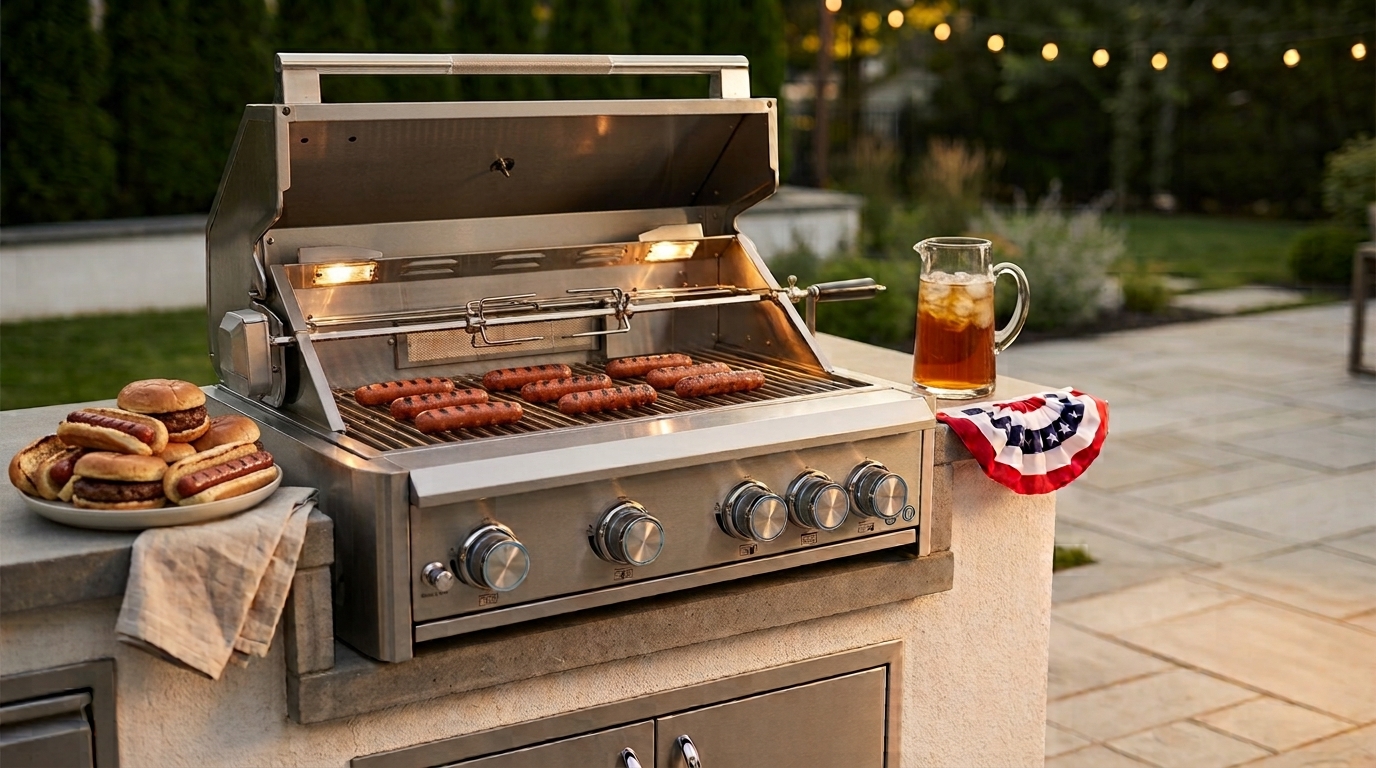
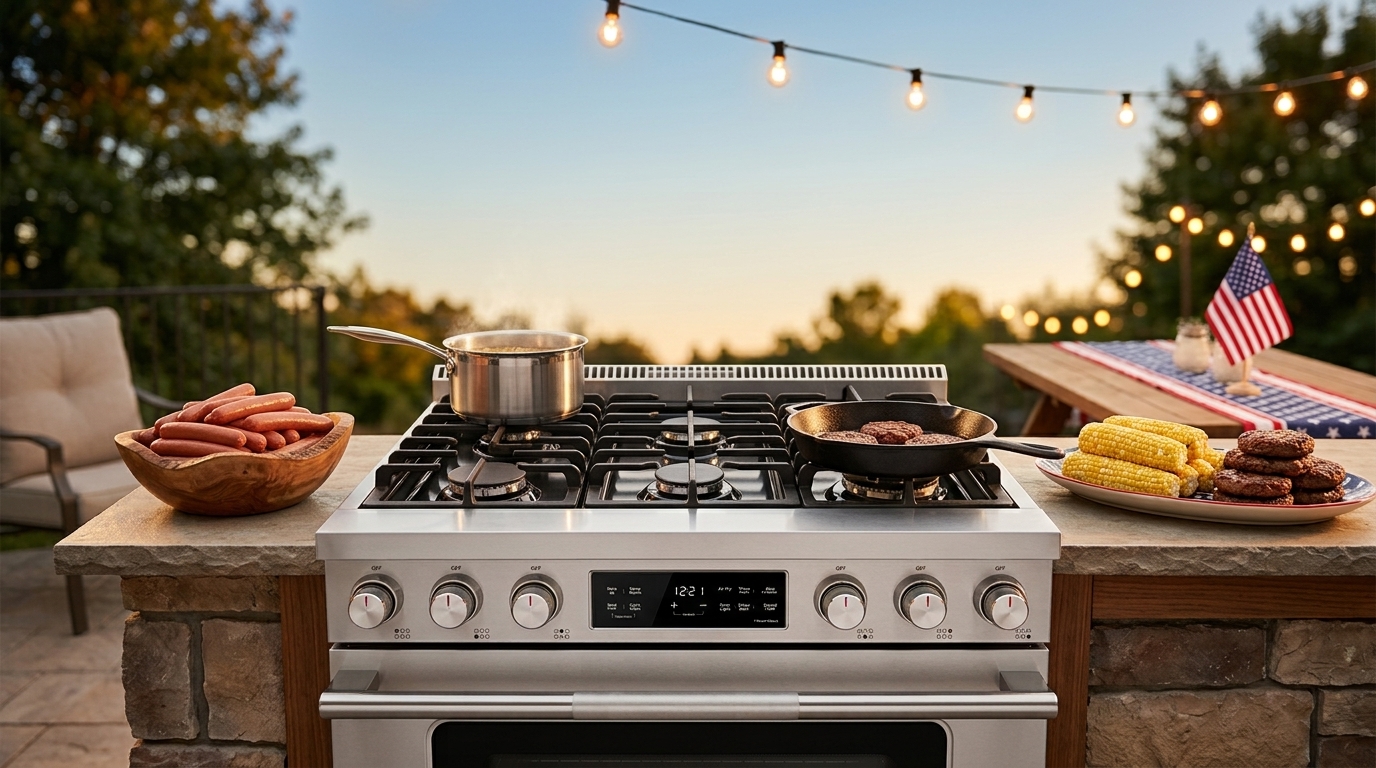
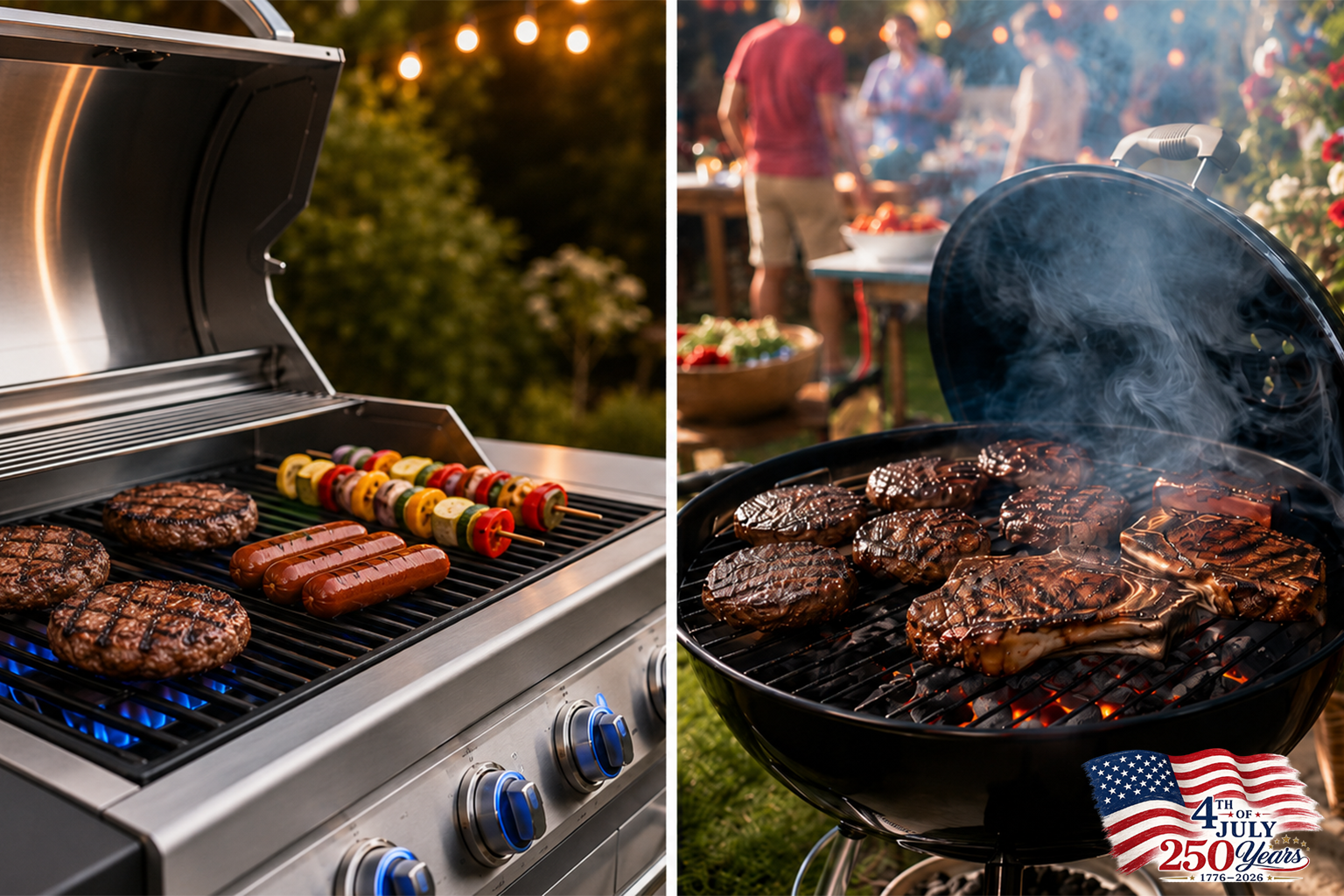
Few debates in backyard cooking generate as much heat as the gas versus charcoal question, and the Fourth of July is when it peaks. Everyone has a position. Charcoal advocates insist the flavor difference is so significant that gas grilling is essentially just outdoor cooking on a glorified stovetop. Gas advocates point out that charcoal requires more time, more skill, and more cleanup for a flavor difference that most guests — especially the ones three beers in and waiting for their burger — couldn’t identify in a blind taste test. Both sides make legitimate points. The problem with the debate is that it typically frames the question as an absolute when the actual answer depends on what you’re cooking, how many people you’re feeding, how much time you have, and what you genuinely value in a cooking experience. Understanding what each fuel type actually does well — and where each falls short — produces a more useful answer than picking a side based on identity or tradition. What Charcoal Actually Does Charcoal’s reputation for superior flavor is real but frequently misunderstood. The flavor difference isn’t primarily from the charcoal itself burning — it comes from what happens when fat and juices from cooking food drip onto the hot coals below. The Drip-and-Smoke Effect: When fat hits glowing charcoal, it vaporizes immediately into smoke and combustion byproducts that rise back up and coat the food. This process deposits aromatic compounds — aldehydes, furans, and other volatile chemicals produced by fat combustion — onto food surfaces in ways that genuinely affect flavor. It’s not subtle. When it’s working correctly, charcoal grilling produces a smoky, slightly charred exterior flavor that gas grilling simply cannot replicate because fat dripping onto burner tubes or flavor bars in a gas grill doesn’t produce the same combustion chemistry. Temperature Ceiling: Charcoal can reach higher temperatures than most residential gas grills — quality lump charcoal beds can sustain temperatures above 700°F, which is beyond what most home gas grills achieve. This extra heat produces more aggressive searing, faster Maillard browning, and more pronounced grill marks than the same food cooked on gas. Heat Variability as a Feature: Charcoal beds are naturally uneven — some areas burn hotter than others depending on coal distribution and airflow. Experienced charcoal grillers use this variability intentionally, creating hot zones for searing and cooler zones for gentle cooking or holding, sometimes within inches of each other. This isn’t a bug. It’s a management tool that produces results difficult to replicate on gas where temperatures are more uniform across burners. Two-Zone Fire Setup: Building a charcoal fire with coals stacked on one side and an empty side on the other creates a direct heat zone and an indirect heat zone in the same grill. This two-zone setup allows searing proteins over direct heat and then moving them to indirect heat to finish cooking through without burning exteriors — a technique that works on gas as well but is particularly effective on charcoal where the two zones have a more dramatic temperature differential. What Charcoal Gets Wrong Charcoal’s genuine advantages come with real operational costs that matter specifically in a Fourth of July context. Time to Ready: Charcoal takes 20-30 minutes from lighting to a grill that’s ready for cooking — longer if you’re using a chimney starter (the recommended method) and waiting for coals to ash over properly. On a day when guests are arriving, children are running around, and you’re also managing food prep, that 30-minute window creates scheduling pressure that gas eliminates entirely. Temperature Control Is a Skill: Managing a charcoal fire’s temperature requires adjusting vents, redistributing coals, and reading visual cues that take experience to interpret accurately. For a grill master comfortable with charcoal, this management is second nature. For someone who grills primarily on gas but fires up the charcoal grill specifically for the Fourth of July, it’s a potential source of inconsistent results at the worst possible moment. Fuel Management Over a Long Day: A Fourth of July cookout that runs from noon through evening requires multiple rounds of cooking — lunch items, afternoon snacks, dinner proteins. Charcoal fires require replenishment during long cooking sessions, and adding fresh charcoal to an active fire requires managing the new coals through their initial high-heat phase before they settle into steady cooking temperature. On gas, turning a burner up or down takes one second. Cleanup Reality: Post-party charcoal cleanup involves waiting for coals to cool completely (a few hours at minimum, or overnight to be safe), then disposing of ash properly before the grill can be stored. Gas cleanup is wiping down grates and replacing the cover. On a day when you’re already managing post-party fatigue and cleanup from hosting, the charcoal ash disposal step is a genuinely meaningful consideration. Weather Sensitivity: Wind affects charcoal fires in ways it doesn’t affect gas. Strong wind can cause temperature spikes from increased oxygen flow, or can cool fire beds faster than expected. Rain interrupts charcoal fires in ways that gas grills handle more gracefully with their enclosed burner systems. What Gas Actually Does Gas grills have been dismissed as inferior tools by charcoal purists for decades, but this dismissal underestimates what gas does genuinely well. Instant Readiness: Turn a knob, push an ignition button, and a gas grill is at cooking temperature within 10-15 minutes. There’s no charcoal to light, no waiting for an ash-over that signals proper cooking temperature, and no concern about whether the coals are ready when the first guests arrive hungry. For a holiday with complex logistics and variable timing, this reliability has real practical value. Precise Temperature Control: Gas burner output adjusts immediately and precisely. Reduce heat on a gas burner and it drops within seconds. Increase it and it rises just as quickly. Managing multiple burners at different temperatures simultaneously — searing on high heat while holding finished items at low heat while indirectly roasting something at medium — is straightforward on gas in a way that

The Ultimate Fourth of July BBQ Checklist

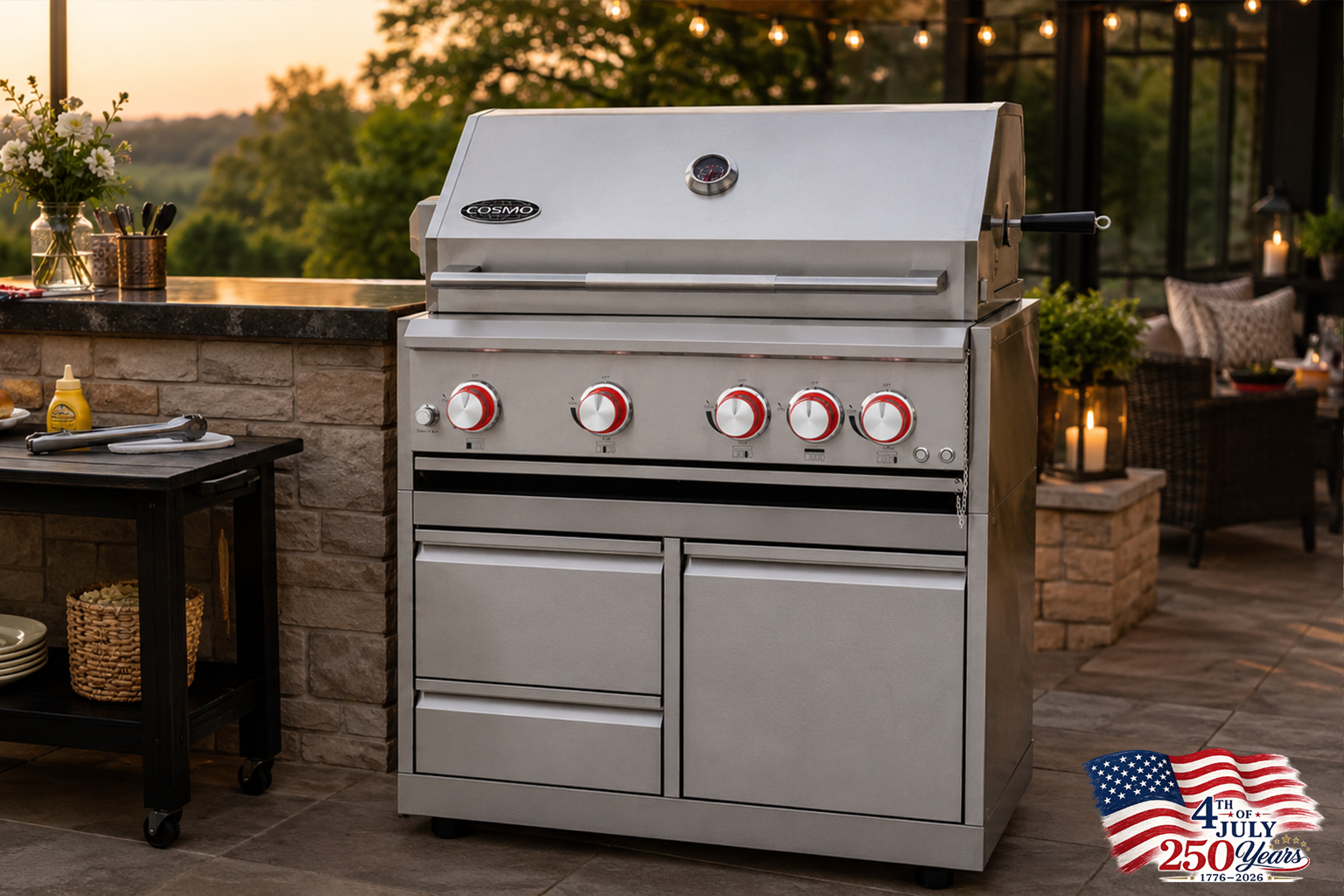
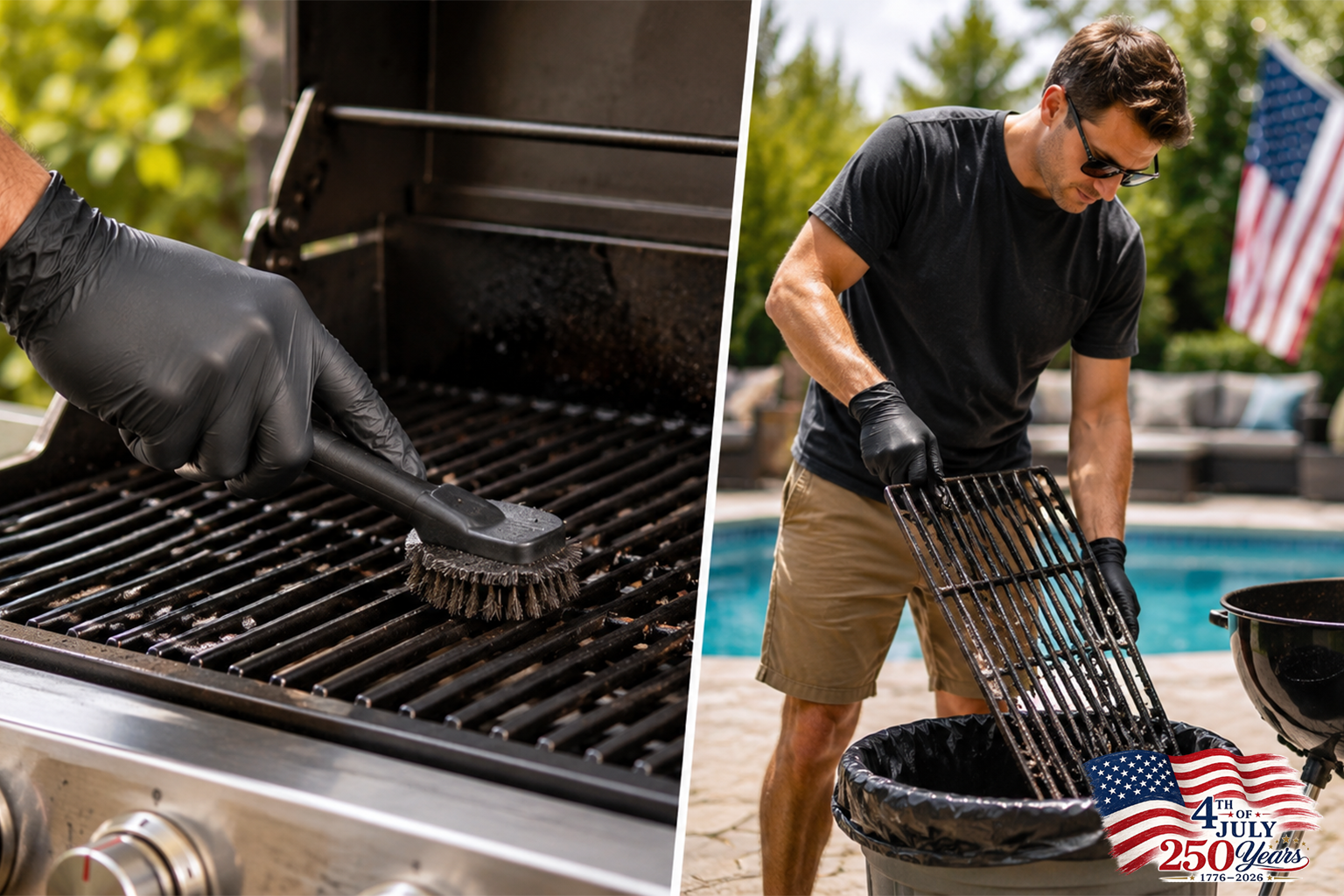
The Fourth of July puts more pressure on a backyard cooking setup than almost any other day of the year. It’s not one meal — it’s an all-day event that typically spans a long lunch, an afternoon of grazing, and a full dinner spread, often for more people than a typical weekend gathering. The grills that run flawlessly for a Tuesday night dinner sometimes reveal gaps when they’re asked to handle six hours of continuous cooking for twenty guests. A little advance planning the week before turns the holiday into something you actually enjoy rather than something you’re managing under pressure. This checklist works through the planning in the order that actually matters — equipment first, since gaps there are the hardest to fix last-minute, then food planning, then the day-of logistics that keep things running smoothly once guests arrive. One Week Out: Equipment and Grill Readiness The week before is when equipment problems are still fixable. Discovering a dead propane tank or a grill that won’t ignite on the morning of the Fourth turns a fun day into a stressful scramble. Check Propane Levels: If your grill runs on liquid propane, verify your tank has enough fuel for a full day of cooking — a holiday cookout burns through more propane than a typical weeknight dinner. A full 20-pound tank typically provides 18-20 hours of grilling time at medium heat, but high-heat searing and extended cooking sessions reduce this. If you’re uncertain how much fuel remains, most hardware stores and propane exchange locations can weigh a tank quickly. Buy or exchange for a full tank with several days to spare rather than discovering an empty one on the holiday itself, when exchange locations are busiest and most likely to be out of stock. Test Ignition and Burners: Fire up the grill a few days ahead and run it through all burners at various heat settings. This catches ignition problems, uneven burner performance, or any maintenance issues while there’s still time to address them. A grill that’s sat unused since last season sometimes needs a few minutes to clear out any debris or settled dust in the burner tubes before it runs cleanly. Clean the Grates and Interior: Built-up grease and carbon from previous use affects both flavor and fire safety. Scrub grates thoroughly with a grill brush, and if it’s been a while, remove and clean the flavor bars or heat distribution plates underneath where grease accumulates most heavily. A buildup of old grease is one of the more common causes of dangerous flare-ups during high-volume cooking sessions. Inspect Gas Lines and Connections: Check hoses and connections for cracks, brittleness, or leaks — soap and water solution brushed on connections will bubble visibly if gas is escaping. This is a five-minute check that matters significantly more on a day when the grill will run continuously for hours. Verify the Temperature Gauge: An accurate temperature gauge matters when you’re managing multiple proteins with different doneness targets across a long cooking session. If your grill includes a built-in thermometer, verify its accuracy against a separate probe thermometer, since built-in gauges can drift out of calibration over time and lead to misjudged cooking times. Check Rotisserie Equipment If You Have It: If your grill includes a motorized rotisserie kit, test the motor and confirm the spit rod and forks are in good condition. A whole rotisserie chicken or a rotisserie roast is a genuinely impressive centerpiece for a holiday spread, but only if the equipment is confirmed working before guests arrive expecting it. Five Days Out: Menu and Shopping Planning Locking in the menu with enough lead time avoids the grocery store chaos that builds through the days immediately before the holiday, when popular cuts of meat and key ingredients sell out at busy stores. Plan for Volume and Timing, Not Just Recipes: A Fourth of July spread typically needs items that can be ready at different points throughout the day — something quick for early arrivals, a main spread for the core meal, and lighter options for evening grazing as the day continues. Mapping out roughly what’s being served when helps you shop accurately and avoid either running short or making far more than needed. Buy Proteins Early If Possible: Popular cuts — brisket, ribs, good steaks, whole chickens — often sell out at smaller grocery stores in the days immediately before major grilling holidays. Buying several days ahead and freezing if needed, or at minimum reserving items with a butcher counter, avoids the situation where your planned menu isn’t actually available two days before the event. Account for Different Cooking Times: Brisket and ribs that need low, slow cooking over many hours operate on a completely different schedule than burgers and hot dogs that cook in minutes. If your menu spans both categories, plan which items go on the grill first and build a rough timeline working backward from when you want everything ready. Items requiring long cook times should typically start hours before guests arrive, while quick-cooking items get added closer to serving time. Don’t Forget Sides That Don’t Need the Grill: Potato salad, coleslaw, baked beans, corn on the cob, and similar sides can be prepared mostly or entirely ahead of time, reducing what needs active attention on the day itself. Building a menu where roughly half the dishes are make-ahead sides significantly reduces day-of stress. Plan Your Beverage and Ice Strategy: Ice sells out at local stores by midday on major summer holidays. Buy ice the day before if your freezer space allows, or plan an early morning ice run on the day itself rather than assuming it’ll be available in the afternoon. Two to Three Days Out: Prep Work Spreading prep work across multiple days rather than cramming it all into the day before reduces the time pressure that makes holiday cooking feel chaotic. Make Sauces and Marinades Ahead: Barbecue sauce, marinades, and dry rubs all benefit from being made several days ahead — flavors

Backyard BBQ Games Everyone Will Love

The difference between a good backyard cookout and a great one rarely comes down to what’s on the grill. Food is table stakes — everyone expects it to be good. What separates the gathering people talk about for weeks from the one they politely enjoyed and then forgot is how the time between arriving and eating actually feels. Games are how you fill that time in a way that brings people together rather than leaving them stranded in small clusters trying to generate conversation with acquaintances they barely know. Good backyard games share a few qualities that bad ones don’t: they work across a wide age range, they don’t require extensive rules explanations, they tolerate interruption gracefully when someone needs to check the grill or refresh their drink, and they generate enough friendly competition to give people something to talk about without requiring athletic ability or coordination that might embarrass less physically confident guests. The games that actually get played repeatedly at cookouts aren’t usually the most elaborate ones — they’re the ones with low setup friction, natural stopping and starting points, and enough inherent silliness to make losing feel fine. Cornhole Cornhole has become the defining game of American backyard gatherings for good reasons that go beyond mere trend. It works. How It Works: Two boards are placed 27 feet apart for official play, or closer for casual games, with a 6-inch hole at the top of each angled surface. Teams of two alternate throwing 16-ounce fabric bags filled with corn or synthetic fill, aiming to either land bags through the hole (3 points) or on the board surface (1 point). Teams cancel out each other’s points each round — if Team A scores 5 and Team B scores 3, only Team A gets 2 points for that round. First to 21 points wins. Why It Works for Cookouts: The 27-foot distance is long enough to require skill but short enough that most adults can play competently without practice. Rounds move quickly. The cancellation scoring system keeps games from ending embarrassingly lopsidedly. Players can hold drinks while playing — genuinely important for a backyard party format. Age Range: Kids around 8 and up can play meaningfully. Adults of all ages and fitness levels participate equally. Cornhole doesn’t advantage the young or athletic. Setup Considerations: Official boards are 2×4 feet with a specific hole diameter. Purchased sets are consistent enough that you don’t need to build your own. Store them flat and keep the bags dry — bags that absorb moisture from wet storage become inconsistent in weight and flight. Tournament Potential: Cornhole scales naturally to larger gatherings through bracket tournament formats. Eight teams produce a bracket that takes 3 rounds to determine a winner — achievable over a couple of hours of party time without dominating the entire event. Bocce Ball Bocce ball is the game that surprises people. They’ve seen it in parks and assumed it was boring until someone roped them into playing, at which point they became immediate converts. How It Works: One player throws the pallino (small target ball) to establish its position. Teams then alternate throwing or rolling their larger bocce balls, trying to end up closest to the pallino. The team with the closest ball scores a point for each of their balls that sits closer to the pallino than the closest opposing ball. Games typically go to 12 points. Why It Works for Cookouts: Bocce moves at a conversational pace — players are walking slowly back and forth to inspect ball positions, debating measurements, and arguing cheerfully about which ball is actually closer. This pace generates more conversation and laughter than faster-moving games that require continuous attention. The measuring disputes are half the fun. Surface and Space: Bocce traditionally plays on packed dirt or sand. Grass works fine for casual play and actually adds strategic complexity as uneven surfaces affect ball trajectories. You need roughly 60×12 feet for a standard court, though casual play in smaller spaces with adjusted distances works well for most backyards. Age Range: One of the most age-inclusive games available. Grandparents and young children can participate meaningfully alongside adults because the game rewards strategic positioning rather than athletic ability. Grandparent-grandchild teams are perennially competitive in bocce. Skill Ceiling: Bocce has genuine depth that rewards experience — reading surface slopes, understanding how to knock opponents’ balls away without losing position, and managing risk when deciding whether to attempt a difficult throw versus playing it safe. Casual players enjoy it immediately while experienced players appreciate the strategy. Kan Jam Kan Jam fills the gap for people who want a faster-paced, more physically active game than cornhole or bocce without requiring the coordination of more athletic options. How It Works: Two cylindrical goals (kan) are placed about 50 feet apart. Teams of two face each other — one player at each kan. The thrower attempts to hit or land the frisbee in the opposite kan. The thrower’s partner can redirect (deflect) the frisbee to help it hit or enter the kan. Scoring: hitting the kan directly scores 1 point, knocking a deflected disc into the slot on the kan’s side scores 2 points, the thrower putting the disc directly through the top slot is an instant win. First to 21 wins, but you must reach exactly 21 — going over resets you to 15. Why It Works for Cookouts: Kan Jam is significantly more active than cornhole with satisfying moments when a good deflect-to-slot combination scores 2 points. The partner deflection mechanic means even weaker throwers can contribute meaningfully to their team’s success because their partner can adjust bad throws. Physical Involvement: More movement than cornhole — players need to move to deflect well, and the frisbee can take erratic paths. Not so physical that fitness matters, but energetic enough that it generates more noise and spectator interest than slower-paced games. Age Range: Best suited to teens through adults in their 50s and 60s who are reasonably mobile. Less accessible

Leftovers: What Actually Matters for Food Safety

Food safety guidelines about leftovers read like legal disclaimers written by lawyers afraid of lawsuits. Discard after three days. Cool within two hours. Reheat to 165°F. Never leave at room temperature. Some of this advice matters. Much of it is excessive caution designed to protect institutions serving vulnerable populations, not guidance for healthy adults eating home-cooked food. Understanding what actually causes foodborne illness from leftovers lets you make informed decisions instead of following arbitrary rules that waste perfectly good food or create unnecessary anxiety. Here’s what actually matters for leftover safety, what’s overblown caution, and how to store and reheat leftovers without making yourself sick or throwing away edible food. The Two-Hour Rule Is About Temperature, Not Time The standard advice says food left at room temperature for more than two hours becomes unsafe. This oversimplifies what’s actually happening. Bacteria multiply rapidly between 40°F and 140°F—the “danger zone.” Food sitting in this temperature range gives bacteria time to reproduce to potentially dangerous levels. But “two hours” assumes worst-case scenarios: high bacterial load on the food initially, warm room temperature, and vulnerable populations eating it. For most situations with most foods, this timeline is conservative. Hot food cooling on the counter doesn’t spend two full hours in the danger zone. It starts at 180°F or higher and cools through the danger zone gradually. The time actually spent between 40°F and 140°F might be 30-45 minutes, not two hours. Room temperature also matters. Food cooling in a 65°F kitchen behaves differently than food cooling in an 80°F kitchen. Cooler rooms mean faster passage through the danger zone. The type of food affects risk too. High-acid foods like tomato sauce resist bacterial growth better than low-acid foods like rice. Dry foods pose less risk than moist foods. For home cooking eaten by healthy adults, letting dinner cool on the stove for an hour before refrigerating won’t kill you. Institutional guidelines assume cafeterias serving immunocompromised populations—different risk profile than your Tuesday night chicken. Use judgment. If dinner sat out for three hours on a hot summer evening, maybe skip the leftovers. If it cooled for 90 minutes in a cool kitchen and you’re healthy, you’re probably fine. The Three-Day Discard Rule Ignores Your Senses Standard guidance says discard refrigerated leftovers after three to four days regardless of how they look, smell, or taste. This is absurdly wasteful. Three to four days is conservative estimate covering worst-case scenarios with high-risk foods. Many leftovers last a week or more without safety issues. Your nose and eyes detect spoilage effectively. Off smells, visible mold, slimy texture, or color changes indicate spoilage. If leftovers look and smell normal after five days, they’re likely fine. Different foods have different shelf lives. Properly stored cooked grains can last a week. Leafy green salads wilt and become unappetizing after a day but aren’t necessarily unsafe. High-acid tomato sauce lasts longer than cream-based sauce. Storage method dramatically affects longevity. Food in airtight containers lasts longer than food loosely covered. Food stored in shallow containers cools faster and lasts longer than food in deep containers. The three-day rule exists because institutions need blanket policies. They can’t trust cafeteria workers to use judgment about individual containers. Home cooks can and should use their senses. If you’re immunocompromised, pregnant, or feeding young children or elderly people, conservative timelines make sense. Healthy adults can extend timelines for low-risk foods that pass the smell and visual test. Reheating to 165°F Is Overkill for Most Leftovers Food safety guidelines say reheat all leftovers to 165°F. This temperature kills bacteria reliably, but it also turns many foods into dry, overcooked mush. 165°F is the temperature that kills harmful bacteria instantly. Lower temperatures also kill bacteria—they just need more time. Holding food at 145°F for several minutes achieves similar safety to instant 165°F. Reheating guidelines come from institutional settings serving food that might have been mishandled. Commercial kitchens can’t know how long food sat at unsafe temperatures, so they mandate kill-step temperatures. At home, you know your food’s history. If you cooked chicken to safe temperature initially, cooled it properly, and stored it correctly, reheating it to 165°F is redundant. You’re not killing new bacteria—you’re just drying out your chicken. Reheating until steaming hot (around 140-150°F) suffices for most leftovers eaten by healthy adults. This temperature makes food palatable while still heating it adequately. Some foods justify higher reheating temperatures: anything with questionable storage history, foods that sat out too long, or foods being served to vulnerable populations. But last night’s properly-stored pasta doesn’t need blast-furnace reheating. Texture and enjoyment matter. Reheating salmon to 165°F creates dry, chalky fish. Reheating to 140°F keeps it moist while still being perfectly safe given proper initial cooking and storage. Rice Deserves Special Attention, But Not Paranoia The internet is terrified of leftover rice. Articles warn about Bacillus cereus spores surviving cooking and producing toxins in stored rice. This risk is real but overstated. Yes, rice can harbor B. cereus spores that survive cooking. Yes, these spores can germinate and produce toxins if rice sits at room temperature too long. No, this doesn’t mean leftover rice is a death sentence. The actual risk factor is letting cooked rice sit at room temperature for extended periods. Rice sitting out for hours (like at a buffet) allows bacteria to multiply and produce heat-stable toxins that reheating won’t destroy. Properly handled rice poses minimal risk. Cool it quickly after cooking (spread it out rather than leaving it in a deep pot), refrigerate it within an hour or two, and store it in the fridge for up to four to five days. Reheating rice thoroughly kills bacteria (though not pre-formed toxins, which is why proper storage matters). Fried rice, rice pudding, or reheated rice are all safe if the rice was stored correctly. The paranoia around rice exceeds the actual danger. Millions of people eat leftover rice daily without incident. The few cases of B. cereus poisoning usually involve rice sitting at room temperature for many hours—not

Thanksgiving Cooking Without the Stress: How to Actually Enjoy the Day

Perfect! Let me create a Thanksgiving-themed non-product blog post that will be posted on Thanksgiving Day itself. Thanksgiving Cooking Without the Stress: How to Actually Enjoy the Day Thanksgiving has earned a reputation as the most stressful cooking day of the year, but it doesn’t have to be. The key to enjoying Thanksgiving lies not in cooking everything from scratch or creating an Instagram-worthy spread, but in planning realistically, letting go of unnecessary expectations, and focusing on what actually matters – sharing a meal with people you care about. This guide strips away the stress and shows you how to approach Thanksgiving cooking in ways that actually work for real kitchens and real people. The cultural pressure around Thanksgiving creates impossible standards that set home cooks up for failure. Magazine spreads featuring twenty dishes, Pinterest-perfect table settings, and cooking timelines that assume you’re a professional chef working in a commercial kitchen all contribute to the anxiety that surrounds this holiday. The reality is that successful Thanksgiving cooking comes from realistic planning, strategic shortcuts, and knowing which traditions actually matter to your family versus which ones you’re maintaining out of obligation. Start With Realistic Expectations The first step toward stress-free Thanksgiving happens before you even write your menu – it involves honest assessment of your actual cooking skills, available time, kitchen capacity, and the preferences of people who’ll actually be eating this meal. Your kitchen has physical limitations that no amount of determination can overcome. One oven can only hold so many dishes at specific temperatures. Your stovetop has a fixed number of burners. Your refrigerator has finite space. Successful Thanksgiving planning acknowledges these constraints and works within them rather than pretending they don’t exist. Cooking skill levels vary enormously, and there’s no shame in being honest about yours. If you’ve never roasted a turkey before, Thanksgiving isn’t the ideal time to wing it with twelve people coming for dinner. Either practice beforehand, choose a simpler main dish, or delegate the turkey to someone with more experience. Time available for cooking matters more than most people admit. If you work Wednesday and have family arriving Thursday morning, you simply cannot prepare fifteen dishes from scratch. Either scale back the menu, prep more earlier in the week, or incorporate quality prepared items without guilt. Family preferences often differ dramatically from Pinterest-perfect Thanksgiving spreads. Your relatives might prefer simple roasted turkey and classic sides over elaborate recipes with artisan ingredients. Ask what people actually want rather than assuming they expect gourmet everything. The number of dishes needed decreases as you focus on quality over quantity. Six well-executed dishes that people actually eat beat twelve mediocre options where half goes uneaten. More isn’t better when it creates stress that prevents you from enjoying your own dinner. Plan Your Menu Around Your Kitchen’s Capacity Smart menu planning considers your kitchen’s physical limitations rather than ignoring them and hoping everything works out through sheer determination. Oven temperature requirements create real conflicts that require planning. If your turkey needs 325°F but your side dishes require 375°F, you need strategies for managing this mismatch. Finish sides before the turkey, use stovetop alternatives, or time dishes to use the oven sequentially rather than simultaneously. Available oven space limits how many dishes can cook at once. A standard oven holds maybe two sheet pans or one turkey with one casserole dish. Plan your cooking schedule around this reality rather than assuming everything will magically fit. Stovetop burner allocation matters when you’re trying to keep mashed potatoes warm while making gravy and reheating green beans. Count your burners and assign them specific jobs in your cooking timeline to prevent last-minute burner shortages. Refrigerator space for prep and storage becomes critical in the days before Thanksgiving. Make room by using coolers for drinks, clearing out unnecessary items, and being strategic about when you prep various ingredients. Counter space for cooling, resting, and staging dishes often gets overlooked until you’re trying to find somewhere to set a hot roasting pan. Clear and assign counter areas for specific purposes before you start cooking. The cooking schedule should account for resting time, reheating needs, and last-minute assembly rather than assuming everything will be ready simultaneously and stay hot perfectly. Build in buffer time for the inevitable delays and complications. Master the Make-Ahead Strategy The difference between stressed and relaxed Thanksgiving cooking often comes down to how much you accomplish before Thursday morning. Dishes that improve with time represent your best make-ahead candidates. Cranberry sauce, dinner rolls, pie crusts, and even some desserts actually taste better when made a day or two ahead, eliminating last-minute work while improving results. Prep work that doesn’t compromise quality saves enormous time on Thanksgiving day. Chopping vegetables, measuring ingredients, making stock, and preparing casserole bases the day before means Thursday cooking involves assembly more than starting from scratch. Strategic freezer use extends your make-ahead window beyond just the day before. Pie dough, cookie dough, bread, and even some casseroles freeze successfully, letting you spread work over weeks rather than days. Room temperature items eliminate refrigerator crowding while being perfectly safe. Pies, rolls, some desserts, and certain sides don’t require refrigeration, freeing up precious cold storage for items that actually need it. Knowing what can’t be made ahead prevents disappointing results. Turkey needs to cook the day of, mashed potatoes don’t hold well overnight, and some dishes lose quality when reheated. Focus make-ahead efforts on foods that actually benefit from it. The pre-prep reduces Thanksgiving day to mainly cooking the turkey, finishing a few dishes, and reheating – manageable tasks that let you actually enjoy the morning rather than frantically prepping in a disaster zone kitchen. Simplify Your Turkey Approach Turkey intimidates many cooks unnecessarily, but it’s actually one of the more straightforward parts of Thanksgiving when you strip away the complicated techniques and focus on basics that work. Turkey size matters more than most people consider. Bigger isn’t better when it barely fits your oven, takes forever to cook,

How to Set Up Your Kitchen for Stress-Free Entertaining: Make Hosting a Joy, Not a Chore

Entertaining at home should be enjoyable, not stressful. Yet many hosts spend the entire party stuck in the kitchen, frantically cooking, cleaning, and managing chaos while guests mingle without them. The secret to stress-free entertaining isn’t just good recipes or perfect timing – it’s setting up your kitchen to support hosting rather than fighting against it. A well-organized, thoughtfully arranged kitchen allows you to prepare impressive meals, serve guests gracefully, and actually enjoy your own parties. With strategic planning and smart setup choices, you can transform your kitchen from a source of hosting anxiety into your greatest entertaining asset. The best part? Most of these changes require no renovation, just rethinking how you use and organize your existing space. Understanding the Entertaining Kitchen Mindset Successful entertaining kitchens function differently than everyday cooking spaces. Your daily kitchen setup prioritizes efficiency for one or two cooks preparing routine meals. An entertaining kitchen needs to accommodate multiple dishes cooking simultaneously, provide easy access for guests, and allow the host to remain socially engaged while managing food preparation. The key difference lies in workflow and accessibility. During parties, you need clear counters for serving platters, easy access to glassware and beverages, and cooking systems that don’t require constant attention. Your kitchen should allow guests to help themselves to drinks without navigating your prep area, while keeping cooking activities organized and manageable. Flexibility becomes crucial when entertaining. You might need to switch from appetizer prep to main course cooking to dessert plating all while keeping drinks flowing and maintaining conversation. Rigid, single-purpose setups create bottlenecks and stress, while flexible arrangements adapt to changing party needs throughout the evening. Visual appeal matters more during entertaining than daily cooking. Guests often gather in kitchens, making appearance and organization more important. Cluttered counters, overflowing trash, and chaotic prep areas create stress for hosts and discomfort for guests, while clean, organized spaces feel welcoming and relaxed. Creating Dedicated Entertaining Zones Successful entertaining kitchens divide space into distinct zones that serve specific functions without interfering with each other. These zones allow multiple activities to happen simultaneously while keeping the kitchen organized and the host in control. The Beverage Station represents one of the most valuable entertaining zones you can create. Designate a specific area away from cooking zones where guests can access drinks independently. Include a small table, cart, or section of counter with space for ice bucket, glasses, wine, mixers, and other beverages. This setup removes the constant interruption of “can I get you a drink” while keeping guests out of your cooking workflow. Stock the beverage station with everything needed for self-service: wine opener, bottle opener, cocktail napkins, and a small trash receptacle for bottle caps and citrus peels. Position this zone near the refrigerator if possible for easy access to cold drinks, but far enough from cooking areas that guests don’t interfere with meal preparation. The Prep Zone should be your primary workspace, equipped with cutting boards, knives, mixing bowls, and other tools needed for food preparation. This area needs good lighting, ample counter space, and proximity to the sink for washing produce and cleaning as you work. Keep this zone clear of decorative items or non-essential tools during parties to maximize usable workspace. The Cooking Zone centers around your range and oven, with pot holders, cooking utensils, and spices within arm’s reach. During parties, this becomes your command center where you manage multiple dishes simultaneously. Keep a timer visible and accessible, and maintain clear counter space nearby for hot items coming out of the oven or off the stovetop. The Serving Zone should be positioned for easy guest access without crossing into cooking areas. A section of counter, kitchen island, or nearby buffet works perfectly for holding serving platters, utensils, and dishes ready for guests. This zone transitions food from cooking to consumption while keeping serving activities separate from ongoing food preparation. The Cleanup Zone near the sink should include space for dirty dishes, trash, and recycling. During parties, this area prevents clutter from spreading across the kitchen while keeping cleanup manageable and out of sight. A designated landing spot for dirty dishes prevents them from piling up in the prep or cooking zones. Strategic Counter Space Management Clear counter space becomes precious during entertaining, and strategic management makes the difference between stressed chaos and smooth hosting. Before guests arrive, clear all counters of everyday items like appliance cords, mail, decorative objects, and anything not essential to the party. Create designated landing zones for specific tasks rather than treating all counter space as general-purpose. One area becomes the plating station where you assemble dishes before serving. Another section holds serving platters waiting to go out. A third area stages appetizers and snacks. This organization prevents the random scattering of items that creates visual chaos and workflow confusion. Utilize vertical space to maximize counter efficiency. Wall-mounted magnetic strips hold knives out of the way. Hanging racks store frequently used utensils. Tiered serving stands display appetizers while using minimal counter footprint. These vertical solutions keep counters clear while maintaining easy access to needed items. Temporary surface solutions expand workspace when needed. Rolling carts provide mobile prep or serving surfaces that tuck away when not needed. Folding tables set up near the kitchen hold beverages or desserts. Cutting boards over the sink create additional prep space during busy cooking periods. These flexible solutions adapt your kitchen capacity to party size without permanent changes. Smart Storage for Entertaining Essentials Keeping entertaining items organized and accessible reduces stress when party time arrives. Designate specific storage areas for items used primarily when hosting, grouping them logically for easy retrieval and return. Glassware Storage should include everyday glasses plus party-specific options like wine glasses, champagne flutes, and cocktail glasses. If cabinet space is limited, store seasonal or specialty glasses in bins on higher shelves, bringing them down only when needed. Keeping a variety of glass types on hand prevents last-minute scrambling when guests prefer wine over beer or vice versa. Serving Platters

Preparing Your Kitchen for Holiday Entertaining: Your Complete Planning Guide

Holiday entertaining brings joy, connection, and often considerable stress as kitchens become command centers for feeding family and friends during the busiest time of year. The difference between enjoyable hosting and overwhelming chaos often comes down to preparation and planning that happens weeks before guests arrive. A well-prepared kitchen allows you to focus on enjoying time with loved ones rather than scrambling to find serving dishes or dealing with equipment failures at crucial moments. Smart holiday kitchen preparation addresses both the practical aspects of cooking large meals and the organizational challenges of managing multiple dishes, timing constraints, and space limitations that holiday cooking creates. Whether you’re hosting Thanksgiving dinner for twelve or preparing treats for neighborhood gatherings, thoughtful preparation transforms potentially stressful situations into smooth, enjoyable experiences that let you be present with your guests. Deep Cleaning and Organization Starting Early Beginning your holiday kitchen preparation with thorough cleaning and organization sets the foundation for smooth holiday cooking while identifying any maintenance issues that need addressing before peak cooking times arrive. Oven cleaning becomes crucial before holiday baking and roasting demands peak performance. Self-cleaning cycles or manual deep cleaning removes buildup that can create smoke or odors during holiday cooking. Complete this task at least two weeks before major cooking begins. Refrigerator purging and cleaning creates space for holiday ingredients and prepared dishes while eliminating forgotten items that waste valuable storage. Remove everything, clean all surfaces, and reorganize with holiday needs in mind. Pantry inventory and organization helps you identify what you have and what you need while creating space for holiday-specific ingredients. Check expiration dates, consolidate partially used items, and create dedicated space for holiday baking supplies. Small appliance testing ensures everything works properly before you need it. Test mixers, food processors, and other equipment you’ll rely on during holiday cooking to identify problems while there’s time to repair or replace. Dishwasher maintenance including cleaning filters and checking spray arms ensures efficient operation when you’ll need it most. A well-maintained dishwasher handles the increased load that holiday entertaining creates. Storage area assessment identifies what serving pieces, platters, and special equipment you have while determining what might need purchasing or borrowing. Finding items weeks early prevents last-minute shopping stress. Creating Your Holiday Cooking Timeline Strategic planning and timeline creation prevent the chaos that occurs when you try to prepare everything at the last minute. Working backward from serving time helps identify what can be done ahead and when each task should happen. Three weeks before involves major shopping for non-perishables, completing any needed equipment purchases, and beginning prep work for items that can be made well ahead and frozen. Two weeks before includes testing new recipes you plan to serve, completing kitchen organization projects, and making detailed shopping lists for perishable ingredients. One week before allows for final grocery shopping for items with longer shelf life, beginning prep work for dishes that can be partially prepared ahead, and confirming final guest counts. Three days before involves shopping for fresh ingredients, beginning prep work for components that can be refrigerated, and setting up serving areas with appropriate dishes and utensils. Two days before includes preparing dishes that taste better after resting, completing as much prep work as possible, and organizing refrigerator space for efficient access during final cooking. The day before allows for maximum advance preparation while leaving only final cooking and reheating for serving day. Completing as much as possible the day before dramatically reduces serving day stress. Smart Shopping Strategies for Holiday Cooking Efficient shopping that anticipates holiday needs while avoiding multiple last-minute trips reduces stress and ensures you have everything needed for successful entertaining. Master shopping lists organized by store section make shopping faster while reducing the chance of forgotten items. Include quantities, specific brands when important, and notes about substitution possibilities. Multiple store strategies balance price, quality, and convenience. Some items are worth buying at specialty stores while others work fine from regular groceries. Early shopping for non-perishables prevents shortages of popular holiday items while spreading costs over several weeks. Buying early also avoids crowded stores during peak shopping times. Fresh ingredient timing ensures optimal quality without requiring multiple shopping trips. Understanding what can be purchased early and what needs last-minute shopping improves planning. Backup planning for potentially unavailable items prevents panic when stores run out of popular ingredients. Having substitution plans ready saves time and stress. Bulk buying for frequently used holiday ingredients often provides better value while ensuring adequate supply. Items like butter, flour, and sugar can be purchased in larger quantities early. Maximizing Kitchen Storage and Workflow Holiday cooking typically involves more dishes, ingredients, and equipment than daily cooking, making strategic use of available space crucial for efficient meal preparation. Refrigerator organization with labeled zones for different meal components prevents confusion while ensuring items are used before spoiling. Designate areas for prepared components, ingredients waiting to be used, and beverages. Freezer space optimization through careful planning allows make-ahead dishes to be stored efficiently. Use stackable containers and label everything clearly with contents and heating instructions. Counter space expansion using folding tables, rolling carts, or cleared surfaces creates additional work areas for prep, cooling, and serving. Temporary solutions work well for short-term holiday needs. Pantry reorganization with holiday items at the front improves access to frequently needed ingredients while preventing waste of time searching through shelves. Serving dish accessibility by moving everyday dishes aside and bringing holiday serving pieces forward makes setup faster while reducing last-minute scrambling. Equipment staging with tools and appliances you’ll need positioned for easy access reduces movement and searching during active cooking times. Make-Ahead Strategies for Stress-Free Hosting Understanding which dishes can be prepared ahead and proper storage techniques allows you to spread work over several days while maintaining food quality and safety. Complete make-ahead dishes including casseroles, desserts, and certain side dishes can be fully prepared and refrigerated or frozen days in advance. Proper labeling with reheating instructions prevents confusion. Partial prep work for items that can’t be completed

Christmas in the Kitchen: A Celebration of Flavor and Festivity

The holiday season is upon us, and there’s no better place to embrace the Christmas spirit than in the heart of the home: the kitchen. Whether you’re baking cookies with loved ones, preparing a grand feast, or crafting edible gifts, the kitchen is where cherished holiday memories come to life. Let’s dive into ways to make your kitchen the coziest, most festive spot this Christmas. Deck the Halls (and the Counters) Transform your kitchen into a winter wonderland with holiday decor: Bake the Season Bright Christmas baking is a tradition that fills the home with the irresistible aroma of cinnamon, nutmeg, and vanilla. Try these ideas: Create a Festive Feast The Christmas meal is a highlight of the season. Here are some tips to make it memorable: Savor the Moments with Edible Gifts Homemade treats make thoughtful and personal Christmas gifts: These gifts are not only delicious but also a joy to prepare and share. Warm Drinks for Cold Nights What’s Christmas without a cozy beverage? Consider these options: Involve the Whole Family Make the kitchen a gathering place this Christmas: These moments of togetherness are what make the holidays truly special. Clean-Up Made Merry While cooking and baking bring joy, the clean-up can be daunting. Turn it into a festive activity: Reflect on the Year As you prepare your holiday meals, take a moment to reflect on the year gone by. The kitchen is more than a place for cooking; it’s a space for connection, laughter, and love. Use this time to count your blessings and create new traditions that will carry through the years. This Christmas, let your kitchen become a hub of holiday cheer: The magic of the season starts here. Merry Christmas, and may your kitchen be filled with joy, love, and delicious memories!

Tips for Stress-Free Grocery Shopping During the Holidays

Holiday shopping especially for groceries, can feel hectic and stressful. Check-out lines are longer and popular foods run out of stock. The pressure of a well-executed holiday dinner only adds to the anxiety. Here are insightful tips and tricks to make your shopping enjoyable this holiday season. Don’t stop there! These tips can extend well beyond the holidays. Shop Early in the Week. We’ve all heard the saying “don’t wait until the last minute”, but the same can be applied to shopping. Try getting your shopping done from Monday to Wednesday to ensure all your desired products are available. Space Your Trips Out. Plan out your shopping trips so you get dry goods two to three weeks in advance and perishables closer to the holiday. You can also do your shopping during off-peak hours such as the early mornings or after the evening rush to avoid longer lines. Keep Up with Flyers. If your local supermarket puts out a weekly or monthly flyer with specials and sales, be sure to check up on it. You can be one of the first few to take advantage of a good deal that will pay off during the holidays. Plan Your Menu. Check your pantry to see what you have and what you need. Make a list of your necessities as soon as possible. Secure the non-perishables sooner rather than later. Take into account that ingredients like spices lose their potency over time. If you’re holding onto the same spices for a while it may best to replace them for the best flavor in your dishes. Ask For Help. Your local market is staffed to help you. They can help you find items and answer questions like where ingredients are located or when their next shipment is expected. Don’t hesitate to ask for help! Source: the Kitchn

Carving Pumpkins Safely This Halloween

One of the most integral parts of Halloween, pumpkin carving is a fun pastime but not without its safety tips. Here’s how to ensure a happy and healthy Halloween for all. Precautions. Scooping out pumpkin pulp and seeds is messy work, so it’s smart to work outside. Set up a workstation covered with some newspapers, preferably on a lawn. Pumpkin pulp on a driveway or deck can be slippery if dropped. You’ll want to collect your tools consisting of a marking tool, thick gloves, a kitchen knife, precision knife and a large spoon or garden trowel. Always be mindful of your cutting tools and don’t leave them lying around where children or pets could come across them. Carving. Draw out the pattern first as well as the marks on top to make the lid. Marking beforehand will give you a steadier hand when cutting. When cutting the lid, hold the kitchen knife at a 45-degree angle. You’ll end up with a lid that doesn’t fall through the hole once it begins to dry or lose mass. Afterwards, remove the pulp and seeds with the trowel or spoon. Set the innards in a container or bag, making sure your hands are clean and not slippery afterwards. Use a precision knife for the more intricate parts of the design. Avoid a “saw” motion with the knife as this can result in the knife slipping. Use a series of careful jabs instead. Illumination. A candle is the traditional way to light a jack-o-lantern, but an open candle can be a fire hazard. If using a candle, be thorough when removing any leaves or flammable material around. Never leave the candle unattended. Keep out of reach from trick-or-treaters and away from long, flowing costumes. A safer alternative to candles are glow sticks. There’s no flames, cord or batteries and they’re waterproof. Displaying. Traditionally jack-o-lanterns are placed at home entrances, but they can unintentionally invite rodents and insects to your home. These pests are drawn to the exposed soft inner flesh of the pumpkins. Place pumpkins a few feet away from entry points and make sure any cracks or gaps leading to your home are sealed. As the carved pumpkin begins to rot, pieces could be a slipping hazard. Monitor them daily and dispose of them when they’re not looking at their best anymore. Source: the Spruce