

Featured

The Cooking Skills No One Teaches You (But Everyone Assumes You Know)

Recipe instructions operate on the assumption that cooks understand certain fundamental concepts and techniques that often never get explicitly taught or explained. This creates a strange gap where recipes tell you to “sauté until fragrant” or “cook until done” without explaining what fragrant smells like, how you know when something is done, or what you’re actually trying to accomplish at each step. These assumed skills—the things experienced cooks do automatically without conscious thought—rarely appear in recipes because they seem too basic to mention, yet their absence leaves many home cooks guessing and second-guessing throughout the cooking process. The result is uncertainty and inconsistent results not because recipes are being followed incorrectly but because the unstated knowledge between the written steps never got communicated. Understanding these assumed skills bridges the gap between following recipes mechanically and actually cooking with comprehension. When you know what each instruction means in practical terms and what you’re looking for at each stage, cooking becomes less mysterious and results become more reliable. How to Actually Preheat a Pan Recipes say “heat a pan over medium heat” and immediately proceed to the next step as if pan temperature is instantly achieved. The unstated reality is that proper preheating takes time and matters significantly to results. Pans need several minutes to reach temperature evenly. A thin pan might heat in 2-3 minutes while a heavy pan could need 5-7 minutes depending on the material and thickness. Putting food in too early means cooking in a pan that’s still heating up, creating uneven results. Testing pan temperature prevents adding food too soon. For sautéing, water droplets should sizzle and evaporate quickly but not instantly vaporize. For searing, a water droplet should ball up and roll around the pan. These simple tests tell you when the pan is actually ready rather than guessing. Burner size matching pan size affects heating efficiency. A large pan on a small burner heats unevenly with a hot center and cool edges. Matching pan size to burner ensures even heating across the cooking surface. The material matters because stainless steel, cast iron, nonstick, and carbon steel all heat differently and hold heat differently. Cast iron takes longest to heat but holds temperature best. Nonstick heats quickly but doesn’t tolerate high temperatures. Understanding your pan helps you preheat appropriately. Visual cues like shimmer in oil indicate the pan has reached cooking temperature. Oil should flow smoothly and shimmer slightly when the pan is properly heated for most cooking tasks. Nobody tells you this explicitly, but experienced cooks know to wait for the pan rather than rushing to add ingredients. Those few minutes of proper preheating separate good results from disappointing ones. What “Season to Taste” Really Means Recipes end with “season to taste” assuming you understand how to evaluate seasoning and what you’re adjusting for, but this is actually a complex skill involving multiple elements. Salt brightens flavors and balances sweetness but also makes everything taste more like itself. Under-salted food tastes flat and one-dimensional even if all other seasonings are present. Proper salting creates vibrancy and dimension in flavor. Tasting multiple times throughout cooking shows you how flavors develop and concentrate. What tastes properly seasoned at the beginning might taste bland after reducing. Seasoning isn’t one-time but ongoing as liquids evaporate and flavors concentrate. Acid balancing with lemon juice, vinegar, or wine brightens dishes in ways salt alone cannot. When food tastes heavy or dull despite adequate salt, acid is often what’s missing. A squeeze of lemon or splash of vinegar can transform a dish. Adjusting gradually with small additions prevents over-seasoning. Add a small amount, stir, wait a moment, then taste again. You can always add more but cannot remove excess seasoning easily. Temperature affects taste perception—food needs more seasoning when served hot or cold compared to warm. Soup that tastes perfectly seasoned warm will taste bland when served hot. Season slightly more aggressively for foods served very hot or cold. Tasting from a spoon you’ve used to stir provides false feedback because residual flavors on the spoon affect what you taste. Use a clean spoon for each taste test to get accurate seasoning assessment. This “simple” final instruction actually requires understanding salt, acid, balance, and how flavors develop through cooking—none of which the recipe explains. How to Know When Food Is Done “Cook until done” appears in countless recipes without explaining what done looks like, feels like, or how you determine it for different foods. Visual cues vary by food type. Fish becomes opaque and flakes easily. Chicken releases clear juices rather than pink. Vegetables change from raw color to vibrant color when properly cooked. Learning these visual indicators for different foods tells you when cooking is complete. Texture changes signal doneness in ways recipes rarely describe. Properly cooked pasta has slight resistance when bitten. Vegetables should have some tooth while being cooked through. Meat firms up as it cooks with specific texture changes at different temperatures. Internal temperature provides objective measurement removing guesswork. Chicken is safe at 165°F but ideal at 160°F with carryover. Medium-rare steak is 130-135°F. Bread is done when internal temperature reaches 190-200°F. Temperature removes uncertainty. Carryover cooking continues after removing food from heat. Meat temperature rises 5-10°F after leaving the heat source. Removing food slightly before target temperature accounts for carryover and prevents overcooking. Resting allows juices to redistribute and cooking to finish gently. Meat needs resting time equal to roughly half the cooking time. The rest period isn’t wasted time but essential to final results. Timing provides rough guidance but shouldn’t override visual and tactile cues. Every stove differs, every pan differs, every piece of meat differs. Use times as estimates but rely on actual doneness indicators rather than blindly following minutes. Nobody explicitly teaches these evaluation methods, but knowing when food is actually done versus trusting recipe times alone dramatically improves cooking results. What Different Heat Levels Actually Mean “Medium heat” or “medium-high heat” assumes shared understanding of what these terms mean, but heat levels
Kitchen Upgrades That Actually Matter (and the Ones That Don’t)

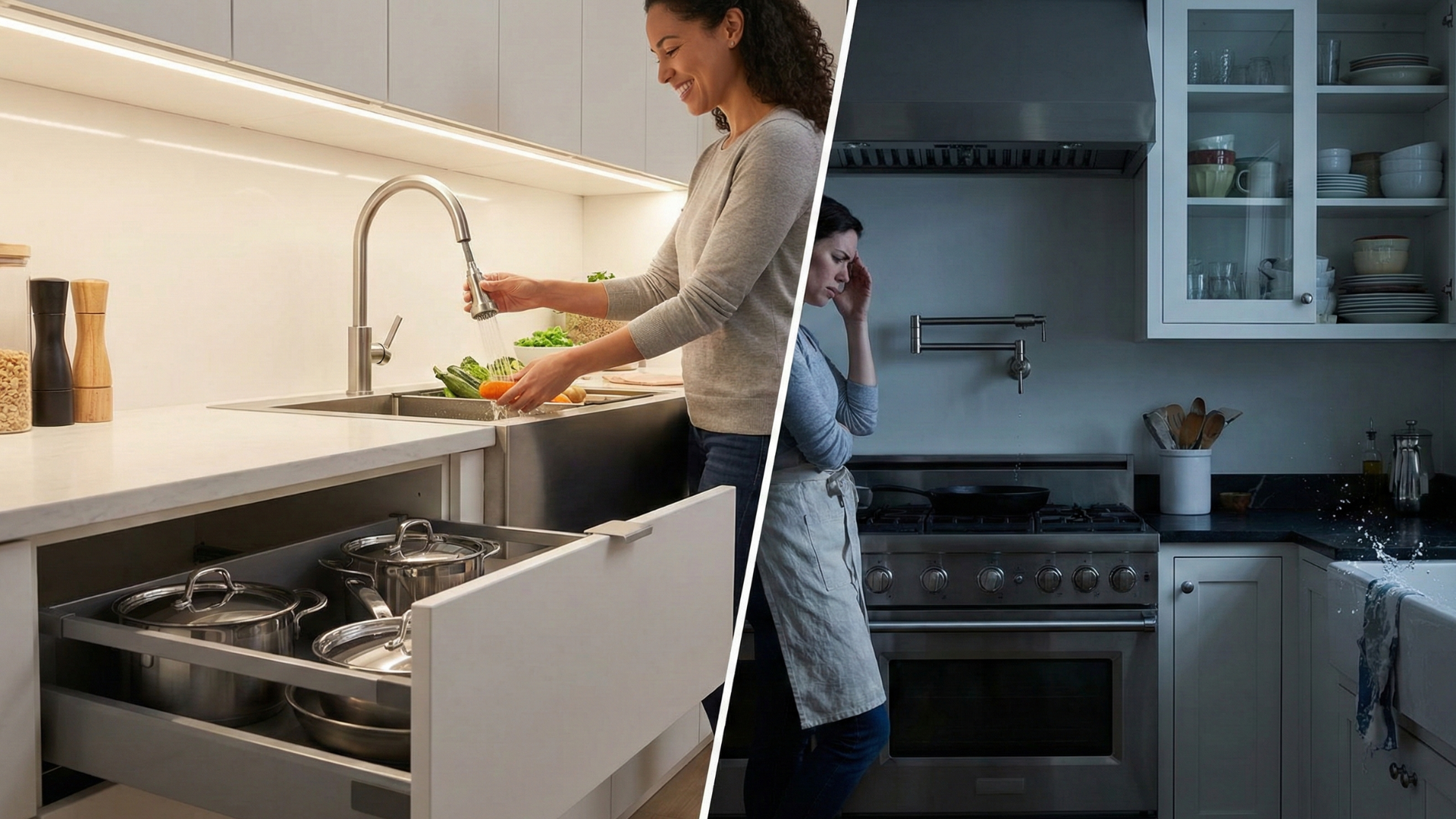
Kitchen renovation advice tends toward either extreme budget constraints or luxury indulgence, leaving most homeowners wondering which improvements actually enhance daily cooking and living versus which ones look impressive but contribute little to function. The gap between marketed kitchen features and genuinely useful upgrades creates confusion when you’re trying to spend money wisely on improvements that will serve you for years. Understanding which kitchen changes deliver real value—through better workflow, reduced frustration, or improved cooking capability—helps you invest in upgrades that matter rather than trendy features that sound appealing but don’t change how your kitchen actually works. The challenge is separating marketing narratives from lived experience. Some upgrades that seem practical turn out frustrating, while others that appear unnecessary prove invaluable once you experience them. The difference often comes down to how you actually use your kitchen rather than how you imagine using it or how magazines suggest you should use it. Upgrades Worth Every Dollar Adequate and Well-Placed Lighting Kitchen lighting ranks among the most impactful upgrades because insufficient or poorly positioned lighting makes every kitchen task more difficult and less safe. Most kitchens rely too heavily on a single overhead fixture that casts shadows exactly where you’re working. Under-cabinet lighting transforms food preparation by illuminating countertops where you actually work. The difference between chopping vegetables in shadow versus in direct light affects both safety and efficiency dramatically. LED strip lights installed under wall cabinets cost relatively little but change how your kitchen functions every single day. Task lighting over the sink makes dishwashing and food prep at the sink far easier. A pendant or recessed light positioned directly over the sink area eliminates the shadows created when your body blocks overhead lighting. Overhead lighting should be layered rather than relying on a single central fixture. Multiple recessed lights, a pendant over the island, or track lighting that can be directed creates even illumination without harsh shadows. Dimmer switches add flexibility by allowing bright light when needed for detailed tasks and softer lighting for casual kitchen use or entertaining. The ability to adjust lighting intensity makes the kitchen more comfortable throughout the day. The lighting upgrade provides value every single time you use your kitchen. Unlike features you use occasionally, lighting affects every meal, every cleanup, every kitchen task. Better Faucet and Sink Configuration The faucet and sink get used constantly, making quality improvements here worthwhile investments that reduce daily frustration and improve kitchen workflow. Pull-down or pull-out faucet sprayers provide flexibility that standard faucets don’t offer. Rinsing large pots, washing vegetables, cleaning the sink itself—all become easier when you can direct water flow exactly where needed. Higher faucet clearance accommodates large pots under the spout without awkward tilting. If you’ve ever struggled to fill a tall stockpot or water pitcher under a low faucet, adequate clearance eliminates that constant annoyance. Quality faucet construction means the faucet continues working smoothly for years without developing drips, loose handles, or spray pattern problems. Cheap faucets fail within a few years while quality faucets last decades. Deeper sinks hold more dishes and large cookware without overflowing onto the counter. An extra two or three inches of depth makes a surprising difference in sink utility. Single-basin versus divided sinks depends on your actual usage. If you regularly need to soak large sheet pans or roasting pans, a single large basin serves you better than a divided sink where nothing fits properly. The sink and faucet upgrade improves kitchen function multiple times daily. These aren’t glamorous improvements, but they affect your kitchen experience constantly. Functional Storage Solutions Basic cabinets with empty space and fixed shelves waste storage capacity and create frustration when you need specific items buried in back corners. Thoughtful storage upgrades make the kitchen far more functional. Pull-out shelves in lower cabinets bring items from the back within reach without crawling on the floor and moving everything else. The ability to pull out the entire shelf transforms how you access pots, pans, and small appliances. Deep drawer dividers for utensils, tools, and gadgets prevent the tangled mess that develops in standard drawers. Organized storage means finding what you need immediately rather than digging through chaos. Pull-out trash and recycling bins hide waste containers while keeping them easily accessible. Built-in waste solutions eliminate floor clutter from freestanding bins while making disposal convenient during cooking. Vertical storage for baking sheets, cutting boards, and trays utilizes cabinet space efficiently instead of stacking these items horizontally where you need to remove six things to reach the one you want. Corner cabinet solutions like lazy Susans or pull-out systems make corner spaces usable rather than letting them become black holes where items disappear forever. Drawer organizers for spices keep bottles visible and accessible rather than crowded on shelves where you can’t see what you have. Being able to find spices quickly improves cooking flow. Storage improvements reduce daily frustration and make cooking more enjoyable by ensuring everything has a logical place where you can find and access it easily. Quality Ventilation Proper range hood ventilation removes smoke, steam, grease, and cooking odors before they permeate your home. Inadequate ventilation means cooking smells linger for hours and grease accumulates on surfaces throughout the kitchen. Adequate CFM (cubic feet per minute) for your cooking style ensures the hood can actually clear the air. Undersized hoods run constantly without effectively removing cooking byproducts. Ducted ventilation to the outside works dramatically better than recirculating hoods with charcoal filters. Truly removing air from the kitchen eliminates odors rather than just filtering and returning them. Proper hood sizing covers the cooktop width completely. A 30-inch hood over a 36-inch cooktop cannot capture all the smoke and steam from the outer burners. Quiet operation at usable fan speeds makes the difference between actually using your hood versus avoiding it because the noise is unbearable. Good hoods provide strong ventilation without sounding like jet engines. The ventilation upgrade pays dividends during any cooking that generates smoke, steam, or strong odors. If you cook regularly,

The UC36 Under Cabinet Range Hood: 36-Inch Performance with Permanent Filters

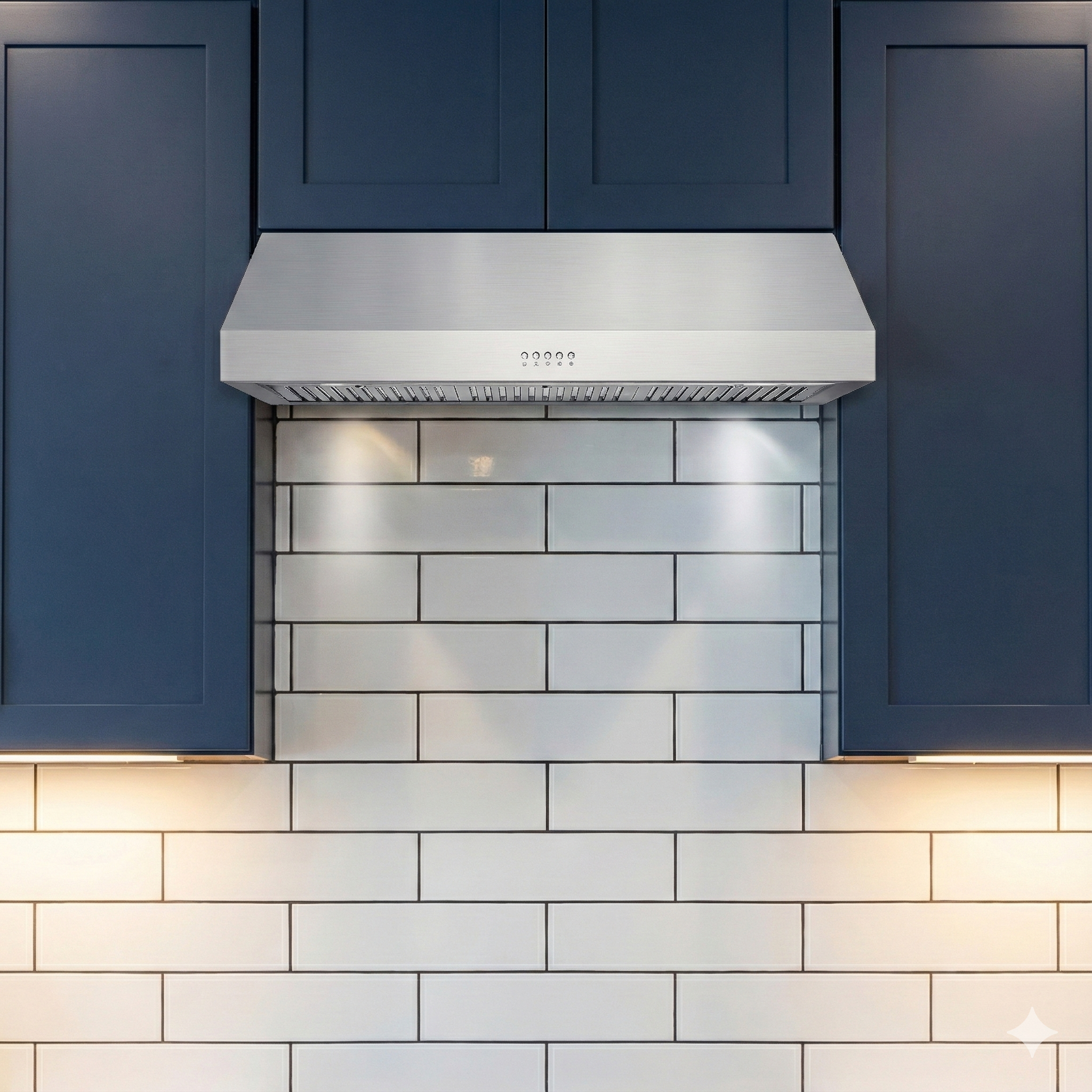
Under cabinet range hoods solve ventilation challenges without sacrificing valuable kitchen space that wall-mount or island designs require. The UC36 delivers powerful air extraction through a slim profile that tucks directly beneath your existing cabinets, keeping your cooktop area clear while removing cooking smoke, steam, and odors efficiently. This 36-inch hood features permanent stainless steel ARC-FLOW filters that capture grease without the ongoing expense of replaceable filters, three fan speeds that adapt to different cooking intensities, and front-mounted LED lights that illuminate your cooking surface. Constructed from 430-grade stainless steel with 18-gauge thickness, the UC36 combines durability with straightforward push button controls that make operation simple and intuitive. What makes this range hood particularly practical is the focus on long-term value rather than flashy features. Permanent filters eliminate the recurring cost of disposable filters while providing unlimited uses through simple dishwasher cleaning. The noise level stays as low as 45 dB on lower settings, making kitchen conversations possible even while the hood runs. Top venting configuration works with standard ductwork, and the included 3-prong power cord simplifies installation. These practical considerations address the daily realities of range hood ownership, creating an appliance that serves your needs reliably for years. Why The UC36 Under Cabinet Range Hood Stands Out Range hood technology has matured significantly, and the UC36 demonstrates how thoughtful design choices create appliances that genuinely improve kitchen environments without unnecessary complexity. Under cabinet installation maximizes kitchen space by utilizing the area between your cooktop and existing cabinets. This mounting style keeps the hood out of sight lines while maintaining easy access to controls and lights. Unlike wall-mount hoods that require exposed ductwork or island hoods that hang from ceilings, under cabinet models integrate seamlessly with standard kitchen layouts. 36-inch width matches most standard ranges and cooktops, providing appropriate coverage for 30-inch or 36-inch cooking surfaces. Proper sizing matters because undersized hoods fail to capture all cooking byproducts while oversized hoods look disproportionate and may require custom cabinetry modifications. The UC36 hits the sweet spot for typical home kitchen configurations. ARC-FLOW permanent stainless steel filters represent a significant advantage over aluminum mesh or charcoal filters requiring regular replacement. These high-quality filters capture grease particles effectively through multiple layers of stainless steel baffles. When filters get dirty, simply remove them and run them through your dishwasher. This unlimited reuse saves hundreds of dollars over the hood’s lifetime compared to disposable filter systems. Three fan speed options provide flexibility for different cooking situations. Low speed handles gentle simmering and warming without excessive noise. Medium speed works well for most everyday cooking including sautéing and frying. High speed tackles heavy-duty tasks like searing steaks or stir-frying where significant smoke and steam production requires maximum extraction power. Push button controls offer tactile, reliable operation that doesn’t depend on sensitive touch sensors. Physical buttons provide clear feedback when pressed and continue working reliably even after years of kitchen use. The straightforward control layout makes operation obvious – power, fan speed, and lights all have dedicated buttons. LED lighting technology mounted directly beneath the hood illuminates your cooktop with bright, energy-efficient light. The two front LED lights create shadow-free cooking surfaces that make monitoring food easier. Unlike incandescent bulbs that burn out regularly and consume significant electricity, LEDs last for years while using minimal power. Premium 430-grade stainless steel construction with 18-gauge thickness ensures structural integrity that resists dents and damage. This is noticeably heavier-duty than the thin sheet metal used in budget range hoods. The material won’t rust, maintains its appearance with basic cleaning, and stands up to the heat and moisture that kitchen environments generate. Understanding ARC-FLOW Filter Technology The permanent filter system represents one of the UC36’s most valuable features, but understanding how these filters work helps you maintain them properly and appreciate their advantages over disposable alternatives. Baffle Filter Design: ARC-FLOW filters use a baffle construction where stainless steel layers are arranged in overlapping patterns. As grease-laden air passes through, it hits the baffles and changes direction multiple times. This zigzag path causes grease particles to condense on the metal surfaces where they’re trapped, while cleaner air continues through to the ductwork. Multi-Layer Capture: The multiple baffle layers create numerous opportunities for grease capture, dramatically improving filtration efficiency compared to simple mesh screens. Even fine grease particles that might pass through a single layer get caught by subsequent layers, preventing buildup in your ductwork. Dishwasher Safe Maintenance: Remove the filters by releasing the quick-release latches, then place them directly in your dishwasher. Run a normal cycle with regular detergent – the high-temperature water and strong detergent action dissolve accumulated grease. This cleaning method is remarkably thorough and requires no special cleaners or soaking. Unlimited Lifespan: Unlike disposable filters that degrade and require regular replacement, stainless steel baffles maintain their structure and effectiveness indefinitely. Clean them monthly during heavy cooking periods or every 2-3 months with lighter use, and they’ll continue capturing grease as effectively as when new. Cost Savings: Disposable aluminum mesh filters for similar range hoods cost $15-30 per replacement, with recommendations to replace them every 3-6 months. Over a 10-year period, disposable filters cost $300-600. Permanent filters eliminate this entire expense beyond the minor cost of dishwasher detergent for cleaning. Environmental Benefits: Permanent filters prevent dozens of disposable filters from ending up in landfills over the range hood’s lifetime. This sustainability advantage aligns with reducing household waste while saving money – a genuine win-win situation. Installation Planning and Requirements Proper UC36 installation ensures optimal performance while preventing common issues that reduce efficiency or create safety concerns. Understanding requirements before starting helps installations go smoothly. Cabinet Compatibility: The UC36 installs directly to the underside of upper cabinets, requiring cabinets strong enough to support the hood’s weight. Standard kitchen cabinets built to modern codes handle this easily, but older or damaged cabinets may need reinforcement. Check that cabinet bottoms are solid wood or plywood rather than thin particleboard. Height Positioning: Install the hood 24-30 inches above your cooktop surface for optimal