
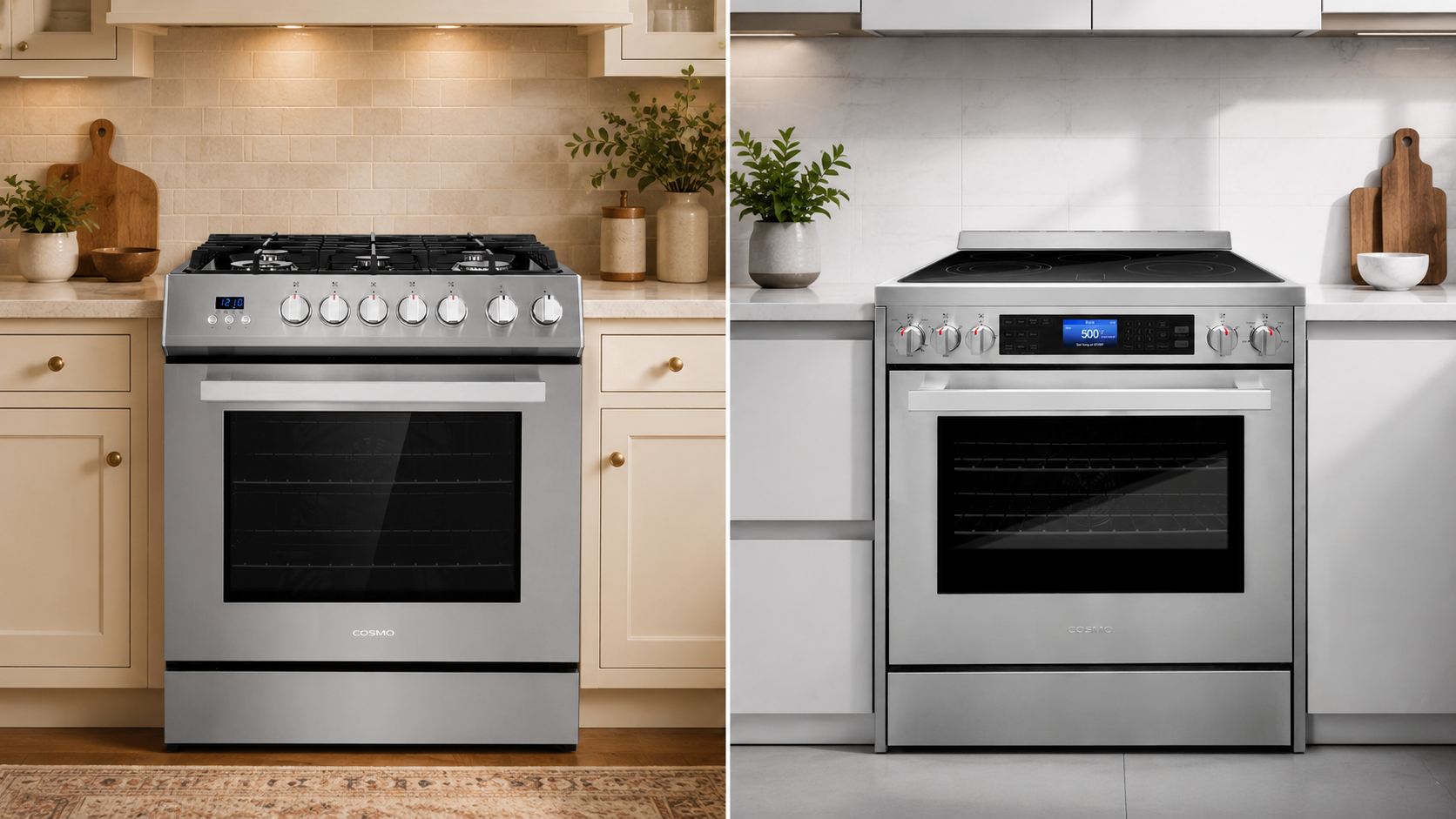
What Happens to Your Kitchen When You Switch From Gas to Electric (Or Back Again)
Switching cooking fuel types is one of the more disruptive kitchen changes a household can make, and it’s happening more frequently than at any previous point in residential appliance history. Some households are switching from gas to electric or induction driven by environmental considerations, building electrification requirements, or new construction that defaults to all-electric systems. Others are switching from electric to gas when they move into homes with existing gas service or when they renovate kitchens specifically to add gas cooking capability. In both directions, the transition involves more than swapping one appliance for another — it changes how the kitchen functions, how cooking feels, and what the space requires to support a different energy source. Most of the available information about this transition focuses on the cooking performance comparison between fuel types, which is genuinely useful but incomplete. The practical experience of living through the switch, what changes immediately, what takes adjustment, what you gain and lose that you didn’t anticipate, gets less attention. Understanding these dimensions helps you prepare for a transition rather than discovering them one by one after the new appliance is already installed. What Changes Immediately When You Switch From Gas to Electric The differences that hit you in the first week are mostly about heat response and visual feedback, the two areas where gas and electric cooking feel most different during active cooking sessions. Heat Response Speed: Electric elements, whether coil or ceramic glass, respond more slowly to control adjustments than gas flames. When you reduce heat on a gas burner, the flame shrinks immediately and the pan temperature begins dropping within seconds. When you reduce heat on an electric element, the element takes time to cool, anywhere from 30 seconds to several minutes depending on element type and how high it was running. New electric cooks consistently over-reduce heat because they compensate for a temperature change that hasn’t happened yet, then under-reduce after learning this, cycling through corrections before developing intuition for the lag. This adjustment period typically takes 2-4 weeks of regular cooking. The Opposite Problem When Switching to Gas: Cooks switching from electric to gas often find themselves cooking at temperatures higher than they intend because gas responds faster than their electric muscle memory expects. An adjustment that would have taken 30 seconds to take effect on the old electric element happens immediately on gas. Dishes that simmered well on electric at a medium-high setting now need to run lower on gas for equivalent results. Visual Feedback Loss (Electric) or Gain (Gas): Gas flames provide constant visual information about heat output. You can see a tiny flame maintaining a gentle simmer, a medium flame for sautéing, and a large flame for rapid boiling. This visual information becomes embedded in cooking intuition, you stop reading control knob positions and start reading flames. Switching to electric removes this feedback entirely, replacing it with numbered dial positions and the color of a heating element that provide less intuitive information about actual heat output. The reverse is true when switching to gas from electric, many cooks find the visual flame feedback makes cooking feel more natural and controllable after years of relying purely on knob positions. Spill Behavior: Gas cooktops with grates create crevices where spills reach beneath grates and into burner areas if unsealed. Electric smooth-top surfaces are completely flat, spills stay on the surface where they’re visible and easy to wipe. This is an immediate and often surprising practical difference for gas cooks switching to electric. The reverse, electric cooks switching to gas, discover that pots slide more than expected on flat ceramic surfaces and that keeping the cooktop truly clean requires more attention to what falls beneath the grates. Infrastructure Changes That Must Happen Before the Appliance Arrives The physical requirements of switching fuel types often require advance planning that buyers underestimate when focused on appliance selection. Switching From Gas to Electric: A standard 120V outlet powers ignition systems on gas ranges but the cooking itself requires no additional electricity. Electric ranges and cooktops run on 240V circuits drawing 40-50 amps, a dedicated circuit that most homes with existing gas ranges simply don’t have in the kitchen. Adding a 240V circuit requires an electrician, potential electrical panel work if the panel lacks available capacity, and permit pulling in most jurisdictions. Costs range from $200-800 for straightforward installations to several thousand dollars if the panel needs upgrading. This electrical work must happen before the new appliance can be installed and used. Planning for this lead time prevents the scenario where a new range sits unconnected waiting for electrical work. Switching From Electric to Gas: Homes without existing gas service require a gas utility connection, typically a street-level connection fee plus trenching and pipe installation to the home, which can cost $1,000-5,000 or more depending on distance and local conditions. Homes with gas service elsewhere (water heater, furnace) but no kitchen gas line need interior piping extended to the kitchen, a job for licensed plumbers that adds several hundred to a few thousand dollars. Gas line work requires permits, inspections, and licensed contractors in virtually all jurisdictions. Like the electrical situation, this work must precede appliance installation. The Abandonment Question: Switching from gas to electric leaves a gas line stub in the kitchen that needs proper capping and a former outlet location that may need addressing. Switching from electric to gas leaves a 240V outlet that won’t be used by the new range. Neither of these leftover infrastructure elements is a serious problem, but knowing they’ll exist prevents confusion after installation. Ventilation Reconsideration: Switching fuel types is an appropriate moment to reassess kitchen ventilation even if you’re not changing the hood itself. Gas cooking produces combustion byproducts that electric cooking doesn’t, making adequate ventilation specifically more important for gas than electric in health terms. Electric cooking still produces steam, grease particles, and odors that need extraction, so ventilation matters in both directions, but households switching to gas should verify their existing ventilation is