
induction cookware requirements

What Happens to Your Kitchen When You Switch From Gas to Electric (Or Back Again)

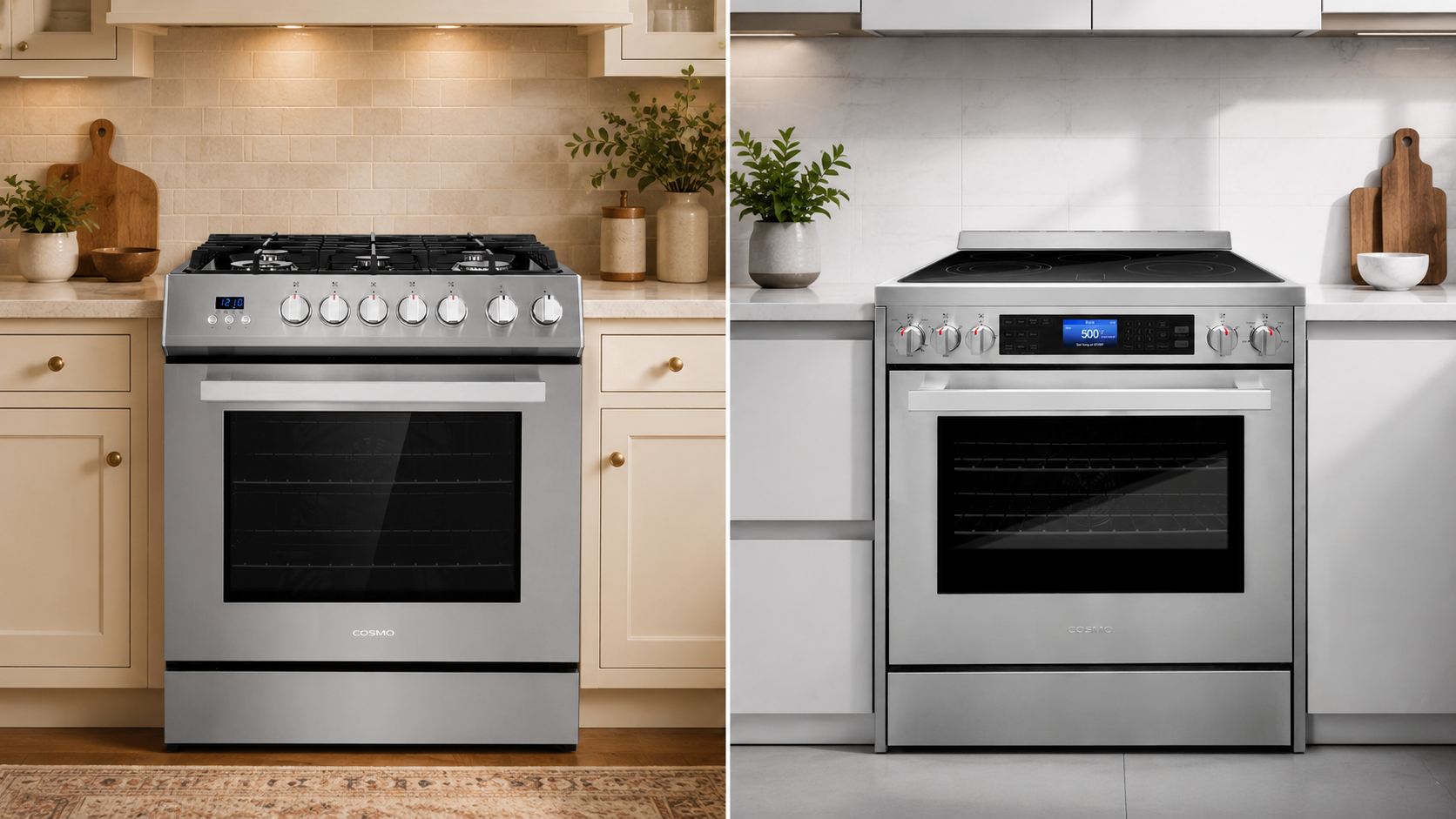
Switching cooking fuel types is one of the more disruptive kitchen changes a household can make, and it’s happening more frequently than at any previous point in residential appliance history. Some households are switching from gas to electric or induction driven by environmental considerations, building electrification requirements, or new construction that defaults to all-electric systems. Others are switching from electric to gas when they move into homes with existing gas service or when they renovate kitchens specifically to add gas cooking capability. In both directions, the transition involves more than swapping one appliance for another — it changes how the kitchen functions, how cooking feels, and what the space requires to support a different energy source. Most of the available information about this transition focuses on the cooking performance comparison between fuel types, which is genuinely useful but incomplete. The practical experience of living through the switch, what changes immediately, what takes adjustment, what you gain and lose that you didn’t anticipate, gets less attention. Understanding these dimensions helps you prepare for a transition rather than discovering them one by one after the new appliance is already installed. What Changes Immediately When You Switch From Gas to Electric The differences that hit you in the first week are mostly about heat response and visual feedback, the two areas where gas and electric cooking feel most different during active cooking sessions. Heat Response Speed: Electric elements, whether coil or ceramic glass, respond more slowly to control adjustments than gas flames. When you reduce heat on a gas burner, the flame shrinks immediately and the pan temperature begins dropping within seconds. When you reduce heat on an electric element, the element takes time to cool, anywhere from 30 seconds to several minutes depending on element type and how high it was running. New electric cooks consistently over-reduce heat because they compensate for a temperature change that hasn’t happened yet, then under-reduce after learning this, cycling through corrections before developing intuition for the lag. This adjustment period typically takes 2-4 weeks of regular cooking. The Opposite Problem When Switching to Gas: Cooks switching from electric to gas often find themselves cooking at temperatures higher than they intend because gas responds faster than their electric muscle memory expects. An adjustment that would have taken 30 seconds to take effect on the old electric element happens immediately on gas. Dishes that simmered well on electric at a medium-high setting now need to run lower on gas for equivalent results. Visual Feedback Loss (Electric) or Gain (Gas): Gas flames provide constant visual information about heat output. You can see a tiny flame maintaining a gentle simmer, a medium flame for sautéing, and a large flame for rapid boiling. This visual information becomes embedded in cooking intuition, you stop reading control knob positions and start reading flames. Switching to electric removes this feedback entirely, replacing it with numbered dial positions and the color of a heating element that provide less intuitive information about actual heat output. The reverse is true when switching to gas from electric, many cooks find the visual flame feedback makes cooking feel more natural and controllable after years of relying purely on knob positions. Spill Behavior: Gas cooktops with grates create crevices where spills reach beneath grates and into burner areas if unsealed. Electric smooth-top surfaces are completely flat, spills stay on the surface where they’re visible and easy to wipe. This is an immediate and often surprising practical difference for gas cooks switching to electric. The reverse, electric cooks switching to gas, discover that pots slide more than expected on flat ceramic surfaces and that keeping the cooktop truly clean requires more attention to what falls beneath the grates. Infrastructure Changes That Must Happen Before the Appliance Arrives The physical requirements of switching fuel types often require advance planning that buyers underestimate when focused on appliance selection. Switching From Gas to Electric: A standard 120V outlet powers ignition systems on gas ranges but the cooking itself requires no additional electricity. Electric ranges and cooktops run on 240V circuits drawing 40-50 amps, a dedicated circuit that most homes with existing gas ranges simply don’t have in the kitchen. Adding a 240V circuit requires an electrician, potential electrical panel work if the panel lacks available capacity, and permit pulling in most jurisdictions. Costs range from $200-800 for straightforward installations to several thousand dollars if the panel needs upgrading. This electrical work must happen before the new appliance can be installed and used. Planning for this lead time prevents the scenario where a new range sits unconnected waiting for electrical work. Switching From Electric to Gas: Homes without existing gas service require a gas utility connection, typically a street-level connection fee plus trenching and pipe installation to the home, which can cost $1,000-5,000 or more depending on distance and local conditions. Homes with gas service elsewhere (water heater, furnace) but no kitchen gas line need interior piping extended to the kitchen, a job for licensed plumbers that adds several hundred to a few thousand dollars. Gas line work requires permits, inspections, and licensed contractors in virtually all jurisdictions. Like the electrical situation, this work must precede appliance installation. The Abandonment Question: Switching from gas to electric leaves a gas line stub in the kitchen that needs proper capping and a former outlet location that may need addressing. Switching from electric to gas leaves a 240V outlet that won’t be used by the new range. Neither of these leftover infrastructure elements is a serious problem, but knowing they’ll exist prevents confusion after installation. Ventilation Reconsideration: Switching fuel types is an appropriate moment to reassess kitchen ventilation even if you’re not changing the hood itself. Gas cooking produces combustion byproducts that electric cooking doesn’t, making adequate ventilation specifically more important for gas than electric in health terms. Electric cooking still produces steam, grease particles, and odors that need extraction, so ventilation matters in both directions, but households switching to gas should verify their existing ventilation is
Gas vs. Electric vs. Induction: How to Actually Choose Between Them

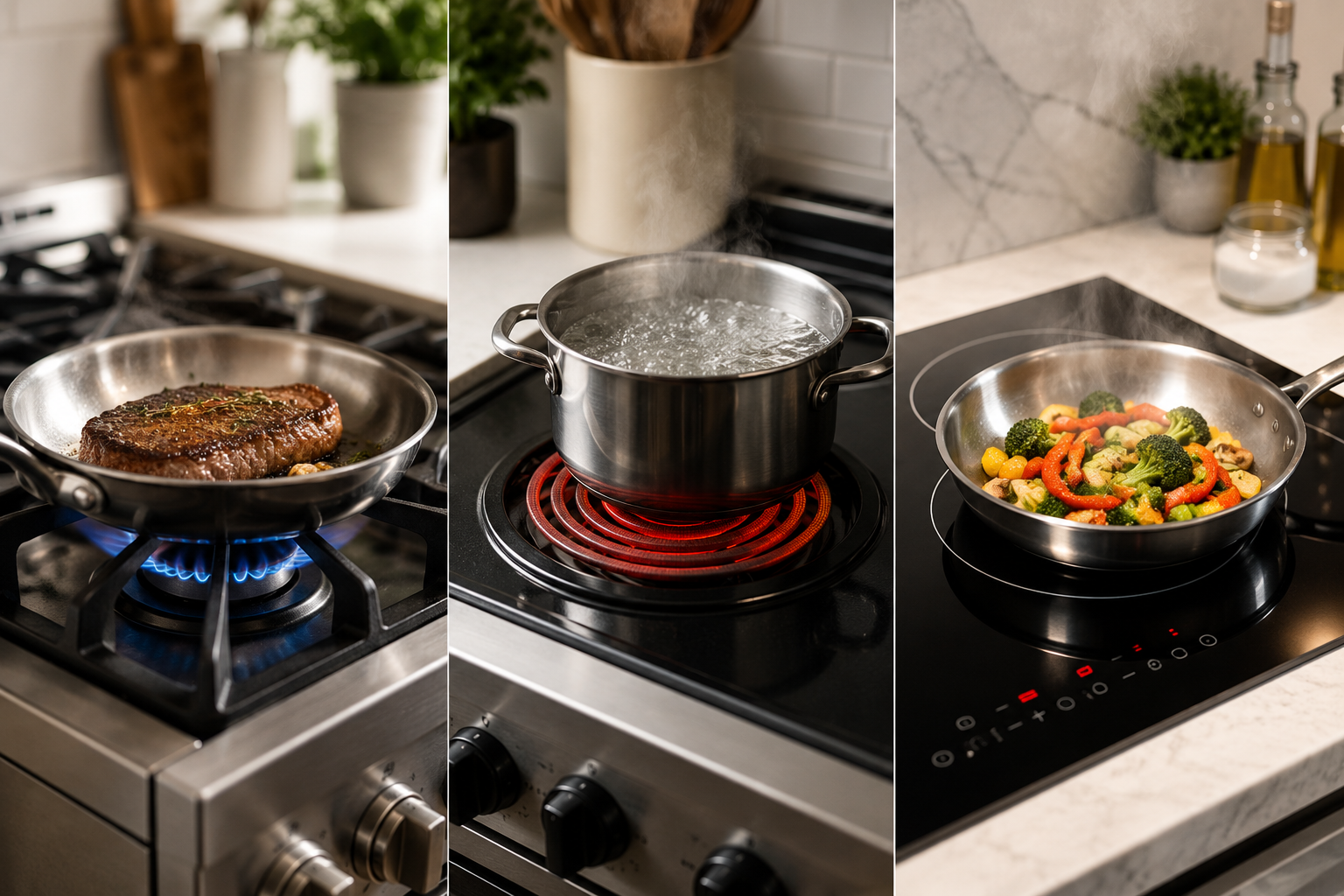
Choosing between gas, electric, and induction cooking generates more debate than almost any other kitchen decision. Strong opinions exist on all sides, often based on personal cooking history, regional cooking traditions, or advice from people whose circumstances differ significantly from your own. The reality is that each cooking method has genuine strengths and real limitations, and the right choice depends on factors specific to your household — how you cook, what your home can support, how much you want to spend upfront versus ongoing, and what tradeoffs you’re willing to accept. Most of the debate happens at the extremes. Passionate gas advocates cite immediate heat response and visual flame feedback. Induction enthusiasts point to speed and precision that neither gas nor traditional electric can match. Electric defenders note simplicity and accessibility. All three groups are largely correct about their preferred method’s strengths, which makes the conversation confusing for anyone trying to decide without a strong prior preference. Understanding what each method actually does well — and where each genuinely falls short — cuts through the noise. What Gas Actually Does Well Gas cooking has a longer residential history than either electric alternative, and its continued dominance in serious home kitchens reflects genuine functional advantages rather than pure nostalgia. Immediate Visual Feedback: The flame provides real-time information about heat output that neither electric nor induction can replicate. You can see a small flame, a medium flame, and a roaring flame, and adjust intuitively based on what you’re seeing. This visual feedback reduces reliance on numbered settings and lets cooks develop intuition quickly. When you turn down a gas burner, you see immediately that it happened and approximately how much. Heat Transition Speed: Gas burners transition between temperatures faster than traditional electric coils, which take time to heat up and cool down. When a sauce threatens to break or something is browning too quickly, turning down gas delivers results in seconds. This responsiveness matters most during high-attention cooking where fast corrections prevent ruined dishes. Cookware Compatibility: Gas works with every cookware type without exception — cast iron, copper, aluminum, stainless steel, glass, ceramic, carbon steel. There are no compatibility requirements or restrictions. This universality means gas cooks never think about whether a pan will work on their cooktop. High Heat Availability: Gas burners at their highest settings deliver sustained high heat that electric cooktops struggle to match consistently. Searing large cuts of meat, maintaining a hard boil in large stockpots, and cooking in oversized woks all benefit from the sustained high-output heat that gas provides. Cooking During Power Outages: Gas cooktops continue working during power outages (with manual ignition using a lighter or match), providing cooking capability when electric alternatives become completely non-functional. For households in areas prone to storms or power instability, this practical advantage has real value. Where Gas Falls Short Understanding gas cooking’s genuine weaknesses helps evaluate whether they matter for your specific cooking patterns. Combustion Byproducts: Gas combustion produces carbon monoxide, nitrogen dioxide, and formaldehyde inside your home. Properly adjusted burners minimize these emissions, but they never eliminate them entirely. Research into residential gas cooking and indoor air quality has grown substantially in recent years, with findings suggesting more meaningful health impacts than previously understood, particularly in homes with poor ventilation. This isn’t a reason to avoid gas categorically, but adequate ventilation isn’t optional — it’s essential. Energy Efficiency: Gas burners release significant heat into the surrounding kitchen rather than into cookware. Estimates suggest only 40% of gas energy actually reaches the food being cooked, with the remainder heating the kitchen, the range, and the air around the burner. This inefficiency translates to higher operating costs and hotter kitchens during summer cooking. Cleaning Difficulty: Gas cooktops involve grates, burner caps, burner bases, and the surface beneath them — all of which accumulate grease and food debris in hard-to-reach areas. Thorough cleaning requires disassembling components, soaking grates, and scrubbing burner parts individually. Compared to the single flat surface of ceramic or induction cooktops, gas cleaning is genuinely more involved. Uneven Flame Distribution: Gas flames heat the center of cookware more intensely than edges, creating temperature gradients across pan surfaces. For most cooking this doesn’t matter, but for techniques requiring perfectly even heat distribution — large pancakes, delicate sauces, candy making — the uneven heating pattern requires attention and pan movement that electric methods don’t demand. Infrastructure Requirements: Gas cooking requires gas lines, which many homes and virtually all apartments lack. Adding gas service involves permits, licensed plumbers, utility connections, and costs that can run several thousand dollars. Homes already plumbed for gas face no issue, but homes without existing service face meaningful upfront investment just to enable gas cooking. What Traditional Electric Actually Does Electric coil and ceramic glass cooktops occupy a middle ground that gets somewhat unfairly dismissed in conversations dominated by gas enthusiasts and induction advocates. Accessibility and Simplicity: Electric cooktops work in any home with standard electrical service, requiring no gas lines or special circuit upgrades beyond what most homes already have. The technology is simple, reliable, and widely understood by both installers and repair technicians. Parts are available everywhere, service is straightforward, and the learning curve is minimal. Even Heat Distribution: Electric elements heat cookware more evenly than gas flames, eliminating the hot center that gas creates. Flat-bottomed pans make full contact with smooth electric surfaces, distributing heat across the entire cooking surface rather than concentrating it where flames contact the pan base. Lower Purchase Price: Quality electric cooktops cost substantially less than equivalent gas or induction models. For households where cooking is functional rather than a primary hobby, electric cooktops deliver adequate performance at lower upfront cost. The price difference across a full kitchen suite can be significant. Residual Heat Cooking: Electric surfaces retain heat after elements shut off, providing useful residual cooking that reduces energy consumption when used deliberately. Experienced electric cooktop users turn elements off slightly before food reaches target doneness, allowing residual heat to finish cooking without additional energy use.