
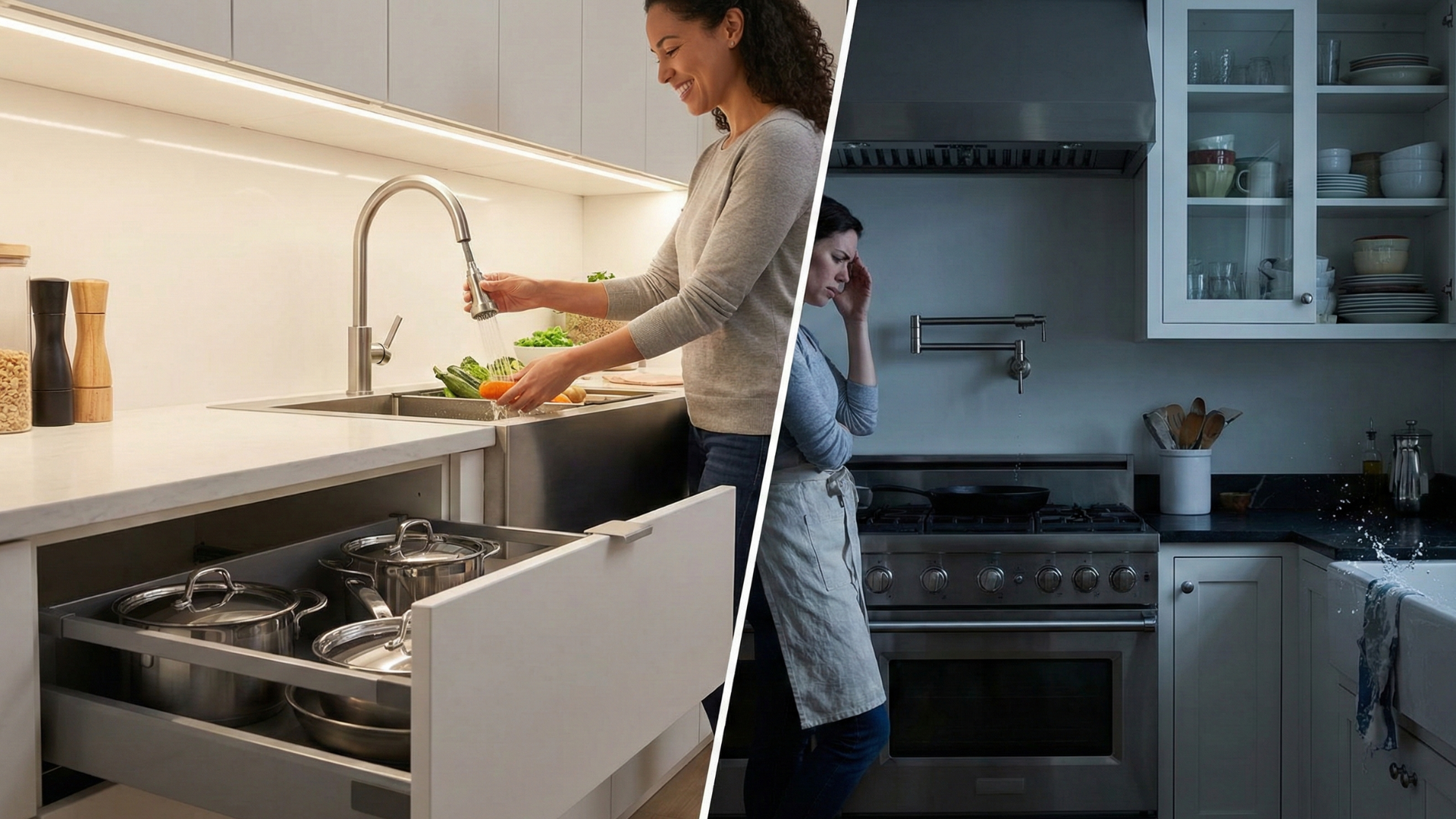
under cabinet lighting

Kitchen Upgrades That Actually Matter (and the Ones That Don’t)

Kitchen renovation advice tends toward either extreme budget constraints or luxury indulgence, leaving most homeowners wondering which improvements actually enhance daily cooking and living versus which ones look impressive but contribute little to function. The gap between marketed kitchen features and genuinely useful upgrades creates confusion when you’re trying to spend money wisely on improvements that will serve you for years. Understanding which kitchen changes deliver real value—through better workflow, reduced frustration, or improved cooking capability—helps you invest in upgrades that matter rather than trendy features that sound appealing but don’t change how your kitchen actually works. The challenge is separating marketing narratives from lived experience. Some upgrades that seem practical turn out frustrating, while others that appear unnecessary prove invaluable once you experience them. The difference often comes down to how you actually use your kitchen rather than how you imagine using it or how magazines suggest you should use it. Upgrades Worth Every Dollar Adequate and Well-Placed Lighting Kitchen lighting ranks among the most impactful upgrades because insufficient or poorly positioned lighting makes every kitchen task more difficult and less safe. Most kitchens rely too heavily on a single overhead fixture that casts shadows exactly where you’re working. Under-cabinet lighting transforms food preparation by illuminating countertops where you actually work. The difference between chopping vegetables in shadow versus in direct light affects both safety and efficiency dramatically. LED strip lights installed under wall cabinets cost relatively little but change how your kitchen functions every single day. Task lighting over the sink makes dishwashing and food prep at the sink far easier. A pendant or recessed light positioned directly over the sink area eliminates the shadows created when your body blocks overhead lighting. Overhead lighting should be layered rather than relying on a single central fixture. Multiple recessed lights, a pendant over the island, or track lighting that can be directed creates even illumination without harsh shadows. Dimmer switches add flexibility by allowing bright light when needed for detailed tasks and softer lighting for casual kitchen use or entertaining. The ability to adjust lighting intensity makes the kitchen more comfortable throughout the day. The lighting upgrade provides value every single time you use your kitchen. Unlike features you use occasionally, lighting affects every meal, every cleanup, every kitchen task. Better Faucet and Sink Configuration The faucet and sink get used constantly, making quality improvements here worthwhile investments that reduce daily frustration and improve kitchen workflow. Pull-down or pull-out faucet sprayers provide flexibility that standard faucets don’t offer. Rinsing large pots, washing vegetables, cleaning the sink itself—all become easier when you can direct water flow exactly where needed. Higher faucet clearance accommodates large pots under the spout without awkward tilting. If you’ve ever struggled to fill a tall stockpot or water pitcher under a low faucet, adequate clearance eliminates that constant annoyance. Quality faucet construction means the faucet continues working smoothly for years without developing drips, loose handles, or spray pattern problems. Cheap faucets fail within a few years while quality faucets last decades. Deeper sinks hold more dishes and large cookware without overflowing onto the counter. An extra two or three inches of depth makes a surprising difference in sink utility. Single-basin versus divided sinks depends on your actual usage. If you regularly need to soak large sheet pans or roasting pans, a single large basin serves you better than a divided sink where nothing fits properly. The sink and faucet upgrade improves kitchen function multiple times daily. These aren’t glamorous improvements, but they affect your kitchen experience constantly. Functional Storage Solutions Basic cabinets with empty space and fixed shelves waste storage capacity and create frustration when you need specific items buried in back corners. Thoughtful storage upgrades make the kitchen far more functional. Pull-out shelves in lower cabinets bring items from the back within reach without crawling on the floor and moving everything else. The ability to pull out the entire shelf transforms how you access pots, pans, and small appliances. Deep drawer dividers for utensils, tools, and gadgets prevent the tangled mess that develops in standard drawers. Organized storage means finding what you need immediately rather than digging through chaos. Pull-out trash and recycling bins hide waste containers while keeping them easily accessible. Built-in waste solutions eliminate floor clutter from freestanding bins while making disposal convenient during cooking. Vertical storage for baking sheets, cutting boards, and trays utilizes cabinet space efficiently instead of stacking these items horizontally where you need to remove six things to reach the one you want. Corner cabinet solutions like lazy Susans or pull-out systems make corner spaces usable rather than letting them become black holes where items disappear forever. Drawer organizers for spices keep bottles visible and accessible rather than crowded on shelves where you can’t see what you have. Being able to find spices quickly improves cooking flow. Storage improvements reduce daily frustration and make cooking more enjoyable by ensuring everything has a logical place where you can find and access it easily. Quality Ventilation Proper range hood ventilation removes smoke, steam, grease, and cooking odors before they permeate your home. Inadequate ventilation means cooking smells linger for hours and grease accumulates on surfaces throughout the kitchen. Adequate CFM (cubic feet per minute) for your cooking style ensures the hood can actually clear the air. Undersized hoods run constantly without effectively removing cooking byproducts. Ducted ventilation to the outside works dramatically better than recirculating hoods with charcoal filters. Truly removing air from the kitchen eliminates odors rather than just filtering and returning them. Proper hood sizing covers the cooktop width completely. A 30-inch hood over a 36-inch cooktop cannot capture all the smoke and steam from the outer burners. Quiet operation at usable fan speeds makes the difference between actually using your hood versus avoiding it because the noise is unbearable. Good hoods provide strong ventilation without sounding like jet engines. The ventilation upgrade pays dividends during any cooking that generates smoke, steam, or strong odors. If you cook regularly,
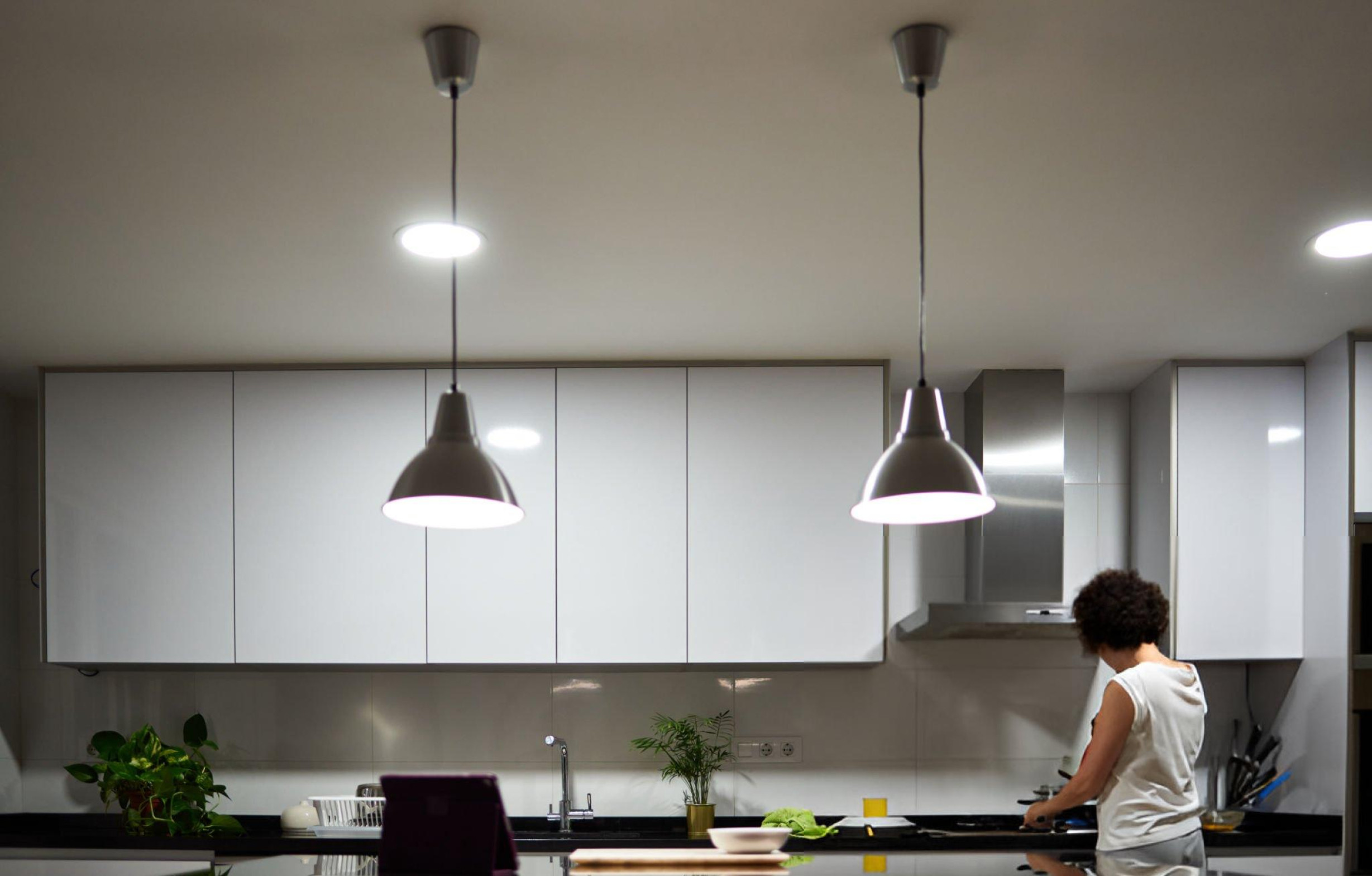
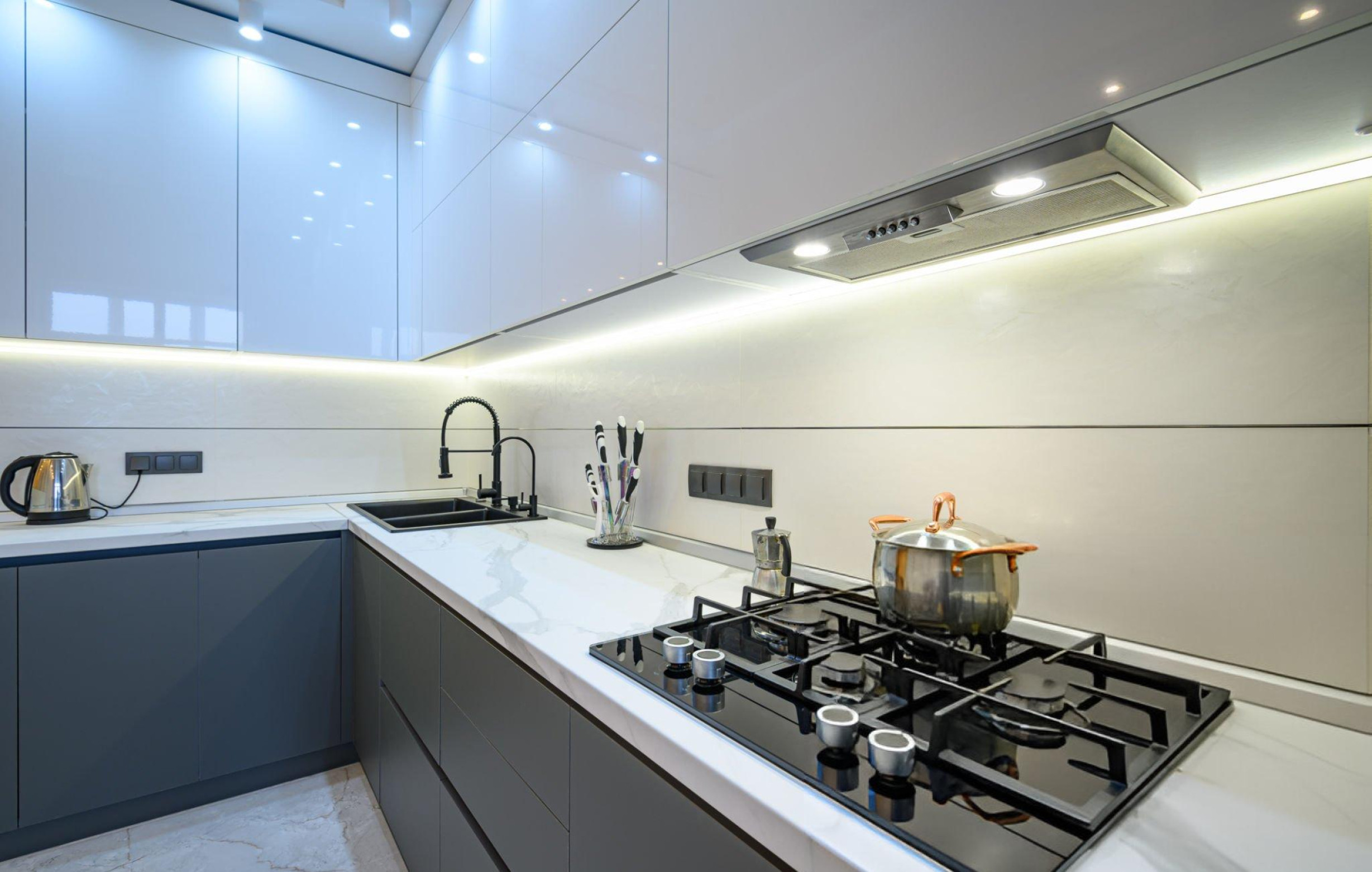
Kitchen Lighting Guide: Task, Ambient, and Accent Lighting for a Perfect Kitchen

Great kitchen lighting does more than just illuminate your cooking space – it transforms how your kitchen looks, feels, and functions throughout the day. The difference between a kitchen that feels warm and inviting versus one that feels stark or gloomy often comes down to thoughtful lighting design that combines multiple types of illumination. Understanding the three essential layers of kitchen lighting – task, ambient, and accent – helps you create a space that works beautifully for cooking, dining, and gathering while enhancing your kitchen’s overall appeal. Most kitchens rely too heavily on a single overhead light fixture, creating harsh shadows and uneven illumination that makes cooking tasks difficult while failing to showcase the kitchen’s design potential. A well-planned lighting scheme addresses these problems through strategic placement of different light types that work together to create both functionality and atmosphere. Understanding the Three Layers of Kitchen Lighting Successful kitchen lighting combines three distinct types of illumination, each serving specific purposes while working together to create a cohesive, functional, and attractive lighting environment. Task lighting provides focused illumination for specific activities like food preparation, cooking, and cleanup. This direct lighting eliminates shadows and provides the bright, clear light needed for detailed work and food safety. Ambient lighting creates overall illumination that fills the room with comfortable, general light. This foundational layer provides basic visibility while establishing the overall mood and atmosphere of your kitchen space. Accent lighting highlights architectural features, artwork, or design elements while adding visual interest and depth to your kitchen. This decorative layer creates focal points and enhances the overall aesthetic appeal of the space. Layered approach combines all three types strategically throughout your kitchen, creating lighting that adapts to different activities and times of day while providing both beauty and functionality. Control flexibility through dimmers and switches allows you to adjust each lighting layer independently, creating the perfect illumination for any situation from bright task-focused cooking to soft ambient lighting for evening dining. Task Lighting: Illuminating Your Work Areas Task lighting represents the most critical lighting layer for kitchen functionality, providing bright, focused illumination exactly where you need it for safe and efficient food preparation and cooking. Under-cabinet lighting delivers excellent task illumination for countertop work areas by eliminating shadows created by overhead lighting. LED strip lights or puck lights mounted beneath upper cabinets provide even, shadow-free lighting across work surfaces. Pendant lights over islands and peninsulas provide focused task lighting for food preparation areas while adding attractive design elements to your kitchen. The key is positioning pendants at appropriate heights to avoid glare while providing adequate illumination. Recessed lighting strategically placed over sinks, stoves, and main prep areas supplements natural light while ensuring adequate illumination for detailed tasks. Proper placement prevents shadows while providing consistent light levels. Track lighting offers flexibility for directing light exactly where needed while accommodating changing kitchen layouts or work patterns. Adjustable fixtures allow you to modify lighting direction as needs change. Range hood lighting built into ventilation systems provides essential illumination directly over cooking surfaces. This specialized task lighting helps you monitor food safely while cooking at the stove. Light levels for task areas should be significantly brighter than ambient lighting, typically 50-100 foot-candles for detailed work areas. This brightness ensures adequate visibility for chopping, reading recipes, and assessing food doneness. Ambient Lighting: Creating Overall Illumination Ambient lighting establishes the foundation lighting level throughout your kitchen while creating the overall atmosphere and mood that makes the space comfortable for daily use and entertaining. Recessed ceiling lights distributed evenly throughout the kitchen provide comprehensive ambient lighting that fills the space with comfortable general illumination. Proper spacing prevents dark spots while avoiding over-lighting. Central fixture options like chandeliers or large pendant lights can provide ambient lighting while serving as focal points in kitchens with adequate ceiling height. These fixtures work particularly well over dining areas within the kitchen. Cove lighting hidden behind crown molding or architectural details creates soft, indirect ambient lighting that bounces off ceilings and walls. This technique provides gentle illumination without visible fixtures. Natural light integration through windows, skylights, or light tubes provides the best ambient lighting during daytime hours. Maximizing natural light reduces dependence on artificial lighting while creating more pleasant environments. Dimmer controls for ambient lighting allow adjustment of overall light levels based on time of day, activities, and desired atmosphere. This flexibility makes kitchens more versatile for different uses. Light distribution should be even throughout the space to avoid dramatic bright and dark areas that can feel uncomfortable or make the kitchen appear smaller than it actually is. Accent Lighting: Adding Drama and Visual Interest Accent lighting serves as the jewelry of kitchen lighting design, highlighting special features while adding depth, drama, and personality to your kitchen’s overall appearance. Display lighting in glass-front cabinets showcases dishes, glassware, or collectibles while adding warm glow to kitchen interiors. LED strips or small spotlights create attractive displays that enhance kitchen aesthetics. Architectural feature highlighting uses directed lighting to emphasize interesting ceiling details, exposed beams, or unique design elements that deserve attention and enhance the kitchen’s character. Backsplash lighting behind glass or translucent tile creates stunning visual effects while adding another layer of illumination. This technique works particularly well with natural stone or artistic tile installations. Toe-kick lighting beneath base cabinets creates subtle floor-level illumination that adds safety for nighttime navigation while providing sophisticated accent lighting that makes kitchens feel larger. Art and decorative lighting focuses attention on artwork, sculptural elements, or special collections that personalize your kitchen space while adding visual interest. Color temperature variations in accent lighting can create warmth and visual depth while complementing the overall lighting scheme. Warmer accent lights often create more inviting atmospheres. Choosing the Right Light Fixtures Fixture selection affects both the quality of light and the overall aesthetic of your kitchen. Understanding different fixture types helps you choose options that provide optimal performance while complementing your design. LED technology offers the best combination of energy efficiency, longevity, and light quality for most

Kitchen Lighting Guide: Task, Ambient, and Accent Lighting for Perfect Kitchen Illumination

Kitchen lighting affects everything from food safety and cooking accuracy to the overall mood and functionality of your space. Yet many homeowners approach kitchen lighting as an afterthought, installing a single overhead fixture and wondering why their kitchen feels uncomfortable or difficult to work in. The secret to great kitchen lighting lies in layering three distinct types of illumination: task lighting for work areas, ambient lighting for general illumination, and accent lighting for atmosphere and visual interest. Understanding how these three lighting layers work together transforms kitchens from purely functional spaces into comfortable, inviting areas where families want to gather and spend time. Good lighting design makes cooking safer and more enjoyable while creating the welcoming atmosphere that makes kitchens the heart of the home. Understanding the Three Essential Lighting Layers Successful kitchen lighting combines three distinct types of illumination, each serving specific purposes while working together to create comprehensive, comfortable lighting throughout your kitchen space. Task lighting provides focused illumination for specific work activities like food preparation, cooking, and cleanup. This lighting needs to be bright enough to see details clearly while eliminating shadows that can make tasks difficult or dangerous. Ambient lighting creates general illumination that fills the entire kitchen space with comfortable, even light. This foundational lighting allows safe navigation throughout the kitchen while providing the base level of illumination that other lighting layers build upon. Accent lighting adds visual interest and atmosphere by highlighting architectural features, creating focal points, or providing decorative illumination that enhances the kitchen’s aesthetic appeal and personality. The interaction between these three layers creates lighting environments that can adapt to different activities and times of day. Bright task lighting supports active cooking, while dimmed ambient and accent lighting creates intimate dinner atmospheres. Quality lighting design ensures each layer can operate independently or in combination, providing flexibility for various kitchen activities from energetic morning routines to relaxed evening dining. Task Lighting: Illuminating Your Work Areas Task lighting represents the most critical lighting layer for kitchen functionality, providing the bright, focused illumination needed for safe and accurate food preparation, cooking, and cleanup activities. Under-Cabinet Lighting Under-cabinet lighting provides the most effective task lighting for counter work areas by eliminating shadows that overhead lighting can create when you’re working at counters. LED strip lights or puck lights mounted beneath upper cabinets illuminate prep areas directly. Positioning considerations include mounting lights toward the front edge of cabinets to minimize shadows while ensuring even coverage across counter depths. Proper placement prevents dark spots while providing consistent illumination for detailed tasks. LED technology offers the best combination of energy efficiency, long lifespan, and light quality for under-cabinet applications. LED strips provide even illumination along counter lengths, while puck lights offer focused lighting for specific work areas. Color temperature affects how food and materials appear under task lighting. Cooler temperatures (3000K-4000K) provide crisp, clear light that supports detailed work, while warmer temperatures feel more comfortable for extended use. Dimming capabilities allow adjustment of task lighting intensity based on activities and time of day. Full brightness supports active food preparation, while dimmed levels provide gentle nighttime navigation lighting. Installation options include hardwired systems for permanent installations or plug-in systems that offer flexibility and easier installation for existing kitchens. Island and Peninsula Lighting Pendant lights over islands and peninsulas provide both task lighting for food preparation and visual focal points that enhance kitchen design. Proper sizing, placement, and height ensure optimal function and appearance. Height recommendations typically place pendant bottoms 30-36 inches above counter surfaces, providing adequate working clearance while ensuring effective task lighting. Taller family members may prefer slightly higher placement. Spacing guidelines suggest pendants should be positioned 24-30 inches apart for even light distribution while avoiding overcrowding that can interfere with sight lines across kitchen spaces. Size considerations balance adequate light output with proportional appearance. Larger islands can accommodate bigger or more numerous pendants, while smaller spaces need more modest fixtures. Style coordination between pendant lights and overall kitchen design creates cohesive appearances while ensuring lighting fixtures enhance rather than detract from kitchen aesthetics. Multiple pendant arrangements provide better light distribution than single large fixtures while creating more interesting visual compositions that add personality to kitchen designs. Range and Cooktop Lighting Cooking surface lighting ensures safe and accurate cooking while supporting the detailed attention that many cooking techniques require. Range hoods with integrated lighting provide the most practical solution for this critical task lighting. Integrated hood lighting combines necessary ventilation with task lighting, making it the most efficient approach for cooking area illumination. Quality range hoods include bright LED lights positioned to illuminate cooking surfaces effectively. Light positioning should eliminate shadows while providing adequate brightness for monitoring food cooking progress. Multiple lights or properly positioned single lights ensure even coverage across burner areas. Heat resistance becomes important for cooking area lighting that must withstand elevated temperatures and moisture from cooking activities. LED lights handle these conditions better than traditional incandescent options. Easy cleaning features help maintain light output and attractive appearance despite exposure to cooking grease and steam. Smooth surfaces and accessible fixtures make maintenance simpler. Brightness levels should provide adequate illumination for detailed cooking tasks while offering dimming capabilities for ambient use when cooking areas aren’t active. Ambient Lighting: Creating Comfortable General Illumination Ambient lighting provides the foundation lighting layer that creates comfortable, evenly distributed illumination throughout your kitchen while supporting safe navigation and general activities. Recessed Ceiling Lighting Recessed lights offer clean, unobtrusive ambient lighting that works with various kitchen styles while providing flexible, controllable general illumination throughout kitchen spaces. Spacing calculations typically place recessed lights 4-6 feet apart in grid patterns that provide even coverage without creating hot spots or dark areas. Proper spacing ensures comfortable lighting levels throughout the kitchen. Trim styles affect both light distribution and aesthetic appeal. Baffle trims reduce glare, while reflector trims maximize light output. Adjustable trims allow directional lighting for highlighting specific areas. LED retrofits provide energy efficiency and longevity for recessed lighting systems. Modern LED options offer various