Author : Cosmo

Natural Gas vs. Liquid Propane: What You Should Know

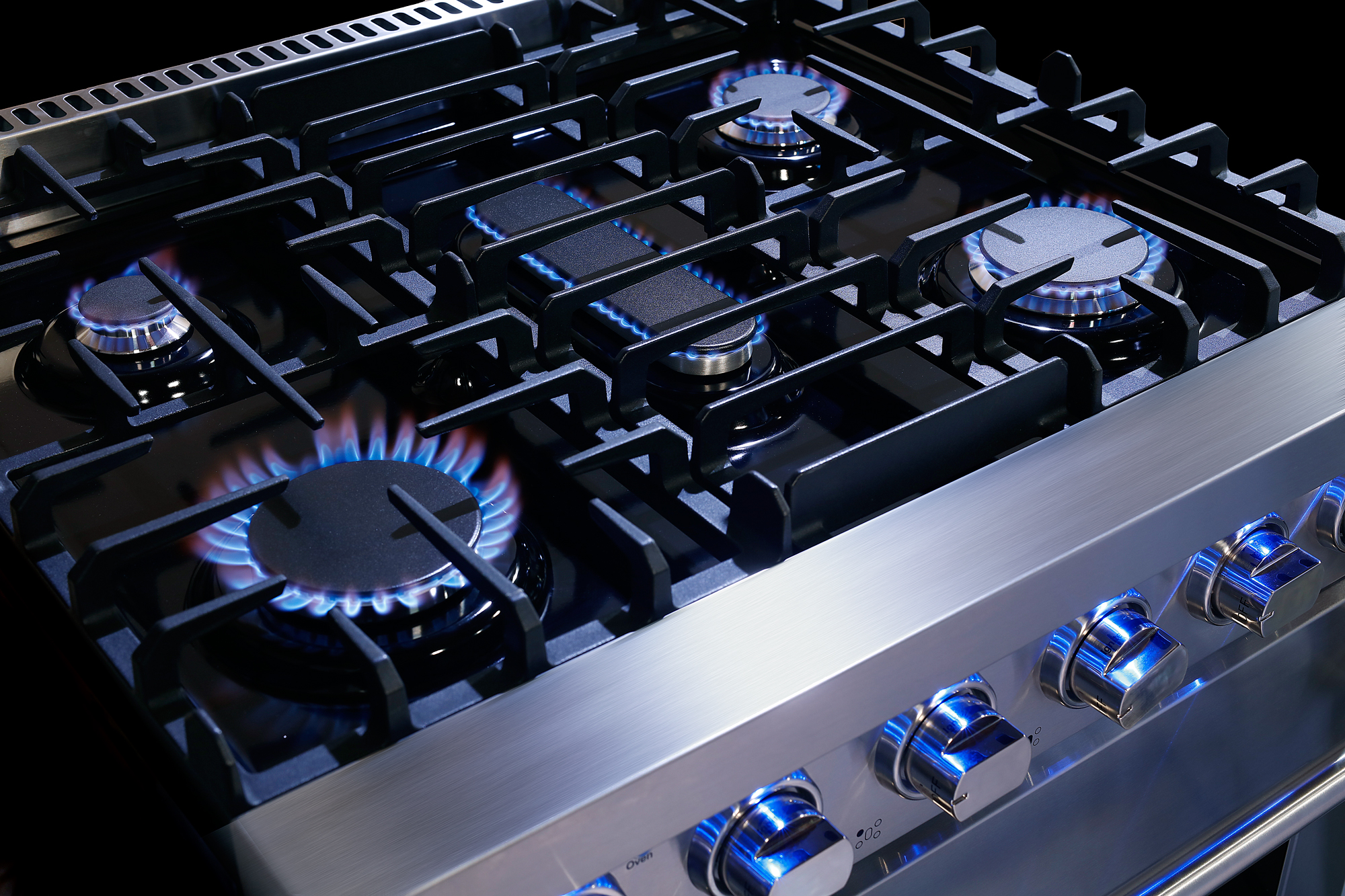
If you’re in the market for a new range or cooktop you may come across some different fuel types. A gas range can often work with natural gas or liquid propane after a conversion process. You may wonder what the differences are between the two fuels and if one is better than the other. See our guide below on some of the differences you should know. Natural Gas. This gas fuel is distributed through a centralized pipeline network. Underground utility pipelines deliver it in a gaseous state all the way to a cooktop. This can be a cheaper fuel depending on the location as well as the state of the fuel market. Natural gas differs from liquid propane in that it is delivered at a much lower pressure and heats at a slower rate. Liquid Propane. One of the most distinct characteristics of propane is that it is in a liquid state rather than a gas. Unlike natural gas, propane can be stored at room temperature so long as it is kept under pressure. This makes it easily transportable and available in many differing tank sizes. Liquid propane would have to be delivered regularly to a home for propane fueled appliances. Propane can have a higher upfront cost than gas, but offers almost twice as much heat. Cost can differ by area and the fuel market, similarly to natural gas. In order for an appliance to work with another fuel type it’s important that a proper conversion kit is installed. Since propane and natural gas work in differing pressure, certain orifices must be installed to accommodate this. It’s critical that these kits are installed properly to prevent any damage or possible danger when operating the appliance. Here at Cosmo, select gas appliances can be converted to liquid propane with a unique conversion kit which is sold separately. Kits are available at our parts and accessories page here. Guides for conversion are also available at our Customer Support Hub.
Easy Fish Tacos Recipe

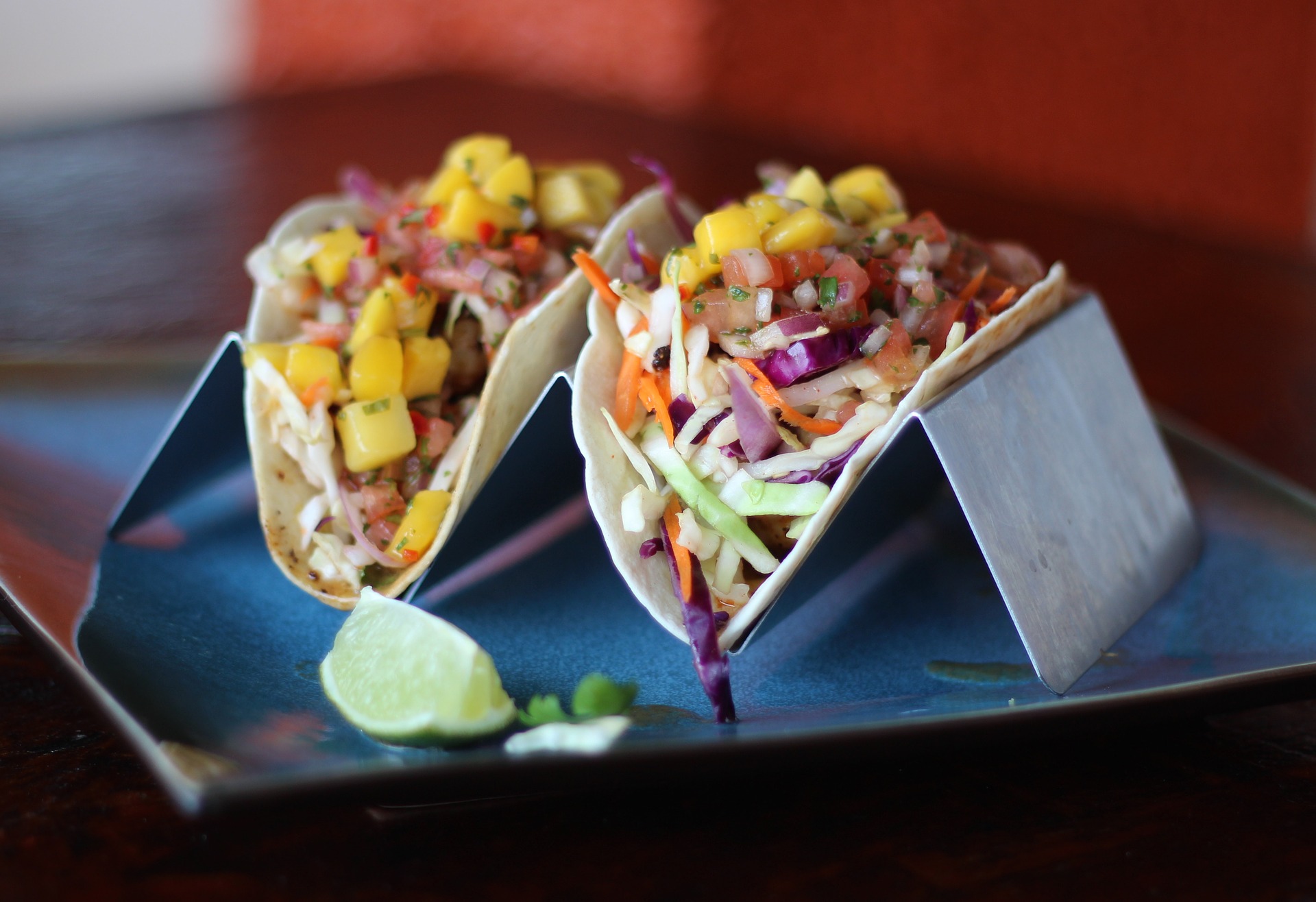
Prepare a quick and delicious meal with this classic fish taco recipe. Ingredients Fish: 1 pound cod, tilapia, halibut, or other white fish filets 2-3 teaspoons chili powder, enough to coat the fish 1 teaspoon salt Fish Taco Sauce: 1/2 cup sour cream 1/4 cup mayonnaise 3-4 tablespoons lime juice (from 2 limes) 1 teaspoon hot sauce, optional Toppings: 1/2 small head red cabbage, shredded (about 4 cups) 12 taco-sized corn or flour tortillas 1 avocado, sliced 4 radishes, thinly sliced 4 spring onions, thinly sliced 1/3 cup roughly chopped cilantro Directions Make the fish taco sauce: In a small bowl, combine the sour cream, mayonnaise, lime juice, and hot sauce (if using) for the taco sauce. Stir until combined. Make the red cabbage slaw: In a medium bowl, combine the shredded cabbage with 3 tablespoons of the taco sauce. Stir to coat and add more taco sauce if you like. (The cabbage shouldn’t be dripping with sauce; aim for a very thin coating.) Warm the tortillas: In a dry skillet over medium-high heat, warm the tortillas one at a time for about 30 seconds on both sides. Alternatively, wrap 1 to 3 tortillas in a damp paper towel and microwave for 30 seconds, until warm. Keep warmed tortillas wrapped in a clean dish towel while you make the fish. Season the fish: Sprinkle the fish on both sides with chili powder and salt. Gently rub in the seasonings with your fingers to make sure the fish is entirely coated. Cook the fish: Warm a large cast iron or nonstick skillet on the stovetop. When hot, add one tablespoon of olive oil and tilt the pan to entirely coat the bottom.Add the fish to the pan and cook for 2 minutes. Flip the fish and cook another 2 minutes. Flip and cook 1-2 minutes longer if needed; the fish is done when it is opaque all the way through and breaks apart easily. If any smaller, thinner pieces of the fish start to break off as you flip, just scoop them out and transfer them to a serving platter. Serve the tacos: Transfer the cooked fillets to a platter and use a fork or a knife to gently break the fish into large chunks. Assemble the tacos with a few pieces of fish, some cabbage slaw, toppings of your choice, and a drizzle of taco sauce. Sources: Simply Recipes

How Frequently Should You Use Your Dishwasher

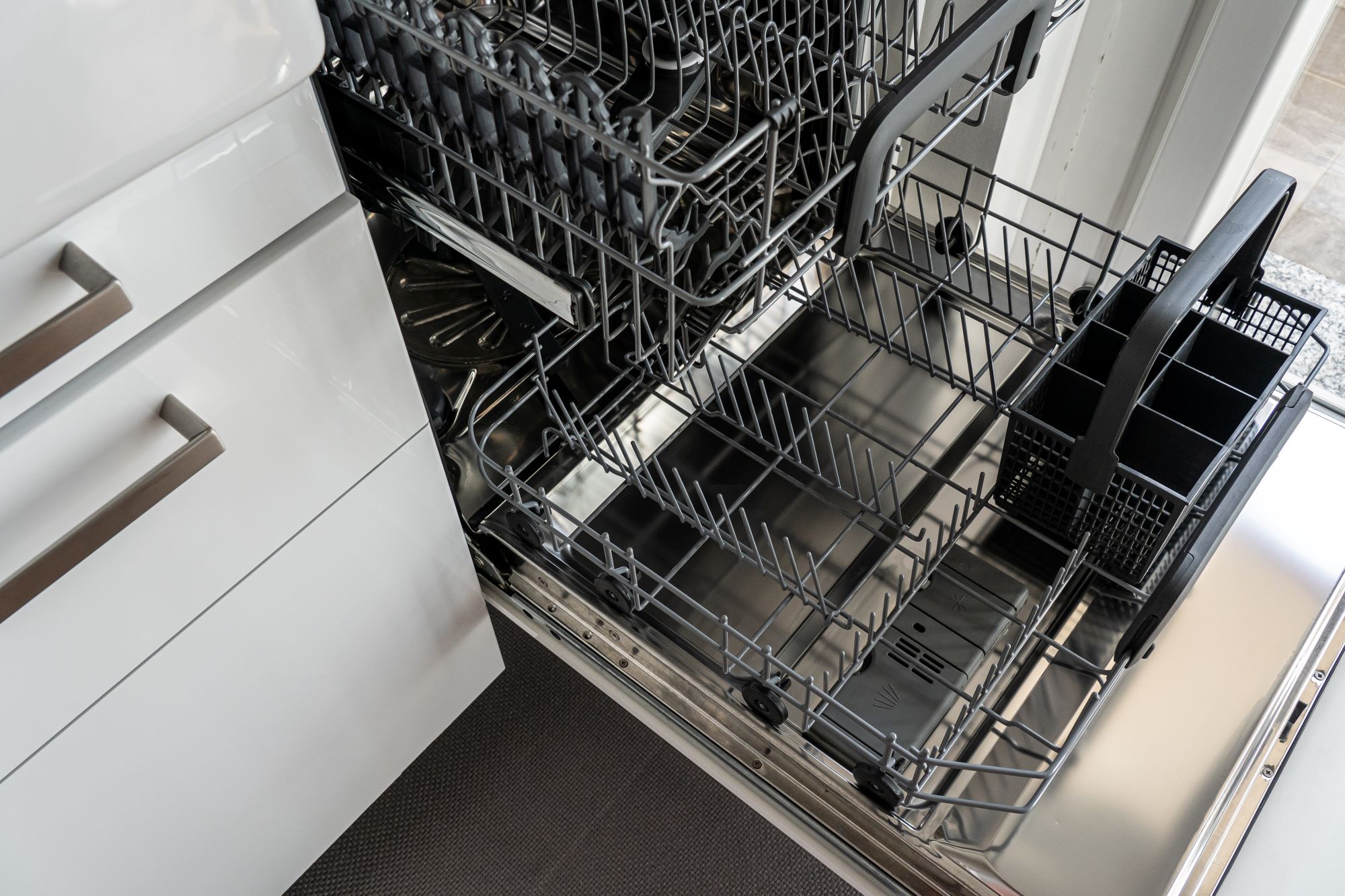
Contrary to popular belief, dishwashers are designed to be more efficient than hand-washing dishes. On average a person uses four gallons of water every two minutes washing at the sink where dishwashers use less than four gallons per cycle. In the long run a dishwasher could be more beneficial not only to your water bill but the environment. But there remains the question of how frequent a dishwasher should be used. On average, the number of dishwasher cycles per week in a household is about five. Surpassing this number could increase the need for repairs or a replacement in the long run. A typical dishwasher will last about 10 years. If you can cut down your cycles fewer than five per week your dishwasher could last 12 years or more. While running a dishwasher everyday of the week may not be best for the longevity of the appliance, it could be more efficient for water use and the environment. Source: Apartment Therapy

Onion-Herb Focaccia Recipe

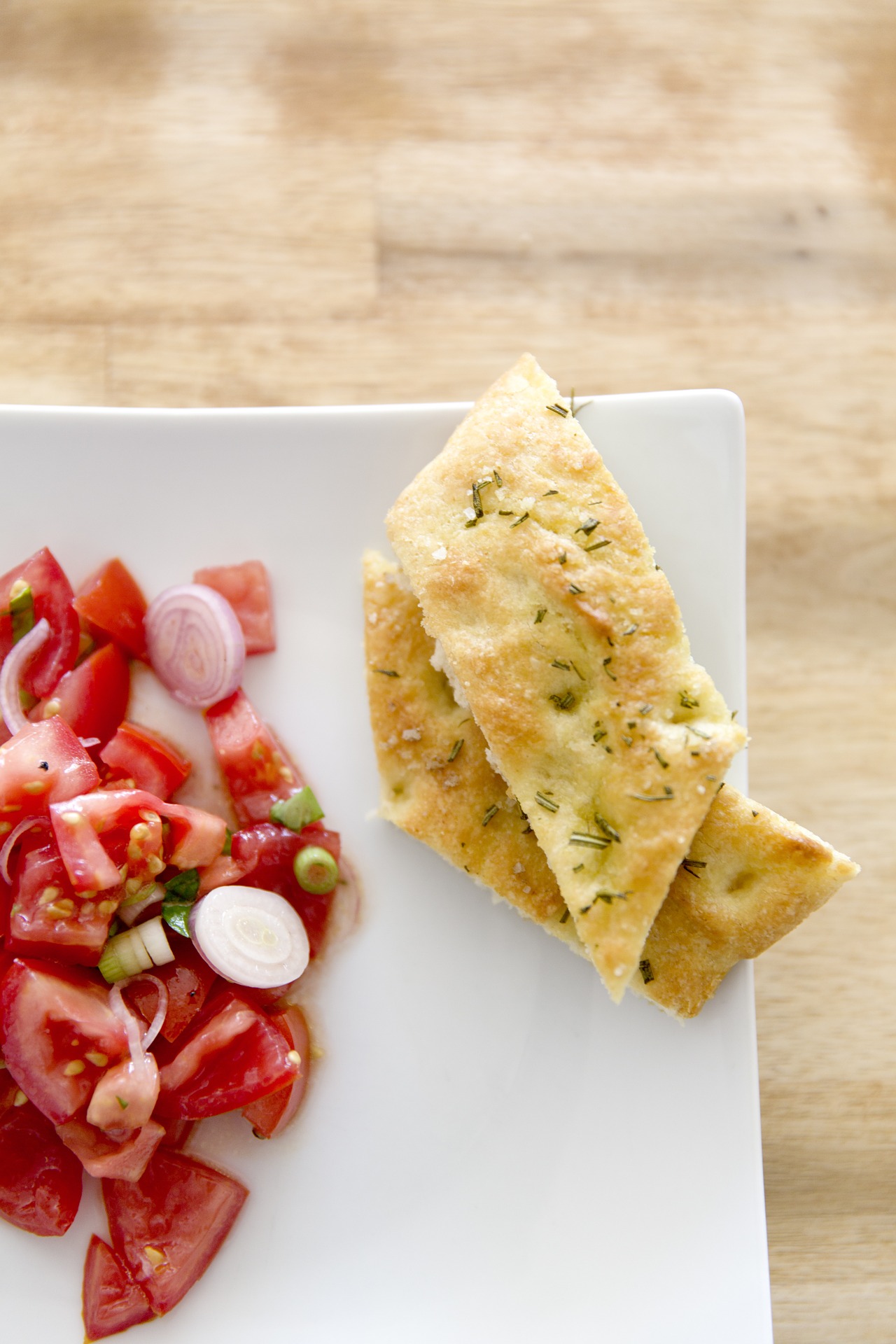
Focaccia can be a simple yet delicious side dish with various toppings. Try this onion herb recipe for a beautiful snack with just the right amount of flavor. Serve it as a compliment to your main entrée or even as a sandwich bread. Ingredients: 1 lb pizza dough ¼ cup olive oil 2 tablespoons chopped rosemary/oregano ½ teaspoon red pepper flakes Salt Directions: On a floured surface, roll out 1 pound refrigerated pizza dough into a 10-by-15-inch rectangle; press into an oiled rimmed baking sheet. Mix 1/4 cup olive oil, 2 tablespoons chopped rosemary and/or oregano, 1/2 teaspoon red pepper flakes and a big pinch of sea salt. Brush half of the herb oil over the dough, then set aside until puffy, about 1 hour. Make dimples in the dough with your fingers and top with thin onion slices and shaved parmesan. Bake at 400 until golden, about 20 minutes. Brush with the remaining herb oil. Source: Food Network

Brown Sugar Cookie Recipe

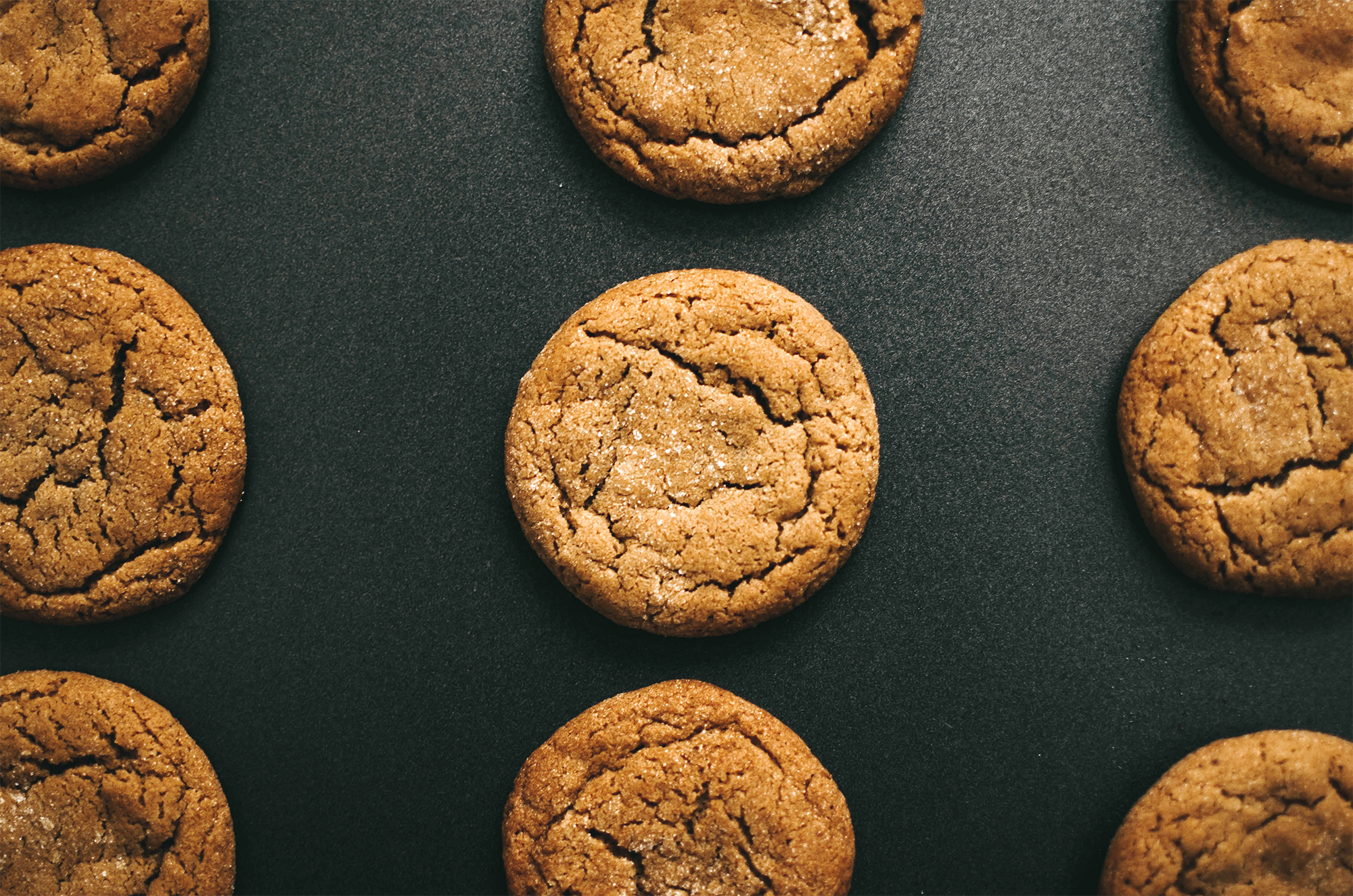
These brown sugar cookies are sure to crank up the flavor with dark brown sugar and a touch of molasses. Try this recipe for delicious cookies rich in flavor the whole family will love. Ingredients: 2 ½ cups plus 1 tablespoon all-purpose flour ¾ teaspoon baking soda ¾ teaspoon fine salt 1 cup (2 sticks) unsalted butter, at room temperature 1 ¾ cups dark brown sugar 1 teaspoon molasses (not blackstrap) 1 large egg 1 large yolk 2 teaspoons pure vanilla extract ½ cup granulated sugar, for rolling Instructions: Adjust an oven rack to the middle of the oven. Preheat the oven to 350°F. Line three sheet pans with parchment paper. (If you don’t have 3 baking sheets, you can reuse the parchment and baking sheets, just let the sheets cool off between each round.) In a medium bowl, combine the flour, baking soda, and salt. In the bowl of a stand mixer fitted with a paddle, beat the butter on medium speed until creamy, about 1 minute. Add the brown sugar and the molasses and beat on medium speed until light and fluffy, 2 to 3 minutes. Add the egg, yolk, and vanilla, and beat on medium speed until combined. Add the flour mixture and beat on low speed until just combined. Place the granulated sugar in a medium bowl. Form the cookies into 1 1/2-ounce balls (2 tablespoons). Roll each ball in the sugar and place 8 cookies on each sheet pan. Bake one pan at a time, rotating halfway through baking. Bake until the sides are set and the bottoms are light golden brown, 10 to 11 minutes. Transfer the sheet pan to a wire rack and let the cookies cool for 5 to 10 minutes on the pan, then remove them and let them cool completely on the wire rack. Source: the Kitchn

How to Cook Bacon in the Oven for the Perfect Crisp

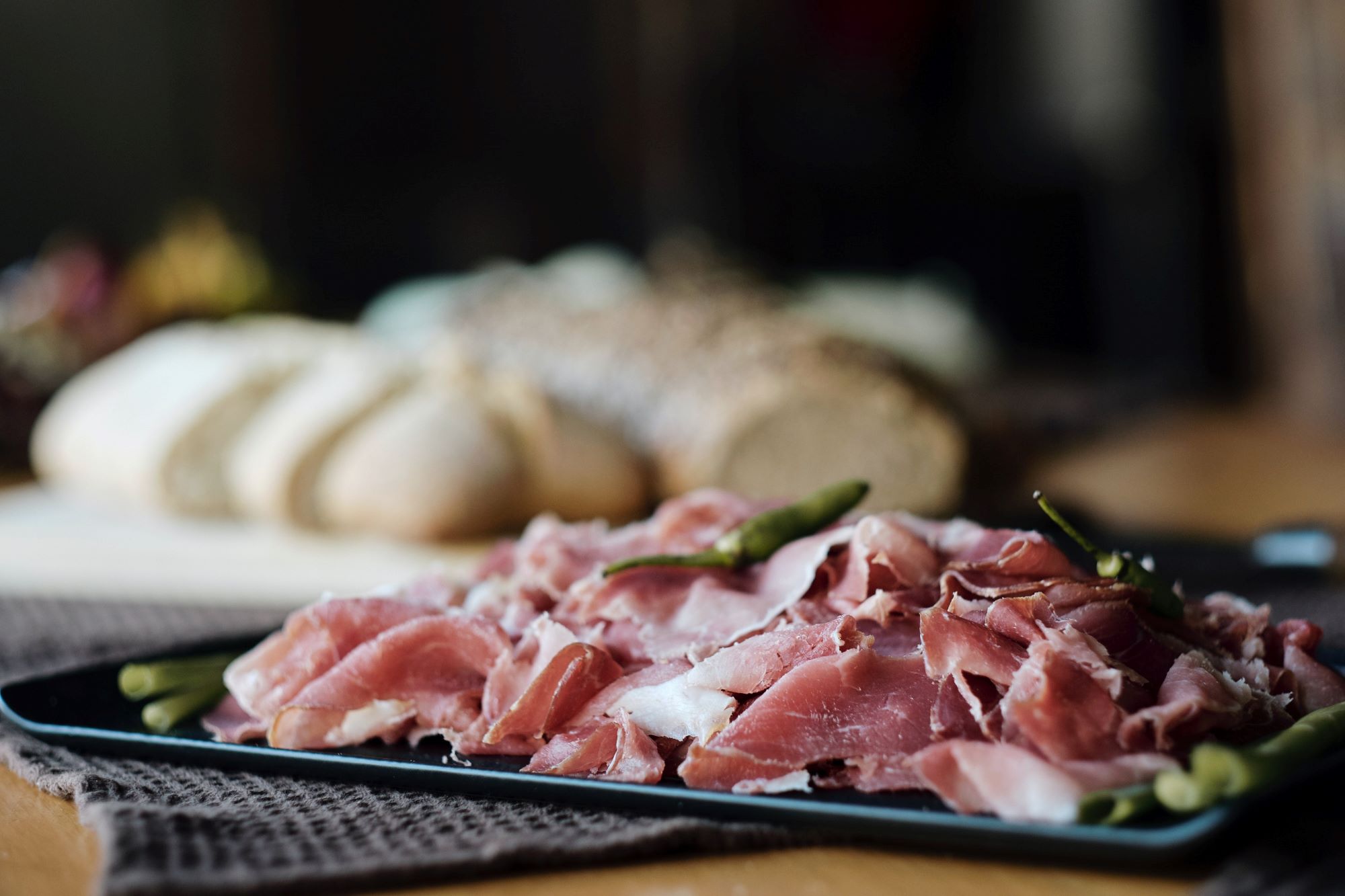
Cooking bacon in an oven has its perks. There’s no oil splatter on your stovetop and you get to cook a full batch evenly at the same time. Here’s how to do it. Tools You’ll Need: 1 lb package of bacon Metal sheet pan Paper towels Step 1: Arrange the bacon on a baking sheet. Overlap the lean edge of each slice with the fat edge of the next one. Step 2: Preheat your oven to 400F. Place the pan in the uppermost rack to bake. After 12 minutes have passed, move the pan to the lower rack for an additional 12 to 13 minutes until the slices are golden brown and crispy. Step 3: Remove the pan and let cool slightly. Place two to three paper towels on a plate. Move the strips from the sheet to the paper towels and let the excess grease soak in the towels. You can also blot the top with another towel. Enjoy! Sources: Good Housekeeping

How to Grill the Perfect Juicy Burger

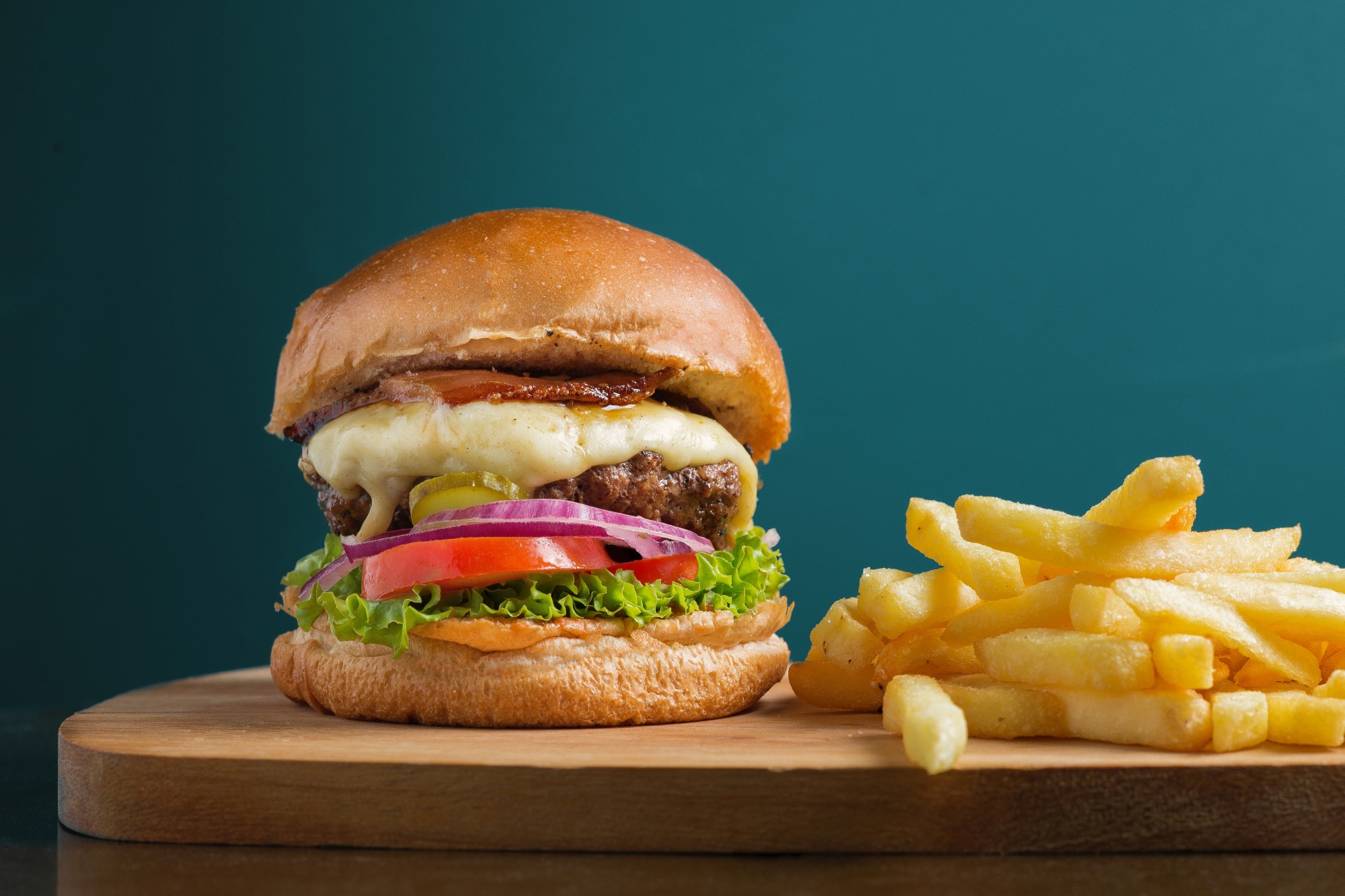
No need to worry about overcooking another burger with this guide. A juicy burger with layers of cheese and perfect condiments is the perfect way to bring in the New Year. Here’s everything you need to know to master the grill. Temperature. Burgers need to be cooked at just the right temperature. If the heat is too high you could end up with a dry and burnt burger. Too low of a temperature and you’ll end up with a placid and rubbery patty. The sweet spot for grilling burgers is 375F to 400F, for most grills this is medium-high heat. If you’re using charcoals you want to fill the grill with two to three quarts in an even layer. Place the burgers directly over the heat source instead of indirectly cooking them. Time. Burgers at the right temperature need just the right amount of time to get the desired patty. The FDA recommends beef to be cooked to an internal temperature of 160F for safety but if you prefer medium-rare and know the beef source, you can remove it at 145F. Medium-rare (red in the middle): 3 minutes each side Medium (pink in the middle): 3 to 4 minutes each side Medium-well (a bit of pink in the middle): 4 minutes each side Well-done (no pink): 5 minutes each side Source: the Kitchn

Hello 2021

2020 it’s been real. Truly an unforgettable year with obstacles for many of us. While it may be easy to say goodbye to the year, we should take the time to recognize all there is to be grateful for. If anything, this year has taught us how we may take simple moments like having coffee with a friend or going to a birthday party for granted. We welcome in the New Year of 2021 and the possibilities ahead. Thank you for this community we have built together and here’s to 2021.

3 Sweet Corn Recipes

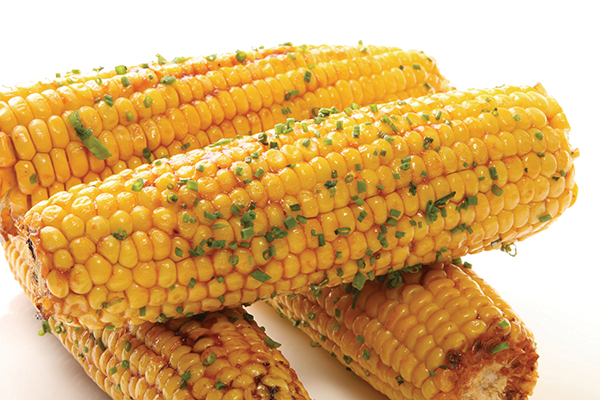
Sweet corn may be enjoyed on the side but you can use it many different ways. Try these three delicious recipes, courtesy of Culinary. Sweet Corn with Southern BBQ Butter Yield: 4 servings 1/4 cup of your favorite barbecue sauce (sweet, spicy, etc.) 1/4 stick butter 4 ears fresh Florida sweet corn, shucked Kosher salt and fresh ground pepper Chives, for garnish Preheat oven broiler on high. Add barbecue sauce and butter to small saucepan. Stir over low heat until melted and smooth. Season corn lightly with salt and pepper. Place sweet corn in a medium-sized baking dish and pour barbecue mixture over sweet corn. Broil 4 inches from broiler, being sure to watch the whole time. Turn and baste for 6 to 8 minutes, or until golden. Garnish with chives. Serve warm. Top with some of these combinations: Garlic and basil butter Cilantro, lime and honey Parmesan and pesto sauce Cinnamon, sugar and butter Sweet Corn and Black Bean Enchiladas Yield: 6 to 8 servings 1 tablespoon vegetable oil 1/2 cup onion, chopped 1 cup fresh Florida sweet corn kernels 2 bell peppers, diced 1 teaspoon ground cumin 1 cup salsa 1 can low sodium black beans, rinsed and drained Kosher salt and freshly ground pepper 10 6-inch corn tortillas 2 cups shredded Monterey Jack cheese, divided 1 8-ounce can enchilada sauce Preheat oven to 350°F. Lightly spray an 11 x 7-inch (2-quart) baking dish with pan release cooking spray. Add vegetable oil to a medium pan. Cook onion, corn and bell peppers over medium high heat for 3 minutes. Add cumin, salsa and black beans, and continue to cook for two minutes, stirring occasionally. Season with salt and pepper to taste. Remove pan from heat and let cool slightly. Place an even amount of the filling mixture in each tortilla. Using 1 cup shredded cheese, evenly distribute it on top of each tortilla. Carefully roll up each tortilla, and place seam side down in sprayed baking dish. Pour enchilada sauce over rolled enchiladas, spreading to coat all tortillas. Sprinkle with remaining 1 cup cheese. Bake 25 to 30 minutes or until cheese is melted and sauce is bubbly around edges. Remove from oven and let cool slightly. Serve with diced avocado, salsa and sour cream, if desired. Sweet Corn and Ricotta Fritters Yield: 4 to 6 servings 2 ears fresh Florida sweet corn, kernels removed 1/2 bunch fresh cilantro, chopped fine 4 ounces low-fat ricotta cheese 2 large eggs, beaten 1/3 cup self-rising unbleached or whole-wheat flour Kosher salt and fresh ground pepper Olive oil (for shallow pan frying) In medium-sized bowl, combine corn, cilantro, ricotta, eggs, flour and a pinch of salt and pepper. Add a small amount of olive oil to a medium-high preheated sauté pan. Carefully add spoonfuls of corn mixture to hot pan. Cook on both sides until golden brown. Test the first done fritter, and adjust seasoning with salt and pepper. Serve with low-fat sour cream if desired. Sources: Culinary.net

The Oven Shopping Guide

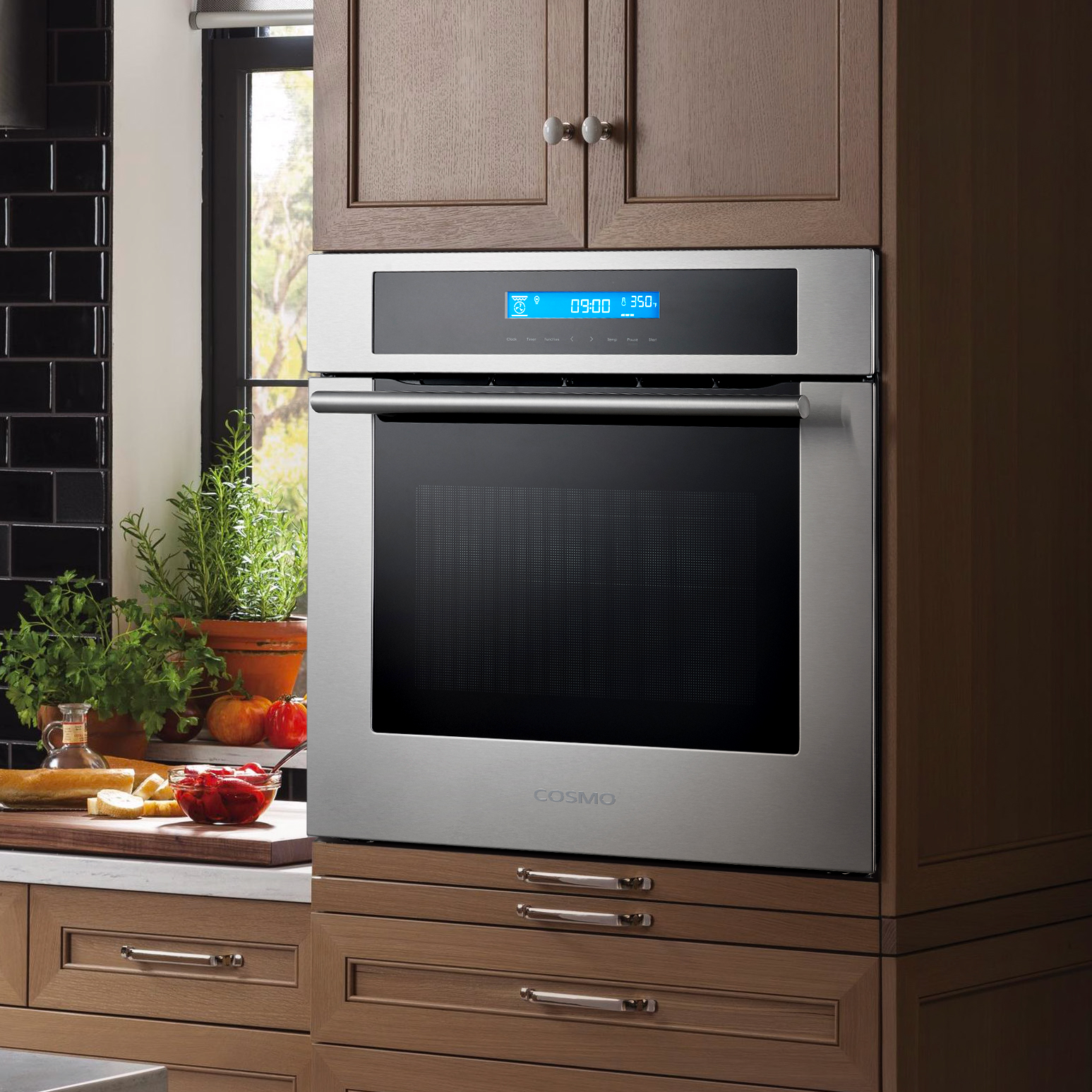
A wall oven is a great alternative to a standard range oven. These ovens make it easier to place and remove heavy food items. Here’s everything you should know if you find yourself in the market for a wall oven. Price. The price of a wall oven can vary anywhere from $700 on an entry-level oven to $3,500 or more for a double wall oven with convection heating. Size. Wall ovens come in a standard width of 24, 27 and 30 inches. On average a wall oven is going to be smaller in capacity compared to a range oven. A double oven helps overcome this limitation at a higher price tag. If you find yourself under a tighter budget needing more space, be sure to look at the oven’s maximum interior space. Convection. Wall ovens will be predominantly electric. One of the deciding factors is if you want your oven to be standard or convection. A convection oven will have an internal fan to circulate hot air throughout the oven. This will reduce cook times and give a more even heat distribution. Higher-end models will have something called true convection. This also has a fan inside but with an additional heating element. Features. Bigger viewing windows and brighter interior lighting will drive up pricing. Some ovens can contain a temperature probe to alert when food has been cooked properly. Full extension racks can aid in moving dishes easily in and out of the oven. Wall ovens can also have cooking features such as delayed bake to start at specified times. Sabbath modes override safety mechanisms that normally shut off ovens after a certain time. These kinds of features will be found in ovens that range from $900 to $1,200. See our complete line of wall ovens here. Sources: HGTV