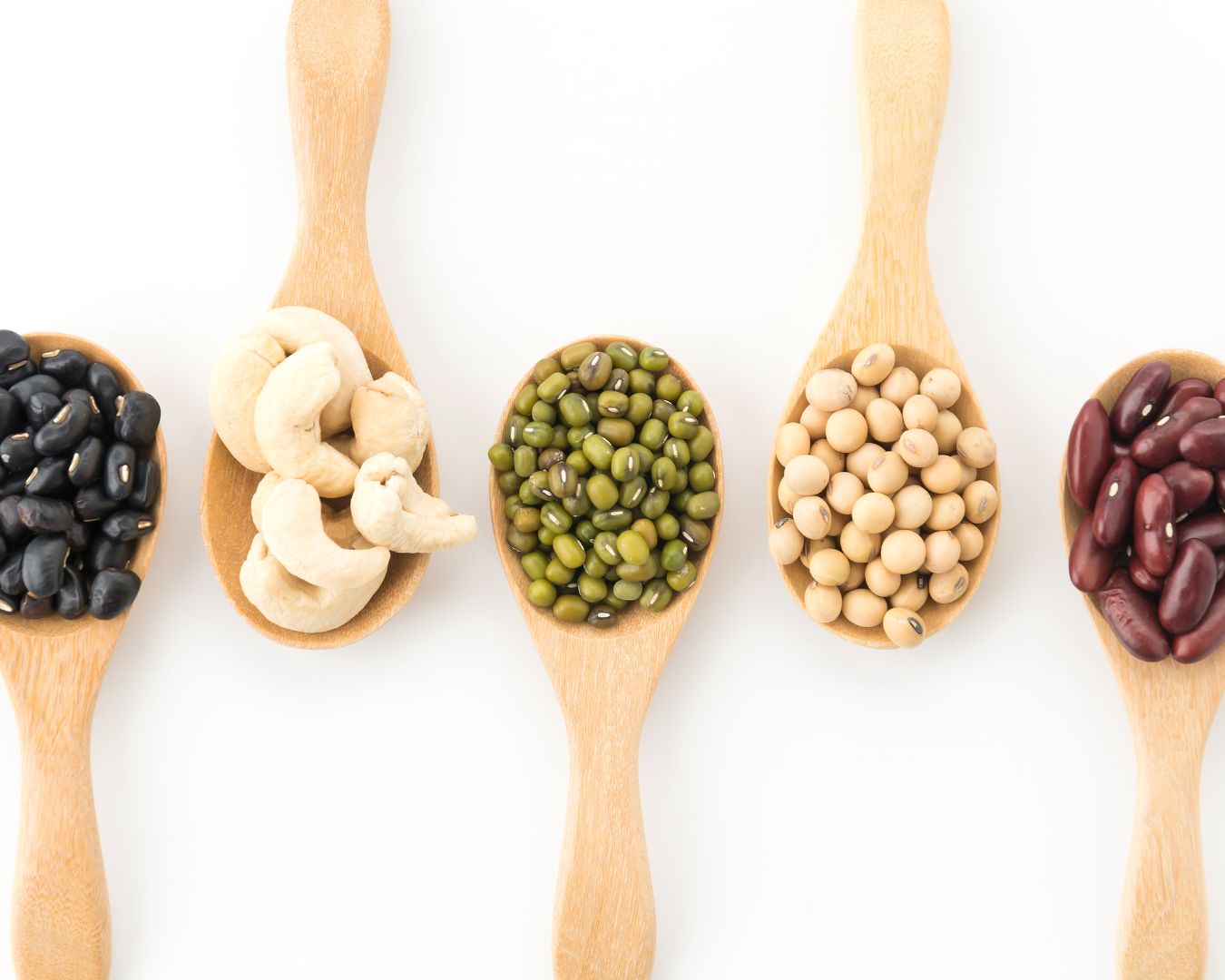
Beans and lentils are nutritional powerhouses, offering a variety of health benefits that make them essential components of a balanced diet. Packed with protein, fiber, vitamins, and minerals, these legumes are versatile, affordable, and accessible for people following various dietary patterns, including plant-based diets. In this blog post, we’ll explore the nutritional benefits of different types of beans and lentils and why you should incorporate them into your meals. Black Beans Nutritional Profile: Health Benefits: Black beans are an excellent source of plant-based protein and fiber, making them a great choice for those looking to maintain a healthy weight and support digestion. The high fiber content promotes gut health and helps regulate blood sugar levels. Additionally, the folate in black beans supports heart health, while magnesium aids in muscle function and overall energy production. Chickpeas (Garbanzo Beans) Nutritional Profile: Health Benefits: Chickpeas are a versatile legume that can be used in a variety of dishes, from hummus to stews. They are rich in protein and fiber, which help keep you feeling full and satisfied. Chickpeas are also a good source of iron, which is essential for oxygen transport in the blood, and manganese, which plays a role in bone health and metabolism. Lentils (Green, Red, Brown) Nutritional Profile: Health Benefits: Lentils are one of the most nutrient-dense legumes available. They are particularly high in protein and fiber, making them an excellent choice for vegetarians and vegans. Lentils are also rich in folate, which is crucial for DNA synthesis and repair, and iron, which is important for preventing anemia. The magnesium and potassium in lentils help regulate blood pressure and support cardiovascular health. Kidney Beans Nutritional Profile: Health Benefits: Kidney beans are known for their distinctive shape and rich, hearty flavor. They are packed with protein and fiber, which aid in digestion and help maintain stable blood sugar levels. The folate and iron in kidney beans support healthy blood production, while copper and manganese are important for antioxidant defenses and energy metabolism. Pinto Beans Nutritional Profile: Health Benefits: Pinto beans are a staple in many traditional dishes, such as refried beans and chili. They are rich in protein and fiber, which promote satiety and digestive health. Pinto beans are also a good source of folate, iron, and vitamin B6, all of which are essential for brain function and the production of neurotransmitters. Additionally, the magnesium in pinto beans helps regulate nerve and muscle function. Navy Beans Nutritional Profile: Health Benefits: Navy beans, also known as haricot beans, are small, white beans that are often used in soups and stews. They are one of the best sources of dietary fiber, which is crucial for maintaining a healthy digestive system and preventing constipation. Navy beans are also high in folate, which supports heart health, and potassium, which helps regulate blood pressure. Red Lentils Nutritional Profile: Health Benefits: Red lentils cook quickly and have a slightly sweet, nutty flavor. They are a fantastic source of protein and fiber, making them ideal for soups, stews, and curries. Red lentils are also rich in folate and iron, supporting healthy blood formation and energy levels. Additionally, they contain phosphorus, which is essential for bone health, and zinc, which plays a role in immune function. Adzuki Beans Nutritional Profile: Health Benefits: Adzuki beans are small, reddish-brown beans commonly used in Asian cuisine. They are high in protein and fiber, which contribute to satiety and digestive health. Adzuki beans are also rich in folate and iron, supporting red blood cell production and energy levels. The potassium in adzuki beans helps maintain healthy blood pressure, while magnesium supports overall heart health. Beans and lentils are incredibly nutritious and offer a wide range of health benefits. Whether you’re looking to increase your protein intake, boost your fiber consumption, or support heart health, incorporating a variety of beans and lentils into your diet is a smart choice. These versatile legumes can be used in countless recipes, making it easy to enjoy their nutritional benefits regularly. So next time you’re planning a meal, consider adding a serving of beans or lentils to nourish your body and delight your taste buds.