dinner ideas

Ahi Shoyu Poke for Poke Day, With Crisp Wonton Chips and Perfect Sushi Rice

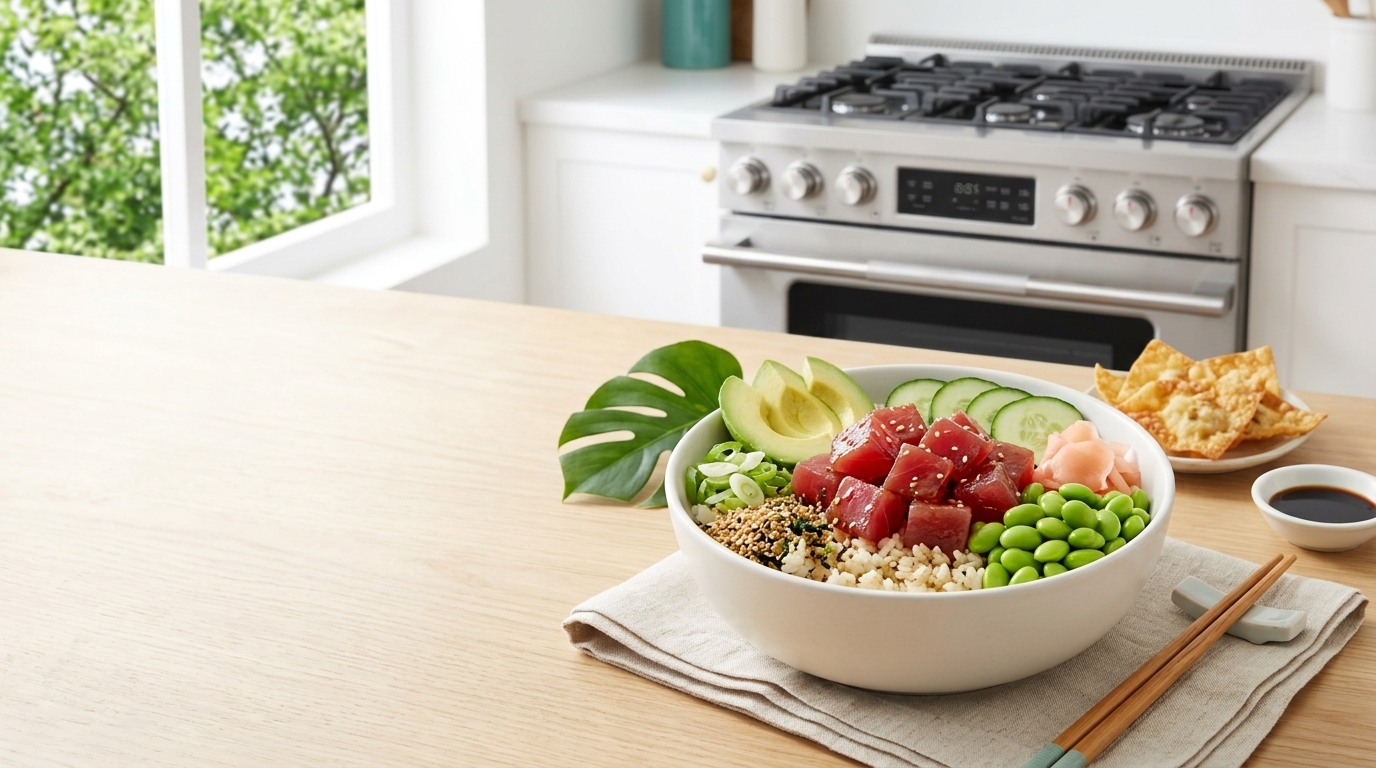
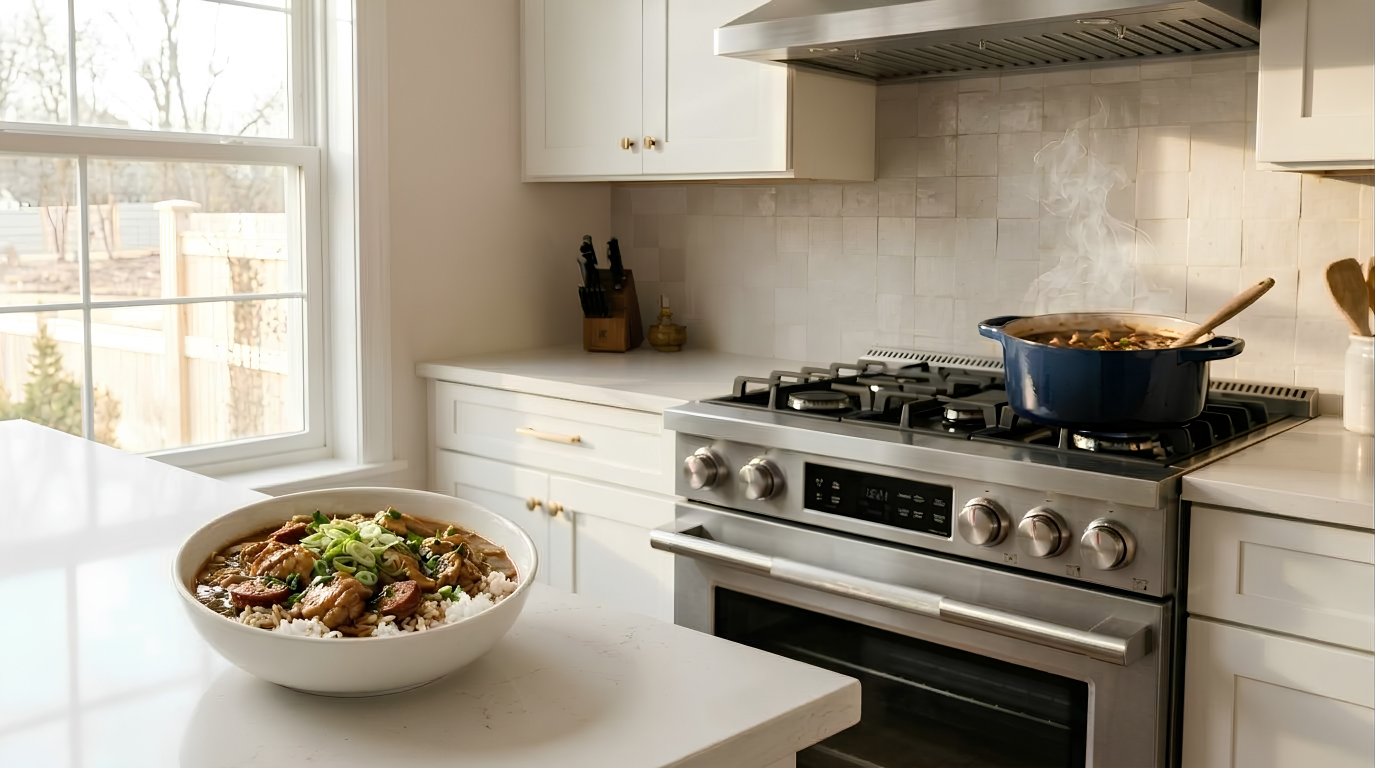
Poke, pronounced poh-KAY, comes from the Hawaiian verb meaning to slice or cut crosswise into pieces, and the dish it names is one of the oldest and most enduring foods of the islands. Long before Western contact, Native Hawaiian fishermen cut freshly caught reef fish into bite-sized pieces and seasoned them simply with coarse sea salt, limu (edible seaweed), and inamona, a paste of roasted and crushed kukui nut. Octopus and skipjack tuna, known locally as aku, were among the traditional choices, and the preparation was as much about respect for the catch as it was about flavor. Nothing was hidden, and nothing was wasted. The dish changed as Hawaii did. Japanese, Chinese, Korean, and Filipino laborers who arrived to work the plantations from the late nineteenth century onward brought soy sauce, sesame oil, and green onion, and over the decades those ingredients became so embedded that shoyu poke now reads as the classic version. Yellowfin ahi eventually became the fish of choice. Today poke is sold by the pound at island grocery counters, packed into plastic containers for beach days, and set out at family gatherings, birthdays, and graduations, where it functions as a symbol of hospitality and community. In the last decade it traveled far beyond Hawaii, first to West Coast poke shops and then to menus and home kitchens across the country. The Recipe for Ahi Shoyu Poke Bowls Every September 28, Poke Day gives home cooks a reason to try it themselves, and the dish is far more approachable than its restaurant reputation suggests. This version keeps the traditional soul of shoyu poke, then builds a complete meal around it with seasoned sushi rice and crisp wonton chips. Cosmo’s kitchen blog already has a salmon and avocado version if you prefer that direction. This recipe leans toward the classic ahi approach and makes four servings. For the poke For the rice and chips For serving Method Buying and Handling Raw Fish Safely Because poke is served raw, the fish matters more than any other ingredient. Buy from a fishmonger you trust and ask specifically for tuna intended to be eaten raw. Look for a deep, translucent red color with a clean, briny smell, and avoid anything dull, brown, or fishy. Keep it on ice on the way home, store it in the coldest part of the refrigerator, and use it the same day. The same principle behind The Ingredients You’re Storing Wrong applies here. Raw fish is also not recommended for pregnant women, young children, older adults, or anyone with a weakened immune system. Timing also matters for the rest of the meal. Rice and wonton chips can be made an hour or two ahead, and the toppings can be prepped in the morning, so the only last-minute task is dressing the fish. Set out the components buffet style and let guests build their own bowls, which suits a group with different tastes, and offer extra soy sauce, chili flakes, and lime wedges on the side. If serving raw fish is not right for your table, sear the tuna instead. Season a thick steak with salt and pepper, sear it for 60 to 90 seconds per side in a very hot skillet, slice it, and serve it over the same rice with the same toppings and dressing. The Range Behind the Bowl Poke itself needs no heat, but nearly everything around it does, and that is where a capable range earns its place. Cosmo’s COS-RGS366SS, a 36-inch gas range from the Stellar Collection, handles each supporting task in this recipe. Sushi rice depends on gentle, steady heat, and this range’s six burners span a wide output. A 3,500 BTU simmer burner holds a covered pot at the low, even temperature that keeps rice from scorching on the bottom. If you choose the seared ahi variation, the 22,000 BTU high-output burner on heavy-duty cast iron grates delivers the intense heat a cast iron skillet needs to sear a tuna steak in about a minute per side, leaving the center cool and rare. That range of control, from a whisper to a roar on the same cooktop, is hard to fake. The oven side is just as useful. The range’s 6.1 cubic foot convection oven includes an air fry function with a dedicated tray, which is a natural fit for wonton chips. Circulating hot air crisps thin wrappers evenly in minutes, using a fraction of the oil of a deep fryer and without dragging a countertop air fryer out of storage. The same function can crisp shallots or thin-sliced sweet potato as alternative toppings. The oven’s rack positions and the range’s storage drawer keep sheet pans within reach, and the digital touch controls, clock, and timer make it easy to time the chips against the rest of the prep. Front-mounted metal knobs handle the burners, so adjusting the flame is simple even with wet hands after rinsing rice. There is a practical benefit to working this way, too. A meal that involves raw fish, rice, and a crisp element can easily turn into a juggling act, with several dishes needing attention at different moments. Having the burners and the oven both up to the job means the rice can rest on the stovetop while the chips finish in the oven, and nothing has to wait its turn in a separate appliance. It keeps a weeknight version of the dish realistic, and it scales comfortably when the guest list grows for a weekend gathering. Cleanup is straightforward too. The steam clean function loosens splatters with heat and moisture, and the brushed stainless steel finish fits into nearly any kitchen. For a fuller look at what the range can do through the roasting season, see First Day of Fall. A Simple Way to Celebrate Poke rewards good ingredients, a sharp knife, and restraint. Season it lightly, serve it cold over warm rice, and let the fish speak for itself. For households that want the whole meal, the rice, the

National Beef Stroganoff Day: The Dish That Lives or Dies on What Happens After the Sour Cream Goes In

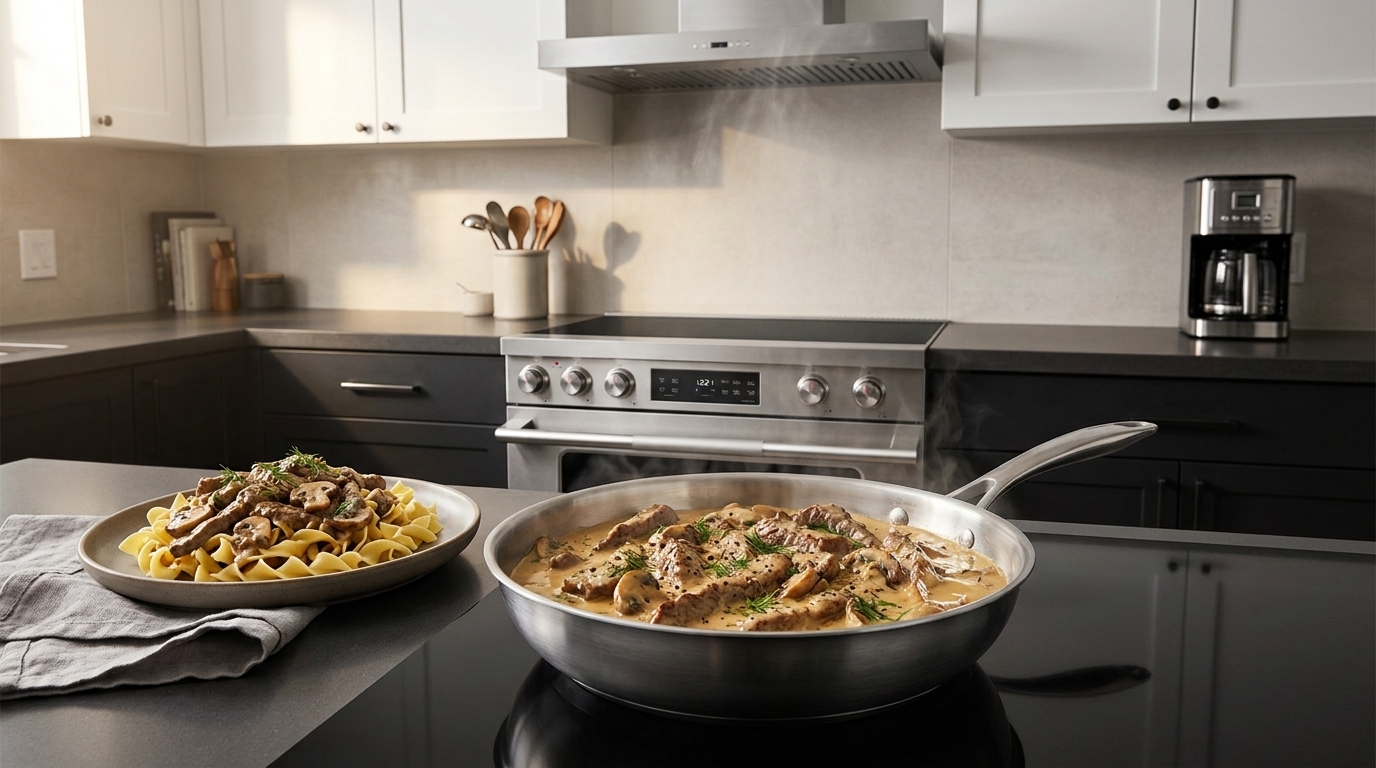
Most food holidays celebrate something a home cook already makes without thinking twice about it. National Beef Stroganoff Day, observed on September 21st, is a little different. Stroganoff is a dish nearly every American household recognizes by name, tender beef and mushrooms in a rich, tangy cream sauce over egg noodles, but one that fewer households actually make from scratch than the recipe’s popularity would suggest. Part of that gap comes down to a single, easy-to-miss detail in the technique: stroganoff’s sauce is built on sour cream, and sour cream does not behave the same way heavy cream or a basic pan sauce does once it hits real heat. Get that one step wrong, and a dish built around silky, tangy richness turns grainy and broken. Get it right, and stroganoff earns every bit of the reputation that has kept it on American dinner tables for more than a century. A Russian Import With an American Second Life Beef stroganoff traces back to 19th-century Russia, most commonly credited to the kitchens associated with the Stroganov family, though the exact origin story has always been more folklore than documented fact. The dish that reached America by the mid-20th century, strips of beef sautéed with onions and mushrooms, finished in a sour cream sauce, was already a departure from the earlier Russian versions, which sometimes used a mustard-forward sauce rather than the cream-based one that eventually became standard. What stuck, and what turned stroganoff into a fixture of mid-century American cookbooks, was the combination of an approachable ingredient list with a genuinely elegant result. It read as special-occasion food while using cuts of beef and pantry staples most households already had on hand, which is exactly why it became a Cold War-era dinner party favorite and, not long after, a weeknight regular served over egg noodles instead of rice. That dual identity, humble ingredients producing a dish that tastes considerably more refined than its grocery list suggests, is still the best argument for making stroganoff at home rather than ordering something similar at a restaurant. Good beef stroganoff is not an expensive dish. It is a technique-dependent one, and the technique is almost entirely about heat management rather than any hard-to-source ingredient or complicated multi-day process. Where Most Home Versions Go Wrong Ask any experienced home cook why their stroganoff came out grainy or thin instead of silky, and the answer nearly always traces back to the same mistake: the sour cream went into a pan that was too hot, or it sat over heat too long after being stirred in. Sour cream is a cultured dairy product with a relatively low tolerance for high heat. Push it past a gentle simmer, and the proteins that give it that smooth, tangy body start to separate, curdling into small white flecks suspended in a thin, broken liquid instead of melting seamlessly into the pan sauce. Once that happens, there is no fixing it. The dish is still edible, but it has lost the texture that makes stroganoff worth making in the first place. This is why so many stroganoff recipes read like a warning label by the time they get to the final step: remove the pan from heat, or reduce to the lowest possible setting, before the sour cream goes in, and never let the sauce come back to a boil afterward. That instruction is easy to write and considerably harder to execute on a standard stovetop, where the gap between a gentle simmer and a rolling boil on a single burner setting can be narrower than most home cooks expect, especially on a gas burner where visual flame height does not always correlate cleanly to the actual heat reaching the pan. A cook distracted for even a minute, stirring noodles or plating a side dish, can come back to a sauce that has quietly slipped past the point of no return. Precise, Instant Heat Changes the Outcome This is exactly the kind of failure point that a genuinely responsive cooktop is built to eliminate, and it is the strongest practical argument for cooking stroganoff on induction rather than gas or a standard electric coil. Cosmo’s COS-RIS365SS, a 36-inch freestanding induction range, gives a home cook direct, immediate control over the exact moment the sauce needs to drop from an active simmer to a bare, sauce-holding warmth. Because induction heats a pan by generating a magnetic field directly in the cookware itself rather than heating the air and the burner surface first, adjusting the dial changes the temperature at the food almost instantly, without the lag of a gas flame slowly settling to a new height or an electric coil taking a minute or two to cool from its previous setting. For a sauce with a narrow safe zone like stroganoff’s, that responsiveness is the difference between a sauce that stays exactly where it needs to be and one that overshoots by the time a cook notices and reacts. The range’s burner lineup backs up that precision with real range, not just fine control at the low end. Its five induction elements include one 2,500-watt burner and two 1,600-watt burners alongside two 1,200-watt units, enough output to properly sear beef strips over high, dry heat before the sauce stage ever begins, a step that matters as much to the finished dish as the sour cream technique does. Beef that goes into a crowded, lukewarm pan steams instead of browning, and stroganoff without a real sear on the beef loses much of the savory depth that makes the finished sauce worth building around. Getting both ends of that range, a hard sear early and a controlled, gentle finish later, out of the same burner without swapping pans or waiting on a cooktop to catch up is a genuine advantage for a dish built entirely around two very different heat requirements happening ten minutes apart. The range’s 6.1 cubic foot convection oven and included storage drawer round out a kitchen setup built for

Simplify Your Baking Cleanup: Use a Silicone Baking Mat or Parchment Paper

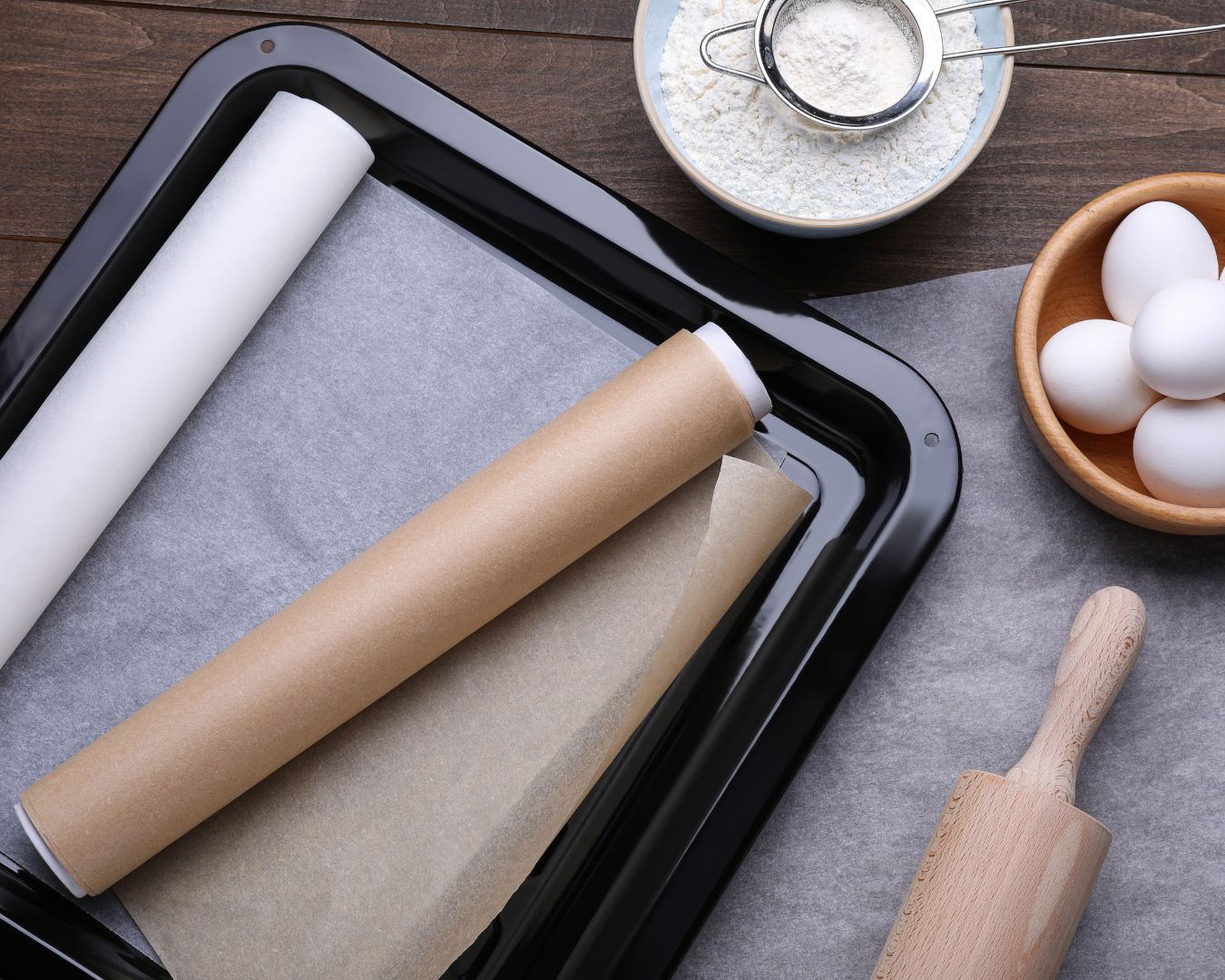
Baking is a beloved kitchen activity, bringing joy with every batch of cookies, cakes, and pastries. However, the aftermath can be less enjoyable when you’re left scrubbing stuck-on residue from your baking sheets. Fortunately, there’s a simple solution to this common problem: using silicone baking mats or parchment paper. These kitchen tools not only ensure a mess-free cleanup but also improve your baking results. Here’s why and how you should incorporate them into your baking routine. Benefits of Using Silicone Baking Mats 1. Easy Cleanup Silicone baking mats create a non-stick surface, preventing your baked goods from sticking to the pan. This means no more scrubbing off burnt bits or dealing with stuck-on dough. After baking, simply wipe the mat clean or pop it in the dishwasher. 2. Reusable and Eco-Friendly Unlike single-use parchment paper, silicone mats are reusable. This makes them an environmentally friendly option that reduces waste. A quality silicone mat can last for years, making it a worthwhile investment for any kitchen. 3. Even Heat Distribution Silicone baking mats promote even heat distribution, ensuring that your cookies, pastries, and other baked goods cook uniformly. This can result in better texture and flavor, with perfectly baked bottoms every time. 4. Versatility These mats are incredibly versatile. Besides baking, they can be used for rolling out dough, making candy, and even as a non-stick surface for kneading bread. Benefits of Using Parchment Paper 1. Convenience and Easy Cleanup Parchment paper provides a non-stick surface that makes transferring baked goods from the pan to a cooling rack a breeze. Once you’re done, you can simply toss the paper, leaving your baking sheet clean and ready for the next batch. 2. Prevents Sticking and Burning Parchment paper helps prevent delicate baked goods from sticking or burning on the bottom. It’s particularly useful for baking cookies, as it promotes even baking and easy removal from the pan. 3. Versatile Uses In addition to lining baking sheets, parchment paper can be used for a variety of kitchen tasks. It’s perfect for creating parchment packets for cooking fish or vegetables, and it can even be used to line cake pans for easy removal. 4. Heat Resistant Parchment paper is heat resistant and can be used in ovens up to high temperatures. This makes it ideal for a range of baking needs, from cookies to roasted vegetables. How to Use Silicone Baking Mats How to Use Parchment Paper Incorporating silicone baking mats or parchment paper into your baking routine can significantly reduce cleanup time and improve your baking results. These tools offer a convenient, non-stick surface that ensures even baking and easy removal of your baked goods. Whether you prefer the reusable nature of silicone mats or the versatility of parchment paper, both options are fantastic for any home baker looking to make their kitchen time more enjoyable and efficient. Say goodbye to scrubbing and scraping, and embrace a cleaner, easier baking experience. Your future self will thank you!

Honey Garlic Butter Shrimp and Broccoli: A Delicious and Quick Weeknight Meal

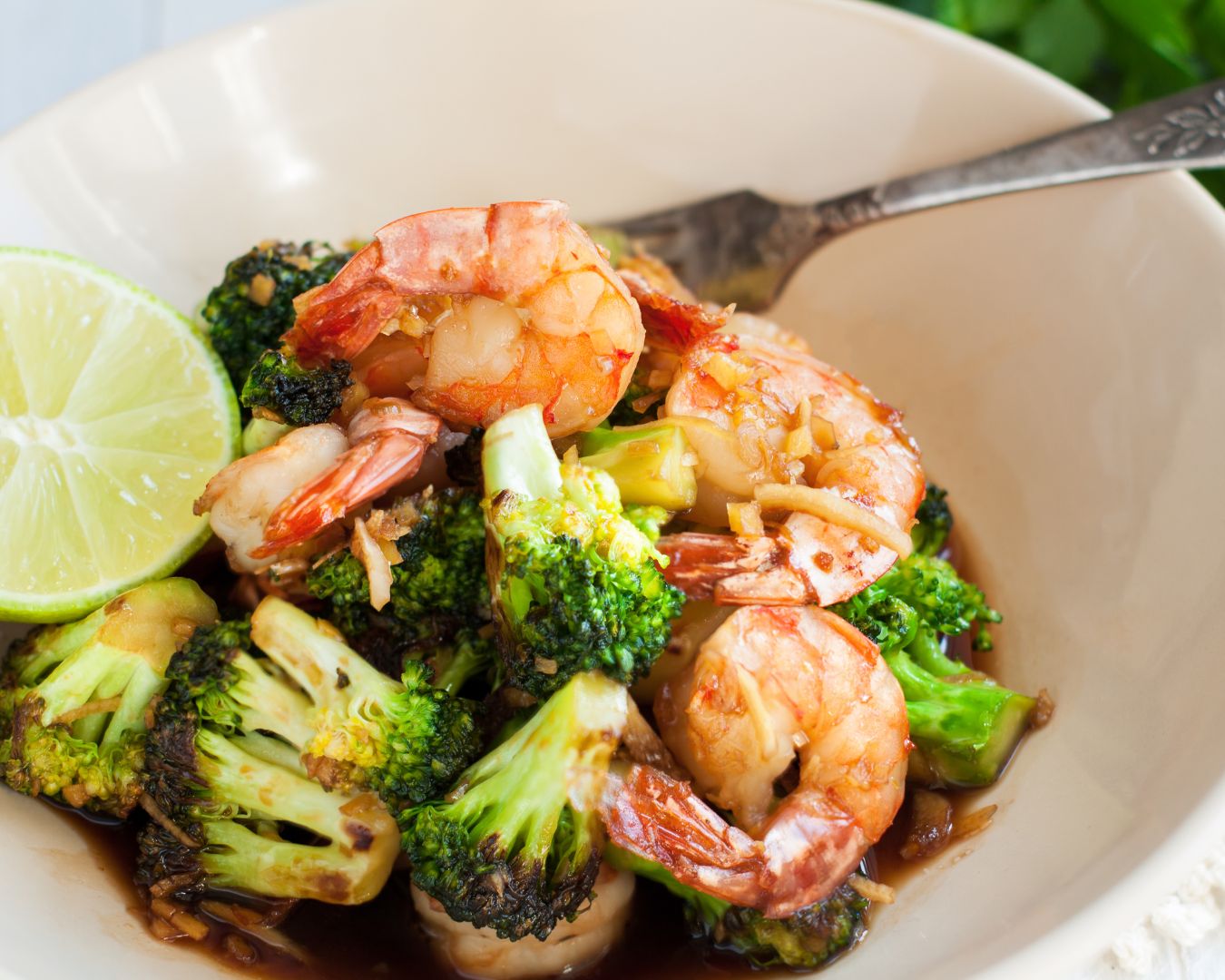
Looking for a quick, delicious, and healthy weeknight meal? Look no further than Honey Garlic Butter Shrimp and Broccoli. This dish combines succulent shrimp, fresh broccoli, and a mouthwatering honey garlic butter sauce. It’s easy to make, packed with flavor, and ready in under 30 minutes. Here’s how to create this delightful dish in your own kitchen. Ingredients Procedure Honey Garlic Butter Shrimp and Broccoli is a perfect example of how you can create a delicious and healthy meal quickly and easily. The sweet and savory sauce pairs perfectly with the shrimp and broccoli, making every bite a delight. Try this recipe on your next busy weeknight and impress your loved ones with a restaurant-quality dish made right at home.

Exploring the Low-Fat Diet: A Path to Health and Wellness

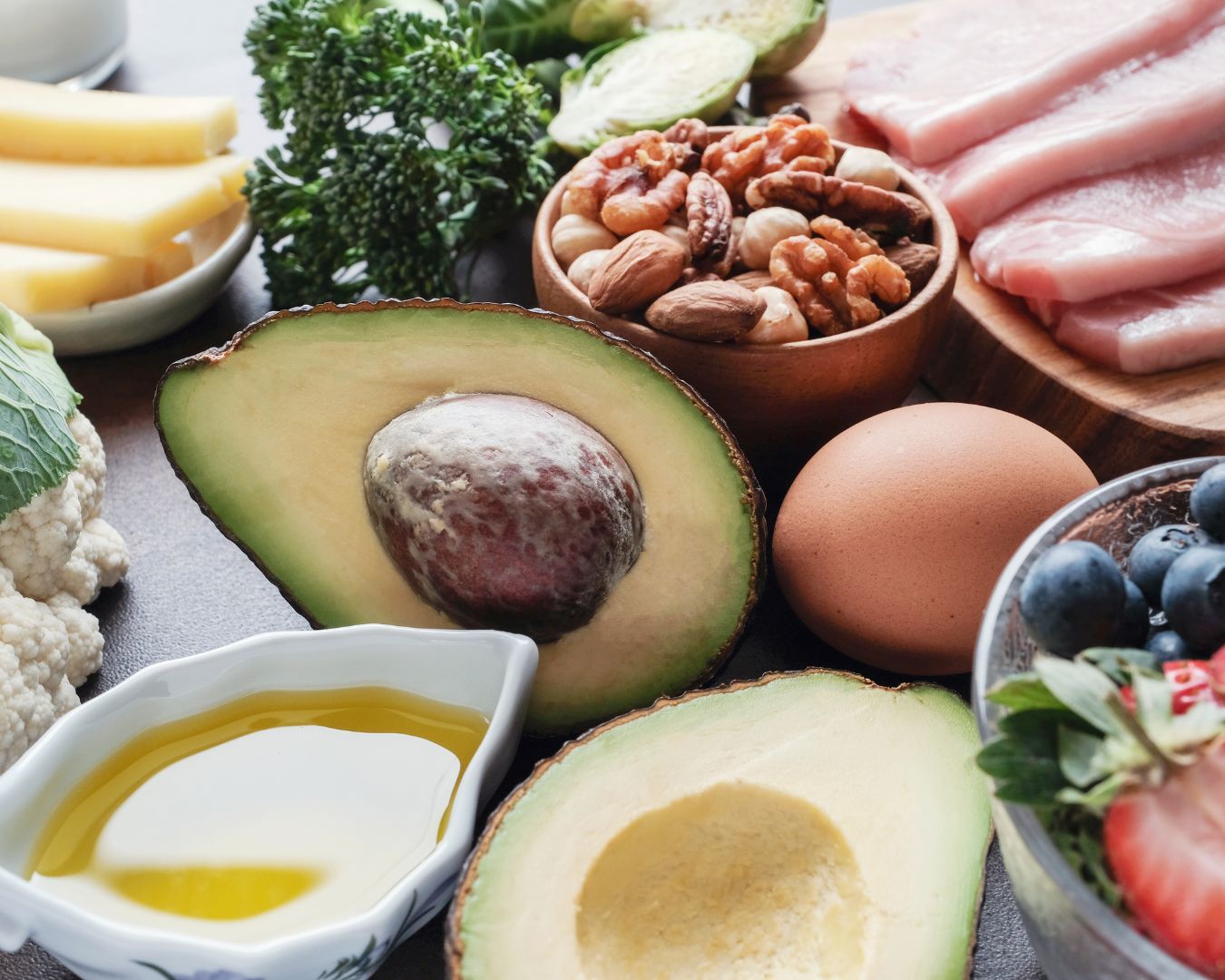
What is a Low-Fat Diet? A low-fat diet is designed to limit the intake of fats, particularly saturated fats and cholesterol, to promote better health. By focusing on nutrient-rich foods that are naturally low in fat, this diet aims to support weight management, improve heart health, and reduce the risk of chronic diseases. Key Principles of a Low-Fat Diet Benefits of a Low-Fat Diet Tips for Following a Low-Fat Diet Sample Low-Fat Meal Plan Breakfast: Lunch: Snack: Dinner: Dessert: A low-fat diet focuses on incorporating nutrient-dense, low-fat foods such as fruits, vegetables, whole grains, and lean proteins. By limiting saturated fats and cholesterol, this diet supports heart health, weight management, and overall wellness. With thoughtful food choices and cooking methods, a low-fat diet can be both delicious and nutritious, paving the way for a healthier lifestyle.

Master the Art of Cooking with the COS-GRP366: The 36-Inch Gas Range Designed for Serious Home Chefs

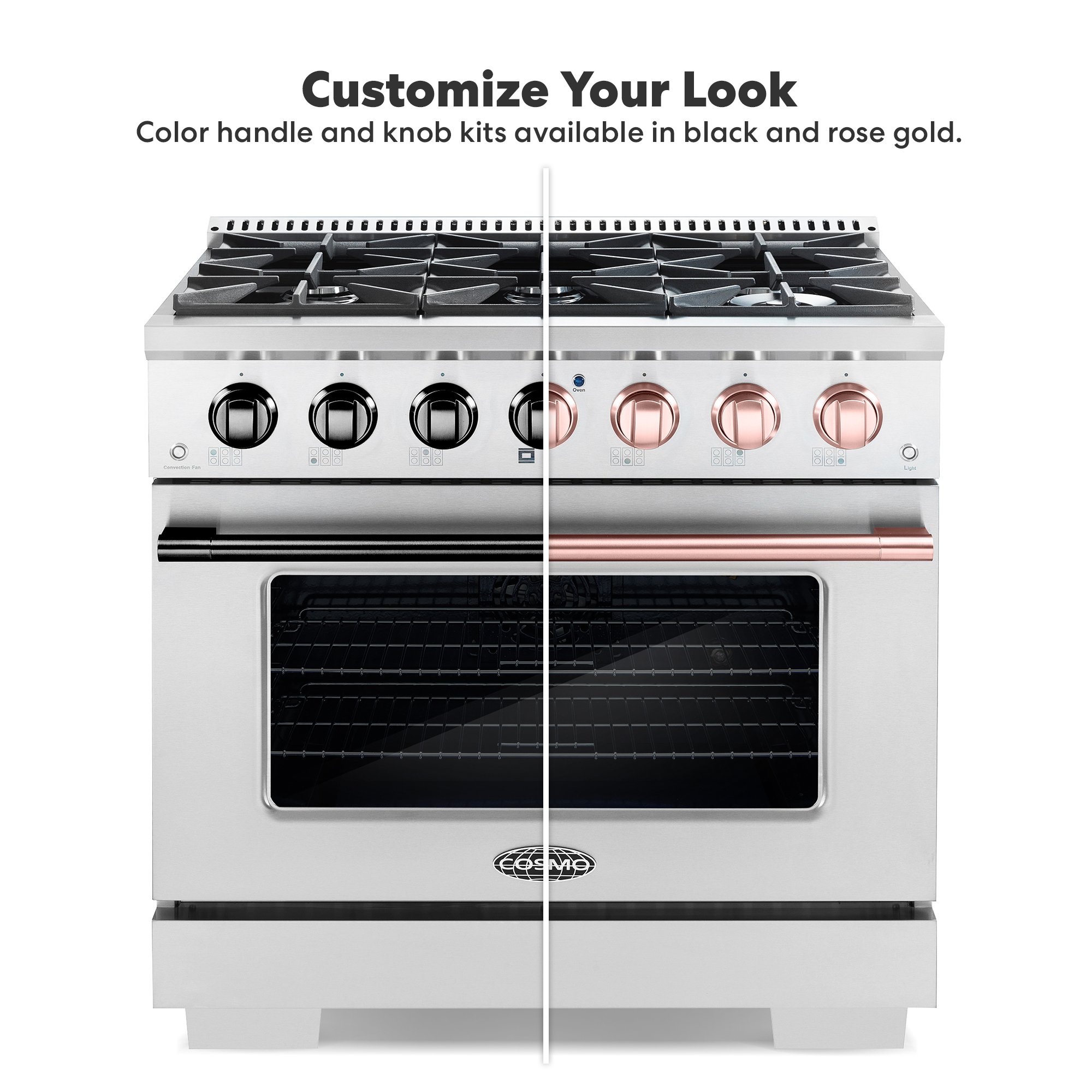
When it comes to building a dream kitchen, choosing the right gas range can make all the difference. For home chefs who crave professional-level performance, the Cosmo COS-GRP366 36″ Gas Range is a standout choice. With its efficient burners, sleek design, and chef-inspired features, this range is built to elevate both your cooking and your kitchen style. Power and Precision at Your Fingertips The COS-GRP366 is all about performance. It features six high-performance sealed burners that deliver a wide range of BTUs—perfect for everything from gently simmering sauces to flash-searing steaks. Whether you’re boiling, sautéing, or slow-cooking, this range gives you total control. Spacious Oven for All Your Baking Needs Beyond the cooktop, the COS-GRP366 features a 4.5 cubic foot convection oven that’s perfect for roasting, baking, and broiling. The convection fan ensures even heat distribution, so every dish comes out perfectly cooked—whether it’s a holiday turkey or your favorite batch of cookies. Professional Style Meets Everyday Function Crafted from durable stainless steel, the COS-GRP366 brings a sleek, professional look to many kitchens. The heavy-duty construction not only looks great—it’s built to last. The knobs, cast iron grates, and stainless steel finish make cleaning up just as easy as cooking. Why Choose the COS-GRP366? Pair the COS-GRP366 with a Cosmo under cabinet or wall mount range hood for a complete cooking setup. Together, they create a seamless, functional, and stylish cooking space.If you’re ready to bring chef-level cooking into your home, the COS-GRP366 36″ Gas Range is a smart investment. It’s efficient, beautifully designed, and built to meet the demands of serious cooking. Whether you’re a seasoned home chef or just love the feel of professional-grade appliances, this range won’t disappoint.

Mastering Homemade Sushi: A Step-by-Step Guide to Delicious Rolls at Home

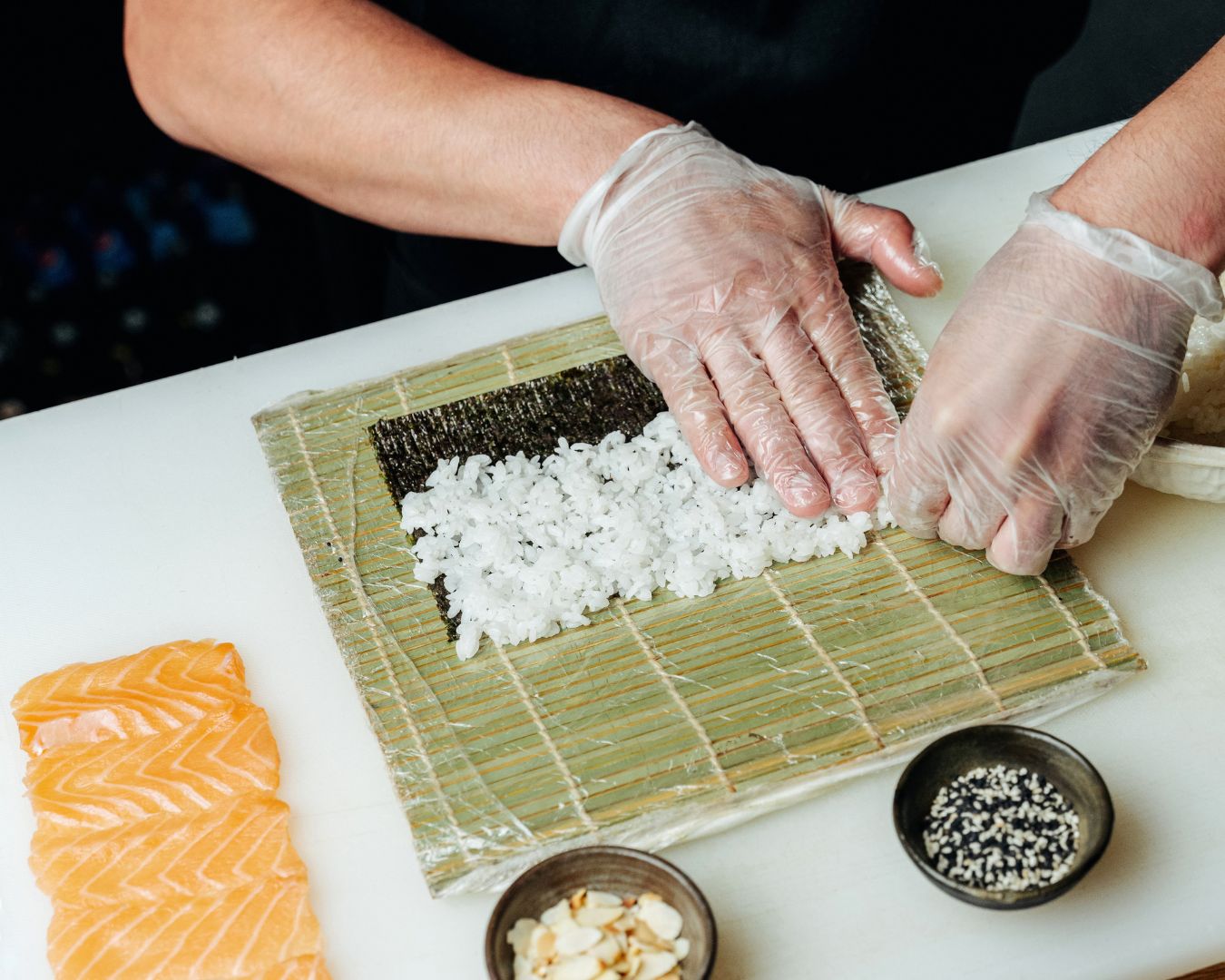
Sushi is a beloved Japanese dish known for its delicate flavors, artistic presentation, and cultural significance. While dining out at a sushi restaurant is a treat, there’s something special about making sushi at home. Demystify the art of sushi-making and provide you with a comprehensive guide to creating delicious sushi rolls in the comfort of your own kitchen. Ingredients: Instructions: 1. Prepare the Sushi Rice: 2. Prepare the Fillings: 3. Assemble the Sushi Rolls: 4. Slice and Serve: Making sushi at home is a fun and rewarding culinary adventure that allows you to customize your rolls with your favorite ingredients. With this step-by-step guide, you’ll be well-equipped to create delicious sushi rolls that rival those found in your favorite sushi restaurant. So roll up your sleeves, gather your ingredients, and get ready to impress friends and family with your homemade sushi creations!

Cleaning Made Simple: Maintenance Tips for the C106SIX-PT Wall Oven

Keeping your oven clean is essential for maintaining its performance and ensuring your meals taste their best. The C106SIX-PT 24″ Single Electric Wall Oven is designed with convenience in mind, making regular maintenance a breeze. Follow these tips to keep your oven in top shape. Daily Cleaning Tips Deep Cleaning Recommendations Long-Term Care for Optimal Performance By following these simple maintenance steps, your C106SIX-PT Wall Oven will continue to perform efficiently while looking its best. A little routine care goes a long way in extending the life of your appliance and enhancing your cooking experience.

How to Get the Perfect Sear with the F965NF’s Efficient Burners

Achieving a restaurant-quality sear at home requires precision, the right technique, and an efficient cooking appliance. The F965NF 36″ Professional-Style Dual Fuel Range is equipped with high-performance gas burners that deliver intense heat, making it an ideal tool for searing meats and locking in flavors. Here’s how you can use the F965NF to master the perfect sear. Why Searing Matters Searing is a key step in cooking that enhances flavor, texture, and appearance. It creates a caramelized crust that adds depth to meats while sealing in natural juices for maximum tenderness. Using the F965NF for the Best Sear Why the F965NF is a Searing Powerhouse Mastering the art of searing is simple with the F965NF 36″ Dual Fuel Range. Its efficient burners, combined with the right techniques, allow home cooks to achieve professional-quality results with every meal. Whether you’re preparing a juicy steak or caramelizing scallops, this range ensures a flawless finish every time.

Dual Fuel Ranges: The Best of Both Worlds for Home Chefs

When it comes to cooking appliances, dual fuel ranges offer the perfect blend of versatility, precision, and performance. Combining the best of gas and electric cooking, these innovative appliances are a favorite among home chefs looking to elevate their culinary skills. Explore the features and benefits of dual fuel ranges and why they’re considered the ultimate choice for serious cooks. 1. The Power of Gas Burners: 2. The Consistency of Electric Ovens: 3. Versatile Cooking Options: 4. Faster Preheating Times: 5. Enhanced Cooking Performance: 6. Aesthetic Appeal: Dual fuel ranges offer the perfect combination of gas and electric cooking, providing home chefs with the versatility, precision, and performance they need to create delicious meals with ease. Whether you’re searing, simmering, baking, or broiling, dual fuel ranges give you the best of both worlds, making them the ultimate choice for serious cooks who demand nothing but the best from their kitchen appliances. So, if you’re looking to take your culinary skills to the next level, consider investing in a dual fuel range and experience the difference it can make in your cooking.