
The Nutritional Benefits of Different Fruits and Vegetables: A Guide to Healthier Eating
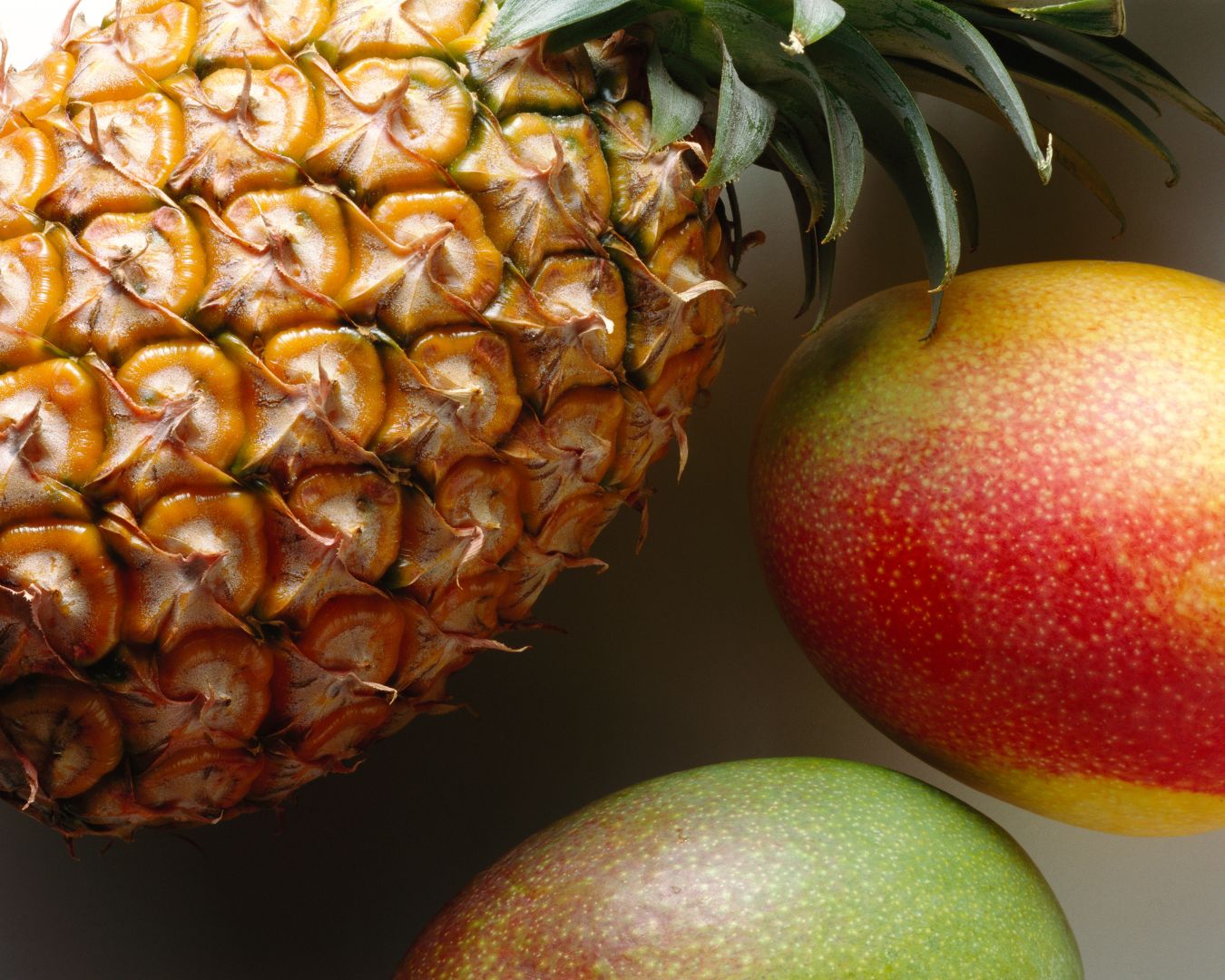
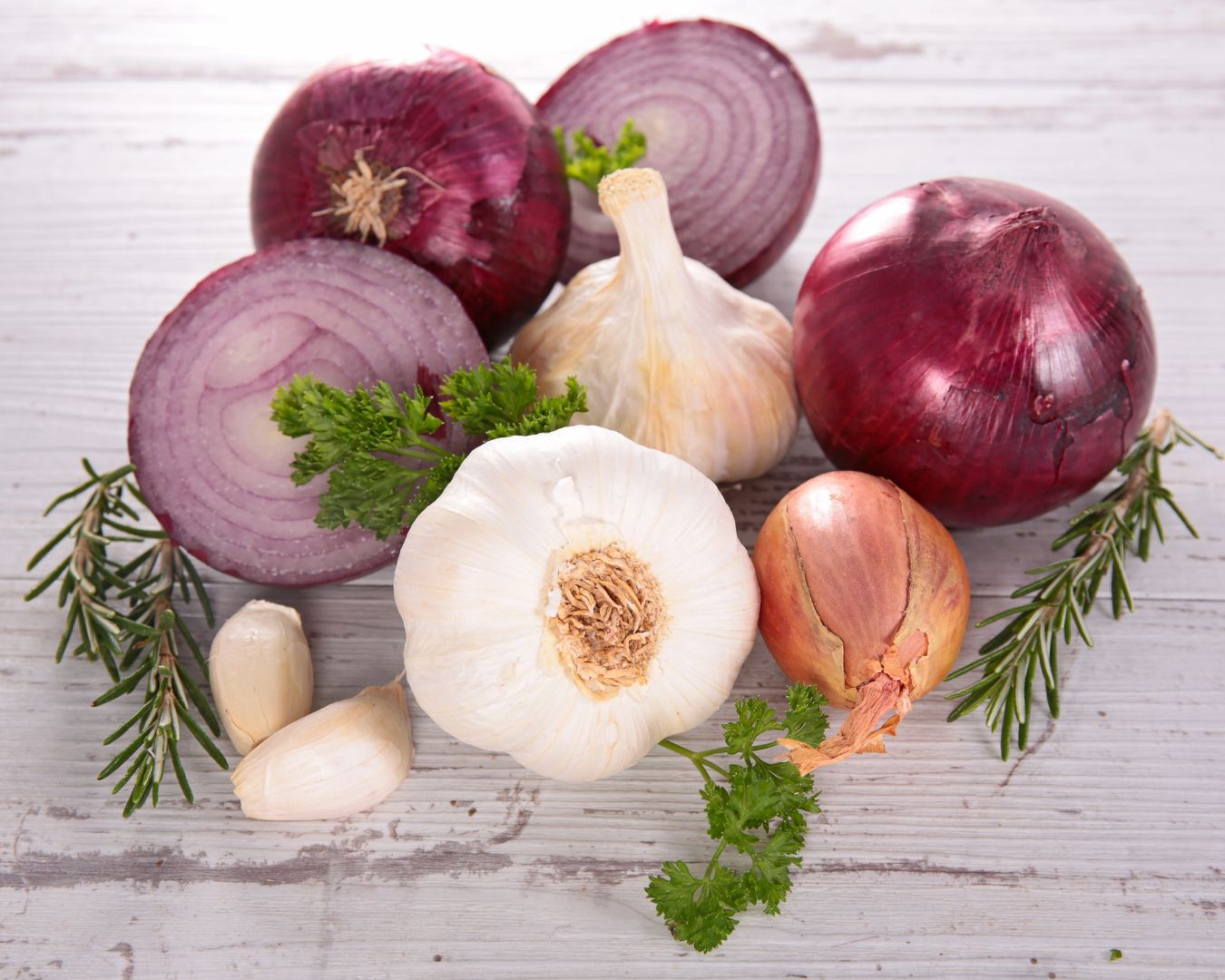
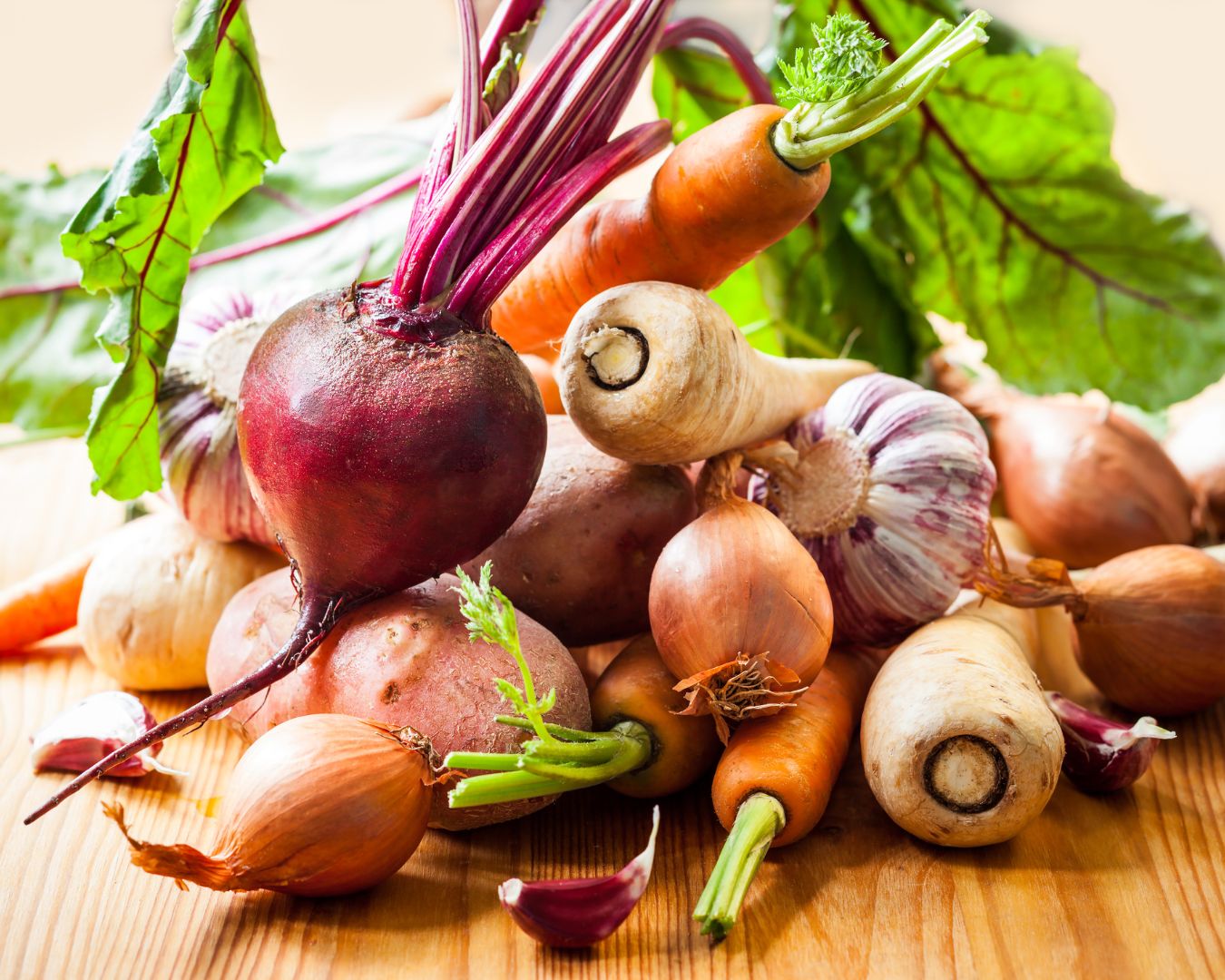
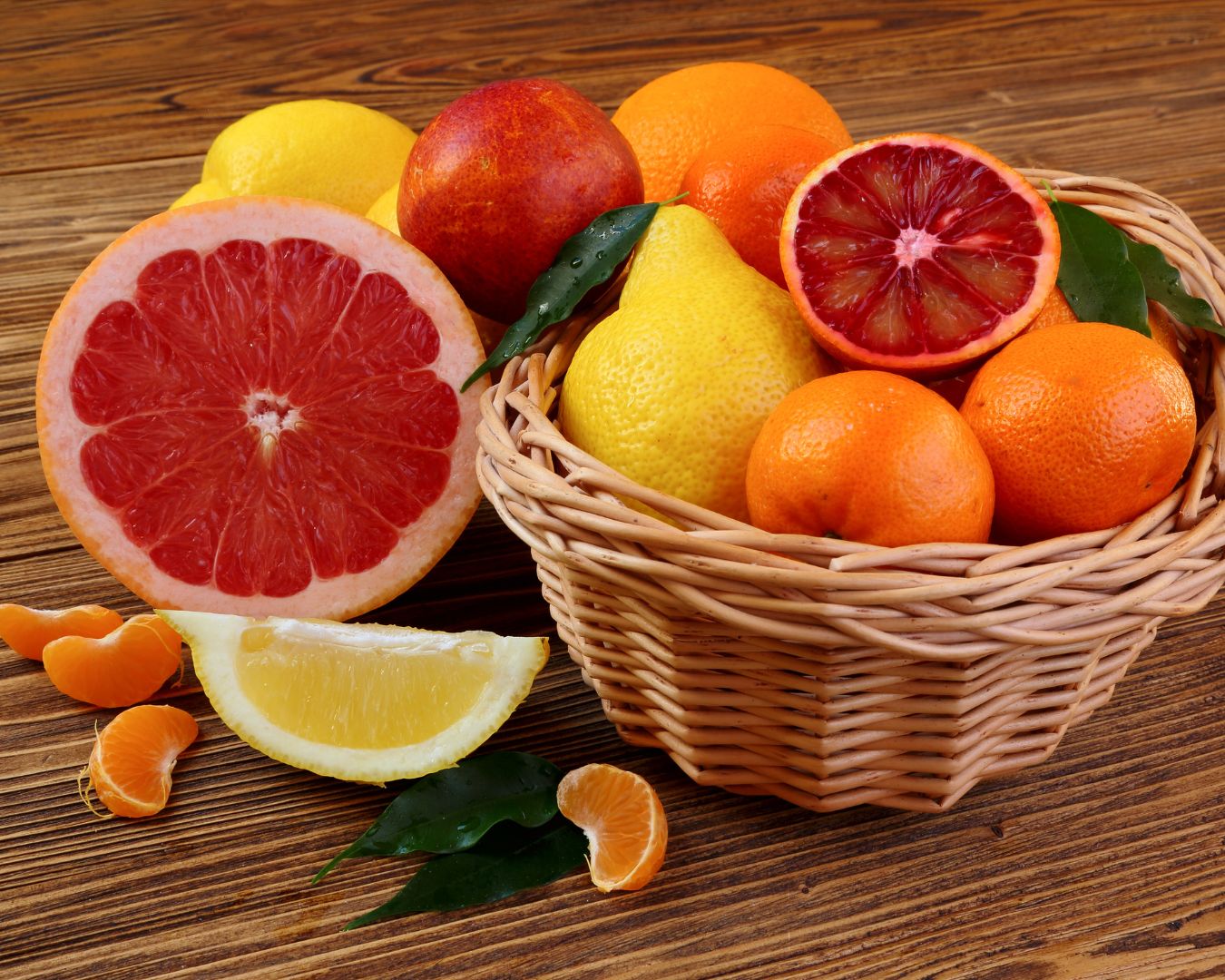
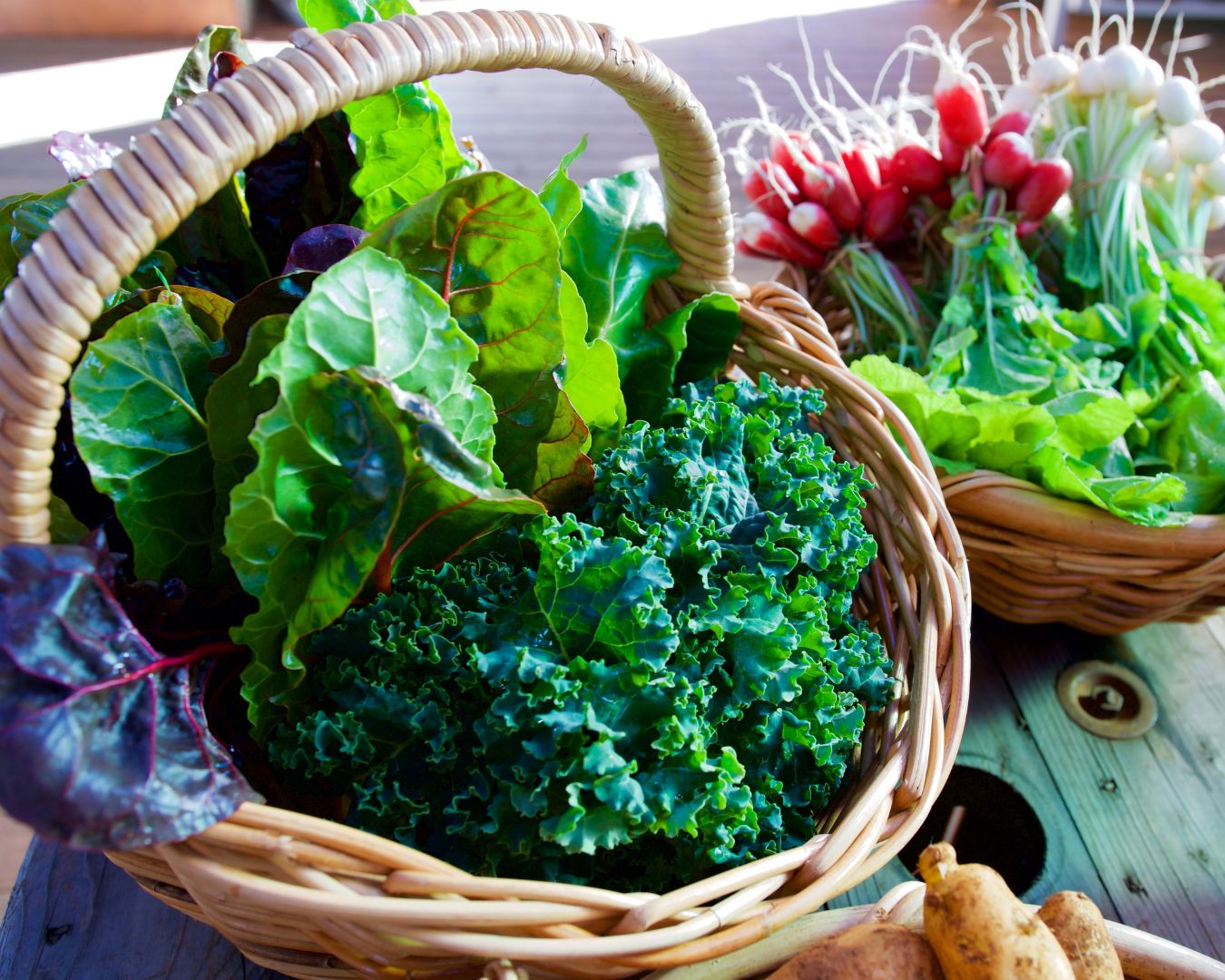
Fruits and vegetables are nature’s powerhouse foods, packed with essential vitamins, minerals, and antioxidants that our bodies need to function optimally. Incorporating a variety of fruits and vegetables into your diet is one of the best ways to ensure you’re getting a broad spectrum of nutrients that support overall health. In this blog post, we’ll explore the nutritional benefits of different fruits and vegetables, highlighting why these foods are essential for a balanced diet. Leafy Greens: Spinach, Kale, and Swiss Chard Leafy greens are among the most nutrient-dense foods available, offering a rich supply of vitamins, minerals, and phytonutrients. Health Tip: Add leafy greens to your salads, smoothies, and stir-fries to boost your intake of these vital nutrients. Citrus Fruits: Oranges, Lemons, and Grapefruits Citrus fruits are well-known for their high vitamin C content, but they also offer a variety of other health benefits. Health Tip: Incorporate citrus fruits into your diet by adding lemon juice to water, snacking on oranges, or using grapefruit in salads. Berries: Blueberries, Strawberries, and Raspberries Berries are not only delicious but also incredibly nutritious, offering powerful antioxidants and fiber. Health Tip: Add berries to your breakfast cereal, yogurt, or enjoy them as a snack to take advantage of their health benefits. Cruciferous Vegetables: Broccoli, Cauliflower, and Brussels Sprouts Cruciferous vegetables are known for their cancer-fighting properties and are rich in vitamins, minerals, and fiber. Health Tip: Roast cruciferous vegetables with a drizzle of olive oil and your favorite seasonings for a nutritious and flavorful side dish. Root Vegetables: Carrots, Sweet Potatoes, and Beets Root vegetables are starchy and nutrient-rich, offering a good source of energy along with vitamins and minerals. Health Tip: Incorporate root vegetables into your meals by roasting them, adding them to soups, or blending them into smoothies. Stone Fruits: Peaches, Plums, and Cherries Stone fruits are sweet, juicy, and loaded with vitamins, antioxidants, and fiber. Health Tip: Enjoy stone fruits as a snack, in fruit salads, or as a topping for yogurt and oatmeal. Tropical Fruits: Pineapple, Mango, and Papaya Tropical fruits bring a burst of flavor and a variety of nutrients that promote good health. Health Tip: Incorporate tropical fruits into your diet by adding them to smoothies, salads, or enjoying them on their own as a refreshing snack. Incorporating a wide variety of fruits and vegetables into your diet is key to achieving optimal health. Each type of fruit and vegetable offers unique nutritional benefits that support different aspects of your well-being. By eating a rainbow of colors, you can ensure you’re getting a diverse range of vitamins, minerals, and antioxidants that contribute to a healthy, balanced diet. Whether you’re enjoying leafy greens, berries, root vegetables, or tropical fruits, these nutrient-rich foods are essential for fueling your body and promoting long-term health.