food storage

The Real Reason Leftovers Never Taste as Good

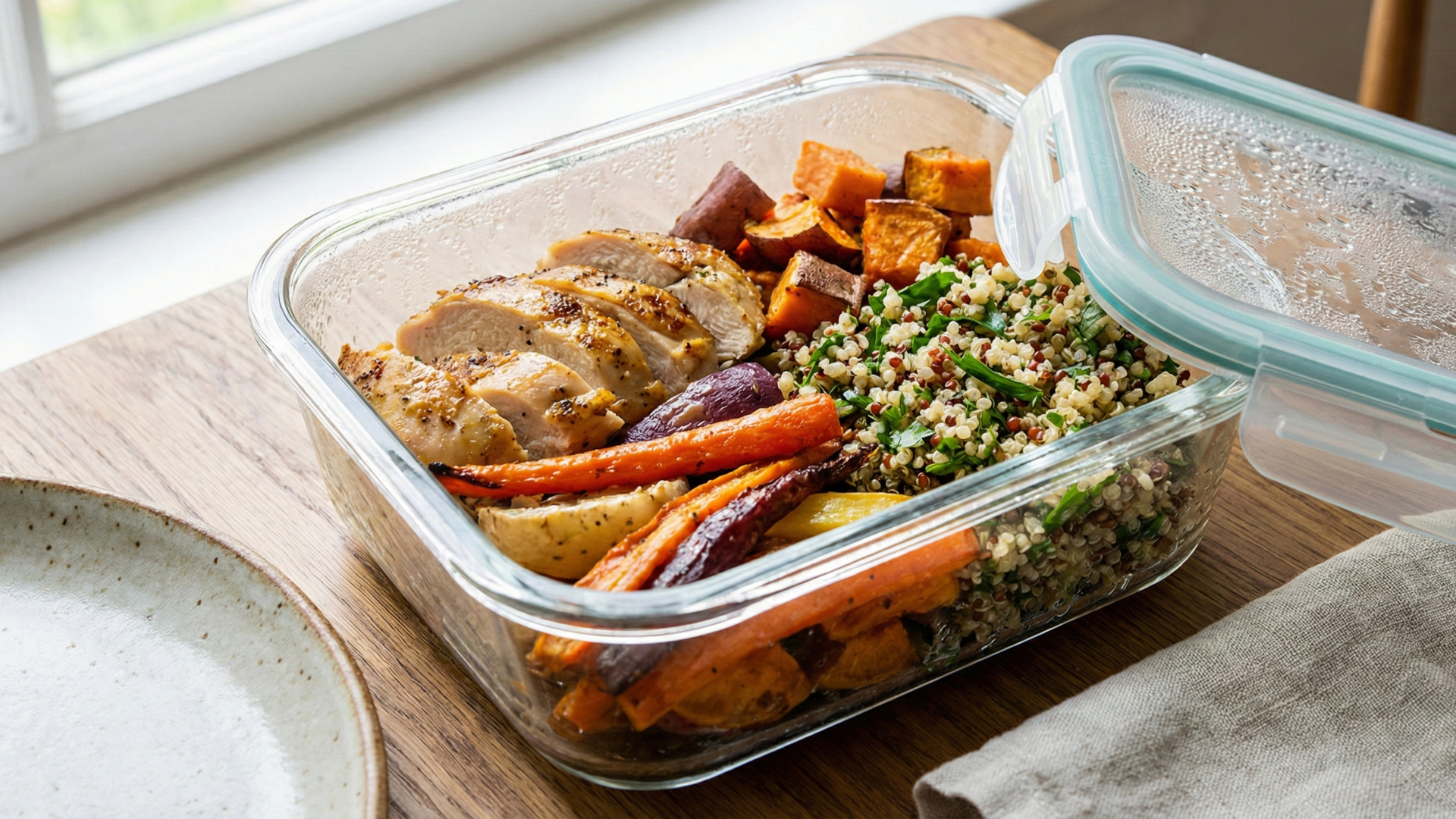
The disappointment of reheated leftovers is nearly universal, yet the specific reasons why yesterday’s delicious dinner becomes today’s mediocre lunch rarely get explained beyond vague references to “freshness.” The reality involves multiple overlapping factors—moisture loss, fat solidification, starch retrogradation, flavor compound volatilization, and texture changes during cooling and reheating—that collectively degrade food quality in predictable ways. Understanding these processes explains why some foods reheat acceptably while others become completely different dishes, why certain reheating methods work better than others, and why the microwave in particular seems to ruin everything it touches. The leftover problem isn’t just about food getting old but about specific chemical and physical changes that happen during storage and reheating that recipes and cooking methods don’t account for. Recognizing what actually happens to food during refrigeration and reheating helps you make better decisions about what’s worth saving, how to store it, and how to reheat it in ways that minimize quality loss. Some leftover disappointment is inevitable, but much of it stems from storage and reheating approaches that accelerate degradation rather than preserving quality as well as possible. Moisture Migrates in Ways That Ruin Texture Water movement during cooling and storage fundamentally changes food texture in ways that reheating cannot reverse. Crispy coatings absorb moisture from the food they surround during refrigeration. Fried chicken skin starts crispy because it’s dry and the fat has rendered out. Refrigeration causes moisture from the meat to migrate into the coating while fat solidifies, turning crispy coating into soggy rubbery material. Reheating cannot restore the original dry crispy texture because the coating has absorbed moisture. Bread products stale through moisture redistribution rather than drying out. Fresh bread has moisture distributed throughout. During storage, moisture migrates from the interior crumb to the exterior crust and evaporates, leaving dry bread with tough crust. The staling process happens even in sealed containers because moisture moves within the bread itself. Pasta continues absorbing sauce liquid after cooking. Fresh pasta with sauce has distinct pasta and sauce components. Refrigerated pasta absorbs sauce moisture, becoming mushy while the sauce becomes dry and separated. The pasta’s starch structure changes as it absorbs liquid, creating different texture that reheating doesn’t fix. Lettuce and fresh vegetables in mixed dishes release water that makes everything else soggy. Salads with dressing, sandwiches with tomatoes, wraps with fresh vegetables—all deteriorate as vegetables release moisture into surrounding components during storage. Steam condensation in storage containers drips back onto food creating sogginess. Hot food placed in containers creates steam. As the container cools, steam condenses on the lid and drips back onto the food, adding surface moisture that makes crispy foods soggy and changes texture of everything. The moisture migration problem means foods with textural contrast—crispy with tender, dry with saucy—lose that contrast during storage in ways reheating cannot restore. Fats Solidify and Separate Fat behavior during cooling creates texture and appearance problems that make leftovers unappetizing even when flavor remains acceptable. Rendered fat solidifies during refrigeration, creating waxy texture and white appearance. Soups, stews, and braises with fat content develop solid white fat layers that look and feel unappetizing. While this fat melts again when reheated, the visual impact and initial texture when cold are off-putting. Emulsified sauces break during cooling and reheating. Creamy sauces, pan sauces, vinaigrettes, and gravies often separate into fat and water components during refrigeration. The emulsion that created smooth texture breaks down, creating separated greasy appearance and texture. Cheese texture changes dramatically after melting and cooling. Fresh melted cheese on pizza or pasta is smooth and stretchy. Cooled and reheated cheese becomes rubbery, greasy, and separated with fat pooling separately from protein. The protein structure changes during the first heating and doesn’t return to original state. Congealed fat coats your mouth differently than liquid fat. Even when reheated, previously congealed fat often doesn’t fully integrate back into the dish, creating greasy mouthfeel rather than the rich satisfaction of freshly cooked fat. Fat solidification on the surface creates barriers preventing even reheating. The solid fat layer on top of soup or stew prevents heat from penetrating evenly, requiring stirring and additional heating time while other parts overcook. These fat-related changes are partially reversible through proper reheating but often leave textural and appearance issues that didn’t exist in the fresh dish. Starches Retrograde and Crystallize Starch retrogradation—the process where cooked starches reorganize into crystalline structures during cooling—fundamentally changes texture in ways reheating only partially reverses. Rice becomes hard and dry through starch crystallization. Freshly cooked rice has soft individual grains with moisture distributed throughout. Refrigerated rice develops hard, separate grains as starch molecules reorganize and expel water. Reheating softens somewhat but rarely returns rice to original texture. Potatoes turn mealy and grainy after refrigeration. Cooked potatoes have smooth creamy texture when fresh. Cold storage causes starch retrogradation that creates gritty texture and changes the mouthfeel completely. Mashed potatoes become gluey and pasty while roasted potatoes lose their fluffy interior. Pasta texture degrades as starches reorganize. Fresh cooked pasta has tender texture with slight resistance. Refrigerated pasta becomes either mushy from absorbing moisture or hard and rubbery from starch changes, depending on storage conditions. Bread staling is primarily starch retrogradation rather than moisture loss. The crumb becomes firm and dry as starch molecules reorganize into crystalline structures. Toasting can temporarily reverse some staling through heat, but refrigeration accelerates the process dramatically. Sauce thickeners change during cooling. Cornstarch and flour-thickened sauces often become thicker and more gelatinous during refrigeration as starches continue absorbing liquid and organizing. Reheating might thin them again but the texture often remains different. The starch changes are chemical reorganization at molecular level. Reheating provides energy to partially reverse these changes but cannot fully restore original structure, explaining why reheated starches never quite match fresh versions. Volatile Flavor Compounds Escape Flavor compounds that create aromatic appeal in fresh food evaporate or degrade during storage, leaving behind blander versions of the original dish. Aromatic compounds are volatile by nature and escape over time. The herbs, spices, and aromatic vegetables that

The COS-RFFV183RS French Door Refrigerator: Compact French Door Design with Full-Size Features

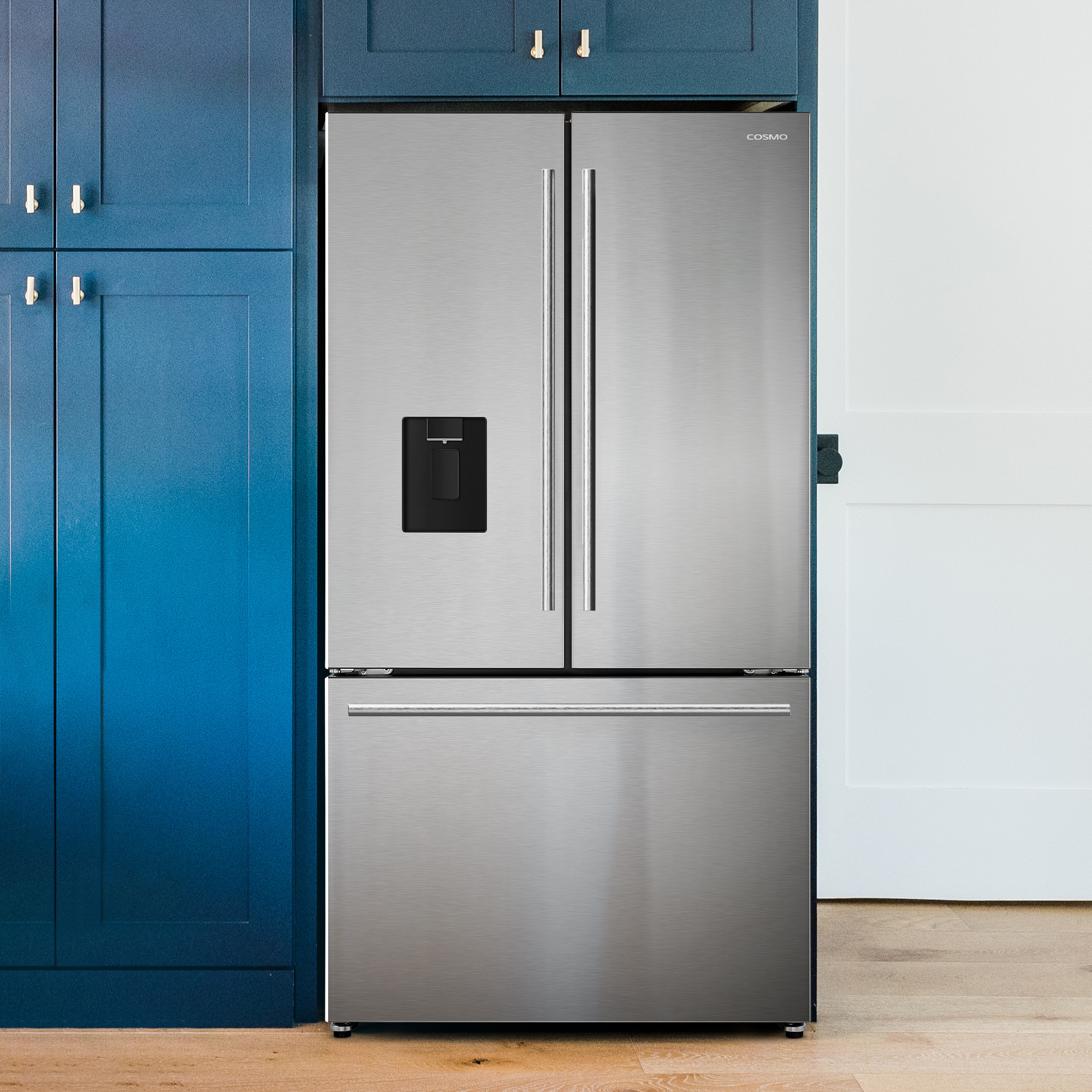
The COS-RFFV183RS proves that compact sizing doesn’t require compromising on features or functionality. This 30-inch French door refrigerator brings the convenience and style of French door design to kitchens where space is at a premium, delivering 17.5 cubic feet of storage capacity along with modern features like electronic temperature controls, LED lighting, and a built-in ice maker. For apartments, condos, or smaller homes where every inch counts, this refrigerator provides the features families need in a footprint that actually fits. French door refrigerators have become the preferred style for many homeowners because they provide superior organization and accessibility compared to traditional designs. The COS-RFFV183RS brings these benefits to space-conscious buyers who previously had to choose between French door convenience and fitting their available space. This refrigerator proves you can have both. French Door Design in a Space-Saving 30-Inch Width The compact 30-inch width makes the COS-RFFV183RS ideal for kitchens where standard 36-inch refrigerators would overwhelm the available space or disrupt workflow. This sizing opens up French door convenience for apartment dwellers, condo owners, and anyone dealing with space constraints. Space efficiency becomes crucial in smaller kitchens where every inch affects overall functionality and comfort. A properly sized refrigerator allows for adequate counter space, storage, and traffic flow that oversized appliances would compromise. French door accessibility puts fresh food at eye level where you can see everything easily without bending or searching through stacked items. The double door design provides wide-open access that makes loading groceries and organizing food much simpler than single-door models. Reduced door swing requirements mean French doors work better in compact kitchens where a single wide door might interfere with adjacent cabinets, appliances, or traffic patterns. You can open just one door for quick access, minimizing the space needed. Bottom freezer configuration keeps frozen items organized in convenient drawers rather than requiring you to dig through chest-style freezers or reach into deep shelves. This layout matches how most families actually use their refrigerators, accessing fresh food much more frequently than frozen. Visual proportion improves when refrigerator sizing matches kitchen scale. The 30-inch width provides substantial capacity without overwhelming smaller kitchens or making spaces feel cramped and uncomfortable. 17.5 Cubic Feet of Smart Storage Capacity Despite its compact width, the COS-RFFV183RS provides 17.5 cubic feet of storage that accommodates the needs of small to medium-sized families while fitting efficiently in limited space. Smart interior design maximizes usable capacity within the available footprint. Fresh food prioritization dedicates the majority of capacity to refrigerator space where families store items they access most frequently. This allocation matches real-world usage patterns while providing adequate freezer space for essential frozen items. Adjustable shelving allows customization of interior layout based on your specific storage needs and food buying habits. You can reconfigure shelves to accommodate tall items, wide platters, or bulk purchases as needed. Door storage maximizes vertical space with multiple bins that hold condiments, beverages, and frequently accessed items. This organization keeps the main shelves clear for larger items while providing convenient access to everyday essentials. Crisper drawers help maintain optimal humidity for fruits and vegetables, keeping produce fresh longer while reducing waste. Proper produce storage extends grocery budget value while supporting healthy eating. Freezer organization through drawer design prevents items from getting lost in the back of deep shelves. You can see what you have at a glance, reducing food waste while making meal planning more efficient. The capacity efficiently handles weekly grocery shopping for couples or small families while accommodating occasional larger purchases and entertaining needs without feeling cramped or inadequate. Electronic Temperature Controls for Precision Digital temperature controls provide accurate management of both refrigerator and freezer compartments, ensuring optimal food safety and freshness while allowing easy adjustments based on seasonal needs or storage requirements. Precise temperature settings help maintain consistent conditions that keep food fresher longer while preventing freezer burn or refrigerator temperatures that are too warm for food safety. Electronic controls respond more accurately than mechanical thermostats. Separate compartment control allows independent temperature optimization for refrigerator and freezer sections. You can adjust one compartment without affecting the other, providing flexibility for different storage needs. Easy adjustment makes temperature changes simple when you need to accommodate different food types or seasonal temperature variations. Clear controls encourage appropriate temperature management that protects food quality. Consistent temperature maintenance improves food safety while extending the freshness of perishable items. Electronic systems maintain steady temperatures even during frequent door openings that can cause fluctuations in mechanically controlled units. Energy efficiency improves through precise temperature control that doesn’t overshoot or undershoot target temperatures. This accuracy reduces energy waste while maintaining optimal food storage conditions. LED Lighting Throughout the Interior Bright LED lights illuminate every corner of the refrigerator interior, making it easy to find items quickly while using minimal energy compared to traditional incandescent lighting systems. The comprehensive lighting coverage improves both functionality and energy efficiency. Even illumination eliminates dark corners and shadows where items can hide or where it’s difficult to assess food freshness. Complete visibility helps you use food before it spoils while making meal planning more efficient. Energy-efficient operation of LED technology reduces electricity consumption while providing superior light quality that lasts much longer than conventional bulbs. This efficiency contributes to lower operating costs over the refrigerator’s lifetime. Long lifespan means fewer bulb replacements and reduced maintenance over time. Quality LED lights can operate for many years under normal use, eliminating the frequent bulb changes that traditional lighting requires. Cool operation prevents LED lights from adding unwanted heat to the refrigerator interior, helping maintain consistent temperatures while reducing the cooling system’s workload. Superior light quality helps you accurately assess food condition and expiration dates, supporting better food safety practices while reducing waste from items that spoil unnoticed. Built-In Automatic Ice Maker The integrated ice maker produces ice automatically and stores it conveniently within the freezer compartment, ensuring you always have ice available for beverages, entertaining, or emergency cooling needs without the inconvenience of ice cube trays. Continuous production means you don’t

Safe Food Storage Practices: Keeping Your Kitchen and Food Fresh and Safe

Proper food storage is essential for maintaining food safety, preventing spoilage, and reducing food waste. In the kitchen, where food is often prepared and consumed, implementing safe storage practices can help keep your meals fresh and your family healthy. In this blog post, we’ll explore key tips and practices for safe food storage in your kitchen. Why Safe Food Storage Matters Safe food storage helps: Tips for Safe Food Storage Implementing safe food storage practices in your kitchen is essential for maintaining food quality and safety. By understanding temperature guidelines, properly storing different types of foods, and following other best practices, you can ensure your meals are fresh, nutritious, and safe for consumption. Make these practices a part of your daily routine to keep your kitchen running smoothly and reduce the risk of foodborne illnesses.

French Door Refrigerators: Why COS-FDR223GWSS is a Must-Have for Modern Kitchens

A refrigerator is one of the most important appliances in any kitchen. It’s not just about keeping food fresh; it’s about convenience, efficiency, and style. Among the many options available, French door refrigerators stand out as a top choice for modern kitchens. Their sleek design, spacious interiors, and innovative features make them a must-have. The COS-FDR223GWSS from Cosmo Appliances is an efficient French door refrigerator designed to enhance the functionality and aesthetics of your kitchen. Let’s explore why this model is a game-changer and why you should consider upgrading to it. What Makes French Door Refrigerators Special? French door refrigerators combine the best aspects of side-by-side and bottom freezer designs. Here’s why they are so popular: Key Features of the COS-FDR223GWSS The COS-FDR223GWSS French door refrigerator is packed with innovative features that set it apart from the competition. Here’s what makes it an excellent choice: Counter-Depth Design: 36-inch French door refrigerator blends seamlessly into modern kitchens. Spacious Capacity: Total of 22.4 cu. ft. (15.5 cu. ft. for fresh food, 6.9 cu. ft. for frozen items). Digital Touch Controls: Easy-to-reach temperature controls for precise adjustments in both compartments. Durable Shelving: Easy-to-clean shelves simplify maintenance. Slide-Out Freezer Drawer: Efficient organization of frozen foods. Bright LED Lighting: Ensures clear visibility of all stored items. Fingerprint-Resistant Finish: Stainless steel exterior resists smudges and fingerprints for a pristine look. Automated Ice Maker: Conveniently located in the freezer drawer. Storage Solutions: Door bins for condiments and smaller bottles, plus crisper drawers to keep produce fresher longer. Door Alarm: Gently beeps when doors are left ajar to promote energy efficiency. Soft-Close Mechanism: Gentle closing for both refrigerator and freezer doors. Why the COS-FDR223GWSS is a Must-Have for Modern Kitchens 1. Perfect Blend of Style and Functionality With its premium stainless steel exterior and sophisticated design, the COS-FDR223GWSS complements many modern kitchen aesthetics. The French door layout enhances accessibility and efficiency. 2. Maximized Storage and Organization The versatile shelving options and spacious compartments ensure that you can store a variety of items without clutter. Whether you’re stocking up on fresh produce or meal-prepping for the week, this refrigerator has the space you need. 3. Ideal for Families and Entertainers For households that love to cook or entertain, this refrigerator provides ample storage for large grocery hauls and platters. The wide doors allow you to see everything at a glance, making meal planning and preparation easier. 4. Long-Term Freshness and Preservation With its cooling system and drawers, your food stays fresher for longer, reducing waste and ensuring that ingredients maintain their optimal quality. 5. Smart Investment for Energy Savings The COS-FDR223GWSS is designed to be energy-efficient, helping you cut down on electricity costs without compromising performance. The COS-FDR223GWSS French door refrigerator is more than just an appliance—it’s a modern kitchen essential. Its sleek design, spacious storage, advanced cooling technology, and energy efficiency make it an outstanding choice for homeowners who want both functionality and style. If you’re looking to upgrade your kitchen with a refrigerator that meets the demands of a busy household while enhancing the overall aesthetic, the COS-FDR223GWSS is the perfect investment. Experience the convenience and luxury of a high-end French door refrigerator today!