kitchen appliances

The Freezer Is the New Meal Plan

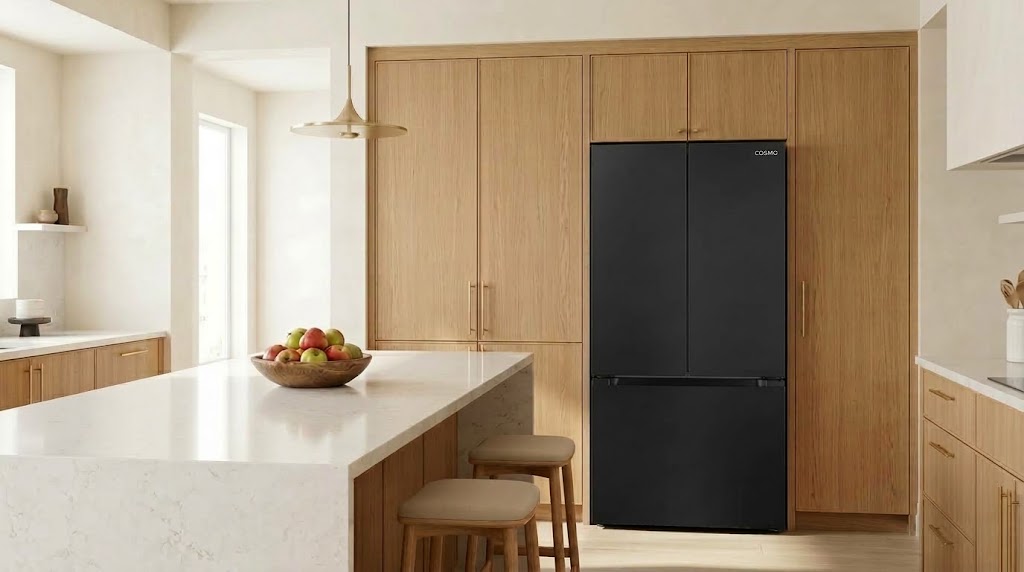
For years, the freezer was where a kitchen kept its emergency supplies: a bag of vegetables nobody quite remembered buying, a tub of ice cream, maybe a forgotten casserole from a holiday gathering months earlier. That reputation is changing fast, and August, right as school buses start running again and weeknight schedules get considerably less forgiving, is when the shift becomes most visible in American kitchens. Families who spent the summer eating on a looser, more improvised schedule are now facing five weeknights a week that need a real dinner on the table by 6:30, often squeezed between practices, homework, and everything else that comes back into rotation once the school year starts. The response, increasingly, is not more takeout. It is batch cooking, and a freezer that is finally being asked to do the job it was actually built for. The Data Behind the Shift This is not just a seasonal impression; the numbers back it up. According to the Food Industry Association’s most recent Power of Frozen research, 40 percent of American shoppers now eat frozen foods several times a week or more, up from 35 percent in 2019, and 77 percent of consumers say they now purchase frozen items with a specific meal already in mind, compared to 71 percent just two years prior. That is a meaningful shift in how the freezer functions in a household. It has moved from a backup plan to a planning tool, a place where a family stores decisions they have already made rather than a place they raid out of desperation on a Tuesday night. The back-to-school season sharpens this trend considerably. Recent reporting on parent food habits found that three in four parents say they are paying closer attention to what goes into their family’s food as the school year ramps up, a shift that tracks closely with the return of packed lunches, earlier dinners, and the kind of scheduling pressure that makes ordering delivery feel like the easier option four nights out of five. Batch cooking offers a way to keep that closer attention to ingredients without adding to an already stretched schedule, because the effort gets concentrated into one or two sessions rather than spread across every single weeknight. Why Batch Cooking Actually Works The appeal of batch cooking is straightforward once the schedule pressure of a school year sets in. Cooking a large pot of chili, a tray of enchiladas, or a batch of soup takes roughly the same amount of active effort whether it makes four servings or sixteen. The chopping, seasoning, and cleanup do not scale up nearly as fast as the yield does, which means an hour and a half in the kitchen on a Sunday afternoon can realistically cover three or four weeknight dinners without anyone touching a cutting board again until the following weekend. This works especially well for the kind of meals that improve, rather than suffer, from a few days of rest. Braises, stews, casseroles, and sauces almost always taste better on day two or three, once the flavors have had time to settle, which means batch cooking is not really a compromise on quality. In a lot of cases, it produces a genuinely better dinner than cooking the same dish fresh on a rushed Wednesday night would. The other half of the equation is portioning. A large batch cooked once is only as useful as a family’s ability to divide it, freeze it in usable amounts, and actually find it again three weeks later. This is where a lot of home batch cooking quietly falls apart, not because the cooking itself failed, but because the freezer storing it was never organized in a way that made the food easy to retrieve, identify, and thaw without turning dinner into an archaeology project. The Freezer’s New Job Description A freezer asked to support a real batch cooking rotation is being asked to do something considerably more demanding than storing a few bags of frozen vegetables and a tub of ice cream. It needs enough usable capacity to hold several weeks of meals at once without everything becoming an unlabeled block of ice fused to the sides of a single overcrowded drawer. It needs a layout that lets a family actually see and separate what they have, rather than digging through a chest freezer one frozen bag at a time. And it needs consistent, reliable cold, because a freezer that fluctuates even slightly degrades texture over time in exactly the dishes batch cooking depends on most: sauces separate, breads and baked goods dry out, and casseroles develop the kind of freezer burn that turns a good meal into a disappointing one. This is a genuinely different demand than what most refrigerator-freezer combinations were designed around a decade or two ago, when the freezer was treated as a secondary compartment rather than a working part of the weekly meal plan. Families leaning into batch cooking are running their freezers the way a small restaurant might run a walk-in, cycling meals in and out on a rolling basis, which means organization and capacity matter just as much as raw cold. The Cosmo COS-FDR225RHSS, a 22.5 cu. ft. four-door French door refrigerator was built with exactly this kind of rotation in mind. Its 6.6 cu. ft. freezer section is split across two slide-out drawers rather than a single deep bin, which makes a real difference for a household storing several distinct batch-cooked meals at once, since each drawer can be organized separately instead of everything competing for space in one undivided compartment. Easy-to-reach digital touch controls let the freezer temperature be set and monitored precisely, which matters more than it sounds like it should when the goal is protecting the texture of a sauce or a casserole through weeks of storage rather than days. A soft-close mechanism keeps drawers sealing fully even during a hurried weeknight retrieval, and a door alarm that alerts if a door has been left open catches the kind

More Than One Right Finish: How Personalization Is Reshaping American Kitchens in 2026

Stainless steel earned its place in the kitchen for good reason. It resists corrosion, shrugs off heat, and wipes clean in a way few materials can match, which is exactly why it remains the performance benchmark against which every other finish gets measured. That has not changed in 2026. What has changed is what sits alongside it. Homeowners are no longer treating finish as a single, universal decision made once and applied to every appliance in the house. Increasingly, they are layering finish choices on top of that performance standard, choosing matte black, warmer whites, or wood-tone cabinetry to make a kitchen feel specifically theirs, and the data behind that shift is hard to ignore. The Numbers Behind the Shift According to the 2026 U.S. Houzz Kitchen Trends Study, wood-tone cabinetry has edged out white as the single most popular cabinet finish among renovating homeowners for the first time in years, chosen by 29 percent of respondents compared to white’s 28 percent, a reversal from the previous study. That six-point swing toward wood tones did not happen in isolation. Pinterest’s 2026 trend data shows a similar pattern in search behavior, with warmer, more personal palettes climbing steadily while the cool gray and stark white that defined the 2010s kitchen lose ground. Pantone’s Color of the Year for 2026, Cloud Dancer, tells the same story from a different angle: a soft, chalky white with warmth built in, explicitly positioned as a departure from the clinical whites that have dominated kitchens for a decade. Put together, the picture is consistent across every major source tracking this space. American kitchens are not abandoning the performance and durability that made stainless steel the standard in the first place. They are asking for that same standard delivered in a wider range of finishes, ones that feel warmer, more personal, and more deliberately chosen. Why Matte Black Has Staying Power Of all the finishes gaining ground, matte black has proven to be more than a passing moment. Coating technology has genuinely improved over the past several years, and modern matte black finishes resist scratching and fading in ways earlier versions could not, which matters enormously for an appliance that gets touched, wiped down, and leaned on every day. The practical case is just as strong as the aesthetic one: a matte black cooktop or range front does not show fingerprints or water spots the way polished stainless steel does, which is a real, daily difference for any household with kids, guests, or simply a lot of cooking happening. Design-wise, matte black pairs naturally with the wood-tone cabinetry gaining ground in the Houzz data, and it works just as well against a soft warm white like Cloud Dancer, giving it more flexibility across kitchen styles than a bolder color trend would offer. That combination of practicality and design flexibility is a large part of why matte black has moved from a niche, ultra-modern choice to a mainstream option that shows up across contractor-grade renovations and high-end builds alike. A Finish for a Purchase That Outlasts a Paint Color Appliance finish carries a different weight than a wall color or a throw pillow. A range or a cooktop is a purchase most households live with for a decade or more, which means betting the whole kitchen on a finish that could look dated in five years is a genuine risk. This is part of why Cosmo builds many of its most popular ranges in parallel matte black and stainless steel versions rather than offering matte black as a single, standalone product. The COS-EPGR366-BK, a 36-inch gas range from the Haven Collection, is a clear example of how that plays out in practice. Built with the same 6.0 cu. ft. convection oven, six sealed burners ranging from 9,000 to 18,000 BTU, and heavy-duty cast iron grates as its stainless steel counterpart, the COS-EPGR366-BK swaps in an elegant matte black finish with a matching matte black oven door handle and knobs, along with bright LED knob indicator lights that give the control panel a distinctly modern look after dark. A lower storage drawer and removable backsplash round out a range built for either freestanding or slide-in installation, so the finish decision does not force a compromise on functionality or fit. Having both finishes built on the same platform matters more than it might seem. It means a homeowner leaning toward wood-tone cabinetry and warmer, more personal finishes is not trading away the durability and heat resistance that stainless steel is known for. The engineering underneath stays the same. Only the finish on top changes. Choosing a Finish That Will Still Look Right in 2031 A few practical guidelines help when weighing a finish decision meant to last: Matte black tends to age better than a bold accent color because it functions more like a neutral than a statement, which means it stays compatible with a kitchen even if the cabinetry or countertops change down the line. Mixing metals intentionally, rather than avoiding it entirely, has become far more accepted; a matte black range with brushed nickel cabinet hardware or a warm brass faucet reads as curated rather than mismatched in most of today’s kitchens. Consider how a finish performs day to day, not just how it photographs. A matte black cooktop that resists fingerprints and water spots earns its keep in a way a striking but high-maintenance finish sometimes does not. Whenever possible, choose an appliance line that offers the same features across multiple finishes, so the decision comes down to genuine preference rather than trading capability for color. A More Personal Kitchen, Built on the Same Standard This is not a story about one finish replacing another. Stainless steel remains the benchmark for what a kitchen appliance should be able to withstand, and that has not changed. What has changed is how many finishes can now be built to meet that same benchmark. Wood-tone cabinetry, warmer whites, and matte black appliances are all part of the same underlying

The Outdoor Kitchen Boom: Why the Backyard Has Become America’s Newest Kitchen

For much of the past decade, the outdoor kitchen occupied a narrow role in American home design: a grill, perhaps a side burner, positioned near a patio table and used sparingly outside of holiday cookouts. That role has changed considerably. In 2026, outdoor kitchens have moved decisively beyond the basic grill station, evolving into fully equipped extensions of the home that rival indoor kitchens in both capability and design ambition. This shift reflects a broader change in how households think about outdoor space. Rather than treating the backyard as separate from daily life, homeowners increasingly view it as another room, one built around cooking, entertaining, and spending unstructured time outside the house. Designers and outdoor living companies alike point to the same pattern: built-in refrigeration, dedicated beverage centers, expansive prep counters, and premium grilling equipment are no longer reserved for luxury builds. They have become standard expectations for a well-designed outdoor space. This guide examines what is actually driving the outdoor kitchen boom, what belongs in a well-planned outdoor cooking space, and how a centerpiece appliance such as the Cosmo COS-GGFN587GSS Newport Collection Grill anchors an outdoor kitchen built to perform at a genuinely professional standard. From Grill Station to Full Kitchen The defining characteristic of the current outdoor kitchen trend is scope. Where a backyard cooking setup once meant a single freestanding grill, 2026’s outdoor kitchens are being designed as complete, multifunctional spaces. Pizza ovens are increasingly specified alongside, or in place of, a traditional grill. Dedicated beverage centers, complete with built-in refrigeration, wine storage, and ice makers, are becoming a standard feature rather than an upscale add-on, allowing hosts to remain outside with guests instead of making repeated trips back to the indoor kitchen. Modular design has emerged as one of the more significant developments within this trend. Rather than committing to a single, fixed outdoor kitchen layout, homeowners are increasingly choosing modular systems that allow a space to begin small and expand over time, adding storage, additional cooking equipment, or seating as budget and need dictate. This approach has made a genuinely capable outdoor kitchen accessible to a far wider range of households than the custom masonry builds of the past. Smart technology has followed a similar trajectory outdoors as it has indoors. Wi-Fi-enabled grills, app-controlled refrigeration units, and connected lighting systems now appear regularly in outdoor kitchen builds, bringing the same convenience expectations from the indoor kitchen out into the yard. What Belongs in a Well-Planned Outdoor Kitchen Regardless of scale, the outdoor kitchens gaining the most traction in 2026 tend to share a consistent set of practical features: The common thread across each of these elements is durability paired with genuine functionality, a standard that distinguishes an outdoor kitchen built for daily use from one that exists primarily for appearance. A Genuine Investment, Not Just an Upgrade The outdoor kitchen boom is not driven by aesthetics alone. It reflects a market that has come to view outdoor cooking spaces as a legitimate home investment rather than a discretionary luxury. The U.S. outdoor kitchen market reached an estimated $10 billion in 2026, growing at an annual rate of 8 to 9 percent, with warm-climate states such as Texas, Florida, and California accounting for roughly a third of all national spending in the category. The return on that investment holds up under scrutiny as well. Well-designed outdoor kitchens typically deliver a resale return in the range of 60 to 120 percent of their construction cost, depending heavily on design quality, materials, and regional climate, with properties in warmer regions generally realizing the strongest returns. Beyond direct resale value, real estate professionals increasingly cite a functional outdoor kitchen as a meaningful factor in a home’s overall marketability, particularly among buyers who prioritize entertaining space. This shift matters for how the investment is approached. A well-built, versatile grill of genuine commercial caliber is not simply a purchase for immediate enjoyment. It is the foundation of an outdoor space that continues to add both usable living area and resale value to the home for as long as it remains in place. The Centerpiece: Choosing the Right Grill Every outdoor kitchen is organized around its grill, which makes this single purchase disproportionately important relative to nearly every other decision in the space. A grill that is underpowered, poorly organized, or built from materials unsuited to permanent outdoor installation will limit the usefulness of the entire kitchen around it, regardless of how well the rest of the space is designed. The Cosmo COS-GGFN587GSS Newport Collection Grill was engineered specifically for this role. Constructed from premium stainless steel resistant to rust, corrosion, and prolonged outdoor weathering, the 58-inch grill delivers a combined 76,000 BTUs of output across six main 9,000 BTU burners, a 10,000 BTU rear infrared rotisserie burner, and a dedicated 12,000 BTU side griddle burner. That combination allows a single unit to handle grilling, rotisserie cooking, and griddle-style preparation simultaneously, a level of versatility that would otherwise require several separate outdoor appliances. The rotisserie function in particular sets the Newport Collection apart from standard outdoor grills. The included motorized rotisserie kit is built for larger cuts of meat, roasting evenly and consistently in a way that direct grilling alone cannot replicate, and it transforms the grill from a searing station into a genuine outdoor roasting appliance. Paired with a built-in thermometer and a viewing window on the lid, the grill allows for precise monitoring of longer cooks without repeatedly opening the lid and losing heat, a meaningful advantage for anything beyond a quick weeknight dinner. Built for Real Outdoor Living Beyond raw cooking capability, the details that distinguish a genuinely well-built outdoor grill from a seasonal one tend to be practical rather than dramatic, and the COS-GGFN587GSS is built around exactly those details. The unit includes three drawers and two cabinets, providing substantial dedicated storage for tools, fuel, and serving equipment, along with a dedicated propane tank mount that keeps fuel storage secure and out of the way. Two foldable

Pressed, Packed, and Perfect: A Toast to National Panini Day

Once a year, on August 11th, a modest but beloved culinary tradition gets its moment in the spotlight. National Panini Day honors the pressed, grilled sandwich that has become a staple on lunch menus, coffee shop counters, and home kitchens alike. It is a day that invites us to slow down, appreciate craftsmanship in something as simple as bread and filling, and recreate that signature crisp, golden crust at home. But behind the crunch of the crust and the pull of melted cheese lies a story that spans centuries, crosses continents, and reflects the evolution of how people eat on the go without sacrificing quality or flavor. A Sandwich Rooted in Italian Tradition The word “panini” is the plural of “panino,” Italian for “small bread roll.” In casual English, it describes a pressed sandwich, though purists note the linguistic error. The sandwich’s origins date back to the sixteenth century, with Italian cookbooks referencing pressed bread-based dishes. However, the modern panini emerged in the twentieth century, particularly in Italy’s Lombardy region, especially Milan, during the 1970s and 1980s. Office workers needed a quick, tasty lunch option, and the panino, filled with cured meats, cheeses, and vegetables, pressed and warmed, filled that gap. It offered speed without feeling like fast food, spreading from Milanese cafes to global menus. By the 1980s and 1990s, the panini reached the United States, embraced by coffee shops and delis. The electric panini press allowed restaurants and home cooks to recreate its signature crisp exterior and gooey interior without traditional methods. How National Panini Day Came to Be National Panini Day, observed annually on August 11th, is part of National Panini Month, which spans the month of August. Established in 2008 by Sargento Foods, an American cheese company known for promoting creative cheese use in cooking, the month celebrates cheese’s role in paninis. National Panini Day, first observed on August 11, 2016, was created by John-Bryan Hopkins, the food enthusiast behind Foodimentary. Unlike National Panini Month, which provided a full month of recognition, National Panini Day offers a more focused celebration, similar to how many broader food months have a signature day. While seemingly lighthearted, such days serve a purpose for the food industry and consumers. They encourage experimentation in restaurants, grocery stores, and homes, foster social sharing and community engagement, and provide an accessible entry point for learning about the history and craftsmanship of foods. What Makes a Panini a Panini A panini is defined by its method, not a strict recipe. Two slices of bread or a split roll are filled with ingredients and pressed under steady heat until golden and crispy, while the interior warms and the cheese melts. This distinguishes it from cold sandwiches or grilled cheeses, which lack the ridged press marks and even heat distribution. Bread choice is crucial. Ciabatta, focaccia, baguette, and rustic Italian loaves are popular choices. They must be sturdy enough to hold up to pressing without becoming soggy, yet tender enough to bite through easily. Fillings range from traditional Italian combinations to modern interpretations. A classic Milanese-style panini might include prosciutto, mozzarella, arugula, and olive oil. Other popular combinations include mortadella with provolone, roasted vegetables with fontina, or turkey with brie and cranberry. The unifying thread is a cheese that melts beautifully, as that gooey, stretchy quality is often what people imagine when they picture a well-made panini. The Rise of the Panini Press, and What Has Replaced It The panini press, a tool responsible for its widespread popularity, revolutionized the process of making paninis. In its traditional Italian form, pressing was done with simple equipment like a heavy pan, a brick wrapped in foil, or a specialized cast-iron press. These tools relied on direct contact and weight to flatten the sandwich and transfer heat evenly, creating the signature ridged crust that remains a visual hallmark of the panini today. The modern electric panini press, available to home cooks since the 1990s, transformed sandwiches from specialty items to mainstream menu staples. Countertop air fryers, with circulating hot air and top-mounted grill elements, can crisp bread and melt cheese as effectively as dedicated presses, offering the added convenience of handling fries, vegetables, and other meals. In our own test kitchen, a batch of paninis came out of a Cosmo air fryer with the same golden crust and melted center as one made on a traditional press, just with a bit less cleanup afterward. It is a quiet, practical shift, less about replacing tradition and more about finding it a new home in kitchens where counter space and versatility both matter. Today, tools for making a great panini range from simple stovetop setups to elaborate commercial-grade presses used in cafes and restaurants. What unites them is the same basic principle: even heat, applied with a bit of pressure, turns an ordinary sandwich into something worth celebrating. Panini Around the World Paninis, with their Italian roots, have spread globally, leading to regional adaptations. In the US, they often feature hearty fillings like grilled chicken with pesto and mozzarella or roast beef with caramelized onions and provolone, catering to a culture that values substantial lunches. In France, similar sandwiches may include brie, fig jam, or Dijon mustard, blending Italian technique with French flavors. In Latin America, a related tradition exists, notably the Cuban sandwich, which shares the pressing method but has a distinct filling of roast pork, ham, Swiss cheese, pickles, and mustard on Cuban bread. While not technically a panini in the strict Italian sense, its shared technique highlights how pressing a filled sandwich for improved texture and flavor has emerged independently across different cultures. This global patchwork of pressed sandwich traditions underscores the universal appeal of a warm, crisp, melty sandwich, even if the specific ingredients and names vary. Celebrating National Panini Day at Home For those looking to mark the occasion, National Panini Day offers plenty of ways to participate, regardless of culinary skill level. The simplest approach is to visit a local cafe or deli and

Why Stainless Steel Is the Gold Standard for Kitchen Appliances

Step into any professional kitchen, and one material sets the standard for everything around it. It is not the flooring underfoot or the finish on the walls. It is stainless steel, present across countertops, hoods, and ranges, engineered to perform under pressure for decades at a time. That same material has since made its way from commercial kitchens into homes across the country, and the reasons are not difficult to see. Stainless steel has become the gold standard for kitchen appliances through a rare combination of durability, hygiene, and enduring design that no alternative material has been able to replicate. To illustrate what that standard looks like in practice, this piece features the Cosmo COS-GRP486G, a 48 inch professional style gas range built around the very qualities that make stainless steel the material of choice for serious cooking. An Accidental Discovery That Changed the Kitchen Forever Stainless steel was never meant for cooking. Its story begins in 1913, when English metallurgist Harry Brearley was searching for a steel alloy that could resist erosion inside gun barrels. While testing combinations of iron and chromium in a Sheffield laboratory, he noticed that a sample containing roughly 12.8 percent chromium refused to rust, even after weeks of exposure. He had accidentally discovered what the world now knows as stainless steel. Cutlery and surgical instruments adopted the material within a few years, since the same corrosion resistance that protected gun barrels also resisted tarnish and withstood repeated sterilization. The real turning point for kitchens came in 1934, when the ocean liner SS Queen Mary launched with the first fully stainless steel kitchen ever built, designed to withstand constant moisture and the demands of feeding thousands of passengers. Restaurants, hotels, and hospitals followed soon after, and by the postwar boom of the 1950s and 1960s, stainless steel had moved from professional kitchens into American homes. Nearly a century later, that same chromium bearing steel remains the material of choice for serious kitchen appliances, including the range that anchors this article. The Silent Bodyguard of Every Serious Kitchen Three qualities explain why this material has earned such widespread trust: it resists corrosion, it upholds the highest standards of hygiene, and it withstands extreme heat without compromise. That chromium in stainless steel creates a super thin protective layer that heals itself if it gets scratched, which is why a range can sit next to boiling pots and acidic sauces for years and still look pristine. It’s also nonporous, meaning liquids, oils, and odors don’t soak into it, so bacteria have nowhere to hide and cleanup is quick. It holds its shape through the wild temperature swings a kitchen appliance deals with every day, unlike plastic or painted finishes that can warp or crack after a while. That’s also why the grade of steel actually matters. The Cosmo COS-GRP486G uses industrial 304 grade stainless steel, which is the gold standard for tough kitchen environments thanks to its higher chromium and nickel content. Beyond protection, the metal earns its keep in quieter ways. It distributes heat evenly, which prevents scorched spots and inconsistent results. It holds up over decades rather than years, which helps stainless steel appliances retain resale value. Its neutral, brushed finish suits nearly any kitchen style without competing with cabinetry or countertops, something visible on the COS-GRP486G in its fingerprint resistant exterior, heavy duty metal knobs, and matching stainless steel door handle. And because the material does not off gas or degrade under heat, it supports the kind of safety engineering built into the range, including auto reignition burners that relight automatically if extinguished by a draft or spill. Where the Metal Meets the Meal In a well engineered range, stainless steel is integrated into nearly every stage of cooking, and the COS-GRP486G shows exactly how. Its 48 inch cooktop is fitted with eight sealed Italian made burners, ranging from two 20,000 BTU power burners to two 6,000 BTU simmer burners, all set into a stainless surface that resists staining from boil overs, oil splatter, and acidic sauces and wipes clean rather than baking spills into the material. Behind the cooktop, a dual oven configuration serves the needs of a serious home cook. The primary 3.5 cubic foot oven uses a convection fan to eliminate cold spots, aided by how evenly stainless steel distributes heat inside the cavity, while a secondary 2 cubic foot oven allows two dishes to cook independently, useful when a roast and a side need different treatment at once. Six special oven functions round out the precision. A dedicated griddle attachment adds controlled, direct contact heat for pancakes or seared proteins, and the heavy duty cast iron grates rest on the stainless surface and lift out easily for a deep clean. A removable backsplash even lets the same range install as freestanding or slide in, depending on kitchen layout, a flexibility only possible because the surrounding stainless housing looks finished either way. Everyday care matches this practicality. A damp cloth and mild dish soap handle routine grease, and a stainless steel cleaner wiped along the grain lifts tougher, baked on spots without scratching, a forgiving standard that painted or enamel finishes cannot match. A Standard That Never Went Out of Style From a Sheffield laboratory in 1913 to the deck of the SS Queen Mary in 1934, and into American homes by the mid twentieth century, stainless steel earned its place in the kitchen through performance, not trend. It resists corrosion, discourages bacteria, distributes heat evenly, and withstands decades of use without losing its function or its finish. Those same qualities make a range like the Cosmo COS-GRP486G capable of professional level cooking in a home setting. For cooks who want the reliability of a commercial kitchen without leaving their own, stainless steel remains, more than a century after its invention, the clearest signal of an appliance built to last.

The COS-QS48 Range Hood: 48-Inch Power with LCD Control and Quiet Operation

Large cooktops and ranges demand ventilation systems sized to match their output, and the COS-QS48 delivers the coverage and performance that 48-inch cooking surfaces require. Part of Cosmo’s Q Series, this under-cabinet range hood combines a 48-inch width with sophisticated LCD panel controls, four fan speeds, and ARC-FLOW permanent stainless steel filters. With noise levels as low as 40 dB and energy-efficient LED lighting, the COS-QS48 proves that powerful ventilation doesn’t require loud operation or complicated maintenance. The 48-inch width specifically serves kitchens with larger cooking surfaces that smaller range hoods can’t adequately cover. Whether you have a 48-inch range, dual fuel range with griddle, or a wide cooktop configuration, matching your ventilation width to your cooking surface ensures effective capture of cooking byproducts before they spread throughout your kitchen. Why 48-Inch Width Matters for Proper Ventilation Range hood sizing directly affects ventilation effectiveness, and the 48-inch COS-QS48 provides the coverage that large cooking surfaces need for optimal performance. Adequate coverage across the entire cooking surface ensures that steam, smoke, and grease get captured regardless of which burners you’re using. When range hoods are significantly narrower than cooktops, cooking byproducts from outer burners escape capture and spread into your kitchen. The industry standard recommends range hoods be at least as wide as the cooking surface they serve, with some experts suggesting 3-6 inches of additional width for improved capture efficiency. The 48-inch COS-QS48 provides proper coverage for 48-inch ranges and cooktops without excessive overhang. Professional-style ranges with six or more burners often come in 48-inch widths, making the COS-QS48 an appropriate match for these higher-output cooking appliances. The ventilation capacity needs to match the heat and cooking byproducts these powerful ranges generate. Dual fuel ranges with griddles or French tops frequently measure 48 inches wide and produce substantial heat and moisture that smaller range hoods struggle to handle effectively. The COS-QS48’s width ensures adequate capture area for these cooking configurations. Kitchen design aesthetics improve when range hood width matches appliance width, creating visual balance and intentional proportions that make kitchens look thoughtfully designed rather than mismatched. The proper sizing prevents the frustration of inadequate ventilation – lingering cooking odors, grease deposits on cabinets, and steam condensation on walls – that undersized range hoods create despite homeowners operating them at maximum speed. LCD Panel and Soft Touch Controls The COS-QS48 features an LCD control panel with soft touch operation, providing modern control interface that’s both functional and easy to clean compared to traditional button systems. LCD display shows current fan speed, lighting status, and potentially additional information in a clear, easy-to-read format. The illuminated display remains visible even in low light conditions, allowing operation without having to feel around for controls. Soft touch controls respond to light finger pressure rather than requiring mechanical button presses. This touchpad-style interface provides smooth operation while eliminating the mechanical switches that can accumulate grease and become sticky over time. Easy cleaning of the control panel becomes possible with the flat, sealed surface that soft touch controls create. You can wipe the panel clean without worrying about getting moisture or cleaning products into button gaps and switches. Modern aesthetic of LCD panels and soft touch controls complements contemporary kitchen designs while looking more refined than traditional mechanical switches and knobs. The interface suggests advanced technology without unnecessary complexity. Responsive operation provides immediate feedback when you adjust settings, with the LCD display confirming your selections clearly. The controls respond reliably to touch commands without requiring repeated attempts or excessive pressure. The digital interface allows for more precise control settings and potentially additional features compared to simple mechanical switches, while remaining intuitive enough for anyone to operate without consulting instructions. Four Fan Speeds for Precise Ventilation Control The COS-QS48 offers four distinct fan speeds rather than the three speeds common on many range hoods, providing finer control over ventilation intensity and noise levels. Low speed setting handles gentle cooking activities like simmering, warming, or cooking with minimal steam and smoke. This quietest setting provides adequate ventilation for light cooking while operating almost silently at the hood’s lowest noise level. Medium-low speed (the second setting) bridges the gap between low and medium, offering slightly more power than the lowest setting without jumping to full medium speed. This intermediate option provides flexibility for moderate cooking that needs more than minimal ventilation but doesn’t require high power. Medium speed handles most everyday cooking tasks effectively – sautéing, pan-frying, boiling pasta, or preparing typical family dinners. This setting balances adequate ventilation with reasonable noise levels for comfortable cooking and conversation. High speed delivers maximum ventilation power for high-heat cooking, searing, stir-frying, or situations where you’re using multiple burners simultaneously at high output. This setting ensures effective capture during intense cooking while accepting higher noise levels when maximum performance is needed. The four-speed configuration provides more flexibility than three-speed systems, letting you fine-tune ventilation intensity to match actual cooking needs rather than compromising between settings that are either too little or too much. Gradual power progression through four speeds creates smoother transitions between ventilation levels, allowing you to increase or decrease power incrementally rather than making large jumps that might be excessive or insufficient. 40 dB Minimum Noise Level: Remarkably Quiet Operation The COS-QS48’s noise level as low as 40 dB represents impressively quiet operation that allows comfortable conversation and kitchen use even while the range hood operates. 40 dB comparison provides context – this noise level is comparable to a quiet library, soft whisper, or refrigerator hum. At this level, the range hood operates noticeably but doesn’t dominate the sound environment or require raising your voice. Comfortable conversation becomes possible even with the range hood running, unlike loud ventilation systems that make talking difficult and create unpleasant kitchen environments. This quiet operation encourages actually using your range hood rather than avoiding it due to noise. The lowest fan speed typically produces the 40 dB noise level, with higher speeds generating increased noise as ventilation power increases. Even at higher speeds, well-designed

The COS-58AFAKSS Air Fryer: 5.8 Quarts of Crispy, Healthy Cooking

Air fryers have transformed home cooking by delivering the crispy, golden textures of deep frying without submerging food in oil. The COS-58AFAKSS 5.8-quart air fryer brings this technology to your countertop in a size that’s perfect for families while remaining compact enough for typical kitchen storage. With simple knob controls, a wide temperature range from 180°F to 400°F, and non-stick coated parts, this air fryer makes healthier cooking accessible without complicated interfaces or extensive cleanup. The 5.8-quart capacity represents the sweet spot for many households – large enough to cook a whole chicken or make sides for 4-6 people, but not so oversized that it dominates your counter or becomes difficult to store. The stainless steel finish adds a modern, clean look while the straightforward operation means anyone in your family can use it confidently without consulting the manual every time. Why 5.8 Quarts Is the Perfect Size Capacity in air fryers significantly affects what you can cook and how many people you can serve. The 5.8-quart size of the COS-58AFAKSS provides genuine versatility without the bulk of larger models. Family meal preparation becomes practical with 5.8 quarts of cooking space. You can make chicken breasts for four people, cook enough french fries for the family, or prepare a full pound of wings without crowding. This capacity eliminates the need for batch cooking that smaller 3-quart models require while avoiding the excess size of 7+ quart units. Whole chicken cooking fits comfortably in a 5.8-quart basket, opening up one of air frying’s most impressive capabilities. A 4-5 pound chicken cooks beautifully, developing crispy skin while staying juicy inside – something that’s impossible in smaller air fryers. Side dish preparation for family dinners works excellently at this size. Roasted vegetables for 4-6 people, a full pound of frozen fries, or several servings of chicken tenders all fit without excessive stacking that prevents proper air circulation. Counter space requirements remain reasonable with the 5.8-quart size. The unit is substantial enough to be useful but not so large that it becomes a permanent fixture taking up excessive counter real estate. Storage flexibility improves compared to larger models. Most cabinet spaces accommodate a 5.8-quart air fryer, while 7+ quart models often become too bulky for convenient storage when not in use. Single-layer cooking becomes possible for most foods, ensuring the even crisping and browning that makes air fryers so appealing. Overcrowded baskets in smaller air fryers compromise results, while 5.8 quarts provides adequate space for proper air circulation. Simple Knob Controls That Work The COS-58AFAKSS uses straightforward knob controls for both temperature and time, eliminating the learning curve of digital interfaces while providing all the control you actually need for successful air frying. Temperature control knob adjusts from 180°F to 400°F in a continuous dial, giving you precise control over cooking heat. The wide range handles everything from dehydrating at low temperatures to achieving crispy exteriors at maximum heat. Timer knob sets cooking duration from 0 to 30 minutes with easy-to-read markings. The mechanical timer counts down audibly, providing a clear alert when cooking completes without requiring you to monitor a digital display. No confusing presets or programs means you simply set the temperature and time based on what you’re cooking. This simplicity makes the air fryer accessible to everyone in your household without memorizing button sequences or navigating menus. Visual feedback from knob positions lets you see settings at a glance from across the kitchen. You don’t need to be right next to the unit to check whether it’s on or what temperature it’s set to. Reliable mechanical operation means the controls continue working even if electronic systems fail. The simple mechanism is proven, durable, and unlikely to require replacement or repair. The tactile operation of knobs provides satisfying feedback and precise adjustment. You can make small temperature or time changes easily without the frustration of buttons that require multiple presses to reach desired settings. 180°F to 400°F Temperature Range The wide temperature range of the COS-58AFAKSS supports diverse cooking applications beyond just making things crispy, expanding the air fryer’s usefulness in your kitchen. Low temperature settings from 180°F to 250°F work excellently for dehydrating fruits, vegetables, or making jerky. The gentle heat removes moisture without cooking foods, creating concentrated flavors and preserved foods. Moderate temperatures from 250°F to 325°F suit reheating leftovers, warming bread, or cooking delicate foods that burn easily at high heat. These mid-range settings provide versatility that many air fryer recipes require. High heat from 325°F to 375°F represents the core air frying range where most recipes perform best. This temperature zone creates the crispy exteriors and properly cooked interiors that make air frying so appealing. Maximum heat at 400°F delivers the intense cooking that produces deeply browned, crispy results on foods like wings, fries, and breaded items. This high heat mimics deep frying conditions while using minimal oil. Temperature flexibility allows you to adapt recipes from various sources. Whether a recipe calls for 350°F, 375°F, or 385°F, you can dial in the exact temperature needed rather than being limited to preset options. The ability to adjust temperature mid-cook gives you control over browning and cooking progression. Start high to crisp exteriors, then lower temperature to finish cooking through without burning. Auto Shut-Off Safety Feature The built-in auto shut-off provides peace of mind by ensuring the air fryer stops cooking when the timer completes, preventing overcooking and potential safety hazards. Automatic shutoff when the timer reaches zero means you don’t need to rush back to the kitchen the moment cooking completes. The unit safely stops heating while the timer alerts you audibly. Burn prevention becomes automatic since the heating element deactivates when time expires. Foods won’t continue cooking and potentially burn if you’re delayed getting back to the kitchen. Energy efficiency improves since the air fryer doesn’t continue consuming power after cooking completes. The auto-shutoff prevents unnecessary energy use while protecting your food from overcooking. Safety during busy cooking sessions benefits from auto-shutoff that prevents the unit from

The COS-965AGFC-BKS Gas Range: Matte Black Styling with Serious Cooking Power

Matte black appliances have transformed from trending novelty to legitimate design choice, offering a sophisticated alternative to traditional stainless steel that works beautifully in modern kitchens. The COS-965AGFC-BKS 36-inch gas range combines this striking matte black finish with genuine cooking performance – five powerful gas burners including a 17,400 BTU triple ring burner, a spacious 3.8 cubic foot convection oven, and thoughtful features that support serious home cooking. This range proves that bold design choices don’t require sacrificing functionality. Part of Cosmo’s Nebula Collection, the COS-965AGFC-BKS focuses on delivering essential features and reliable performance without unnecessary complexity. The combination of matte black panels with brushed stainless steel accents creates visual interest while the gas cooking platform provides the instant heat control and precise temperature management that experienced cooks prefer. For kitchens where style and substance both matter, this range delivers on both fronts. Matte Black Finish: Bold Design That Actually Works Matte black finishes represent more than just aesthetic choice – they offer practical advantages that make them genuinely appealing for real-world kitchen use, not just Instagram photos. The non-reflective surface hides fingerprints and water spots far better than glossy stainless steel or black glass. While no surface is completely immune to showing marks, matte finishes maintain their clean appearance with significantly less constant wiping than shiny alternatives. Smudge resistance makes matte black particularly practical for families with children or busy kitchens where multiple people touch appliances throughout the day. The surface naturally camouflages the light oils and marks that make stainless steel look perpetually smudged. Visual weight and presence that matte black provides can anchor a kitchen’s design without overwhelming the space. The finish creates impact through color rather than shine, offering drama that feels sophisticated rather than attention-seeking. Coordination with other finishes becomes straightforward since matte black works as a neutral that complements various cabinet colors, countertop materials, and hardware finishes. Whether your kitchen features light cabinets, dark wood, or colorful elements, matte black appliances integrate smoothly. The combination of matte black with brushed stainless steel accents on the COS-965AGFC-BKS adds visual interest while maintaining the sophisticated aesthetic. This mixed-material approach prevents the monotony of all-black while adding texture and depth to the design. Trend longevity appears stronger for matte black than many appliance finish trends because it’s rooted in classic design principles rather than fleeting fashion. The color choice feels current without being so trendy that it will look dated quickly. Five Burner Configuration with Serious BTU Range The burner setup on the COS-965AGFC-BKS provides genuine cooking versatility through a well-considered range of outputs that handle everything from delicate simmering to high-heat searing. The 17,400 BTU triple ring burner represents the powerhouse of this cooktop, delivering the intense heat needed for rapid boiling, stir-frying, and searing proteins with restaurant-quality results. This output level brings water to a boil remarkably quickly and maintains high heat even with large, heavy cookware that can absorb significant energy. Triple ring burner design distributes heat across a wider area than single-flame burners, providing more even heating for large pots and pans. The multiple flame rings reduce hot spots while ensuring cookware heats uniformly from center to edge. The 8,200 BTU rapid burner provides strong heat for everyday cooking tasks without the full intensity of the triple ring burner. This output works excellently for standard sautéing, pan-frying, and most general cooking where you need good heat but not maximum power. Two 6,900 BTU semi-rapid burners handle the bulk of daily cooking tasks efficiently. These mid-range outputs work well for simmering sauces, cooking vegetables, or maintaining steady heat for dishes that need consistent but not intense temperatures. The 5,000 BTU auxiliary burner excels at delicate tasks requiring gentle, controlled heat. Melting chocolate, making delicate sauces, keeping foods warm, or any cooking that burns easily with too much heat benefits from this lower output burner. Sealed burner construction contains spills within the burner area, preventing liquids from dripping into the range interior where they create cleaning challenges and potential odor problems. This design makes cleanup significantly easier while protecting internal components. Heavy-duty cast iron grates provide stable support for cookware while distributing weight evenly across the cooktop. The substantial construction prevents wobbling or tipping while the continuous grate design allows easy sliding of pots and pans between burners without lifting. 3.8 Cubic Foot Convection Oven Performance The oven capacity and convection technology provide the cooking capability needed for preparing complete meals, holiday cooking, and everyday baking with consistent results. Convection technology uses a fan to circulate heated air throughout the oven cavity, creating more uniform temperatures and eliminating the hot and cold spots that plague conventional ovens. This air circulation means food cooks more evenly regardless of rack position. Faster cooking times result from convection air circulation that transfers heat more efficiently than still air. Many dishes cook 25% faster in convection mode, saving both time and energy while producing superior results. Better browning and crisping occur because convection airflow removes moisture from food surfaces more effectively. Roasted vegetables develop better caramelization, baked goods achieve more even browning, and roasted meats develop crispier skin while maintaining juicy interiors. Multiple rack cooking becomes more viable with convection since the circulating air maintains consistent temperatures throughout the oven cavity. You can bake cookies on multiple racks simultaneously or roast vegetables on one rack while baking a casserole on another. The 3.8 cubic foot capacity accommodates large roasts, multiple casserole dishes, or full-sized sheet pans without crowding. This sizing works well for families and those who entertain regularly while fitting standard 36-inch range dimensions. Two oven racks with five position options provide flexibility for different food heights and cooking configurations. You can adjust rack positions based on whether you’re baking delicate items that need centered heat or roasting large items that require specific positioning. Five Oven Functions for Cooking Versatility The range offers five distinct oven modes that optimize heating patterns for different cooking tasks, providing the flexibility to match oven operation to specific food requirements. Fan

The COS-DWV24TTR Dishwasher: Vista Collection Brings Hidden Controls and Advanced Sanitization

Top control dishwashers have become increasingly popular for their clean, streamlined appearance that hides controls completely when the door is closed. The COS-DWV24TTR from the Cosmo Vista Collection takes this aesthetic approach further with hidden soft touch controls, advanced sanitize technology, and ultra-quiet operation at just 48 decibels. With capacity for 16 place settings and multiple wash cycles including Auto, Heavy, and Express options, this 24-inch built-in dishwasher handles family dishwashing needs while maintaining the sophisticated appearance that modern kitchens demand. The Vista Collection represents Cosmo’s commitment to combining enhanced functionality with attractive design. The COS-DWV24TTR delivers this vision through features like fingerprint-resistant stainless steel, rapid heated dry function, and three-rack configuration that maximizes loading flexibility. For homeowners seeking a dishwasher that balances cleaning performance with quiet operation and contemporary styling, this model provides the complete package at an accessible price point. Hidden Soft Touch Controls with LED Display The control panel positioning at the top of the door creates a completely clean exterior appearance when the dishwasher is closed. No visible buttons or displays interrupt the smooth stainless steel finish, contributing to the streamlined aesthetic that makes modern kitchens look more custom and intentional. Opening the door reveals intuitive soft touch controls that respond to light pressure without the mechanical feel of traditional buttons. The responsive interface makes selecting wash cycles and options straightforward while maintaining the sleek design philosophy of hidden controls. LED display provides clear feedback about selected settings, remaining cycle time, and operational status. The bright, easy-to-read display ensures you always know what the dishwasher is doing without guessing or memorizing indicator patterns. Hidden controls prevent accidental activation by children or pets since the control panel is only accessible when the door is open. This safety feature gives parents peace of mind while maintaining the sophisticated appearance that top control designs provide. The soft touch interface stays cleaner than traditional button panels that can accumulate grease and fingerprints. The smooth control surface wipes clean easily, maintaining its appearance with minimal maintenance effort. Modern control technology allows for more wash cycle options and customization than mechanical switches could provide. The electronic interface enables features like auto cycle selection and precise timing that enhance dishwashing results. Four Wash Cycles for Different Cleaning Needs Normal Wash handles everyday loads with moderate soil levels, providing thorough cleaning for typical family meals. This balanced cycle works well for most dishwashing situations, delivering reliable results without excessive water or energy consumption. Auto cycle uses sensors to detect soil level and adjust water usage and cycle time accordingly. This intelligent cleaning approach optimizes resources based on actual load conditions, providing effective cleaning while minimizing waste during lighter loads. Heavy cycle tackles stubborn, baked-on food and heavily soiled items that need extra cleaning power. Extended wash times and higher water temperatures break down tough soil that normal cycles might not fully remove, handling your most challenging dishwashing situations. Express cycle cleans lightly soiled dishes quickly when you need dishes in a hurry. This time-saving option works well for dishes that just need freshening or when you’re entertaining and need to turn dishes around quickly between courses. The variety of cycle options means you can match cleaning intensity to actual needs rather than using the same cycle for everything. This flexibility improves results while potentially reducing water and energy consumption when lighter cycles suffice. Easy cycle selection through the soft touch controls makes choosing the right wash simple and intuitive. Clear labeling and logical organization help you pick appropriate cycles confidently. Advanced Sanitize Technology for 99.99% Bacteria Reduction The sanitize function uses elevated water temperatures to eliminate 99.99% of bacteria on dishes, providing peace of mind for families concerned about hygiene. This advanced cleaning goes beyond removing visible soil to address invisible contaminants that regular washing might leave behind. High-temperature sanitization works particularly well for baby bottles, cutting boards, and other items where bacteria elimination is especially important. The dedicated sanitize option ensures these critical items receive the thorough treatment they require. NSF certification for sanitization means the dishwasher meets recognized standards for bacteria reduction. This third-party verification provides confidence that the sanitize function delivers the bacterial elimination it claims. The sanitize option can be added to various wash cycles, allowing you to combine thorough cleaning with bacteria elimination based on your specific needs. This flexibility lets you customize each load appropriately. Families with young children, elderly members, or anyone with compromised immune systems particularly benefit from advanced sanitization that reduces disease transmission through contaminated dishes. The sanitize function operates within normal cycle times without requiring separate, lengthy processes. Integration into standard washing means you get bacteria reduction without significantly extending the time dishes spend in the dishwasher. Rapid Heated Dry for Faster Results The rapid heated dry function uses higher temperatures to accelerate moisture evaporation, ensuring dishes come out drier in less time. This feature addresses one of the most common dishwasher complaints – dishes that are still wet when the cycle ends. Faster drying means you can unload dishes sooner after cycle completion, improving convenience for busy households that need dishes ready quickly. The time savings become particularly valuable when you’re entertaining or need specific dishes for upcoming meals. Better drying performance reduces water spots and filming that can occur when dishes air dry slowly. The rapid heated dry function helps dishes come out cleaner and more presentable without requiring hand drying. Energy efficiency considerations are balanced against drying performance through the option to use rapid dry when needed rather than forcing it for every load. This flexibility allows you to choose faster drying when it matters while saving energy during normal loads. Plastic items and delicate glassware benefit from effective drying that doesn’t require excessive heat. The controlled drying process removes moisture thoroughly without creating conditions that might warp or damage sensitive items. Consistent drying results mean you can confidently unload dishes without checking each item for lingering moisture. Reliable performance makes the dishwasher more pleasant to use and reduces the

The COS-63024P Wall Mount Range Hood: Compact Power for 30-Inch Cooking Spaces

Wall mount range hoods provide the ventilation performance your kitchen needs while creating a clean, integrated appearance above your cooktop. The COS-63024P delivers effective smoke and odor removal in a 30-inch profile that works perfectly with standard cooktop sizes. With three fan speeds, rear LED lighting, and multi-layer aluminum mesh filters, this range hood handles everyday cooking tasks while maintaining quiet operation that won’t disrupt your kitchen conversations. Designed for wall mount installation above cooktops positioned against walls, the COS-63024P combines practical functionality with straightforward operation. The push button controls make adjusting fan speed and lighting simple, while the brushed stainless steel construction coordinates beautifully with other kitchen appliances. For homeowners seeking reliable ventilation without complexity or excessive noise, this range hood provides essential performance at an accessible price point. Wall Mount Design for Traditional Kitchen Layouts Wall mount range hoods attach directly to the wall above your cooktop, providing dedicated ventilation for cooking surfaces positioned against walls rather than in islands. This installation method works with the majority of home kitchen layouts where ranges or cooktops sit in traditional locations. The 30-inch width matches standard cooktop sizes perfectly, providing adequate coverage for most four-burner configurations. Proper sizing ensures the range hood captures cooking byproducts effectively rather than allowing them to escape into your kitchen air. Wall mounting creates a finished, integrated appearance that enhances your kitchen’s overall design. The range hood becomes a deliberate design element rather than an afterthought, contributing to your kitchen’s cohesive aesthetic. Installation height flexibility allows positioning the hood at the optimal distance above your cooktop based on manufacturer recommendations and your specific cooking needs. Proper height ensures effective capture while maintaining safe clearances from heat sources. The chimney-style design extends from the hood to your ceiling, concealing ductwork while creating clean vertical lines. This traditional range hood silhouette works well with various kitchen styles from contemporary to transitional. Three-Speed Ventilation for Variable Cooking Needs The COS-63024P features three fan speeds that allow you to match ventilation power to your cooking intensity. This variable control means you’re not locked into full-power operation for simple tasks that produce minimal smoke or steam. Low speed provides gentle ventilation for light cooking activities like warming food, melting butter, or sautéing vegetables at moderate heat. This setting maintains air circulation without excessive noise or energy consumption. Medium speed handles most everyday cooking tasks effectively, from boiling pasta to cooking proteins at normal temperatures. This middle setting balances ventilation effectiveness with reasonable noise levels for comfortable kitchen use. High speed delivers maximum extraction power for demanding cooking situations like high-heat searing, frying, or any cooking that produces significant smoke or strong odors. Reserve this setting for when you really need it to minimize noise during regular cooking. Variable speed control helps reduce energy consumption by allowing you to use only the power you actually need. Running on low or medium speed when high isn’t necessary saves electricity while extending fan motor life. The ability to adjust ventilation based on cooking intensity makes the range hood more pleasant to use regularly. When you can control noise levels and power consumption, you’re more likely to actually use ventilation for all cooking rather than avoiding it during light tasks. Push Button Controls for Straightforward Operation Simple push button controls make operating the COS-63024P intuitive without requiring digital interfaces or complicated programming. Physical buttons provide clear tactile feedback and visual confirmation of settings. Separate buttons for each function prevent accidentally changing multiple settings when you just want to adjust one thing. Individual controls for fan speeds and lighting make operation predictable and user-friendly. The button layout positions controls for easy access during cooking without interfering with cookware placement or requiring you to stop cooking tasks. Convenient control location encourages regular use of ventilation features. Visual indicators show which settings are active, preventing confusion about whether the fan is running or which speed is selected. Clear feedback helps you operate the range hood confidently without guesswork. Reliable mechanical switches in push button controls typically last longer and require less maintenance than touch-sensitive interfaces. The straightforward technology means fewer potential failure points over years of regular use. Easy cleaning around push buttons prevents grease buildup that can affect operation. The button design resists accumulation of cooking residue that might stick switches or create unsightly buildup. Rear LED Lighting for Task Illumination Two rear LED lights mounted on the back of the range hood provide task lighting that illuminates your cooking surface from above. This positioning helps light reach the cooking area effectively while the hood structure shields your eyes from direct glare. LED technology offers significant advantages over traditional incandescent bulbs, including much longer lifespan that reduces the frequency of bulb replacements. Quality LED bulbs can last many years under normal use, minimizing maintenance requirements. Energy efficiency of LED lighting means lower electricity consumption compared to incandescent alternatives. While lighting represents a small portion of total energy use, efficient LEDs reduce operating costs while providing superior illumination quality. Cool operation prevents excessive heat generation that can make kitchens uncomfortable during extended cooking sessions. LED bulbs produce minimal heat compared to incandescent options, keeping your kitchen cooler. Bright, clear light helps you monitor cooking progress accurately, check food doneness, and perform detailed prep work safely. Good task lighting reduces eye strain while improving cooking accuracy and safety. The rear mounting position directs light forward onto the cooking surface rather than into your eyes. This thoughtful design provides effective illumination where you need it without creating uncomfortable glare. Multi-Layer Aluminum Mesh Filters for Grease Capture The COS-63024P uses two multi-layer aluminum mesh filters that capture grease and cooking particles from the air before they can accumulate in ductwork or escape into your kitchen. These filters provide the first line of defense in maintaining clean kitchen air. Multi-layer construction creates multiple opportunities for grease capture as air passes through the filter mesh. This layered approach improves filtration efficiency compared to single-layer alternatives. Aluminum mesh resists corrosion and maintains