
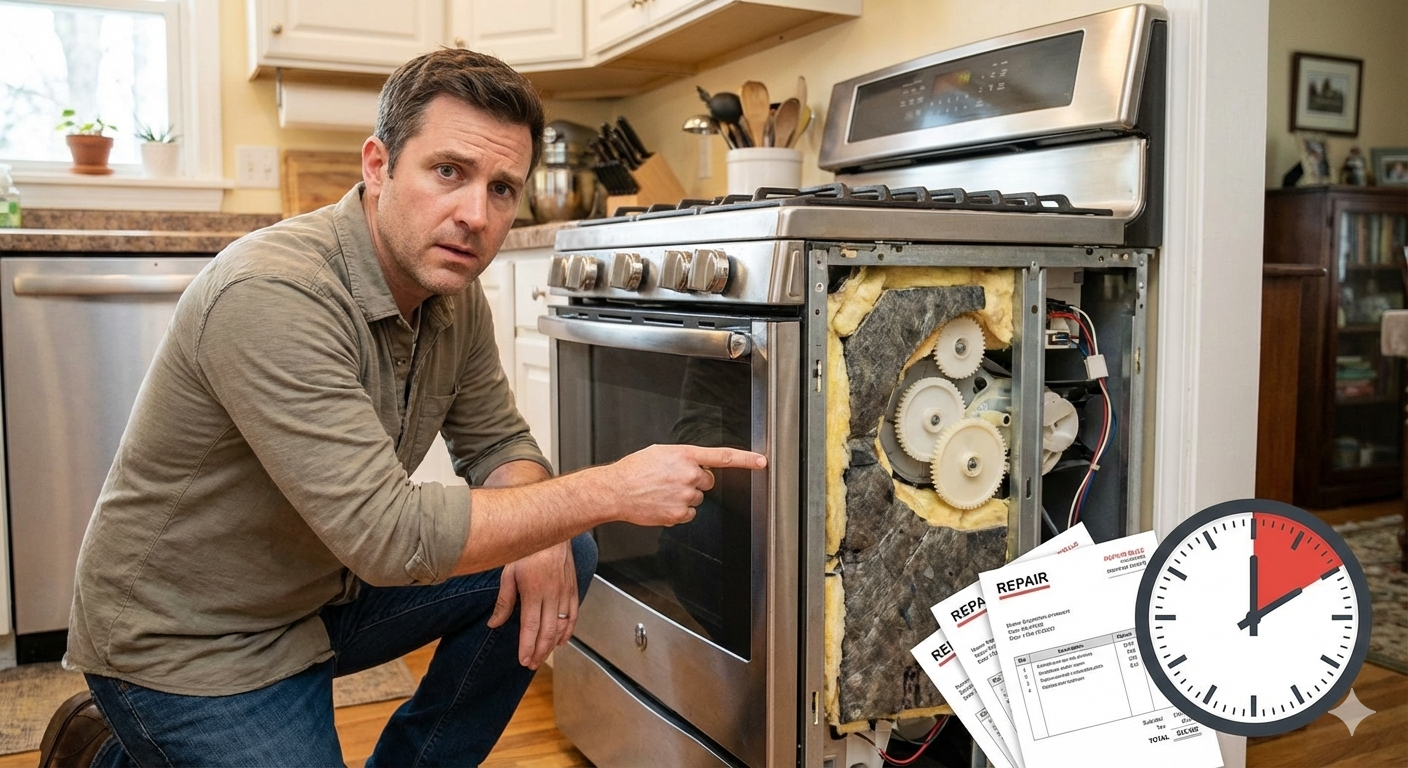
The Real Cost of Cheap Kitchen Appliances: What Actually Breaks and When
Budget kitchen appliances promise significant savings compared to premium brands, with identical-looking stainless steel finishes and similar feature lists at half the price. The temptation to save thousands across a full kitchen suite is strong, particularly when renovations already strain budgets. However, understanding what differentiates cheap appliances from quality options helps you make informed tradeoffs rather than discovering expensive mistakes after installation. The gap isn’t primarily about features or aesthetics – it’s about component quality, engineering decisions, and longevity that only become apparent through years of use. The appliance industry operates across multiple tiers, from true budget brands sold primarily online to mid-range options available at big box stores to premium brands carried by specialty dealers. Each tier makes different engineering and manufacturing choices that fundamentally affect reliability and lifespan. Knowing where manufacturers cut costs helps you identify which compromises matter for your usage patterns and which represent acceptable tradeoffs for the savings achieved. Where Cost-Cutting Actually Happens Manufacturers reduce prices through specific engineering and materials decisions that aren’t obvious from spec sheets or showroom appearances. Compressor Quality in Refrigerators: The compressor represents a refrigerator’s heart, running constantly to maintain temperatures. Premium brands use compressors designed for 15-20 years of continuous operation with substantial safety margins. Budget brands often specify compressors engineered for 7-10 year lifespans with minimal tolerances. Both work identically when new, but the budget compressor faces higher failure rates as it ages, particularly in hot climates or when installed in tight spaces with poor ventilation. Dishwasher Pump Construction: Quality dishwashers use stainless steel pump housings and impellers that resist corrosion from detergents and hard water. Budget models substitute plastic components that degrade over time, becoming brittle and eventually cracking. The dishwasher works fine for 3-5 years until plastic pump components fail, requiring repairs that often cost nearly as much as the original appliance. Range Burner Materials: Gas range burners in premium models use brass or heavy-gauge stainless steel that maintains precise tolerances through thousands of heating cycles. Budget ranges use thinner materials or aluminum alloys that warp with repeated heating, eventually causing uneven flames or gas leaks. The range cooks identically when new, but performance degrades noticeably after several years of regular use. Oven Insulation Thickness: Quality ranges include 2-3 inches of high-density insulation surrounding oven cavities. This insulation maintains consistent temperatures while keeping exterior surfaces cool. Budget models use 1 inch or less of lower-density insulation, causing heat loss that makes ovens work harder to maintain temperature while making cabinet surfaces warm enough to potentially damage finishes over time. Control Board Components: Modern appliances rely on electronic control boards managing functions previously handled mechanically. Premium brands use commercial-grade capacitors, relays, and circuit boards designed for humid, high-temperature environments. Budget brands use consumer-grade components that fail more frequently in the harsh conditions kitchen appliances face. Control board failures often require complete replacement at costs of several hundred dollars. Wire Gauge and Connections: Internal wiring quality affects reliability significantly but remains completely invisible to buyers. Heavier gauge wire with quality connectors maintains reliable electrical flow through years of thermal cycling. Minimum-spec wire with cheaper connectors develops resistance over time, creating heat that accelerates component failure. This cost-cutting appears nowhere in specifications but dramatically affects lifespan. The Three-Year Cliff Most Buyers Don’t Anticipate Understanding failure patterns helps you plan for appliance lifecycles rather than being surprised by unexpected replacements. Year One Performance: Essentially all appliances work properly during the first year regardless of quality tier. Manufacturing defects appear quickly and typically get covered under warranty. Budget and premium appliances perform identically during this honeymoon period, creating the false impression that they’re equivalent. Years Two Through Four: This period reveals the first meaningful differences. Budget appliance failure rates climb significantly as components designed for minimal lifespans begin wearing out. Seals harden, motors develop bearing noise, electronic controls start glitching. Many of these issues aren’t catastrophic failures but annoying problems that degrade user experience. Years Five Through Seven: Budget appliances face rapidly accelerating failure rates. Major components like compressors, pumps, and heating elements fail frequently. Repairs often cost 40-60% of replacement prices, creating difficult decisions about whether to repair or replace. Premium appliances remain mostly reliable during this period, though they’re beginning to show their age. Year Eight and Beyond: Few budget appliances remain functional past 8-10 years without multiple major repairs. Premium appliances commonly reach 12-15 years before requiring replacement, often longer with proper maintenance. This longevity difference means premium appliances cost less per year of service despite higher purchase prices. When Budget Appliances Make Sense Budget appliances aren’t universally bad choices. Specific situations justify accepting shorter lifespans for immediate savings. Rental Properties: Landlords replacing appliances in rental units face different calculus than homeowners. Tenants may damage appliances regardless of quality, and rapid turnover means appliances might get replaced during unit renovations before they fail naturally. Budget appliances that last 5-7 years serve rental properties adequately while preserving capital for other investments. Temporary Housing: People living somewhere temporarily – college apartments, short-term job assignments, starter homes they plan to sell within a few years – benefit from budget appliances. If you’ll move before the appliance fails, you’ve captured the full value of the lower purchase price without experiencing the shortened lifespan. Very Light Use: Second homes used occasionally, in-law suites occupied part-time, or vacation properties with seasonal use don’t stress appliances the way daily family cooking does. Operating hours matter more than calendar years for appliance longevity. Light use can extend budget appliance lifespans significantly. Constrained Budgets: Sometimes budgets simply don’t accommodate quality appliances across an entire kitchen. In these situations, prioritizing matters. Invest in quality for appliances you use most (typically range and refrigerator) while accepting budget options for less-critical items (like dishwashers if you rarely run them). The Repair Economics That Change Everything Understanding repair costs versus replacement costs helps you make rational decisions when appliances fail rather than emotional choices based on frustration. Service Call Minimums: Appliance repair companies typically charge $100-150 just to diagnose problems,