cooking efficiency

Your Kitchen Is Too Clean (And Why That Slows You Down)

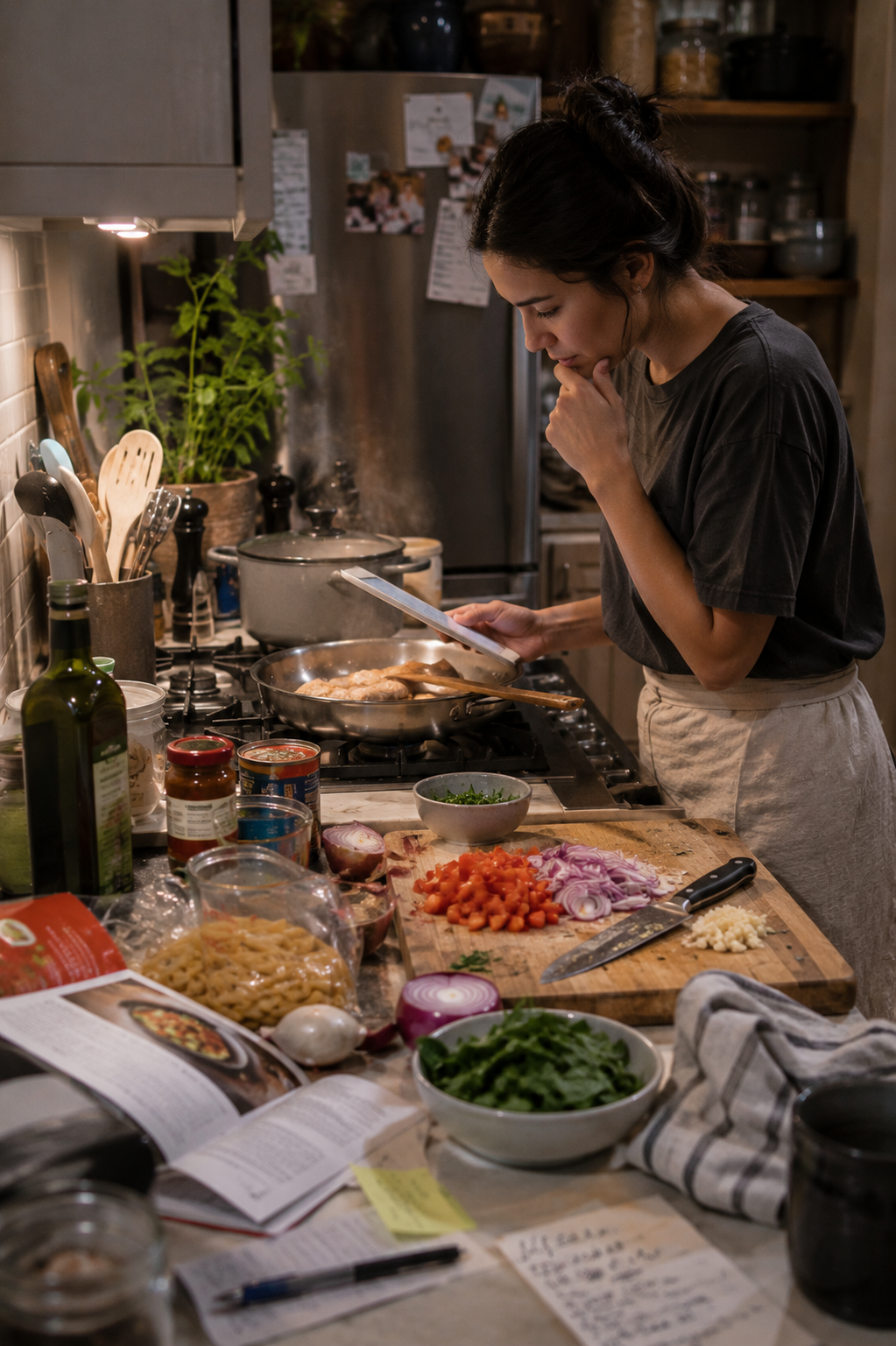
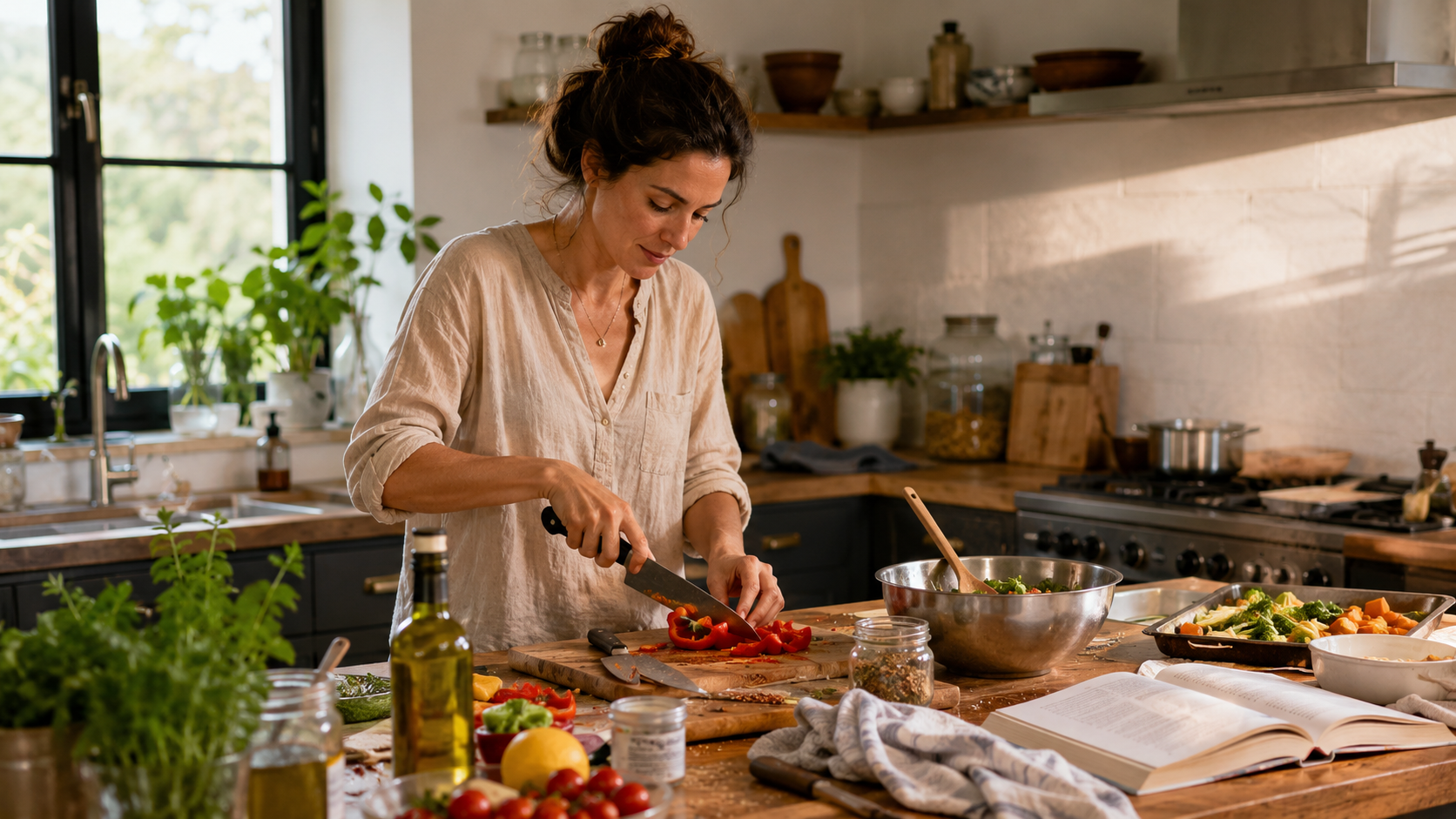
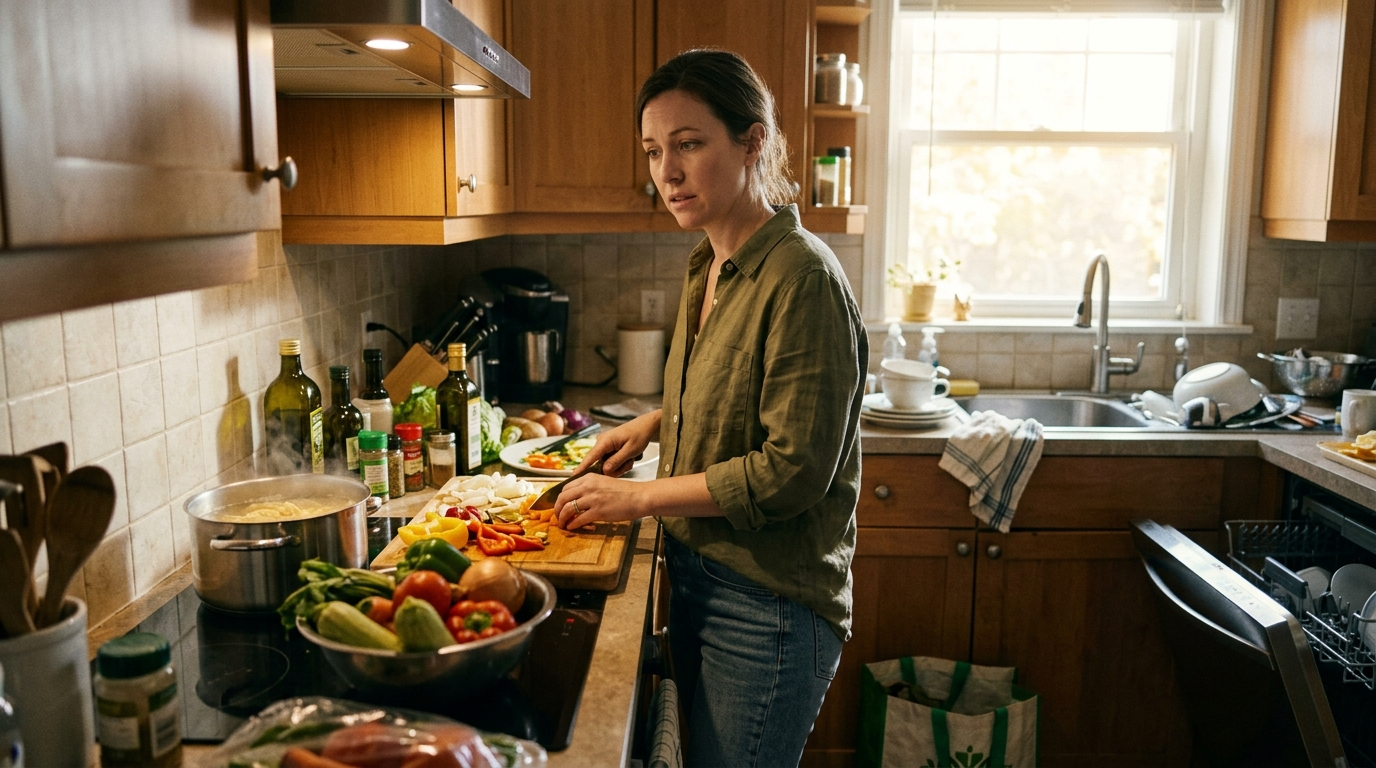
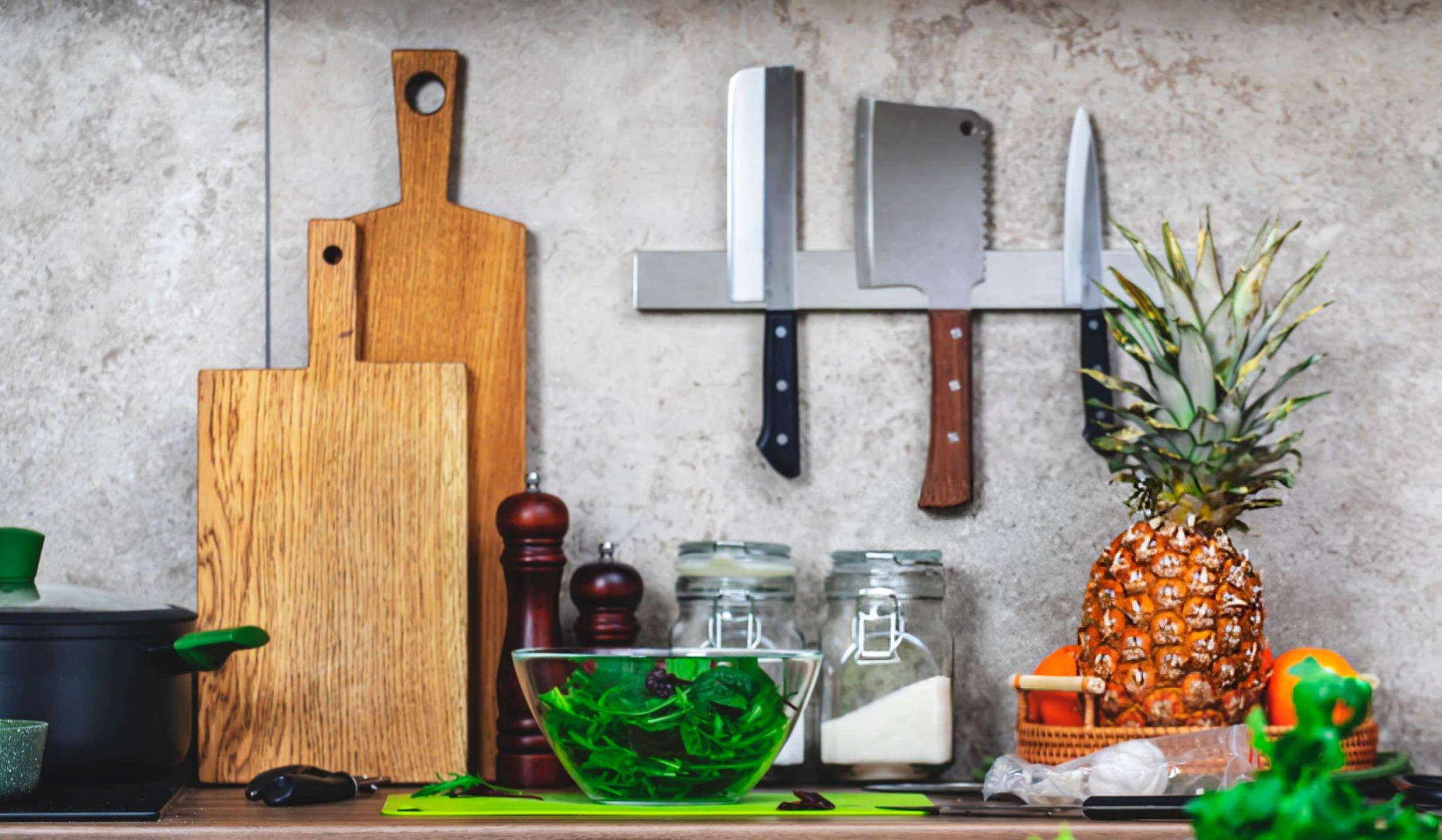
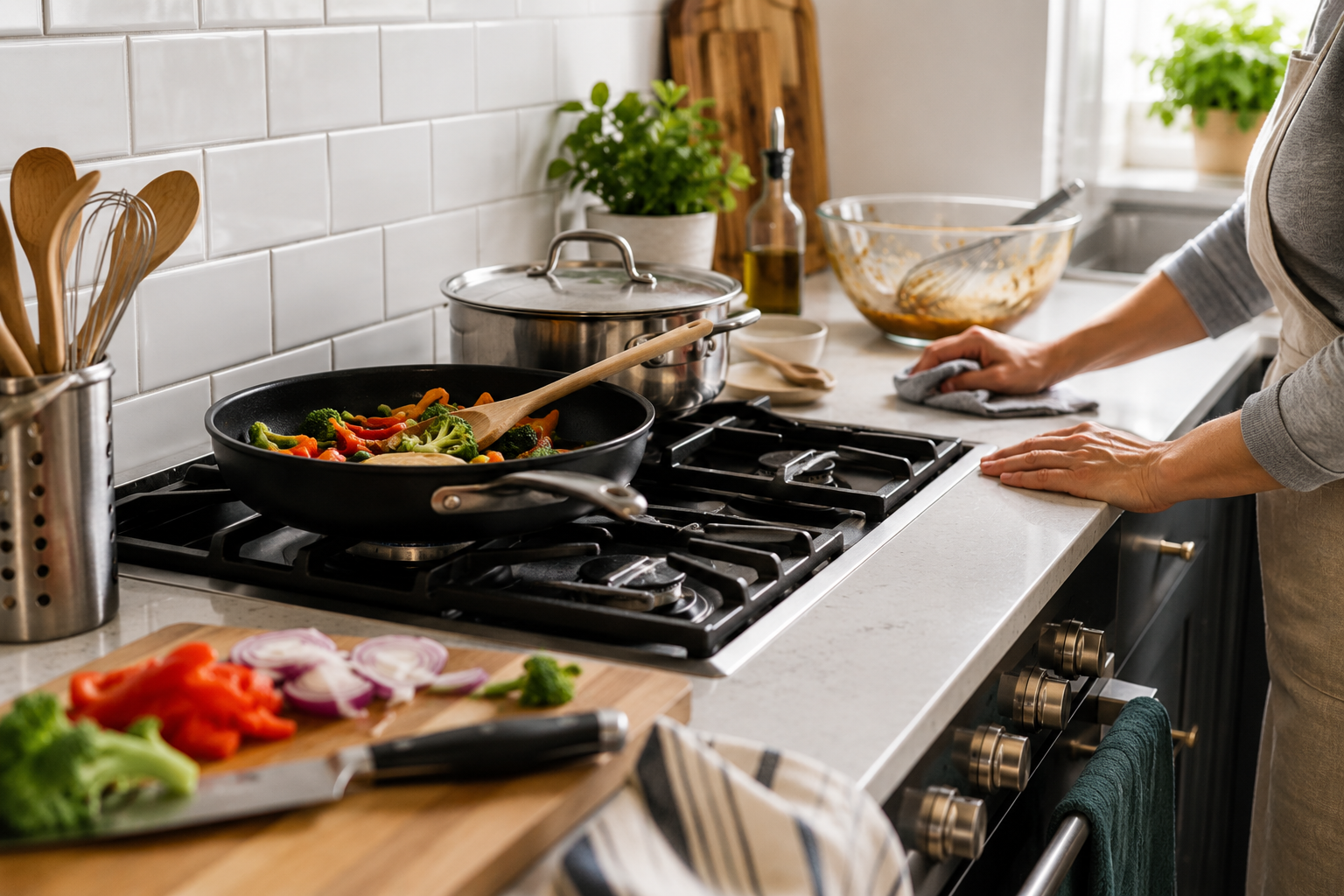
Spotless kitchens look beautiful in magazines. They’re also slower to cook in than kitchens with some working mess. The Instagram-perfect kitchen with empty counters, hidden appliances, and no visible ingredients creates friction at every cooking step. You’re constantly retrieving items from storage, clearing space to work, and putting things away mid-process to maintain the aesthetic. Working kitchens have visible tools, accessible ingredients, and surfaces that tolerate temporary mess during active cooking. This doesn’t mean filth or neglect. It means distinguishing between cooking mess and actual dirt, and understanding which cleanliness standards help cooking versus which ones slow it down. Here’s why excessive tidiness creates inefficiency, which mess is actually productive, and how to maintain a kitchen that’s clean enough without being so pristine it’s dysfunctional. Empty Counters Force Constant Retrieval The design aesthetic of clear counters looks stunning. It’s terrible for cooking efficiency. Countertop appliances stored in cabinets require retrieval before each use. Pulling out the blender, finding the lid, setting it up, and returning it afterward adds five minutes to every smoothie. Multiply this across multiple appliances and meals. Frequently-used items deserve counter space. Coffee maker, toaster, knife block, cutting board, and oil bottle sitting out eliminate dozens of retrieve-and-return cycles weekly. The aesthetic argument prioritizes looking at the kitchen over using the kitchen. If you cook daily, optimize for function over appearance. Guests spend minutes looking at your kitchen. You spend hours working in it. Cabinet storage for everyday items creates decision fatigue. Where did I put the pepper grinder? Which drawer has the spatulas? Visible storage eliminates these micro-decisions dozens of times daily. Different items have different storage thresholds. Stand mixer used weekly deserves counter space. Waffle iron used monthly belongs in the cabinet. The distinction is use frequency, not appearance. Empty counters serve people who cook rarely and photograph often. Working cooks need accessible tools. Cleaning While Cooking Interrupts Workflow The advice to “clean as you go” sounds efficient. It’s actually disruptive to cooking flow. Stopping mid-recipe to wash a bowl breaks concentration and momentum. You’re tracking multiple timings, temperatures, and tasks. Interrupting this mental juggling for cleanup fragments attention. Cooking requires sustained focus through multiple overlapping tasks. Pausing to wipe counters or wash dishes interrupts the cooking rhythm creating missed timings and forgotten steps. Better approach: contain mess during cooking, clean after eating. Stack used bowls in the sink. Wipe major spills that create hazards. Leave everything else until food is plated and served. The clean-as-you-go mandate assumes cooking is linear with natural pauses. Real cooking involves simultaneous management of multiple components. Cleaning interrupts this parallelism. Exception: clean during genuine downtime. While something simmers for twenty minutes, washing a few dishes makes sense. But stopping pasta-making to clean the counter actively harms cooking flow. Your kitchen can tolerate some mess for the hour you’re actively cooking. Prioritize cooking well over maintaining pristine surfaces during the process. Visible Spills Aren’t Dirty Tomato sauce splattered on the stovetop during cooking isn’t dirt. It’s evidence of cooking in progress. The obsession with immediately wiping every drip creates constant interruption. You’re stirring sauce, some splatters, you stop stirring to wipe it. Meanwhile the sauce burns because you’re cleaning instead of cooking. Splatter during cooking is temporary mess, not permanent filth. It wipes easily after cooking finishes. Stopping cooking to clean cooking mess is backwards priority. Distinguish between contamination and clutter. Raw chicken juice needs immediate cleanup preventing cross-contamination. Splattered marinara just needs wiping eventually. Cooking generates temporary mess. This is normal and acceptable. The mess serves as workspace evidence, not failure to maintain standards. Clean the splatter after the meal. While food rests or during post-dinner cleanup, wipe everything down. The splatter isn’t getting worse sitting there for thirty minutes while you finish cooking. Stop interrupting cooking to maintain aesthetics. The kitchen can look messy while you cook. That’s what kitchens do. Dish Washing Mid-Recipe Breaks Focus Recipes often instruct “wash bowl and reuse.” This sounds efficient but fragments the cooking process. Stopping to wash a bowl means leaving the stove, scrubbing the dish, drying it, and returning to cooking. This takes three to five minutes. During those minutes, something on the stove needs attention you’re not providing. Using extra bowls is more efficient than stopping to wash. Yes, you’ll wash more dishes later. But washing five bowls consecutively takes less total time than washing one bowl five separate times with interruptions between. The extra dish argument prioritizes minimal dishwashing over efficient cooking. This backwards priority sacrifices cooking quality to save one bowl. Most kitchens own enough bowls and utensils for one meal without washing mid-recipe. If you’re stopping to wash because you’ve run out of bowls, you need more bowls, not better cleaning habits. Cook first, clean after. Don’t let cleaning interrupt cooking. The dishes wait. The food on the stove doesn’t. Ingredient Containers Stay Out During Cooking Putting ingredients away between uses adds steps without benefit during active cooking. You use olive oil five times during one meal. Retrieving it from the cabinet and returning it five times adds ten trips. Leaving it on the counter during cooking eliminates unnecessary movement. The container sitting out for thirty minutes doesn’t suffer. Oil doesn’t degrade from brief counter exposure. Neither do spices, flour, or other cooking ingredients. After cooking finishes, return everything at once. One trip putting five items away beats five trips putting one item away repeatedly. This applies to tools too. The spatula used for three different cooking steps stays out until the meal completes. Washing and storing between each use is pointless efficiency theater. Kitchen efficiency favors batch actions over constant tidying. Retrieve everything needed at the start, use as needed, return everything at the end. Stop the retrieve-use-return-retrieve cycle mid-cooking. Cutting Board Cleaning Between Tasks Is Excessive Food safety guidelines create excessive cutting board washing requirements for home cooking. The warning against cross-contamination leads to washing the board between every ingredient. This creates constant interruption and generates unnecessary water and soap use. Reasonable approach:

Your Sink Is in the Wrong Spot (And Why It Matters)

Most kitchens place the sink under a window for the view. This positioning ignores how you actually cook and creates workflow problems you’ve adapted to without realizing they’re problems. The sink-under-window convention comes from pre-dishwasher era when washing dishes meant standing at the sink for extended periods. A window view made the tedious task more bearable. Modern kitchens inherited this layout without questioning whether it still makes sense. Your sink location affects cooking efficiency more than almost any other kitchen design choice. Wrong placement adds steps, creates awkward reaches, and forces inefficient movement patterns during food preparation. Here’s why standard sink placement causes problems, where sinks should actually go based on cooking workflow, and what you can do about your existing kitchen without renovating. The Window Wastes Your Best Counter Space Windows occupy prime real estate in kitchens—exterior walls with natural light. Dedicating that space to a sink means your brightest, most pleasant kitchen area gets used for dish washing instead of food preparation. Natural light matters for detailed work like chopping vegetables, reading recipes, or plating food. The window area provides the best natural illumination in the kitchen. Putting the sink there means you’re doing dishes in the best light while prepping food in dimmer interior spaces. This backwards priority wastes the window location on tasks that don’t require good lighting. Counter space beside window-mounted sinks often ends up narrow and awkward. Window placement constraints leave minimal workspace flanking the sink, creating cramped prep areas. The view argument assumes you spend significant time staring out windows while doing dishes. With modern dishwashers, hand-washing time is minimal. You’re not standing at the sink long enough to justify sacrificing prime counter real estate for the view. Better window use would be placing your primary prep area there—cutting board, ingredient staging, detailed work that benefits from natural light. Save the sink for interior wall placement where windows don’t matter. Sink-to-Stove Distance Creates Unnecessary Walking Standard kitchen layouts often place sinks far from stoves because window locations dictate sink placement rather than cooking workflow dictating design. Think about cooking tasks requiring both sink and stove: draining pasta, transferring parboiled vegetables, filling pots with water, rinsing ingredients mid-cooking. Each task involves carrying heavy, hot, or wet items between sink and stove. Distance between these two workstations multiplies throughout cooking. A recipe requiring five trips between sink and stove in a poorly-designed kitchen might need ten steps per trip. That’s fifty extra steps for one meal. Water spills happen during sink-to-stove transfers. Carrying full pots across the kitchen drips water on floors creating slip hazards and mess. Heavy pot handling over distance strains arms and creates dropping risk. A full stockpot weighs significantly. Carrying it ten feet versus three feet matters for safety and effort. Ideal sink-to-stove distance measures three to six feet. This range allows easy transfer without excessive walking while providing enough separation that sink splashes don’t reach the stovetop. Many kitchens exceed this distance by placing sinks on opposite walls or far corners from stoves. The extra steps add up over years of daily cooking. You’re Prepping in the Wrong Location Most people prep food wherever counter space exists, not where prep should logically happen based on cooking workflow. Prep happens between ingredient retrieval (refrigerator) and cooking (stove). The prep area should sit geographically between these two points creating logical left-to-right or right-to-left workflow. Many kitchens force prep in locations requiring backtracking. You grab ingredients from the refrigerator, walk to the sink area to prep, then walk back past the refrigerator to reach the stove. This backwards flow wastes motion. The sink attracts prep work because it’s where you wash vegetables and dispose of scraps. But using the sink as your prep center puts you in the wrong location relative to refrigerator and stove. Ideal prep location sits between refrigerator and stove, with the sink accessible but not central. You grab ingredients, prep them while moving toward the stove, and cook. Linear workflow without backtracking. Current kitchen layouts often create triangular movement patterns—refrigerator to sink to stove and back—instead of efficient linear flow. The triangle adds unnecessary distance to every cooking task. Observe your own cooking movement. If you’re constantly walking back and forth across the kitchen rather than moving in one general direction from ingredient storage to cooking, your layout forces inefficient patterns. The Dishwasher Dictates More Than You Think Dishwasher placement affects kitchen workflow beyond just dish loading. It determines where clean dishes get stored and how post-cooking cleanup happens. Dishwashers installed far from dish storage cabinets create extra steps during unloading. You’re walking across the kitchen repeatedly carrying plates and glasses to their storage locations. Logical dishwasher placement sits adjacent to dish storage cabinets. Open dishwasher, transfer dishes directly to nearby cabinets. Minimal walking during unloading. Many kitchens place dishwashers next to sinks (logical for plumbing) but put dish storage on the opposite side of the kitchen (illogical for workflow). This split creates unnecessary unloading distance. The dishwasher also affects cleanup workflow. Scraping plates and loading the dishwasher works best when the dishwasher sits near where you eat, not necessarily near where you cook. Some kitchens benefit from dishwasher placement between cooking area and dining area—convenient for both cooking cleanup and dish loading from dining table. This middle-ground location serves both functions. Standard kitchen design puts dishwashers beside sinks without considering whether sink location makes sense for overall dish workflow. The dishwasher follows the sink regardless of whether that placement is optimal. Counter Depth Matters More Than Length Kitchens emphasize counter length—how many linear feet of counter space exists. But counter depth determines usability more than length. Standard counter depth measures 24-25 inches from wall to edge. This depth barely accommodates cutting board, ingredient bowls, and working space simultaneously. Deep counters (30+ inches) provide adequate working space for multiple tasks. You can stage ingredients behind your active cutting board without things falling off the back edge. Shallow counters force choosing between tool placement. The cutting board occupies most

Essential Kitchen Tools Every Home Chef Should Own: Building Your Culinary Arsenal

A well-equipped kitchen doesn’t require every gadget on the market, but having the right essential tools can transform your cooking experience from frustrating to enjoyable. The difference between struggling through meal preparation and cooking with confidence often comes down to having quality tools that make techniques easier, safer, and more precise. Understanding which tools provide the most value helps you build a kitchen arsenal that supports your culinary growth while avoiding unnecessary clutter. Smart tool selection focuses on versatile items that serve multiple purposes rather than single-use gadgets that quickly become drawer clutter. The best kitchen tools are those you’ll reach for repeatedly, tools that make fundamental cooking techniques more accessible and enjoyable. Building your collection gradually with quality pieces provides better long-term value than buying complete sets of mediocre tools that may disappoint. The Foundation: Quality Knives Great cooking starts with great knives, and no other kitchen tools have as much impact on your daily cooking experience. Quality knives make food preparation faster, safer, and more precise while lasting for decades with proper care. Chef’s knife represents the most important tool in any kitchen, handling 80% of cutting tasks from chopping vegetables to slicing meat. An 8-10 inch chef’s knife with a comfortable handle and sharp, high-carbon steel blade serves as your primary cutting tool for most cooking tasks. Paring knife handles detailed work like peeling, trimming, and precision cutting that larger knives can’t manage effectively. A 3-4 inch paring knife with a comfortable grip allows delicate work while maintaining control and accuracy. Serrated knife cuts through foods with tough exteriors and soft interiors without crushing or tearing. A quality serrated knife handles bread, tomatoes, and other challenging items that would be damaged by straight-edge knives. Knife sharpening tools maintain your knives’ performance over time, making them safer and more effective to use. A honing steel for regular maintenance and a sharpening system for periodic edge restoration keep knives performing optimally. Proper knife storage protects blade edges while keeping knives safely accessible. Magnetic strips, knife blocks, or in-drawer knife organizers prevent damage while ensuring kitchen safety. Quality knife characteristics include high-carbon steel blades that hold edges well, comfortable handles that fit your grip, and full-tang construction that provides balance and durability. Cutting Boards: Your Workspace Foundation Cutting boards provide the foundation for all knife work, affecting both food safety and knife performance. Having appropriate cutting boards for different tasks prevents cross-contamination while protecting your knives and countertops. Wood cutting boards offer natural antimicrobial properties while being gentle on knife edges. Hardwoods like maple or walnut provide durability while developing character over time with proper care and maintenance. Plastic cutting boards allow for easy sanitizing in dishwashers while being affordable enough to maintain separate boards for different food types. Color-coded plastic boards help prevent cross-contamination between raw meats and ready-to-eat foods. Size considerations ensure adequate workspace for different cutting tasks. Large boards provide room for chopping multiple vegetables, while smaller boards work well for quick tasks or when counter space is limited. Maintenance requirements vary between materials but all cutting boards need regular cleaning and periodic deep sanitizing to maintain food safety. Understanding proper care extends board life while ensuring hygiene. Stability features like rubber feet or non-slip surfaces prevent dangerous movement during use. Secure cutting boards improve safety while allowing more confident, efficient knife work. Measuring Tools for Precision and Consistency Accurate measuring ensures consistent cooking results while helping you follow recipes successfully and develop your own cooking skills through reliable feedback. Measuring cups for dry ingredients should be flat-topped for accurate leveling, with clearly marked measurements that won’t wear off over time. Stainless steel or durable plastic cups provide long-lasting accuracy. Liquid measuring cups with pour spouts and clear measurement markings allow accurate liquid measurement while minimizing spills. Glass measuring cups resist staining while being microwave-safe for heating ingredients. Measuring spoons handle small quantities of spices, extracts, and other ingredients that can significantly impact recipe outcomes. Quality measuring spoons have clearly marked measurements and comfortable handles. Kitchen scale provides the most accurate ingredient measurement, particularly important for baking where precision affects results significantly. Digital scales with tare functions allow easy measurement of multiple ingredients in one container. Instant-read thermometer ensures food safety while preventing overcooking of proteins. Digital thermometers provide quick, accurate readings that help achieve perfect cooking results. Essential Cookware for Versatile Cooking Quality cookware forms the foundation of effective cooking, with a few versatile pieces handling most cooking tasks better than large sets of mediocre pots and pans. Large skillet or sauté pan handles most stovetop cooking from searing proteins to cooking vegetables. A 10-12 inch skillet with sloped sides provides versatility while fitting most cooking needs. Heavy-bottomed saucepan distributes heat evenly for sauce-making, cooking grains, and other liquid-based cooking tasks. A 2-3 quart saucepan handles most family cooking needs while being manageable in size. Dutch oven or heavy pot serves multiple purposes from braising and stewing to bread baking and deep frying. Cast iron or enameled cast iron provides excellent heat retention and versatility. Sheet pans enable roasting vegetables, baking cookies, and countless other cooking tasks. Heavy-duty aluminum sheet pans with raised edges provide durability while conducting heat evenly. Stockpot accommodates large-batch cooking like soups, stocks, and pasta for families or meal prep. An 8-12 quart capacity handles most home cooking needs without being unwieldy. Mixing and Preparation Tools Efficient food preparation requires tools that make mixing, combining, and processing ingredients easier and more effective. Mixing bowls in various sizes handle everything from whisking eggs to tossing salads. Stainless steel bowls are durable and versatile, while glass bowls allow visual monitoring of mixing progress. Wooden spoons provide gentle stirring that won’t scratch cookware while being heat-resistant for stovetop cooking. Multiple wooden spoons prevent flavor transfer between different dishes. Rubber spatulas scrape bowls clean while folding ingredients gently. Heat-resistant silicone spatulas work for both cold preparation and hot cooking applications. Whisks incorporate air into mixtures while breaking up lumps in sauces. Different whisk sizes handle

The COS-30EDWC Double Wall Oven: Expand Your Cooking Capacity Without Expanding Your Kitchen

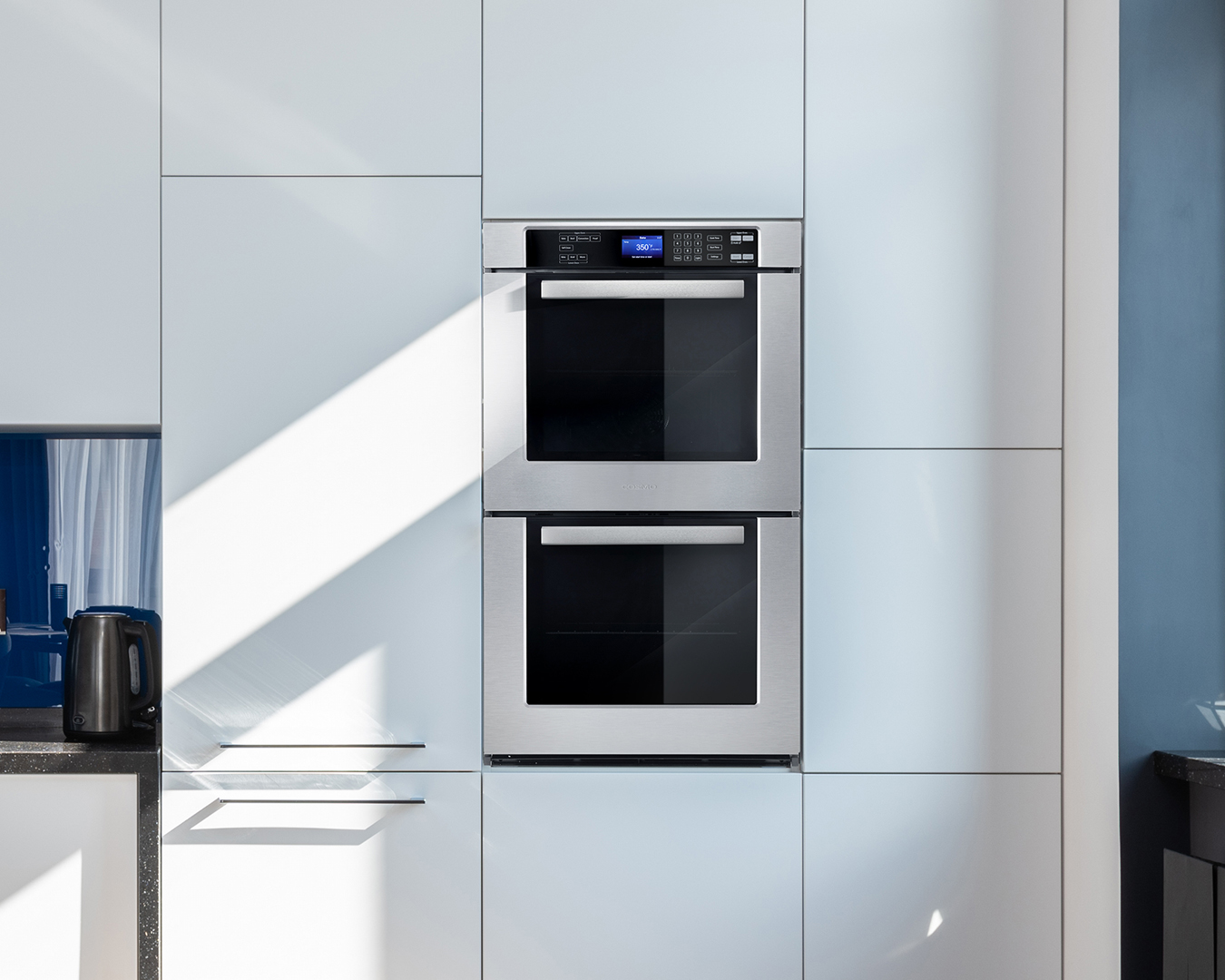
Double wall ovens represent the ultimate solution for serious home cooks who need expanded cooking capacity without sacrificing kitchen space. The COS-30EDWC double wall oven delivers two full-sized 5.0 cubic foot ovens in a single 30-inch installation, providing the cooking flexibility that makes holiday entertaining and multi-course meal preparation dramatically easier. With seven oven functions in each cavity and Turbo True European Convection, this unit brings professional-level cooking capabilities to home kitchens.The beauty of double wall ovens lies in their ability to handle multiple dishes at different temperatures simultaneously. Whether you’re roasting a turkey in one oven while baking desserts in the other, or preparing a complete holiday meal with sides cooking at various temperatures, dual ovens eliminate the juggling act that single ovens require. The COS-30EDWC makes this professional-level capability accessible to home cooks who demand more from their kitchen appliances. Why Double Wall Ovens Change Everything Double wall ovens transform how you approach cooking by eliminating the temperature and timing conflicts that limit single oven cooking. You can roast meats at high temperatures in one oven while baking delicate pastries at lower temperatures in the other, or cook multiple dishes that require different cooking times without coordination headaches.The independent operation of each oven means you’re not limited by single-oven compromises. Different dishes can start and finish at different times, use different cooking modes, and require different temperatures without affecting each other. This flexibility becomes invaluable during holiday cooking or when entertaining large groups.Built-in installation at comfortable heights reduces the physical strain of loading and unloading heavy dishes. Both ovens are positioned for easy access without excessive bending or lifting, making cooking safer and more comfortable, especially during extended cooking sessions.The visual impact of double wall ovens creates a professional, high-end appearance that enhances any kitchen design. The clean, integrated look of built-in installation provides a custom appearance that freestanding ranges simply cannot match.Space efficiency becomes a major advantage when you consider that double wall ovens provide twice the cooking capacity of a single oven while occupying the same cabinet footprint. This efficiency makes double ovens practical even in kitchens where space is at a premium. Dual 5.0 Cubic Foot Capacity Each oven in the COS-30EDWC provides a full 5.0 cubic feet of cooking space, giving you 10 cubic feet of total oven capacity. This generous sizing accommodates large roasts, multiple sheet pans, or several dishes simultaneously in each oven compartment.The substantial capacity in each oven means you’re not sacrificing size for quantity. Each cavity can handle large holiday turkeys, multiple casserole dishes, or full-sized sheet pans without crowding. This sizing flexibility becomes particularly valuable during holiday cooking when oven space is at a premium.Multiple rack positions in each oven provide cooking flexibility for different sized items. You can position racks to accommodate tall items like standing rib roasts or arrange multiple racks for cookies, rolls, or side dishes that cook at the same temperature.The interior dimensions allow for creative cooking arrangements that maximize oven efficiency. You might use one oven for main dishes while dedicating the other to sides and desserts, or assign ovens based on cooking temperatures and timing requirements.Consider the combined capacity when planning large meals. Ten cubic feet of oven space handles holiday meals for extended families, dinner parties, or batch cooking sessions that would overwhelm single oven setups. Turbo True European Convection in Both Ovens Both ovens feature independent Turbo True European Convection systems that provide even heat distribution and improved cooking results. Having convection in both ovens means you can take advantage of faster cooking times and better browning regardless of which oven you’re using.True convection technology places the heating element around the fan rather than using separate elements with circulation fans. This design creates more uniform heat distribution and allows for cooking multiple items simultaneously without flavor transfer between dishes.The even heat circulation allows effective use of multiple rack positions in each oven. Cookies bake evenly on multiple sheets, casseroles brown uniformly, and roasts cook consistently throughout. This capability significantly improves cooking efficiency and results.Independent convection systems mean each oven operates at peak efficiency regardless of what’s cooking in the other cavity. You don’t lose performance or capacity when using both ovens simultaneously, maintaining professional-level results in each compartment.Convection cooking typically reduces cooking times by 25-30% while often allowing lower temperature settings. This efficiency saves energy and time while producing superior results, particularly valuable when managing multiple dishes across two ovens. Seven Cooking Functions Per Oven Each oven compartment offers seven distinct cooking functions that optimize performance for different types of food and cooking techniques. Having fourteen total cooking modes provides incredible versatility for various cooking tasks and preferences.Conventional bake modes in each oven provide traditional heating for standard recipes and familiar cooking patterns. These modes work well for dishes developed for conventional ovens and when you prefer traditional cooking methods.Convection bake and roast functions optimize airflow and heating patterns for improved results. Convection bake works excellently for cookies and pastries, while convection roast excels with meats and vegetables that benefit from enhanced browning and even cooking.Broil functions in both ovens provide intense top heat for browning, melting cheese, or finishing dishes. Independent broilers allow you to broil items in one oven while baking or roasting in the other, expanding your cooking options significantly.Additional specialized functions might include pizza modes, proofing settings, or warming functions depending on the specific model configuration. Each function adjusts heating patterns and fan operation to optimize results for specific cooking tasks.The ability to use different functions simultaneously in each oven opens up cooking possibilities that single ovens cannot match. You might broil steaks in the upper oven while slow-roasting vegetables in the lower oven, creating restaurant-quality meals at home. Professional-Grade Controls and Display Soft touch controls for each oven provide intuitive operation and precise control over cooking functions. The responsive interface makes adjusting settings simple while maintaining the sleek appearance that built-in appliances require.LED displays for both ovens show temperature settings, cooking times, and function selections