
practical cooking tips

Why Meal Prep Never Works (And What Actually Does)

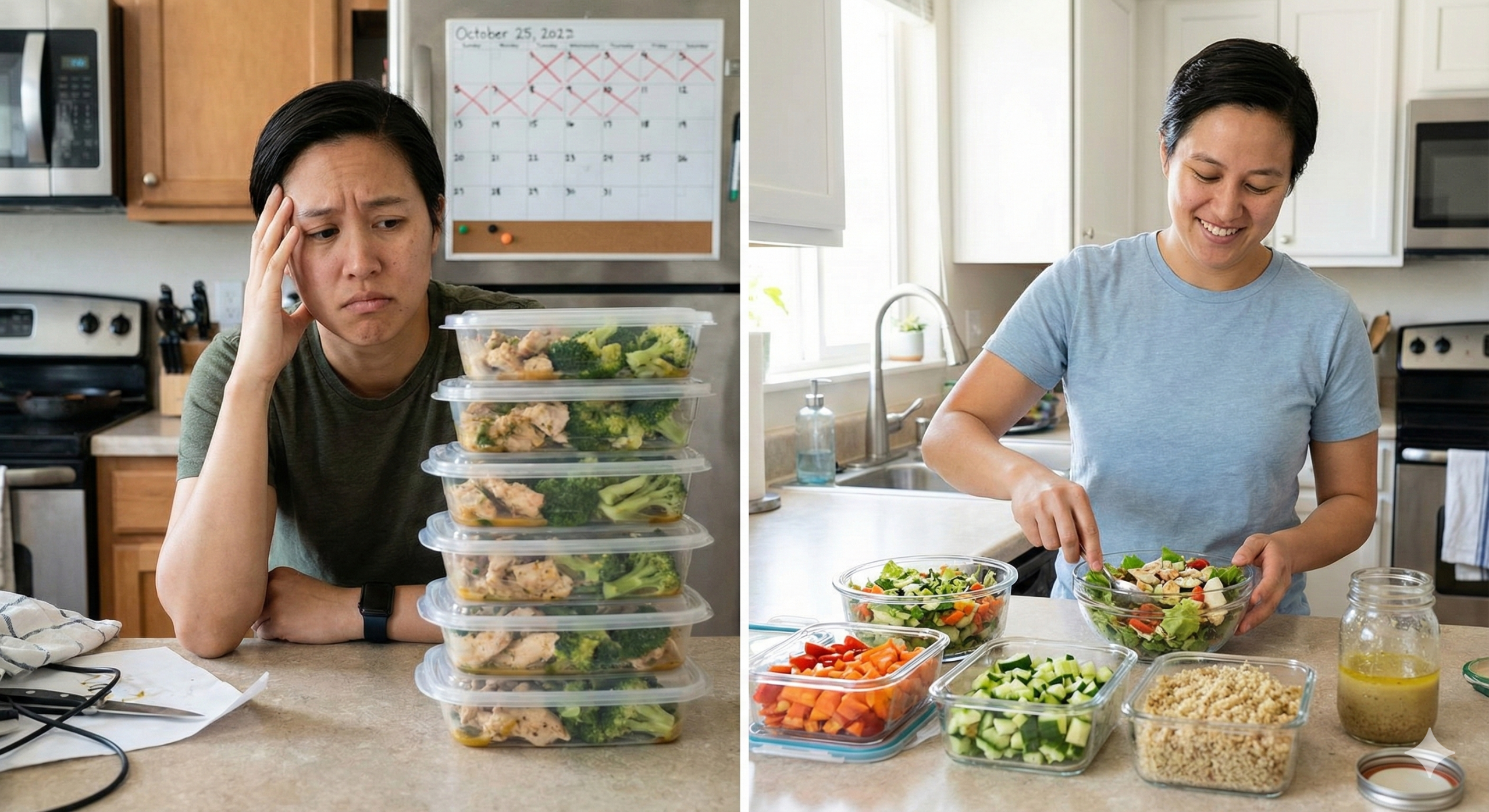
You’ve seen the Instagram posts – neat rows of identical containers filled with perfectly portioned meals for the week, promising time savings, healthier eating, and simplified weeknight dinners. You’ve tried meal prepping multiple times, spending Sunday afternoons cooking and packing meals, only to abandon the system within days when the reality doesn’t match the promise. The failure isn’t about lacking discipline or organization skills – it’s that traditional meal prep as promoted on social media doesn’t align with how most people actually want to eat, how life actually works, or what makes food appealing throughout a week. The meal prep movement oversells benefits while glossing over significant drawbacks that make the system unsustainable for most people. Eating identical meals multiple days in a row gets boring quickly. Food quality degrades over days in the refrigerator. Life’s unpredictability makes rigid meal schedules impractical. And the time investment required for proper meal prep often exceeds what most people can realistically sustain week after week. Understanding why traditional meal prep fails points toward alternative approaches that provide similar benefits without the unsustainable all-or-nothing commitment. The Food Gets Boring Too Quickly The fundamental problem with traditional meal prep is that eating the same meal four or five days in a row simply isn’t appealing to most people, regardless of how delicious it was on day one. Taste fatigue sets in faster than meal prep advocates acknowledge. That chicken and rice bowl tastes great Monday, acceptable Tuesday, boring Wednesday, and by Thursday you’re ordering takeout despite having prepared meals in your refrigerator. Appetite varies day to day based on activity levels, stress, weather, and dozens of other factors. Committing to predetermined meals a week in advance ignores this natural variation in what sounds appealing. Social unpredictability makes rigid meal schedules impractical. Unexpected lunch meetings, dinner invitations, or simply not feeling like the meal you prepped creates wasted food and guilt about abandoning your plan. The monotony of eating identical meals contradicts our natural preference for variety. Humans evolved eating diverse foods, and our taste preferences reflect this – we get bored eating the same things repeatedly even when they’re nutritionally adequate. Meal prep enthusiasts often cycle through this pattern: excited prep session, three days of compliance, boredom setting in, abandoned containers in the back of the fridge, guilt about wasted effort and food, abandoning the system entirely. The solution isn’t more discipline to force yourself to eat boring food – it’s acknowledging that variety matters and building flexibility into your approach. Food Quality Degrades Over Days Even with proper storage, prepared meals lose quality throughout the week as textures change, flavors meld inappropriately, and fresh ingredients deteriorate. Vegetables get soggy sitting in dressing or sauce for days. That crisp salad or fresh vegetable side dish on Sunday becomes limp and unappealing by Thursday, making meals less satisfying even if technically edible. Grains and starches change texture dramatically after refrigeration. Rice becomes hard and dry, pasta turns gummy, and quinoa gets weird and clumpy. Reheating helps but doesn’t restore original texture. Proteins dry out from repeated refrigeration and reheating. Chicken, in particular, becomes increasingly dry and tough over days, even when initially moist and well-cooked. Sauces separate or get absorbed into other components, creating mushy texture where distinct elements existed initially. Meals that looked appealing on prep day look increasingly unappetizing as the week progresses. The contrast between day-one quality and day-five quality creates diminishing satisfaction throughout the week. You start with something fresh and appealing and end with something you’re forcing yourself to eat despite not wanting it. This quality degradation isn’t about poor storage or improper technique – it’s the inevitable result of preparing food days before consumption. Fresh will always taste better than several-days-old. The Time Investment Is Front-Loaded and Exhausting Meal prep requires dedicating several hours on a single day to cooking and packing meals, creating an exhausting marathon cooking session that many people can’t sustain weekly. Sunday afternoons spent entirely in the kitchen cooking multiple meals, cleaning dishes constantly, and packing containers feels overwhelming rather than empowering. The sheer effort required makes meal prep feel like a chore rather than a helpful system. Decision fatigue from planning an entire week of meals at once creates mental strain that daily meal planning distributes across the week. Choosing seven dinners simultaneously is harder than choosing one dinner seven times. Kitchen chaos from preparing multiple dishes simultaneously creates stress and mess. You’re managing several cooking processes, multiple timers, and constant cleanup while trying to stay organized. The all-or-nothing nature of meal prep means that missing a prep session leaves you with no meals rather than just one missing meal. This setup creates pressure that makes the system feel rigid and stressful. Recovery time after marathon prep sessions often extends into Monday when you’re still tired from Sunday’s effort. The time savings on weeknights come at the cost of weekend exhaustion. Many people discover they’d rather spend 30 minutes cooking dinner six evenings than three hours on Sunday, even though the total time is similar, because distributed effort feels more manageable. It Assumes Stable Weekly Schedules Meal prep works best for people with predictable schedules who eat all their meals at home, but most people’s lives involve more variability than meal prep accommodates. Work schedules that vary week to week make it difficult to predict when you’ll eat at home versus when you’ll eat out or grab something quick. Social plans that arise mid-week create leftover buildup when you skip prepped meals for dinner with friends or family events. Travel disrupts meal prep cycles entirely. A business trip or weekend away means wasted food and broken routines that are hard to restart. Family dynamics with different schedules for different members make uniform meal prep impractical. Everyone eats at different times or has different preferences that single-batch cooking can’t accommodate. The assumption that life will proceed predictably ignores reality for most people whose weeks involve variability, spontaneity, and changes that rigid meal plans can’t accommodate.
What Professional Cooks Do at Home (It’s Not What You Think)

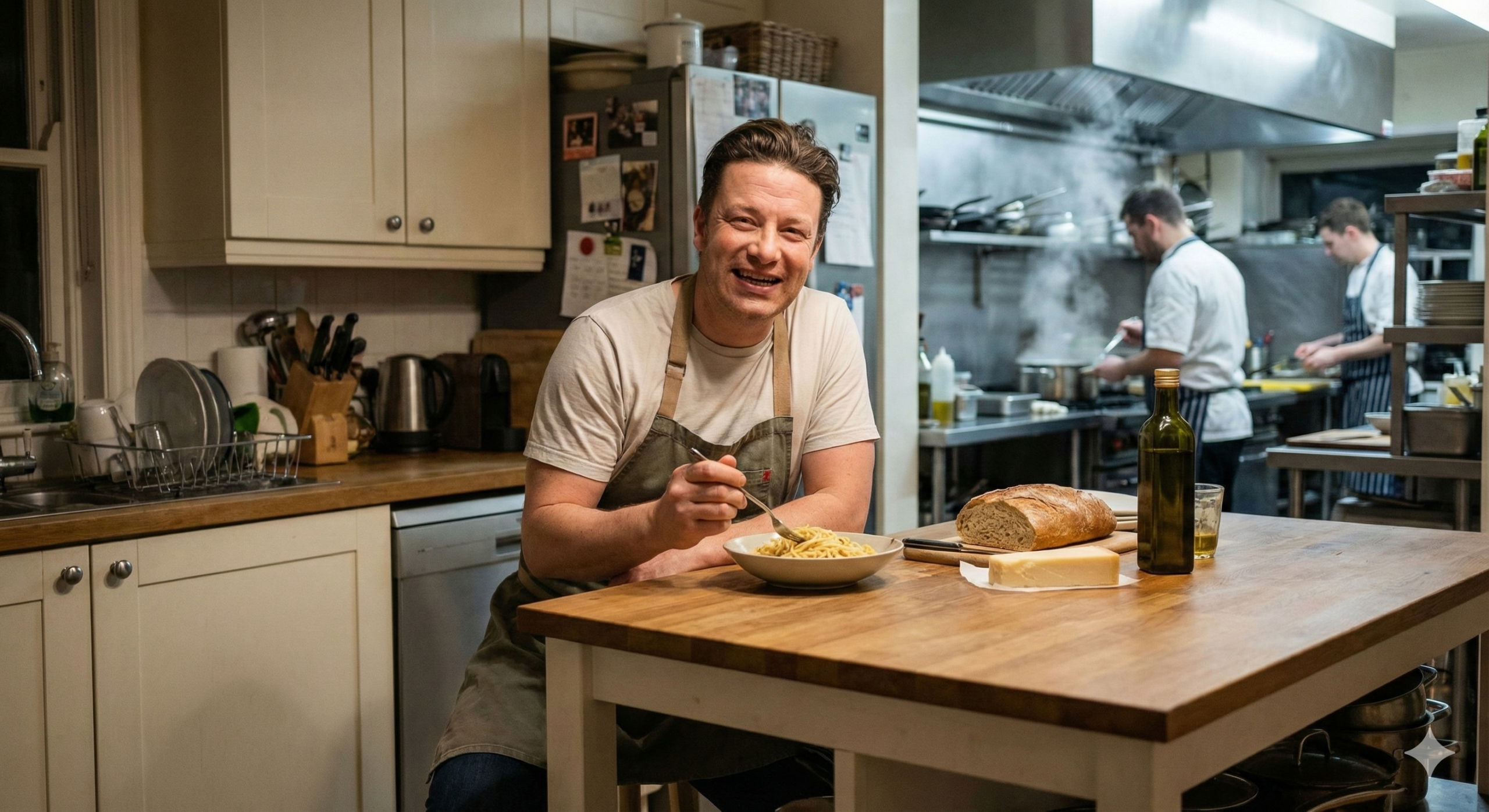
You might assume that chefs and professional cooks go home after work and prepare elaborate, restaurant-quality meals for themselves using advanced techniques and exotic ingredients. The reality is almost the opposite – most professional cooks eat simply at home, often relying on quick preparations, leftovers, and minimal cooking after spending all day in professional kitchens. Understanding how professionals actually cook at home reveals important truths about sustainable cooking, what techniques genuinely matter, and the difference between cooking as a job versus cooking as part of daily life. The disconnect between professional cooking and home cooking by professionals highlights that elaborate restaurant techniques often aren’t practical, necessary, or even desirable for everyday eating. Professional cooks develop strong opinions about what’s worth doing at home versus what’s just work they’re glad to leave at the restaurant. Their home cooking choices reflect what actually matters for daily meals when you deeply understand cooking but aren’t trying to impress anyone or optimize for restaurant economics and presentation. They Eat Way More Simply Than You’d Expect Professional cooks who spend 8-12 hours preparing complex dishes at work often have zero interest in cooking elaborately at home, choosing instead the simplest meals that meet their needs. Pasta with butter and cheese becomes a legitimate dinner after a long shift, not a shameful shortcut. Professional cooks don’t judge simple food harshly because they understand that elaborate doesn’t necessarily mean better for everyday eating. Eggs in various forms – scrambled, fried, omelets – appear frequently because they’re quick, nutritious, satisfying, and require minimal cleanup. The speed and reliability matter more than impressiveness. Rice bowls with whatever’s available represent common professional cook dinners at home. Simple rice topped with leftover protein, fresh vegetables, and a sauce makes a complete meal in minutes. Sandwiches and toast get elevated by technique and quality ingredients rather than complexity. A perfectly grilled cheese or excellent toast with good butter satisfies without requiring elaborate preparation. The willingness to eat simply comes from understanding that cooking skill isn’t demonstrated through complexity but through making simple things well. A perfectly cooked egg shows more skill than an over-complicated dish executed poorly. Professional cooks also recognize that food fatigue is real – after tasting and smelling food all day at work, they often want minimal food involvement at home, not more elaborate cooking. They Actually Use Convenience Products Professional cooks use store-bought items at home without guilt because they understand that some convenience products offer excellent value and quality that doesn’t justify making from scratch. Rotisserie chickens from grocery stores appear regularly in professional cooks’ home meals. They recognize that the economics and convenience make these purchased birds smarter than roasting chicken themselves for weeknight dinners. Quality jarred pasta sauce gets used and enhanced with fresh ingredients rather than making sauce from scratch every time. Adding fresh herbs, garlic, or vegetables to good jarred sauce creates excellent results with minimal effort. Pre-washed salad greens eliminate tedious washing and spinning for simple weeknight salads. Professional cooks value their time and recognize when convenience justifies the cost premium. Frozen vegetables often appear because professionals know these are frozen at peak freshness and require zero prep. The quality frequently exceeds “fresh” vegetables that spent days in transport and storage. Good bread from bakeries replaces homemade for most purposes because professional cooks know their bread-baking time is better spent elsewhere unless they genuinely enjoy baking. The key insight is that professional cooks use convenience strategically where it makes sense rather than either avoiding it entirely or relying on it completely. They know which shortcuts maintain quality and which ones compromise results. They Focus on a Few Techniques Done Well Rather than using the full range of professional techniques they know, home cooking by professionals usually involves a small set of reliable methods used repeatedly. High-heat searing appears frequently because professionals know proper searing creates flavor quickly without elaborate preparation. A well-seared steak or piece of fish needs little else to be excellent. Simple roasting of vegetables and proteins at high heat produces reliable results with minimal attention. Sheet pan dinners represent professional-level efficiency applied to home cooking. Quick sautés that combine protein and vegetables in one pan create complete meals while minimizing cleanup. The speed and simplicity make this technique ideal for weeknight cooking. Basic pan sauces from fond (browned bits) elevate simple proteins without requiring separate sauce preparation. This single technique adds restaurant quality to home meals with minimal additional effort. The techniques professionals actually use at home are ones that create good results quickly with minimal setup and cleanup. Elaborate multi-step techniques stay at work where they have time, space, and economic justification. They Keep Pantries Extremely Simple Professional cooks’ home pantries often contain fewer items than enthusiastic home cooks keep, focusing on versatile staples rather than extensive collections of specialty ingredients. Quality olive oil, salt, and pepper represent the foundation because professionals know that proper seasoning matters more than exotic ingredients. These basics appear in almost every dish. Garlic, onions, and fresh herbs provide flavor bases for countless dishes without requiring extensive spice collections. A few aromatics create more versatility than dozens of specialty spices. Rice, pasta, and one or two grains cover starch needs without maintaining extensive variety. Having too many options creates decision fatigue without adding genuine value. Canned tomatoes, beans, and a few other pantry staples support quick meals without requiring extensive inventory management. Professional cooks know which shelf-stable items actually get used. The minimal pantry reflects understanding that having too many ingredients creates waste and complexity without improving daily cooking. Better to have fewer items you actually use than extensive collections that expire before you finish them. They’re Extremely Practical About Leftovers Professional cooks waste almost nothing at home, viewing leftovers as valuable resources rather than depressing repeats to avoid. Intentional leftover planning means cooking extra deliberately to provide future meals, not just dealing with whatever remains. Making a large batch of rice or beans is efficient meal planning, not accidental excess. Leftover