efficient cooking

Your Kitchen Is Too Clean (And Why That Slows You Down)

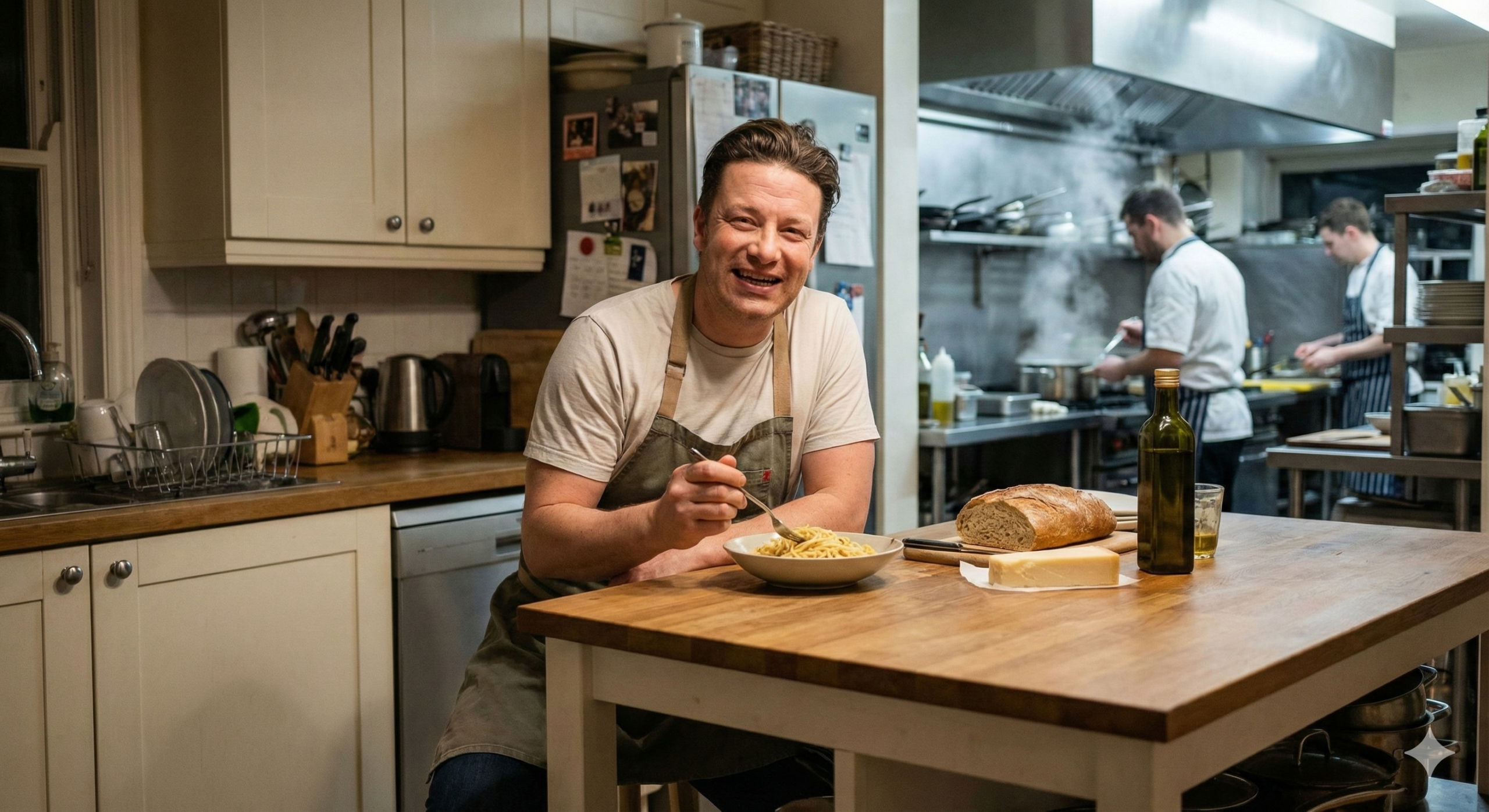
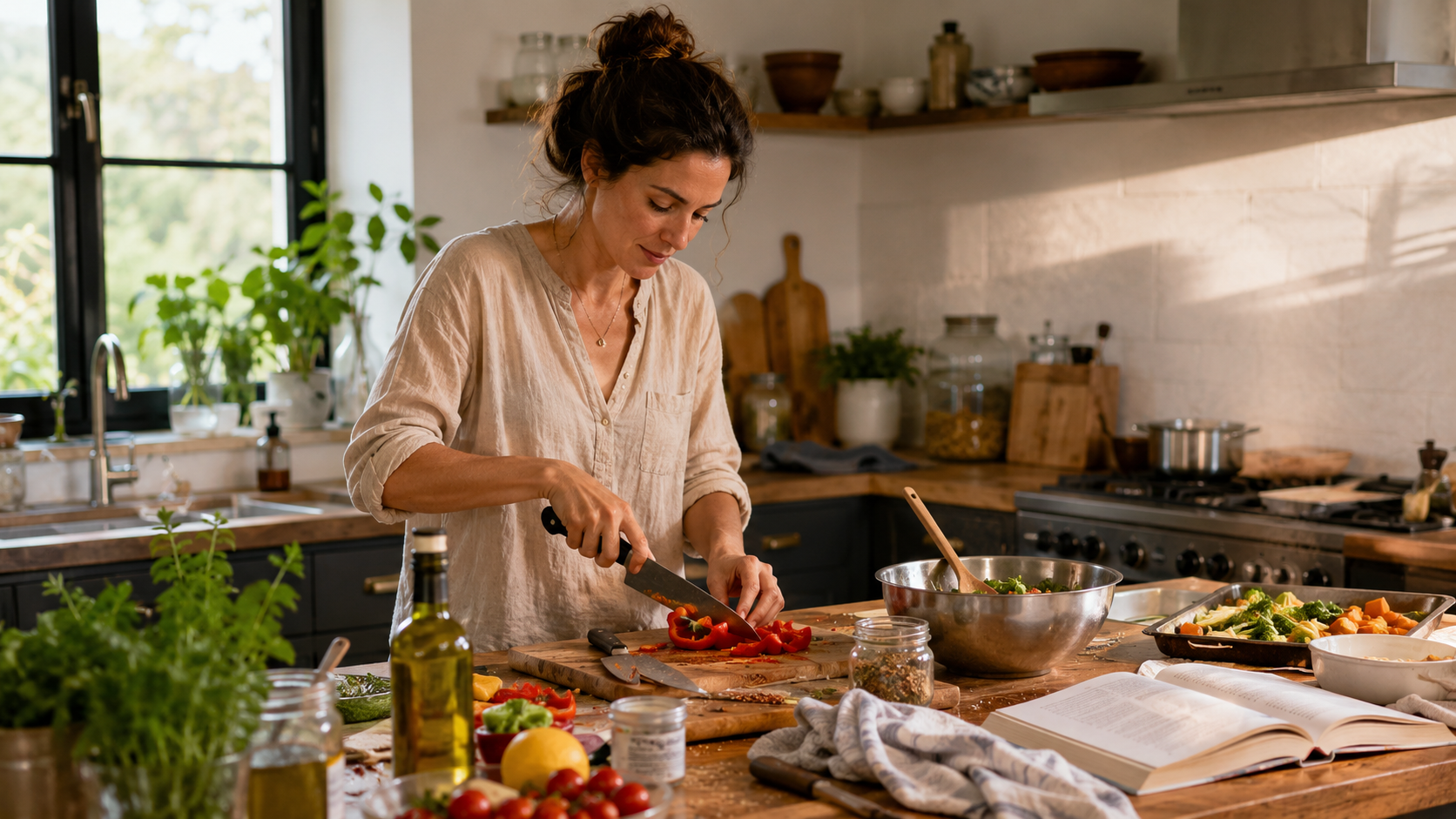
Spotless kitchens look beautiful in magazines. They’re also slower to cook in than kitchens with some working mess. The Instagram-perfect kitchen with empty counters, hidden appliances, and no visible ingredients creates friction at every cooking step. You’re constantly retrieving items from storage, clearing space to work, and putting things away mid-process to maintain the aesthetic. Working kitchens have visible tools, accessible ingredients, and surfaces that tolerate temporary mess during active cooking. This doesn’t mean filth or neglect. It means distinguishing between cooking mess and actual dirt, and understanding which cleanliness standards help cooking versus which ones slow it down. Here’s why excessive tidiness creates inefficiency, which mess is actually productive, and how to maintain a kitchen that’s clean enough without being so pristine it’s dysfunctional. Empty Counters Force Constant Retrieval The design aesthetic of clear counters looks stunning. It’s terrible for cooking efficiency. Countertop appliances stored in cabinets require retrieval before each use. Pulling out the blender, finding the lid, setting it up, and returning it afterward adds five minutes to every smoothie. Multiply this across multiple appliances and meals. Frequently-used items deserve counter space. Coffee maker, toaster, knife block, cutting board, and oil bottle sitting out eliminate dozens of retrieve-and-return cycles weekly. The aesthetic argument prioritizes looking at the kitchen over using the kitchen. If you cook daily, optimize for function over appearance. Guests spend minutes looking at your kitchen. You spend hours working in it. Cabinet storage for everyday items creates decision fatigue. Where did I put the pepper grinder? Which drawer has the spatulas? Visible storage eliminates these micro-decisions dozens of times daily. Different items have different storage thresholds. Stand mixer used weekly deserves counter space. Waffle iron used monthly belongs in the cabinet. The distinction is use frequency, not appearance. Empty counters serve people who cook rarely and photograph often. Working cooks need accessible tools. Cleaning While Cooking Interrupts Workflow The advice to “clean as you go” sounds efficient. It’s actually disruptive to cooking flow. Stopping mid-recipe to wash a bowl breaks concentration and momentum. You’re tracking multiple timings, temperatures, and tasks. Interrupting this mental juggling for cleanup fragments attention. Cooking requires sustained focus through multiple overlapping tasks. Pausing to wipe counters or wash dishes interrupts the cooking rhythm creating missed timings and forgotten steps. Better approach: contain mess during cooking, clean after eating. Stack used bowls in the sink. Wipe major spills that create hazards. Leave everything else until food is plated and served. The clean-as-you-go mandate assumes cooking is linear with natural pauses. Real cooking involves simultaneous management of multiple components. Cleaning interrupts this parallelism. Exception: clean during genuine downtime. While something simmers for twenty minutes, washing a few dishes makes sense. But stopping pasta-making to clean the counter actively harms cooking flow. Your kitchen can tolerate some mess for the hour you’re actively cooking. Prioritize cooking well over maintaining pristine surfaces during the process. Visible Spills Aren’t Dirty Tomato sauce splattered on the stovetop during cooking isn’t dirt. It’s evidence of cooking in progress. The obsession with immediately wiping every drip creates constant interruption. You’re stirring sauce, some splatters, you stop stirring to wipe it. Meanwhile the sauce burns because you’re cleaning instead of cooking. Splatter during cooking is temporary mess, not permanent filth. It wipes easily after cooking finishes. Stopping cooking to clean cooking mess is backwards priority. Distinguish between contamination and clutter. Raw chicken juice needs immediate cleanup preventing cross-contamination. Splattered marinara just needs wiping eventually. Cooking generates temporary mess. This is normal and acceptable. The mess serves as workspace evidence, not failure to maintain standards. Clean the splatter after the meal. While food rests or during post-dinner cleanup, wipe everything down. The splatter isn’t getting worse sitting there for thirty minutes while you finish cooking. Stop interrupting cooking to maintain aesthetics. The kitchen can look messy while you cook. That’s what kitchens do. Dish Washing Mid-Recipe Breaks Focus Recipes often instruct “wash bowl and reuse.” This sounds efficient but fragments the cooking process. Stopping to wash a bowl means leaving the stove, scrubbing the dish, drying it, and returning to cooking. This takes three to five minutes. During those minutes, something on the stove needs attention you’re not providing. Using extra bowls is more efficient than stopping to wash. Yes, you’ll wash more dishes later. But washing five bowls consecutively takes less total time than washing one bowl five separate times with interruptions between. The extra dish argument prioritizes minimal dishwashing over efficient cooking. This backwards priority sacrifices cooking quality to save one bowl. Most kitchens own enough bowls and utensils for one meal without washing mid-recipe. If you’re stopping to wash because you’ve run out of bowls, you need more bowls, not better cleaning habits. Cook first, clean after. Don’t let cleaning interrupt cooking. The dishes wait. The food on the stove doesn’t. Ingredient Containers Stay Out During Cooking Putting ingredients away between uses adds steps without benefit during active cooking. You use olive oil five times during one meal. Retrieving it from the cabinet and returning it five times adds ten trips. Leaving it on the counter during cooking eliminates unnecessary movement. The container sitting out for thirty minutes doesn’t suffer. Oil doesn’t degrade from brief counter exposure. Neither do spices, flour, or other cooking ingredients. After cooking finishes, return everything at once. One trip putting five items away beats five trips putting one item away repeatedly. This applies to tools too. The spatula used for three different cooking steps stays out until the meal completes. Washing and storing between each use is pointless efficiency theater. Kitchen efficiency favors batch actions over constant tidying. Retrieve everything needed at the start, use as needed, return everything at the end. Stop the retrieve-use-return-retrieve cycle mid-cooking. Cutting Board Cleaning Between Tasks Is Excessive Food safety guidelines create excessive cutting board washing requirements for home cooking. The warning against cross-contamination leads to washing the board between every ingredient. This creates constant interruption and generates unnecessary water and soap use. Reasonable approach:
The Cooking Shortcuts That Actually Save Time

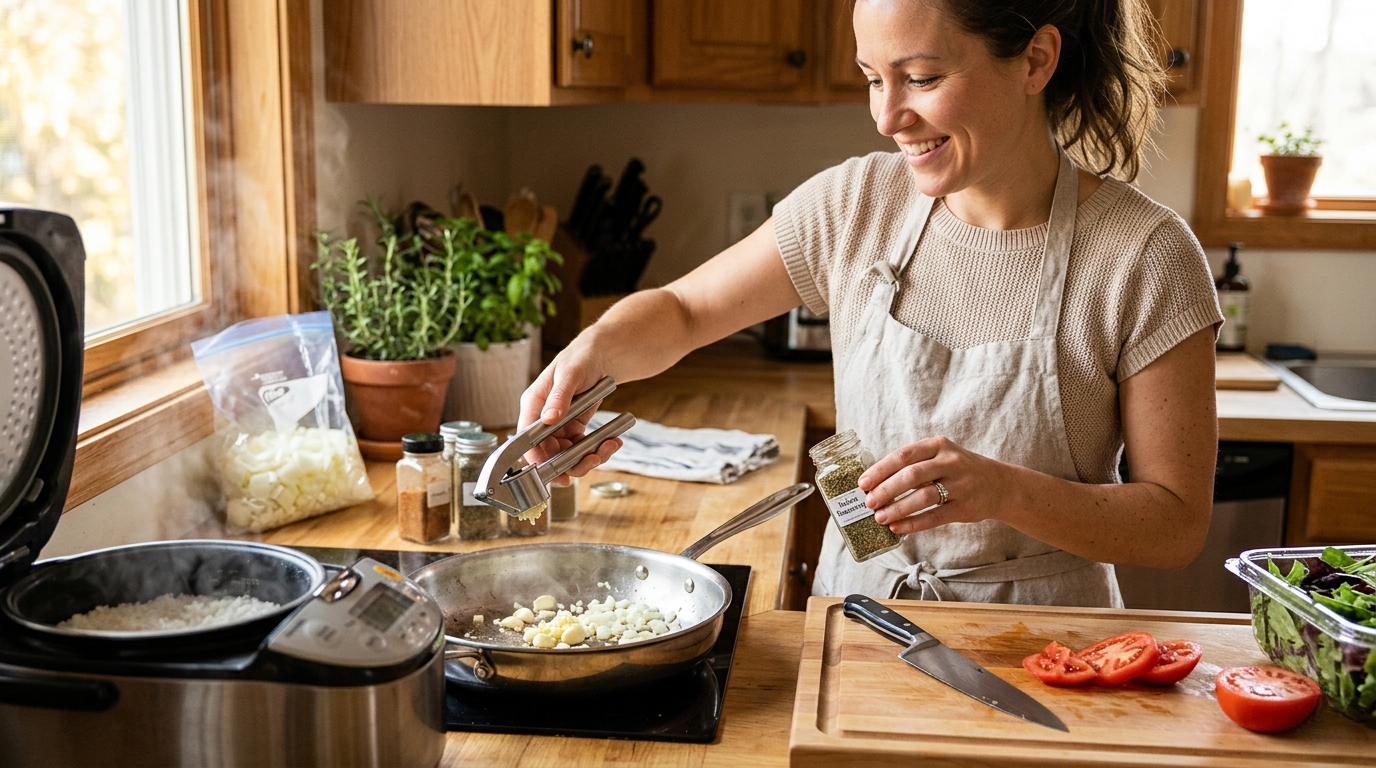
The Cooking Shortcuts That Actually Save Time Every cooking blog promises quick weeknight meals and time-saving tips. Most of these shortcuts either don’t actually save time or create more work through cleanup, prep, or disappointing results requiring do-overs. Real time savings come from understanding which steps genuinely matter and which ones are unnecessary tradition. Some shortcuts sacrifice quality. Others eliminate pointless effort without affecting the final dish. The difference between useful shortcuts and false efficiency is whether they create downstream problems. Skipping a step that saves five minutes now but creates fifteen minutes of cleanup later isn’t a shortcut—it’s deferred work. Here’s what actually saves time in the kitchen, what looks efficient but isn’t, and how to distinguish between smart efficiency and corner-cutting that backfires. Pre-Chopped Vegetables Are Worth It (Sometimes) The internet loves mocking pre-cut vegetables as wasteful and expensive. For some vegetables and some situations, they’re actually efficient. Pre-chopped onions save real time. Onions take longer to peel, dice, and clean up after than most vegetables. The time saved multiplies across multiple meals. Pre-diced onions from the store eliminate ten minutes of work including cleanup. Pre-minced garlic makes sense for dishes where garlic cooks long enough that fresh versus jarred doesn’t matter. Garlic mincing is fiddly work producing minimal volume for the time invested. In pasta sauce simmering for an hour, jarred minced garlic tastes identical to fresh. Pre-washed lettuce saves significant time. Washing, drying, and storing lettuce properly takes fifteen minutes. Pre-washed greens eliminate this entirely. The slight quality difference rarely justifies the time investment for everyday salads. Where pre-cut fails: delicate herbs losing flavor quickly, vegetables with short shelf life creating waste, and items where fresh cutting takes thirty seconds anyway. Pre-sliced mushrooms cost three times more to save ninety seconds of knife work. The efficiency question is whether the pre-cut item saves more time than it costs in money and quality. For onions and lettuce, yes. For bell peppers, probably not. One-Pot Meals Create More Work Than Separate Pans One-pot cooking sounds efficient. Everything cooks in one vessel meaning less cleanup. Reality proves otherwise for most dishes. One-pot recipes force sequential cooking instead of parallel cooking. Brown meat, remove it, cook vegetables, add liquid, return meat. This sequential approach takes longer than cooking components simultaneously in separate pans. Temperature compromises in one-pot cooking create mediocre results. Everything cooks at one temperature. Vegetables that need high heat get steamed. Ingredients needing gentle cooking get blasted. The result requires longer cooking time to compensate for wrong temperatures. Cleanup savings are minimal. One large pot plus utensils for removing and returning ingredients creates similar dish load to two smaller pans. The “one pot” often requires more scrubbing than multiple pans because everything browns onto one surface. Better approach: use multiple pans simultaneously. While protein sears, vegetables roast. While pasta boils, sauce simmers. Parallel cooking completes meals faster than sequential one-pot methods. One-pot dishes work for soups, stews, and braises where everything benefits from long combined cooking. For quick dinners, separate pans finish faster despite additional dishes. Mise en Place Wastes Time at Home Professional cooking demands mise en place—everything measured and prepped before cooking starts. Home cooking doesn’t. Restaurant cooks prep once and cook the same dish repeatedly. Mise en place makes sense when preparing fifty orders of the same pasta. Measuring everything beforehand allows fast repetitive execution. Home cooks make one portion once. The time spent measuring ingredients into bowls, washing those bowls, and transferring ingredients adds steps without benefit. Progressive prep during cooking saves time. While onions soften, chop the next vegetable. While vegetables cook, measure spices. This parallel workflow keeps you moving without creating extra dishes. Exception: baking requires accurate ratios so measuring beforehand prevents mistakes. For baking, mise en place makes sense because precision matters. For everyday cooking, skip the prep bowls. Add ingredients directly as you go. The TV cooking show aesthetic of ingredient bowls looks organized but creates extra work. Garlic Presses Are Faster Than Knife Mincing Kitchen snobs hate garlic presses. They’re wrong about efficiency. Knife mincing garlic takes time: peel cloves, mince finely, scrape board, clean knife, wash hands to remove smell. This process takes three to four minutes for multiple cloves. Garlic press takes thirty seconds: peel cloves, squeeze, scrape out garlic, rinse press. The time difference multiplies across meals. Cleanup arguments against presses ignore that knife mincing requires cleaning cutting board, knife, and removing garlic smell from hands. The press requires rinsing one tool. Texture differences between pressed and minced garlic matter only in raw applications like Caesar dressing or garlic bread. In cooked dishes, the difference disappears. Buy a good press. Cheap presses are frustrating and break. Quality presses last years and pay for themselves in time saved. The anti-press argument is aesthetic, not practical. If the goal is saving time, use the press. Batch Cooking Backfires Without Proper Storage Cooking large quantities seems efficient. Make five meals at once, reheat through the week. This works only with proper containers and freezer space. Without adequate storage, batch cooking creates problems. Food in wrong containers dries out, absorbs freezer odors, or takes excessive freezer space. Reheating failures waste the entire batch. Batch cooking requires significant upfront time. The five-hour Sunday cook session feels productive but that’s five hours unavailable for other activities. The time isn’t saved—it’s concentrated. Better approach: double recipes instead of quintupling them. Make two portions instead of five. This provides one extra meal without overwhelming storage or creating food fatigue. Batch cooking works best for components, not complete meals. Cook large batch of rice, roast sheet pans of vegetables, brown ground meat. These components assemble into varied meals throughout the week preventing boredom. The freezer limitations matter. Most home freezers hold three to four complete meals comfortably. Cooking eight meals at once creates storage problems and food quality issues from extended freezing. Batch component cooking saves time. Batch complete meal cooking often doesn’t. Sharp Knives Actually Save Time This seems obvious but bears repeating:

Cooking in Small Kitchens: Strategies for Making Limited Space Work

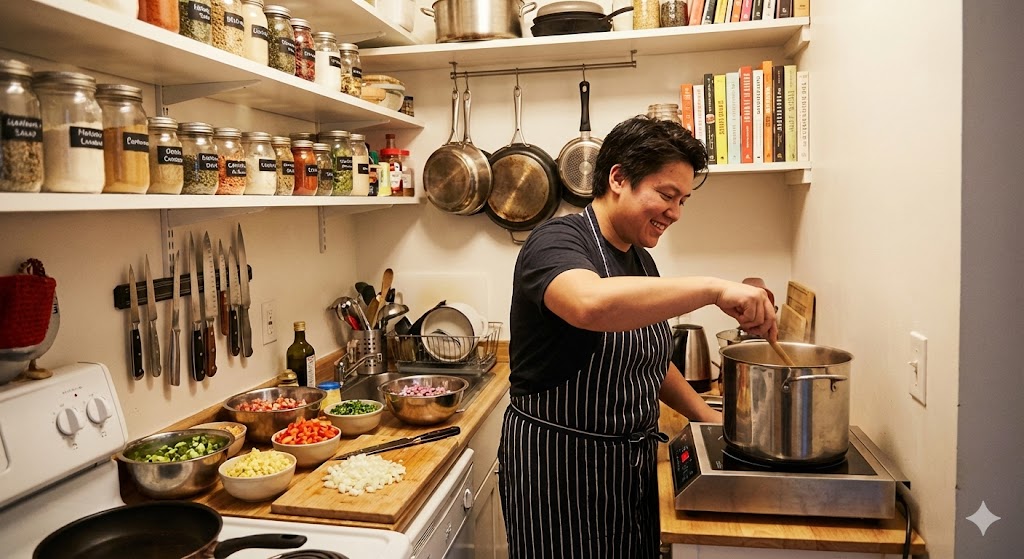
Small kitchens present real challenges that affect daily cooking more than most design issues. Limited counter space means nowhere to set ingredients while prepping. Minimal cabinet storage forces choosing between cookware and food storage. Compact appliances or missing equipment entirely restricts cooking techniques. Single cooks manage, but small kitchens become genuinely difficult when multiple people need to work simultaneously or when preparing complex meals requiring multiple active cooking processes. The constraints are real, not just inconvenient, and they fundamentally shape what you can cook and how efficiently you can work. However, small kitchen limitations don’t prevent good cooking if you adapt your approach to the space rather than fighting against it. Strategic equipment choices, workflow organization, prep timing, and cooking method selection all accommodate space constraints while maintaining cooking capability. The goal isn’t making a small kitchen function like a large one – that’s impossible. Instead, you develop cooking strategies that work within the space you have, accepting some limitations while maximizing what’s actually achievable. Many excellent cooks work in tiny kitchens successfully because they’ve learned to work with their constraints rather than against them. Honest Assessment of Your Actual Cooking Patterns Small kitchen organization starts with understanding what you actually cook rather than what you imagine cooking someday. Most people cook 7-10 dishes regularly that constitute 80% of their home cooking. These core recipes drive your equipment needs more than occasional ambitious projects. If you make pasta dishes, stir-fries, and sheet pan dinners weekly but roast whole chickens twice a year, your space allocation should reflect that reality. Equipment you haven’t used in six months probably doesn’t earn its storage space. Small kitchens can’t accommodate “someday” items. That bread machine gathering dust, the fondue set from a wedding gift, the juicer you used twice – these take space from tools you actually use. Be ruthless about removing equipment that doesn’t serve current cooking patterns. Cooking frequency affects space allocation. Daily coffee drinkers justify countertop coffee makers. Occasional coffee drinkers don’t. If you bake weekly, stand mixers earn their space. Monthly baking doesn’t justify permanent counter real estate for large appliances. The honesty assessment requires distinguishing between aspirational cooking and actual behavior. You might want to be someone who makes fresh pasta weekly, but if you haven’t done it in two years, that pasta roller doesn’t deserve storage space. Build your kitchen around who you are, not who you wish to be. Family size and cooking scale determine equipment sizing. Single people and couples don’t need 12-quart stockpots or full-size food processors. Smaller versions of these tools work fine and consume less storage space. Special dietary needs or restrictions create legitimate equipment requirements that override general minimalism. If you’re gluten-free and make your own bread regularly, those baking tools earn their space. But don’t keep specialty equipment for diets you’re not actually following. Strategic Equipment Selection and Multi-Use Tools Equipment choices matter enormously in small kitchens because every item must justify its space through frequent use or unique capability. One excellent large skillet (10-12 inch) handles more cooking tasks than multiple smaller pans. You can make small portions in a large pan, but you can’t make large portions in a small pan. The large skillet serves as everyday pan, sauté vessel, shallow braising pot, and even oven-to-table serving dish. Dutch ovens provide exceptional versatility – stovetop cooking, oven braising, bread baking, soup making, and even frying in one pot. A 5-6 quart Dutch oven handles most tasks that would otherwise require multiple specialized pots. This single piece of cookware eliminates need for separate stockpots, braising dishes, and casseroles for many cooks. Sheet pans serve multiple roles beyond baking cookies. Roasting vegetables, cooking proteins, making complete sheet pan dinners, holding prepped ingredients during cooking, and catching drips under other cooking vessels all use the same basic sheet pan. Two sheet pans (one half-size, one quarter-size) provide enormous utility without consuming much storage space. Immersion blenders eliminate need for countertop blenders for many tasks. They blend soups directly in the pot, make smoothies in tall containers, and store in a drawer. Full-size blenders are bulky and single-purpose by comparison. Instant-read thermometers replace multiple specialized tools. Instead of timers and guessing, temperature-based cooking ensures proper doneness for meats, baking, candy making, and oil frying. One small thermometer handles all these tasks. Avoid single-use gadgets ruthlessly. Garlic presses, avocado slicers, strawberry hullers, egg separators, and similar specialized tools all perform tasks a knife handles. Each gadget consumes storage space for something you use occasionally at best. Quality over quantity applies especially in small kitchens. One excellent chef’s knife used for everything beats a block of mediocre knives you never use. The good knife earns its space through daily use and capability. The knife block just takes up counter space. Vertical Storage and Space Maximization Small kitchens require using all available space, not just obvious cabinet and counter areas. Wall-mounted magnetic knife strips get knives off counters and out of drawers while keeping them accessible. The vertical wall space holds 5-8 knives in the area a decorative plate would occupy. Hanging pot racks suspended from ceilings or mounted on walls store cookware vertically above counters. This solution works only if you actually use the cookware regularly – hanging pots you rarely touch just creates visual clutter. But for frequently-used pans, vertical hanging beats cabinet storage. Inside cabinet doors offer unused space for mounting racks, hooks, or organizers. Pot lids, measuring cups, small utensils, and cleaning supplies all store on door-mounted organizers, freeing drawer and shelf space. Shelf risers effectively double cabinet space by creating two levels where one existed. Plates, bowls, and canned goods all benefit from riser systems that let you stack items without creating unstable towers. Under-shelf baskets hang from existing shelves to create storage below them. These work well for lightweight items like coffee filters, tea bags, or small containers that would otherwise consume entire shelf space. Drawer dividers and organizers prevent utensil drawers from becoming jumbled messes where nothing is

What Professional Cooks Do at Home (It’s Not What You Think)

You might assume that chefs and professional cooks go home after work and prepare elaborate, restaurant-quality meals for themselves using advanced techniques and exotic ingredients. The reality is almost the opposite – most professional cooks eat simply at home, often relying on quick preparations, leftovers, and minimal cooking after spending all day in professional kitchens. Understanding how professionals actually cook at home reveals important truths about sustainable cooking, what techniques genuinely matter, and the difference between cooking as a job versus cooking as part of daily life. The disconnect between professional cooking and home cooking by professionals highlights that elaborate restaurant techniques often aren’t practical, necessary, or even desirable for everyday eating. Professional cooks develop strong opinions about what’s worth doing at home versus what’s just work they’re glad to leave at the restaurant. Their home cooking choices reflect what actually matters for daily meals when you deeply understand cooking but aren’t trying to impress anyone or optimize for restaurant economics and presentation. They Eat Way More Simply Than You’d Expect Professional cooks who spend 8-12 hours preparing complex dishes at work often have zero interest in cooking elaborately at home, choosing instead the simplest meals that meet their needs. Pasta with butter and cheese becomes a legitimate dinner after a long shift, not a shameful shortcut. Professional cooks don’t judge simple food harshly because they understand that elaborate doesn’t necessarily mean better for everyday eating. Eggs in various forms – scrambled, fried, omelets – appear frequently because they’re quick, nutritious, satisfying, and require minimal cleanup. The speed and reliability matter more than impressiveness. Rice bowls with whatever’s available represent common professional cook dinners at home. Simple rice topped with leftover protein, fresh vegetables, and a sauce makes a complete meal in minutes. Sandwiches and toast get elevated by technique and quality ingredients rather than complexity. A perfectly grilled cheese or excellent toast with good butter satisfies without requiring elaborate preparation. The willingness to eat simply comes from understanding that cooking skill isn’t demonstrated through complexity but through making simple things well. A perfectly cooked egg shows more skill than an over-complicated dish executed poorly. Professional cooks also recognize that food fatigue is real – after tasting and smelling food all day at work, they often want minimal food involvement at home, not more elaborate cooking. They Actually Use Convenience Products Professional cooks use store-bought items at home without guilt because they understand that some convenience products offer excellent value and quality that doesn’t justify making from scratch. Rotisserie chickens from grocery stores appear regularly in professional cooks’ home meals. They recognize that the economics and convenience make these purchased birds smarter than roasting chicken themselves for weeknight dinners. Quality jarred pasta sauce gets used and enhanced with fresh ingredients rather than making sauce from scratch every time. Adding fresh herbs, garlic, or vegetables to good jarred sauce creates excellent results with minimal effort. Pre-washed salad greens eliminate tedious washing and spinning for simple weeknight salads. Professional cooks value their time and recognize when convenience justifies the cost premium. Frozen vegetables often appear because professionals know these are frozen at peak freshness and require zero prep. The quality frequently exceeds “fresh” vegetables that spent days in transport and storage. Good bread from bakeries replaces homemade for most purposes because professional cooks know their bread-baking time is better spent elsewhere unless they genuinely enjoy baking. The key insight is that professional cooks use convenience strategically where it makes sense rather than either avoiding it entirely or relying on it completely. They know which shortcuts maintain quality and which ones compromise results. They Focus on a Few Techniques Done Well Rather than using the full range of professional techniques they know, home cooking by professionals usually involves a small set of reliable methods used repeatedly. High-heat searing appears frequently because professionals know proper searing creates flavor quickly without elaborate preparation. A well-seared steak or piece of fish needs little else to be excellent. Simple roasting of vegetables and proteins at high heat produces reliable results with minimal attention. Sheet pan dinners represent professional-level efficiency applied to home cooking. Quick sautés that combine protein and vegetables in one pan create complete meals while minimizing cleanup. The speed and simplicity make this technique ideal for weeknight cooking. Basic pan sauces from fond (browned bits) elevate simple proteins without requiring separate sauce preparation. This single technique adds restaurant quality to home meals with minimal additional effort. The techniques professionals actually use at home are ones that create good results quickly with minimal setup and cleanup. Elaborate multi-step techniques stay at work where they have time, space, and economic justification. They Keep Pantries Extremely Simple Professional cooks’ home pantries often contain fewer items than enthusiastic home cooks keep, focusing on versatile staples rather than extensive collections of specialty ingredients. Quality olive oil, salt, and pepper represent the foundation because professionals know that proper seasoning matters more than exotic ingredients. These basics appear in almost every dish. Garlic, onions, and fresh herbs provide flavor bases for countless dishes without requiring extensive spice collections. A few aromatics create more versatility than dozens of specialty spices. Rice, pasta, and one or two grains cover starch needs without maintaining extensive variety. Having too many options creates decision fatigue without adding genuine value. Canned tomatoes, beans, and a few other pantry staples support quick meals without requiring extensive inventory management. Professional cooks know which shelf-stable items actually get used. The minimal pantry reflects understanding that having too many ingredients creates waste and complexity without improving daily cooking. Better to have fewer items you actually use than extensive collections that expire before you finish them. They’re Extremely Practical About Leftovers Professional cooks waste almost nothing at home, viewing leftovers as valuable resources rather than depressing repeats to avoid. Intentional leftover planning means cooking extra deliberately to provide future meals, not just dealing with whatever remains. Making a large batch of rice or beans is efficient meal planning, not accidental excess. Leftover