Family

The Outdoor Kitchen Boom: Why the Backyard Has Become America’s Newest Kitchen

For much of the past decade, the outdoor kitchen occupied a narrow role in American home design: a grill, perhaps a side burner, positioned near a patio table and used sparingly outside of holiday cookouts. That role has changed considerably. In 2026, outdoor kitchens have moved decisively beyond the basic grill station, evolving into fully equipped extensions of the home that rival indoor kitchens in both capability and design ambition. This shift reflects a broader change in how households think about outdoor space. Rather than treating the backyard as separate from daily life, homeowners increasingly view it as another room, one built around cooking, entertaining, and spending unstructured time outside the house. Designers and outdoor living companies alike point to the same pattern: built-in refrigeration, dedicated beverage centers, expansive prep counters, and premium grilling equipment are no longer reserved for luxury builds. They have become standard expectations for a well-designed outdoor space. This guide examines what is actually driving the outdoor kitchen boom, what belongs in a well-planned outdoor cooking space, and how a centerpiece appliance such as the Cosmo COS-GGFN587GSS Newport Collection Grill anchors an outdoor kitchen built to perform at a genuinely professional standard. From Grill Station to Full Kitchen The defining characteristic of the current outdoor kitchen trend is scope. Where a backyard cooking setup once meant a single freestanding grill, 2026’s outdoor kitchens are being designed as complete, multifunctional spaces. Pizza ovens are increasingly specified alongside, or in place of, a traditional grill. Dedicated beverage centers, complete with built-in refrigeration, wine storage, and ice makers, are becoming a standard feature rather than an upscale add-on, allowing hosts to remain outside with guests instead of making repeated trips back to the indoor kitchen. Modular design has emerged as one of the more significant developments within this trend. Rather than committing to a single, fixed outdoor kitchen layout, homeowners are increasingly choosing modular systems that allow a space to begin small and expand over time, adding storage, additional cooking equipment, or seating as budget and need dictate. This approach has made a genuinely capable outdoor kitchen accessible to a far wider range of households than the custom masonry builds of the past. Smart technology has followed a similar trajectory outdoors as it has indoors. Wi-Fi-enabled grills, app-controlled refrigeration units, and connected lighting systems now appear regularly in outdoor kitchen builds, bringing the same convenience expectations from the indoor kitchen out into the yard. What Belongs in a Well-Planned Outdoor Kitchen Regardless of scale, the outdoor kitchens gaining the most traction in 2026 tend to share a consistent set of practical features: The common thread across each of these elements is durability paired with genuine functionality, a standard that distinguishes an outdoor kitchen built for daily use from one that exists primarily for appearance. A Genuine Investment, Not Just an Upgrade The outdoor kitchen boom is not driven by aesthetics alone. It reflects a market that has come to view outdoor cooking spaces as a legitimate home investment rather than a discretionary luxury. The U.S. outdoor kitchen market reached an estimated $10 billion in 2026, growing at an annual rate of 8 to 9 percent, with warm-climate states such as Texas, Florida, and California accounting for roughly a third of all national spending in the category. The return on that investment holds up under scrutiny as well. Well-designed outdoor kitchens typically deliver a resale return in the range of 60 to 120 percent of their construction cost, depending heavily on design quality, materials, and regional climate, with properties in warmer regions generally realizing the strongest returns. Beyond direct resale value, real estate professionals increasingly cite a functional outdoor kitchen as a meaningful factor in a home’s overall marketability, particularly among buyers who prioritize entertaining space. This shift matters for how the investment is approached. A well-built, versatile grill of genuine commercial caliber is not simply a purchase for immediate enjoyment. It is the foundation of an outdoor space that continues to add both usable living area and resale value to the home for as long as it remains in place. The Centerpiece: Choosing the Right Grill Every outdoor kitchen is organized around its grill, which makes this single purchase disproportionately important relative to nearly every other decision in the space. A grill that is underpowered, poorly organized, or built from materials unsuited to permanent outdoor installation will limit the usefulness of the entire kitchen around it, regardless of how well the rest of the space is designed. The Cosmo COS-GGFN587GSS Newport Collection Grill was engineered specifically for this role. Constructed from premium stainless steel resistant to rust, corrosion, and prolonged outdoor weathering, the 58-inch grill delivers a combined 76,000 BTUs of output across six main 9,000 BTU burners, a 10,000 BTU rear infrared rotisserie burner, and a dedicated 12,000 BTU side griddle burner. That combination allows a single unit to handle grilling, rotisserie cooking, and griddle-style preparation simultaneously, a level of versatility that would otherwise require several separate outdoor appliances. The rotisserie function in particular sets the Newport Collection apart from standard outdoor grills. The included motorized rotisserie kit is built for larger cuts of meat, roasting evenly and consistently in a way that direct grilling alone cannot replicate, and it transforms the grill from a searing station into a genuine outdoor roasting appliance. Paired with a built-in thermometer and a viewing window on the lid, the grill allows for precise monitoring of longer cooks without repeatedly opening the lid and losing heat, a meaningful advantage for anything beyond a quick weeknight dinner. Built for Real Outdoor Living Beyond raw cooking capability, the details that distinguish a genuinely well-built outdoor grill from a seasonal one tend to be practical rather than dramatic, and the COS-GGFN587GSS is built around exactly those details. The unit includes three drawers and two cabinets, providing substantial dedicated storage for tools, fuel, and serving equipment, along with a dedicated propane tank mount that keeps fuel storage secure and out of the way. Two foldable

Bold, Spicier Global Cooking & Why Ventilation Matters More Than Ever

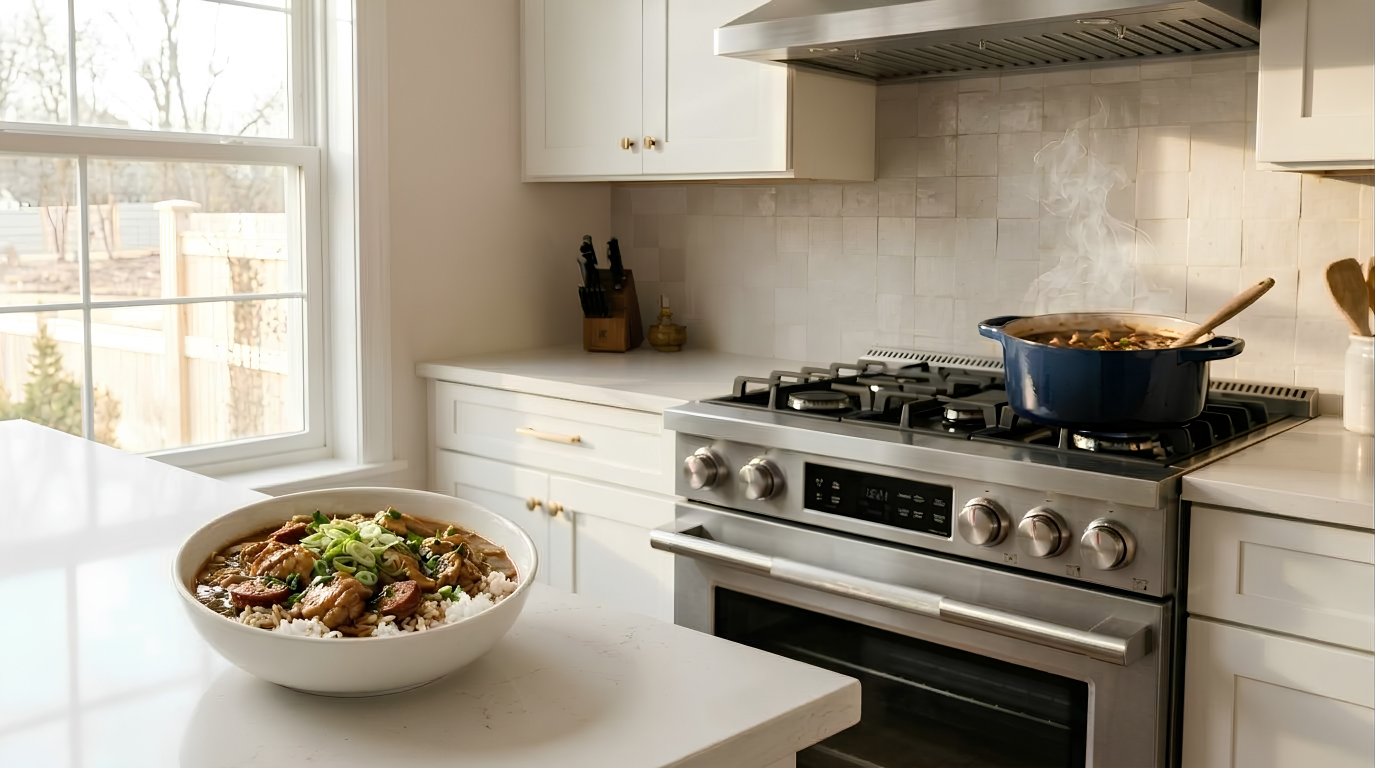
American kitchens are getting louder, hotter, and considerably more adventurous. Across surveys and social platforms alike, the story is the same: home cooks are reaching further beyond familiar recipes, chasing the heat and depth of global cuisines rather than sticking to the mild, predictable dishes that once defined weeknight cooking. More than half of Americans now consider themselves adventurous eaters, and the data on flavor preferences backs that up in striking detail. Over half of Gen Z identifies as a hot sauce connoisseur, intense flavor callouts in food conversations have climbed sharply year over year, and nearly every restaurant menu in the country now features at least one dish built around serious heat. This is not a passing fad confined to restaurants; it is showing up on home stovetops, in weeknight stir-fries, in weekend curry projects, and in the kind of high-heat searing that used to be reserved for professional kitchens. What often gets left out of that conversation is what this shift actually demands from the kitchen itself. Bolder cooking is not just a matter of stocking a new spice drawer. It changes how a kitchen needs to perform, and nowhere is that more apparent than in ventilation. A Kitchen Trend Rooted in Real Data It helps to look past the anecdotal sense that people are cooking differently and look at what the numbers actually say. Food trend researchers tracking 2026 menus and home recipe searches point to a clear and accelerating pattern: American households are not simply eating more takeout from global cuisines, they are attempting to recreate those dishes themselves. Searches for regional spice blends, fermented condiments, and specific chili varieties have grown steadily, and grocery chains have responded by expanding international aisles that were once an afterthought into some of the fastest-growing sections of the store. Home cooks are asking not just for flavor, but for authenticity, seeking out the same techniques and ingredient ratios used in the countries these dishes originate from rather than a simplified, mild approximation. This authenticity-driven approach naturally pulls in cooking methods that were previously less common in the average American kitchen. Dry-heat searing at very high temperatures, wok-based stir-frying that depends on a screaming-hot pan, and long spice-blooming techniques where whole seeds are toasted directly in oil before the rest of a dish is built around them are all becoming everyday occurrences rather than occasional experiments. Each of these techniques is, by design, meant to push oil and aromatics to the edge of their smoke point, because that is often where the flavor actually develops. The Flavor Shift Behind the Trend The numbers describing this movement toward bold flavor are hard to ignore. Global cuisine exploration has become one of the defining food trends heading into 2026, with home cooks seeking out authentic spices and traditional techniques rather than watered-down, Americanized versions of dishes from India, Sichuan China, Thailand, Mexico, and the Caribbean. Flavor profiles are evolving too, with combinations like spicy-sweet-tangy and spicy-sweet-savory gaining traction as cooks look for more complexity rather than heat alone. Even categories that were once considered mild, such as breakfast foods, have seen a significant jump in bold flavor callouts across social media and recipe searches. This kind of cooking relies on techniques that generate far more smoke, steam, and airborne oil than a typical weeknight meal. High-heat woks, dry-rub searing, char-forward grilling done indoors, and long-simmered curries loaded with toasted spices all release far more into the air than a pot of pasta ever will. A kitchen built around a decade of mild cooking habits is often not equipped to handle that shift, and the ventilation system is usually the first thing to fall behind. Why Ventilation Becomes the Limiting Factor Cooking oil that reaches a high enough temperature to sear meat or crisp aromatics vaporizes into microscopic particles that hang in the air long after the pan is turned off. Ground spices, especially the kind used heavily in bold global cooking, such as cumin, dried chilies, and mustard seed, release pungent compounds when they hit hot oil, and those compounds do not simply dissipate on their own. Without a range hood capable of pulling that volume of air out of the kitchen, the smoke and residue settle instead, on cabinetry, on countertops, in fabric, and in the air the household breathes for hours afterward. This is where CFM, or cubic feet per minute, becomes the single most important number in the kitchen. CFM measures how much air a range hood can move, and it needs to scale with how the stove is actually being used, not just its size. A gentle sauté on a single burner asks very little of a hood. A screaming-hot wok, a dry-rub steak seared in cast iron, or a pot of bubbling curry with the lid off is an entirely different demand, and a hood rated for light-duty cooking will simply be overwhelmed. Under-ventilated kitchens dealing with bold, high-heat cooking tend to show the same signs: a persistent haze near the ceiling, lingering odors the next morning, and a fine film that builds up on cabinet surfaces near the stove faster than it should. The Health Side of the Equation There is also a wellness dimension to this conversation that deserves attention alongside the practical one. High-heat cooking, and searing in particular, produces fine airborne particulates, often referred to as PM2.5, along with volatile compounds released from both the oil and the spices themselves. These particles are small enough to travel deep into the lungs, and indoor air quality researchers have increasingly pointed to home cooking, especially frequent high-heat cooking, as a meaningful contributor to indoor air pollution. A kitchen that cooks boldly and often needs a ventilation system that can actually keep pace, not just to protect cabinetry and countertops from grease buildup, but to keep the air genuinely breathable in the hours after a meal is finished. This is one more reason CFM has become such an important spec for households leaning into global,

Back to School: Quick Weeknight Dinners for Busy Families

The back to school transition hits the dinner table harder than most families anticipate. Summer’s flexible schedule — cooking when you feel like it, eating when it’s ready, nobody needing to be anywhere at a specific time — gets replaced almost overnight by a logistics operation where dinner needs to be on the table within a defined window between after-school activities, homework, and bedtimes that don’t move. The meals that worked fine in July suddenly feel impossible in September not because they got harder to cook but because the time available to cook them collapsed. The families that navigate this transition well aren’t necessarily the ones with the most cooking skill or the best equipment. They’re the ones who planned for it — who built a weeknight dinner rotation around the actual constraints of a school-year schedule rather than hoping summer’s relaxed approach would somehow stretch into fall. That planning involves understanding which cooking techniques genuinely fit a 30-minute window, which meals can be partially or fully prepared ahead so weeknight assembly is minimal, and which shortcuts deliver results good enough that nobody at the table is complaining. This is a practical guide to making weeknight family dinners work during the school year — not aspirationally, but actually, in real households with real time constraints and children who have opinions about what they’ll eat. Understanding the Real Weeknight Window Before the recipes, an honest assessment of what the weeknight cooking window actually looks like for most families — because designing dinner around an imaginary 45 minutes of uninterrupted cooking time produces a plan that falls apart immediately. The Actual Timeline: Most school-year weeknight dinners need to go from starting to eating in 30 minutes or less. This isn’t the time from when you turn on the first burner to when the food hits the table — it’s from when you walk into the kitchen after work or after pickup to when food is in front of everyone. That 30 minutes includes any prep work, any cooking, plating, and getting everyone to the table. Some nights it’s less. Rarely is it more without something being dropped. Parallel vs. Sequential Cooking: The difference between a 20-minute dinner and a 45-minute dinner is often not the cooking time but whether the steps happen in parallel or sequentially. A pasta dish where you boil water, then cook the pasta, then make the sauce, then combine them takes 40 minutes. The same dish where the water goes on immediately, the sauce is made while the water heats and the pasta cooks, and everything finishes simultaneously takes 20 minutes. Learning to identify and execute parallel cooking — multiple things happening at once rather than one after another — is the single most impactful efficiency change for weeknight cooking. The Mental Load Factor: Weeknight cooking happens when mental bandwidth is lowest — after a full work day, after school pickup, after the first round of homework negotiations. This is not the time for recipes that require sustained attention, complex technique, or more than two or three active decisions. The best weeknight recipes are ones you could execute while partially distracted because they’ve been made enough times to be familiar, or because they’re genuinely simple enough to manage on autopilot. The Weeknight Dinner Framework Rather than a random collection of recipes, a functional back-to-school dinner rotation is built around a framework that tells you how to approach each night of the week based on what that day’s schedule actually allows. Monday — Fast and Familiar: Monday after the first day of the school week is rarely the night for trying something new. Keep Monday in the rotation for the two or three things your family makes most reliably and most quickly. The goal is getting everyone fed with minimal friction. Speed and familiarity matter more than variety on Monday. Tuesday — Sheet Pan or One-Pan: One pan, one cleanup, minimal active cooking time. Sheet pan dinners go in the oven and come out ready to serve. One-pan stovetop dishes handle protein and vegetables together in a single skillet. The oven handles the cooking while you handle homework or other tasks. Wednesday — Make-Ahead Leftover or Batch: Wednesday works best when Monday or Sunday’s cooking produced intentional leftovers or a batch component — a large protein that becomes multiple meals, a big pot of grains that serves as the base for multiple different dinners, or a fully prepared dish that reheats in 15 minutes. Thursday — Assembly Dinner: Tacos, grain bowls, wraps, salad bars — meals assembled from individual components rather than cooked together. Many components can be prepped Sunday or Monday and held refrigerated through the week. Thursday assembly is genuinely minimal work when the ingredients are already prepared. Friday — Lower Pressure: Friday’s flexibility depends on the family’s actual Friday activity level, but it’s often the night where a slightly more involved dinner is manageable because the next morning doesn’t start early. Use Friday for anything that needs a little more time or attention than the earlier week allows. The Recipes: Weeknight Dinners That Actually Fit the Schedule Monday Rotation: Sheet Pan Chicken Thighs and Vegetables Sheet pan chicken thighs are the weeknight anchor recipe that families return to continuously because they require almost no active cooking time once prep is done. Ingredients: Bone-in skin-on chicken thighs, whatever vegetables are available (broccoli, bell peppers, zucchini, cherry tomatoes, potatoes all work), olive oil, garlic powder, smoked paprika, salt, pepper, lemon. Method: Preheat oven to 425°F. Toss vegetables with olive oil, salt, and pepper on a sheet pan. Season chicken thighs with olive oil, garlic powder, paprika, salt, and pepper and nestle among the vegetables. Roast 35-40 minutes until chicken skin is crispy and golden and vegetables are tender and slightly caramelized at the edges. Squeeze lemon over everything before serving. Active cooking time: 10 minutes of prep. Then you walk away. The oven handles the rest while you manage everything else happening in the household. Clean up

The Ultimate Gaming Snack Guide for National Video Game Day

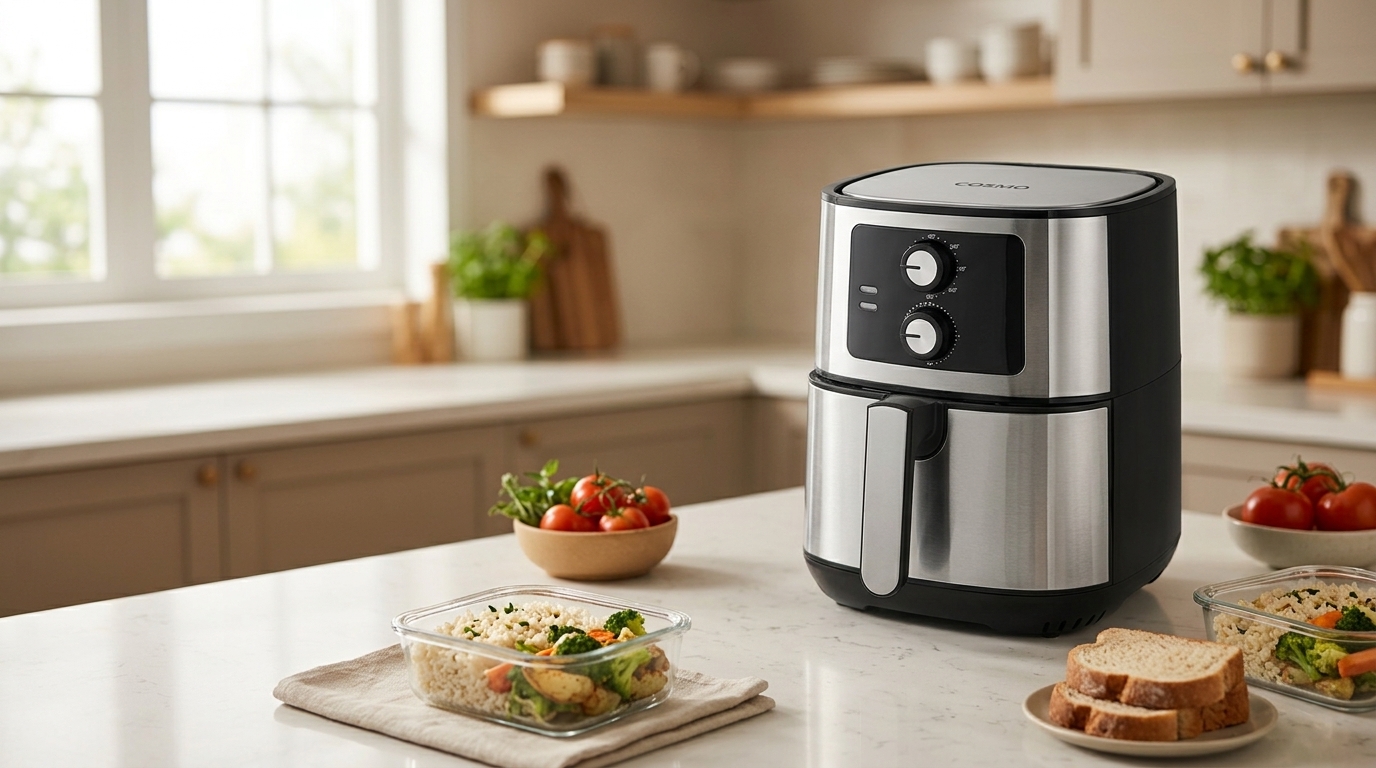
Today is National Video Game Day, and whether you’re marking it with a solo marathon session of whatever’s been sitting in your backlog, a full evening of couch co-op with friends, or a competitive online session that runs well past midnight, one thing is consistent across every gaming setup: the snacks matter. Not in the way food matters when you sit down to an intentional meal, but in the specific way that gaming snacks matter, they need to be good enough to actually want, fast enough that you’re not losing meaningful play time to prep, and manageable enough that you’re not compromising your controller, keyboard, or mouse with greasy, sauce-coated fingers every five minutes. This is a harder problem than it sounds. The default gaming snack, chips from a bag, solves the speed and hands problem acceptably but gets boring fast and offers essentially no nutritional substance across a long session. Delivery solves the food quality problem but introduces wait times, costs, and the constant risk of ordering something that arrives at exactly the wrong moment in a game you can’t pause. Cooking something elaborate solves both of those but defeats the purpose entirely when the oven needs 45 minutes and you’re in the middle of a session. The Cosmo air fryer is the piece of kitchen equipment that actually solves this problem. It goes from cold to cooking in minutes, handles an enormous range of snack formats, produces results that genuinely beat oven alternatives in texture and speed, and gets out of the way fast enough that you’re back at your setup before the loading screen finishes. Everything in this guide is built around that reality — food that’s genuinely good, genuinely fast, and genuinely manageable to eat while gaming. Why the Air Fryer Is the Definitive Gaming Kitchen Appliance Before getting into the food, it’s worth understanding why the air fryer specifically solves the gaming snack problem better than any other kitchen appliance. Speed Is the Core Advantage: Most air fryer snacks cook in 8-15 minutes from cold. Compare this to a conventional oven that needs 10-15 minutes of preheating before cooking even begins, then another 20-30 minutes for the same food. The total time difference between air fryer and oven for something like chicken wings is often 25-35 minutes — a full gaming session’s worth of time if you’re counting. When you’re in a multiplayer game with friends waiting or mid-run in something with no natural stopping point, that time difference is the difference between a practical snack and one that requires a deliberate break. Minimal Attention Required: Unlike stovetop cooking that requires watching, stirring, and managing heat, the air fryer runs unattended. Set the temperature, set the timer, go back to your game. You’ll hear the beep when it’s done. The air fryer’s design is almost ideally suited to the distracted cooking that gaming sessions require. Small Batch Capability: Gaming snacks are typically solo or small group quantities — enough for one or two people eating casually rather than a dinner party. The air fryer’s compact basket is sized perfectly for this format, producing enough food for a gaming session without the excess that oven cooking tends to produce when you scale up to justify the preheat time. Cleanup Is Minimal: Post-session cleanup of an air fryer basket takes two minutes — pull the basket, wipe or wash it, done. Oven cleanup, by contrast, involves sheet pans, racks, and often the oven interior itself. Minimizing post-session cleanup is part of the same efficiency logic as minimizing prep time. The Controller-Friendly Snack Problem One of the genuinely underappreciated constraints of gaming snack design is that your hands are equipment. Greasy fingers on thumbsticks, cheese powder on keyboard switches, and sauce on a mouse button all have real consequences for both your gaming performance and the longevity of your peripherals. The best gaming snacks are either naturally dry and clean, served with tools that keep hands clean, or portioned in ways that allow one-handed eating with the clean hand while the other maintains control. Everything in this guide accounts for this — either the food itself is naturally controller-safe, or there’s a simple modification to how it’s served that addresses the issue. Paper towels within reach, a dedicated “snack hand” discipline, and choosing dips that go in a bowl rather than being spread directly on food all help. But food design matters more than discipline — a snack that naturally doesn’t leave residue on fingers is infinitely more gaming-compatible than a messy one you’re trying to eat carefully. Air Fryer Gaming Snacks: The Recipes Crispy Parmesan Fries These beat delivery fries on every metric — they’re hotter, crispier, and done faster than any delivery arrival time. Ingredients: 2 medium russet potatoes, 1 tbsp olive oil, ½ tsp garlic powder, ½ tsp paprika, salt and pepper, 3 tbsp grated parmesan. Method: Cut potatoes into thin fries (roughly ¼-inch thickness), soak in cold water for 10 minutes to remove excess starch, then pat completely dry. Toss with olive oil and seasonings. Air fry at 380°F for 15-18 minutes, shaking the basket halfway through. Toss with parmesan in the last 2 minutes of cooking. Controller compatibility: High — parmesan fries are naturally drier than sauce-coated alternatives. Serve in a cup or cone rather than a flat bowl for easier one-handed access. Mozzarella Sticks The air fryer produces mozzarella sticks with genuinely crispy exteriors and fully melted interiors without the mess or temperature management of deep frying. Ingredients: Frozen mozzarella sticks (packaged), or homemade using string cheese cut in half, dipped in flour, egg, and seasoned breadcrumbs, then frozen for 30 minutes before cooking. Method: Air fry at 390°F for 6-8 minutes without preheating. Don’t overcrowd — a single layer is essential for even browning. Serve with marinara for dipping. Controller compatibility: Medium — the sticks themselves are clean but marinara dipping adds mess potential. Keep napkins immediately accessible. The stick format means you can eat with one hand while the

Gas vs. Charcoal Grill: Which Wins on the Fourth of July?

Few debates in backyard cooking generate as much heat as the gas versus charcoal question, and the Fourth of July is when it peaks. Everyone has a position. Charcoal advocates insist the flavor difference is so significant that gas grilling is essentially just outdoor cooking on a glorified stovetop. Gas advocates point out that charcoal requires more time, more skill, and more cleanup for a flavor difference that most guests — especially the ones three beers in and waiting for their burger — couldn’t identify in a blind taste test. Both sides make legitimate points. The problem with the debate is that it typically frames the question as an absolute when the actual answer depends on what you’re cooking, how many people you’re feeding, how much time you have, and what you genuinely value in a cooking experience. Understanding what each fuel type actually does well — and where each falls short — produces a more useful answer than picking a side based on identity or tradition. What Charcoal Actually Does Charcoal’s reputation for superior flavor is real but frequently misunderstood. The flavor difference isn’t primarily from the charcoal itself burning — it comes from what happens when fat and juices from cooking food drip onto the hot coals below. The Drip-and-Smoke Effect: When fat hits glowing charcoal, it vaporizes immediately into smoke and combustion byproducts that rise back up and coat the food. This process deposits aromatic compounds — aldehydes, furans, and other volatile chemicals produced by fat combustion — onto food surfaces in ways that genuinely affect flavor. It’s not subtle. When it’s working correctly, charcoal grilling produces a smoky, slightly charred exterior flavor that gas grilling simply cannot replicate because fat dripping onto burner tubes or flavor bars in a gas grill doesn’t produce the same combustion chemistry. Temperature Ceiling: Charcoal can reach higher temperatures than most residential gas grills — quality lump charcoal beds can sustain temperatures above 700°F, which is beyond what most home gas grills achieve. This extra heat produces more aggressive searing, faster Maillard browning, and more pronounced grill marks than the same food cooked on gas. Heat Variability as a Feature: Charcoal beds are naturally uneven — some areas burn hotter than others depending on coal distribution and airflow. Experienced charcoal grillers use this variability intentionally, creating hot zones for searing and cooler zones for gentle cooking or holding, sometimes within inches of each other. This isn’t a bug. It’s a management tool that produces results difficult to replicate on gas where temperatures are more uniform across burners. Two-Zone Fire Setup: Building a charcoal fire with coals stacked on one side and an empty side on the other creates a direct heat zone and an indirect heat zone in the same grill. This two-zone setup allows searing proteins over direct heat and then moving them to indirect heat to finish cooking through without burning exteriors — a technique that works on gas as well but is particularly effective on charcoal where the two zones have a more dramatic temperature differential. What Charcoal Gets Wrong Charcoal’s genuine advantages come with real operational costs that matter specifically in a Fourth of July context. Time to Ready: Charcoal takes 20-30 minutes from lighting to a grill that’s ready for cooking — longer if you’re using a chimney starter (the recommended method) and waiting for coals to ash over properly. On a day when guests are arriving, children are running around, and you’re also managing food prep, that 30-minute window creates scheduling pressure that gas eliminates entirely. Temperature Control Is a Skill: Managing a charcoal fire’s temperature requires adjusting vents, redistributing coals, and reading visual cues that take experience to interpret accurately. For a grill master comfortable with charcoal, this management is second nature. For someone who grills primarily on gas but fires up the charcoal grill specifically for the Fourth of July, it’s a potential source of inconsistent results at the worst possible moment. Fuel Management Over a Long Day: A Fourth of July cookout that runs from noon through evening requires multiple rounds of cooking — lunch items, afternoon snacks, dinner proteins. Charcoal fires require replenishment during long cooking sessions, and adding fresh charcoal to an active fire requires managing the new coals through their initial high-heat phase before they settle into steady cooking temperature. On gas, turning a burner up or down takes one second. Cleanup Reality: Post-party charcoal cleanup involves waiting for coals to cool completely (a few hours at minimum, or overnight to be safe), then disposing of ash properly before the grill can be stored. Gas cleanup is wiping down grates and replacing the cover. On a day when you’re already managing post-party fatigue and cleanup from hosting, the charcoal ash disposal step is a genuinely meaningful consideration. Weather Sensitivity: Wind affects charcoal fires in ways it doesn’t affect gas. Strong wind can cause temperature spikes from increased oxygen flow, or can cool fire beds faster than expected. Rain interrupts charcoal fires in ways that gas grills handle more gracefully with their enclosed burner systems. What Gas Actually Does Gas grills have been dismissed as inferior tools by charcoal purists for decades, but this dismissal underestimates what gas does genuinely well. Instant Readiness: Turn a knob, push an ignition button, and a gas grill is at cooking temperature within 10-15 minutes. There’s no charcoal to light, no waiting for an ash-over that signals proper cooking temperature, and no concern about whether the coals are ready when the first guests arrive hungry. For a holiday with complex logistics and variable timing, this reliability has real practical value. Precise Temperature Control: Gas burner output adjusts immediately and precisely. Reduce heat on a gas burner and it drops within seconds. Increase it and it rises just as quickly. Managing multiple burners at different temperatures simultaneously — searing on high heat while holding finished items at low heat while indirectly roasting something at medium — is straightforward on gas in a way that

Backyard BBQ Games Everyone Will Love

The difference between a good backyard cookout and a great one rarely comes down to what’s on the grill. Food is table stakes — everyone expects it to be good. What separates the gathering people talk about for weeks from the one they politely enjoyed and then forgot is how the time between arriving and eating actually feels. Games are how you fill that time in a way that brings people together rather than leaving them stranded in small clusters trying to generate conversation with acquaintances they barely know. Good backyard games share a few qualities that bad ones don’t: they work across a wide age range, they don’t require extensive rules explanations, they tolerate interruption gracefully when someone needs to check the grill or refresh their drink, and they generate enough friendly competition to give people something to talk about without requiring athletic ability or coordination that might embarrass less physically confident guests. The games that actually get played repeatedly at cookouts aren’t usually the most elaborate ones — they’re the ones with low setup friction, natural stopping and starting points, and enough inherent silliness to make losing feel fine. Cornhole Cornhole has become the defining game of American backyard gatherings for good reasons that go beyond mere trend. It works. How It Works: Two boards are placed 27 feet apart for official play, or closer for casual games, with a 6-inch hole at the top of each angled surface. Teams of two alternate throwing 16-ounce fabric bags filled with corn or synthetic fill, aiming to either land bags through the hole (3 points) or on the board surface (1 point). Teams cancel out each other’s points each round — if Team A scores 5 and Team B scores 3, only Team A gets 2 points for that round. First to 21 points wins. Why It Works for Cookouts: The 27-foot distance is long enough to require skill but short enough that most adults can play competently without practice. Rounds move quickly. The cancellation scoring system keeps games from ending embarrassingly lopsidedly. Players can hold drinks while playing — genuinely important for a backyard party format. Age Range: Kids around 8 and up can play meaningfully. Adults of all ages and fitness levels participate equally. Cornhole doesn’t advantage the young or athletic. Setup Considerations: Official boards are 2×4 feet with a specific hole diameter. Purchased sets are consistent enough that you don’t need to build your own. Store them flat and keep the bags dry — bags that absorb moisture from wet storage become inconsistent in weight and flight. Tournament Potential: Cornhole scales naturally to larger gatherings through bracket tournament formats. Eight teams produce a bracket that takes 3 rounds to determine a winner — achievable over a couple of hours of party time without dominating the entire event. Bocce Ball Bocce ball is the game that surprises people. They’ve seen it in parks and assumed it was boring until someone roped them into playing, at which point they became immediate converts. How It Works: One player throws the pallino (small target ball) to establish its position. Teams then alternate throwing or rolling their larger bocce balls, trying to end up closest to the pallino. The team with the closest ball scores a point for each of their balls that sits closer to the pallino than the closest opposing ball. Games typically go to 12 points. Why It Works for Cookouts: Bocce moves at a conversational pace — players are walking slowly back and forth to inspect ball positions, debating measurements, and arguing cheerfully about which ball is actually closer. This pace generates more conversation and laughter than faster-moving games that require continuous attention. The measuring disputes are half the fun. Surface and Space: Bocce traditionally plays on packed dirt or sand. Grass works fine for casual play and actually adds strategic complexity as uneven surfaces affect ball trajectories. You need roughly 60×12 feet for a standard court, though casual play in smaller spaces with adjusted distances works well for most backyards. Age Range: One of the most age-inclusive games available. Grandparents and young children can participate meaningfully alongside adults because the game rewards strategic positioning rather than athletic ability. Grandparent-grandchild teams are perennially competitive in bocce. Skill Ceiling: Bocce has genuine depth that rewards experience — reading surface slopes, understanding how to knock opponents’ balls away without losing position, and managing risk when deciding whether to attempt a difficult throw versus playing it safe. Casual players enjoy it immediately while experienced players appreciate the strategy. Kan Jam Kan Jam fills the gap for people who want a faster-paced, more physically active game than cornhole or bocce without requiring the coordination of more athletic options. How It Works: Two cylindrical goals (kan) are placed about 50 feet apart. Teams of two face each other — one player at each kan. The thrower attempts to hit or land the frisbee in the opposite kan. The thrower’s partner can redirect (deflect) the frisbee to help it hit or enter the kan. Scoring: hitting the kan directly scores 1 point, knocking a deflected disc into the slot on the kan’s side scores 2 points, the thrower putting the disc directly through the top slot is an instant win. First to 21 wins, but you must reach exactly 21 — going over resets you to 15. Why It Works for Cookouts: Kan Jam is significantly more active than cornhole with satisfying moments when a good deflect-to-slot combination scores 2 points. The partner deflection mechanic means even weaker throwers can contribute meaningfully to their team’s success because their partner can adjust bad throws. Physical Involvement: More movement than cornhole — players need to move to deflect well, and the frisbee can take erratic paths. Not so physical that fitness matters, but energetic enough that it generates more noise and spectator interest than slower-paced games. Age Range: Best suited to teens through adults in their 50s and 60s who are reasonably mobile. Less accessible

Thanksgiving Cooking Without the Stress: How to Actually Enjoy the Day

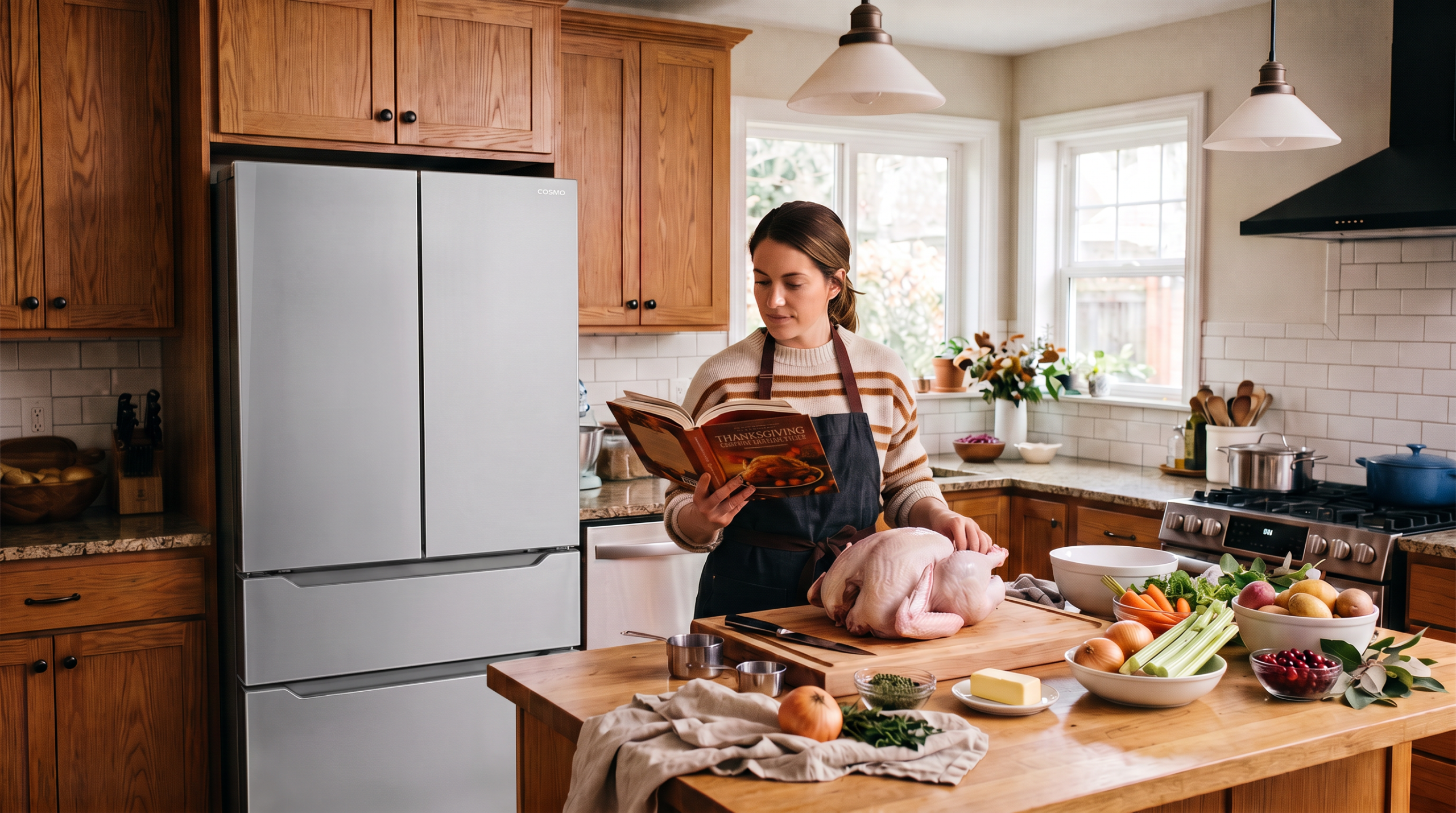
Perfect! Let me create a Thanksgiving-themed non-product blog post that will be posted on Thanksgiving Day itself. Thanksgiving Cooking Without the Stress: How to Actually Enjoy the Day Thanksgiving has earned a reputation as the most stressful cooking day of the year, but it doesn’t have to be. The key to enjoying Thanksgiving lies not in cooking everything from scratch or creating an Instagram-worthy spread, but in planning realistically, letting go of unnecessary expectations, and focusing on what actually matters – sharing a meal with people you care about. This guide strips away the stress and shows you how to approach Thanksgiving cooking in ways that actually work for real kitchens and real people. The cultural pressure around Thanksgiving creates impossible standards that set home cooks up for failure. Magazine spreads featuring twenty dishes, Pinterest-perfect table settings, and cooking timelines that assume you’re a professional chef working in a commercial kitchen all contribute to the anxiety that surrounds this holiday. The reality is that successful Thanksgiving cooking comes from realistic planning, strategic shortcuts, and knowing which traditions actually matter to your family versus which ones you’re maintaining out of obligation. Start With Realistic Expectations The first step toward stress-free Thanksgiving happens before you even write your menu – it involves honest assessment of your actual cooking skills, available time, kitchen capacity, and the preferences of people who’ll actually be eating this meal. Your kitchen has physical limitations that no amount of determination can overcome. One oven can only hold so many dishes at specific temperatures. Your stovetop has a fixed number of burners. Your refrigerator has finite space. Successful Thanksgiving planning acknowledges these constraints and works within them rather than pretending they don’t exist. Cooking skill levels vary enormously, and there’s no shame in being honest about yours. If you’ve never roasted a turkey before, Thanksgiving isn’t the ideal time to wing it with twelve people coming for dinner. Either practice beforehand, choose a simpler main dish, or delegate the turkey to someone with more experience. Time available for cooking matters more than most people admit. If you work Wednesday and have family arriving Thursday morning, you simply cannot prepare fifteen dishes from scratch. Either scale back the menu, prep more earlier in the week, or incorporate quality prepared items without guilt. Family preferences often differ dramatically from Pinterest-perfect Thanksgiving spreads. Your relatives might prefer simple roasted turkey and classic sides over elaborate recipes with artisan ingredients. Ask what people actually want rather than assuming they expect gourmet everything. The number of dishes needed decreases as you focus on quality over quantity. Six well-executed dishes that people actually eat beat twelve mediocre options where half goes uneaten. More isn’t better when it creates stress that prevents you from enjoying your own dinner. Plan Your Menu Around Your Kitchen’s Capacity Smart menu planning considers your kitchen’s physical limitations rather than ignoring them and hoping everything works out through sheer determination. Oven temperature requirements create real conflicts that require planning. If your turkey needs 325°F but your side dishes require 375°F, you need strategies for managing this mismatch. Finish sides before the turkey, use stovetop alternatives, or time dishes to use the oven sequentially rather than simultaneously. Available oven space limits how many dishes can cook at once. A standard oven holds maybe two sheet pans or one turkey with one casserole dish. Plan your cooking schedule around this reality rather than assuming everything will magically fit. Stovetop burner allocation matters when you’re trying to keep mashed potatoes warm while making gravy and reheating green beans. Count your burners and assign them specific jobs in your cooking timeline to prevent last-minute burner shortages. Refrigerator space for prep and storage becomes critical in the days before Thanksgiving. Make room by using coolers for drinks, clearing out unnecessary items, and being strategic about when you prep various ingredients. Counter space for cooling, resting, and staging dishes often gets overlooked until you’re trying to find somewhere to set a hot roasting pan. Clear and assign counter areas for specific purposes before you start cooking. The cooking schedule should account for resting time, reheating needs, and last-minute assembly rather than assuming everything will be ready simultaneously and stay hot perfectly. Build in buffer time for the inevitable delays and complications. Master the Make-Ahead Strategy The difference between stressed and relaxed Thanksgiving cooking often comes down to how much you accomplish before Thursday morning. Dishes that improve with time represent your best make-ahead candidates. Cranberry sauce, dinner rolls, pie crusts, and even some desserts actually taste better when made a day or two ahead, eliminating last-minute work while improving results. Prep work that doesn’t compromise quality saves enormous time on Thanksgiving day. Chopping vegetables, measuring ingredients, making stock, and preparing casserole bases the day before means Thursday cooking involves assembly more than starting from scratch. Strategic freezer use extends your make-ahead window beyond just the day before. Pie dough, cookie dough, bread, and even some casseroles freeze successfully, letting you spread work over weeks rather than days. Room temperature items eliminate refrigerator crowding while being perfectly safe. Pies, rolls, some desserts, and certain sides don’t require refrigeration, freeing up precious cold storage for items that actually need it. Knowing what can’t be made ahead prevents disappointing results. Turkey needs to cook the day of, mashed potatoes don’t hold well overnight, and some dishes lose quality when reheated. Focus make-ahead efforts on foods that actually benefit from it. The pre-prep reduces Thanksgiving day to mainly cooking the turkey, finishing a few dishes, and reheating – manageable tasks that let you actually enjoy the morning rather than frantically prepping in a disaster zone kitchen. Simplify Your Turkey Approach Turkey intimidates many cooks unnecessarily, but it’s actually one of the more straightforward parts of Thanksgiving when you strip away the complicated techniques and focus on basics that work. Turkey size matters more than most people consider. Bigger isn’t better when it barely fits your oven, takes forever to cook,

Meal Planning for Busy Families: Save Time, Money, and Stress

The daily question “What’s for dinner?” can create stress that ripples throughout your entire evening, especially when busy schedules leave little time for spontaneous meal preparation. Effective meal planning transforms this daily challenge into a manageable system that saves time, reduces grocery expenses, and eliminates the mental load of constant food decisions. Far from being restrictive, good meal planning actually provides more freedom by removing daily decision-making pressure while ensuring your family enjoys varied, nutritious meals that fit your lifestyle and budget. Successful meal planning doesn’t require elaborate systems or hours of weekend preparation. The most effective approaches are simple, flexible systems that adapt to your family’s changing schedules while providing structure that prevents last-minute scrambling for dinner solutions. When done consistently, meal planning becomes a time-saving habit that improves both your family’s nutrition and your household’s overall organization. Understanding the Real Benefits of Meal Planning Many families resist meal planning because they associate it with rigid schedules or time-consuming preparation, but the actual benefits far outweigh the initial investment in developing planning habits. Time savings accumulate significantly when you eliminate daily decision-making about meals, shopping, and food preparation. The few minutes spent planning each week can save hours of daily mental energy and reduce multiple grocery store trips. Financial benefits result from strategic shopping that reduces impulse purchases while minimizing food waste. Planned meals use ingredients efficiently, often incorporating items across multiple recipes to maximize value and reduce spoilage. Stress reduction occurs when meal decisions are made during calm moments rather than rushed evening hours when everyone is hungry and patience runs thin. Having a plan eliminates the anxiety of facing empty refrigerators with no backup options. Nutritional improvements happen naturally when you plan balanced meals rather than defaulting to convenient processed foods during rushed decision-making. Planning allows time to consider nutritional variety and family dietary needs. Family satisfaction increases when everyone knows what to expect while still enjoying variety across the week. Children often respond better to meal routines, while adults appreciate the mental relief of predetermined dinner plans. Cooking skill development becomes possible when you can plan for recipes that challenge your abilities rather than always defaulting to the simplest options during time pressure. Starting Simple: Basic Meal Planning Strategies The most sustainable meal planning approaches start simple and build complexity gradually as families develop systems that work for their specific needs and schedules. Weekly planning provides the optimal balance between structure and flexibility, allowing you to consider the week’s schedule while avoiding the overwhelming complexity of longer-term planning that may not accommodate changing circumstances. Theme nights create structure while reducing decision fatigue. Designating Monday for slow cooker meals, Tuesday for pasta, Wednesday for leftovers, and so on provides framework while allowing variety within each category. Batch cooking strategies involve preparing larger quantities of versatile ingredients that can be used in multiple meals throughout the week. Cooking large batches of grains, proteins, or roasted vegetables provides building blocks for quick meal assembly. Flexible recipe rotation keeps favorites in regular circulation while introducing new options gradually. Maintain a list of family-approved meals to reference during planning sessions when creativity runs low. Season-based planning takes advantage of ingredient availability and pricing while aligning with family schedule patterns. Summer planning might emphasize grilling and fresh produce, while winter plans could focus on warming soups and hearty casseroles. Emergency backup plans prevent complete meal planning failure when unexpected schedule changes occur. Always have backup options like freezer meals, pantry-based recipes, or reliable takeout choices available. Creating Efficient Shopping Lists Strategic shopping list creation maximizes the benefits of meal planning while minimizing time spent shopping and reducing the likelihood of forgotten ingredients that derail planned meals. Store layout organization arranges your shopping list according to your preferred store’s layout, reducing shopping time while ensuring you don’t miss items located in different sections. Ingredient consolidation across multiple recipes helps you buy appropriate quantities while reducing waste. If three recipes call for bell peppers, buy enough for all three meals to use the ingredient efficiently. Staple inventory management involves checking current supplies before shopping to avoid overbuying items you already have while ensuring you don’t run out of frequently used ingredients. Bulk buying strategies for non-perishable items and frequently used ingredients can provide savings while reducing shopping frequency. Focus on items your family actually uses rather than buying bulk quantities of unfamiliar products. Price comparison habits help you recognize good deals while avoiding impulse purchases of expensive items that weren’t part of your planned meals. Track prices of frequently purchased items to identify genuine savings. Seasonal shopping takes advantage of produce availability and pricing cycles while planning meals around ingredients that are at their peak quality and affordability. Time-Saving Meal Prep Techniques Effective meal preparation goes beyond cooking entire meals in advance to include strategies that reduce daily cooking time while maintaining meal quality and family satisfaction. Ingredient prep sessions involve washing, chopping, and portioning ingredients for multiple meals during one session, reducing daily preparation time while maintaining fresh flavors in finished meals. Protein preparation strategies like marinating meats, cooking large batches of ground protein, or preparing slow cooker proteins provide ready-to-use components that speed up final meal assembly. Vegetable preparation includes washing and chopping vegetables for multiple uses, pre-roasting root vegetables, or preparing salad components that stay fresh for several days with proper storage. Grain and pasta preparation involves cooking larger quantities of rice, quinoa, or pasta that can be reheated quickly for different meals, saving cooking time while providing healthy carbohydrate bases. Sauce and dressing preparation creates flavor enhancers that transform simple ingredients into varied meals. Preparing several sauces or dressings during prep sessions provides options for customizing similar base ingredients. Storage system organization ensures prepped ingredients stay fresh and accessible while preventing confusion about what’s available for meal assembly throughout the week. Budget-Friendly Meal Planning Strategic meal planning can significantly reduce grocery expenses while maintaining nutritional quality and family satisfaction with planned approaches to ingredient selection and meal design. Loss

Kitchen Hygiene and Food Safety: Essential Practices Every Home Cook Should Know

Food safety in the home kitchen protects your family from foodborne illnesses while ensuring the meals you prepare with love don’t become sources of discomfort or danger. Many home cooks focus on perfecting recipes and techniques while overlooking fundamental hygiene practices that prevent contamination and spoilage. Understanding proper food safety protocols doesn’t require culinary school training – just consistent application of proven practices that become second nature with repetition. The consequences of poor kitchen hygiene extend beyond immediate food poisoning to include cross-contamination that can affect multiple meals, waste from spoiled ingredients, and the stress of dealing with family illness that could have been prevented. Building good food safety habits protects both your family’s health and your investment in quality ingredients while ensuring your kitchen remains a safe, welcoming space for meal preparation. Understanding Foodborne Illness Risks Foodborne illnesses affect millions of people annually, with many cases originating from preventable mistakes in home kitchens. Understanding how contamination occurs helps you identify risk points and develop habits that protect your family’s health. Bacterial contamination represents the most common cause of food poisoning, with organisms like Salmonella, E. coli, and Campylobacter thriving in conditions that home kitchens often provide inadvertently. These bacteria multiply rapidly at room temperature and can reach dangerous levels within hours. Cross-contamination occurs when harmful bacteria transfer from contaminated foods to clean foods through shared surfaces, utensils, or improper handling. Raw meats pose particular risks, but contamination can also come from unwashed produce, dirty hands, or unclean kitchen tools. Temperature abuse happens when foods spend too much time in the “danger zone” between 40°F and 140°F where bacteria multiply rapidly. This includes both inadequate cooking temperatures and improper storage that allows bacterial growth. High-risk populations including young children, elderly family members, pregnant women, and people with compromised immune systems face greater dangers from foodborne illness, making kitchen hygiene particularly important in households with vulnerable members. Hidden contamination sources like kitchen sponges, cutting boards, and even seemingly clean surfaces can harbor dangerous bacteria that spread to foods during preparation, making comprehensive hygiene practices essential rather than optional. Hand Washing: The Foundation of Food Safety Proper hand washing represents the single most important food safety practice, yet many people skip this crucial step or perform it inadequately, allowing bacteria to spread throughout the kitchen. Timing matters significantly for hand washing effectiveness. Wash hands before handling food, after touching raw meats, after using the bathroom, after touching pets, and any time your hands might have contacted contamination sources. Proper technique requires warm water, soap, and at least 20 seconds of scrubbing all surfaces including between fingers, under nails, and up to the wrists. The mechanical action of scrubbing removes bacteria more effectively than soap alone. Drying hands completely with clean towels or paper towels prevents bacteria from remaining on damp skin where they can multiply and transfer to foods. Avoid air drying, which leaves hands damp longer. Hand sanitizer can supplement but never replace proper hand washing in food preparation. Sanitizers don’t remove all types of contamination and are less effective on visibly soiled hands. Common mistakes include inadequate scrubbing time, missing areas like thumbs and wrists, using dirty towels for drying, or assuming clean-looking hands don’t need washing after handling potential contaminants. Safe Food Storage Practices Proper food storage prevents spoilage and bacterial growth while maintaining food quality and extending shelf life. Understanding storage requirements for different food types helps prevent waste while ensuring safety. Refrigerator temperature should maintain 40°F or below, with freezers at 0°F or below. Use refrigerator thermometers to verify temperatures, as built-in displays aren’t always accurate. Check temperatures regularly to ensure consistent cooling. Storage hierarchy in refrigerators prevents contamination from dripping juices. Store raw meats on the bottom shelf in containers that catch drips, with ready-to-eat foods on upper shelves away from potential contamination sources. First in, first out rotation ensures older items get used before they spoil while preventing dangerous bacteria buildup in forgotten foods. Date all stored items and organize storage to make older items easily accessible. Proper packaging prevents cross-contamination while maintaining food quality. Use airtight containers for leftovers, separate raw meats from other foods, and avoid overpacking containers that prevent proper air circulation. Pantry storage requires cool, dry conditions away from heat sources and direct sunlight. Rotate stock regularly, check expiration dates, and store items in sealed containers to prevent pest contamination. Freezer organization includes proper packaging to prevent freezer burn, labeling with dates and contents, and understanding that freezing stops bacterial growth but doesn’t kill existing bacteria that will resume multiplying when food thaws. Cross-Contamination Prevention Cross-contamination prevention requires systematic approaches to food handling that prevent harmful bacteria from spreading between foods, surfaces, and kitchen tools throughout the cooking process. Separate cutting boards for different food types prevent contamination from raw meats to ready-to-eat foods. Use color-coded boards or designate specific boards for meats, vegetables, and other foods to avoid confusion. Utensil hygiene requires washing or replacing utensils between different foods, especially after contact with raw meats. Never use the same utensil for raw and cooked foods without washing thoroughly between uses. Surface sanitization between tasks prevents bacteria buildup on countertops, cutting boards, and other work surfaces. Clean with hot soapy water, then sanitize with bleach solution or commercial sanitizers. Proper food handling includes avoiding bare hand contact with ready-to-eat foods, using clean utensils for tasting, and never placing cooked foods on surfaces that held raw meats without thorough cleaning. Kitchen towel management prevents contamination spread through dirty towels. Use separate towels for hands, dishes, and surfaces, washing them frequently in hot water with bleach when possible. Produce safety requires washing all fruits and vegetables before use, even those you’ll peel, as contamination on skins can transfer to edible portions during cutting or preparation. Temperature Control and Safe Cooking Proper cooking temperatures kill harmful bacteria while ensuring food safety, making accurate temperature monitoring essential for protecting your family from foodborne illness. Internal temperature guidelines vary by food type, with ground meats

Food Safety Basics for Home Kitchens: Protecting Your Family from Foodborne Illness

Food safety in home kitchens goes far beyond avoiding obviously spoiled food. Every year, millions of people experience foodborne illnesses that could have been prevented through proper food handling, storage, and preparation practices. Understanding the basics of food safety helps you protect your family from invisible dangers while building confidence in your cooking abilities. The good news is that most food safety practices are simple habits that become second nature once you understand the principles behind them. Home kitchens face unique food safety challenges compared to commercial operations. Without the oversight systems and specialized equipment found in restaurants, home cooks must rely on knowledge and good habits to ensure food safety. The key is understanding how bacteria, temperature, time, and contamination work together to either promote or prevent foodborne illness. Understanding the Invisible Dangers Foodborne illness typically results from bacteria, viruses, or toxins that multiply in food under certain conditions. These pathogens are invisible, odorless, and often don’t affect food appearance, making knowledge and prevention practices essential for protection. Bacterial growth occurs rapidly in the “danger zone” between 40°F and 140°F, where harmful bacteria can double every 20 minutes under ideal conditions. This rapid multiplication means that small mistakes can quickly become serious health risks. Common foodborne pathogens include Salmonella from poultry and eggs, E. coli from ground beef and fresh produce, and Listeria from deli meats and soft cheeses. Each pathogen has specific characteristics and preferred environments that affect prevention strategies. Cross-contamination allows pathogens to spread from contaminated foods to clean foods through direct contact, shared surfaces, or inadequate hand hygiene. This invisible transfer can contaminate foods that would otherwise be safe. High-risk populations including young children, pregnant women, elderly individuals, and people with compromised immune systems face greater risks from foodborne illness and may experience more severe symptoms. Time and temperature abuse represents the most common cause of foodborne illness in home kitchens, occurring when foods spend too long in dangerous temperature ranges or aren’t cooked to safe internal temperatures. The Four Fundamental Principles of Food Safety Food safety revolves around four core principles that address the primary causes of foodborne illness: Clean, Separate, Cook, and Chill. Understanding and consistently applying these principles prevents most food safety problems. Clean involves proper hand washing, surface sanitizing, and equipment cleaning that removes pathogens before they can contaminate food. This includes washing hands for 20 seconds with soap and warm water, sanitizing cutting boards and utensils, and keeping kitchen surfaces clean. Separate prevents cross-contamination by keeping raw and cooked foods apart, using different cutting boards for different food types, and storing foods properly to prevent drips and contact between contaminated and clean items. Cook ensures that foods reach safe internal temperatures that kill harmful bacteria. Different foods require different temperatures, and proper cooking eliminates most pathogens that might be present in raw ingredients. Chill maintains safe storage temperatures that slow or stop bacterial growth. Proper refrigeration and freezing preserve food safety while maintaining quality for extended periods. Temperature Control: Your Most Important Tool Temperature management represents the single most effective way to prevent foodborne illness. Understanding safe temperatures for cooking, holding, and storage protects against most common food safety risks. Refrigerator temperature should be maintained at 40°F or below, with regular monitoring using an appliance thermometer. Many refrigerators run warmer than their settings indicate, making verification important for food safety. Freezer temperature should be 0°F or below to prevent bacterial growth while maintaining food quality. Proper freezer temperature stops bacterial growth completely while preserving foods for extended periods. Cooking temperatures vary by food type, with ground meats requiring 160°F, whole poultry needing 165°F, and fish requiring 145°F. These temperatures ensure that harmful bacteria are destroyed while maintaining food quality. Holding temperatures for cooked foods should be 140°F or above when keeping foods warm for serving. Foods held below this temperature enter the danger zone where bacteria can multiply rapidly. Cooling procedures for cooked foods require reducing temperature from 140°F to 70°F within two hours, then from 70°F to 40°F within four additional hours. Rapid cooling prevents bacterial growth during the cooling process. Safe Food Storage Practices Proper storage prevents bacterial growth while maintaining food quality and extending shelf life. Understanding storage requirements for different foods helps prevent waste while ensuring safety. Refrigerator organization should place raw meats on the bottom shelf to prevent drips from contaminating other foods. Ready-to-eat foods should be stored above raw ingredients with proper covering to prevent contamination. First In, First Out (FIFO) rotation ensures older foods are used before newer purchases, preventing spoilage while maintaining food safety. Dating stored foods helps track freshness and safety. Proper wrapping and containers prevent moisture loss and contamination while maintaining food quality. Airtight containers prevent cross-contamination while preserving freshness. Freezer storage requires proper packaging to prevent freezer burn while maintaining safety. Vacuum sealing or proper wrapping prevents air exposure that degrades quality. Pantry storage for shelf-stable foods requires cool, dry conditions with protection from pests. Proper storage containers prevent contamination while extending shelf life. Storage time limits vary by food type and storage method. Understanding safe storage times prevents keeping foods beyond their safe consumption periods. Hand Hygiene and Personal Practices Proper hand hygiene represents one of the most effective ways to prevent foodborne illness, yet many people don’t wash their hands correctly or frequently enough during food preparation. Hand washing technique requires 20 seconds of scrubbing with soap and warm water, paying attention to fingertips, between fingers, and under nails where bacteria accumulate. Proper technique removes bacteria more effectively than quick rinses. Hand washing frequency should occur before handling food, after handling raw meat or poultry, after using the bathroom, after touching pets, and any time hands become contaminated during food preparation. Hand sanitizer can supplement but not replace proper hand washing for food safety. Alcohol-based sanitizers work when hands aren’t visibly dirty, but soap and water remain more effective for food preparation. Personal hygiene including clean clothes, pulled-back hair, and covered cuts prevents contamination from personal sources.