air fryer recipes

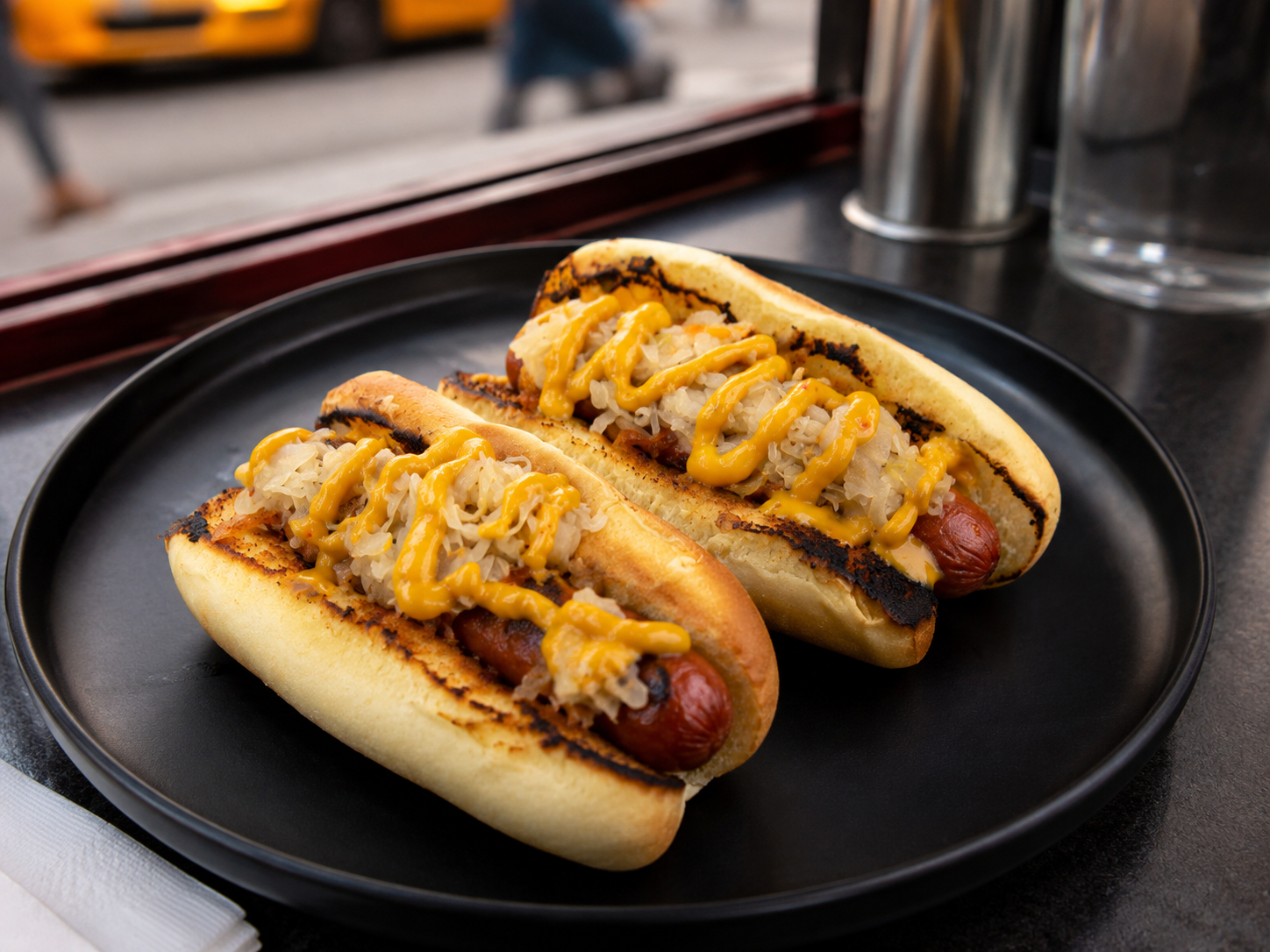
New York Dog: Classic Street Cart Hot Dog with Sauerkraut and Caramelized Onions

Walk down virtually any street corner in New York City and you’ll find a hot dog cart doing brisk business, and what comes off that cart is a specific combination that’s earned its place as one of the most recognizable street food traditions in the country. The New York Dog isn’t complicated, a natural casing beef hot dog, warm tangy sauerkraut, sweet caramelized onions, and a sharp hit of spicy mustard, but the combination of textures and flavors is precisely calibrated. Snap from the casing, tang from the kraut, sweetness from the onions, heat from the mustard. Made at home with a few proper techniques, this version captures everything that makes the cart version worth standing in line for. The recipe breaks into distinct components that each take a few minutes of attention rather than one long complicated process. The sauerkraut warms through quickly on the stovetop. The onions caramelize slowly into deep golden sweetness while everything else comes together. The hot dogs cook in the air fryer, developing the charred, snappy skin that distinguishes a properly cooked natural casing dog from a boiled one. None of these steps is difficult individually, the result of doing all three properly and assembling them in the right order is what makes this taste like the genuine article rather than an approximation. Why This Recipe Works So Well Each component here is doing specific work, and understanding why helps explain what separates a great New York dog from a mediocre one. Natural casing hot dogs are non-negotiable for this style. The casing is what creates the audible snap when you bite through, a textural signature that skinless hot dogs simply cannot replicate. Air frying these dogs rather than boiling or steaming them (the more common cart method, admittedly, but not the better one for home cooking) develops a light char on the casing exterior while keeping the interior juicy. The result has more flavor and better texture than a boiled dog, even if it diverges slightly from the literal cart technique. Caramelizing the onions properly, genuinely cooking them down to deep golden brown rather than just softening them, takes real time, and that time is what produces the sweetness that balances the sauerkraut’s acidity. Rushed onions that are merely translucent don’t deliver this contrast; they taste like raw onion with the bite cooked off rather than the rich, jammy sweetness that real caramelization produces. The garlic paste added during this process layers in savory depth that plain caramelized onions don’t have on their own. Warming the sauerkraut rather than serving it cold matters more than it might seem. Cold sauerkraut straight from the jar or can has a sharper, more aggressive acidity. A few minutes in a warm pan mellows that sharpness slightly while keeping the tang intact, and the warmth means it doesn’t cool down the hot dog and bun when it’s piled on top. Toasting the buns in a buttered pan rather than serving them straight from the bag adds a layer of texture and flavor that’s easy to skip but makes a real difference. A soft, untoasted bun gets soggy fast under warm toppings. A lightly toasted, golden bun holds up structurally while adding its own flavor to the bite. Choosing the Right Ingredients Every component here benefits from a few specific ingredient choices that move this recipe from good to genuinely cart-quality. Hot Dogs: All-beef natural casing hot dogs are the standard for New York style. The natural casing is essential, it’s the entire textural foundation of the dish. If your grocery store doesn’t carry natural casing dogs, a butcher counter or specialty meat shop usually will. Avoid skinless hot dogs for this recipe specifically; they cook fine but won’t deliver the snap that defines the style. Sauerkraut: Refrigerated sauerkraut from the deli or specialty section typically has better flavor and texture than shelf-stable canned versions, which can taste flatter and more uniformly sour. Drain it well before warming, excess liquid waters down the flavor and makes the final assembly messier. If you prefer a milder tang, rinsing the sauerkraut briefly before draining softens the acidity. Onions: Yellow onions are the standard choice for caramelizing, they have the right balance of sugar content and structure to break down properly over heat without disappearing into mush. Sweet onions like Vidalia work too if you want an even sweeter result, though yellow onions develop more complexity through the caramelization process. Garlic Paste: Adding garlic paste to the onions partway through cooking layers in savory depth without the risk of burning that minced fresh garlic carries when added too early in a hot pan. If using fresh garlic instead, add it later in the cooking process than you would the onions themselves. Buns: Soft New York style hot dog buns, the kind with a top-loading split rather than a side split, are traditional, but any soft hot dog bun works. What matters more than the specific bun style is toasting it properly so it holds structure under the toppings. Mustard: Spicy brown mustard is the traditional choice for a New York dog, providing sharper heat and more complexity than classic yellow mustard. This is a place where deli-style or stadium-style spicy brown mustard makes a genuine difference compared to a milder yellow mustard. Ingredients Serves 2 For the Hot Dogs: For the Sauerkraut: For the Caramelized Onions: For Toasting: To Finish: Step-by-Step Instructions Step 1 — Prep the Hot Dogs Remove the hot dogs from their packaging and place them on a wire rack. Setting them on a rack rather than directly on a plate allows air to circulate around them, which helps with even cooking once they go into the air fryer. Step 2 — Warm the Sauerkraut Measure out 1 cup of sauerkraut and drain any excess liquid thoroughly, press it gently with the back of a spoon or your hands over a strainer to remove as much liquid as possible. Heat 1 tablespoon of oil in a medium

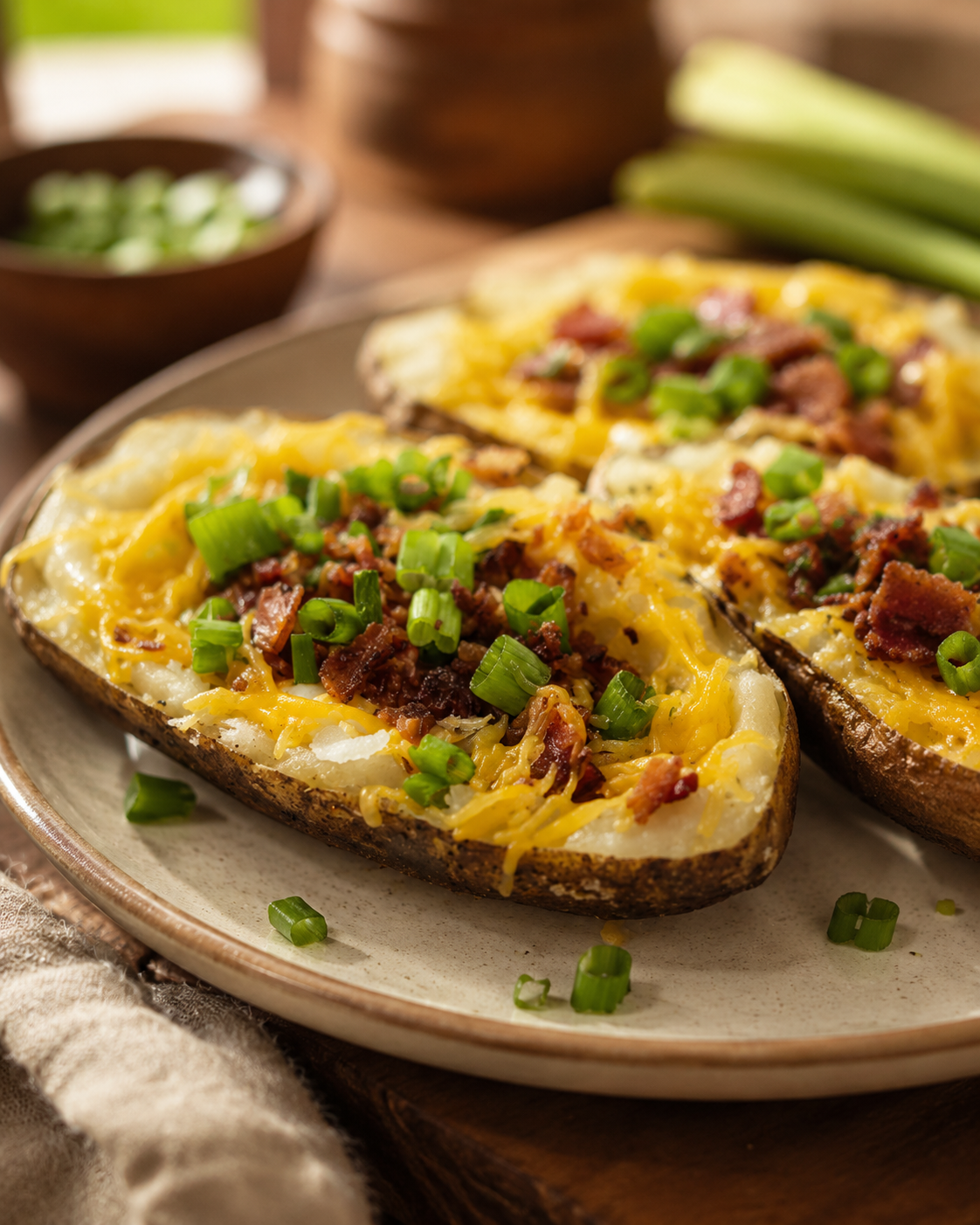
Loaded Potato Skins: Crispy Air Fryer Potato Skins with Bacon, Cheddar, and Sour Cream

Potato skins occupy a specific place in comfort food that nothing else quite fills. The combination of a crispy, seasoned shell, a thin layer of fluffy potato, melted cheddar, crispy bacon, and cool sour cream hits every texture and temperature contrast simultaneously in a way that makes them disappear from a plate faster than almost anything else you can put in front of people. Made properly, with potatoes cooked until genuinely tender, skins that have real structure, and toppings added in the right sequence, loaded potato skins are as satisfying coming out of your own kitchen as any version you’d order at a restaurant. The air fryer handles both the potatoes and the bacon in this recipe, and using it for both components isn’t just about convenience. Air-frying whole potatoes creates skins with better texture than oven-baking, the circulating heat dries the exterior during cooking, producing a shell that holds its shape when halved and scooped rather than collapsing under toppings. The bacon crisps in the same unit while the potatoes finish their last stretch, making smart use of the cooking time without requiring a separate pan. Everything from raw potatoes to fully loaded skins takes under an hour, most of which requires no active attention at all. Why This Recipe Works So Well The combination of techniques and ingredient choices here produces loaded potato skins that consistently beat shortcuts and approximations. Starting with jumbo potatoes matters more than it seems. Large potatoes create substantial skins with enough interior to scoop while still leaving a meaningful layer of potato against the skin. Smaller potatoes produce thin skins that either tear during scooping or leave so little potato inside that they lose the textural contrast between crispy exterior and soft interior that makes potato skins worth eating. Jumbo russeting potatoes have the thick skins and starchy interiors that hold up through the air frying process and maintain structure when halved and loaded. The olive oil and seasoning step before wrapping is doing real work. Coating the exterior with olive oil before foil-wrapping keeps the skin from drying out during the long cook, ensuring it stays pliable enough to scoop without cracking. The salt and pepper season the skin itself, not just the toppings, so every bite of the shell carries flavor rather than relying entirely on what goes on top. Butter and garlic paste applied directly to the scooped interior before any other topping goes on creates a flavor base that soaks into the remaining potato layer. Cheese and bacon placed on top of this base rather than directly on dry potato flesh produces a different result — the butter fat helps the cheese melt more evenly and the garlic flavors the entire interior rather than sitting as a separate topping. Sour cream added last, after everything else, maintains its cool temperature and clean tang against the warm toppings. Mixing it in or applying it before other toppings buries it and loses the temperature contrast that makes it work. Choosing the Right Ingredients Every component in loaded potato skins is simple, but small choices within each category affect the finished result enough to be worth considering. Potatoes: Jumbo russet potatoes are the right choice here — their thick skins and high starch content produce the best texture after air frying. Waxy potatoes like Yukon Golds have thinner skins and denser flesh that doesn’t scoop as cleanly or crisp as effectively. Size matters practically too: jumbo potatoes produce halves substantial enough to hold toppings without bending under the weight. Avoid any potato with soft spots, green patches, or significant bruising. Bacon: Standard cut bacon crisps more predictably in the air fryer than thick-cut, which can remain chewy in the center while the edges over-cook. Three strips provides enough bacon for two loaded potatoes — four halves total — without overwhelming the other toppings. Cook until genuinely crispy rather than just done: crispy bacon crumbles into every bite rather than pulling out as a single strip when you eat the skin. Cheddar Cheese: Shredded sharp cheddar melts cleanly on warm potato skins and has enough flavor to hold up against the other strong components. Pre-shredded cheddar works fine here — the added starches in commercial pre-shredded cheese actually help it melt more smoothly on the potato rather than pooling into a greasy layer. Extra sharp cheddar adds more flavor presence if you prefer it. Garlic Paste: Garlic paste incorporates into the butter more evenly than minced fresh garlic, distributing flavor across the entire interior surface rather than concentrating in spots. Store-bought garlic paste works well. If you only have fresh garlic, mince it as finely as possible or crush it to a paste with the flat of a knife and salt before using. Green Onions and Chives: Both bring freshness and mild onion flavor that cuts through the richness of butter, cheese, and bacon. Green onions add slightly more punch and textural presence. Chives are more delicate in both flavor and texture. Using both creates more complexity than either alone — the combination appears consistently in good potato skin recipes for this reason. Sour Cream: Full-fat sour cream has better body and tang than reduced-fat versions, which can seem watery. A generous spoonful per half is the right quantity — enough to contribute its cool, creamy contrast without drowning the other toppings. Ingredients Serves 2-4 Step-by-Step Instructions Step 1 — Prep the Potatoes and Bacon Wash and dry the potatoes thoroughly — any moisture on the skin before oiling creates steam during cooking rather than allowing the exterior to dry properly. Rub each potato all over with olive oil, making sure the entire surface is coated. Season generously with salt and pepper, pressing lightly so the seasoning adheres to the oiled skin. Wrap each potato individually in aluminum foil and place them on a cooking tray. While the potatoes are prepping, chop the green onions and chives and combine them in a bowl. Set aside. Lay 3 strips of bacon flat on

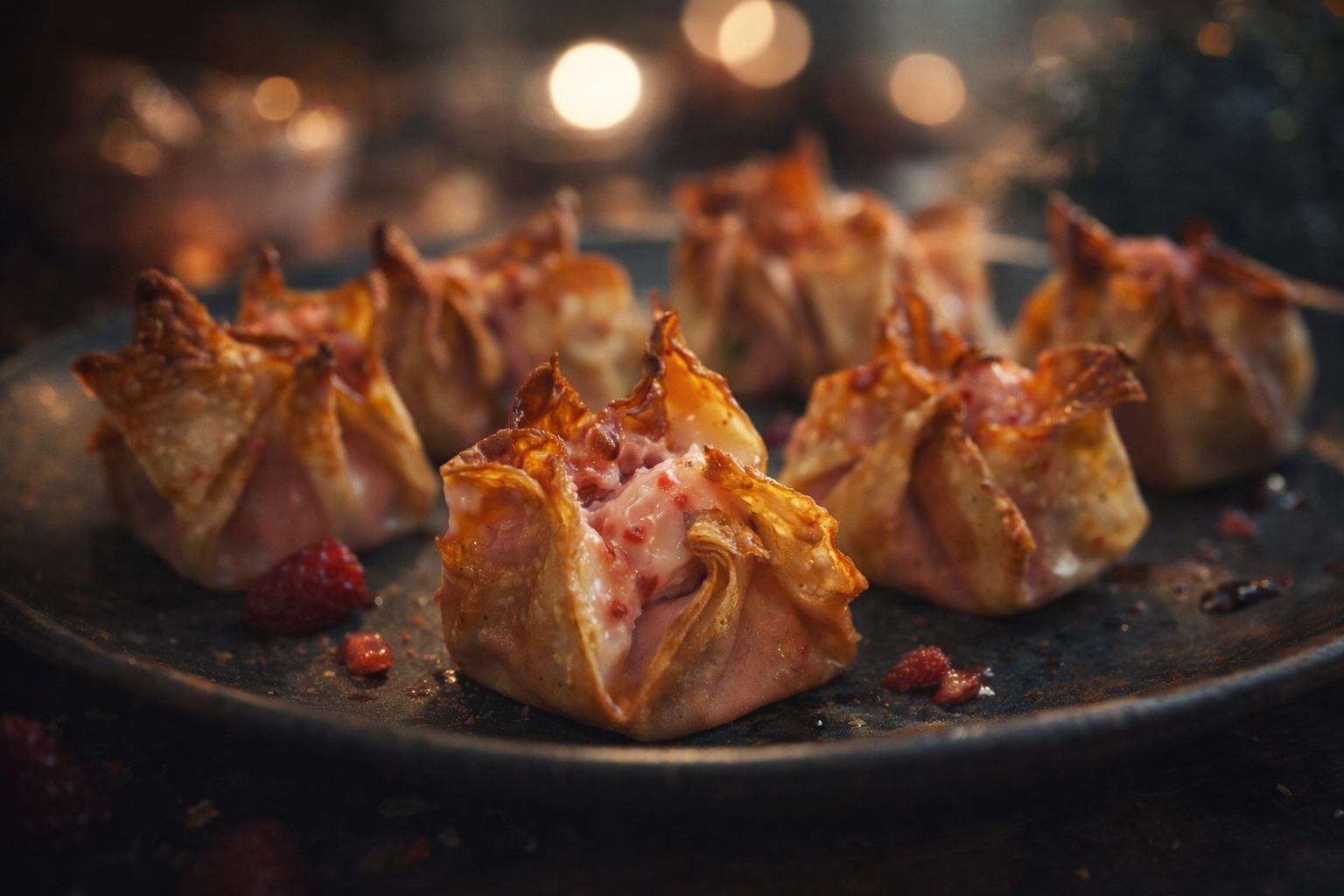
Air Fryer Strawberry Cream Cheese Wontons: Crispy Sweet Treats

Crispy wontons filled with sweet strawberry cream cheese have become one of the most popular air fryer desserts, and for good reason – they’re incredibly addictive, surprisingly easy to make at home, and deliver that irresistible combination of crispy exterior with creamy, fruity filling. These air fryer strawberry cream cheese wontons transform simple wonton wrappers and a homemade filling into restaurant-quality treats that are perfect for dessert, snacks, or party appetizers. With just a handful of ingredients and your Cosmo air fryer, you can create golden-brown wontons with perfectly crisp edges and warm, creamy centers. What makes this recipe so appealing is the dramatic contrast between textures – shatteringly crisp wonton shell giving way to smooth, sweet cream cheese filling studded with fresh strawberries. The air fryer method ensures even browning on all sides while using minimal oil compared to traditional deep frying, creating guilt-free indulgence that satisfies dessert cravings without the heavy feeling. Why Air Fryer Strawberry Cream Cheese Wontons Work So Well Air fryer technology revolutionizes how these wontons cook by circulating hot air around each piece, creating crispy, golden exteriors without submerging them in oil. The rapid air circulation crisps the delicate wonton wrapper evenly while the filling stays creamy and contained inside. Even cooking results from the air fryer’s consistent temperature and circulation that reaches all sides of each wonton. Unlike pan-frying where only the bottom gets direct heat, air frying ensures uniform golden color and texture on every surface. Reduced oil consumption makes air frying appealing compared to deep frying wontons. You get all the crispy texture with just a light coating of cooking spray, cutting significant calories while maintaining that satisfying crunch everyone loves in fried foods. Quick cooking time of just 7-10 minutes total makes these strawberry cream cheese wontons perfect for last-minute desserts or unexpected guests. The air fryer preheats quickly and cooks efficiently, getting warm treats on the table faster than heating up oil for traditional frying. Minimal cleanup represents a major advantage since you’re not dealing with pots of oil or grease splatter. The air fryer basket needs only a quick wash after use, making the whole process from prep to cleanup remarkably simple. Versatile serving options mean you can enjoy these wontons as dessert, afternoon snacks, party appetizers, or even breakfast treats. The sweet-but-not-too-sweet filling works for various occasions and times of day. Choosing the Right Ingredients Simple ingredients make these strawberry cream cheese wontons accessible, but making smart choices about each component significantly improves your results while accommodating different preferences and dietary needs. Wonton Wrapper Selection: Look for fresh wonton wrappers in the refrigerated section of your grocery store, usually near the produce or in the Asian foods section. Square wrappers work best for this recipe. Check the package date to ensure freshness – older wrappers dry out and crack during folding. Cream Cheese Quality: Full-fat cream cheese provides the best texture and flavor. Low-fat versions tend to be grainy and don’t create the same smooth, creamy filling. Let cream cheese soften at room temperature for easier mixing and smoother consistency. Strawberry Selection: Fresh strawberries deliver better flavor and texture than frozen ones, which release too much liquid into the filling. Choose ripe, sweet strawberries without mushy spots. Dice them small enough to distribute evenly without tearing the wrappers. Sweetener Options: Granulated sugar sweetens the cream cheese filling, but you can adjust the amount based on strawberry sweetness and personal preference. Powdered sugar also works and creates a slightly smoother filling texture. Flavor Enhancers: Vanilla extract adds depth to the cream cheese filling without overwhelming the strawberry flavor. A tiny pinch of salt balances the sweetness and makes all the flavors pop. Cooking Spray Type: Use a neutral-flavored cooking spray or oil spray to coat the wontons before air frying. Avoid butter-flavored spray for this recipe as it can burn at high temperatures. Ingredients You’ll Need Main Ingredients: For Serving: Optional Additions: Step-by-Step Preparation Technique Success with strawberry cream cheese wontons comes from proper filling preparation, correct folding technique, and understanding the air frying process that ensures crispy exteriors without burning while keeping the filling creamy and warm. Filling Preparation: In a medium bowl, combine softened cream cheese, granulated sugar, vanilla extract, and a pinch of salt. Mix with a spatula or electric mixer until completely smooth and fluffy. The cream cheese should be soft enough to blend easily without lumps. Strawberry Addition: Wash and hull fresh strawberries, then pat them completely dry with paper towels. Excess moisture causes the filling to become watery and can make wontons soggy. Dice strawberries into very small pieces, about 1/4-inch cubes. Fold diced strawberries gently into the cream cheese mixture, distributing them evenly throughout. Wrapper Preparation: Remove wonton wrappers from the package and cover them with a slightly damp kitchen towel to prevent drying out while you work. Dry wrappers crack and won’t seal properly. Work with one wrapper at a time, keeping others covered. Assembly Setup: Set up your work station with a small bowl of water, the strawberry cream cheese filling, wonton wrappers, and a clean plate for assembled wontons. Having everything ready makes the folding process smooth and efficient. Filling the Wontons: Place one wonton wrapper on your work surface with one corner pointing toward you, creating a diamond shape. Add approximately 1 tablespoon of strawberry cream cheese filling to the center of the wrapper. Don’t overfill – too much filling causes wontons to burst during cooking. Sealing Technique: Dip your finger in water and run it along all four edges of the wonton wrapper. The moisture activates the wrapper’s natural starch, creating a strong seal. Fold the bottom corner up to meet the top corner, creating a triangle shape. Press firmly along the edges to remove any air pockets and seal completely. Creating the Shape: With the triangle sealed, bring the two side corners together at the bottom point, overlapping them slightly. Wet one corner and press it firmly against the other to seal. This creates

Air Fried Chocolate Brownies: Gooey, Decadent Treats in Under 30 Minutes

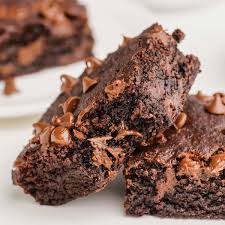
Chocolate brownies are the ultimate comfort dessert, but traditional baking can heat up your kitchen and take considerable time. Air fried chocolate brownies solve both problems by delivering the same rich, fudgy texture you love in a fraction of the time while keeping your kitchen cool. Whether you’re craving a quick dessert for unexpected guests or want to satisfy a chocolate craving without waiting for the oven to preheat, this air fryer method produces consistently delicious results. The air fryer’s rapid air circulation creates a perfectly cooked brownie with crispy edges and a gooey center that rivals traditionally baked versions. Using a standard brownie mix makes this recipe accessible and foolproof, while the air fryer cooking method provides convenience that fits into busy schedules. These brownies prove that you don’t need traditional baking methods to achieve bakery-quality desserts at home. Why Air Frying Brownies Works So Well Air frying brownies might seem unconventional, but the technology actually provides several advantages over traditional oven baking for this particular dessert. Understanding these benefits helps you appreciate why this method produces such excellent results. Even heat distribution from the air fryer’s circulating hot air ensures consistent cooking throughout the brownie, eliminating common problems like undercooked centers or overdone edges that can occur in conventional ovens. Faster cooking time means you can have fresh brownies ready in 25-30 minutes total, including prep time. This speed makes air fried brownies perfect for last-minute dessert needs or when you want fresh-baked treats without extensive planning. No oven preheating required saves time and energy while keeping your kitchen cooler, particularly valuable during warm weather when running a full oven makes the entire house uncomfortably warm. Smaller batch size works perfectly for households that don’t need or want an entire pan of brownies. The air fryer capacity naturally creates portion control that prevents overindulgence while still satisfying chocolate cravings. Consistent results come from the air fryer’s precise temperature control and even heat circulation. Once you find the right time and temperature for your specific air fryer model, you can replicate perfect brownies every time. Easy cleanup with just the air fryer basket to wash beats dealing with multiple baking pans and oven racks. The simplified process makes brownies more accessible for weeknight desserts rather than special occasions only. Choosing Your Brownie Mix and Preparing the Batter While homemade brownie batter works beautifully, using a quality boxed mix provides convenience and consistent results that make this recipe accessible to cooks of all skill levels. Standard brownie mix selection should follow package directions for preparation. Most mixes require eggs, oil, and water, creating a thick batter that holds up well to air frying without becoming too dry or cakey. Fudgy versus cakey preferences can be accommodated by adjusting liquid amounts slightly. Slightly less liquid produces chewier, fudgier brownies while following package directions exactly typically yields balanced texture. Mix-ins and enhancements allow personalization of basic brownie mix. Chocolate chips, nuts, or a swirl of peanut butter transform simple brownies into special treats without complicating the basic recipe. Proper mixing technique matters even with boxed mixes. Stir just until ingredients combine without overmixing, which can create tough, dense brownies instead of the tender texture you want. Batter consistency should be thick and pourable, similar to traditional brownie batter. If your mixture seems too thick, add a tablespoon of water at a time until you achieve proper consistency. Room temperature ingredients combine more smoothly and create better texture. Take eggs out of the refrigerator about 30 minutes before mixing for optimal results. Preparing Your Air Fryer Pan Proper pan preparation ensures your brownies release cleanly while cooking evenly in the air fryer environment. The right pan and preparation make all the difference in final results. Pan selection matters significantly for air fryer brownies. Use a round or square pan that fits comfortably in your air fryer basket with adequate clearance for air circulation. Most 7-8 inch pans work well in standard air fryers. Non-stick options including silicone baking pans designed for air fryers provide easiest release and cleanup. These flexible pans also make removing finished brownies simple without breaking edges. Greasing thoroughly prevents sticking even with non-stick pans. Use cooking spray, butter, or oil to coat all surfaces that will contact batter, paying special attention to corners where brownies can stick. Parchment paper lining creates a foolproof release method. Cut parchment to fit your pan bottom and slightly up the sides, creating handles that make lifting finished brownies from the pan effortless. Pan size affects cooking time significantly. Smaller, deeper pans require longer cooking while larger, shallower pans cook faster. Adjust timing based on your specific pan dimensions. Batter depth should be 1-2 inches for optimal cooking. Too-thin batter overcooks quickly while too-thick batter may not cook through properly in the air fryer timeframe. Air Frying Temperature and Timing Getting the temperature and timing right ensures perfectly cooked brownies with the ideal texture balance of crispy edges and gooey center. Temperature Setting: Set your air fryer to 350°F for optimal brownie cooking. This moderate temperature allows thorough cooking without burning edges before centers set properly. Cooking Time: Air fry for 25-30 minutes, checking after 25 minutes to assess doneness. Different air fryer models and pan sizes affect timing, so start checking early rather than risk overcooking. Visual Cues: Watch for edges that pull slightly away from the pan and a top that appears set rather than wet. The center should still look slightly underdone as it continues cooking after removal from the air fryer. Toothpick Test: Insert a toothpick into the center of the brownies. It should come out with a few moist crumbs but not wet batter. For fudgier brownies, remove when the toothpick has more crumbs; for cakier brownies, wait for cleaner results. No Flipping Required: Unlike some air fryer recipes, brownies cook from all sides due to air circulation and don’t require flipping or rotating during cooking. Carryover Cooking: Brownies continue cooking after removal from the air fryer, so

French Toast Lollipops: A Fun Twist on Breakfast Classics

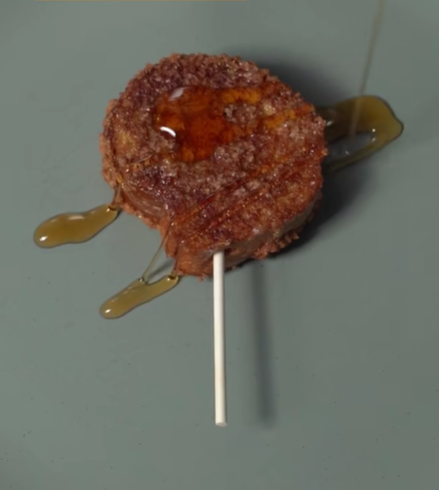
French Toast Lollipops: A Fun Twist on Breakfast Classics Sometimes the most delightful breakfast treats come from reimagining familiar favorites in creative new ways. These French toast lollipops transform ordinary bread into handheld breakfast treats that are as fun to make as they are to eat. Perfect for weekend breakfast adventures, special occasions, or whenever you want to surprise your family with something unexpectedly delightful, these lollipops prove that breakfast can be both delicious and playful. The genius of French toast lollipops lies in their presentation and portability. By rolling bread into spirals and coating them in a cinnamon-sugar mixture before air frying, you create individual treats that capture all the flavors of classic French toast in a convenient, mess-free format that kids and adults alike will love. Why This Recipe Works So Well French toast lollipops succeed because they concentrate all the best elements of traditional French toast into bite-sized portions while adding the excitement of eating food on a stick. Understanding the technique helps you achieve perfect results every time. The spiral rolling technique creates multiple layers of bread that absorb the egg mixture while maintaining structural integrity. This method ensures each bite contains the custardy interior and crispy exterior that makes French toast so appealing. Individual portion control makes these treats perfect for parties, family breakfasts, or meal prep since each lollipop provides just the right amount of sweetness without overwhelming portion sizes. Air frying technology creates the perfect crispy exterior while maintaining tender, custardy interiors without the need for large amounts of oil or constant monitoring that stovetop cooking requires. The cinnamon-sugar coating adds textural interest and concentrated flavor that complements the vanilla-scented bread while creating an attractive appearance that makes these treats visually appealing. Stick presentation transforms ordinary breakfast into an interactive experience that encourages slower, more mindful eating while making the treats perfect for on-the-go consumption or party serving. Choosing the Right Ingredients Success with French toast lollipops starts with selecting appropriate ingredients that work together to create the perfect texture and flavor balance. Bread selection significantly affects the final result. Day-old bread works better than fresh because it absorbs the egg mixture without becoming too soggy, while maintaining enough structure to roll and hold together during cooking. White sandwich bread or brioche provide the best texture for rolling, as they’re soft enough to manipulate without tearing while having enough substance to create satisfying spirals that hold together. Fresh eggs create the custard base that transforms plain bread into French toast. Room temperature eggs mix more easily and create smoother custard that penetrates bread evenly. Pure vanilla extract provides the classic French toast flavor that makes these treats taste familiar despite their unique presentation. Quality vanilla makes a noticeable difference in the final flavor. Brown sugar and cinnamon create the signature coating that provides sweetness, spice, and textural contrast. The combination of these warm spices evokes comfort and familiarity. Lollipop sticks should be food-safe and appropriately sized for the bread spirals. Wooden craft sticks or actual lollipop sticks work well for this application. Step-by-Step Technique for Perfect Results Creating perfect French toast lollipops requires attention to technique during each step of the process to ensure attractive presentation and optimal texture. Bread Preparation: Remove crusts from bread slices and use a rolling pin to flatten each slice until it’s thin enough to roll easily without cracking. This step is crucial for creating tight spirals that hold together. Rolling Technique: Starting from one edge, roll each flattened bread slice tightly into a spiral, ensuring the roll stays compact and even. The tighter the roll, the better it will hold together during cooking. Stick Insertion: Carefully insert the lollipop stick through the center of each spiral, ensuring it’s secure but not protruding too far from either end. The stick should provide stability without interfering with cooking. Custard Mixture: Whisk eggs and vanilla extract thoroughly until completely combined. The mixture should be smooth and well-blended to ensure even coating and flavor distribution. Dipping Process: Dip each bread spiral into the egg mixture, ensuring all surfaces are coated but not oversaturated. Allow excess mixture to drip off to prevent soggy results. Coating Application: Roll the dipped spirals in the brown sugar and cinnamon mixture, ensuring complete coverage that will create the crispy, flavorful exterior during cooking. Air Frying Setup: Preheat your air fryer to 360°F and arrange the coated spirals with adequate spacing to allow proper air circulation around each lollipop. Cooking Process: Air fry for 4 minutes on each side, monitoring for golden-brown color and crispy texture. The timing may vary slightly based on your specific air fryer model and bread thickness. Final Presentation: Allow the lollipops to cool slightly before serving to prevent burns while ensuring they’re still warm enough to provide the optimal eating experience. Recipe Variations and Customizations The basic French toast lollipop recipe provides an excellent foundation for creative variations that accommodate different tastes and dietary preferences. Flavor Variations: Add different extracts like almond or maple to the egg mixture for unique flavor profiles. Orange zest can provide citrus brightness, while a pinch of nutmeg adds warmth and complexity. Coating Alternatives: Try different sugar and spice combinations such as maple sugar with cardamom, coconut sugar with ginger, or even a savory parmesan and herb coating for unexpected flavor profiles. Filling Options: Spread thin layers of cream cheese, Nutella, or fruit preserves on the bread before rolling to create filled lollipops with surprise centers that add richness and flavor complexity. Bread Substitutions: Experiment with different bread types like cinnamon swirl bread, challah, or even croissants for varying textures and flavors that change the character of the final product. Healthy Modifications: Use whole grain bread, reduce sugar content, or substitute egg whites for whole eggs to create lighter versions that maintain the fun factor while supporting dietary goals. Seasonal Adaptations: Incorporate seasonal spices like pumpkin pie spice in fall, or add dried fruit pieces and warm spices for holiday versions that celebrate specific times of