
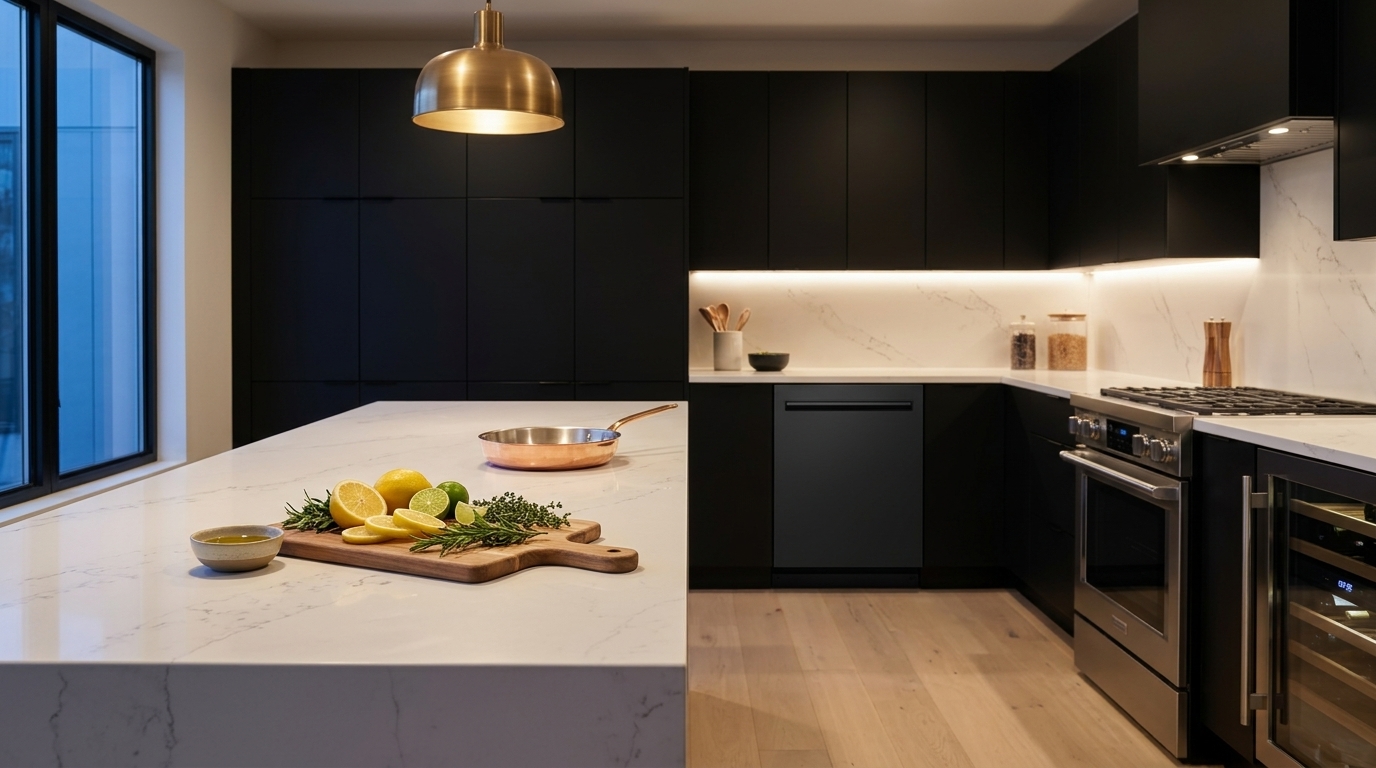
Make Your Kitchen Work for You: Small Appliance Habits That Save Time
Most kitchens do not lose time to a shortage of equipment. They lose it in small, repeated moments: waiting on a cold oven, reheating a dish that dried out, hunting for the right pan, or facing a sink full of dishes after a meal that was supposed to be simple. A handful of well-chosen habits removes those moments, and none of them costs anything to adopt. This guide covers five routines built around appliances most households already own: the air fryer, the microwave, the oven, the refrigerator and the dishwasher. None requires a new gadget or a new skill. Each one asks an appliance to do the job it does best, at the moment it does it best, so the rest of the evening belongs to you. We also look at where Cosmo’s newest dishwasher, the 24-inch matte black COS-DWI240TTRBK, fits into the routine. The habit that saves the most time is often the one at the end of the night, and it works best when the machine at the end of it is built to keep up. Habit One: Give Each Appliance Its Own Job The fastest kitchens run several appliances at once instead of waiting on one. While the oven handles a sheet pan of vegetables or a roast, the air fryer can crisp a protein in a fraction of the time, and the cooktop can bring a pot of grains or a pan sauce to the table at the same moment. The principle is simple: match the task to the tool, then let them work in parallel. A practical weeknight pattern looks like this. Start the oven first, since it takes the longest to preheat. Prep the air fryer basket while it warms, so the second appliance is ready as soon as the first is working. Finish with a quick stovetop element, such as a pan sauce or a pot of rice. Dinner lands in three streams that finish together, and no single appliance becomes the bottleneck. The same logic applies to batch cooking. When the oven is already hot for one dish, use the extra rack space for a second. A tray of roasted vegetables or a batch of chicken thighs cooked alongside tonight’s dinner becomes tomorrow’s lunch with no additional preheating and no additional cleanup. Habit Two: Use the Microwave for More Than Reheating The microwave is the most underused tool in many kitchens. Beyond warming leftovers, it excels at the unglamorous prep steps that slow a recipe down. Softening butter, melting chocolate, steaming a bowl of broccoli, or giving a sweet potato a head start before it goes into the oven or air fryer can cut ten to fifteen minutes from a dinner without changing the result. When reheating, small adjustments protect the quality of the food. Spread leftovers in a shallow, even layer rather than a mound, cover the dish loosely to trap steam, and stir or rotate halfway through. Foods that tend to dry out, such as rice or bread, benefit from a spoonful of water or a damp paper towel. Crisp foods, like fried chicken or pizza, return to life far better in an air fryer or oven for a few minutes, so the microwave works best as the first step in a two-step reheat when texture matters. Habit Three: Stage Your Kitchen Before You Cook Professional cooks call it mise en place, and it works at home too. Before the first burner turns on, pull the ingredients, tools and containers you will need and set them within reach. Take proteins out of the refrigerator early enough to lose their chill, and keep a small bowl on the counter for scraps so the cutting board stays clear. This habit pays off twice. A staged kitchen moves faster during the cook, and it makes cleanup faster afterward, because dirty tools stack in one place instead of being scattered across the counter. If you use a wine cooler or a beverage center, extend the same idea to hosting: a few bottles chilled and ready means one less task at the moment guests arrive. Habit Four: Make the Dishwasher Part of the Cooking Plan Cleanup is where most of the time saved during cooking gets spent again, which is why the dishwasher deserves a place in the plan rather than the afterthought it usually receives. The habit is straightforward: scrape plates instead of rinsing them, load as you go while the meal cooks, and run the machine only when it is full. A dishwasher loaded in small steps during the evening is a dishwasher you can start the moment dinner ends. The hardware matters here more than most people expect. Cosmo’s COS-DWI240TTRBK is a 24-inch top control built-in dishwasher in matte black, part of the premium Icon Collection. Several of its features map directly onto time-saving habits. The third rack keeps small items out of the main load. Utensils, lids and grilling tools ride on a dedicated upper rack, which frees the lower racks for plates, bowls and cookware. That makes it easier to load as you cook, because the pieces you use first, such as a spatula or a measuring spoon, have a clear place to go. Zone wash targets the dishes that need it. Rather than running a longer, heavier cycle for the whole machine, zone wash focuses wash power on a selected area for heavily soiled items. A baking sheet or a roasting pan from the multi-appliance dinner in Habit One can go in alongside the everyday dishes without a pre-soak or a scrub. Capacity supports batch cooking. The same listing notes room for up to 15 place settings. A household that cooks in batches, or hosts regularly, generates a lot of dishes in a short window, and a machine that absorbs the whole load in one run keeps the sink empty overnight. Quiet operation lets you run it any time. At 45 decibels, the COS-DWI240TTRBK is quiet enough to run after dinner in a kitchen that opens onto the