
cooking basics

The Cooking Skills No One Teaches You (But Everyone Assumes You Know)

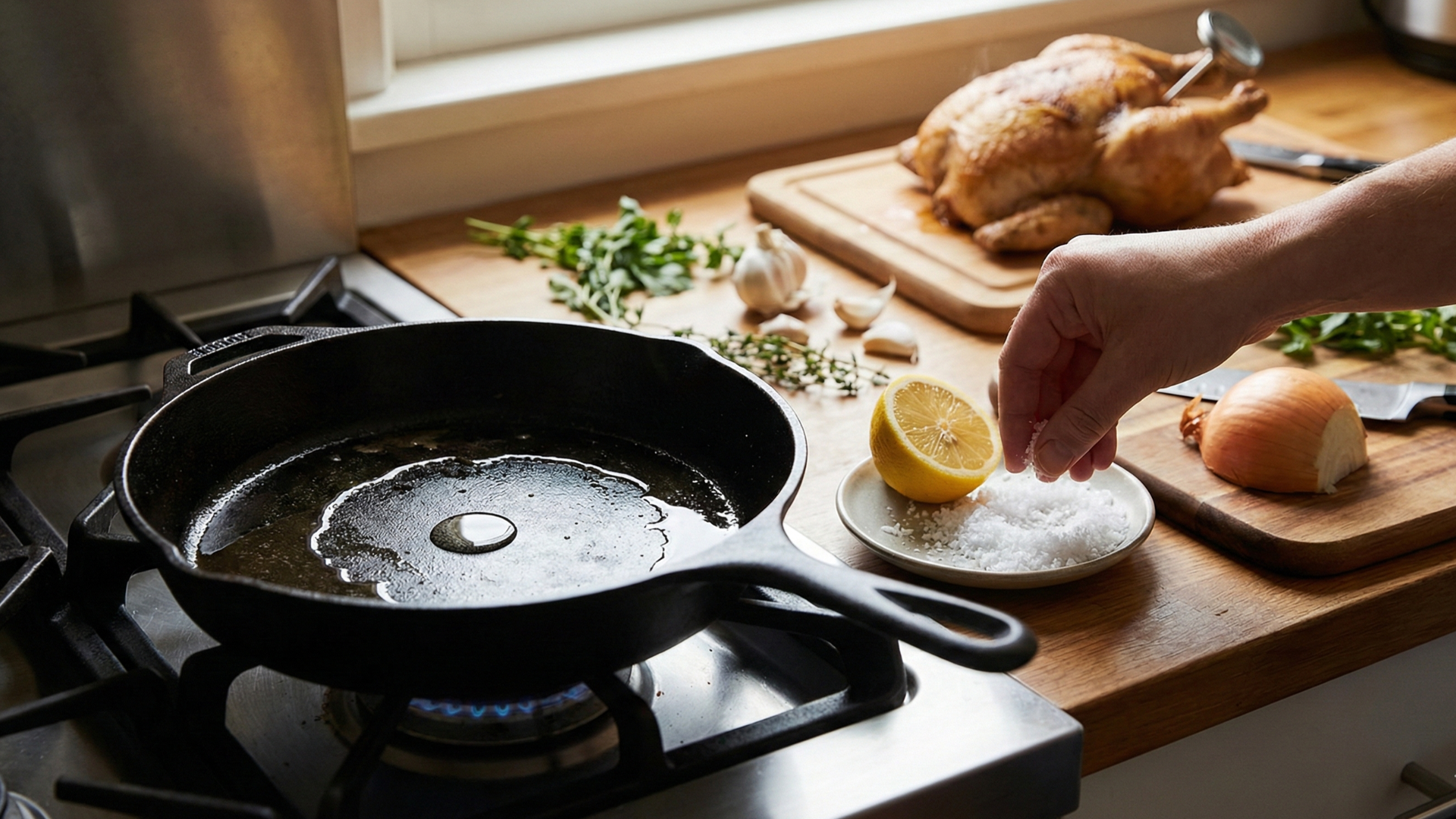
Recipe instructions operate on the assumption that cooks understand certain fundamental concepts and techniques that often never get explicitly taught or explained. This creates a strange gap where recipes tell you to “sauté until fragrant” or “cook until done” without explaining what fragrant smells like, how you know when something is done, or what you’re actually trying to accomplish at each step. These assumed skills—the things experienced cooks do automatically without conscious thought—rarely appear in recipes because they seem too basic to mention, yet their absence leaves many home cooks guessing and second-guessing throughout the cooking process. The result is uncertainty and inconsistent results not because recipes are being followed incorrectly but because the unstated knowledge between the written steps never got communicated. Understanding these assumed skills bridges the gap between following recipes mechanically and actually cooking with comprehension. When you know what each instruction means in practical terms and what you’re looking for at each stage, cooking becomes less mysterious and results become more reliable. How to Actually Preheat a Pan Recipes say “heat a pan over medium heat” and immediately proceed to the next step as if pan temperature is instantly achieved. The unstated reality is that proper preheating takes time and matters significantly to results. Pans need several minutes to reach temperature evenly. A thin pan might heat in 2-3 minutes while a heavy pan could need 5-7 minutes depending on the material and thickness. Putting food in too early means cooking in a pan that’s still heating up, creating uneven results. Testing pan temperature prevents adding food too soon. For sautéing, water droplets should sizzle and evaporate quickly but not instantly vaporize. For searing, a water droplet should ball up and roll around the pan. These simple tests tell you when the pan is actually ready rather than guessing. Burner size matching pan size affects heating efficiency. A large pan on a small burner heats unevenly with a hot center and cool edges. Matching pan size to burner ensures even heating across the cooking surface. The material matters because stainless steel, cast iron, nonstick, and carbon steel all heat differently and hold heat differently. Cast iron takes longest to heat but holds temperature best. Nonstick heats quickly but doesn’t tolerate high temperatures. Understanding your pan helps you preheat appropriately. Visual cues like shimmer in oil indicate the pan has reached cooking temperature. Oil should flow smoothly and shimmer slightly when the pan is properly heated for most cooking tasks. Nobody tells you this explicitly, but experienced cooks know to wait for the pan rather than rushing to add ingredients. Those few minutes of proper preheating separate good results from disappointing ones. What “Season to Taste” Really Means Recipes end with “season to taste” assuming you understand how to evaluate seasoning and what you’re adjusting for, but this is actually a complex skill involving multiple elements. Salt brightens flavors and balances sweetness but also makes everything taste more like itself. Under-salted food tastes flat and one-dimensional even if all other seasonings are present. Proper salting creates vibrancy and dimension in flavor. Tasting multiple times throughout cooking shows you how flavors develop and concentrate. What tastes properly seasoned at the beginning might taste bland after reducing. Seasoning isn’t one-time but ongoing as liquids evaporate and flavors concentrate. Acid balancing with lemon juice, vinegar, or wine brightens dishes in ways salt alone cannot. When food tastes heavy or dull despite adequate salt, acid is often what’s missing. A squeeze of lemon or splash of vinegar can transform a dish. Adjusting gradually with small additions prevents over-seasoning. Add a small amount, stir, wait a moment, then taste again. You can always add more but cannot remove excess seasoning easily. Temperature affects taste perception—food needs more seasoning when served hot or cold compared to warm. Soup that tastes perfectly seasoned warm will taste bland when served hot. Season slightly more aggressively for foods served very hot or cold. Tasting from a spoon you’ve used to stir provides false feedback because residual flavors on the spoon affect what you taste. Use a clean spoon for each taste test to get accurate seasoning assessment. This “simple” final instruction actually requires understanding salt, acid, balance, and how flavors develop through cooking—none of which the recipe explains. How to Know When Food Is Done “Cook until done” appears in countless recipes without explaining what done looks like, feels like, or how you determine it for different foods. Visual cues vary by food type. Fish becomes opaque and flakes easily. Chicken releases clear juices rather than pink. Vegetables change from raw color to vibrant color when properly cooked. Learning these visual indicators for different foods tells you when cooking is complete. Texture changes signal doneness in ways recipes rarely describe. Properly cooked pasta has slight resistance when bitten. Vegetables should have some tooth while being cooked through. Meat firms up as it cooks with specific texture changes at different temperatures. Internal temperature provides objective measurement removing guesswork. Chicken is safe at 165°F but ideal at 160°F with carryover. Medium-rare steak is 130-135°F. Bread is done when internal temperature reaches 190-200°F. Temperature removes uncertainty. Carryover cooking continues after removing food from heat. Meat temperature rises 5-10°F after leaving the heat source. Removing food slightly before target temperature accounts for carryover and prevents overcooking. Resting allows juices to redistribute and cooking to finish gently. Meat needs resting time equal to roughly half the cooking time. The rest period isn’t wasted time but essential to final results. Timing provides rough guidance but shouldn’t override visual and tactile cues. Every stove differs, every pan differs, every piece of meat differs. Use times as estimates but rely on actual doneness indicators rather than blindly following minutes. Nobody explicitly teaches these evaluation methods, but knowing when food is actually done versus trusting recipe times alone dramatically improves cooking results. What Different Heat Levels Actually Mean “Medium heat” or “medium-high heat” assumes shared understanding of what these terms mean, but heat levels
Essential Kitchen Tools Every Home Chef Should Own: Building Your Culinary Arsenal

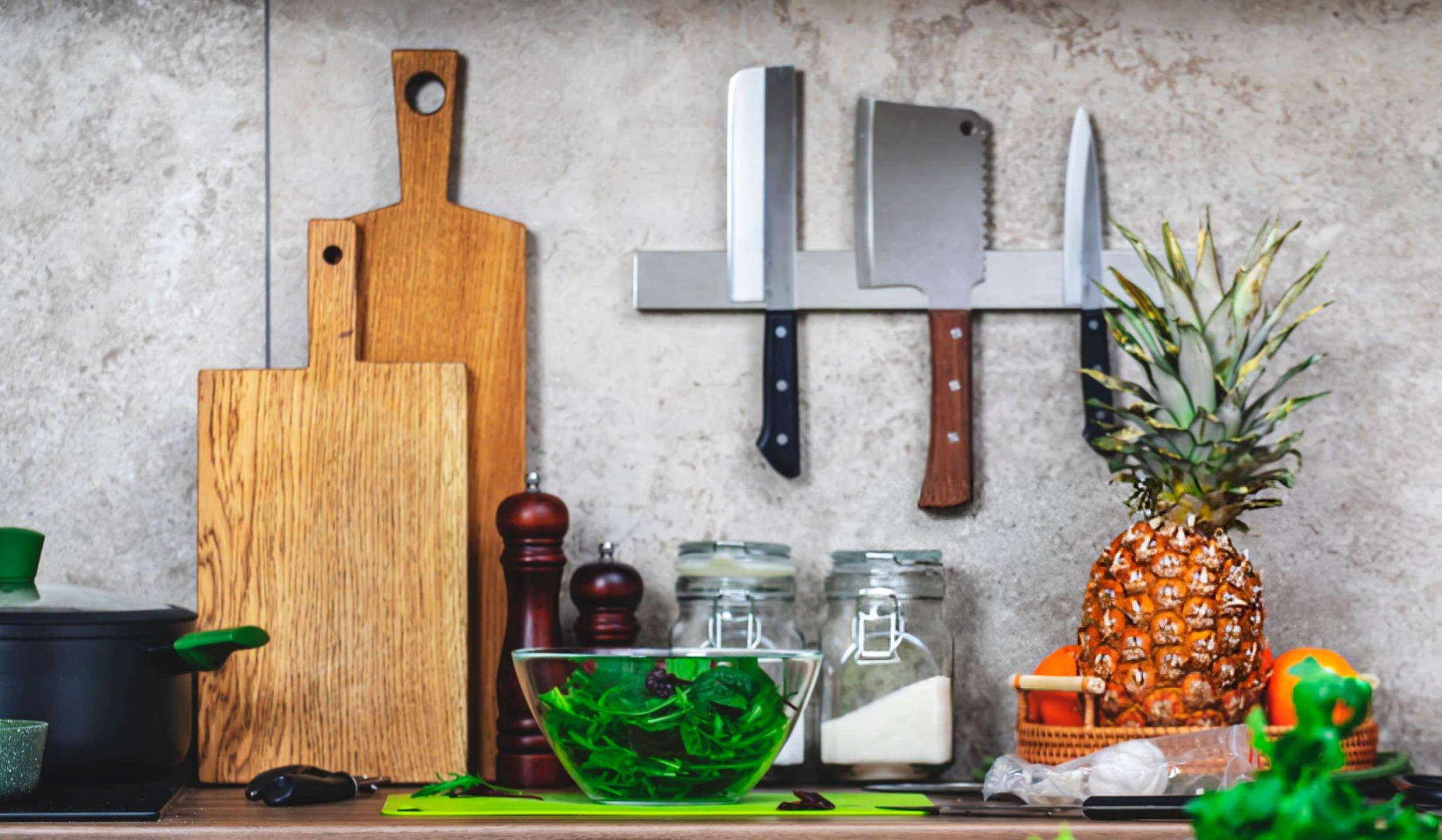
A well-equipped kitchen doesn’t require every gadget on the market, but having the right essential tools can transform your cooking experience from frustrating to enjoyable. The difference between struggling through meal preparation and cooking with confidence often comes down to having quality tools that make techniques easier, safer, and more precise. Understanding which tools provide the most value helps you build a kitchen arsenal that supports your culinary growth while avoiding unnecessary clutter. Smart tool selection focuses on versatile items that serve multiple purposes rather than single-use gadgets that quickly become drawer clutter. The best kitchen tools are those you’ll reach for repeatedly, tools that make fundamental cooking techniques more accessible and enjoyable. Building your collection gradually with quality pieces provides better long-term value than buying complete sets of mediocre tools that may disappoint. The Foundation: Quality Knives Great cooking starts with great knives, and no other kitchen tools have as much impact on your daily cooking experience. Quality knives make food preparation faster, safer, and more precise while lasting for decades with proper care. Chef’s knife represents the most important tool in any kitchen, handling 80% of cutting tasks from chopping vegetables to slicing meat. An 8-10 inch chef’s knife with a comfortable handle and sharp, high-carbon steel blade serves as your primary cutting tool for most cooking tasks. Paring knife handles detailed work like peeling, trimming, and precision cutting that larger knives can’t manage effectively. A 3-4 inch paring knife with a comfortable grip allows delicate work while maintaining control and accuracy. Serrated knife cuts through foods with tough exteriors and soft interiors without crushing or tearing. A quality serrated knife handles bread, tomatoes, and other challenging items that would be damaged by straight-edge knives. Knife sharpening tools maintain your knives’ performance over time, making them safer and more effective to use. A honing steel for regular maintenance and a sharpening system for periodic edge restoration keep knives performing optimally. Proper knife storage protects blade edges while keeping knives safely accessible. Magnetic strips, knife blocks, or in-drawer knife organizers prevent damage while ensuring kitchen safety. Quality knife characteristics include high-carbon steel blades that hold edges well, comfortable handles that fit your grip, and full-tang construction that provides balance and durability. Cutting Boards: Your Workspace Foundation Cutting boards provide the foundation for all knife work, affecting both food safety and knife performance. Having appropriate cutting boards for different tasks prevents cross-contamination while protecting your knives and countertops. Wood cutting boards offer natural antimicrobial properties while being gentle on knife edges. Hardwoods like maple or walnut provide durability while developing character over time with proper care and maintenance. Plastic cutting boards allow for easy sanitizing in dishwashers while being affordable enough to maintain separate boards for different food types. Color-coded plastic boards help prevent cross-contamination between raw meats and ready-to-eat foods. Size considerations ensure adequate workspace for different cutting tasks. Large boards provide room for chopping multiple vegetables, while smaller boards work well for quick tasks or when counter space is limited. Maintenance requirements vary between materials but all cutting boards need regular cleaning and periodic deep sanitizing to maintain food safety. Understanding proper care extends board life while ensuring hygiene. Stability features like rubber feet or non-slip surfaces prevent dangerous movement during use. Secure cutting boards improve safety while allowing more confident, efficient knife work. Measuring Tools for Precision and Consistency Accurate measuring ensures consistent cooking results while helping you follow recipes successfully and develop your own cooking skills through reliable feedback. Measuring cups for dry ingredients should be flat-topped for accurate leveling, with clearly marked measurements that won’t wear off over time. Stainless steel or durable plastic cups provide long-lasting accuracy. Liquid measuring cups with pour spouts and clear measurement markings allow accurate liquid measurement while minimizing spills. Glass measuring cups resist staining while being microwave-safe for heating ingredients. Measuring spoons handle small quantities of spices, extracts, and other ingredients that can significantly impact recipe outcomes. Quality measuring spoons have clearly marked measurements and comfortable handles. Kitchen scale provides the most accurate ingredient measurement, particularly important for baking where precision affects results significantly. Digital scales with tare functions allow easy measurement of multiple ingredients in one container. Instant-read thermometer ensures food safety while preventing overcooking of proteins. Digital thermometers provide quick, accurate readings that help achieve perfect cooking results. Essential Cookware for Versatile Cooking Quality cookware forms the foundation of effective cooking, with a few versatile pieces handling most cooking tasks better than large sets of mediocre pots and pans. Large skillet or sauté pan handles most stovetop cooking from searing proteins to cooking vegetables. A 10-12 inch skillet with sloped sides provides versatility while fitting most cooking needs. Heavy-bottomed saucepan distributes heat evenly for sauce-making, cooking grains, and other liquid-based cooking tasks. A 2-3 quart saucepan handles most family cooking needs while being manageable in size. Dutch oven or heavy pot serves multiple purposes from braising and stewing to bread baking and deep frying. Cast iron or enameled cast iron provides excellent heat retention and versatility. Sheet pans enable roasting vegetables, baking cookies, and countless other cooking tasks. Heavy-duty aluminum sheet pans with raised edges provide durability while conducting heat evenly. Stockpot accommodates large-batch cooking like soups, stocks, and pasta for families or meal prep. An 8-12 quart capacity handles most home cooking needs without being unwieldy. Mixing and Preparation Tools Efficient food preparation requires tools that make mixing, combining, and processing ingredients easier and more effective. Mixing bowls in various sizes handle everything from whisking eggs to tossing salads. Stainless steel bowls are durable and versatile, while glass bowls allow visual monitoring of mixing progress. Wooden spoons provide gentle stirring that won’t scratch cookware while being heat-resistant for stovetop cooking. Multiple wooden spoons prevent flavor transfer between different dishes. Rubber spatulas scrape bowls clean while folding ingredients gently. Heat-resistant silicone spatulas work for both cold preparation and hot cooking applications. Whisks incorporate air into mixtures while breaking up lumps in sauces. Different whisk sizes handle