Cooking Methods

The Cooking Shortcuts That Actually Save Time

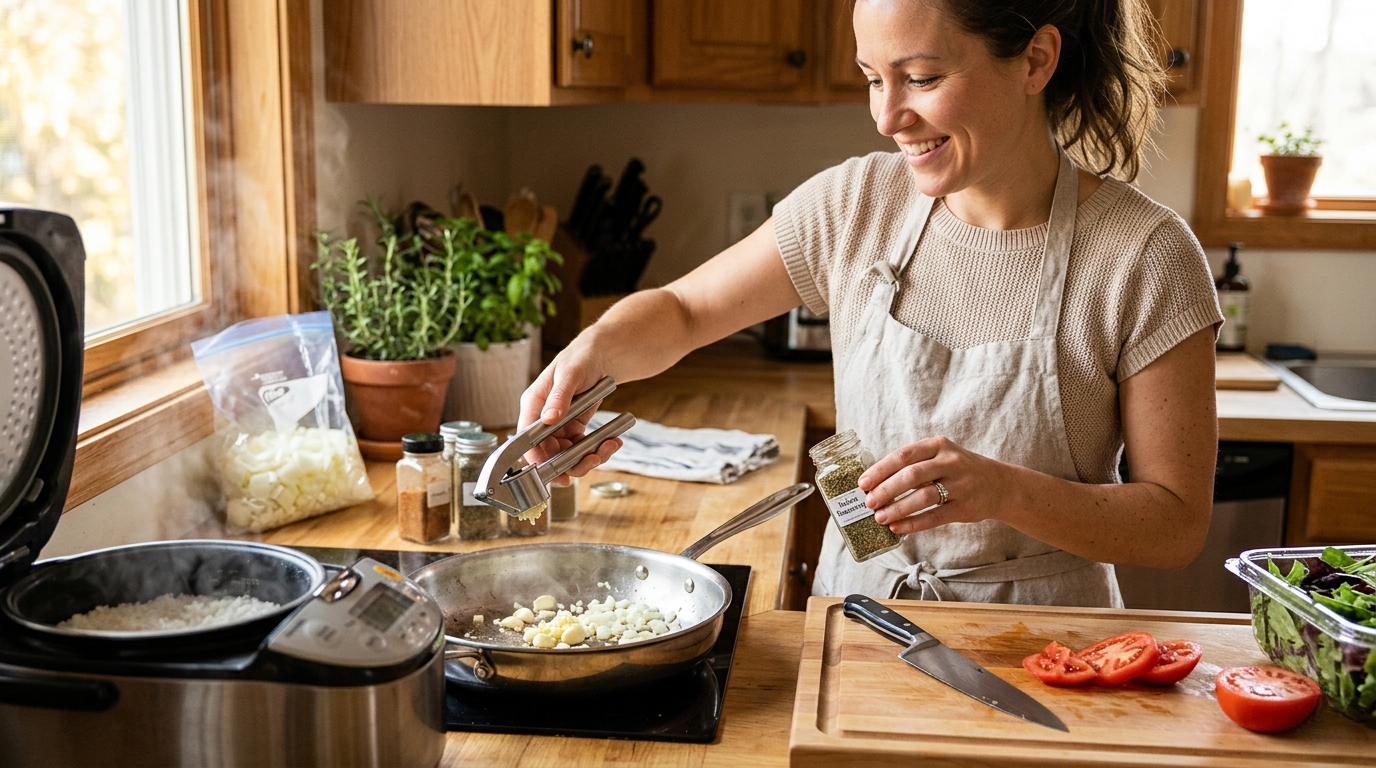
The Cooking Shortcuts That Actually Save Time Every cooking blog promises quick weeknight meals and time-saving tips. Most of these shortcuts either don’t actually save time or create more work through cleanup, prep, or disappointing results requiring do-overs. Real time savings come from understanding which steps genuinely matter and which ones are unnecessary tradition. Some shortcuts sacrifice quality. Others eliminate pointless effort without affecting the final dish. The difference between useful shortcuts and false efficiency is whether they create downstream problems. Skipping a step that saves five minutes now but creates fifteen minutes of cleanup later isn’t a shortcut—it’s deferred work. Here’s what actually saves time in the kitchen, what looks efficient but isn’t, and how to distinguish between smart efficiency and corner-cutting that backfires. Pre-Chopped Vegetables Are Worth It (Sometimes) The internet loves mocking pre-cut vegetables as wasteful and expensive. For some vegetables and some situations, they’re actually efficient. Pre-chopped onions save real time. Onions take longer to peel, dice, and clean up after than most vegetables. The time saved multiplies across multiple meals. Pre-diced onions from the store eliminate ten minutes of work including cleanup. Pre-minced garlic makes sense for dishes where garlic cooks long enough that fresh versus jarred doesn’t matter. Garlic mincing is fiddly work producing minimal volume for the time invested. In pasta sauce simmering for an hour, jarred minced garlic tastes identical to fresh. Pre-washed lettuce saves significant time. Washing, drying, and storing lettuce properly takes fifteen minutes. Pre-washed greens eliminate this entirely. The slight quality difference rarely justifies the time investment for everyday salads. Where pre-cut fails: delicate herbs losing flavor quickly, vegetables with short shelf life creating waste, and items where fresh cutting takes thirty seconds anyway. Pre-sliced mushrooms cost three times more to save ninety seconds of knife work. The efficiency question is whether the pre-cut item saves more time than it costs in money and quality. For onions and lettuce, yes. For bell peppers, probably not. One-Pot Meals Create More Work Than Separate Pans One-pot cooking sounds efficient. Everything cooks in one vessel meaning less cleanup. Reality proves otherwise for most dishes. One-pot recipes force sequential cooking instead of parallel cooking. Brown meat, remove it, cook vegetables, add liquid, return meat. This sequential approach takes longer than cooking components simultaneously in separate pans. Temperature compromises in one-pot cooking create mediocre results. Everything cooks at one temperature. Vegetables that need high heat get steamed. Ingredients needing gentle cooking get blasted. The result requires longer cooking time to compensate for wrong temperatures. Cleanup savings are minimal. One large pot plus utensils for removing and returning ingredients creates similar dish load to two smaller pans. The “one pot” often requires more scrubbing than multiple pans because everything browns onto one surface. Better approach: use multiple pans simultaneously. While protein sears, vegetables roast. While pasta boils, sauce simmers. Parallel cooking completes meals faster than sequential one-pot methods. One-pot dishes work for soups, stews, and braises where everything benefits from long combined cooking. For quick dinners, separate pans finish faster despite additional dishes. Mise en Place Wastes Time at Home Professional cooking demands mise en place—everything measured and prepped before cooking starts. Home cooking doesn’t. Restaurant cooks prep once and cook the same dish repeatedly. Mise en place makes sense when preparing fifty orders of the same pasta. Measuring everything beforehand allows fast repetitive execution. Home cooks make one portion once. The time spent measuring ingredients into bowls, washing those bowls, and transferring ingredients adds steps without benefit. Progressive prep during cooking saves time. While onions soften, chop the next vegetable. While vegetables cook, measure spices. This parallel workflow keeps you moving without creating extra dishes. Exception: baking requires accurate ratios so measuring beforehand prevents mistakes. For baking, mise en place makes sense because precision matters. For everyday cooking, skip the prep bowls. Add ingredients directly as you go. The TV cooking show aesthetic of ingredient bowls looks organized but creates extra work. Garlic Presses Are Faster Than Knife Mincing Kitchen snobs hate garlic presses. They’re wrong about efficiency. Knife mincing garlic takes time: peel cloves, mince finely, scrape board, clean knife, wash hands to remove smell. This process takes three to four minutes for multiple cloves. Garlic press takes thirty seconds: peel cloves, squeeze, scrape out garlic, rinse press. The time difference multiplies across meals. Cleanup arguments against presses ignore that knife mincing requires cleaning cutting board, knife, and removing garlic smell from hands. The press requires rinsing one tool. Texture differences between pressed and minced garlic matter only in raw applications like Caesar dressing or garlic bread. In cooked dishes, the difference disappears. Buy a good press. Cheap presses are frustrating and break. Quality presses last years and pay for themselves in time saved. The anti-press argument is aesthetic, not practical. If the goal is saving time, use the press. Batch Cooking Backfires Without Proper Storage Cooking large quantities seems efficient. Make five meals at once, reheat through the week. This works only with proper containers and freezer space. Without adequate storage, batch cooking creates problems. Food in wrong containers dries out, absorbs freezer odors, or takes excessive freezer space. Reheating failures waste the entire batch. Batch cooking requires significant upfront time. The five-hour Sunday cook session feels productive but that’s five hours unavailable for other activities. The time isn’t saved—it’s concentrated. Better approach: double recipes instead of quintupling them. Make two portions instead of five. This provides one extra meal without overwhelming storage or creating food fatigue. Batch cooking works best for components, not complete meals. Cook large batch of rice, roast sheet pans of vegetables, brown ground meat. These components assemble into varied meals throughout the week preventing boredom. The freezer limitations matter. Most home freezers hold three to four complete meals comfortably. Cooking eight meals at once creates storage problems and food quality issues from extended freezing. Batch component cooking saves time. Batch complete meal cooking often doesn’t. Sharp Knives Actually Save Time This seems obvious but bears repeating:
Why Restaurant Pasta Tastes Better (It’s Not the Sauce)

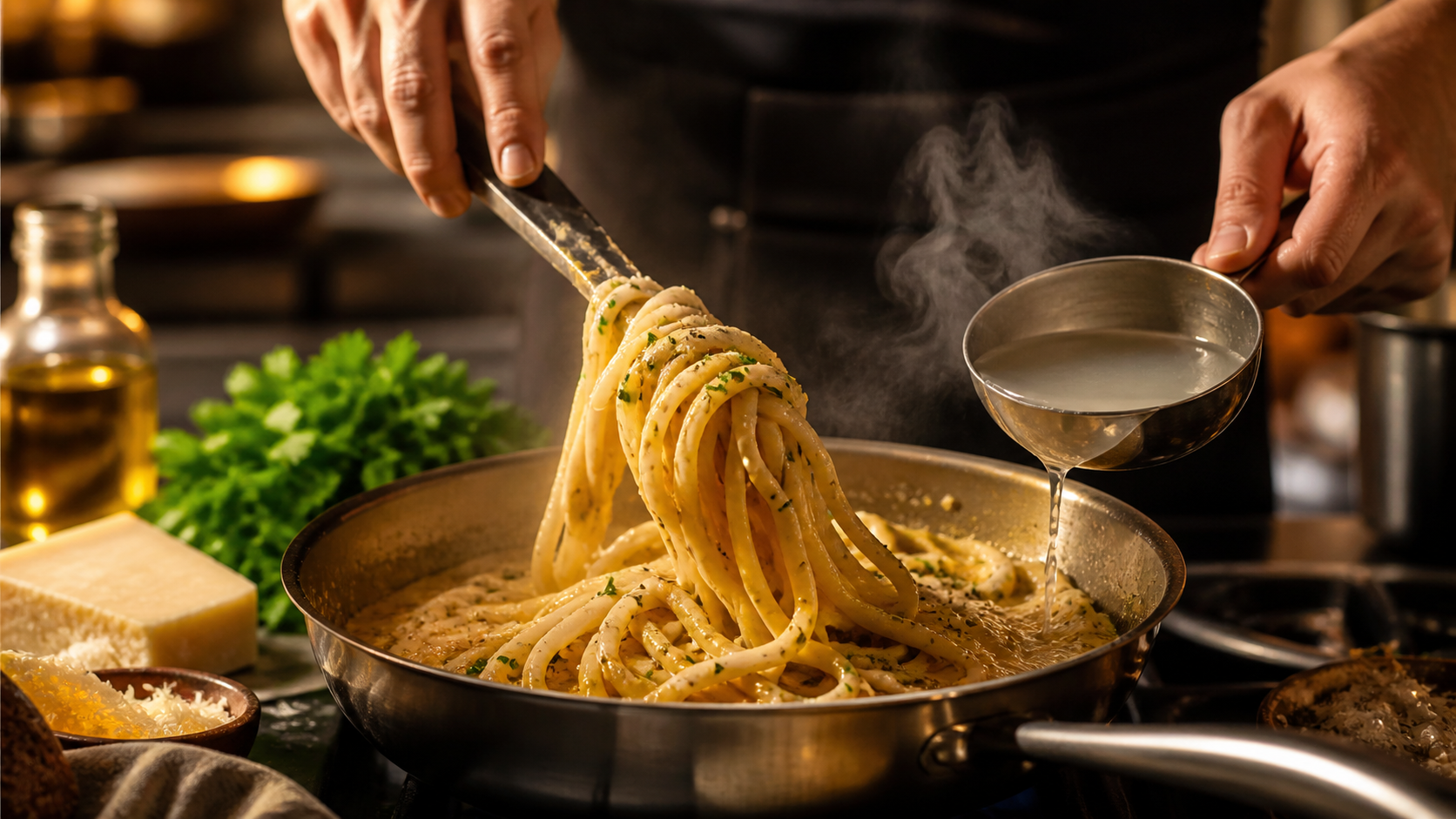
You follow the same recipe restaurants use. You buy quality pasta and good ingredients. Your pasta still tastes flat compared to what restaurants serve. The difference isn’t the sauce recipe or fancy ingredients. It’s the pasta water, the timing, and techniques that happen in the final thirty seconds before plating. Restaurants finish pasta differently than home cooks, and these differences create the gap between good pasta and restaurant pasta. Most home cooks treat pasta like a side dish that happens separately from the sauce. Restaurants treat pasta and sauce as ingredients that finish cooking together. This fundamental difference in approach produces completely different results. Here’s what restaurants do differently with pasta, why it matters, and how to replicate restaurant results without industrial equipment or culinary training. They Salt the Water Like the Ocean Home cooks add a pinch of salt to pasta water. Restaurants add amounts that seem excessive until you taste the results. Properly salted pasta water should taste like seawater. If you wouldn’t want to drink it because it’s too salty, it’s probably right. Most home pasta water could be drinking water—barely salted at all. Undersalted water produces bland pasta that tastes like nothing. The pasta absorbs whatever water surrounds it during cooking. Plain water makes plain-tasting pasta regardless of how good your sauce is. Salt penetrates pasta during cooking in ways that adding salt later can’t replicate. Surface salt and absorbed salt taste different. Pasta cooked in salted water tastes seasoned throughout. Pasta cooked in plain water with salt added after tastes like bland pasta with salty coating. The amount matters. For one pound of pasta in four quarts of water, restaurants use 2-3 tablespoons of salt. Home cooks typically use one teaspoon or less. This isn’t a small difference—it’s a massive difference producing noticeably different results. Salted water also raises the boiling point slightly, though this effect is minimal. The real benefit is flavor absorption, not temperature change. Salt your pasta water generously. It should taste aggressively salty before the pasta goes in. They Undercook the Pasta Intentionally Al dente doesn’t mean “cooked until tender.” It means “cooked until almost done, with a firm bite remaining.” Restaurants pull pasta from water earlier than home cooks think is right. Package cooking times represent fully-cooked pasta. Restaurants subtract 2-3 minutes from package times because the pasta continues cooking in the sauce. This early removal looks wrong. The pasta seems undercooked when drained. It feels too firm, too chewy. But pasta’s final cooking happens in the sauce, not in the water. Overcooked pasta can’t be fixed. Once it goes mushy, it stays mushy. Slightly undercooked pasta finishes perfectly when combined with sauce over heat. The texture difference between properly al dente pasta and fully-cooked pasta is significant. Al dente pasta has structure and chew. Fully-cooked pasta is soft and mushy. Testing doneness by tasting is essential. Start testing 2-3 minutes before package time suggests. When pasta still has firm resistance but no longer tastes raw or chalky in the center, it’s ready to drain. Pull your pasta earlier than feels right. It finishes cooking in the sauce. They Save the Pasta Water (And Actually Use It) Every restaurant kitchen keeps pasta cooking water. Home cooks drain it down the sink, then wonder why their sauce won’t emulsify properly. Pasta water contains starch released from pasta during cooking. This starchy water is a cooking ingredient, not waste water. The starch in pasta water acts as an emulsifier helping oil and water-based sauce components combine into cohesive sauce. Without it, oil and tomatoes separate creating greasy sauce with watery liquid. Restaurant technique involves finishing pasta in sauce with pasta water added gradually. The starchy water thins the sauce to proper consistency while helping it cling to pasta. Adding pasta water also extends cooking time in the sauce. The pasta finishes cooking while absorbing sauce flavors and the sauce reduces to proper consistency. Everything happens simultaneously in the pan. Plain water doesn’t work as substitute. Tap water lacks the starch that makes pasta water functional. Adding plain water just dilutes your sauce without the emulsification benefit. Before draining pasta, scoop out 1-2 cups of pasta water and set aside. You’ll use it during finishing. This one step separates home cooking from restaurant results more than almost anything else. They Finish Pasta in the Sauce Home cooks drain pasta, plate it, and spoon sauce on top. Restaurants combine pasta and sauce in a pan over heat for the final minute of cooking. This finishing step is where restaurant pasta comes together. The pasta absorbs sauce flavor, the sauce reduces to proper consistency, everything becomes cohesive instead of separate components. The technique involves adding drained pasta to sauce in a large pan. Add pasta water by quarter-cups. Toss everything over medium-high heat for 1-2 minutes. During this minute, several things happen simultaneously. The pasta finishes cooking from al dente to perfect. The sauce thickens from the pasta starch. The pasta absorbs sauce flavor instead of just getting coated with it. The water and oil emulsify creating glossy cohesive sauce. Vigorous tossing during finishing distributes sauce evenly. The pasta gets coated completely rather than having sauce sitting on top of plain pasta underneath. Cheese added during finishing melts into the sauce creating creamy consistency. Cheese sprinkled on plated pasta just sits on top without integrating. This finishing process requires a pan large enough to toss pasta and sauce together. A 12-inch skillet works for one pound of pasta. Too-small pans make tossing impossible. The finishing step transforms separate ingredients into unified dish. Skip it and you’re eating pasta topped with sauce. Do it and you’re eating restaurant-quality pasta. They Use More Fat Than You Think Restaurant pasta glistens. Home pasta looks dry. The difference is fat quantity—butter, olive oil, or both. Fat carries flavor. Many pasta flavors are fat-soluble, only releasing when dissolved in fat. Minimal-fat pasta tastes muted even with good ingredients. Fat also creates glossy appearance characteristic of restaurant pasta. The shine

Cooking Without Recipes: What You Actually Need to Know

Recipe-free cooking sounds like advanced skill requiring years of experience and natural talent. In reality, it’s just pattern recognition plus a handful of ratios you can memorize in an afternoon. People who cook without recipes aren’t winging it randomly. They’re applying frameworks that work across hundreds of dishes. Once you understand the frameworks, you stop needing step-by-step instructions for every meal. The difference between following recipes and cooking freely isn’t talent or experience—it’s knowing which variables actually matter and which ones don’t. Most recipes bury the important information under unnecessary details. Here’s what you actually need to know to cook without recipes, which patterns repeat across different dishes, and how to build cooking confidence that doesn’t require constant instruction-following. Ratios Matter More Than Recipes Most cooking boils down to a few basic ratios repeated with different ingredients and flavorings. Pancakes, crepes, popovers, and Yorkshire pudding all use the same ratio of flour to eggs to liquid. The ratio is 1:1:2 by weight (flour:eggs:liquid). Change the liquid type or add flavoring, and you’ve got different dishes from identical structure. Vinaigrettes follow 3:1 ratio (oil to acid). Master this ratio and you can make infinite dressings by changing the acid type, oil type, or additions without consulting recipes. Bread dough uses roughly 5:3 ratio (flour to water by weight). Adjust hydration slightly for different bread styles, but the basic framework stays constant. Cookie dough typically runs 3:2:1 (flour:fat:sugar). Variations adjust ratios slightly or add eggs and leavening, but understanding the base ratio means you can create cookies without recipes. Braising follows the pattern: brown protein, remove it, cook aromatics, deglaze, add liquid to halfway up the protein, cook low and slow. The protein, aromatics, and liquid change, but the method doesn’t. Learning a dozen fundamental ratios covers probably 80% of home cooking. You’re not memorizing recipes—you’re memorizing frameworks that generate unlimited variations. Flavor Building Has a Sequence Recipes list ingredients in order but rarely explain why that order matters. The sequence of flavor building follows logic that applies across cuisines. Fat goes in first (oil, butter, or rendered fat from protein). Fat carries flavor and creates the cooking medium. Everything else builds on this foundation. Aromatics go in next (onions, garlic, ginger, celery, carrots). These need time to develop flavor through cooking. Add them after fat heats but before main ingredients. Spices that benefit from blooming go in after aromatics soften but before liquid additions. Toasting spices in fat awakens their oils and intensifies flavor. Main ingredients join after aromatics and spices establish base flavors. Protein, vegetables, or grains cook in the flavored fat environment. Liquid additions (stock, wine, tomatoes) come after main ingredients brown or sear. Liquid stops browning, so add it after you’ve developed color. Delicate herbs and finishing touches wait until the end. Basil, cilantro, lemon juice, or butter stirred in just before serving preserve their fresh flavors. This sequence works whether you’re making Indian curry, Italian pasta sauce, Chinese stir-fry, or French soup. The specific ingredients change, but the ordering logic stays identical. You Don’t Need Exact Measurements for Most Things Recipes specify “1 tablespoon olive oil” or “2 teaspoons salt” creating illusion of precision that doesn’t actually exist in cooking. Fat amounts are forgiving. “Enough to coat the pan” works as well as “2 tablespoons.” You need sufficient fat to prevent sticking and carry flavor. The exact amount barely matters. Aromatics like onions, garlic, and ginger scale with the dish size and your taste preference. “One medium onion” is recipe-speak for “enough onion to provide aromatic base.” More or less doesn’t break anything. Liquid amounts self-correct during cooking. Too much liquid? Cook longer to reduce. Too little? Add more. This isn’t baking where ratios are chemical equations. Seasoning happens iteratively through tasting. “One teaspoon salt” means nothing without knowing your salt type, ingredient brands, and personal preference. Add salt, taste, adjust. The things requiring precision are baking (where ratios affect chemistry), emulsions (where proportions affect stability), and specific techniques like caramel or candy-making. Most everyday cooking tolerates substantial variation. Free yourself from measuring spoons for everything except baking. Eyeball oil, estimate aromatics, add liquid until it looks right, and season by tasting. Temperature Control Matters More Than Timing Recipes say “cook for 20 minutes” when they should say “cook until it reaches this state.” Time is a rough estimate. Temperature and visual cues tell truth. Medium-high heat means different things on different stoves with different pans. Following “cook on medium-high for 8 minutes” produces inconsistent results because your medium-high isn’t recipe-writer’s medium-high. Understanding what you’re trying to achieve beats following time blindly. Sautéing onions until soft and translucent might take 5 minutes or 15 minutes depending on your burner, pan, and onion water content. Watch the onions, not the clock. Meat doneness depends on internal temperature, not cooking time. A thick chicken breast needs longer than a thin one. Thermometer tells you when it’s done; timer doesn’t. Baking times vary by oven. “Bake 25 minutes” should read “bake until golden brown and toothpick comes out clean.” The visual and tactile cues matter more than elapsed time. Rice isn’t done when the timer beeps, it’s done when the liquid absorbs and grains turn tender. Pasta isn’t done at package time, it’s done when it reaches your preferred texture. Learn to recognize doneness visually and by feel. Color, texture, smell, and internal temperature trump any recipe timing. Balancing Flavors Is a Checklist Good food balances salt, fat, acid, and sometimes sweet and heat. Dishes that taste flat or one-dimensional are missing one of these elements. Salt brings out existing flavors and makes food taste like itself. Undersalted food tastes bland even if other flavors are present. This is the most common problem in home cooking. Fat carries flavor and adds richness. Lean dishes often taste thin. A drizzle of olive oil, pat of butter, or splash of cream can transform a dish. Acid brightens and balances. Lemon juice, vinegar, tomatoes, or wine cut through richness and make flavors

The Cooking Skills No One Teaches You (But Everyone Assumes You Know)

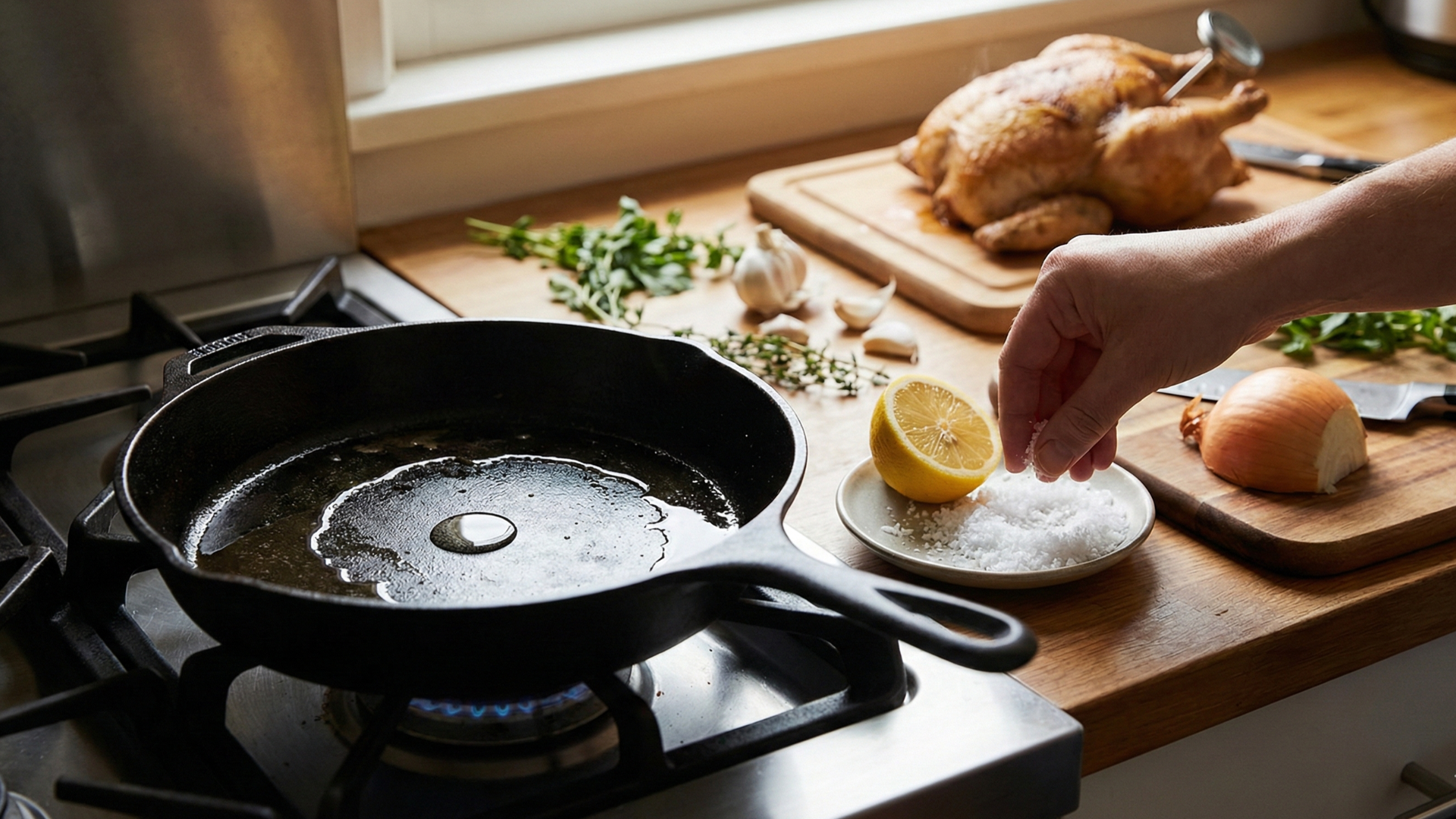
Recipe instructions operate on the assumption that cooks understand certain fundamental concepts and techniques that often never get explicitly taught or explained. This creates a strange gap where recipes tell you to “sauté until fragrant” or “cook until done” without explaining what fragrant smells like, how you know when something is done, or what you’re actually trying to accomplish at each step. These assumed skills—the things experienced cooks do automatically without conscious thought—rarely appear in recipes because they seem too basic to mention, yet their absence leaves many home cooks guessing and second-guessing throughout the cooking process. The result is uncertainty and inconsistent results not because recipes are being followed incorrectly but because the unstated knowledge between the written steps never got communicated. Understanding these assumed skills bridges the gap between following recipes mechanically and actually cooking with comprehension. When you know what each instruction means in practical terms and what you’re looking for at each stage, cooking becomes less mysterious and results become more reliable. How to Actually Preheat a Pan Recipes say “heat a pan over medium heat” and immediately proceed to the next step as if pan temperature is instantly achieved. The unstated reality is that proper preheating takes time and matters significantly to results. Pans need several minutes to reach temperature evenly. A thin pan might heat in 2-3 minutes while a heavy pan could need 5-7 minutes depending on the material and thickness. Putting food in too early means cooking in a pan that’s still heating up, creating uneven results. Testing pan temperature prevents adding food too soon. For sautéing, water droplets should sizzle and evaporate quickly but not instantly vaporize. For searing, a water droplet should ball up and roll around the pan. These simple tests tell you when the pan is actually ready rather than guessing. Burner size matching pan size affects heating efficiency. A large pan on a small burner heats unevenly with a hot center and cool edges. Matching pan size to burner ensures even heating across the cooking surface. The material matters because stainless steel, cast iron, nonstick, and carbon steel all heat differently and hold heat differently. Cast iron takes longest to heat but holds temperature best. Nonstick heats quickly but doesn’t tolerate high temperatures. Understanding your pan helps you preheat appropriately. Visual cues like shimmer in oil indicate the pan has reached cooking temperature. Oil should flow smoothly and shimmer slightly when the pan is properly heated for most cooking tasks. Nobody tells you this explicitly, but experienced cooks know to wait for the pan rather than rushing to add ingredients. Those few minutes of proper preheating separate good results from disappointing ones. What “Season to Taste” Really Means Recipes end with “season to taste” assuming you understand how to evaluate seasoning and what you’re adjusting for, but this is actually a complex skill involving multiple elements. Salt brightens flavors and balances sweetness but also makes everything taste more like itself. Under-salted food tastes flat and one-dimensional even if all other seasonings are present. Proper salting creates vibrancy and dimension in flavor. Tasting multiple times throughout cooking shows you how flavors develop and concentrate. What tastes properly seasoned at the beginning might taste bland after reducing. Seasoning isn’t one-time but ongoing as liquids evaporate and flavors concentrate. Acid balancing with lemon juice, vinegar, or wine brightens dishes in ways salt alone cannot. When food tastes heavy or dull despite adequate salt, acid is often what’s missing. A squeeze of lemon or splash of vinegar can transform a dish. Adjusting gradually with small additions prevents over-seasoning. Add a small amount, stir, wait a moment, then taste again. You can always add more but cannot remove excess seasoning easily. Temperature affects taste perception—food needs more seasoning when served hot or cold compared to warm. Soup that tastes perfectly seasoned warm will taste bland when served hot. Season slightly more aggressively for foods served very hot or cold. Tasting from a spoon you’ve used to stir provides false feedback because residual flavors on the spoon affect what you taste. Use a clean spoon for each taste test to get accurate seasoning assessment. This “simple” final instruction actually requires understanding salt, acid, balance, and how flavors develop through cooking—none of which the recipe explains. How to Know When Food Is Done “Cook until done” appears in countless recipes without explaining what done looks like, feels like, or how you determine it for different foods. Visual cues vary by food type. Fish becomes opaque and flakes easily. Chicken releases clear juices rather than pink. Vegetables change from raw color to vibrant color when properly cooked. Learning these visual indicators for different foods tells you when cooking is complete. Texture changes signal doneness in ways recipes rarely describe. Properly cooked pasta has slight resistance when bitten. Vegetables should have some tooth while being cooked through. Meat firms up as it cooks with specific texture changes at different temperatures. Internal temperature provides objective measurement removing guesswork. Chicken is safe at 165°F but ideal at 160°F with carryover. Medium-rare steak is 130-135°F. Bread is done when internal temperature reaches 190-200°F. Temperature removes uncertainty. Carryover cooking continues after removing food from heat. Meat temperature rises 5-10°F after leaving the heat source. Removing food slightly before target temperature accounts for carryover and prevents overcooking. Resting allows juices to redistribute and cooking to finish gently. Meat needs resting time equal to roughly half the cooking time. The rest period isn’t wasted time but essential to final results. Timing provides rough guidance but shouldn’t override visual and tactile cues. Every stove differs, every pan differs, every piece of meat differs. Use times as estimates but rely on actual doneness indicators rather than blindly following minutes. Nobody explicitly teaches these evaluation methods, but knowing when food is actually done versus trusting recipe times alone dramatically improves cooking results. What Different Heat Levels Actually Mean “Medium heat” or “medium-high heat” assumes shared understanding of what these terms mean, but heat levels

Cooking in Small Kitchens: Strategies for Making Limited Space Work

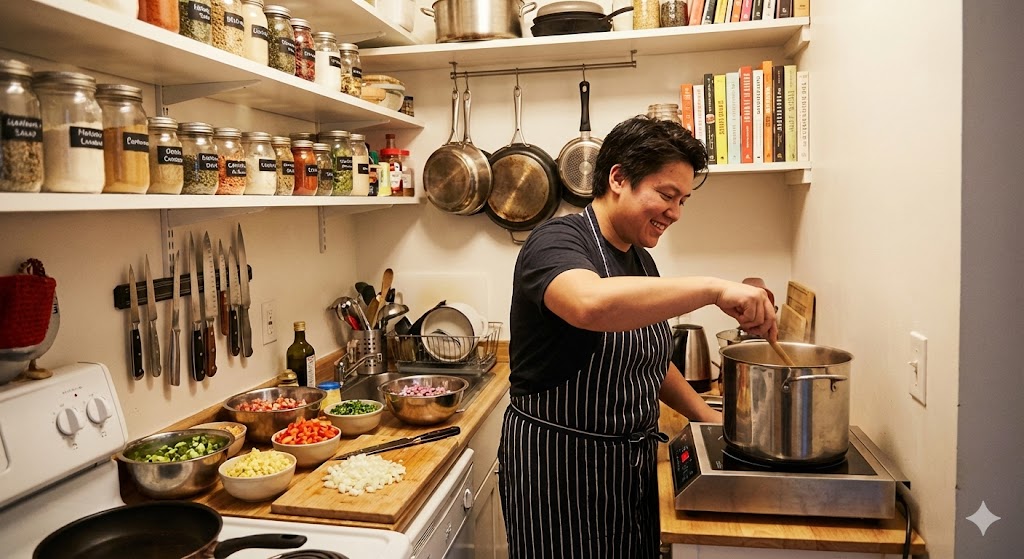
Small kitchens present real challenges that affect daily cooking more than most design issues. Limited counter space means nowhere to set ingredients while prepping. Minimal cabinet storage forces choosing between cookware and food storage. Compact appliances or missing equipment entirely restricts cooking techniques. Single cooks manage, but small kitchens become genuinely difficult when multiple people need to work simultaneously or when preparing complex meals requiring multiple active cooking processes. The constraints are real, not just inconvenient, and they fundamentally shape what you can cook and how efficiently you can work. However, small kitchen limitations don’t prevent good cooking if you adapt your approach to the space rather than fighting against it. Strategic equipment choices, workflow organization, prep timing, and cooking method selection all accommodate space constraints while maintaining cooking capability. The goal isn’t making a small kitchen function like a large one – that’s impossible. Instead, you develop cooking strategies that work within the space you have, accepting some limitations while maximizing what’s actually achievable. Many excellent cooks work in tiny kitchens successfully because they’ve learned to work with their constraints rather than against them. Honest Assessment of Your Actual Cooking Patterns Small kitchen organization starts with understanding what you actually cook rather than what you imagine cooking someday. Most people cook 7-10 dishes regularly that constitute 80% of their home cooking. These core recipes drive your equipment needs more than occasional ambitious projects. If you make pasta dishes, stir-fries, and sheet pan dinners weekly but roast whole chickens twice a year, your space allocation should reflect that reality. Equipment you haven’t used in six months probably doesn’t earn its storage space. Small kitchens can’t accommodate “someday” items. That bread machine gathering dust, the fondue set from a wedding gift, the juicer you used twice – these take space from tools you actually use. Be ruthless about removing equipment that doesn’t serve current cooking patterns. Cooking frequency affects space allocation. Daily coffee drinkers justify countertop coffee makers. Occasional coffee drinkers don’t. If you bake weekly, stand mixers earn their space. Monthly baking doesn’t justify permanent counter real estate for large appliances. The honesty assessment requires distinguishing between aspirational cooking and actual behavior. You might want to be someone who makes fresh pasta weekly, but if you haven’t done it in two years, that pasta roller doesn’t deserve storage space. Build your kitchen around who you are, not who you wish to be. Family size and cooking scale determine equipment sizing. Single people and couples don’t need 12-quart stockpots or full-size food processors. Smaller versions of these tools work fine and consume less storage space. Special dietary needs or restrictions create legitimate equipment requirements that override general minimalism. If you’re gluten-free and make your own bread regularly, those baking tools earn their space. But don’t keep specialty equipment for diets you’re not actually following. Strategic Equipment Selection and Multi-Use Tools Equipment choices matter enormously in small kitchens because every item must justify its space through frequent use or unique capability. One excellent large skillet (10-12 inch) handles more cooking tasks than multiple smaller pans. You can make small portions in a large pan, but you can’t make large portions in a small pan. The large skillet serves as everyday pan, sauté vessel, shallow braising pot, and even oven-to-table serving dish. Dutch ovens provide exceptional versatility – stovetop cooking, oven braising, bread baking, soup making, and even frying in one pot. A 5-6 quart Dutch oven handles most tasks that would otherwise require multiple specialized pots. This single piece of cookware eliminates need for separate stockpots, braising dishes, and casseroles for many cooks. Sheet pans serve multiple roles beyond baking cookies. Roasting vegetables, cooking proteins, making complete sheet pan dinners, holding prepped ingredients during cooking, and catching drips under other cooking vessels all use the same basic sheet pan. Two sheet pans (one half-size, one quarter-size) provide enormous utility without consuming much storage space. Immersion blenders eliminate need for countertop blenders for many tasks. They blend soups directly in the pot, make smoothies in tall containers, and store in a drawer. Full-size blenders are bulky and single-purpose by comparison. Instant-read thermometers replace multiple specialized tools. Instead of timers and guessing, temperature-based cooking ensures proper doneness for meats, baking, candy making, and oil frying. One small thermometer handles all these tasks. Avoid single-use gadgets ruthlessly. Garlic presses, avocado slicers, strawberry hullers, egg separators, and similar specialized tools all perform tasks a knife handles. Each gadget consumes storage space for something you use occasionally at best. Quality over quantity applies especially in small kitchens. One excellent chef’s knife used for everything beats a block of mediocre knives you never use. The good knife earns its space through daily use and capability. The knife block just takes up counter space. Vertical Storage and Space Maximization Small kitchens require using all available space, not just obvious cabinet and counter areas. Wall-mounted magnetic knife strips get knives off counters and out of drawers while keeping them accessible. The vertical wall space holds 5-8 knives in the area a decorative plate would occupy. Hanging pot racks suspended from ceilings or mounted on walls store cookware vertically above counters. This solution works only if you actually use the cookware regularly – hanging pots you rarely touch just creates visual clutter. But for frequently-used pans, vertical hanging beats cabinet storage. Inside cabinet doors offer unused space for mounting racks, hooks, or organizers. Pot lids, measuring cups, small utensils, and cleaning supplies all store on door-mounted organizers, freeing drawer and shelf space. Shelf risers effectively double cabinet space by creating two levels where one existed. Plates, bowls, and canned goods all benefit from riser systems that let you stack items without creating unstable towers. Under-shelf baskets hang from existing shelves to create storage below them. These work well for lightweight items like coffee filters, tea bags, or small containers that would otherwise consume entire shelf space. Drawer dividers and organizers prevent utensil drawers from becoming jumbled messes where nothing is

Exploring Different Cooking Methods for Roots and Tubers

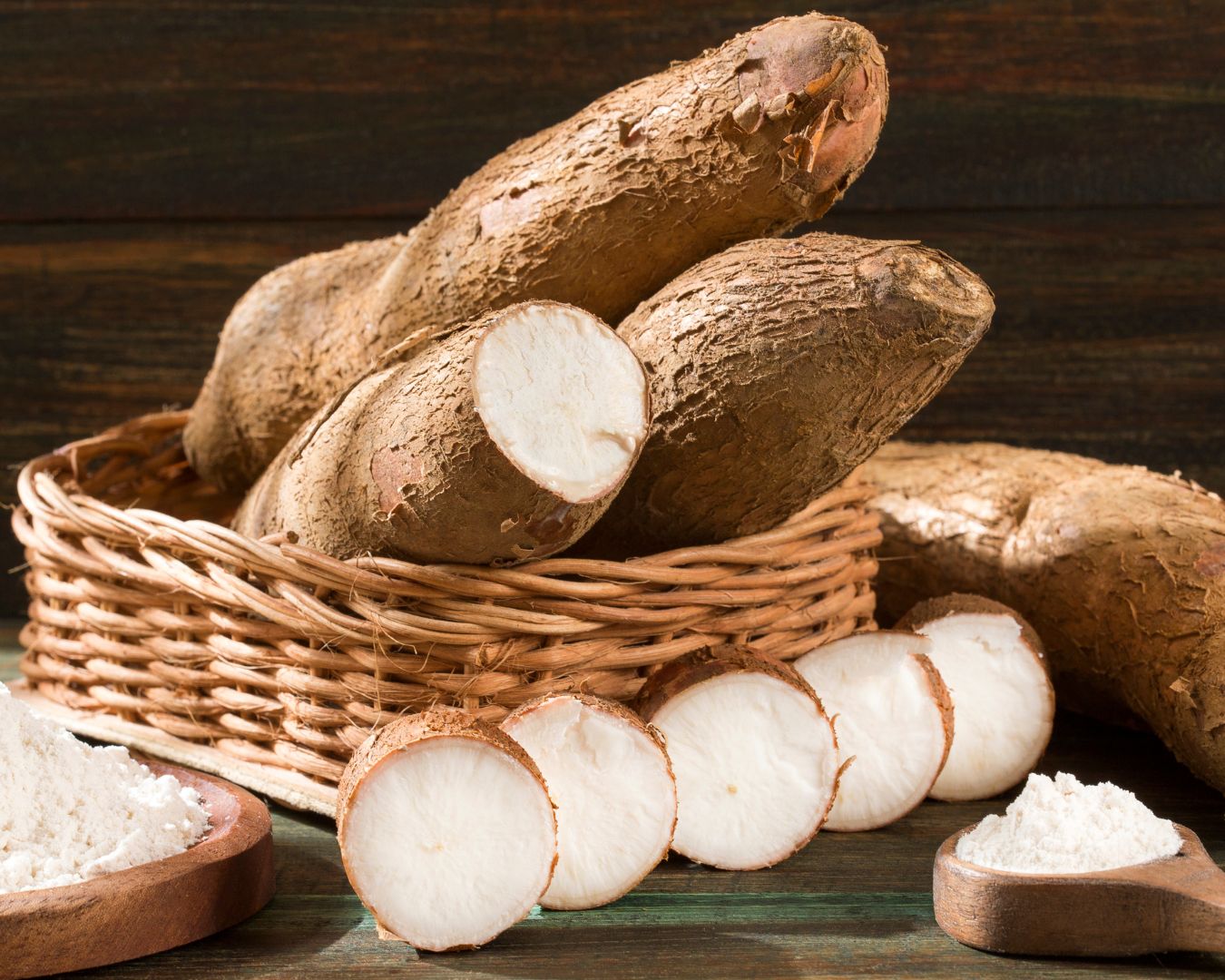
Roots and tubers are some of the most versatile ingredients in the kitchen. From potatoes and sweet potatoes to carrots, beets, and parsnips, these starchy and nutritious vegetables are staples in many cuisines around the world. The way you cook them can significantly change their texture, flavor, and overall appeal. In this blog post, we’ll dive into the various cooking methods for roots and tubers and when to use each for the best results. Boiling Boiling is one of the simplest methods for cooking roots and tubers. It’s ideal for creating soft, easily mashable vegetables like potatoes or carrots, making it a go-to technique for soups, stews, and purees. How to Boil: Best For:Potatoes, sweet potatoes, beets, and carrots. Pro Tip:Save the nutrient-rich cooking water to use as a vegetable broth or to add moisture to mashed roots. Roasting Roasting brings out the natural sweetness in roots and tubers by caramelizing their exterior while keeping the insides tender. The high heat gives them a crispy texture that is hard to resist, making it a popular choice for side dishes and salads. How to Roast: Best For:Sweet potatoes, carrots, parsnips, beets, and turnips. Pro Tip:For an extra layer of flavor, toss your roasted roots with a drizzle of honey or balsamic vinegar during the last 5 minutes of cooking. Steaming Steaming is a gentle cooking method that helps retain the nutrients in roots and tubers while keeping their natural flavors intact. It’s ideal for making soft, tender vegetables without the need for added oils or fats. How to Steam: Best For:Carrots, beets, parsnips, potatoes, and sweet potatoes. Pro Tip:For a burst of flavor, sprinkle the steamed vegetables with fresh herbs or a squeeze of lemon juice just before serving. Frying Frying roots and tubers can create crispy exteriors with soft, fluffy interiors, making it a popular method for making fries, chips, or fritters. Though not the healthiest option, it’s a delicious treat when done occasionally. How to Fry: Best For:Potatoes, sweet potatoes, yams, and cassava. Pro Tip:Double-fry your potatoes for the crispiest fries. Fry once at a lower temperature to cook through, and then again at a higher temperature to crisp up the exterior. Sautéing Sautéing is a quick and easy way to cook smaller pieces of roots and tubers, allowing them to soften while retaining a slight crunch. This method is perfect for stir-fries, hash, or as a base for vegetable medleys. How to Sauté: Best For:Potatoes, carrots, parsnips, and radishes. Pro Tip:Add a splash of vegetable broth or water halfway through cooking to help soften the veggies and prevent burning while keeping the dish light. Grilling Grilling roots and tubers adds a smoky, charred flavor to their natural sweetness, making it a great option for outdoor cooking. Grilled root vegetables can be served as a side dish or tossed into salads for extra texture. How to Grill: Best For:Sweet potatoes, potatoes, beets, and turnips. Pro Tip:Parboil denser vegetables like potatoes or beets before grilling to ensure they cook through evenly. Baking Baking is a slower cooking process that results in tender, fluffy textures, especially for tubers like potatoes and sweet potatoes. It’s perfect for making baked potatoes, casseroles, or gratins. How to Bake: Best For:Potatoes, sweet potatoes, parsnips, and turnips. Pro Tip:To achieve crispy skin on baked potatoes, rub them with oil and salt before baking. Mashing Mashing is the perfect way to turn boiled or steamed roots and tubers into a creamy, comforting dish. It’s most commonly associated with potatoes, but other roots like sweet potatoes, carrots, and parsnips also make excellent mash bases. How to Mash: Best For:Potatoes, sweet potatoes, parsnips, and carrots. Pro Tip:For an extra smooth texture, use a potato ricer instead of a traditional masher. Roots and tubers are incredibly versatile and can be transformed in countless ways depending on the cooking method you choose. Whether you prefer the crispy crunch of roasted sweet potatoes, the creamy comfort of mashed parsnips, or the smoky flavor of grilled beets, there’s a cooking method for every taste and occasion. Experiment with different techniques to discover your favorite ways to enjoy these nutritious and delicious vegetables!