
cooking lifestyle

How Different Cooking Styles Need Completely Different Kitchen Setups

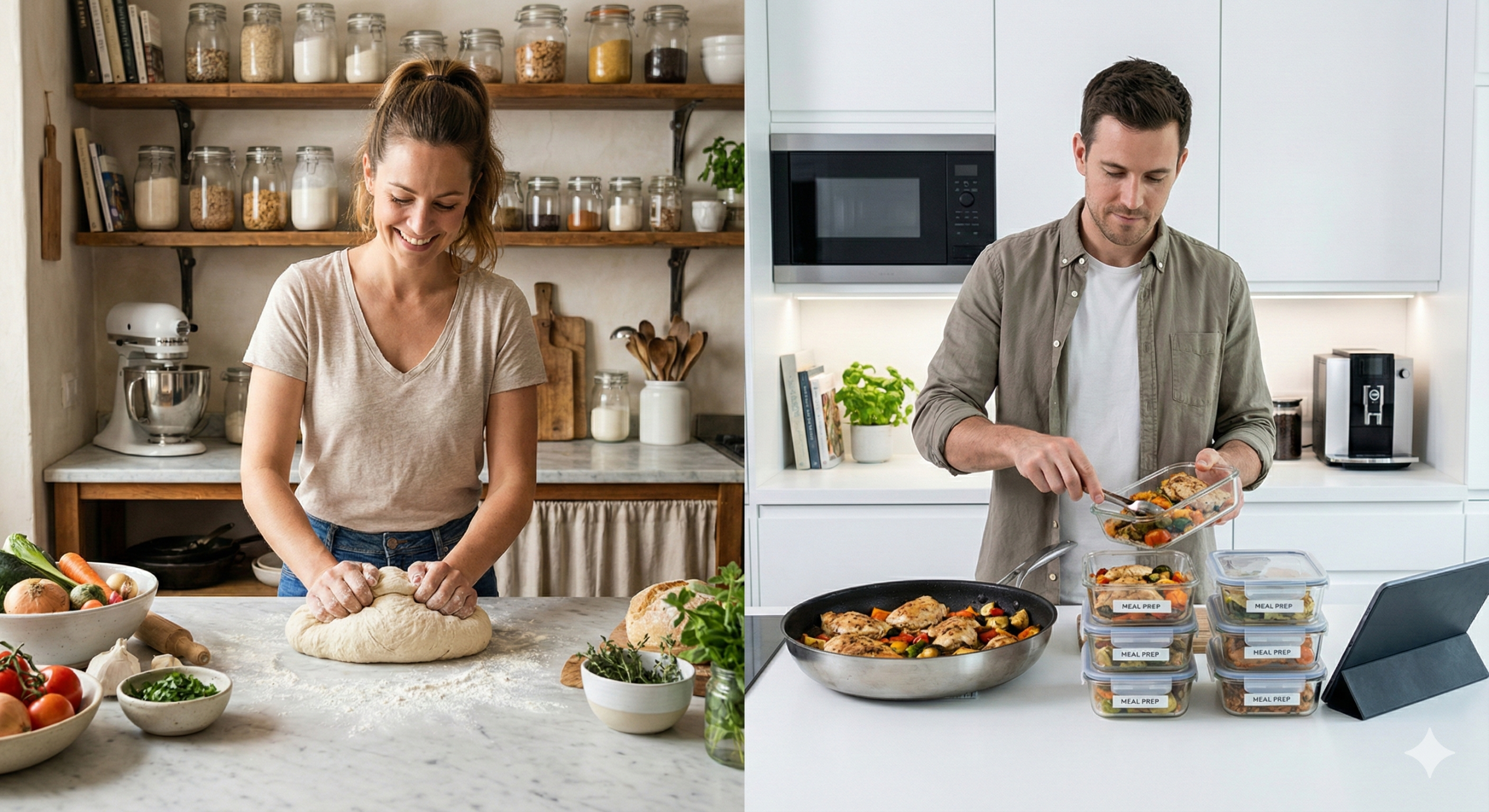
Not everyone cooks the same way, yet most kitchens are designed as if all cooking happens identically. The truth is that a baker needs a fundamentally different kitchen than someone who primarily grills, and a meal prep enthusiast requires different features than someone who cooks elaborate dinners from scratch every night. Understanding your actual cooking style and designing your kitchen to support it makes a dramatic difference in how much you enjoy cooking and how efficiently your kitchen functions. The mistake many homeowners make is creating kitchens based on what looks good in magazines or what real estate agents say sells homes, rather than building kitchens that actually support how they cook and live. Your kitchen should work for your specific cooking habits, not against them. When your kitchen setup matches your cooking style, meal preparation becomes easier, faster, and more enjoyable. The Scratch Cooker: From-Ingredients-Up Cooking Scratch cooks who prepare most meals from basic ingredients need kitchens optimized for ingredient storage, prep work, and cooking versatility. These cooks spend significant time in the kitchen transforming raw ingredients into finished dishes through various cooking techniques. Counter Space Requirements: Scratch cooking demands extensive prep space for chopping vegetables, measuring ingredients, and staging components before cooking begins. At least 36 inches of continuous counter space near the main prep sink allows comfortable work without crowding. Additional landing areas near the stove provide space for hot pots and finished dishes. Storage Priorities: Pantry organization becomes crucial for storing the wide variety of ingredients scratch cooking requires. Deep drawers for pots and pans, organized spice storage, and dedicated spaces for mixing bowls, measuring tools, and prep equipment keep everything accessible. Pull-out pantry shelves make ingredient inventory visible and prevent forgotten items hiding in deep cabinets. Appliance Focus: Multiple burners with varying heat outputs handle simultaneous cooking of different components. A quality oven with accurate temperature control ensures baking and roasting success. Stand mixers, food processors, and other prep appliances need convenient storage or permanent counter positions since they’re used frequently. Sink Considerations: Large, deep prep sinks accommodate washing vegetables, draining pasta, and cleaning multiple pots and pans. A second smaller sink for quick tasks like washing hands or rinsing produce improves workflow without interrupting main sink use. Workflow Organization: Scratch cooks benefit most from classic work triangle layouts that minimize walking between refrigerator, sink, and stove. Logical tool placement near where they’re used reduces wasted motion during the extensive prep work scratch cooking requires. The Meal Prepper: Batch Cooking for the Week Meal preppers cook large quantities once or twice weekly, then portion and store foods for quick reheating throughout the week. This cooking style requires specific features that support efficient batch production and extensive food storage. Refrigerator and Freezer Capacity: Meal prep demands significantly more cold storage than daily cooking. Large refrigerators with adjustable shelving accommodate multiple prepared meals in storage containers. Additional freezer space allows longer-term storage of batch-cooked items, with organization systems that keep different meals separated and labeled. Counter Space for Assembly: Extended counter areas support the assembly-line approach meal preppers use for portioning foods into containers. Clear zones for cooling hot foods, assembling meals, and labeling containers streamline the batch preparation process. Large Format Cooking Equipment: Oversized pots for cooking large batches of grains, proteins, or soups become essential tools. Sheet pans for roasting multiple servings of vegetables simultaneously, and large slow cookers or instant pots for hands-off batch cooking save time during prep sessions. Storage Container Organization: Dedicated cabinet or drawer space for meal prep containers, lids, and labels keeps the organizational system functional. Easy access to containers during batch cooking sessions prevents workflow interruptions while searching for the right sizes. Easy-Clean Surfaces: Meal prep creates more mess than typical cooking since you’re making multiple meals at once. Surfaces that wipe clean easily and flooring that handles spills without staining reduce cleanup time after intensive cooking sessions. Ventilation Needs: Cooking large quantities generates more heat, steam, and cooking odors than preparing single meals. Powerful ventilation prevents the kitchen from becoming uncomfortable during extended cooking sessions while protecting your home from moisture and grease accumulation. The Quick Cook: Speed and Convenience Focus Quick cooks prioritize getting meals on the table fast, often relying on convenience foods, pre-prepped ingredients, and cooking methods that minimize active time. Their kitchens should support efficient, minimal-fuss meal preparation. Microwave Positioning: The microwave becomes a primary cooking tool rather than just a reheating device. Positioning it at a convenient height with adequate counter space nearby for setting hot dishes supports frequent use throughout meal preparation. Minimal Prep Space: Quick cooks need less extensive counter space since they’re not doing elaborate prep work. However, the prep space they do have should be highly efficient with everything needed within arm’s reach. Storage for Convenience Foods: Pantry organization that accommodates boxed meals, canned goods, and other convenience items becomes more important than storage for bulk ingredients. Easy visibility prevents duplicate purchases while ensuring quick access during hurried meal prep. Compact Appliance Collection: Rather than extensive cookware collections, quick cooks benefit from a few versatile, easy-clean pieces that handle multiple tasks. Non-stick cookware that cleans quickly, multi-purpose pots, and basic utensils meet most needs without cluttering limited storage. Easy Cleanup Systems: Dishwasher capacity and easy-clean surfaces matter enormously to quick cooks who don’t want cleanup to take longer than cooking. Simple surfaces, minimal decorative elements that collect dust, and efficient dishwasher loading layouts reduce the burden of post-meal cleanup. Grab-and-Go Storage: Refrigerator organization that keeps frequently grabbed items at eye level and in easy-reach locations speeds up meal assembly. Clear containers for leftovers and prepared snacks support quick meal decisions. The Baker: Precision and Space for Sweet and Savory Baking Bakers require fundamentally different kitchen setups than stovetop-focused cooks, with priorities that center around oven performance, ingredient organization, and adequate work surfaces for rolling, shaping, and decorating. Oven Quality and Capacity: Oven performance becomes the single most important appliance consideration for serious bakers. Accurate temperature control, even heat
How to Choose the Right Kitchen Appliances for Your Cooking Style: Match Your Tools to Your Needs

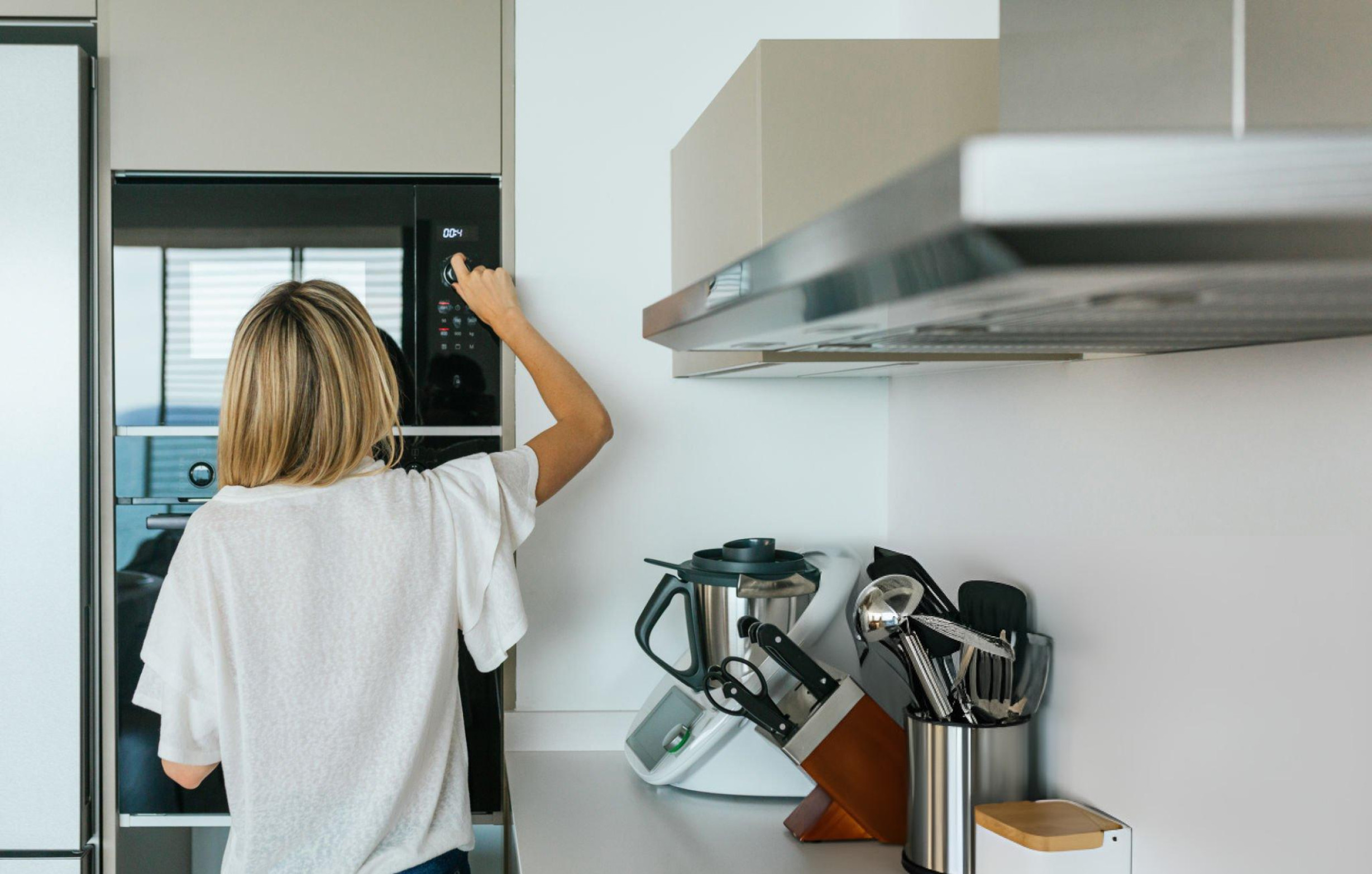
Choosing kitchen appliances can feel overwhelming with countless options, features, and price points competing for your attention. The secret to making smart appliance decisions lies in honestly assessing your actual cooking habits rather than aspirational ones. A baker needs different appliances than someone who primarily grills, while a busy family requires different features than a couple who loves elaborate weekend cooking projects. Understanding your cooking style helps you avoid expensive mistakes like investing in high-end appliances you rarely use or choosing budget options that can’t handle your actual cooking demands. The right appliances make cooking more enjoyable and efficient, while wrong choices lead to frustration and wasted money. This guide helps you identify your cooking style and select appliances that truly serve your needs. Identifying Your Cooking Style Before shopping for appliances, spend time honestly evaluating how you actually use your kitchen rather than how you wish you used it. Understanding your real cooking patterns prevents expensive mistakes while ensuring your appliances serve your actual needs. Frequency matters significantly when choosing appliances. Daily cooks need durable, high-performance appliances that can handle constant use, while occasional cooks might prioritize different features or invest less in equipment they use infrequently. Cooking methods you prefer influence appliance priorities dramatically. Someone who loves baking needs different oven capabilities than someone who primarily uses stovetop cooking. Consider which cooking techniques you use most often and which you rarely attempt. Family size affects appliance capacity requirements and features you’ll value most. Large families need bigger refrigerators, more burners, and larger oven capacity, while smaller households can choose more compact options that fit their space and needs better. Entertaining frequency changes appliance requirements substantially. If you regularly host dinner parties or holiday gatherings, you’ll value features like double ovens, warming drawers, and extra burner capacity that occasional entertainers might not need. Time constraints influence which convenience features provide genuine value versus unnecessary complexity. Busy families might prioritize features like rapid preheat or self-cleaning functions, while those with more flexible schedules might not need these premium features. Dietary preferences and restrictions affect appliance priorities. Health-conscious cooks might value steam oven capabilities or air fry functions, while those following specific diets might need specialized equipment for their cooking requirements. For the Daily Home Cook Daily home cooks who prepare most meals from scratch need reliable, efficient appliances that can handle constant use without excessive complexity. These cooks value durability and practical features over bells and whistles. Reliable ranges with good temperature control become essential when you cook multiple meals daily. Gas ranges offer instant heat control that many daily cooks prefer, while electric ranges provide consistent oven temperatures excellent for regular baking. Multiple burners with varied BTU outputs accommodate simultaneous cooking of different dishes. Four or five burners with at least one high-output option for rapid boiling and one low-output burner for gentle simmering serve daily cooking needs well. Self-cleaning ovens save time and effort when you use your oven frequently. The convenience of self-cleaning becomes more valuable the more often you cook, as buildup occurs faster with regular use. Adequate refrigerator capacity with good organization features helps manage regular grocery shopping and meal planning. French door models provide easy access to fresh foods you use daily while keeping frozen items organized below. Efficient dishwashers with multiple rack configurations handle the steady stream of dishes that daily cooking produces. Look for models with adequate capacity and flexible loading options that accommodate various dish types and sizes. Quality range hoods with good ventilation capacity maintain air quality when cooking produces regular smoke, steam, and odors. Adequate CFM ratings and quiet operation become important for daily use that might occur during family activities. For the Passionate Baker Serious bakers need different appliances than general cooks, with priorities focused on precise temperature control, adequate capacity, and features that support various baking techniques. Convection ovens provide even heat distribution crucial for consistent baking results. The fan circulation helps achieve uniform browning and cooking that’s particularly important for cookies, pastries, and breads. Accurate temperature control ensures recipes turn out correctly every time. Digital temperature displays and well-calibrated thermostats help bakers achieve the precise temperatures that baking demands. Multiple oven racks with various positioning options allow baking several items simultaneously. Adjustable racks accommodate different pan sizes while maintaining adequate spacing for proper air circulation. Large oven capacity accommodates multiple sheet pans or large items like holiday turkeys. Bakers who prepare multiple batches or large quantities benefit from generous oven space. Stand mixer storage and adequate counter space for baking equipment become important considerations. While not built-in appliances, bakers need kitchens designed to accommodate essential baking tools conveniently. Proof settings or warming drawers help with bread making by providing controlled environments for dough rising. These features support advanced baking techniques that serious bakers employ regularly. For the Health-Conscious Cook Health-focused cooks prioritize appliances that support nutritious cooking methods while making healthy eating convenient and appealing. These cooks value features that reduce fat while maintaining flavor. Air fry capabilities built into ranges or as separate appliances allow crispy textures with minimal oil. This technology supports healthy eating goals while providing satisfying results that don’t feel like deprivation. Steam oven functions preserve nutrients in vegetables while providing gentle cooking that doesn’t require added fats. Steam cooking maintains food’s natural flavors and colors while supporting healthy eating goals. Convection cooking reduces cooking times and temperatures, which can help preserve nutrients while using less energy. The efficient cooking method aligns with both health and environmental consciousness. Quality ventilation removes cooking byproducts effectively, maintaining healthy indoor air quality. Good range hoods eliminate smoke and particles that can affect respiratory health. Induction cooktops provide precise temperature control while keeping kitchen cooler and more comfortable. The responsive heat control helps with delicate cooking techniques while the cool cooking surface improves kitchen safety. Adequate refrigerator space for fresh produce and healthy ingredients supports meal planning and preparation. Crisper drawers with humidity controls keep vegetables fresh longer, reducing waste while supporting healthy eating. For