
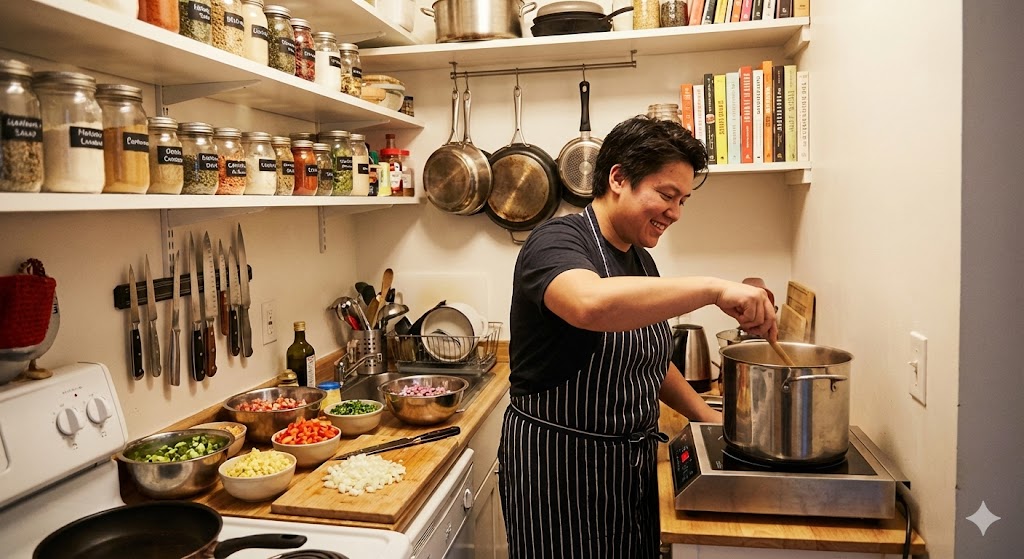
small kitchen organization

Cooking in Small Kitchens: Strategies for Making Limited Space Work

Small kitchens present real challenges that affect daily cooking more than most design issues. Limited counter space means nowhere to set ingredients while prepping. Minimal cabinet storage forces choosing between cookware and food storage. Compact appliances or missing equipment entirely restricts cooking techniques. Single cooks manage, but small kitchens become genuinely difficult when multiple people need to work simultaneously or when preparing complex meals requiring multiple active cooking processes. The constraints are real, not just inconvenient, and they fundamentally shape what you can cook and how efficiently you can work. However, small kitchen limitations don’t prevent good cooking if you adapt your approach to the space rather than fighting against it. Strategic equipment choices, workflow organization, prep timing, and cooking method selection all accommodate space constraints while maintaining cooking capability. The goal isn’t making a small kitchen function like a large one – that’s impossible. Instead, you develop cooking strategies that work within the space you have, accepting some limitations while maximizing what’s actually achievable. Many excellent cooks work in tiny kitchens successfully because they’ve learned to work with their constraints rather than against them. Honest Assessment of Your Actual Cooking Patterns Small kitchen organization starts with understanding what you actually cook rather than what you imagine cooking someday. Most people cook 7-10 dishes regularly that constitute 80% of their home cooking. These core recipes drive your equipment needs more than occasional ambitious projects. If you make pasta dishes, stir-fries, and sheet pan dinners weekly but roast whole chickens twice a year, your space allocation should reflect that reality. Equipment you haven’t used in six months probably doesn’t earn its storage space. Small kitchens can’t accommodate “someday” items. That bread machine gathering dust, the fondue set from a wedding gift, the juicer you used twice – these take space from tools you actually use. Be ruthless about removing equipment that doesn’t serve current cooking patterns. Cooking frequency affects space allocation. Daily coffee drinkers justify countertop coffee makers. Occasional coffee drinkers don’t. If you bake weekly, stand mixers earn their space. Monthly baking doesn’t justify permanent counter real estate for large appliances. The honesty assessment requires distinguishing between aspirational cooking and actual behavior. You might want to be someone who makes fresh pasta weekly, but if you haven’t done it in two years, that pasta roller doesn’t deserve storage space. Build your kitchen around who you are, not who you wish to be. Family size and cooking scale determine equipment sizing. Single people and couples don’t need 12-quart stockpots or full-size food processors. Smaller versions of these tools work fine and consume less storage space. Special dietary needs or restrictions create legitimate equipment requirements that override general minimalism. If you’re gluten-free and make your own bread regularly, those baking tools earn their space. But don’t keep specialty equipment for diets you’re not actually following. Strategic Equipment Selection and Multi-Use Tools Equipment choices matter enormously in small kitchens because every item must justify its space through frequent use or unique capability. One excellent large skillet (10-12 inch) handles more cooking tasks than multiple smaller pans. You can make small portions in a large pan, but you can’t make large portions in a small pan. The large skillet serves as everyday pan, sauté vessel, shallow braising pot, and even oven-to-table serving dish. Dutch ovens provide exceptional versatility – stovetop cooking, oven braising, bread baking, soup making, and even frying in one pot. A 5-6 quart Dutch oven handles most tasks that would otherwise require multiple specialized pots. This single piece of cookware eliminates need for separate stockpots, braising dishes, and casseroles for many cooks. Sheet pans serve multiple roles beyond baking cookies. Roasting vegetables, cooking proteins, making complete sheet pan dinners, holding prepped ingredients during cooking, and catching drips under other cooking vessels all use the same basic sheet pan. Two sheet pans (one half-size, one quarter-size) provide enormous utility without consuming much storage space. Immersion blenders eliminate need for countertop blenders for many tasks. They blend soups directly in the pot, make smoothies in tall containers, and store in a drawer. Full-size blenders are bulky and single-purpose by comparison. Instant-read thermometers replace multiple specialized tools. Instead of timers and guessing, temperature-based cooking ensures proper doneness for meats, baking, candy making, and oil frying. One small thermometer handles all these tasks. Avoid single-use gadgets ruthlessly. Garlic presses, avocado slicers, strawberry hullers, egg separators, and similar specialized tools all perform tasks a knife handles. Each gadget consumes storage space for something you use occasionally at best. Quality over quantity applies especially in small kitchens. One excellent chef’s knife used for everything beats a block of mediocre knives you never use. The good knife earns its space through daily use and capability. The knife block just takes up counter space. Vertical Storage and Space Maximization Small kitchens require using all available space, not just obvious cabinet and counter areas. Wall-mounted magnetic knife strips get knives off counters and out of drawers while keeping them accessible. The vertical wall space holds 5-8 knives in the area a decorative plate would occupy. Hanging pot racks suspended from ceilings or mounted on walls store cookware vertically above counters. This solution works only if you actually use the cookware regularly – hanging pots you rarely touch just creates visual clutter. But for frequently-used pans, vertical hanging beats cabinet storage. Inside cabinet doors offer unused space for mounting racks, hooks, or organizers. Pot lids, measuring cups, small utensils, and cleaning supplies all store on door-mounted organizers, freeing drawer and shelf space. Shelf risers effectively double cabinet space by creating two levels where one existed. Plates, bowls, and canned goods all benefit from riser systems that let you stack items without creating unstable towers. Under-shelf baskets hang from existing shelves to create storage below them. These work well for lightweight items like coffee filters, tea bags, or small containers that would otherwise consume entire shelf space. Drawer dividers and organizers prevent utensil drawers from becoming jumbled messes where nothing is
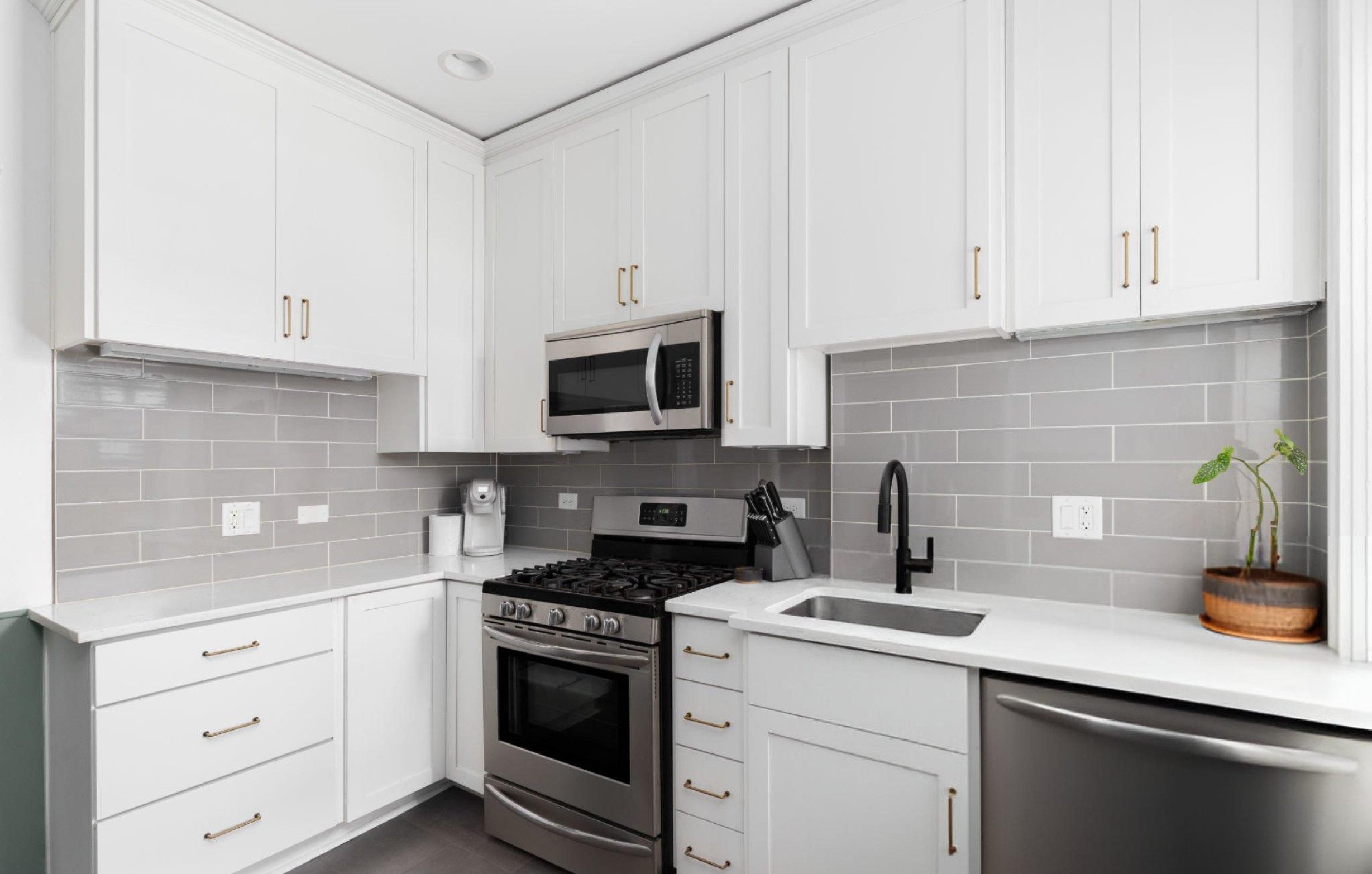
Small Kitchen Design Solutions That Make Every Square Inch Count

Small kitchens present unique challenges that require creative solutions and strategic planning to create functional, comfortable cooking spaces. Whether you’re dealing with an apartment kitchen, a compact home design, or simply want to make better use of your existing space, the right approach can transform even the tiniest kitchen into an efficient, enjoyable place to cook and gather. The secret lies in understanding how to maximize every square inch through smart storage, efficient layouts, and design choices that create the illusion of more space. Successful small kitchen design isn’t about cramming everything into a limited area – it’s about making thoughtful choices that prioritize function while creating an environment that feels open, organized, and welcoming. With the right strategies, small kitchens can be just as functional and beautiful as their larger counterparts. Understanding Small Kitchen Challenges and Opportunities Small kitchens force you to think creatively about space utilization while often providing opportunities for efficiency and intimacy that larger kitchens can’t match. Recognizing both the limitations and advantages helps you approach design decisions strategically. Limited counter space requires careful planning to ensure adequate work areas for food preparation, cooking, and cleanup. Every surface needs to serve multiple purposes while remaining functional for daily cooking activities. Storage constraints demand innovative solutions that maximize vertical space, utilize hidden areas, and organize efficiently to accommodate all necessary kitchen items without creating clutter. Traffic flow challenges arise when multiple people need to use a small kitchen simultaneously. Careful layout planning ensures smooth movement patterns even in tight spaces. Appliance sizing becomes critical when standard appliances might overwhelm small spaces. Compact alternatives can provide necessary functionality without dominating the available area. Visual cramping can make small kitchens feel claustrophobic without proper design attention. Strategic color choices, lighting, and layout decisions can create feelings of openness and airiness. However, small kitchens also offer unique advantages including energy efficiency, easier maintenance, cozy intimacy, lower renovation costs, and the opportunity to invest in higher-quality materials within smaller budgets. Maximizing Vertical Storage Space When floor space is limited, the solution often lies in looking up. Vertical storage strategies can dramatically increase your kitchen’s storage capacity without expanding its footprint. Floor-to-Ceiling Cabinets Extending cabinets all the way to the ceiling eliminates wasted space while providing substantial additional storage. This approach creates clean, custom-built appearance while maximizing every available inch. Upper cabinet extensions can house items used less frequently, such as holiday dishes, seasonal appliances, or bulk storage containers. Use step stools or grab bars to access higher shelves safely. Crown molding integration helps floor-to-ceiling cabinets look intentional and finished rather than simply tall. This detail creates sophisticated appearance while hiding any gaps between cabinets and ceiling. Custom sizing allows cabinets to fit your specific ceiling height perfectly, avoiding the awkward gaps that standard cabinets often leave. This precision creates seamless, built-in appearance. Storage organization within tall cabinets benefits from adjustable shelving and pull-down systems that make upper areas more accessible and functional for regular use. Wall-Mounted Storage Solutions Wall-mounted storage keeps counter surfaces clear while providing easily accessible storage for frequently used items. These solutions work particularly well in small kitchens where counter space is precious. Magnetic strips for knives and metal utensils save drawer space while keeping essential tools within easy reach. Position strips away from heat sources but convenient to prep areas. Rail systems with hanging baskets, hooks, and shelves create flexible storage that can adapt to changing needs. These systems maximize wall space while keeping items visible and accessible. Floating shelves provide storage and display opportunities without the visual weight of full cabinets. Use them for dishes, glassware, or decorative items that add personality to small spaces. Spice racks mounted on walls or inside cabinet doors free up cabinet space while keeping seasonings organized and accessible. Magnetic spice containers on refrigerator sides work well too. Ceiling-Mounted Options Overhead storage solutions utilize often-ignored ceiling space while keeping items accessible when needed. Pot racks suspended from ceilings provide storage for cookware while adding visual interest and professional kitchen appearance. Choose locations that don’t interfere with traffic flow or lighting. Hanging baskets for fruits and vegetables free up counter and refrigerator space while keeping produce visible and accessible. Position baskets where they won’t obstruct movement or create head hazards. Pulley systems allow ceiling-mounted storage to be lowered for access then raised out of the way. These systems work well for items used occasionally but needed when cooking large meals. Smart Storage Solutions for Small Spaces Efficient storage in small kitchens requires every available space to work harder through innovative organization and specialized storage solutions. Pull-Out and Roll-Out Systems Maximizing cabinet depth through pull-out systems ensures nothing gets lost in the back of deep cabinets while making all stored items easily accessible. Deep drawer systems work better than shelves in base cabinets, providing full access to contents while accommodating various item sizes. Convert existing cabinets with retrofit drawer systems. Corner cabinet solutions like lazy Susans or pull-out corner systems transform hard-to-reach corner spaces into functional storage areas that make full use of available cabinet volume. Pantry pull-outs create organized food storage in narrow spaces, using full cabinet height while maintaining easy access to all items through sliding mechanisms. Under-sink organization systems maximize the space around plumbing while creating organized storage for cleaning supplies and garbage disposal needs. Multi-Functional Furniture and Features Furniture that serves multiple purposes provides maximum value in small kitchen spaces where every piece must earn its place. Kitchen islands on wheels provide additional counter space, storage, and workspace that can be moved as needed or relocated to create more open space for gatherings. Breakfast bars that fold down from walls provide dining space when needed while folding away to maintain open floor areas for cooking and movement. Storage ottomans or benches with built-in storage provide seating while hiding kitchen items that don’t need constant access but should remain in the kitchen area. Appliance garages hide small appliances while keeping them easily accessible, maintaining clear counter surfaces while ensuring