
smash burger recipe

Breakfast Jalapeño Smash Burgers: Spiced Ground Beef with Fried Egg and Jalapeño Sauce

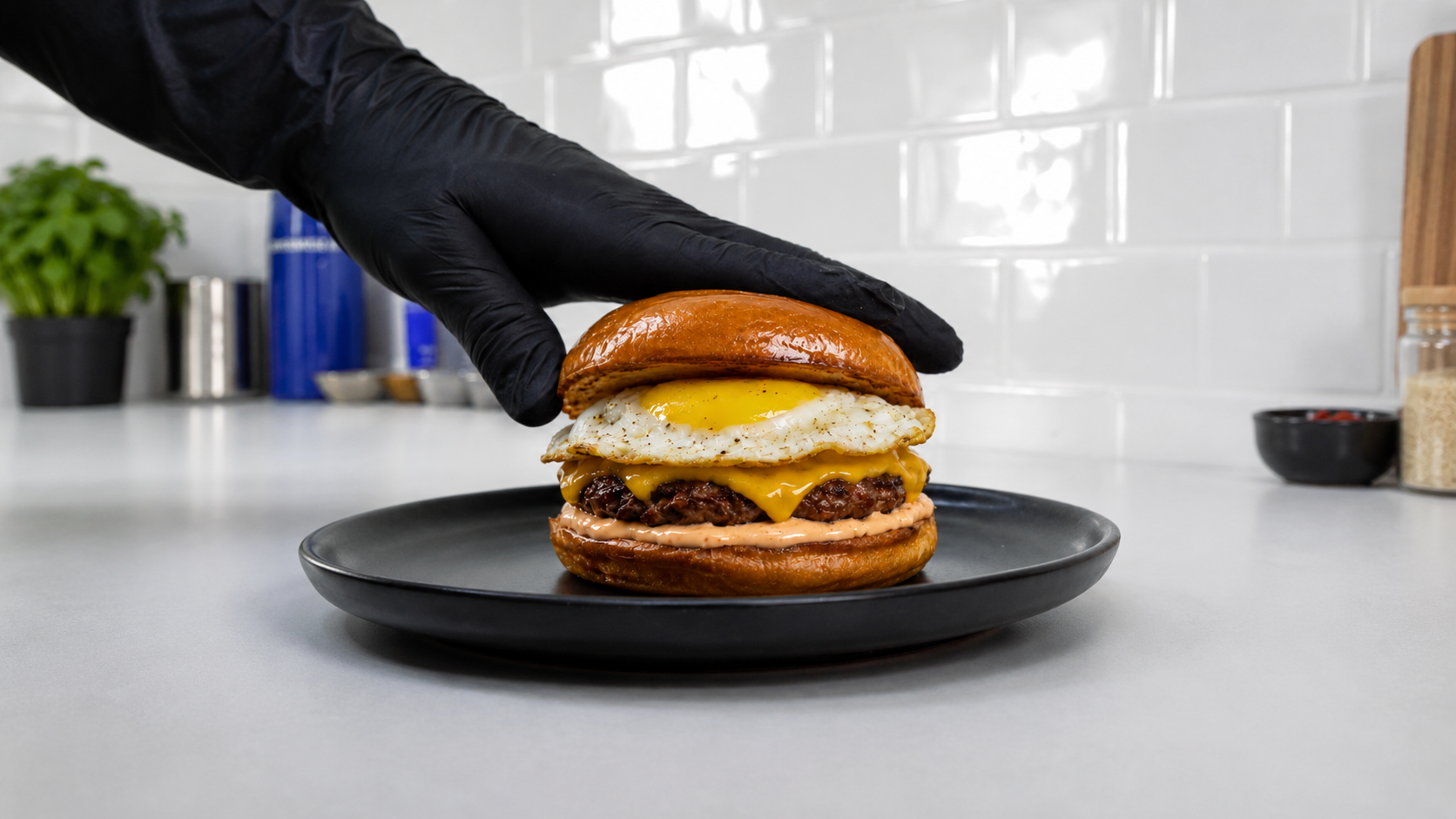
The breakfast burger occupies a specific place in the food universe that neither a standard burger nor a breakfast sandwich fully reaches. It has the structure and satisfaction of a proper burger — smashed thin, aggressively seared, loaded with melted American cheese — but the fried egg on top fundamentally changes what you’re eating. The yolk breaks when you bite through and runs down through the cheese and the sauce, adding richness that no condiment alone replicates. It’s a combination that makes complete sense once you’ve eaten it and that you’ll find yourself wanting to recreate on weekend mornings when the motivation to cook something worth eating is actually present. This version builds the burger around jalapeño at two points — diced into the sauce that goes directly on the bun, and available as a topping for anyone who wants more heat on the finished burger. The beef itself carries a straightforward seasoning blend of salt, pepper, paprika, onion powder, and garlic powder that seasons through the patty rather than sitting only on the surface, so every bite has flavor rather than just the seared exterior. The sauce — mayo, ketchup, garlic paste, paprika, and diced jalapeño — works as both the creamy element that balances the rich egg yolk and the heat delivery system that makes this burger distinctly more interesting than a standard smash format. The smash technique on a hot cast iron or stainless skillet does what a thicker patty can’t — it creates maximum contact between beef and cooking surface, producing the aggressive, deeply caramelized crust that defines a genuinely good smash burger. More surface area seared means more Maillard browning, which means more of the flavor complexity that browning creates. The thin patty also cooks through quickly, which matters when you’re adding a fried egg to the same skillet and timing both components to finish together. Why This Recipe Works So Well Several specific decisions here produce results that straightforward burger cooking doesn’t achieve. 70/30 ground beef is essential for smash burgers specifically. The higher fat content keeps the thin patty moist through the aggressive searing process that would dry out leaner beef — 80/20 produces acceptable results, but 70/30 produces the juicy, richly flavored patty that makes smash burgers worth making. The fat renders during searing and bastes the meat from within, carrying flavor through the patty rather than leaving a dry center surrounded by seared exterior. Seasoning the beef before forming balls rather than after smashing ensures flavor distributes throughout the meat rather than sitting only on surfaces. When the ball gets smashed flat, the seasoning is already throughout the mixture rather than being a surface coating that can rub off during smashing. Cooking the egg sunny side up in the same skillet immediately after the patties finish means everything is hot simultaneously. The egg cooks in the rendered beef fat still in the pan, absorbing flavor while the whites set around an intact yolk. The sunny side up format specifically is right for this burger — the yolk needs to be intact until you bite through the assembled burger, at which point the break releases everything at once. Buttering and toasting the buns in the same skillet where the patties and egg cooked picks up residual beef fat and fond from the cooking surface, adding flavor to the bun itself rather than simply toasting bread. This step takes 45 seconds and adds a dimension that plain toasted buns don’t provide. Choosing the Right Ingredients Ground Beef: 70/30 is the spec that matters here. Buy it fresh if possible — ground beef formed into balls and smashed immediately has better texture than beef that’s been sitting in formed patty shape for hours. If your grocery store grinds beef to order at the butcher counter, this is the product to request it for. Eggs: Large eggs work best for this format — the white spreads enough to roughly match the patty’s footprint without being so large it overwhelms the burger. Fresh eggs with firm whites hold their shape better than older eggs with thinner whites that spread too far in the pan. Room temperature eggs cook more evenly than cold eggs straight from the refrigerator — take them out 15-20 minutes before cooking. American Cheese: Not a placeholder for a better cheese — American cheese specifically. The way it melts completely flat across a hot patty in 60 seconds, forming an even coating from edge to edge with no separation, is a characteristic of its specific formulation. Cheddar, Swiss, or other natural cheeses don’t melt the same way at the temperatures involved and produce clumpy, uneven coverage on a thin patty. For this format, American cheese is the correct choice. Jalapeños: Fresh jalapeños diced for the sauce provide heat that’s brighter and more immediate than pickled jalapeño’s more mellow, acidic heat. The amount you dice for the sauce is adjustable — start with half a jalapeño for moderate heat and increase based on preference. If you want additional sliced jalapeño on the finished burger, slice separately from what goes into the sauce. Burger Buns: Soft potato buns or brioche buns suit the smash burger format — their soft, slightly enriched texture complements the thin crispy patty rather than competing with it. Avoid thick artisan buns that create too much structural height relative to the thin smash patties. The burger should be a manageable single bite proposition rather than requiring jaw-stretching to get through. Mayo: Full-fat mayonnaise for the sauce. The fat content carries the garlic and jalapeño flavors more effectively than reduced-fat versions and produces a sauce with better body that stays on the bun rather than running off immediately. Ingredients Serves 3-4 (makes approximately 5-6 patties at 3oz each from 1lb beef) For the Beef: For the Jalapeño Sauce: For Assembly: Step-by-Step Instructions Step 1 — Season and Ball the Beef Remove ground beef from packaging and place in a large mixing bowl. Add salt, pepper, paprika, onion powder, and garlic powder
National Junk Food Day | Best Homemade Junk Food Recipes Worth Making

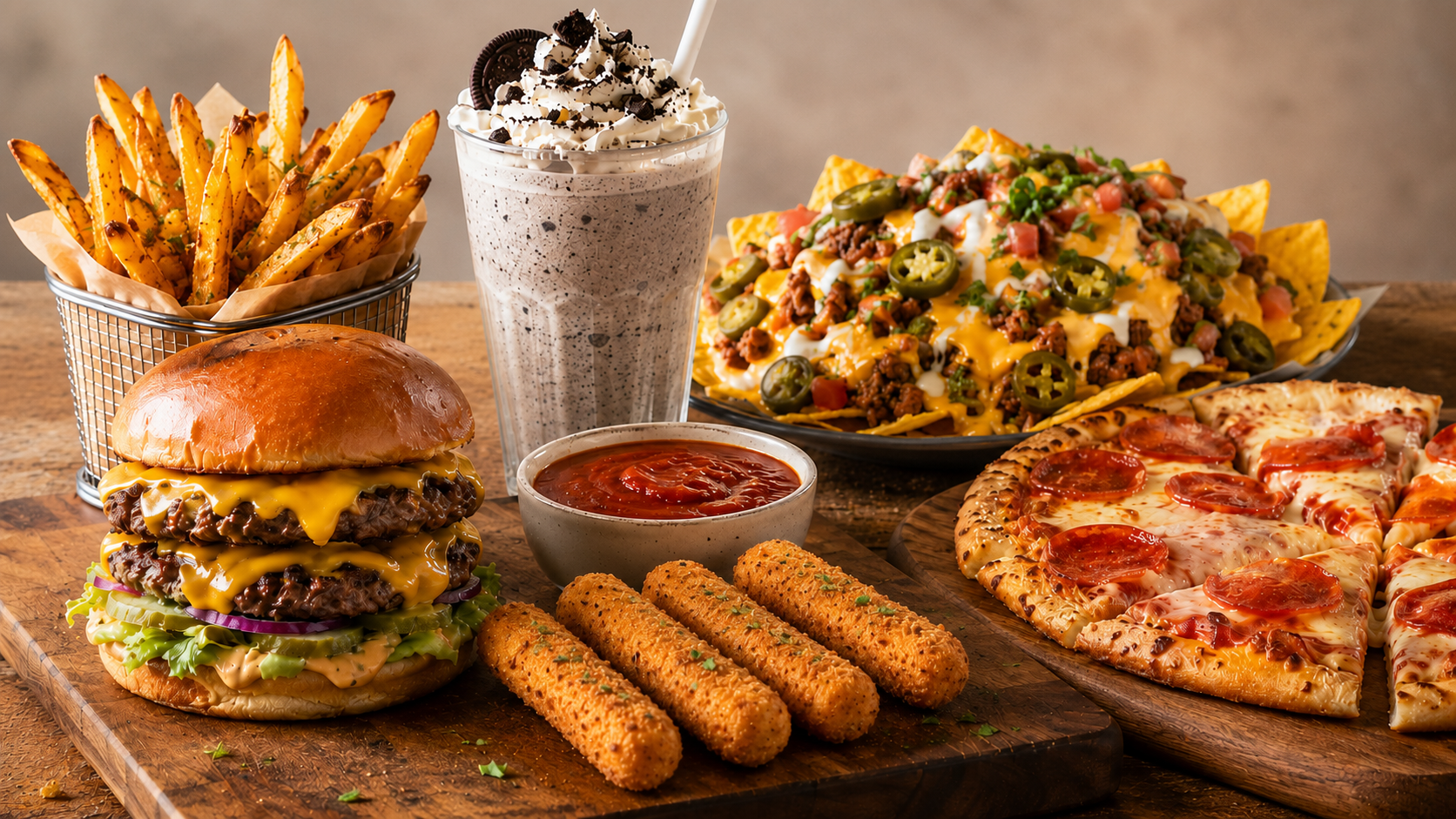
National Junk Food Day deserves a more interesting response than opening a bag of chips and calling it a celebration. The most satisfying version of junk food isn’t always the one that comes out of a package — it’s the one that tastes exactly like what you’re craving but made in your own kitchen with enough control over ingredients and technique that the result is genuinely better than the store-bought version it’s imitating. This isn’t health food dressed up in junk food clothing. These are real junk food recipes — the kind of food that exists purely to taste good, that you eat because you want it rather than because it’s good for you, and that hits the specific combination of fat, salt, sugar, and texture that defines the category. The difference is that made-at-home junk food lets you dial in exactly what you want, use better ingredients where they matter, and produce results that beat the packaged originals in ways that make the effort worth it. The air fryer, the oven, the stovetop, and the microwave all make appearances here — whatever gets the job done fastest for each specific recipe. Because on National Junk Food Day, efficiency is part of the point. Why Homemade Junk Food Hits Differently The argument for making junk food at home rather than buying it isn’t primarily about health — it’s about quality and satisfaction. Better Ingredients Where They Matter: The components in packaged junk food are optimized for shelf stability, cost, and mass production consistency rather than flavor maximization. Real cheese versus cheese powder. Fresh-cut potatoes versus extruded reconstituted potato product. Actual chocolate versus cocoa-adjacent compound coating. These differences are significant enough to taste, and in most cases the homemade version produces more intense satisfaction per bite than the packaged original because the ingredient quality actually delivers on what the cravings are asking for. Customization That Packaged Products Can’t Offer: Craving a specific heat level on your nachos, a particular ratio of toppings on a loaded fry, or a pizza with exactly the combination you actually want rather than the closest thing on a frozen shelf? Homemade junk food solves this directly. You’re making exactly what you want rather than compromising. The Freshness Factor: Most junk food is designed for shelf life — it’s formulated to taste good after months in a bag or box. The homemade version is made and eaten immediately, which changes the experience significantly. Fresh hot fries, a just-assembled nachos situation where the cheese is still bubbling, a burger where everything is at the right temperature simultaneously — these are qualitatively different from their packaged equivalents in ways that freshness explains almost entirely. The Experience of Making It: There’s something specifically satisfying about making junk food deliberately rather than consuming it passively from a package. Knowing exactly what went into it, controlling every element, and producing something that tastes genuinely good through actual cooking rather than industrial processing adds a dimension of satisfaction that passively eating a bag of chips doesn’t provide. Air Fryer Loaded Nachos Nachos are technically assembling rather than cooking, but the air fryer version produces something qualitatively different from microwave nachos or even oven nachos — cheese that bubbles and crisps at the edges of each chip, toppings that heat evenly, and a result that comes together in under 10 minutes. Ingredients: Tortilla chips (thick-cut hold up better than thin), shredded Monterey jack and sharp cheddar combined, black beans, pickled jalapeños, sour cream, guacamole, pico de gallo, hot sauce. Method: Layer chips in a single even layer in the air fryer basket. Top with the cheese mixture, distributing as evenly as possible so every chip gets coverage. Add black beans and jalapeños. Air fry at 350°F for 4-5 minutes until cheese is fully melted and beginning to bubble and crisp at the edges. Remove carefully and top immediately with cold ingredients — sour cream, guacamole, pico de gallo. The temperature contrast between hot cheesy chips and cold fresh toppings is part of what makes nachos specifically satisfying. The technique that separates good nachos from great ones is layering — add a middle layer of chips and cheese if the portion is large rather than piling everything on one layer and hoping heat penetrates to the bottom chips. Two thin layers beat one thick pile every time. Smash Burgers The smash burger’s rise to prominence over the past several years isn’t a trend — it’s the recognition that this technique produces a superior burger to the thick-patty approach that dominated home cooking for decades. A properly smashed burger has more exterior browning per bite than any other preparation, and exterior browning is where beef flavor lives. Ingredients: 80/20 ground beef, American cheese (the specific cheese matters here — American melts in a way that no other cheese replicates, covering the patty in a single smooth, creamy layer), soft potato buns, white onion finely diced, yellow mustard, pickles, ketchup, special sauce (mayo, ketchup, mustard, pickle brine in roughly equal parts). Method: Divide ground beef into 2.5-3oz balls — smaller than you think, because they spread during smashing. Heat a cast iron skillet or heavy stainless pan over high heat until it’s smoking. Place a beef ball in the pan, immediately cover with a piece of parchment paper, and smash flat with a heavy spatula using significant downward pressure. The patty should be thin enough to see the texture of the meat through the surface. Salt immediately after smashing. Cook undisturbed for 2-2.5 minutes — the bottom develops an aggressive crust while the top surface turns from pink to gray. Flip once, immediately add a slice of American cheese, and cook 30-45 more seconds. The thin patty means it’s done immediately after flipping. Toast the bun cut-side down in the same pan for 30-45 seconds. Assembly order matters: sauce on both bun halves, pickles on the bottom bun, onion on top of the patty before the cheese was added during cooking so they soften slightly, mustard