Why Restaurant Vegetables Taste Better Than Yours (It’s Not What You Think)
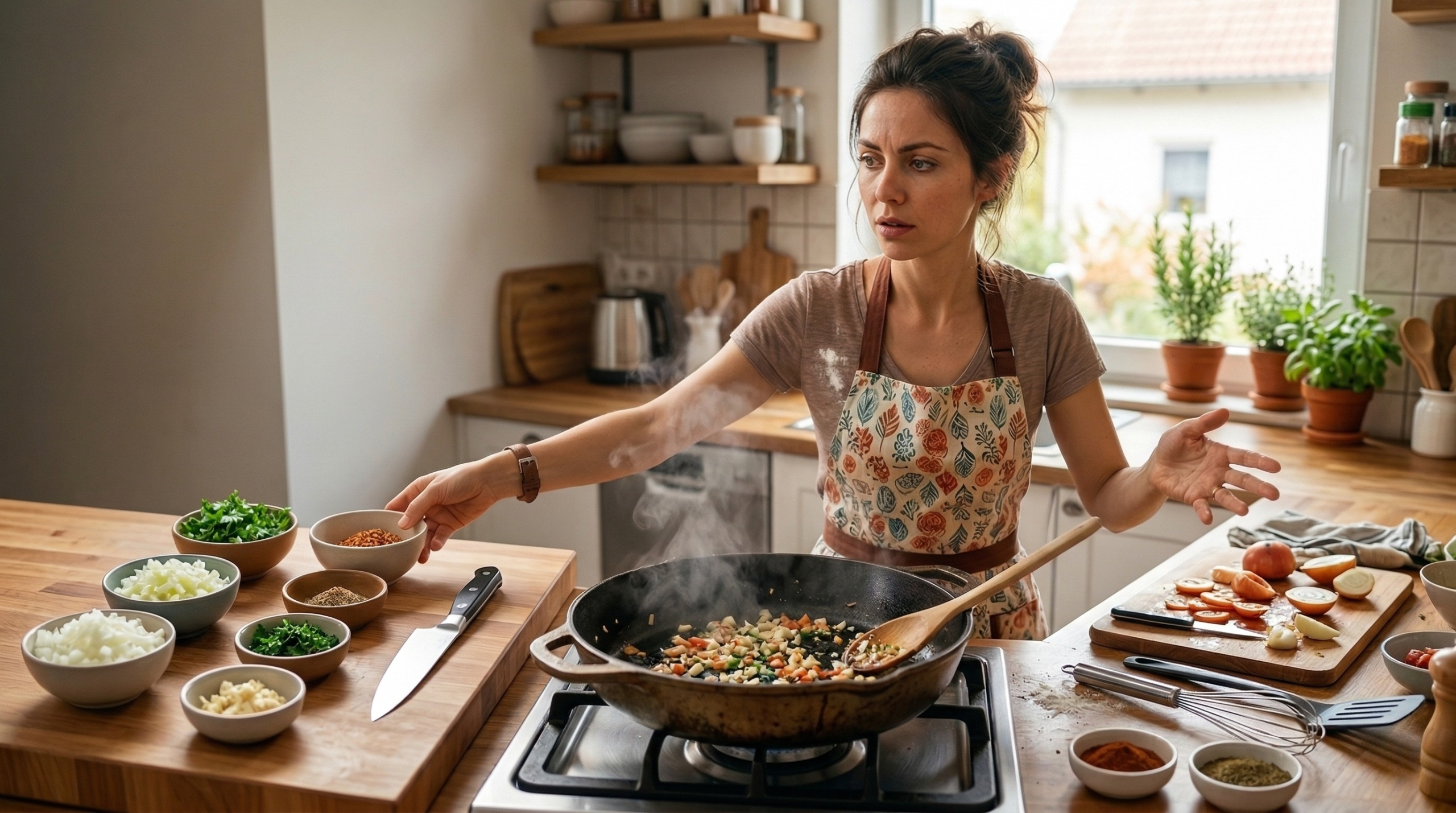
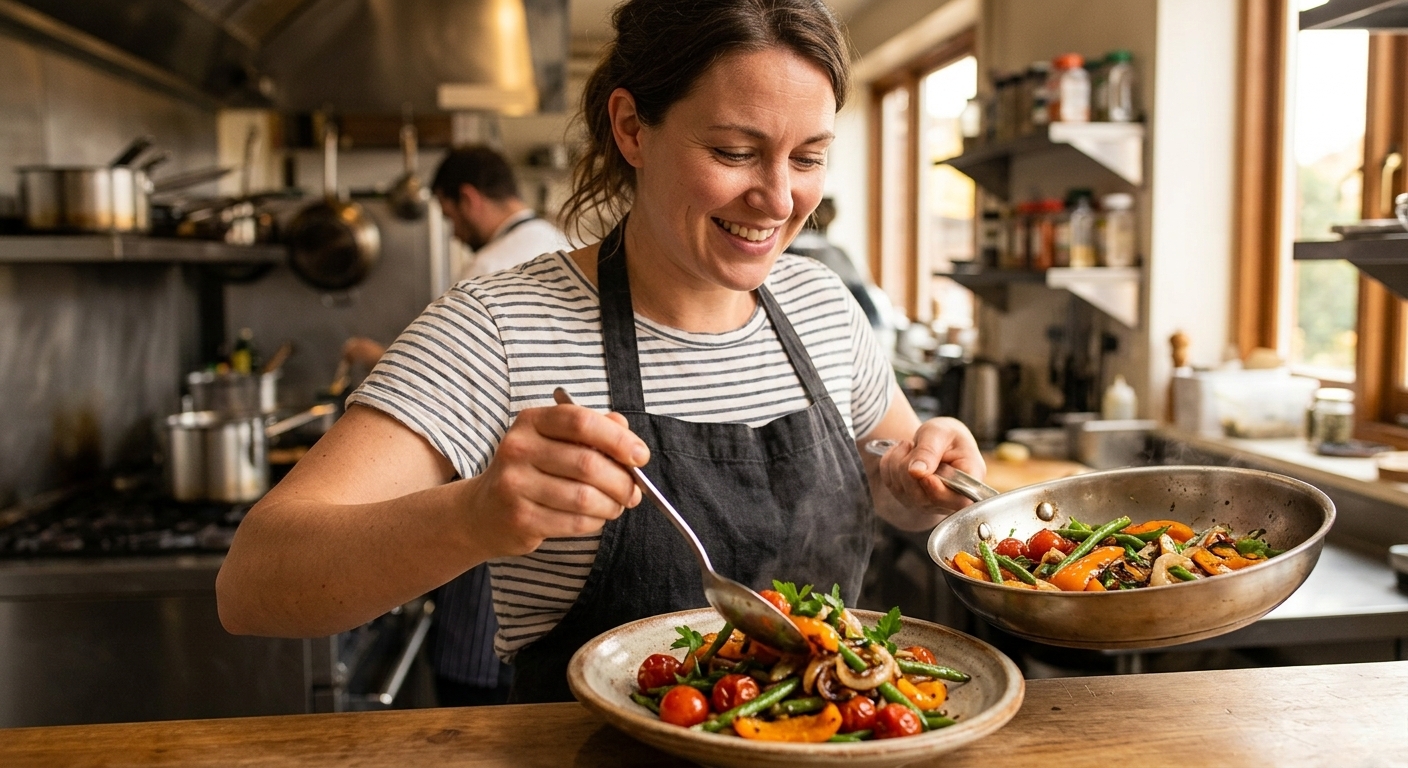
You order vegetables at a restaurant. They arrive glistening, perfectly tender, bursting with flavor. You try making the same vegetables at home. They’re fine. Edible. Nothing special. The gap between restaurant vegetables and home-cooked vegetables frustrates people who assume restaurants have access to better produce or secret techniques requiring culinary school training. Neither is true. Restaurants use the same vegetables from the same distributors supplying grocery stores. Their techniques are simple. What separates restaurant vegetables from home vegetables isn’t access or skill—it’s willingness to do things home cooks avoid. Here’s what restaurants actually do differently, why it works, and which techniques you can adopt without guilt. Restaurants Use Way More Fat Than You Do The single biggest difference between restaurant vegetables and home vegetables is fat quantity. Restaurants use amounts that shock home cooks watching their calories or health. That glistening appearance on restaurant vegetables comes from butter, oil, or both coating every surface. Restaurants don’t measure fat in teaspoons—they measure in tablespoons or quarter-cups per serving. Fat carries flavor. Many vegetable flavors are fat-soluble, meaning they only release and spread when dissolved in fat. Dry-cooked vegetables trap flavors inside. Fat-cooked vegetables spread flavors across your palate. Fat creates browning. The Maillard reaction producing delicious brown caramelized edges requires fat conducting heat evenly across vegetable surfaces. Dry vegetables steam rather than brown. Fat adds richness and mouthfeel. Vegetables cooked in generous fat taste more satisfying and luxurious than the same vegetables cooked with minimal fat. Restaurants prioritize taste over health. They’re not concerned with your daily fat intake—they want you enjoying your meal enough to return and order again. You don’t need restaurant-level fat quantities at home. But if you’re using one teaspoon of olive oil for a pan of vegetables, that’s why they taste bland. Try two tablespoons. The difference is dramatic. They Salt Aggressively at Multiple Stages Restaurants salt vegetables far more than home cooks, and they salt at different points during cooking rather than only at the end. Salt draws out moisture helping vegetables brown instead of steam. Salting early in cooking pulls water to the surface where it evaporates quickly. Dry surfaces brown. Wet surfaces steam. Salt penetrates vegetables during cooking. Adding salt only at the end seasons the surface while leaving the interior bland. Salting during cooking allows salt to migrate inside creating even seasoning throughout. Restaurants taste and adjust constantly. Professional kitchens taste vegetables multiple times during cooking, adding salt incrementally until flavor pops. Home cooks often salt once without tasting until serving. The amount restaurants use seems shocking to home cooks raised on low-sodium guidelines. But properly salted food doesn’t taste salty—it tastes like concentrated, intense versions of itself. Many vegetables need more salt than you think. Dense vegetables like broccoli, cauliflower, and green beans require generous salting to taste properly seasoned. Undersalting leaves them tasting like water. Start salting earlier in your cooking process. Salt vegetables when they hit the pan, not when they hit the plate. Taste as you cook and add more if needed. They Cook Vegetables in Small Batches at High Heat Crowding the pan is the most common home cooking mistake with vegetables. Restaurants cook vegetables in batches, never crowding. Crowding traps steam between vegetables preventing browning. When vegetables touch, they release moisture that can’t escape. That moisture steams the vegetables instead of allowing caramelization. High heat requires space for air circulation. Crowded pans can’t maintain temperature when vegetables release water. Temperature drops, and you’re boiling vegetables in their own moisture rather than searing them. Restaurants cook vegetables to order in small batches. Even when preparing large quantities, they work in batches that never crowd the pan surface. Home cooks trying to cook all vegetables at once guarantee steaming. Single layers matter. If you can’t see pan surface between vegetables, you’ve added too many. Cook in two batches if necessary. High heat produces the brown crispy edges that restaurant vegetables have. Most home cooks use medium heat out of fear. Medium heat steams. High heat browns. Your vegetables should sizzle loudly when they hit the pan. If you don’t hear aggressive sizzling, your pan isn’t hot enough or you’ve crowded it. They Finish with Acid, Not Just Salt and Pepper Restaurants brighten vegetables with acid at the end of cooking creating balance that home cooks miss by only using salt and pepper. Acid cuts through richness making vegetables taste fresh rather than heavy. After cooking in generous fat, a squeeze of lemon juice or splash of vinegar brightens flavors preventing greasy taste. Acid enhances other flavors already present. It doesn’t add lemon flavor or vinegar flavor to vegetables—it makes the vegetable’s natural flavor more pronounced and clear. Different acids complement different vegetables. Lemon juice works beautifully with green beans, asparagus, and broccoli. Balsamic vinegar suits roasted root vegetables. Rice vinegar complements Asian-style vegetables. Timing matters with acid. Adding acid during cooking can cause some vegetables to become mushy or discolored. Add acid in the final minute or immediately after removing from heat. The amount needs balancing. Start with small squeeze or splash, taste, and add more if needed. You want brightness without obvious sour taste. This one change transforms vegetables immediately. Try finishing your next batch of roasted vegetables with lemon juice and notice the difference. They Use the Right Cooking Method for Each Vegetable Restaurants match cooking methods to specific vegetables based on their structure and water content. Home cooks often use one method for everything. Dense, dry vegetables (like carrots, beets, winter squash) roast beautifully. High dry heat concentrates their sugars creating caramelization. Boiling dilutes their flavor. Tender, high-moisture vegetables (like zucchini, tomatoes, leafy greens) work better with quick high-heat sautéing. Roasting often makes them soggy as they release moisture. Sturdy vegetables with thick cell walls (like green beans, broccoli, cauliflower) benefit from blanching before sautéing. Brief boiling tenderizes them, then searing creates browned edges. Raw-to-sauté often leaves tough centers with burnt exteriors. Delicate vegetables (like peas, corn, asparagus tips) need gentle quick cooking. Hard