
time management

Why “Quick Weeknight Dinners” Take 90 Minutes

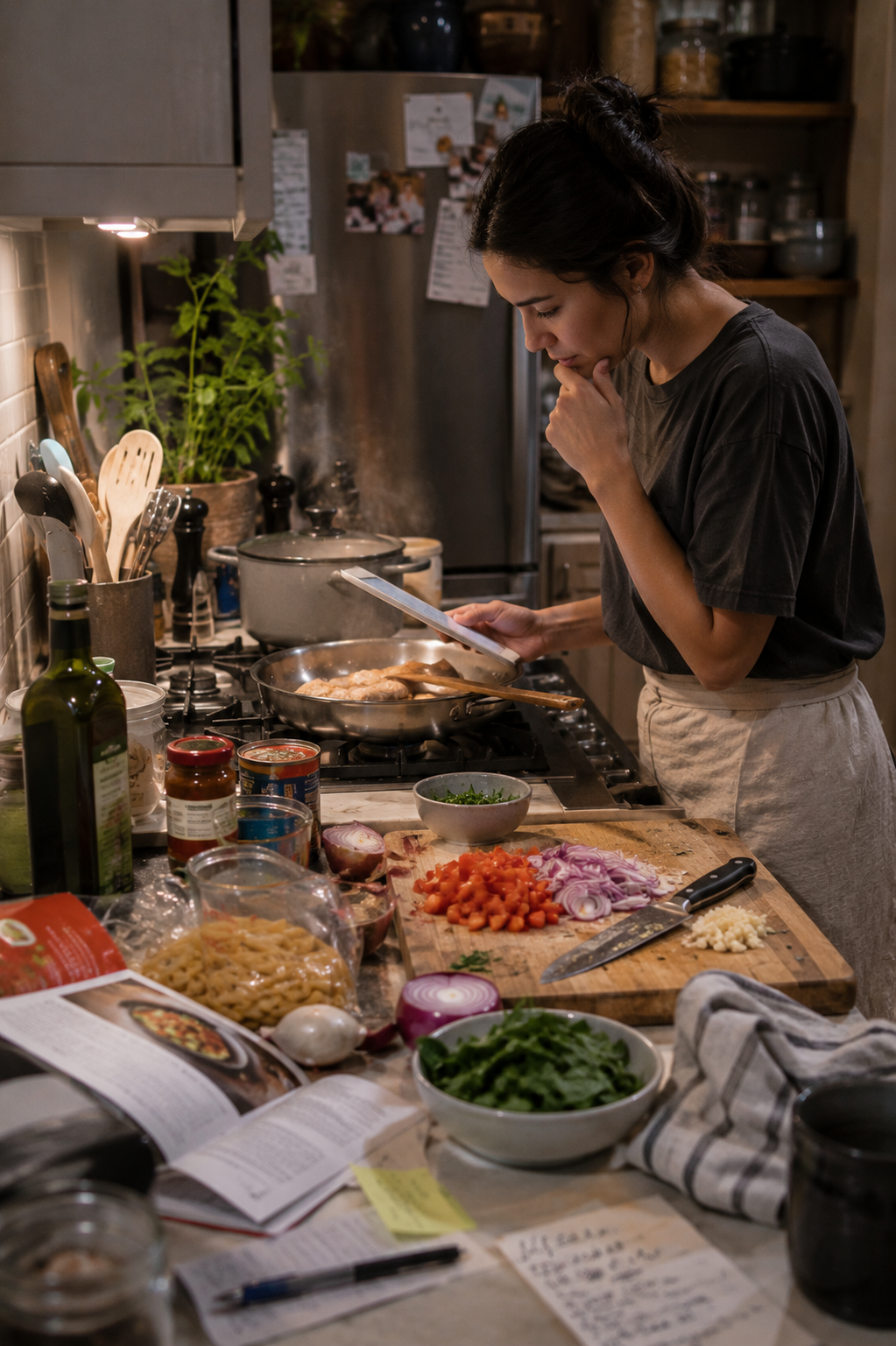
Recipe blogs promise 30-minute meals. You start cooking at 6pm. You sit down to eat at 7:30pm. The recipe lied, you’re slow, or something else is happening. The problem isn’t your cooking speed. The problem is recipe timing that ignores everything except active cooking time. Recipes skip the prep before cooking starts, the transitions between steps, the cleanup that happens during cooking, and the realistic pace of home cooking without professional mise en place. A recipe claiming 30 minutes might involve 30 minutes of actual cooking time. But getting from decision to plated food takes substantially longer when you account for all the steps recipes don’t time. Here’s why quick dinner recipes take longer than advertised, which time costs recipes ignore, and how to actually get dinner done faster without feeling incompetent. Recipe Time Doesn’t Include Deciding What to Cook The timer starts when you begin cooking. It doesn’t count the time spent deciding what to make. Standing in front of the open refrigerator considering options takes five to ten minutes. Scrolling through saved recipes looking for something that matches available ingredients adds more time. Recipe blogs assume you arrived at their recipe through direct intent. Real cooking involves browsing, reconsidering, checking ingredient availability, and settling on an option. This decision time happens before the recipe timeline begins but it’s still part of getting dinner on the table. Meal planning eliminates this time cost by deciding in advance. Without planning, decision time adds 10-15 minutes to dinner preparation that recipes never acknowledge. The “quick” recipe becomes less quick when preceded by 15 minutes of deciding what quick recipe to make. Ingredient Retrieval Isn’t Counted Recipes list ingredients assuming they’re magically assembled. Gathering them from pantry, refrigerator, and freezer takes time. Each ingredient requires opening storage, locating the item among other items, retrieving it, and transporting to the work area. Multiply this by 10-15 ingredients per recipe. Spices particularly add retrieval time. Finding oregano among 30 spice jars, opening it, measuring, and returning it happens separately from other ingredients. Recipes assume instant ingredient availability. Reality involves searching through drawers, moving items blocking other items, and discovering you’re almost out of something requiring substitution decisions. Professional kitchens use mise en place precisely because ingredient retrieval during cooking interrupts workflow. Recipe times assume this pre-gathering happened somehow outside the timeline. Five minutes retrieving ingredients, five more getting tools and pans, and suddenly the 30-minute recipe needs 40 minutes before cooking even begins. Prep Time Estimates Are Fantasy Recipe prep times assume knife skills and efficiency most home cooks don’t possess. “Finely dice one onion” takes a professional cook 60 seconds. It takes a home cook three to five minutes including peeling, halving, and chopping. “Mince three garlic cloves” is 15 seconds for professionals, two minutes for home cooks finding a knife, peeling cloves, and mincing. Recipe writers develop speed through repetition. They’ve made the recipe dozens of times perfecting efficiency. You’re making it once. Prep times listed in recipes reflect idealized professional speed, not realistic home cook pace. The cumulative difference across all prep steps adds 10-15 minutes. Recipes also assume continuous uninterrupted prep. Real home cooking involves answering questions, preventing toddler disasters, or checking messages. These interruptions don’t stop the food from needing attention. The “10 minute prep time” becomes 20-25 minutes accounting for realistic home cook speed and normal household interruptions. Cooking Time Ignores Stove Variations “Bring to a boil” timing depends on your stove’s BTU output. Recipe writers’ stoves aren’t your stove. High-BTU gas ranges boil water in five minutes. Standard electric coils take twelve minutes. The recipe assumes boiling happens quickly without specifying which type of quick. “Sauté until softened” varies by burner output and pan material. What takes five minutes on a strong burner takes ten on a weak one. Recipes tested on professional-grade ranges produce different timing than cooking on standard residential equipment. The gap in equipment capability translates directly to timing differences. Oven temperature accuracy varies wildly. Your oven set to 400°F might actually run at 375°F or 425°F. This changes cooking duration substantially. Without acknowledging equipment variations, recipe times reflect the writer’s specific equipment, not universal cooking times. Add five to ten minutes to cooking times when using standard residential equipment rather than high-output professional ranges. Simultaneous Steps Aren’t Really Simultaneous Recipes instruct “while pasta cooks, prepare sauce” assuming perfect parallel workflow. This requires experience and confidence most home cooks lack. Managing multiple things simultaneously demands attention splitting. You’re monitoring pasta, stirring sauce, and potentially prepping additional components all while tracking timing. Recipe writers perform these tasks smoothly through repetition. First-time cooks focus on one task at a time, completing steps sequentially that professionals would overlap. The sequential approach takes longer but reduces mistakes and stress. Adding sequential buffer time turns the 30-minute recipe into 40 minutes without any cooking errors. Recipes also assume everything goes smoothly. They don’t account for discovering you’re missing an ingredient, something boiling over, or needing to adjust heat mid-cooking. These small pauses and corrections add minutes throughout the cooking process that recipe times ignore. Plating and Serving Add Time Recipe timing ends when food is cooked. Getting from cooked food to eating food requires additional steps. Finding serving dishes, plating food, setting the table, pouring drinks, calling family to dinner, and getting everyone seated takes five to ten minutes. This post-cooking time doesn’t appear in recipe timing but must happen before eating begins. Some recipes require resting time after cooking. “Let rest 5 minutes before slicing” extends the timeline without counting as cooking time. Cleanup that happens before eating also adds time. Wiping major spills, moving hot pans off burners, or creating space to serve all happen post-cooking but pre-eating. The true time from starting the recipe to first bite includes these serving logistics recipes pretend don’t exist. Recipe Familiarity Makes Everything Faster The first time making a recipe takes substantially longer than the fifth time. First-time cooking includes reading instructions, checking measurements, verifying technique, and moving cautiously.
The Cooking Shortcuts That Actually Save Time

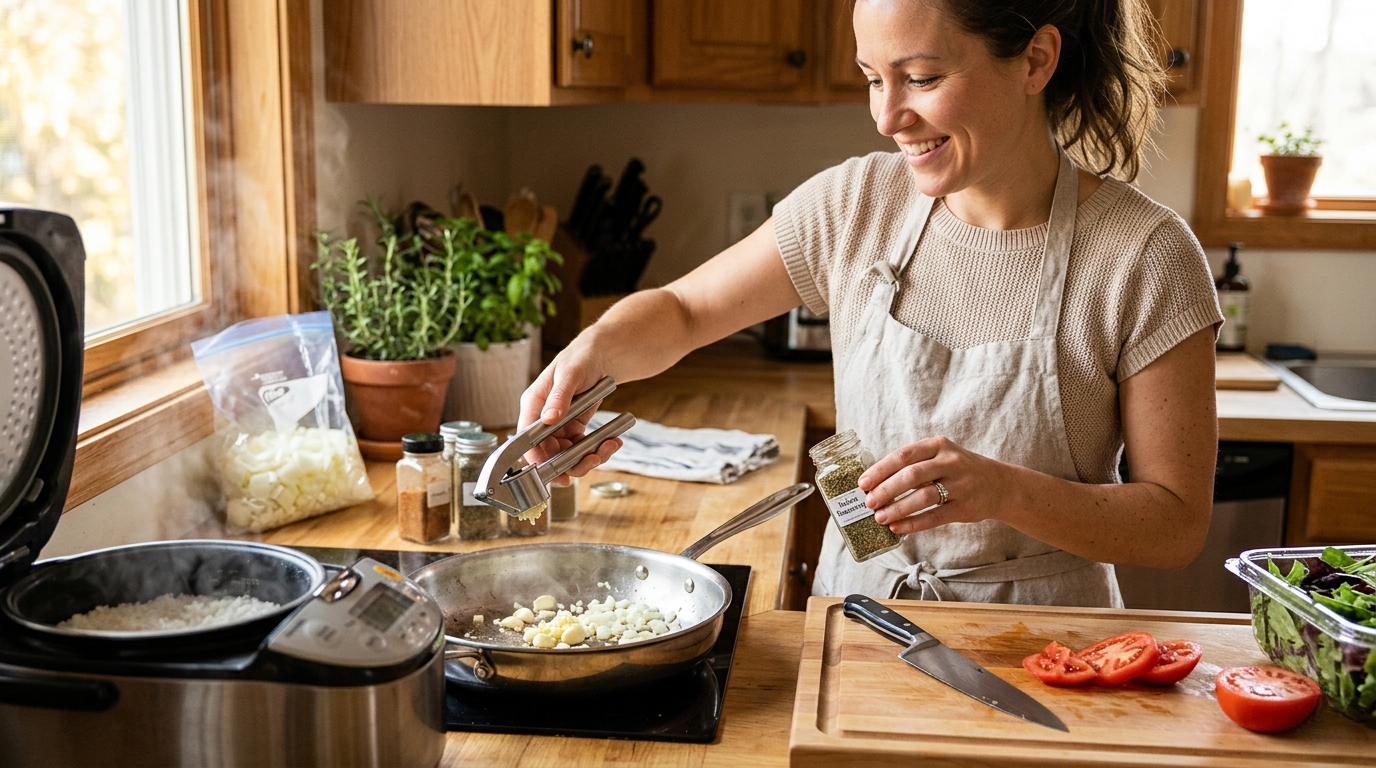
The Cooking Shortcuts That Actually Save Time Every cooking blog promises quick weeknight meals and time-saving tips. Most of these shortcuts either don’t actually save time or create more work through cleanup, prep, or disappointing results requiring do-overs. Real time savings come from understanding which steps genuinely matter and which ones are unnecessary tradition. Some shortcuts sacrifice quality. Others eliminate pointless effort without affecting the final dish. The difference between useful shortcuts and false efficiency is whether they create downstream problems. Skipping a step that saves five minutes now but creates fifteen minutes of cleanup later isn’t a shortcut—it’s deferred work. Here’s what actually saves time in the kitchen, what looks efficient but isn’t, and how to distinguish between smart efficiency and corner-cutting that backfires. Pre-Chopped Vegetables Are Worth It (Sometimes) The internet loves mocking pre-cut vegetables as wasteful and expensive. For some vegetables and some situations, they’re actually efficient. Pre-chopped onions save real time. Onions take longer to peel, dice, and clean up after than most vegetables. The time saved multiplies across multiple meals. Pre-diced onions from the store eliminate ten minutes of work including cleanup. Pre-minced garlic makes sense for dishes where garlic cooks long enough that fresh versus jarred doesn’t matter. Garlic mincing is fiddly work producing minimal volume for the time invested. In pasta sauce simmering for an hour, jarred minced garlic tastes identical to fresh. Pre-washed lettuce saves significant time. Washing, drying, and storing lettuce properly takes fifteen minutes. Pre-washed greens eliminate this entirely. The slight quality difference rarely justifies the time investment for everyday salads. Where pre-cut fails: delicate herbs losing flavor quickly, vegetables with short shelf life creating waste, and items where fresh cutting takes thirty seconds anyway. Pre-sliced mushrooms cost three times more to save ninety seconds of knife work. The efficiency question is whether the pre-cut item saves more time than it costs in money and quality. For onions and lettuce, yes. For bell peppers, probably not. One-Pot Meals Create More Work Than Separate Pans One-pot cooking sounds efficient. Everything cooks in one vessel meaning less cleanup. Reality proves otherwise for most dishes. One-pot recipes force sequential cooking instead of parallel cooking. Brown meat, remove it, cook vegetables, add liquid, return meat. This sequential approach takes longer than cooking components simultaneously in separate pans. Temperature compromises in one-pot cooking create mediocre results. Everything cooks at one temperature. Vegetables that need high heat get steamed. Ingredients needing gentle cooking get blasted. The result requires longer cooking time to compensate for wrong temperatures. Cleanup savings are minimal. One large pot plus utensils for removing and returning ingredients creates similar dish load to two smaller pans. The “one pot” often requires more scrubbing than multiple pans because everything browns onto one surface. Better approach: use multiple pans simultaneously. While protein sears, vegetables roast. While pasta boils, sauce simmers. Parallel cooking completes meals faster than sequential one-pot methods. One-pot dishes work for soups, stews, and braises where everything benefits from long combined cooking. For quick dinners, separate pans finish faster despite additional dishes. Mise en Place Wastes Time at Home Professional cooking demands mise en place—everything measured and prepped before cooking starts. Home cooking doesn’t. Restaurant cooks prep once and cook the same dish repeatedly. Mise en place makes sense when preparing fifty orders of the same pasta. Measuring everything beforehand allows fast repetitive execution. Home cooks make one portion once. The time spent measuring ingredients into bowls, washing those bowls, and transferring ingredients adds steps without benefit. Progressive prep during cooking saves time. While onions soften, chop the next vegetable. While vegetables cook, measure spices. This parallel workflow keeps you moving without creating extra dishes. Exception: baking requires accurate ratios so measuring beforehand prevents mistakes. For baking, mise en place makes sense because precision matters. For everyday cooking, skip the prep bowls. Add ingredients directly as you go. The TV cooking show aesthetic of ingredient bowls looks organized but creates extra work. Garlic Presses Are Faster Than Knife Mincing Kitchen snobs hate garlic presses. They’re wrong about efficiency. Knife mincing garlic takes time: peel cloves, mince finely, scrape board, clean knife, wash hands to remove smell. This process takes three to four minutes for multiple cloves. Garlic press takes thirty seconds: peel cloves, squeeze, scrape out garlic, rinse press. The time difference multiplies across meals. Cleanup arguments against presses ignore that knife mincing requires cleaning cutting board, knife, and removing garlic smell from hands. The press requires rinsing one tool. Texture differences between pressed and minced garlic matter only in raw applications like Caesar dressing or garlic bread. In cooked dishes, the difference disappears. Buy a good press. Cheap presses are frustrating and break. Quality presses last years and pay for themselves in time saved. The anti-press argument is aesthetic, not practical. If the goal is saving time, use the press. Batch Cooking Backfires Without Proper Storage Cooking large quantities seems efficient. Make five meals at once, reheat through the week. This works only with proper containers and freezer space. Without adequate storage, batch cooking creates problems. Food in wrong containers dries out, absorbs freezer odors, or takes excessive freezer space. Reheating failures waste the entire batch. Batch cooking requires significant upfront time. The five-hour Sunday cook session feels productive but that’s five hours unavailable for other activities. The time isn’t saved—it’s concentrated. Better approach: double recipes instead of quintupling them. Make two portions instead of five. This provides one extra meal without overwhelming storage or creating food fatigue. Batch cooking works best for components, not complete meals. Cook large batch of rice, roast sheet pans of vegetables, brown ground meat. These components assemble into varied meals throughout the week preventing boredom. The freezer limitations matter. Most home freezers hold three to four complete meals comfortably. Cooking eight meals at once creates storage problems and food quality issues from extended freezing. Batch component cooking saves time. Batch complete meal cooking often doesn’t. Sharp Knives Actually Save Time This seems obvious but bears repeating:

The Mise en Place Myth: Why Prep-Everything-First Doesn’t Always Work

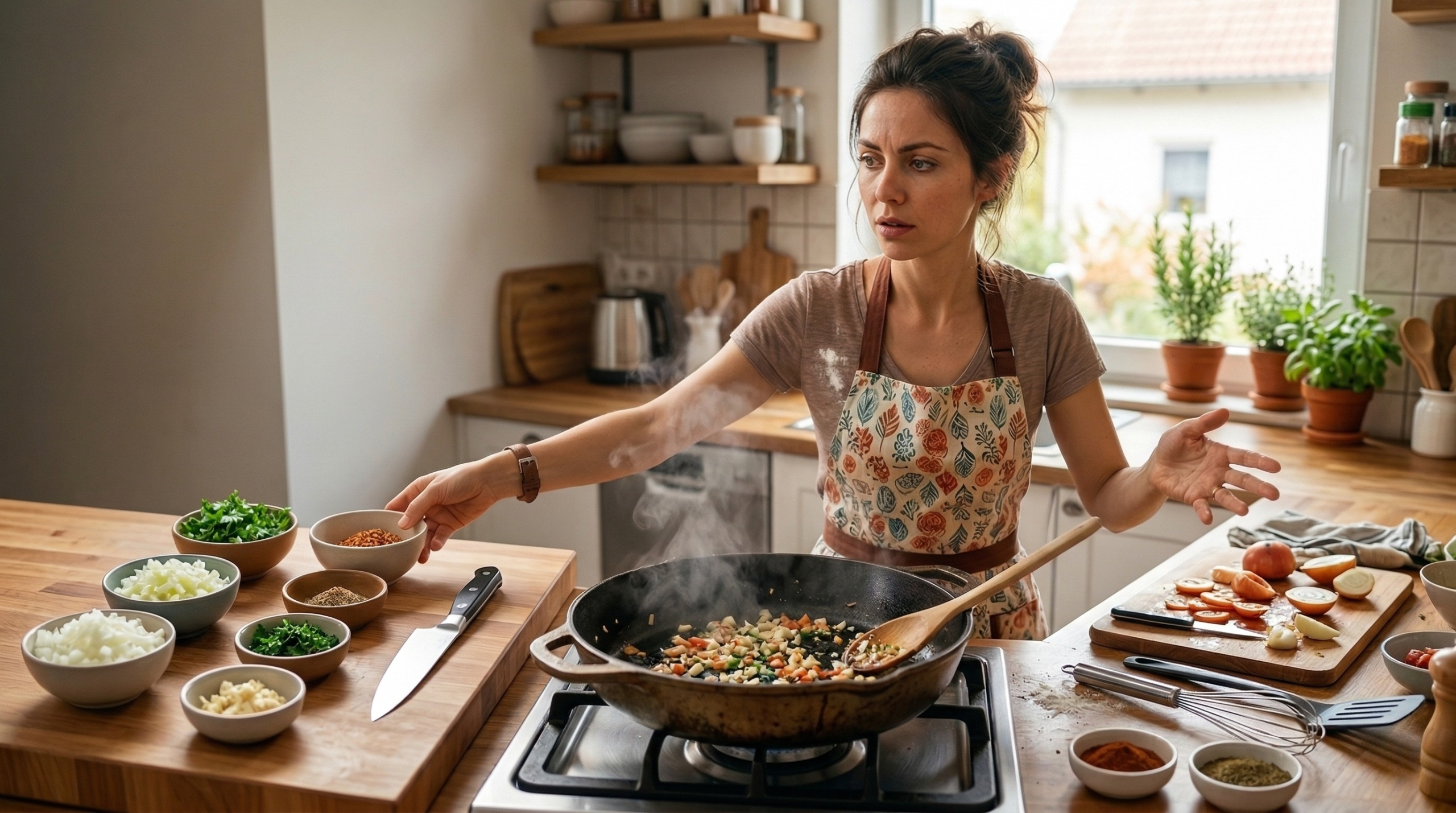
Professional chefs prep everything before they start cooking. You’ve seen it on cooking shows—neat little bowls of chopped vegetables, measured spices, prepped proteins all lined up before heat touches pan. Then you try it at home. You spend 45 minutes chopping, measuring, and organizing. Your counter looks like a bowl store exploded. Half your ingredients sit getting warm or oxidizing while you finish prep. And somehow the actual cooking still feels rushed. The problem isn’t your knife skills. The problem is blindly applying restaurant kitchen logic to home cooking without understanding why restaurants work that way or how your kitchen differs. Here’s the truth about mise en place, when complete pre-prep actually helps versus hurts, and how to adapt the concept for home cooking efficiency. Restaurant Kitchens Aren’t Home Kitchens Restaurants prep everything first because they’re cooking the same dishes repeatedly under time pressure for paying customers who expect fast service. Restaurant line cooks work during service rush cooking identical orders back-to-back. Prepping once lets them execute quickly when orders arrive. They make the same pasta dish 50 times per night—complete prep makes sense. Restaurants have prep cooks whose entire job involves chopping vegetables and measuring ingredients. Line cooks receive already-prepped ingredients. The division of labor spreads prep burden across multiple people. Restaurant mise en place prevents mistakes during rush. When cooking under pressure with tickets piling up, having everything measured prevents forgetting ingredients or adding wrong amounts. Restaurants optimize for speed during service, not efficiency of total labor. They accept longer total prep time because it enables faster cooking when customers are waiting. Your home kitchen operates differently. You’re cooking one or two portions, not fifty. You’re the prep cook and line cook. You’re not racing against customer expectations. Different constraints require different strategies. Downtime During Cooking Is Wasted Prep Time Most recipes include natural waiting periods where you’re not actively doing anything—perfect opportunities for prep work without adding total cooking time. Onions take ten minutes to soften properly. You can chop garlic, measure spices, and prep other vegetables during those ten minutes instead of standing watching onions. Water takes time to boil. While waiting for pasta water, you can grate cheese, chop herbs, or prepare sauce ingredients rather than prepping everything before you start. Meat needs time to brown undisturbed. Flipping chicken too early prevents proper browning. Use that hands-off time productively prepping what comes next. Ovens need preheating time. While the oven reaches temperature, prep your ingredients instead of prepping before you turn the oven on. Rice cookers, slow cookers, and other set-it-and-forget-it equipment create prep windows. Use their cooking time for other preparation instead of front-loading everything. Sequential prep during natural downtime means your total time from starting to eating stays roughly the same, but you’re not creating artificial prep time before cooking begins. Some Ingredients Suffer From Early Prep Certain ingredients degrade when prepped too far in advance, making complete mise en place actively harmful to final dish quality. Cut avocados oxidize and brown within minutes. Prep avocado right before using, not at the start of your prep session. Sliced apples and pears discolor quickly. Chop them last to maintain appearance and prevent browning. Minced garlic loses pungency and develops harsh flavors when sitting. Chop garlic right before it hits the pan for best flavor. Fresh herbs wilt and blacken when chopped early. Prep herbs at the last minute to maintain color and aroma. Salad greens get soggy when dressed too early. Keep components separate until serving time. Some vegetables release moisture when salted and chopped. Prepping too early creates watery mess rather than neat mise. Complete advance prep forces you to compromise ingredient quality. Strategic last-minute prep maintains optimal flavor and texture. Partial Mise Works Better for Home Cooks Instead of all-or-nothing approach, prep strategically based on cooking sequence and ingredient needs. Prep long-cooking components first. If recipe starts with onions cooking for 15 minutes, chop those onions before anything else. Prep quick-cooking ingredients during the onion cooking time. Group ingredients by cooking stage. Prep everything for step one together. Prep step two ingredients while step one cooks. Prep step three during step two. Measure dry ingredients in advance. Spices, flour, and shelf-stable items can sit measured without quality loss. Prep these first if it helps organization. Keep proteins refrigerated until needed. Don’t let chicken or fish sit at room temperature for 30 minutes while you prep vegetables. Prep proteins right before cooking. Wash and dry produce in advance but don’t chop until needed. Clean vegetables store better than chopped vegetables. Do the washing early, the cutting strategically. This hybrid approach gives you organization benefits without quality compromises or artificial waiting time. Your Recipe Determines Your Strategy Different recipes require different prep approaches based on cooking intensity and timing demands. Stir-fries need complete mise. When cooking happens in three minutes over high heat, stopping mid-cooking to chop something means burned food. Everything must be prepped and ready. Braises allow progressive prep. When something simmers for two hours, you have abundant time for prep during cooking. Front-loading makes no sense. Baking often requires complete mise. When ratios and techniques are precise, having everything measured prevents mistakes. Measure before mixing. One-pan meals with sequential cooking work well with progressive prep. Brown meat, remove it, prep vegetables while pan cools slightly, continue cooking. The sequence builds in prep time. Recipes with many components benefit from partial advance prep. If making main dish plus two sides, prepping some elements early prevents last-minute chaos. Read your recipe before deciding prep strategy. Let the cooking method and timing dictate your approach. Mise en Place Is About Readiness, Not Bowls The core concept behind mise en place isn’t having pretty bowls, it’s being ready to execute without scrambling or forgetting things. Mental mise matters more than physical mise. Knowing what ingredients you need and what order they’re added prevents mistakes regardless of when you chop them. Reading the recipe through completely before starting provides mental organization. Understanding the flow prevents