
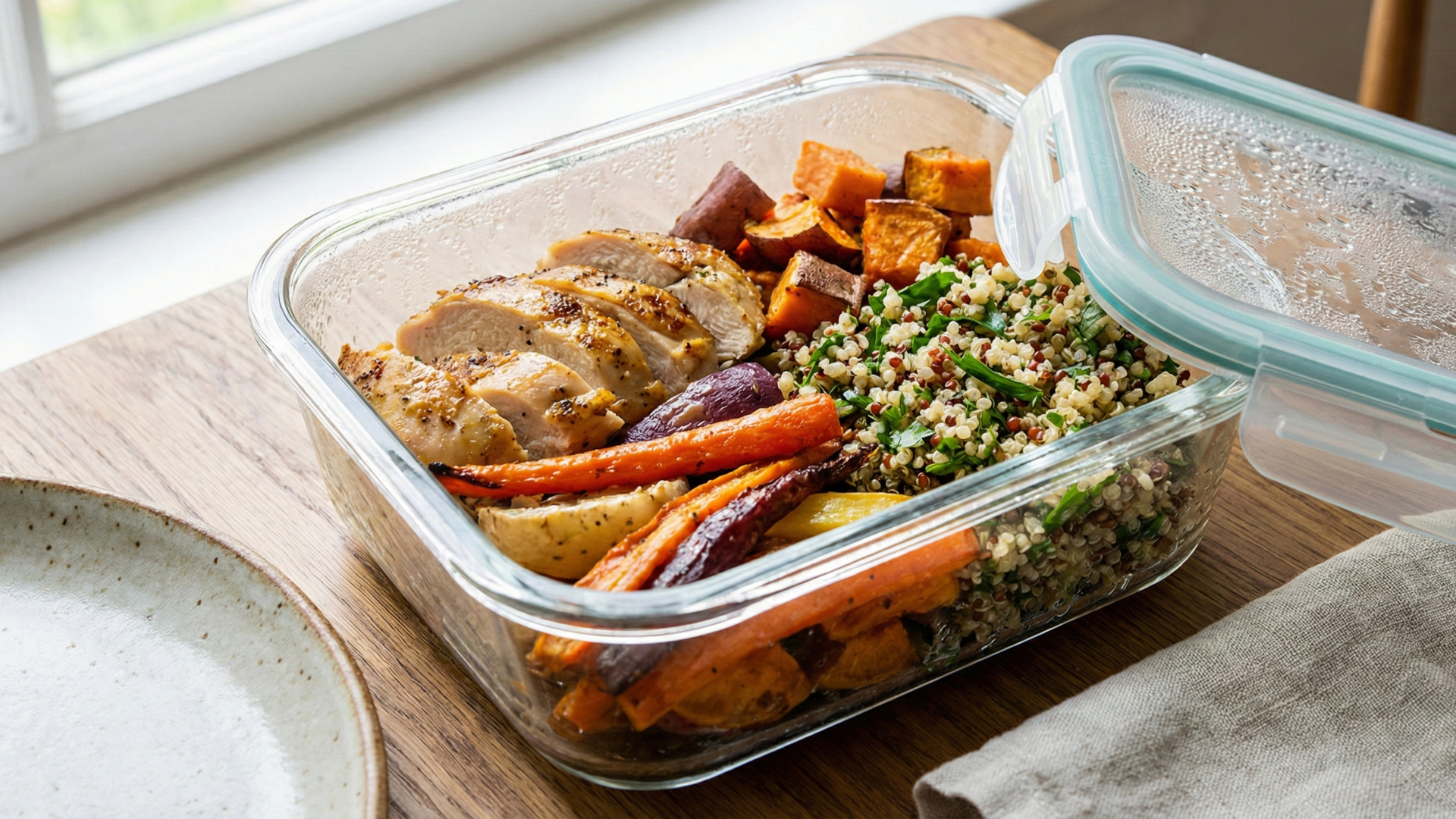
The Real Reason Leftovers Never Taste as Good
The disappointment of reheated leftovers is nearly universal, yet the specific reasons why yesterday’s delicious dinner becomes today’s mediocre lunch rarely get explained beyond vague references to “freshness.” The reality involves multiple overlapping factors—moisture loss, fat solidification, starch retrogradation, flavor compound volatilization, and texture changes during cooling and reheating—that collectively degrade food quality in predictable ways. Understanding these processes explains why some foods reheat acceptably while others become completely different dishes, why certain reheating methods work better than others, and why the microwave in particular seems to ruin everything it touches. The leftover problem isn’t just about food getting old but about specific chemical and physical changes that happen during storage and reheating that recipes and cooking methods don’t account for.
Recognizing what actually happens to food during refrigeration and reheating helps you make better decisions about what’s worth saving, how to store it, and how to reheat it in ways that minimize quality loss. Some leftover disappointment is inevitable, but much of it stems from storage and reheating approaches that accelerate degradation rather than preserving quality as well as possible.
Moisture Migrates in Ways That Ruin Texture
Water movement during cooling and storage fundamentally changes food texture in ways that reheating cannot reverse.
Crispy coatings absorb moisture from the food they surround during refrigeration. Fried chicken skin starts crispy because it’s dry and the fat has rendered out. Refrigeration causes moisture from the meat to migrate into the coating while fat solidifies, turning crispy coating into soggy rubbery material. Reheating cannot restore the original dry crispy texture because the coating has absorbed moisture.
Bread products stale through moisture redistribution rather than drying out. Fresh bread has moisture distributed throughout. During storage, moisture migrates from the interior crumb to the exterior crust and evaporates, leaving dry bread with tough crust. The staling process happens even in sealed containers because moisture moves within the bread itself.
Pasta continues absorbing sauce liquid after cooking. Fresh pasta with sauce has distinct pasta and sauce components. Refrigerated pasta absorbs sauce moisture, becoming mushy while the sauce becomes dry and separated. The pasta’s starch structure changes as it absorbs liquid, creating different texture that reheating doesn’t fix.
Lettuce and fresh vegetables in mixed dishes release water that makes everything else soggy. Salads with dressing, sandwiches with tomatoes, wraps with fresh vegetables—all deteriorate as vegetables release moisture into surrounding components during storage.
Steam condensation in storage containers drips back onto food creating sogginess. Hot food placed in containers creates steam. As the container cools, steam condenses on the lid and drips back onto the food, adding surface moisture that makes crispy foods soggy and changes texture of everything.
The moisture migration problem means foods with textural contrast—crispy with tender, dry with saucy—lose that contrast during storage in ways reheating cannot restore.
Fats Solidify and Separate
Fat behavior during cooling creates texture and appearance problems that make leftovers unappetizing even when flavor remains acceptable.
Rendered fat solidifies during refrigeration, creating waxy texture and white appearance. Soups, stews, and braises with fat content develop solid white fat layers that look and feel unappetizing. While this fat melts again when reheated, the visual impact and initial texture when cold are off-putting.
Emulsified sauces break during cooling and reheating. Creamy sauces, pan sauces, vinaigrettes, and gravies often separate into fat and water components during refrigeration. The emulsion that created smooth texture breaks down, creating separated greasy appearance and texture.
Cheese texture changes dramatically after melting and cooling. Fresh melted cheese on pizza or pasta is smooth and stretchy. Cooled and reheated cheese becomes rubbery, greasy, and separated with fat pooling separately from protein. The protein structure changes during the first heating and doesn’t return to original state.
Congealed fat coats your mouth differently than liquid fat. Even when reheated, previously congealed fat often doesn’t fully integrate back into the dish, creating greasy mouthfeel rather than the rich satisfaction of freshly cooked fat.
Fat solidification on the surface creates barriers preventing even reheating. The solid fat layer on top of soup or stew prevents heat from penetrating evenly, requiring stirring and additional heating time while other parts overcook.
These fat-related changes are partially reversible through proper reheating but often leave textural and appearance issues that didn’t exist in the fresh dish.
Starches Retrograde and Crystallize
Starch retrogradation—the process where cooked starches reorganize into crystalline structures during cooling—fundamentally changes texture in ways reheating only partially reverses.
Rice becomes hard and dry through starch crystallization. Freshly cooked rice has soft individual grains with moisture distributed throughout. Refrigerated rice develops hard, separate grains as starch molecules reorganize and expel water. Reheating softens somewhat but rarely returns rice to original texture.
Potatoes turn mealy and grainy after refrigeration. Cooked potatoes have smooth creamy texture when fresh. Cold storage causes starch retrogradation that creates gritty texture and changes the mouthfeel completely. Mashed potatoes become gluey and pasty while roasted potatoes lose their fluffy interior.
Pasta texture degrades as starches reorganize. Fresh cooked pasta has tender texture with slight resistance. Refrigerated pasta becomes either mushy from absorbing moisture or hard and rubbery from starch changes, depending on storage conditions.
Bread staling is primarily starch retrogradation rather than moisture loss. The crumb becomes firm and dry as starch molecules reorganize into crystalline structures. Toasting can temporarily reverse some staling through heat, but refrigeration accelerates the process dramatically.
Sauce thickeners change during cooling. Cornstarch and flour-thickened sauces often become thicker and more gelatinous during refrigeration as starches continue absorbing liquid and organizing. Reheating might thin them again but the texture often remains different.
The starch changes are chemical reorganization at molecular level. Reheating provides energy to partially reverse these changes but cannot fully restore original structure, explaining why reheated starches never quite match fresh versions.
Volatile Flavor Compounds Escape
Flavor compounds that create aromatic appeal in fresh food evaporate or degrade during storage, leaving behind blander versions of the original dish.
Aromatic compounds are volatile by nature and escape over time. The herbs, spices, and aromatic vegetables that smell amazing when cooking lose those volatile compounds during storage. What you smell when you open yesterday’s container is a fraction of the aroma that existed fresh.
Garlic and onion flavors become stronger and harsher through chemical changes. Fresh alliums have complex flavors balanced between sweet, pungent, and savory. During storage, enzymatic reactions continue, creating more intense but less pleasant sulfur compounds. Leftover garlic-heavy dishes taste more “garlicky” but in an acrid rather than pleasant way.
Fresh herb flavors disappear almost completely. Basil, cilantro, parsley, and other fresh herbs lose their bright flavors rapidly during storage. The compounds that make them taste fresh are volatile and degrade quickly, leaving little impact in leftovers.
Citrus brightness fades as acidic compounds react with other ingredients. Fresh lemon juice adds brightness. The same juice after sitting in a dish overnight loses that bright quality as the acids react with other components and some volatile compounds escape.
Spice flavors become muddy rather than distinct. Individual spices that created complex flavor profiles blend together during storage, losing the distinct notes that made the dish interesting and creating homogeneous generic “spice” flavor.
The flavor degradation means leftovers taste flatter and less complex than fresh food even when basic taste elements like salt and umami remain similar.
The Microwave Makes Everything Worse
Microwave reheating creates specific problems through uneven heating and how microwave energy interacts with food structure.
Uneven heating creates hot and cold spots throughout food. Microwaves heat water molecules, but food contains varying water content in different areas. Dense areas stay cold while thin areas become burning hot. Stirring helps but doesn’t fully solve the uneven heating problem.
Steam generation makes crispy foods soggy. Microwaving creates steam from water in food. This steam has nowhere to escape in the microwave, so it condenses back onto the food, destroying any remaining crispness and making everything uniformly soft and wet.
Proteins become rubbery through rapid water loss. Microwave energy causes proteins to contract quickly, squeezing out moisture and creating tough, rubbery texture in meat, eggs, and other proteins. The rapid heating doesn’t allow gentle moisture retention.
Bread becomes simultaneously hard and chewy. Microwave energy dries the surface while making the interior rubbery. The result is bread that’s tough outside and gummy inside—opposite of good bread texture.
Sauces separate and become grainy. Rapid microwave heating breaks emulsions and can curdle dairy-based sauces, creating separated, grainy texture that didn’t exist before reheating.
Even heating requires frequent stopping and stirring which most people don’t do. Proper microwave reheating requires stopping every 30 seconds to stir and redistribute heat. Most people just nuke food for several minutes and accept the terrible results.
The microwave’s convenience comes with quality tradeoffs that are particularly harsh on foods that were already degraded by refrigeration.
Temperature Cycling Damages Food Structure
The process of heating, cooling, refrigerating, and reheating damages cellular structure in food in ways that change texture permanently.
Cell walls break down through freezing and thawing cycles. Ice crystal formation ruptures cell structures. Even refrigeration causes some cellular damage through temperature stress. Vegetables become mushy and release more liquid after refrigeration because cellular structure has been damaged.
Protein denaturation is partially irreversible. Cooking denatures proteins—changing their structure from raw to cooked. This is fine initially, but further heating continues changing protein structure. Multiple heating cycles progressively toughen and dry proteins beyond their original cooked state.
Ice crystal formation even in refrigeration damages texture. While not freezing, refrigerator temperatures still cause small ice crystals to form in high-moisture foods. These crystals damage cellular structure, releasing liquid and changing texture when the food returns to room temperature.
Enzymatic activity continues during cooling and storage. Enzymes in food don’t stop working just because food is refrigerated. They continue breaking down cellular structures, proteins, and other components, though at slower rates than at room temperature.
Repeated heating intensifies chemical reactions. Each heating cycle creates new reaction products—Maillard reactions, caramelization, oxidation—that accumulate through multiple heatings. The compound effects of multiple heating cycles push these reactions beyond optimal point.
The structural damage from temperature cycling explains why food reheated multiple times degrades more than food reheated once.
What Actually Reheats Well (And Why)
Some foods resist leftover degradation better than others due to their structure and composition.
Soups and stews improve with time as flavors meld. Liquid-based dishes don’t suffer moisture loss problems. Fat can be skimmed off if solidified. The flavors actually marry and deepen during storage. Gentle reheating on the stove restores these dishes well.
Braised meats retain quality because they’re cooked in liquid and don’t rely on crispy exteriors. The moisture content remains high, proteins are already tender from long cooking, and gentle reheating doesn’t further toughen them significantly.
Tomato-based sauces maintain flavor well because tomatoes have stable flavor compounds and acids help preserve quality. Pasta sauces, pizza sauce, and tomato-based dishes generally reheat acceptably.
Curries and heavily spiced dishes where bold flavors dominate survive storage better than delicately flavored foods. The intense seasoning masks subtle flavor loss that would be noticeable in lightly seasoned dishes.
Casseroles designed for reheating have structure that accommodates temperature changes. They’re not trying to maintain crispy elements or delicate textures, so the changes during storage and reheating don’t ruin them.
Foods that work as leftovers share common traits: high moisture content, don’t rely on textural contrast, have bold rather than delicate flavors, and don’t include crispy components.
What Never Reheats Acceptably
Certain foods are essentially ruined by the leftover process regardless of reheating method.
Fried foods lose their defining characteristic—crispiness—completely during refrigeration. Fried chicken, french fries, tempura, fried fish—all become soggy disappointments. Oven reheating helps slightly but never restores original texture.
Delicate fish becomes dry and rubbery. Fish has less fat than meat and more delicate protein structure. Reheating almost always overcooks fish, creating dry, tough texture completely unlike fresh cooked fish.
Fresh salads with dressing wilt and become soggy. Lettuce releases water, dressing soaks in, crisp vegetables become limp. There’s no reheating because salads are served cold, and the texture damage is immediate and permanent.
Eggs become rubbery and sulfurous. The proteins in eggs respond particularly poorly to reheating, becoming tough while developing unpleasant sulfur flavors. Omelets, scrambled eggs, and egg-based dishes are disappointing leftovers.
Pasta with sauce becomes mushy or dry. The pasta continues absorbing sauce liquid, losing the distinct texture that made it good originally. Adding more sauce helps but the pasta itself has changed irreversibly.
These foods are better eaten fresh or not saved at all rather than attempting to make acceptable leftovers from them.
How to Minimize Leftover Degradation
While some quality loss is inevitable, storage and reheating methods can minimize degradation.
Cool food quickly to minimize time in the danger zone temperature range where bacteria grow and chemical changes happen rapidly. Shallow containers cool faster than deep ones. Divide large quantities into smaller portions for faster cooling.
Store components separately when possible. Keep crispy elements separate from sauce. Store dressing separately from salad. Keep rice separate from curry. This prevents moisture migration between components.
Use airtight containers to minimize air exposure and moisture loss. Oxygen exposure accelerates oxidation and flavor degradation. Proper sealing slows these changes.
Add moisture when reheating dry items. A splash of water, broth, or wine added during reheating helps restore moisture lost during storage. Don’t reheat dry food dry.
Reheat gently at lower temperatures longer rather than high heat quickly. Gentle reheating minimizes additional protein toughening and moisture loss. Most foods reheat better at 300°F for longer than 400°F quickly.
Use stovetop or oven rather than microwave when texture matters. These methods heat more evenly and allow moisture to escape, preventing the steaming problem that makes microwave reheating create soggy results.
Add fresh elements to leftovers to revive them. Fresh herbs, a squeeze of lemon, toasted nuts, or crispy garnishes added after reheating can compensate for flavor and texture loss during storage.
The Fundamental Reality of Leftovers
Some quality loss is inherent to the leftover process. Understanding why this happens helps you have realistic expectations rather than disappointment.
Leftovers serve a purpose—reducing food waste, saving time, stretching budgets—but they’re not equivalent to fresh food. Accepting that they’re a different thing rather than “the same meal again” creates appropriate expectations.
Some foods are worth saving despite quality loss. Stews, soups, and braises that reheat well justify the storage effort. Foods that become completely different and disappointing might not be worth saving.
The convenience of leftovers comes with quality tradeoffs. Whether those tradeoffs are acceptable depends on the specific food and your priorities around time, waste, and food quality.
Understanding the science behind leftover degradation helps you make informed decisions about what to save, how to store it, and how to reheat it in ways that minimize quality loss rather than wondering why yesterday’s perfect dinner became today’s disappointing lunch.