Appliances 101

Choosing the Right Range for Baking Enthusiasts: A Guide to Perfecting Your Bakes

For baking enthusiasts, the kitchen range is the heart of your craft. Whether you’re whipping up golden loaves of bread, delicate cakes, or savory pies, having the right equipment can make all the difference in achieving consistently perfect results. The key to success starts with choosing a range that fits your baking style, provides precise temperature control, and offers the features needed for optimal performance. Here’s what to consider when selecting the perfect range for your baking needs: 1. Size and Capacity: Space to Bake Your Best When choosing a range, size matters. If you’re an avid baker who enjoys multitasking, a larger oven with multiple racks might be a game-changer. Look for ranges with spacious interiors that can easily accommodate several baking sheets or multiple layers of cakes at once. This allows you to bake more efficiently and spend less time waiting for batches to finish. Pro tip: If space allows, consider a range with a double oven. This way, you can bake a casserole at a high temperature while simultaneously finishing off a batch of cookies at a lower setting. 2. Convection Oven: Consistent Heat Distribution A convection oven is a baker’s best friend. With its fan-assisted heat distribution, convection technology ensures that heat is evenly circulated throughout the oven. This results in quicker, more uniform baking—perfect for cookies, cakes, and pastries that need even browning and thorough cooking. Convection ovens also allow you to bake on multiple racks simultaneously without the worry of uneven results. This is ideal when baking large batches for holidays or special occasions. 3. Temperature Precision: The Art of Control For baking, precision is everything. An oven that can maintain a stable temperature without frequent fluctuations is essential to achieving consistent results. Look for ranges with digital temperature controls, which allow you to set the oven to an exact degree. Many modern ranges even offer special baking modes that are specifically designed for different types of baked goods, ensuring the perfect balance of heat and moisture. 4. Gas vs. Electric: Which Fuel Source is Best? The debate between gas and electric ranges is a common one. Both have their advantages, but for bakers, electric ovens often hold the upper hand. If you’re a serious baker, consider a range with dual fuel options—an electric oven paired with a gas cooktop. This way, you can enjoy the best of both worlds: the precision of an electric oven and the responsive heat control of a gas stove. 5. Special Features for Bakers: From Proofing to Delicate Desserts Many ranges come with features specifically tailored for bakers. These can make all the difference when crafting complex or delicate recipes: 6. Durability and Design: The Final Touches Look for a range that’s built to last. Stainless steel models are not only sleek and modern, but they also resist stains, corrosion, and wear. Ensure the controls are intuitive and easy to clean, and check the build quality of the knobs, buttons, and racks. Aesthetic design may also play a role in your choice, especially if your kitchen doubles as your baking studio. A professional-looking range can inspire creativity and add a touch of elegance to your workspace. 7. Baking Bliss Awaits For baking enthusiasts, choosing the right range is an investment in both your kitchen and your craft. By focusing on size, temperature precision, and helpful features like convection baking and proofing modes, you’ll be setting yourself up for years of success in creating mouthwatering, perfectly baked creations. When it’s time to upgrade your kitchen, consider the range that will help you bake with confidence and bring your culinary visions to life. Whether you’re baking macarons, bread, or a Sunday roast, the right range will be the key to your success.

Refrigerator Water and Ice Dispensers: Maintenance and Troubleshooting

Refrigerator water and ice dispensers have become a convenient staple in modern kitchens. They offer fresh, cold water and ice at your fingertips, enhancing hydration and simplifying food preparation. However, like any appliance feature, these dispensers require regular maintenance to function efficiently and consistently. When problems arise, knowing how to troubleshoot common issues can save you time, money, and frustration. In this comprehensive guide, we’ll cover essential maintenance tips and step-by-step troubleshooting techniques to keep your refrigerator’s water and ice dispensers in top shape. 1. The Importance of Regular Maintenance Maintaining your refrigerator’s water and ice dispensers ensures optimal performance, extends their lifespan, and prevents contamination. Here’s why regular upkeep matters: 2. Essential Maintenance Tasks To keep your dispensers working efficiently, incorporate these tasks into your routine: 1. Clean the Exterior Components 2. Replace the Water Filter 3. Flush the Water Line 4. Clean the Ice Maker 5. Inspect for Leaks 3. Common Issues and Troubleshooting Sometimes, despite regular maintenance, your water or ice dispenser might malfunction. Here’s how to troubleshoot common problems: Problem 1: No Water Dispensing Problem 2: Ice Maker Not Producing Ice Problem 3: Dispenser is Leaking Water Problem 4: Water or Ice Tastes Strange Problem 5: Dispenser Buttons Not Responding 4. When to Call a Professional While many dispenser issues can be resolved with basic troubleshooting, some problems require expert attention. Call a technician if: 5. Preventive Tips for Long-Term Performance To minimize the risk of future issues, follow these preventive tips: Your refrigerator’s water and ice dispensers are convenient features that enhance your daily life, but they require care to function optimally. By performing routine maintenance, promptly addressing issues, and following troubleshooting tips, you can enjoy fresh water and ice for years to come. If your dispenser is still giving you trouble, don’t hesitate to consult a professional for repair assistance. A well-maintained dispenser not only saves you money on repairs but also ensures clean, safe water and ice for your family.Have you faced any challenges with your water or ice dispenser? Share your experience in the comments below, and let us know which of these tips helped you resolve the issue!

Eco-Friendly Dishwashing: Tips for Saving Water and Energy

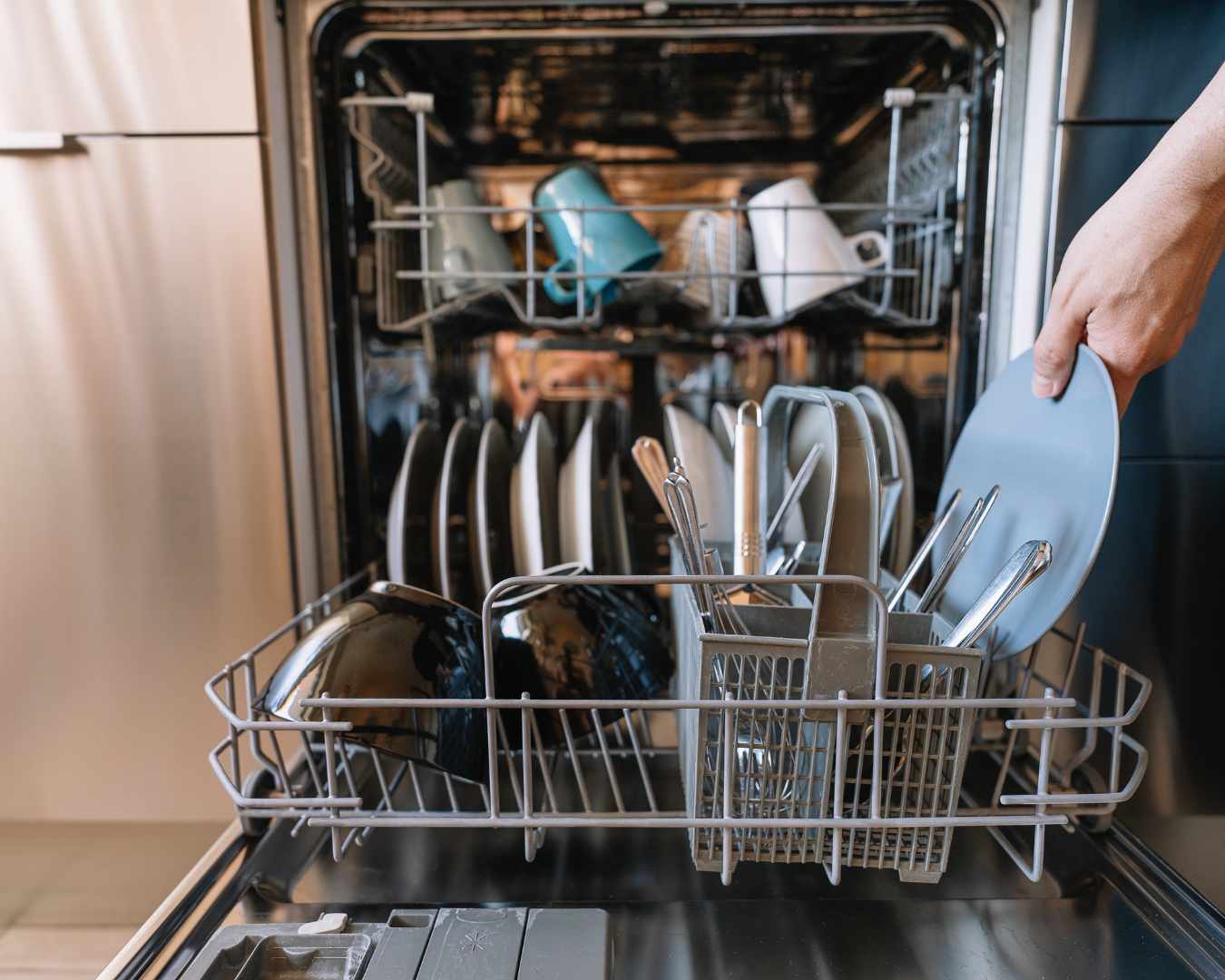
Dishwashing is a daily chore that can significantly impact the environment through water and energy consumption. By adopting eco-friendly practices, you can reduce your carbon footprint and contribute to a more sustainable lifestyle. Here are some practical tips for saving water and energy while keeping your dishes sparkling clean. Why Eco-Friendly Dishwashing Matters Tips for Eco-Friendly Dishwashing 1. Use an Energy-Efficient Dishwasher Modern dishwashers are designed to use less water and energy than older models or hand washing. Look for Energy Star-rated dishwashers that are specifically designed for efficiency. How to Maximize Dishwasher Efficiency: 2. Skip the Pre-Rinse Most modern dishwashers can handle dirty dishes without the need for pre-rinsing. Scrape off large food particles instead of rinsing dishes under running water. 3. Hand Wash Wisely If you prefer hand washing or have a few items to clean, follow these steps to minimize water and energy use: 4. Choose Eco-Friendly Dish Soap Select dish soaps that are biodegradable and free from phosphates and harmful chemicals. These soaps are better for the environment and safer for your health. 5. Air Dry Dishes Skip the heat-dry cycle on your dishwasher and let your dishes air dry. You can open the dishwasher door after the wash cycle is complete or use a dish rack for hand-washed items. 6. Fix Leaks and Maintain Your Dishwasher A leaky dishwasher or faucet can waste a significant amount of water. Regularly check for leaks and maintain your dishwasher to ensure it operates efficiently. 7. Use Cold Water for Pre-Soaking If you need to soak heavily soiled dishes, use cold water instead of hot. This helps save energy while still loosening food particles. 8. Install a Water-Efficient Faucet Consider installing a faucet with a low-flow aerator in your kitchen sink. This reduces the flow rate without compromising water pressure, helping you save water during hand washing. 9. Reuse and Recycle Reuse dishwater for other purposes like watering plants if you’re using biodegradable soap. Also, recycle plastic and glass containers whenever possible to reduce waste. Adopting eco-friendly dishwashing practices is a simple yet effective way to conserve water, save energy, and protect the environment. By making small changes to your dishwashing routine, you can contribute to a more sustainable lifestyle. Implement these tips today and enjoy the benefits of a greener, more eco-conscious kitchen.

Range Hood Installation: DIY vs. Professional Installation Services

Installing a range hood can transform your kitchen, improving ventilation, reducing odors, and adding a stylish focal point above your stove. When it comes to installing this essential appliance, you face a key decision: tackle the project yourself or hire a professional. Both approaches have their merits, and understanding the pros and cons of each can help you make an informed choice. DIY Installation Pros Cons Tips for DIY Installation Professional Installation Pros Cons Choosing a Professional Deciding between DIY and professional range hood installation depends on your budget, skill level, and time constraints. If you’re confident in your abilities and want to save money, DIY could be a rewarding option. However, if the installation seems daunting or you prefer a hassle-free experience, hiring a professional is worth the investment. No matter which route you choose, a properly installed range hood can enhance your kitchen’s functionality and aesthetics, making it a worthwhile endeavor.

Troubleshooting Common Refrigerator Problems and Solutions

Refrigerators are essential appliances in our homes, keeping our food fresh and safe. However, like any other appliance, they can sometimes run into problems. Knowing how to troubleshoot these issues can save you time, money, and the hassle of spoiled food. In this blog post, we’ll explore some common refrigerator problems and their solutions. Refrigerator Not Cooling Problem: One of the most common issues is when the refrigerator isn’t cooling properly. This can lead to spoiled food and a lot of frustration. Solution: Refrigerator Making Strange Noises Problem: Unusual noises coming from the refrigerator can be alarming. These noises can range from humming and buzzing to rattling and knocking. Solution: Water Leaking from the Refrigerator Problem: Water leakage is another common problem, often leaving puddles on your kitchen floor. Solution: Ice Maker Not Working Problem: When the ice maker stops producing ice, it can be quite inconvenient, especially in the summer. Solution: Refrigerator Runs Constantly Problem: If your refrigerator seems to run all the time, it could lead to higher energy bills and excessive wear on the appliance. Solution: By understanding and addressing these common refrigerator problems, you can keep your appliance running smoothly and efficiently. Regular maintenance, such as cleaning the coils and checking the door seals, can prevent many issues from occurring in the first place. However, if you’re ever in doubt or if the problem persists, it’s always best to consult a professional technician to avoid further damage. Keep your refrigerator in top shape and enjoy the peace of mind that comes with knowing your food is stored safely and efficiently!

How to Clean and Maintain Your Range for Optimal Performance

Keeping your kitchen range clean and well-maintained is essential for optimal performance and longevity. A clean range not only looks better but also functions more efficiently, ensuring your culinary creations are cooked to perfection. In this blog post, we’ll guide you through the steps to clean and maintain your range, covering both gas and electric models. A well-maintained range ensures: Cleaning Your Range Supplies You’ll Need Gas Ranges Electric Ranges Oven Cleaning Maintenance Tips Regular cleaning and maintenance of your range are vital for ensuring it operates at peak performance. By following these steps, you can enjoy a safer, more efficient cooking experience and extend the life of your appliance.

The Airfryer Revolution: Healthier Cooking Without Sacrificing Flavor

In recent years, the air fryer has skyrocketed in popularity, becoming a staple in kitchens around the world. This innovative appliance promises to deliver crispy, delicious food with a fraction of the oil used in traditional frying methods. But what exactly is an air fryer, and how has it managed to revolutionize the way we cook and eat? What is an Air Fryer? An air fryer is a compact, countertop appliance that uses convection to circulate hot air around the food. This rapid air circulation mimics the effect of deep frying, resulting in a crispy exterior and tender interior without the need for large amounts of oil. Most air fryers come with adjustable temperature controls and timers, making it easy to cook a wide variety of dishes to perfection. Health Benefits of Air Frying Flavor Without Compromise One of the biggest concerns people have when switching to healthier cooking methods is the potential loss of flavor and texture. However, air fryers excel in delivering both. Tips for Getting the Most Out of Your Air Fryer The air fryer revolution has made it easier than ever to enjoy healthier, delicious meals without sacrificing flavor or texture. With its numerous health benefits, versatility, and ability to produce crispy, flavorful dishes, it’s no wonder that this appliance has become a beloved kitchen companion for many. Whether you’re looking to reduce your oil intake, enjoy more nutritious meals, or simply experiment with new cooking methods, the air fryer is a game-changer worth exploring.

Quiet Range Hoods: Enjoying Ventilation Without the Noise

The kitchen is a bustling hub in many homes, where culinary creativity comes alive. However, the excitement of cooking can often be overshadowed by the loud noise of a range hood. Traditional range hoods, while effective at ventilating and removing smoke, steam, and odors, can be disruptive and loud. Enter the quiet range hood—a game-changer for anyone who values peace and tranquility in their kitchen. In this post, we’ll explore the benefits of quiet range hoods, key features to look for, and some top models to consider. The Importance of a Quiet Range Hood Key Features to Look For in a Quiet Range Hood Noise Level Efficient Ventilation Build and Design Installation Tips for Minimizing Noise Quiet range hoods are a fantastic investment for anyone looking to maintain a peaceful and enjoyable cooking environment. By choosing a model with low noise levels, efficient ventilation, and quality build, you can significantly enhance your kitchen experience. Whether you’re a home cook who loves entertaining or simply appreciate a calm space, a quiet range hood ensures you can enjoy ventilation without the noise. Happy cooking, and enjoy the serenity!

The Advantages and Benefits of the COS-23AFAKB 2.3 QT. Compact Electric Hot Air Fryer

In today’s fast-paced world, finding ways to prepare delicious and healthy meals quickly is a top priority for many households. Enter the Cosmo COS-23AFAKB 2.3 Quart Air Fryer—a compact yet powerful kitchen appliance that revolutionizes the way we cook. Combining high-speed air circulation with heat, this air fryer offers a myriad of benefits that make it an essential addition to any kitchen. Explore the numerous advantages and benefits of owning the COS-23AFAKB Air Fryer. Healthier Cooking One of the standout features of the COS-23AFAKB Air Fryer is its ability to cook food with little to no added oils or fats. By using hot air circulation, this appliance can achieve the crispy texture of fried foods without the unhealthy consequences. Enjoy your favorite dishes guilt-free, knowing they’re prepared in a healthier way. Versatility in the Kitchen The COS-23AFAKB is not just an air fryer—it’s a versatile cooking tool that can fry, bake, grill, and roast. Whether you’re craving crispy fries, juicy grilled chicken, or a perfectly baked dessert, this air fryer can handle it all. The wide temperature range of 180°F to 400°F and the adjustable timer from 0 to 60 minutes make it possible to prepare a variety of recipes with ease. Ease of Use Featuring easy-to-use knob controls, the COS-23AFAKB allows you to set the timer and temperature precisely for your cooking needs. The separate timer and temperature adjustments ensure that you can cook any recipe to perfection. Additionally, the auto shut-off feature provides peace of mind, preventing overcooking and enhancing safety. Fast and Efficient Cooking With the COS-23AFAKB Air Fryer, there’s no need for lengthy preheating times. This appliance heats up quickly and cooks food faster than traditional ovens, making it perfect for busy individuals who need to prepare meals in a hurry. Enjoy your meals in less time without compromising on taste or quality. Easy Cleanup Cleaning up after cooking can be a daunting task, but the COS-23AFAKB makes it simple. The non-stick coated parts are dishwasher safe, ensuring that cleanup is quick and hassle-free. Spend less time scrubbing and more time enjoying your delicious creations. Compact and Convenient The 2.3-quart capacity of the COS-23AFAKB is perfect for small kitchens or for those who don’t need to cook large quantities. Its compact size doesn’t take up much counter space, yet it’s spacious enough to prepare meals for the whole family. Plus, with no assembly required, you can start using it straight out of the box. The Cosmo COS-23AFAKB 2.3 Quart Air Fryer is a game-changer for anyone looking to enjoy delicious, healthy meals with minimal effort. Its combination of health benefits, versatility, ease of use, and efficient cooking makes it a must-have appliance. Say goodbye to greasy, unhealthy cooking methods and hello to a world of tasty, nutritious meals with the COS-23AFAKB Air Fryer. Experience the future of cooking today!

Cleaning Behind and Under Kitchen Appliances: A Must-Do for a Healthy Home

When it comes to maintaining a clean kitchen, we often focus on the surfaces we can see: countertops, sinks, and floors. However, it’s equally important to pay attention to the hidden areas behind and under your kitchen appliances. Regularly cleaning behind and under the refrigerator, stove, and dishwasher is crucial for removing dust, dirt, and food particles that can attract pests and impact your home’s hygiene. In this blog post, we’ll delve into the importance of this often-overlooked task and provide you with a step-by-step guide to ensure these areas are spotless. Why It’s Important to Clean Behind and Under Kitchen Appliances 1. Prevent Pest Infestations Food particles and crumbs that accumulate behind and under appliances can attract pests such as ants, roaches, and rodents. These critters are not only unpleasant but can also carry diseases and cause damage to your home. 2. Improve Appliance Efficiency Dust and debris buildup can impact the performance of your kitchen appliances. For instance, a dusty refrigerator coil can reduce efficiency, causing the appliance to work harder and increase your energy bills. Keeping these areas clean ensures your appliances run smoothly. 3. Maintain a Healthy Environment A buildup of dust and mold in hidden areas can affect the air quality in your kitchen, potentially triggering allergies and respiratory issues. Regular cleaning helps maintain a healthier living space. 4. Prolong Appliance Lifespan By keeping the areas around your appliances clean, you can help prevent wear and tear that can lead to malfunctions or the need for costly repairs. Regular maintenance can extend the lifespan of your appliances. How to Clean Behind and Under Kitchen Appliances What You’ll Need: Step-by-Step Guide: 1. Safety First: Before you begin, unplug the appliance to ensure safety. For gas stoves, ensure the gas supply is turned off. If you’re cleaning a heavy appliance, consider enlisting help to move it safely. 2. Move the Appliance: Carefully slide the appliance away from the wall. For easier movement, you can use furniture sliders or an appliance dolly. Be cautious not to scratch the floor. 3. Vacuum the Area: Use a vacuum cleaner with a hose attachment to remove loose dust, dirt, and food particles from the floor and the back of the appliance. Pay special attention to corners and tight spaces where debris can accumulate. 4. Clean the Surface: Mix a mild detergent with warm water or use an all-purpose cleaner. Dampen a microfiber cloth or cleaning rag and wipe down the walls, floor, and back of the appliance. For stubborn stains or sticky residue, let the cleaner sit for a few minutes before wiping. 5. Dust Coils and Vents: For refrigerators, dust the coils using a long-handled duster or brush. This step is crucial for maintaining the appliance’s efficiency. Ensure you also clean any vents or grilles on other appliances, such as dishwashers and stoves. 6. Deodorize (Optional): If you notice any lingering odors, sprinkle baking soda on the floor before replacing the appliance. Baking soda is a natural deodorizer and can help absorb any unwanted smells. 7. Reposition the Appliance: Carefully move the appliance back into place, ensuring it’s level and securely connected to the power or gas supply. 8. Regular Maintenance: Make it a habit to clean behind and under your appliances at least twice a year. Mark your calendar or set reminders to ensure this task doesn’t get overlooked. Cleaning behind and under kitchen appliances is a vital yet often neglected aspect of home maintenance. By removing dust, dirt, and food particles, you can prevent pest infestations, improve appliance efficiency, maintain a healthy environment, and prolong the lifespan of your appliances. With the simple steps outlined above, you can ensure these hidden areas remain clean and your kitchen stays in top shape. Make this a part of your regular cleaning routine and enjoy the peace of mind that comes with a thoroughly clean kitchen. Happy cleaning!