Cleaning

What Belongs in Your Dishwasher, What Doesn’t, and How to Load the Rest

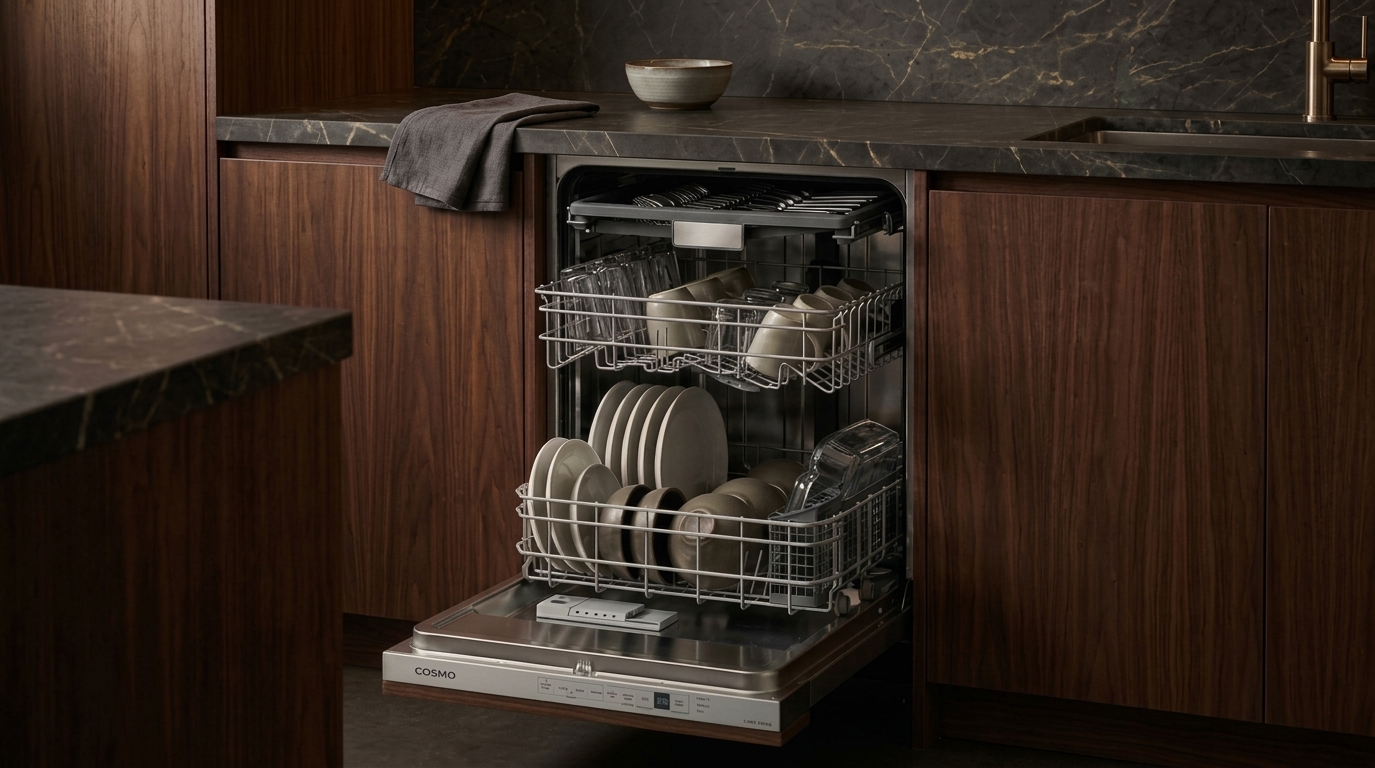
Most kitchens run on an unspoken rule: if it is dirty and it fits, it goes in the dishwasher. The rule works right up until a wooden spoon comes out fuzzy, a favorite pan comes out dull, or a good knife loses its edge. Dishwashers are built to clean a specific range of materials extremely well, and they are also hot, wet, and mildly abrasive environments that some cookware was never designed to survive. Knowing where that line sits does two things. It protects the items that would be damaged, and it lets you fill the machine with the things it is best at, so every cycle earns its water and energy. Sorting a load takes about a minute. Here is how to think through it. Why Some Items Do Not Survive the Cycle A dishwasher combines three things that are hard on certain materials: sustained heat, strong detergent, and long exposure to water. Detergent is formulated to break down grease and starch, which makes it alkaline, and that chemistry is exactly what dulls, strips, or discolors some finishes. Heat can warp thin plastic, loosen glued handles, and dry out natural materials until they crack. The lesson is not that the dishwasher is harsh. It is that different materials react differently, and the damage is usually gradual. An item that comes out looking fine after one cycle can look noticeably worse after twenty. What Should Stay Out of the Dishwasher A short list covers most of the trouble. Cast iron is the classic example. The dishwasher strips the seasoning that makes a skillet nonstick, and standing water invites rust. Wooden spoons, boards, and bowls swell and split under heat and moisture. Sharp knives are best washed by hand, both because the detergent and jostling can dull the edge and because loose blades in a rack are a hazard when someone reaches in to unload. Nonstick pans deserve caution too. Many manufacturers recommend hand washing, since repeated exposure to strong detergent can wear down the coating over time. Non-anodized aluminum tends to darken and pit, and copper can tarnish. That includes aluminum baking sheets, which often come out dull or discolored and can warp when they cycle through heat repeatedly. A quick wash by hand is gentler and takes less time than it seems. Delicate items belong on the same list: hand-painted or gold-rimmed china, fine crystal, and anything glued together. Insulated tumblers and travel mugs vary widely, so it is worth checking the bottom of the item or the manufacturer’s care guidance before assuming they are safe. When something has no label and real sentimental or dollar value, the safest choice is the sink. What the Dishwasher Does Best The other side of the ledger is long, and it covers most of what a household actually uses every day. Everyday plates, bowls, and mugs. Drinking glasses. Stainless steel flatware and utensils. Stainless steel pots and pans, which handle heat and detergent well. Tempered glass and ceramic bakeware, including casserole dishes, as long as the label says dishwasher safe. Plastic containers and food storage marked dishwasher safe. Plastic cutting boards. Baby bottles and their parts, where a hot, sanitizing cycle is a real advantage over a sponge. These are the items that benefit most from a dishwasher’s combination of high water temperature and consistent water pressure. A machine reaches temperatures most people would not tolerate at a sink, and it does so the same way every time, which is difficult to replicate by hand. Loading the Rest for Better Results Once the load is sorted, how it is arranged matters as much as what is in it. Water needs to reach every soiled surface, and spray arms need room to turn. Plates and bowls belong on the bottom rack, angled slightly downward and facing the center where the spray is strongest. Leave a little space between pieces rather than stacking them, since dishes pressed together shield each other from water. Bowls and mugs go upside down so they drain rather than fill. Cups, glasses, and plastic containers belong on the top rack, where they sit farther from the heating element and are less likely to warp. Silverware goes in the basket, ideally mixed so that spoons do not nest together, with handles down for most pieces and sharp-tipped items pointed away from anyone unloading. Before closing the door, spin the lower spray arm by hand. If a tall dish or a handle catches it, adjust the load. It is a ten-second check that prevents most poor results. Scrape, Do Not Rinse One of the most common habits is also one of the least useful: rinsing dishes thoroughly before loading them. ENERGY STAR guidance advises scraping food off rather than pre-rinsing, noting that rinsing adds to total water and energy use, and it recommends running full loads. Modern detergents also rely on some food residue to work properly, so a nearly clean dish can end up with less to grab onto. Scrape off chunks, pooled grease, and anything thick, and leave the film. For a dish with residue that has dried hard, a short soak in warm water loosens it far more effectively than scrubbing. Where the COS-DWV24TTR Fits A dishwasher makes sorting easier when it has room to handle everything that belongs inside it. The COS-DWV24TTR, part of Cosmo’s Vista Collection, is a 24-inch built-in with a tall tub and capacity for up to 16 place settings. Three racks and a silverware basket give a household space to separate items sensibly, with dishes below, glasses and plastics above, and utensils in the basket, rather than crowding everything into whatever gap is left. The COS-DWV24TTR offers four wash cycles, Normal, Auto, Heavy, and Express, along with Sanitize, Rapid Heated Dry, and Delay Start options. Normal handles an ordinary evening, Auto adjusts to a mixed load, and Heavy is the setting for casserole dishes and stainless pots with baked-on residue. The Sanitize option, rated for 99.99 percent bacteria reduction, is a sensible
Soup Season Started Early This Year, and It Has a New Accent

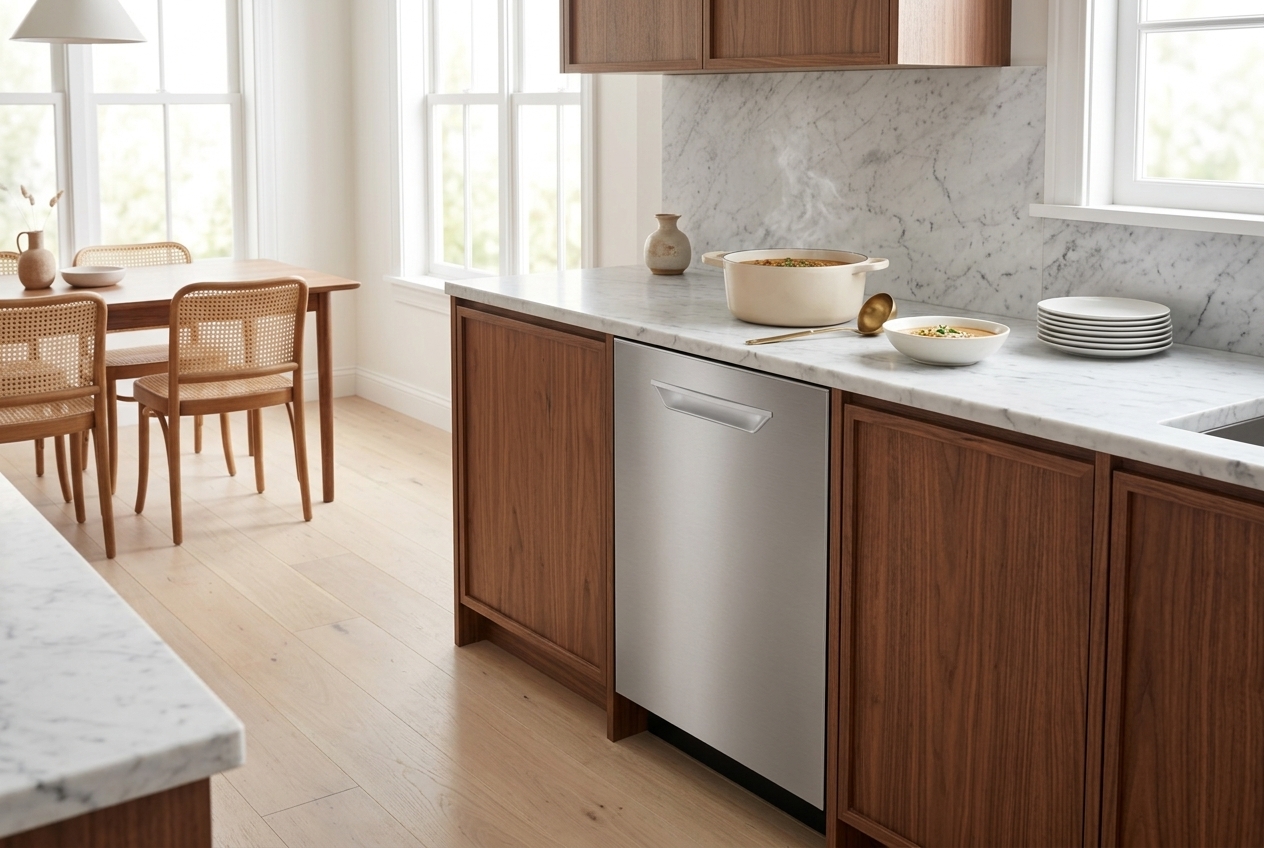
American soup season used to keep a fairly strict calendar. It held off until the first cold snap of autumn, then showed up all at once as tomato soup or chicken noodle. That schedule has loosened. Food-trend analysts tracking consumer demand have noted that soup cravings are turning up weeks ahead of the cold weather, and the shift shows up in more than timing. The soup itself is changing: lighter, more deliberately flavored, and far more likely to draw on Indian, Japanese, and broader Asian kitchens than on the canned-soup classics that defined the category for decades. On this last Friday of September, it is worth looking at what American households are putting in the pot, and what that pot leaves behind afterward. What the Numbers Say About Today’s Soup Tastewise, a food-intelligence company that analyzes consumer and menu data, published a soup trend report this year with several findings worth noting. Soup used as a meal replacement, rather than as a starter or a side, is up 18 percent year over year. Broth-based formats are growing roughly twice as fast as cream-based ones. Single-serve formats are up 15 percent, and soup content tied to health and recovery is up 24 percent. Taken together, they describe a category that has moved from comfort food that happens to be warm to a repeatable weeknight meal that happens to be comforting. The flavor breakdown is the more interesting half of the story. In Tastewise’s analysis of global flavor references in soup, Indian profiles account for 21 percent, Japanese for 20 percent, and broader Asian flavors for another 15 percent. Italian and American profiles each sit below 10 percent. That is a notable reversal for a country whose soup identity was built on chicken noodle, clam chowder, and minestrone. The report’s own reading is that global flavors are succeeding not as novelty but as intensity: concentrated umami, layered aromatics, and depth that a household can taste from the first spoonful. Think miso and ginger, curried lentils, coconut broth with lemongrass, or a long-simmered pot of chicken with garlic, turmeric, and fish sauce. Broader fall-food coverage points the same way, with comfort foods being reimagined through global flavors rather than replaced by them. Soup is one of the easiest formats for that, because a pot of broth forgives a lot and rewards a cook who builds flavor in layers. Why Home Cooks Are Getting Into It A pot of soup is one of the few dishes that becomes more useful the longer it sits. It cooks largely unattended, scales up easily, and holds in the refrigerator for days. The USDA’s food safety guidance recommends refrigerating leftovers within two hours of cooking, using them within three to four days, and reheating to 165 degrees Fahrenheit. For a household cooking on Sunday and eating through Thursday, that is a comfortable window, and broth-forward soups suit the way many people say they want to eat now: light on cream, easy to load with vegetables, simple to boost with shredded chicken, beans, or tofu. What a Soup Habit Does to Your Kitchen The part that rarely gets written about is what soup season does to the sink. A single pot of soup can involve a stockpot or Dutch oven, a cutting board that has handled onions, garlic, and raw chicken, a blender or immersion blender if the recipe calls for puréeing, a ladle, a strainer, a handful of measuring spoons, and a stack of bowls. Then come the storage containers, since the whole point of a big batch is to portion it out. A household making soup two or three times a week can generate a heavier and stickier cleanup load than almost any other style of cooking, and the aromatics that make a global-inspired broth so appealing, garlic, curry, ginger, and fish sauce, are exactly the ones that linger in a dishwasher and in plastic. That changes what a household needs from its dishwasher: room for a bulky, irregular load, a cycle that can handle starchy, greasy residue, resistance to lingering odors, and quiet enough to run after dinner. Sanitizing helps too, since cutting boards and ladles that have touched raw poultry deserve a proper wash. Cleanup Power for a Season of Big Pots Picture Sunday night after a batch of coconut curry lentil soup: a stockpot lid, a ladle, a blender jar, a cutting board, six bowls, and a row of storage containers waiting to be scrubbed. Cosmo’s COS-DWV24TTR, a 24-inch top control built-in dishwasher from the Vista Collection, is made for that kind of evening. It holds 16 place settings across three racks, plus a silverware basket, enough for a family’s bowls and spoons and the cookware that produced them. For a household making soup several nights a week, that capacity keeps a stack of dishes from sitting on the counter overnight. Its four cycles, Normal Wash, Auto, Heavy, and Express, cover the range of a soup week. Heavy is the setting for the day after a thick lentil stew or a chowder has left residue on a pot lid or a blender jar. Auto adjusts to how soiled a mixed load is, Normal handles an ordinary evening, and Express is useful when the bowls from a quick weeknight lunch need turning around. A Rapid Heated Dry function helps dishes finish drying so containers are ready to fill again, which suits a household that portions a new batch of soup each weekend. The details that matter most in soup season are the ones about cleanliness and smell. The COS-DWV24TTR features advanced sanitize technology rated for 99.99 percent bacteria reduction, a useful option for cutting boards, ladles, and anything else that has come into contact with raw chicken or meat. An odor-resistant tub helps keep the interior fresh between loads, which counts for a lot when the last cycle had a pot that held a garlic-and-curry broth. It runs at 48 decibels, which Cosmo compares to light rain, quiet enough to run after dinner in

The Vanishing Kitchen: Why 2026’s Best-Designed Homes Are Hiding Their Hardest-Working Appliances

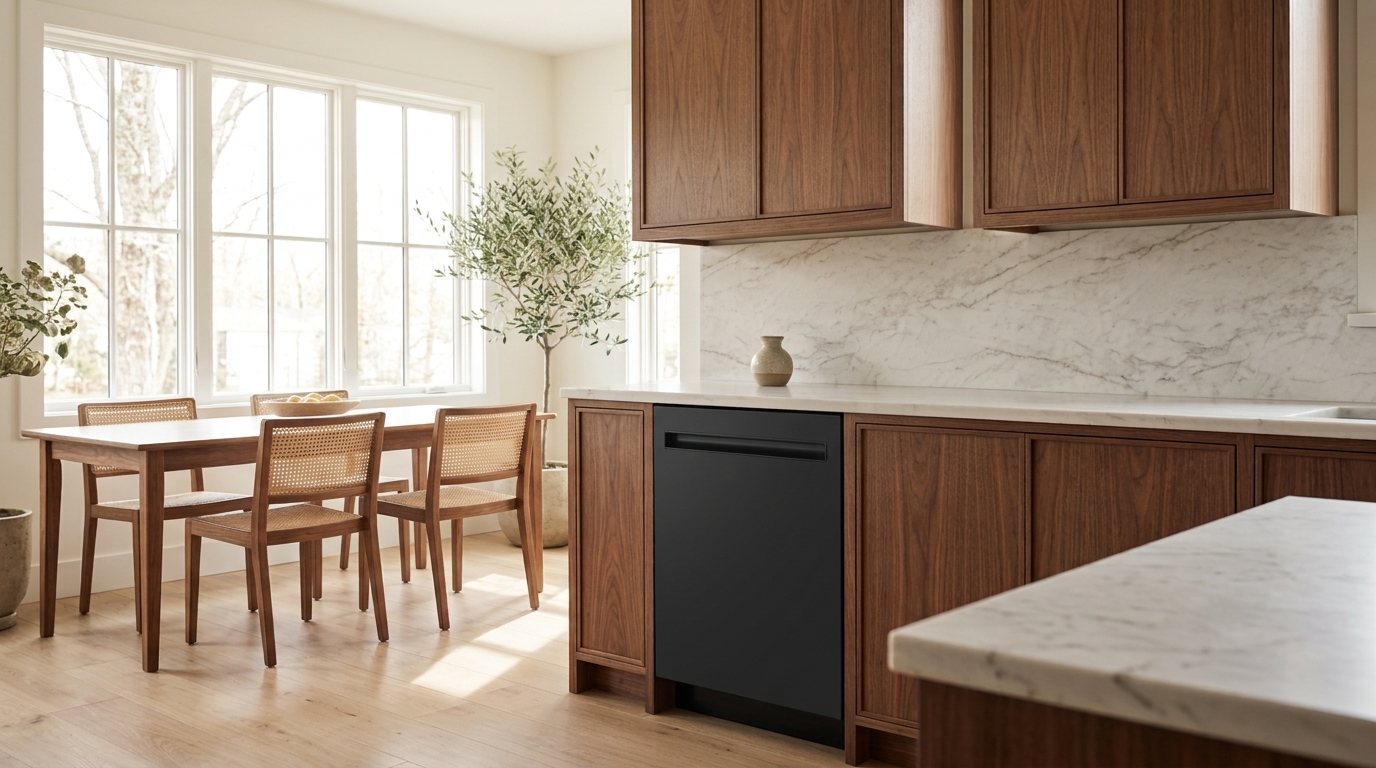
For most of the last decade, a kitchen appliance’s design job was to be seen. A statement range, a glass-front refrigerator, a bank of touchscreens across the counter, all of it built to announce itself the moment someone walked into the room. Heading into the back half of 2026, a quieter and, in a lot of ways, more demanding design standard has taken over. The best kitchens this year are not the ones with the most visible technology. They are the ones where the hardest-working appliances disappear entirely, tucked behind flush panels, hidden control strips, and cabinetry built specifically so the kitchen looks composed whether or not anyone just finished cooking in it. A Trend About What a Kitchen Does Not Show Design coverage tracking 2026 kitchens keeps circling back to the same idea from different directions. Some of it gets filed under “quiet luxury,” an approach that favors understated materials and craftsmanship over anything that reads as a statement piece, with designers advising homeowners to “clear worktops of clutter, store appliances out of sight where possible, and let your beautiful materials breathe.” Other coverage calls it “hidden function,” a more architectural version of the same instinct: build the kitchen so that daily mess has a designated home, rather than relying on a household’s discipline to keep counters clear after every meal. The specific vocabulary varies. The underlying behavior does not. Homeowners renovating in 2026 are asking designers, consistently, for a kitchen that looks calm by default, not one that only looks calm right after it has been cleaned. That is a real shift from where kitchen design was sitting even a few years ago, when a visible, feature-forward appliance was treated as the reward for a successful renovation. A kitchen island built around a dramatic hood, a refrigerator with a screen bolted to the door, a dishwasher with a blinking control panel facing straight into the dining room: all of it was, until recently, evidence that a household had upgraded. In 2026, that same visible technology increasingly reads as noise rather than achievement. The appliance a homeowner is proudest of now is often the one a guest would not notice unless they were told where to look. Why This Is Happening Now, Specifically A few things are converging to push this trend past a design-magazine talking point and into actual renovation requests. Open-concept living is a large part of it. A kitchen that opens directly into a living or dining space is visible constantly, not just during a dinner party, and a control panel or a cluttered counter that would have been forgivable in a closed-off kitchen a generation ago is now on display around the clock. A kitchen built to be looked at all day has a very different design standard than one that only had to look good for company. There is also a fatigue factor working in the same direction. Households that spent the last several renovation cycles adding visible technology, touchscreens, app-connected displays, blinking indicator lights, have started reporting the opposite instinct: a desire for surfaces that stay quiet unless something actually needs attention. A control panel that lights up and beeps every time a cycle starts is a feature a household notices for the first month and tunes out, or resents, for the years after. Designers describing this shift point specifically to hardware and material choices doing more of the visual work now, matte finishes, natural stone, understated cabinet pulls, precisely because they do not compete for attention the way a screen or a bank of buttons does. Where a Dishwasher Actually Fits Into This Of every appliance in a kitchen, the dishwasher has the hardest job to hide. A range gets used for an hour at dinner and then closes. A refrigerator’s door faces one direction. A dishwasher, by contrast, sits at counter height, typically along the most visible run of cabinetry in the room, and its control panel has traditionally been the one thing on the front of a kitchen that is never fully turned off, a lit display, a row of buttons, a status light cycling through a wash. For a kitchen trying to read as calm and composed at every hour, that is a genuine design problem, not a minor one. This is exactly the gap Cosmo’s COS-DWI240TTRBK, a 24-inch built-in dishwasher, was built to close. Its controls sit on top of the door rather than the front, a soft-touch panel with an LED display that stays completely hidden the moment the door swings shut, which means the appliance that runs longest and most visibly in a typical kitchen contributes nothing to the counter-level clutter a household is trying to eliminate. In place of a blinking front panel, a small FloorGlow indicator projects a subtle light onto the floor to show a cycle is running, informative without putting a display back on the front of the kitchen. A recessed door handle continues the same idea at the hardware level, keeping the unit’s face as close to a flush, uninterrupted line of cabinetry as a dishwasher can get. The rest of the unit backs up that visual restraint with real performance rather than trading one for the other. Eight wash cycles, including a dedicated Crystal Care setting for glassware and a Zone Wash option for heavily soiled cookware, run through a three-rack system with stemware holders and a silverware basket, giving a 15-place-setting capacity enough flexibility that a household can run fewer, fuller loads rather than constantly cycling a half-empty machine. An Auto Open Dry function pops the door slightly at the end of a cycle to let steam escape and dishes finish drying passively, without a heating element running longer than it needs to, and NSF-certified sanitize technology handles a 99.99 percent bacteria reduction cycle for cutting boards, baby bottles, or anything else that needs more than a standard wash. An Energy Star rating keeps the unit efficient on top of all of it, and the whole thing runs

How to Separate Biodegradable and Non-Biodegradable Waste in Your Kitchen

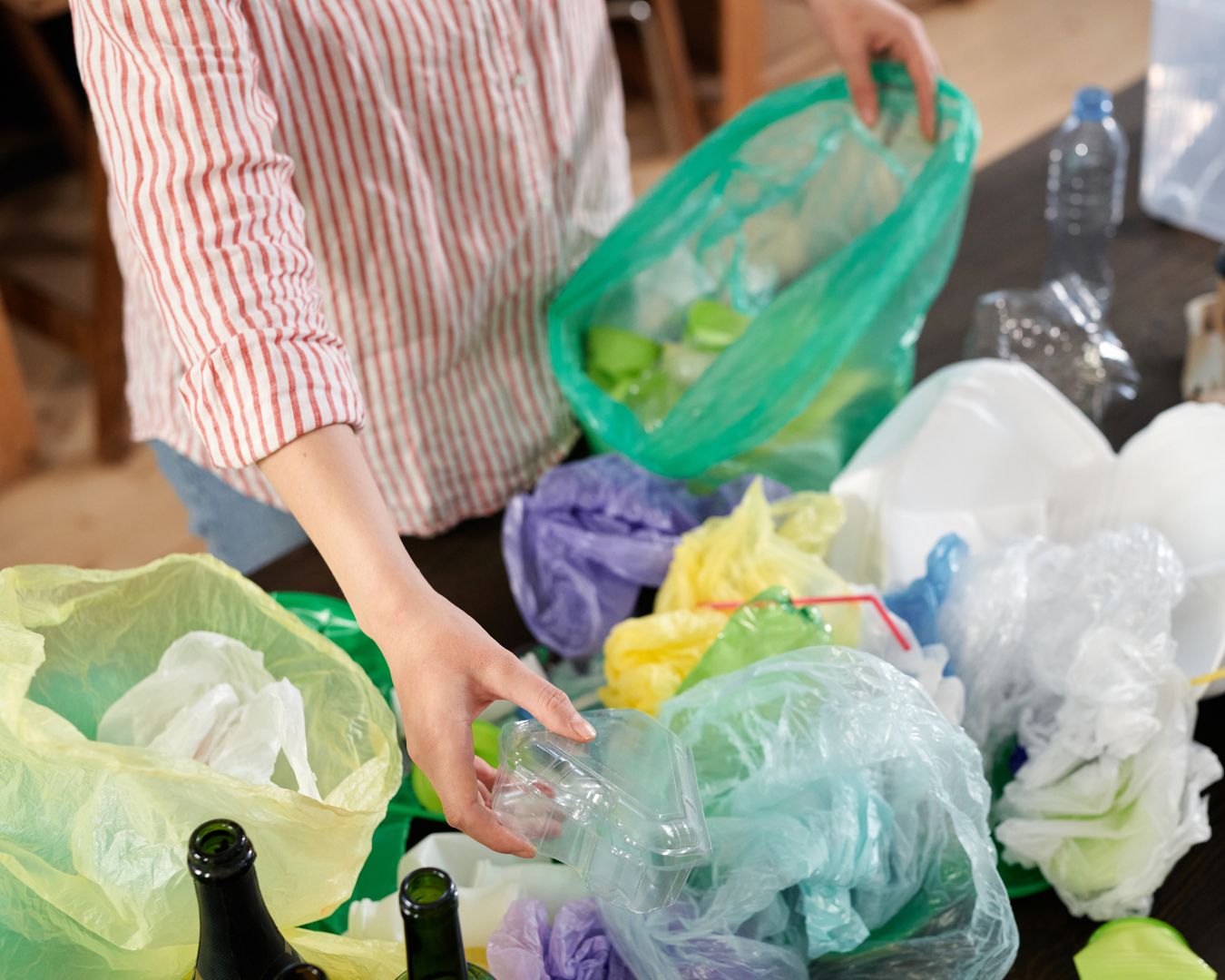
Managing kitchen waste effectively is crucial for maintaining a clean home and contributing to environmental sustainability. One of the most effective ways to do this is by separating biodegradable and non-biodegradable waste. This practice not only helps in reducing the amount of waste that ends up in landfills but also promotes recycling and composting efforts. Here’s a comprehensive guide on how to separate biodegradable and non-biodegradable waste in your kitchen. What is Biodegradable Waste? Biodegradable waste consists of organic materials that can be broken down by microorganisms into natural elements. This type of waste includes: What is Non-Biodegradable Waste? Non-biodegradable waste consists of materials that do not break down easily and can persist in the environment for a long time. This type of waste includes: Steps to Separate Biodegradable and Non-Biodegradable Waste 1. Set Up Separate Bins Biodegradable Waste Bin: Non-Biodegradable Waste Bin: 2. Educate Your Household 3. Composting Biodegradable Waste 4. Recycling Non-Biodegradable Waste Benefits of Separating Waste Separating biodegradable and non-biodegradable waste in your kitchen is a simple yet effective way to contribute to environmental sustainability. By setting up separate bins, educating your household, and participating in composting and recycling programs, you can significantly reduce your kitchen waste’s impact on the environment. Start implementing these practices today and take a step towards a cleaner, greener future.

Sleek and Efficient: Why the COS-QB90 36” Under Cabinet Range Hood Is a Must-Have for Modern Kitchens

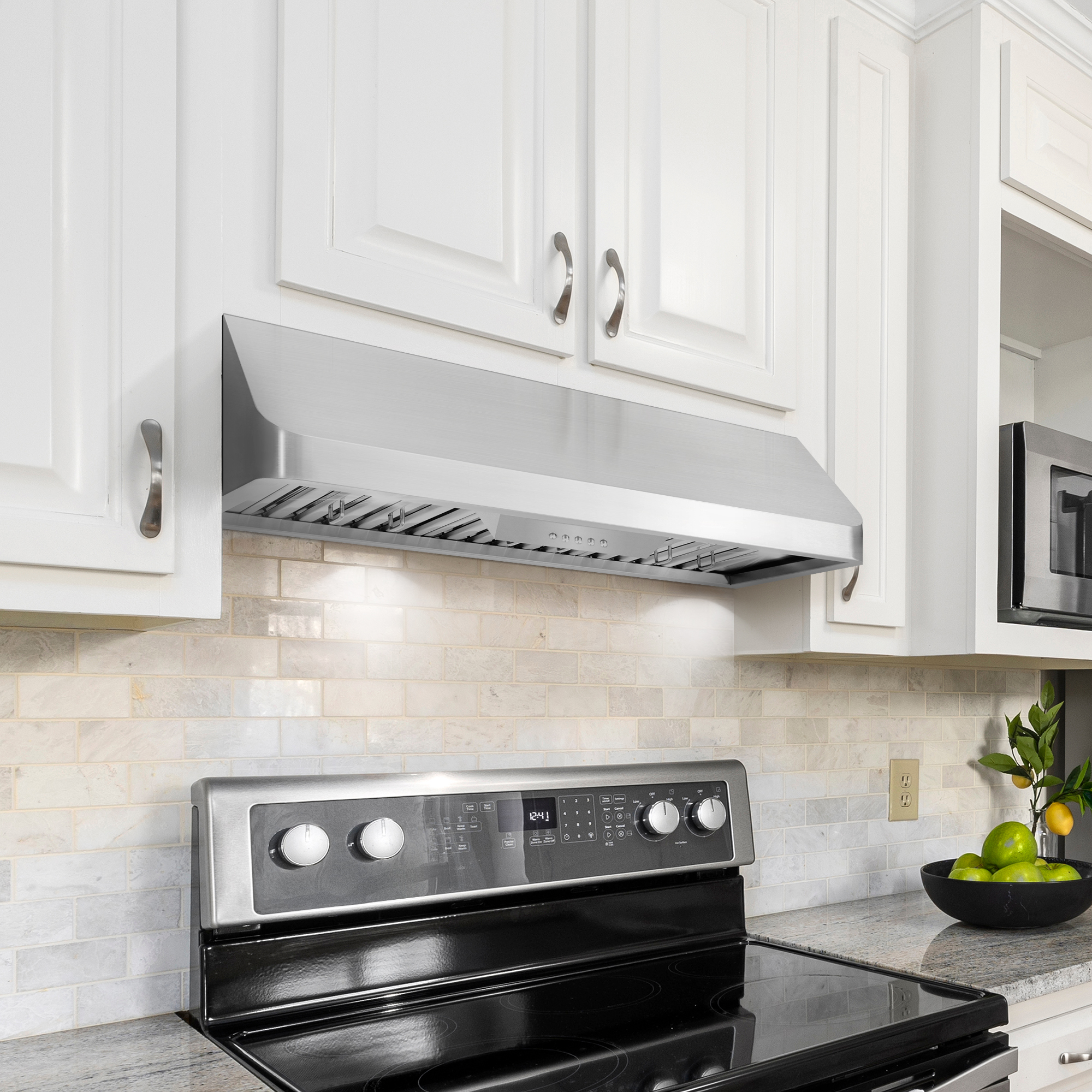
When it comes to building a clean, efficient kitchen, ventilation is key. A quality range hood doesn’t just clear smoke and odors—it also elevates your cooking experience. Enter the Cosmo COS-QB90 36” Under Cabinet Range Hood: a sleek, high-performance solution that blends efficient ventilation with modern aesthetics. Designed for Performance Cooking should be enjoyable—not filled with lingering smoke or stubborn smells. That’s where the COS-QB90 shines. It delivers up to 500 CFM of airflow, efficiently pulling out airborne grease, steam, and heat from your kitchen. Streamlined Under Cabinet Design With its slim, space-saving profile, the COS-QB90 is designed to fit seamlessly under most kitchen cabinets. It’s perfect for both small and large kitchens where maximizing space is important. Despite its compact build, it doesn’t compromise on performance or style. Built to Last—and Easy to Maintain The COS-QB90 doesn’t just perform well—it’s also incredibly durable and easy to maintain. Why Choose the COS-QB90 36”? The COS-QB90 is the perfect companion to Cosmo’s 36” gas ranges, like the COS-GRP366. Together, they create a high-performance, stylish kitchen setup made for culinary creativity.The COS-QB90 36” Under Cabinet Range Hood is more than just a ventilation tool—it’s a statement of clean design, quiet power, and kitchen confidence. Whether you’re remodeling your kitchen or upgrading your appliances, this range hood delivers the balance of form and function every home chef deserves.

The COS-30IRHS: Quiet Operation Without Compromising Ventilation Power

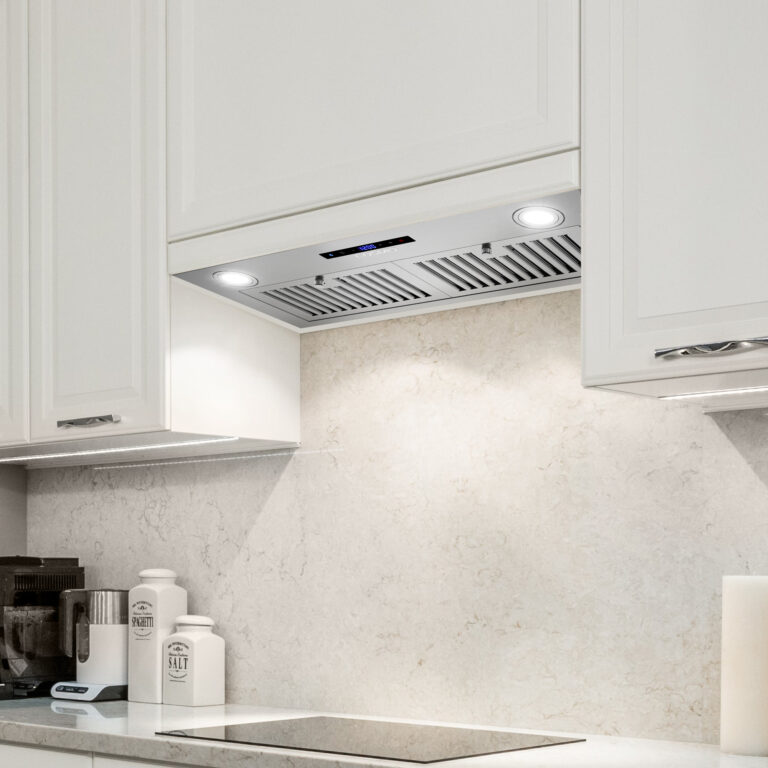
A well-ventilated kitchen is essential for maintaining a fresh and comfortable cooking environment, but excessive noise from a range hood can be a nuisance. The COS-30IRHS 30″ Stainless Steel Insert Range Hood is designed to provide efficient ventilation while operating quietly, allowing you to enjoy cooking without unnecessary distractions. Here’s how it achieves this balance. Advanced Ventilation Technology The COS-30IRHS is equipped with a motor that efficiently removes smoke, grease, and odors from your kitchen. Despite its powerful airflow, the range hood is engineered for minimal noise, making it an excellent choice for open-concept kitchens and entertaining spaces. Noise Reduction Features Why Choose the COS-30IRHS? With the COS-30IRHS Insert Range Hood, you no longer have to choose between efficiency and peace. Enjoy a kitchen that stays fresh and clean without the unwanted noise, making every cooking experience more enjoyable.

Cleaning Made Simple: Maintenance Tips for the C106SIX-PT Wall Oven

Keeping your oven clean is essential for maintaining its performance and ensuring your meals taste their best. The C106SIX-PT 24″ Single Electric Wall Oven is designed with convenience in mind, making regular maintenance a breeze. Follow these tips to keep your oven in top shape. Daily Cleaning Tips Deep Cleaning Recommendations Long-Term Care for Optimal Performance By following these simple maintenance steps, your C106SIX-PT Wall Oven will continue to perform efficiently while looking its best. A little routine care goes a long way in extending the life of your appliance and enhancing your cooking experience.

Essential Cleaning Tools for the Kitchen: Your Guide to a Sparkling Clean Space

 A clean and organized kitchen is essential for a healthy and functional cooking environment. To achieve that pristine sparkle, you need the right cleaning tools and supplies on hand. Explore the must-have cleaning tools and supplies that every kitchen needs to stay tidy, hygienic, and organized. 1. Microfiber Cleaning Cloths:  2. All-Purpose Cleaner:  3. Sponge or Scrubber:  4. Dish Soap:  5. Baking Soda:  6. Vinegar:  7. Rubber Gloves:  8. Stainless Steel Cleaner: With the right cleaning tools and supplies, you can keep your kitchen sparkling clean, organized, and inviting. From microfiber cleaning cloths and all-purpose cleaner to baking soda and vinegar, these essential cleaning tools will help you tackle any cleaning task with ease and efficiency. So, stock up on these must-have cleaning supplies and enjoy a cleaner and more enjoyable kitchen environment.

Green Cleaning in the Kitchen: Eco-Friendly Methods for a Healthier Home

Cleaning the kitchen is an essential task, but it doesn’t have to involve harsh chemicals that can harm your health and the environment. Explore the concept of green cleaning and share eco-friendly methods and natural cleaning products that are safe, effective, and sustainable. From reducing waste to protecting indoor air quality, adopting green cleaning practices in the kitchen can contribute to a healthier home and planet. 1 Benefits of Green Cleaning: 2. Eco-Friendly Cleaning Methods: 3. Natural Cleaning Products: Green cleaning in the kitchen offers numerous benefits for both your health and the environment. By adopting eco-friendly cleaning methods and using natural cleaning products, you can create a safer, healthier home while reducing your environmental footprint. Whether you’re wiping down countertops, washing dishes, or deep cleaning appliances, choosing green cleaning practices is a simple yet impactful way to make a positive difference for yourself and future generations.

The Importance of Range Hoods: Benefits for Your Kitchen and Home

Range hoods may often go unnoticed in the kitchen, but their role in maintaining a healthy and comfortable cooking environment is invaluable. From removing cooking odors and grease to improving indoor air quality, range hoods offer a range of benefits that contribute to a cleaner, safer, and more enjoyable cooking experience. Explore the importance of range hoods and the many ways they enhance your kitchen and home. 1. Improved Air Quality: 2. Removal of Harmful Contaminants: 3. Reduction of Heat and Humidity: 4. Protection of Kitchen Surfaces and Fixtures: 5. Enhanced Fire Safety: 6. Aesthetic and Design Considerations: Range hoods play a crucial role in maintaining a clean, safe, and comfortable cooking environment. From improving indoor air quality and removing harmful contaminants to enhancing fire safety and preserving kitchen surfaces, range hoods offer a range of benefits that contribute to a healthier, happier home. So, whether you’re remodeling your kitchen or looking to upgrade your existing range hood, investing in a high-quality model is a decision that will pay off in terms of improved air quality, safety, and overall well-being for you and your family.