
Kitchen Habits That Are Costing You Money (Without You Realizing It)
Small daily kitchen habits accumulate into significant unnecessary expenses over time, yet most people don’t recognize these practices as wasteful because the individual instances seem trivial. Running water continuously while washing dishes, preheating ovens far longer than necessary, discarding food that’s still perfectly usable, buying ingredients for single recipes then letting the remainder spoil—these behaviors cost real money month after month while appearing too minor to address. The cumulative financial impact of wasteful kitchen habits often exceeds what people spend on the obvious budget items like dining out or premium ingredients, yet these hidden costs receive little attention because they’re dispersed across countless small moments rather than appearing as clear line items.
Understanding which common kitchen practices waste money helps you identify where simple behavior changes create meaningful savings without requiring major lifestyle alterations or sacrificing cooking quality. The goal isn’t extreme frugality but rather eliminating waste that serves no purpose and costs you money for no benefit.
Running Water Continuously While Washing Dishes
Letting water flow continuously during dishwashing wastes both water and the energy required to heat that water, creating dual costs that accumulate significantly.
Continuous flow during scrubbing means water runs down the drain unused while you’re physically scrubbing dishes that aren’t under the stream. The running water serves no purpose during the scrubbing motion but continues consuming resources and costing money.
Hot water heater energy costs add up because heating water represents significant energy use. Letting hot water run for minutes while washing dishes means paying to heat water that immediately goes down the drain without serving any function.
Basin washing or filling the sink partway uses a fraction of the water compared to continuous flow. Washing dishes in standing water—whether in the sink or a basin—means using perhaps two gallons total rather than multiple gallons per minute flowing continuously.
Two-basin method for washing and rinsing minimizes water use while maintaining cleanliness. Wash in soapy water in one basin, rinse in clean water in the other. This uses far less water than continuous running during washing and rinsing.
The water usage difference is dramatic—continuous flow might use 20-30 gallons for a sink full of dishes while basin method uses 4-6 gallons. That difference multiplied by daily dishwashing creates substantial water and energy costs over time.
Turning off the tap while scrubbing is simple habit change that costs nothing but saves money on every utility bill. The water doesn’t need to run while your hands aren’t under the faucet.
Over-Preheating Ovens and Leaving Them Empty
Ovens don’t need the excessive preheat times people habitually allow, and leaving ovens running empty while preparing food wastes significant energy.
Ovens reach temperature faster than most people think—typically 15-20 minutes for most residential ovens. Setting the oven to preheat then spending 30-40 minutes prepping means the oven runs empty and unnecessarily for extended periods.
Empty oven running costs the same as oven with food inside. You’re paying to heat empty space rather than cooking food, providing zero benefit while consuming energy.
Timing preheat to match your actual readiness saves energy. Start preheating when you’re nearly ready to cook rather than at the beginning of all meal prep. The oven will be ready when you are without extended empty running.
Many foods tolerate going into ovens that aren’t fully preheated. Roasted vegetables, casseroles, braises, and many other dishes work fine starting in warming ovens. Only delicate baking truly requires exact starting temperatures.
Oven thermometers verify actual preheat time for your specific oven. Many ovens signal “ready” before actually reaching temperature, but testing with a thermometer shows your oven’s real preheat duration.
The energy cost of running ovens empty for extended periods adds unnecessary dollars to utility bills month after month for no cooking benefit.
Discarding Food Based on Dates Rather Than Actual Condition
“Best by,” “sell by,” and “use by” dates cause massive food waste because people discard perfectly safe, good-quality food based on arbitrary dates rather than actual spoilage.
Best-by dates indicate quality, not safety. Food doesn’t become unsafe or spoiled on that date—it’s the manufacturer’s estimate of peak quality. Food remains fine for consumption well past these dates if properly stored.
Sell-by dates tell retailers when to rotate stock, not when consumers should discard food. These dates have nothing to do with home storage safety or quality after purchase.
Visual and smell assessment tells you food condition far better than dates. Spoiled food looks, smells, or feels wrong. Food that appears and smells normal is almost certainly fine regardless of printed dates.
Dairy products remain good well past dates if refrigerated properly. Milk, yogurt, cheese, and other dairy items last significantly longer than dates suggest when stored at proper temperatures.
Eggs remain safe for weeks past carton dates. The float test—placing eggs in water to see if they float—provides actual freshness assessment. Eggs that sink are fresh regardless of dates.
Canned and dry goods last years past printed dates. These shelf-stable items remain perfectly safe and nutritious long after best-by dates as long as packaging remains intact.
The money wasted discarding food based on dates rather than condition amounts to hundreds of dollars annually for most households.
Buying Ingredients for Single Recipes Then Letting Remainders Spoil
Purchasing specialty ingredients for one recipe then failing to use the remainder before spoilage wastes both the initial purchase and the unused portion.
Specialty produce bought for garnishes or small quantities—fresh herbs, unusual vegetables, exotic fruits—often spoils before you use the entire package. Buying a bunch of cilantro to use two tablespoons means the rest typically deteriorates unused.
Condiments and sauces opened for single recipes sit unused until they expire. Specialty Asian sauces, hot sauces, or unique condiments purchased for one recipe often remain in the refrigerator until they’re too old to use safely.
Dairy products bought in larger quantities than needed spoil before consumption. Heavy cream for a recipe using 1/4 cup often spoils before the remaining portion gets used, wasting both money and food.
Spices purchased for single recipes sit unused for years losing potency. Buying whole containers of unusual spices for recipes using a teaspoon means paying for spices that lose flavor before you use them again.
Planning ingredient use across multiple recipes justifies purchasing. Before buying specialty ingredients, identify at least two or three ways to use them, ensuring you’ll consume the quantity before spoilage.
Frozen substitutes for fresh in many applications prevent waste. Frozen herbs, pre-portioned frozen vegetables, and shelf-stable alternatives often work fine while eliminating spoilage waste.
The cumulative cost of ingredients purchased once then discarded unused or spoiled represents significant wasted grocery budget.
Using Excessive Amounts of Paper Products
Paper towels, aluminum foil, plastic wrap, and parchment paper used excessively or inappropriately cost money when reusable or less expensive alternatives work equally well.
Paper towels for tasks that dish towels handle perfectly waste money on disposable products when you already own reusable alternatives. Wiping counters, drying hands, covering food—all work fine with washable towels.
Excessive foil use for tasks that don’t require it wastes expensive material. Covering dishes with lids, using containers with covers, or using reusable silicone covers accomplishes the same goal without disposable cost.
Parchment paper for every baking task adds up when many applications work fine with greased pans or silicone mats. Parchment has specific useful applications, but routine use for everything creates unnecessary expense.
Plastic wrap for storage when containers with lids work better wastes material while providing inferior storage. Proper containers seal better, stack better, and eliminate ongoing plastic wrap purchases.
Quality reusable alternatives have high upfront cost but eliminate ongoing disposable purchases. Silicon baking mats, reusable food wraps, quality dish towels—all pay for themselves relatively quickly through eliminated disposable product purchases.
Strategic paper product use for genuinely messy tasks makes sense, but reflexive use for everything creates ongoing unnecessary expense.
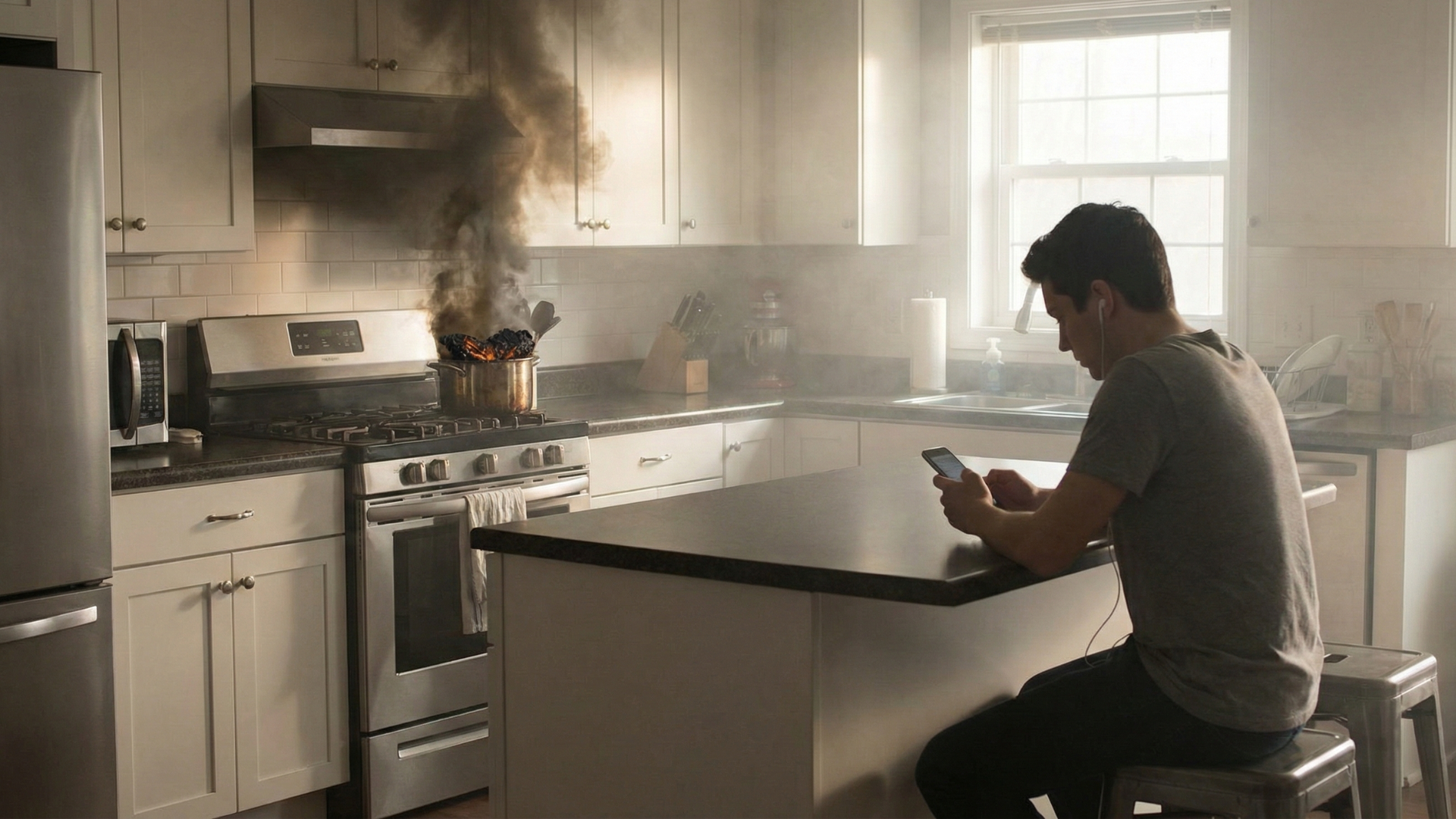
Overcooking or Burning Food Due to Inattention
Food ruined through overcooking, burning, or distraction becomes waste that represents both the cost of ingredients and the time spent cooking.
Walking away from cooking food without timers or attention results in burning that makes food inedible. The cost isn’t just the ruined food but the time spent cooking it and the replacement meal you’ll need to prepare or purchase.
Overcooked proteins become tough and dry, making expensive meat cuts disappointing and sometimes inedible. A $20 steak cooked to 180°F because you weren’t monitoring it represents $20 wasted on rubbery disappointing meat.
Forgotten items in the oven burn while you’re doing other tasks. Setting timers prevents costly surprises of blackened food discovered too late to salvage.
Boil-overs from unattended pots create messes and waste food that boils over onto the stove. The lost food plus cleaning time represent real costs from inattention.
Distraction from multitasking while cooking reduces attention to food doneness and timing. Cooking requires periodic monitoring that multitasking prevents, resulting in overcooked or burned results.
Instant-read thermometers and timers cost little but prevent expensive mistakes from guesswork and inattention. These simple tools save their cost quickly by preventing ruined food.
Not Using Oven or Stove Residual Heat
Turning off ovens and burners without using residual heat wastes the energy you’ve already paid for that continues residing in hot equipment.
Oven residual heat after cooking remains hot enough for secondary tasks. After roasting, the hot oven can toast nuts, dry herbs, warm plates, or even cook lower-temperature items without additional energy input.
Stove burner residual heat continues after turning off. Cast iron and heavy pans retain heat for minutes after burners shut off. Using this carryover heat to finish cooking or keep food warm uses energy you’ve already paid for.
Warm ovens after baking can dry bread for breadcrumbs, dehydrate fruit, or gently warm previously cooked food. The residual heat represents free cooking capacity.
Counter-intuitive early shutoff takes advantage of carryover. Turning off ovens 5-10 minutes before food is done allows carryover heat to finish cooking without additional energy input.
The residual heat exists whether you use it or not. Letting ovens and burners cool unused means paying for heat that serves no purpose when it could accomplish additional cooking tasks.
Impulse Grocery Shopping Without Lists or Plans
Shopping without planning leads to duplicate purchases, buying foods you won’t use, and missing ingredients that force additional trips or takeout orders.
Duplicate purchases of items you already have at home waste money on unnecessary inventory. Buying spices, condiments, or shelf-stable items you already possess because you didn’t check before shopping creates needless expense.
Impulse ingredient purchases without specific use plans lead to spoilage. Buying interesting ingredients on impulse then having no idea how to use them results in spoilage waste.
Missing key ingredients forces additional shopping trips or abandoning home cooking for takeout. Incomplete ingredient lists mean discovering missing items mid-recipe, requiring either additional trips or ordering food instead.
Shopping while hungry increases impulse purchases and total spending. Hunger drives purchase decisions toward immediate gratification rather than planned meals, increasing spending on items you wouldn’t otherwise buy.
Meal planning before shopping creates focused lists that prevent waste. Knowing what you’ll cook for the week ensures buying only needed ingredients in appropriate quantities.
The financial impact of unplanned shopping includes both food waste from unused purchases and increased spending from impulse buying.
Using High Heat When Low Heat Works Better
Excessive heat wastes energy while often producing worse cooking results through burning, sticking, and uneven cooking.
High heat for tasks that benefit from gentle cooking wastes energy while creating inferior results. Scrambling eggs, making sauces, sautéing aromatics—all work better at moderate temperatures that use less energy.
Burners on maximum when medium would work increases energy consumption without benefit. Many cooking tasks work fine at medium heat but people habitually use high heat from impatience.
Boiling water at full blast when gentle simmer suffices wastes energy maintaining vigorous boiling that’s unnecessary. Once water boils, reducing heat to maintain gentle boil uses far less energy while cooking identically.
Oven temperatures higher than necessary use more energy and often dry out food. Roasting at 425°F when 375°F works fine uses significantly more energy over the cooking duration.
Cooking isn’t faster above necessary temperatures—it just burns exteriors while interiors remain undercooked. The high heat doesn’t reduce cooking time, it just ruins food while wasting energy.
Matching heat level to actual cooking requirements uses appropriate energy rather than maximum energy by default.
Tossing Cooking Byproducts That Have Value
Vegetable trimmings, meat bones, herb stems, stale bread, and other cooking byproducts get discarded when they could create value through stocks, breadcrumbs, or other applications.
Vegetable scraps make excellent stock. Onion ends, carrot peels, celery leaves, herb stems—all create flavorful stock when simmered rather than being immediately discarded.
Meat bones and carcasses create rich stocks worth significant money. Chicken carcasses, beef bones, pork bones—all make stocks that cost several dollars per quart to purchase but essentially free to make from bones you’d otherwise discard.
Stale bread becomes breadcrumbs, croutons, or bread pudding. Bread too dry to eat fresh still has value in other applications rather than being thrown away.
Herb stems contain flavor for stocks even when too tough for direct consumption. The stems you remove before using herb leaves still contribute flavor to cooking liquid.
Bacon fat, chicken fat, and other rendered fats replace purchased cooking fats. These flavorful fats work for cooking rather than buying butter or oil while discarding perfectly good fat.
Citrus peels contain intense flavor for zest, infused spirits, or cleaning solutions. The peels usually get discarded after juicing when they still hold significant value.
The cumulative value of discarded cooking byproducts represents real money most households throw away without recognition.
Running Dishwashers Partially Full
Running dishwashers before they’re fully loaded wastes water, energy, and detergent on cleaning air rather than dishes.
Partial loads use nearly the same resources as full loads. Dishwashers use fixed amounts of water and energy per cycle regardless of how full they are. Running half-full loads means using twice the resources to wash the same dishes.
Waiting for full loads maximizes efficiency of each cycle. Rinsing dishes to prevent food hardening allows holding dishes until the dishwasher fills completely.
The cost per dish decreases dramatically with full loads. If a cycle costs $1.50 in water, energy, and detergent, that’s pennies per dish in a full load but many cents per dish in partial loads.
Strategic hand washing of immediately needed items prevents running partial loads. Washing a few essential items by hand maintains kitchen function while waiting to fill the dishwasher completely.
The Pattern of Small Wastes Creating Large Costs
Individual wasteful kitchen habits cost small amounts per occurrence, but daily repetition over months and years creates substantial cumulative expense.
$5 wasted here and $3 wasted there seems trivial daily but amounts to hundreds or thousands annually. Small daily wastes multiply into meaningful money over time.
Many wasteful habits require no sacrifice to eliminate—just attention and minor behavior changes. You don’t reduce quality of life by turning off running water or waiting for full dishwasher loads.
Awareness of these patterns helps you recognize where you’re wasting money without realizing it. Identifying your specific wasteful habits allows targeted changes that save money.
The goal isn’t extreme penny-pinching but rather eliminating waste that serves no purpose and costs you money for zero benefit. Thoughtful kitchen practices save money while maintaining cooking quality and kitchen efficiency.