
food safety

Why Your Kitchen Timer Is Lying to You (And What to Do About It)

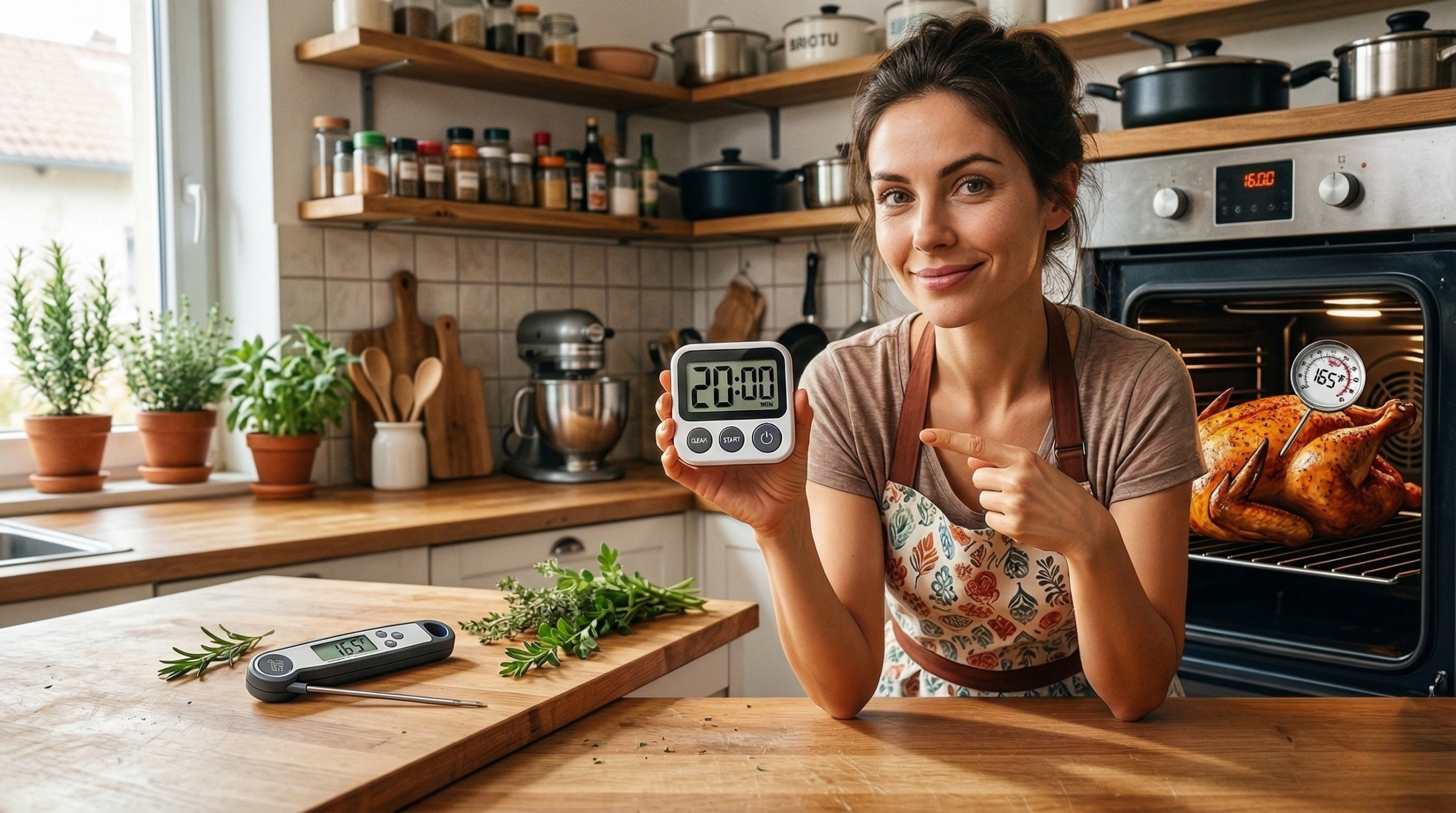
Kitchen timers tell you when 20 minutes have passed. They don’t tell you when your chicken is actually done. This distinction trips up more home cooks than almost any other kitchen mistake. You follow a recipe’s timing exactly, pull the dish out right when the timer beeps, and somehow it’s undercooked. Or dried out. Or weirdly uneven. The problem isn’t your timer. The problem is treating time as the finish line instead of a checkpoint. Here’s what actually determines when food is done, why recipe times mislead you, and how to know when to pull things from heat regardless of what the clock says. Recipe Times Assume Conditions You Don’t Have That recipe saying “bake for 35 minutes” was tested in someone else’s kitchen with different equipment, different ingredients, and different environmental conditions than yours. Your oven runs hot or cold compared to the test kitchen oven. Oven thermostats vary significantly between models and drift over time. A recipe tested in an oven that runs true might finish early in an oven running 25 degrees hot. Your ingredient sizes differ from recipe assumptions. “Medium onion” means different things to different people. Chicken breasts vary wildly in thickness. Larger pieces need more time, smaller pieces less. Your starting temperatures affect cooking duration. Ingredients straight from the refrigerator need longer than room-temperature ingredients. Recipes rarely specify starting temperature assumptions. Your cookware conducts heat differently. Dark pans absorb more heat than shiny pans. Heavy pans retain heat better than thin pans. Glass bakes differently than metal. Your altitude changes cooking times. Water boils at lower temperatures at higher elevations affecting cooking speed. Baked goods behave differently as elevation increases. Recipe times provide rough estimates, not precise instructions. Treating them as exact specifications leads to inconsistent results. Doneness Indicators Beat Timers Every Time Experienced cooks use time as a suggestion but rely on doneness indicators showing when food actually finishes cooking. Internal temperature tells truth about meat doneness. Chicken reaches safe consumption at 165°F regardless of whether that happens in 30 minutes or 45 minutes. Invest in instant-read thermometer. Visual cues show baking progress. Bread is done when deeply golden and sounds hollow when tapped. Cakes are done when toothpick inserted in center comes out clean or with few moist crumbs. Texture changes signal completion. Pasta is done when it has slight resistance when bitten. Vegetables are done when fork-tender or crisp-tender depending on desired result. Aroma indicates roasting progression. Coffee, nuts, and spices release distinct aromas when properly toasted. Burning smell means you’ve gone too far. The wiggle test works for custards and cheesecakes. Center should jiggle slightly like gelatin when gently shaken. Firm center means overcooked. These indicators work regardless of your oven’s quirks, your ingredient sizes, or your cookware. They measure actual doneness rather than elapsed time. Start Checking Before the Timer Most cooking disasters happen because people wait for the timer then discover problems too late to fix. Check baked goods five to ten minutes before minimum suggested time. Oven hot spots or size variations might finish items early. Catching them early prevents burning. Check roasted meats at three-quarter point of suggested time. Large temperature variations between ovens mean some chickens finish well before recipe timing suggests. Check stovetop items frequently regardless of timing. Burner heat output varies. Pan sizes affect cooking speed. Ingredient moisture content changes evaporation rates. Early checking catches problems while you can still fix them. Underdone food can cook longer. Overdone food is ruined. Set timer for earlier than recipe suggests then extend if needed. Better to add five minutes than serve burnt dinner. The timer’s job is reminding you to check, not telling you when food is done. Carryover Cooking Continues After Heat Stops Removing food from heat doesn’t stop cooking immediately. Internal temperature continues rising from residual heat. Large roasts continue cooking 5-10 degrees after removal from oven. A roast pulled at 130°F might reach 135-140°F during rest. Account for carryover when checking temperature. Thick steaks gain several degrees during resting. Pull steak from heat five degrees below target temperature. Resting time allows temperature to coast to target while redistributing juices. Baked goods firm up as they cool. Slightly underdone center becomes properly set during cooling. Overbaking trying to achieve firm center results in dry edges. Pasta continues softening in hot water. Drain pasta slightly before reaching desired texture. Residual heat finishes cooking while you toss with sauce. Carryover cooking means your target isn’t when food comes off heat but when it finishes cooking minutes later. Adjust accordingly. Develop Your Calibration Instinct Over time you’ll learn how your specific kitchen equipment behaves and adjust automatically without conscious thought. Track your oven’s personality. Notice whether things consistently finish early or late. Adjust all recipe times based on your oven’s tendency to run hot or cold. Learn your stovetop burner outputs. Some burners run hotter than others. Some respond quickly to adjustments, others slowly. Use appropriate burner for each task. Know your favorite pans’ characteristics. Your heavy Dutch oven retains heat differently than your thin saucepan. Your dark sheet pans brown faster than shiny ones. Recognize your ingredient patterns. If you consistently buy large chicken breasts, you know they need longer than recipe times suggest. If you prefer thin-cut pork chops, subtract time. This calibration happens subconsciously as you cook repeatedly in the same kitchen with the same equipment. Your instinct for “about done” becomes more reliable than any timer. Make Peace with Approximation Cooking isn’t chemistry requiring precise measurements. It’s craft requiring judgment and adaptation. Recipe times guide you to approximate doneness window. They tell you roughly when to start checking rather than exactly when to stop cooking. Different results are okay. Slightly more or less cooking time creates different textures. Learn which you prefer rather than obsessing over exact timing. Batch cooking reveals timing variations. Baking multiple sheet pans of cookies shows how position in oven affects timing. Front cookies might finish before back cookies. Experience matters more than precision. You’ll develop feel
Kitchen Hygiene and Food Safety: Essential Practices Every Home Cook Should Know

Food safety in the home kitchen protects your family from foodborne illnesses while ensuring the meals you prepare with love don’t become sources of discomfort or danger. Many home cooks focus on perfecting recipes and techniques while overlooking fundamental hygiene practices that prevent contamination and spoilage. Understanding proper food safety protocols doesn’t require culinary school training – just consistent application of proven practices that become second nature with repetition. The consequences of poor kitchen hygiene extend beyond immediate food poisoning to include cross-contamination that can affect multiple meals, waste from spoiled ingredients, and the stress of dealing with family illness that could have been prevented. Building good food safety habits protects both your family’s health and your investment in quality ingredients while ensuring your kitchen remains a safe, welcoming space for meal preparation. Understanding Foodborne Illness Risks Foodborne illnesses affect millions of people annually, with many cases originating from preventable mistakes in home kitchens. Understanding how contamination occurs helps you identify risk points and develop habits that protect your family’s health. Bacterial contamination represents the most common cause of food poisoning, with organisms like Salmonella, E. coli, and Campylobacter thriving in conditions that home kitchens often provide inadvertently. These bacteria multiply rapidly at room temperature and can reach dangerous levels within hours. Cross-contamination occurs when harmful bacteria transfer from contaminated foods to clean foods through shared surfaces, utensils, or improper handling. Raw meats pose particular risks, but contamination can also come from unwashed produce, dirty hands, or unclean kitchen tools. Temperature abuse happens when foods spend too much time in the “danger zone” between 40°F and 140°F where bacteria multiply rapidly. This includes both inadequate cooking temperatures and improper storage that allows bacterial growth. High-risk populations including young children, elderly family members, pregnant women, and people with compromised immune systems face greater dangers from foodborne illness, making kitchen hygiene particularly important in households with vulnerable members. Hidden contamination sources like kitchen sponges, cutting boards, and even seemingly clean surfaces can harbor dangerous bacteria that spread to foods during preparation, making comprehensive hygiene practices essential rather than optional. Hand Washing: The Foundation of Food Safety Proper hand washing represents the single most important food safety practice, yet many people skip this crucial step or perform it inadequately, allowing bacteria to spread throughout the kitchen. Timing matters significantly for hand washing effectiveness. Wash hands before handling food, after touching raw meats, after using the bathroom, after touching pets, and any time your hands might have contacted contamination sources. Proper technique requires warm water, soap, and at least 20 seconds of scrubbing all surfaces including between fingers, under nails, and up to the wrists. The mechanical action of scrubbing removes bacteria more effectively than soap alone. Drying hands completely with clean towels or paper towels prevents bacteria from remaining on damp skin where they can multiply and transfer to foods. Avoid air drying, which leaves hands damp longer. Hand sanitizer can supplement but never replace proper hand washing in food preparation. Sanitizers don’t remove all types of contamination and are less effective on visibly soiled hands. Common mistakes include inadequate scrubbing time, missing areas like thumbs and wrists, using dirty towels for drying, or assuming clean-looking hands don’t need washing after handling potential contaminants. Safe Food Storage Practices Proper food storage prevents spoilage and bacterial growth while maintaining food quality and extending shelf life. Understanding storage requirements for different food types helps prevent waste while ensuring safety. Refrigerator temperature should maintain 40°F or below, with freezers at 0°F or below. Use refrigerator thermometers to verify temperatures, as built-in displays aren’t always accurate. Check temperatures regularly to ensure consistent cooling. Storage hierarchy in refrigerators prevents contamination from dripping juices. Store raw meats on the bottom shelf in containers that catch drips, with ready-to-eat foods on upper shelves away from potential contamination sources. First in, first out rotation ensures older items get used before they spoil while preventing dangerous bacteria buildup in forgotten foods. Date all stored items and organize storage to make older items easily accessible. Proper packaging prevents cross-contamination while maintaining food quality. Use airtight containers for leftovers, separate raw meats from other foods, and avoid overpacking containers that prevent proper air circulation. Pantry storage requires cool, dry conditions away from heat sources and direct sunlight. Rotate stock regularly, check expiration dates, and store items in sealed containers to prevent pest contamination. Freezer organization includes proper packaging to prevent freezer burn, labeling with dates and contents, and understanding that freezing stops bacterial growth but doesn’t kill existing bacteria that will resume multiplying when food thaws. Cross-Contamination Prevention Cross-contamination prevention requires systematic approaches to food handling that prevent harmful bacteria from spreading between foods, surfaces, and kitchen tools throughout the cooking process. Separate cutting boards for different food types prevent contamination from raw meats to ready-to-eat foods. Use color-coded boards or designate specific boards for meats, vegetables, and other foods to avoid confusion. Utensil hygiene requires washing or replacing utensils between different foods, especially after contact with raw meats. Never use the same utensil for raw and cooked foods without washing thoroughly between uses. Surface sanitization between tasks prevents bacteria buildup on countertops, cutting boards, and other work surfaces. Clean with hot soapy water, then sanitize with bleach solution or commercial sanitizers. Proper food handling includes avoiding bare hand contact with ready-to-eat foods, using clean utensils for tasting, and never placing cooked foods on surfaces that held raw meats without thorough cleaning. Kitchen towel management prevents contamination spread through dirty towels. Use separate towels for hands, dishes, and surfaces, washing them frequently in hot water with bleach when possible. Produce safety requires washing all fruits and vegetables before use, even those you’ll peel, as contamination on skins can transfer to edible portions during cutting or preparation. Temperature Control and Safe Cooking Proper cooking temperatures kill harmful bacteria while ensuring food safety, making accurate temperature monitoring essential for protecting your family from foodborne illness. Internal temperature guidelines vary by food type, with ground meats

Safe Food Storage Practices: Keeping Your Kitchen and Food Fresh and Safe

Proper food storage is essential for maintaining food safety, preventing spoilage, and reducing food waste. In the kitchen, where food is often prepared and consumed, implementing safe storage practices can help keep your meals fresh and your family healthy. In this blog post, we’ll explore key tips and practices for safe food storage in your kitchen. Why Safe Food Storage Matters Safe food storage helps: Tips for Safe Food Storage Implementing safe food storage practices in your kitchen is essential for maintaining food quality and safety. By understanding temperature guidelines, properly storing different types of foods, and following other best practices, you can ensure your meals are fresh, nutritious, and safe for consumption. Make these practices a part of your daily routine to keep your kitchen running smoothly and reduce the risk of foodborne illnesses.