
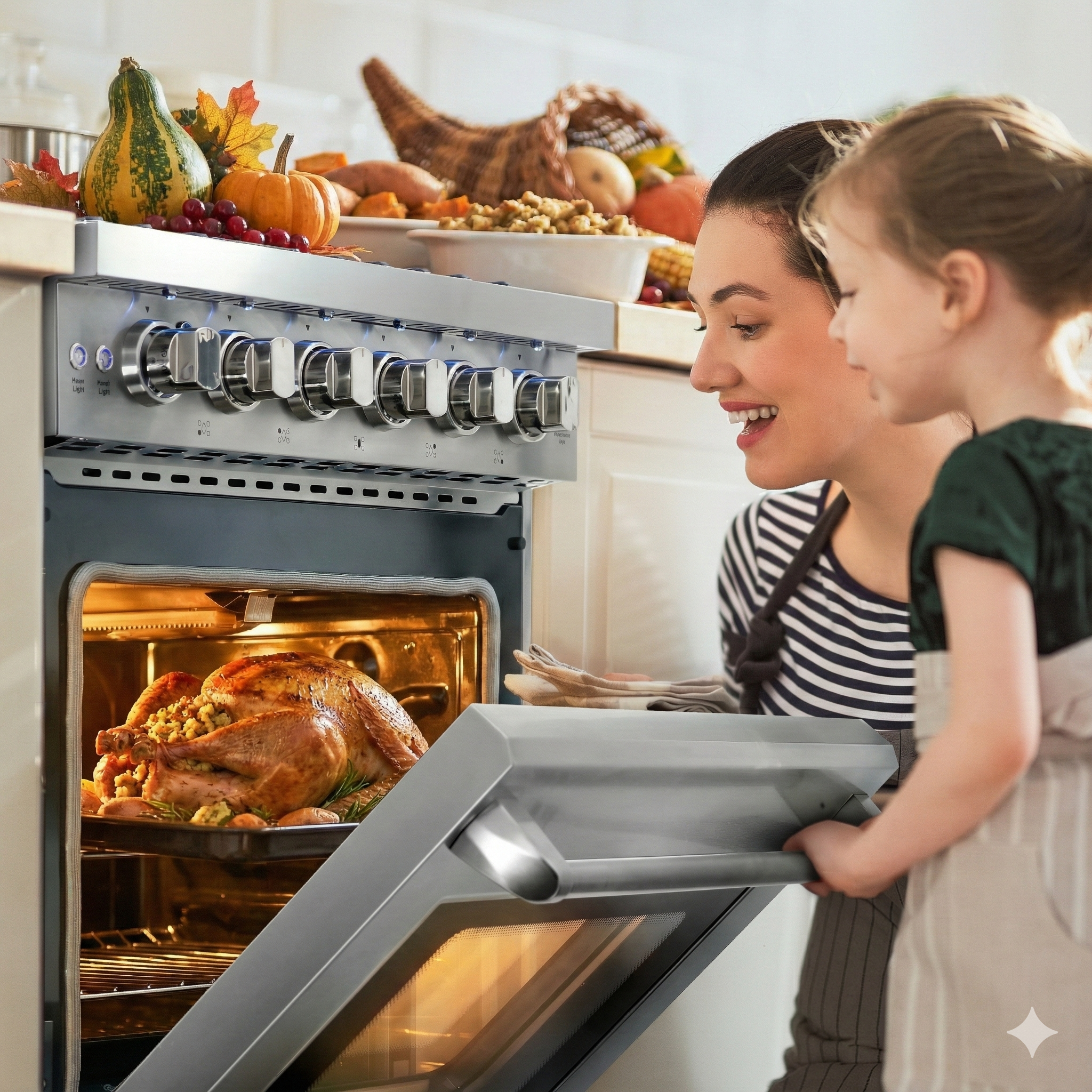
Thanksgiving Cooking Without the Stress: How to Actually Enjoy the Day
Perfect! Let me create a Thanksgiving-themed non-product blog post that will be posted on Thanksgiving Day itself.
Thanksgiving Cooking Without the Stress: How to Actually Enjoy the Day
Thanksgiving has earned a reputation as the most stressful cooking day of the year, but it doesn’t have to be. The key to enjoying Thanksgiving lies not in cooking everything from scratch or creating an Instagram-worthy spread, but in planning realistically, letting go of unnecessary expectations, and focusing on what actually matters – sharing a meal with people you care about. This guide strips away the stress and shows you how to approach Thanksgiving cooking in ways that actually work for real kitchens and real people.
The cultural pressure around Thanksgiving creates impossible standards that set home cooks up for failure. Magazine spreads featuring twenty dishes, Pinterest-perfect table settings, and cooking timelines that assume you’re a professional chef working in a commercial kitchen all contribute to the anxiety that surrounds this holiday. The reality is that successful Thanksgiving cooking comes from realistic planning, strategic shortcuts, and knowing which traditions actually matter to your family versus which ones you’re maintaining out of obligation.
Start With Realistic Expectations
The first step toward stress-free Thanksgiving happens before you even write your menu – it involves honest assessment of your actual cooking skills, available time, kitchen capacity, and the preferences of people who’ll actually be eating this meal.
Your kitchen has physical limitations that no amount of determination can overcome. One oven can only hold so many dishes at specific temperatures. Your stovetop has a fixed number of burners. Your refrigerator has finite space. Successful Thanksgiving planning acknowledges these constraints and works within them rather than pretending they don’t exist.
Cooking skill levels vary enormously, and there’s no shame in being honest about yours. If you’ve never roasted a turkey before, Thanksgiving isn’t the ideal time to wing it with twelve people coming for dinner. Either practice beforehand, choose a simpler main dish, or delegate the turkey to someone with more experience.
Time available for cooking matters more than most people admit. If you work Wednesday and have family arriving Thursday morning, you simply cannot prepare fifteen dishes from scratch. Either scale back the menu, prep more earlier in the week, or incorporate quality prepared items without guilt.
Family preferences often differ dramatically from Pinterest-perfect Thanksgiving spreads. Your relatives might prefer simple roasted turkey and classic sides over elaborate recipes with artisan ingredients. Ask what people actually want rather than assuming they expect gourmet everything.
The number of dishes needed decreases as you focus on quality over quantity. Six well-executed dishes that people actually eat beat twelve mediocre options where half goes uneaten. More isn’t better when it creates stress that prevents you from enjoying your own dinner.
Plan Your Menu Around Your Kitchen’s Capacity
Smart menu planning considers your kitchen’s physical limitations rather than ignoring them and hoping everything works out through sheer determination.
Oven temperature requirements create real conflicts that require planning. If your turkey needs 325°F but your side dishes require 375°F, you need strategies for managing this mismatch. Finish sides before the turkey, use stovetop alternatives, or time dishes to use the oven sequentially rather than simultaneously.
Available oven space limits how many dishes can cook at once. A standard oven holds maybe two sheet pans or one turkey with one casserole dish. Plan your cooking schedule around this reality rather than assuming everything will magically fit.
Stovetop burner allocation matters when you’re trying to keep mashed potatoes warm while making gravy and reheating green beans. Count your burners and assign them specific jobs in your cooking timeline to prevent last-minute burner shortages.
Refrigerator space for prep and storage becomes critical in the days before Thanksgiving. Make room by using coolers for drinks, clearing out unnecessary items, and being strategic about when you prep various ingredients.
Counter space for cooling, resting, and staging dishes often gets overlooked until you’re trying to find somewhere to set a hot roasting pan. Clear and assign counter areas for specific purposes before you start cooking.
The cooking schedule should account for resting time, reheating needs, and last-minute assembly rather than assuming everything will be ready simultaneously and stay hot perfectly. Build in buffer time for the inevitable delays and complications.
Master the Make-Ahead Strategy
The difference between stressed and relaxed Thanksgiving cooking often comes down to how much you accomplish before Thursday morning.
Dishes that improve with time represent your best make-ahead candidates. Cranberry sauce, dinner rolls, pie crusts, and even some desserts actually taste better when made a day or two ahead, eliminating last-minute work while improving results.
Prep work that doesn’t compromise quality saves enormous time on Thanksgiving day. Chopping vegetables, measuring ingredients, making stock, and preparing casserole bases the day before means Thursday cooking involves assembly more than starting from scratch.
Strategic freezer use extends your make-ahead window beyond just the day before. Pie dough, cookie dough, bread, and even some casseroles freeze successfully, letting you spread work over weeks rather than days.
Room temperature items eliminate refrigerator crowding while being perfectly safe. Pies, rolls, some desserts, and certain sides don’t require refrigeration, freeing up precious cold storage for items that actually need it.
Knowing what can’t be made ahead prevents disappointing results. Turkey needs to cook the day of, mashed potatoes don’t hold well overnight, and some dishes lose quality when reheated. Focus make-ahead efforts on foods that actually benefit from it.
The pre-prep reduces Thanksgiving day to mainly cooking the turkey, finishing a few dishes, and reheating – manageable tasks that let you actually enjoy the morning rather than frantically prepping in a disaster zone kitchen.
Simplify Your Turkey Approach
Turkey intimidates many cooks unnecessarily, but it’s actually one of the more straightforward parts of Thanksgiving when you strip away the complicated techniques and focus on basics that work.
Turkey size matters more than most people consider. Bigger isn’t better when it barely fits your oven, takes forever to cook, and provides way more leftovers than anyone wants. One pound per person gives you meal plus reasonable leftovers without the burden of fifty pounds of turkey meat.
Dry brining overnight creates flavorful, juicy turkey with minimal effort. Salt the bird thoroughly inside and out the night before, refrigerate uncovered, and roast the next day. This simple technique beats complicated brines and bastings while requiring almost no work.
High heat to finish creates crispy skin that everyone loves without the hassle of constant basting or starting at low temperatures. Roast at 325°F until nearly done, then blast at 425°F for 20-30 minutes to crisp the skin beautifully.
Temperature, not time, determines doneness accurately. Use a meat thermometer and pull the turkey at 160°F in the breast and 175°F in the thigh. It will coast to safe temperatures during resting while staying juicy rather than dry.
Resting time allows redistribution of juices and makes carving dramatically easier. Let the turkey sit covered loosely with foil for at least 30 minutes – this isn’t wasted time, it’s essential to good results and gives you time to finish other dishes.
Carving strategy prevents the stress of performing surgery at the table while everyone watches. Carve in the kitchen where you have space and tools, then transfer carved meat to a platter. This looks just as nice while being far less stressful.
Spatchcocking or turkey breast alternatives make sense for smaller gatherings where a whole turkey creates more leftovers than anyone wants. Don’t cook a whole bird out of obligation when alternatives make more sense.
Rethink Traditional Sides Realistically
Traditional Thanksgiving sides often persist through habit rather than anyone actually wanting them. An honest conversation about which sides people care about versus which ones are just ritual can dramatically reduce your workload.
Mashed potatoes benefit from honest assessment – do people actually love your mashed potatoes enough to justify the work, or would they be just as happy with good quality prepared versions from a local restaurant or grocery store? Sometimes the answer is surprising.
Green bean casserole remains divisive – some families consider it essential while others find it dated. If your family doesn’t actually love it, why make it? Replace it with simply roasted green beans that take less effort and taste fresher.
Stuffing versus dressing debates waste energy better spent elsewhere. Make what’s easier for you – stuffing in the bird or dressing in a pan – rather than what someone insists is “traditional.” Both work fine.
Sweet potato dishes range from simple roasted sweet potatoes to marshmallow-topped casseroles. Choose based on what your family actually eats rather than what seems most traditionally Thanksgiving-like.
Cranberry sauce from a can gets unfairly maligned. If people like it, serve it proudly and save your effort for dishes where homemade actually makes a difference people notice and appreciate.
Rolls and bread can come from a good bakery without apology. Unless you genuinely enjoy baking bread, buying quality rolls from a bakery eliminates work without noticeably affecting the meal.
The number of sides can decrease without anyone caring. Five well-chosen sides satisfy just as well as ten mediocre options while creating far less work and cleanup.
Smart Shortcuts That Actually Work
Strategic shortcuts reduce stress without compromising quality in ways that matter. The key is knowing which shortcuts work and which ones create disappointing results.
Store-bought pie crust eliminates tedious work without affecting pie quality noticeably. Most people can’t tell the difference between homemade and quality store-bought crust, so save your energy for the filling.
Pre-cut vegetables from the grocery store cost more but save substantial prep time. For items that get cooked anyway, pre-cut quality doesn’t matter – the time savings might be worth the extra cost on this particularly busy day.
Quality prepared items from restaurants or markets can substitute for homemade versions without guilt. A professionally made dessert or side dish from a place that specializes in it might actually taste better than your stressed attempt.
Simplified recipes that reduce steps without reducing flavor work better than complicated versions that add minimal improvement. Three-ingredient cranberry sauce tastes great – the twelve-ingredient version isn’t noticeably better.
One-dish sides reduce cleanup and simplify serving. Casserole-style sides that bake in one dish and serve from that same dish eliminate extra pots, pans, and serving pieces.
Pre-made stock from quality sources works perfectly for gravy and recipes. Making stock from scratch is lovely but absolutely not necessary when good alternatives exist.
The goal isn’t to make everything from scratch but to serve a good meal without destroying yourself in the process. Some shortcuts maintain quality while dramatically reducing stress.
Create a Realistic Timeline
Detailed timelines that account for actual cooking realities prevent the chaos that often characterizes Thanksgiving day.
Work backward from serving time, accounting for all the tasks between “turkey goes in oven” and “food on table.” Include resting time, reheating, final assembly, carving, and transferring to serving dishes.
Add buffer time for delays because something always takes longer than expected. If you think everything needs 4 hours, plan for 5. The extra time prevents panic when one dish takes longer than anticipated.
Assign specific times to specific tasks with awareness of what needs to happen simultaneously versus sequentially. Write it down rather than trying to remember everything while cooking.
Identify your critical path – the longest sequence of dependent tasks that can’t be shortened. Usually this involves the turkey, so plan everything else around turkey timing rather than assuming the turkey will magically be ready when you need it.
Plan for help realistically by assigning specific tasks with specific timing to people who’ve agreed to help. “Bring a side dish” is vague – “bring green beans ready to heat at 4pm” is actionable.
The timeline should account for your actual cooking speed, not ideal cooking speeds from recipe headnotes written by food professionals. If you’re a home cook, add time beyond what recipes suggest.
Set Up Your Kitchen for Success
Physical kitchen organization before you start cooking prevents much of the chaos and stress that makes Thanksgiving cooking difficult.
Clear counter space by removing everything non-essential the day before. You need room for prep work, hot dishes, resting turkey, and assembly – that decorative bowl of fruit needs to go somewhere else for the day.
Organize your tools and equipment so everything you need is accessible. Locate your roasting pan, meat thermometer, serving platters, and carving tools before you start rather than searching frantically when you need them.
Prep your serving dishes by labeling them for specific foods. This sounds silly but prevents last-minute confusion about which bowl gets which food while letting helpers set up correctly.
Create landing zones for dirty dishes rather than letting them accumulate in the sink where they block access. A bus tub or designated counter area keeps dishes contained without interfering with active cooking.
Assign storage space for finished dishes that need to stay warm or be reheated. Know where each dish will go between finishing and serving rather than figuring it out when holding a hot pan.
Set the table entirely the night before, including water glasses, napkins, serving utensils, and anything else that doesn’t require last-minute placement. Eliminate all non-cooking tasks from Thanksgiving day morning.
Lower the Presentation Standards
Instagram and Pinterest have created unrealistic expectations for how Thanksgiving should look, adding stress without adding value to the actual meal or experience.
Serving platters don’t all need to match or look magazine-ready. The food tastes the same whether it’s on carefully curated serving pieces or mismatched dishes from your cabinets.
Garnishes and decorative elements add work without adding flavor. That sprig of rosemary looks nice in photos but doesn’t make the dish taste better – skip it and save yourself ten steps throughout the meal.
Table settings can be simple without being inadequate. Cloth napkins aren’t mandatory, elaborate centerpieces aren’t required, and place cards matter only if seating assignments matter.
Presentation mistakes don’t ruin the meal. If your pie crust breaks, your mashed potatoes look lumpy, or your turkey skin tears during carving, the meal still tastes good and people still enjoy it.
Social media posting isn’t mandatory. Take a quick photo if you want, then put your phone away and actually be present for the meal you worked to create.
The goal is a meal you enjoy with people you care about, not a styled photo shoot. Prioritize accordingly.
Plan Your Cleanup Strategy
Cleaning strategy before and during cooking prevents the overwhelming disaster that often greets cooks after the meal ends.
Clean as you go whenever possible. Wash prep dishes while things cook, wipe spills immediately, and put away ingredients as you finish with them. This continuous maintenance prevents the massive pile-up.
Disposable items reduce cleanup without significant cost when used strategically. Using disposable roasting pans or aluminum pans for sides eliminates soaking and scrubbing of large items.
Enlist help specifically for cleanup with clear assignments. “Clear the table” is vague – “wash serving dishes while I pack leftovers” is specific and achievable.
Make leftover containers accessible and labeled so people can take food home, reducing what you need to store and ensuring food doesn’t go to waste.
Accept that some cleanup will wait until Friday. You don’t need to have a spotless kitchen before bed – getting the basics handled is sufficient.
Focus on What Actually Matters
Stepping back to consider why you’re cooking Thanksgiving in the first place helps maintain perspective that reduces stress while ensuring you don’t miss the point of the holiday.
Time with family and friends matters more than perfect food. An adequate meal where you’re present and relaxed beats an elaborate spread where you’re exhausted and stressed.
Traditions worth keeping are ones people actually value, not ones maintained out of obligation. Ask what traditions matter to your family rather than assuming everything must stay exactly the same.
Memories come from being together, not from how many dishes you served or whether everything looked perfect. Years from now, people remember conversations and laughter, not whether the turkey was optimal.
Your wellbeing matters too. If hosting Thanksgiving makes you miserable, consider alternatives – potluck style, rotating hosts, going to a restaurant, or simplifying so dramatically that hosting becomes manageable.
The pressure you feel likely comes from expectations you’re placing on yourself rather than what anyone else actually expects. Most guests care far more about being welcomed than about elaborate food.
Thanksgiving should add to your life, not drain it. If your approach to Thanksgiving consistently leaves you exhausted and stressed, the approach needs changing, not your effort level.
Remember What You’re Actually Doing
At its core, Thanksgiving is about sharing a meal. It’s not a performance, not a competition, not a test of your worth as a cook or host. It’s dinner with people you care about.
The food is important but not the most important thing. The gathering matters more than the menu. Your presence matters more than your presentation.
Good enough really is good enough. Thanksgiving doesn’t need to be perfect to be meaningful. An honest, manageable meal beats an elaborate spread that left you too exhausted to enjoy it.
Your version of Thanksgiving can differ from magazine versions, family traditions, or what you see on social media. Create a Thanksgiving that works for your kitchen, your skills, your time, and your family.
This year, maybe the best Thanksgiving gift you give yourself is lowering the bar to realistic levels and enjoying the day instead of stressing through it.
From all of us at Cosmo, we wish you a happy, relaxed, and delicious Thanksgiving. May your turkey be juicy, your sides be simple, and your day be filled with the people and moments that actually matter.
Happy Thanksgiving!