
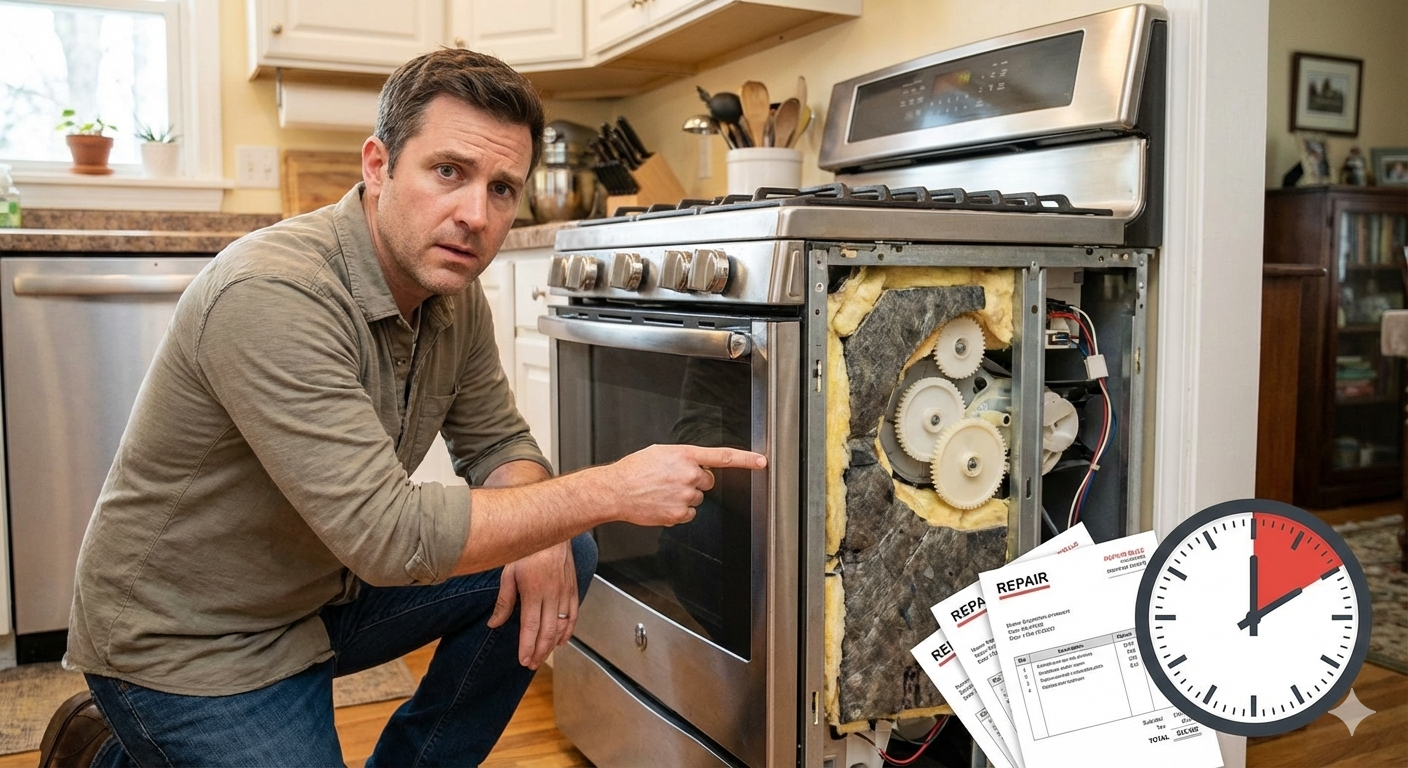
The Real Cost of Cheap Kitchen Appliances: What Actually Breaks and When
Budget kitchen appliances promise significant savings compared to premium brands, with identical-looking stainless steel finishes and similar feature lists at half the price. The temptation to save thousands across a full kitchen suite is strong, particularly when renovations already strain budgets. However, understanding what differentiates cheap appliances from quality options helps you make informed tradeoffs rather than discovering expensive mistakes after installation. The gap isn’t primarily about features or aesthetics – it’s about component quality, engineering decisions, and longevity that only become apparent through years of use.
The appliance industry operates across multiple tiers, from true budget brands sold primarily online to mid-range options available at big box stores to premium brands carried by specialty dealers. Each tier makes different engineering and manufacturing choices that fundamentally affect reliability and lifespan. Knowing where manufacturers cut costs helps you identify which compromises matter for your usage patterns and which represent acceptable tradeoffs for the savings achieved.
Where Cost-Cutting Actually Happens
Manufacturers reduce prices through specific engineering and materials decisions that aren’t obvious from spec sheets or showroom appearances.
Compressor Quality in Refrigerators: The compressor represents a refrigerator’s heart, running constantly to maintain temperatures. Premium brands use compressors designed for 15-20 years of continuous operation with substantial safety margins. Budget brands often specify compressors engineered for 7-10 year lifespans with minimal tolerances. Both work identically when new, but the budget compressor faces higher failure rates as it ages, particularly in hot climates or when installed in tight spaces with poor ventilation.
Dishwasher Pump Construction: Quality dishwashers use stainless steel pump housings and impellers that resist corrosion from detergents and hard water. Budget models substitute plastic components that degrade over time, becoming brittle and eventually cracking. The dishwasher works fine for 3-5 years until plastic pump components fail, requiring repairs that often cost nearly as much as the original appliance.
Range Burner Materials: Gas range burners in premium models use brass or heavy-gauge stainless steel that maintains precise tolerances through thousands of heating cycles. Budget ranges use thinner materials or aluminum alloys that warp with repeated heating, eventually causing uneven flames or gas leaks. The range cooks identically when new, but performance degrades noticeably after several years of regular use.
Oven Insulation Thickness: Quality ranges include 2-3 inches of high-density insulation surrounding oven cavities. This insulation maintains consistent temperatures while keeping exterior surfaces cool. Budget models use 1 inch or less of lower-density insulation, causing heat loss that makes ovens work harder to maintain temperature while making cabinet surfaces warm enough to potentially damage finishes over time.
Control Board Components: Modern appliances rely on electronic control boards managing functions previously handled mechanically. Premium brands use commercial-grade capacitors, relays, and circuit boards designed for humid, high-temperature environments. Budget brands use consumer-grade components that fail more frequently in the harsh conditions kitchen appliances face. Control board failures often require complete replacement at costs of several hundred dollars.
Wire Gauge and Connections: Internal wiring quality affects reliability significantly but remains completely invisible to buyers. Heavier gauge wire with quality connectors maintains reliable electrical flow through years of thermal cycling. Minimum-spec wire with cheaper connectors develops resistance over time, creating heat that accelerates component failure. This cost-cutting appears nowhere in specifications but dramatically affects lifespan.
The Three-Year Cliff Most Buyers Don’t Anticipate
Understanding failure patterns helps you plan for appliance lifecycles rather than being surprised by unexpected replacements.
Year One Performance: Essentially all appliances work properly during the first year regardless of quality tier. Manufacturing defects appear quickly and typically get covered under warranty. Budget and premium appliances perform identically during this honeymoon period, creating the false impression that they’re equivalent.
Years Two Through Four: This period reveals the first meaningful differences. Budget appliance failure rates climb significantly as components designed for minimal lifespans begin wearing out. Seals harden, motors develop bearing noise, electronic controls start glitching. Many of these issues aren’t catastrophic failures but annoying problems that degrade user experience.
Years Five Through Seven: Budget appliances face rapidly accelerating failure rates. Major components like compressors, pumps, and heating elements fail frequently. Repairs often cost 40-60% of replacement prices, creating difficult decisions about whether to repair or replace. Premium appliances remain mostly reliable during this period, though they’re beginning to show their age.
Year Eight and Beyond: Few budget appliances remain functional past 8-10 years without multiple major repairs. Premium appliances commonly reach 12-15 years before requiring replacement, often longer with proper maintenance. This longevity difference means premium appliances cost less per year of service despite higher purchase prices.
When Budget Appliances Make Sense
Budget appliances aren’t universally bad choices. Specific situations justify accepting shorter lifespans for immediate savings.
Rental Properties: Landlords replacing appliances in rental units face different calculus than homeowners. Tenants may damage appliances regardless of quality, and rapid turnover means appliances might get replaced during unit renovations before they fail naturally. Budget appliances that last 5-7 years serve rental properties adequately while preserving capital for other investments.
Temporary Housing: People living somewhere temporarily – college apartments, short-term job assignments, starter homes they plan to sell within a few years – benefit from budget appliances. If you’ll move before the appliance fails, you’ve captured the full value of the lower purchase price without experiencing the shortened lifespan.
Very Light Use: Second homes used occasionally, in-law suites occupied part-time, or vacation properties with seasonal use don’t stress appliances the way daily family cooking does. Operating hours matter more than calendar years for appliance longevity. Light use can extend budget appliance lifespans significantly.
Constrained Budgets: Sometimes budgets simply don’t accommodate quality appliances across an entire kitchen. In these situations, prioritizing matters. Invest in quality for appliances you use most (typically range and refrigerator) while accepting budget options for less-critical items (like dishwashers if you rarely run them).
The Repair Economics That Change Everything
Understanding repair costs versus replacement costs helps you make rational decisions when appliances fail rather than emotional choices based on frustration.
Service Call Minimums: Appliance repair companies typically charge $100-150 just to diagnose problems, before any actual repair work. This service call fee makes economical repairs difficult for budget appliances where diagnosis might cost a third of replacement price.
Parts Markup: Repair companies mark up parts 50-100% above retail prices, and appliance parts themselves carry substantial markups. A control board that costs the manufacturer $30 might retail for $150 and cost $200-250 through repair services. For budget appliances, a single repair often approaches 40-50% of replacement cost.
Labor Rates: Appliance repair labor costs $75-150 per hour depending on location. Many repairs require 1-2 hours, creating labor charges of $150-300 before parts. Combined with parts costs and diagnostic fees, even moderately complex repairs easily exceed $400-600.
The 50% Rule: General wisdom suggests repairing appliances only when repair costs stay below 50% of replacement cost. This rule works well for premium appliances where 50% still represents substantial money. For budget appliances, 50% of replacement cost might be just $300-400, which is less than most repairs cost.
Age Adjustments: Factor appliance age into repair decisions. Repairing a 3-year-old refrigerator makes more sense than repairing an identical 8-year-old unit, even though the repair costs identically. The newer appliance will provide more years of service after repair, improving the repair’s cost-effectiveness.
What “Commercial-Grade” Marketing Actually Means
Many mid-range brands market “commercial-style” or “professional-grade” features, but understanding these terms helps you evaluate whether you’re getting actual quality or just marketing.
Commercial Appearance vs. Performance: Stainless steel exteriors, heavy-looking knobs, and bulky grates create commercial aesthetics without delivering commercial durability. True commercial appliances use components designed for restaurant use – 12-16 hours daily operation, 7 days weekly. Residential “commercial-style” appliances typically use standard residential components in commercial-looking packages.
BTU Ratings: High BTU burner ratings sound impressive but don’t automatically indicate quality. A 20,000 BTU burner built with cheap components fails just as quickly as a 15,000 BTU burner using the same materials. BTU ratings measure heat output, not build quality or longevity.
“Professional” Features: Features like convection ovens, multiple oven racks, or griddle attachments appear in both budget and premium appliances. The feature’s presence doesn’t indicate component quality. A convection oven with a cheap fan motor will fail faster than a standard oven with quality components.
Weight as Proxy: While not foolproof, appliance weight often correlates with quality. Heavier appliances typically use thicker materials, more insulation, and sturdier components. Comparing weights between similar models provides clues about construction quality that spec sheets don’t reveal.
Extended Warranties: The Math Behind the Pitch
Extended warranties get pushed aggressively because they’re profitable for sellers, but understanding the economics helps you decide whether they make sense.
Why They’re Offered: Retailers and manufacturers offer extended warranties because most buyers never use them. The warranty prices are calculated so that claims from the minority of buyers experiencing failures still leave substantial profit margins. If warranties regularly cost more in claims than they generate in premiums, they wouldn’t exist.
When They Make Sense: Extended warranties can provide value for budget appliances you’re buying despite knowing failure risks. If you’re purchasing the cheapest dishwasher available and the extended warranty costs 10-15% of the purchase price, the coverage might prove worthwhile given the likely failure rate.
When to Skip Them: Premium appliances from brands with strong reliability histories rarely justify extended warranty costs. You’re essentially betting against a well-engineered appliance, and the odds favor the appliance. Many credit cards include extended warranty coverage that duplicates paid extended warranties, making them redundant.
What They Cover: Read exclusion lists carefully. Many extended warranties exclude the most common failure points while covering unlikely failures. They might exclude damage from power surges, installation problems, or “normal wear” – definitions that give adjusters significant latitude to deny claims.
The Hidden Costs Beyond Purchase Price
Total ownership costs extend beyond initial purchase prices, with budget appliances often costing more over their lifespans than premium options.
Energy Consumption: Budget appliances typically use 20-40% more energy than premium models with identical capacities and features. Over a 10-year lifespan, this energy waste costs hundreds of dollars. ENERGY STAR certification helps identify efficient models, but many budget brands skip the certification process even when their products might qualify.
Water Usage: Budget dishwashers often use more water per cycle than quality models, adding to utility bills over time. The same applies to washing machines and other water-using appliances. Premium models justify their prices partly through efficiency that reduces operating costs.
Repair Frequency: Even when individual repairs cost the same across budget and premium appliances, budget appliances require repairs more frequently. If a budget appliance needs three repairs during its lifespan while a premium appliance needs one, the budget model’s cumulative repair costs negate its lower purchase price.
Replacement Timing: Budget appliances that fail after 7 years force replacement at inconvenient times – often when other major expenses arise or when household budgets are tight. Premium appliances lasting 15 years allow planning replacement on your schedule rather than responding to failures.
Food Loss: Refrigerator and freezer failures result in food spoilage. A quality refrigerator that maintains consistent temperatures and doesn’t fail unexpectedly preserves food investment better than budget models prone to temperature fluctuations and premature failure. This indirect cost rarely gets calculated but impacts total ownership costs.
Making Rational Appliance Decisions
Understanding these tradeoffs helps you allocate appliance budgets rationally rather than making decisions based on purchase price alone.
Tier Your Investments: Not every appliance deserves premium investment. Identify which appliances matter most for your household – typically range and refrigerator for families that cook frequently – and invest there. Accept budget options for appliances used less critically.
Calculate Cost Per Year: Divide purchase price by expected lifespan for apples-to-apples comparisons. A $1,500 refrigerator lasting 15 years costs $100 annually. A $600 refrigerator lasting 6 years costs $100 annually plus higher repair probability and energy consumption. The premium option often costs less per year of service.
Factor in Your Skills: Handy homeowners who can perform some repairs themselves reduce the impact of budget appliance failures. If you’re comfortable replacing heating elements, pumps, or other components, budget appliances become more defensible because you’re avoiding expensive service calls.
Consider Household Patterns: Large families cooking three meals daily at home stress appliances far more than singles eating out frequently. Match appliance quality to actual usage rather than buying uniformly across all budget tiers.
The appliance industry’s quality tiers exist for genuine reasons beyond marketing and brand positioning. Budget appliances deliver immediate savings by using cheaper components engineered for shorter lifespans. These tradeoffs make sense in specific situations but rarely prove economical for long-term homeowners cooking regularly. Understanding where manufacturers cut costs and how those decisions affect reliability helps you make informed choices that align with your actual needs rather than discovering expensive lessons through failed appliances and repair bills.