
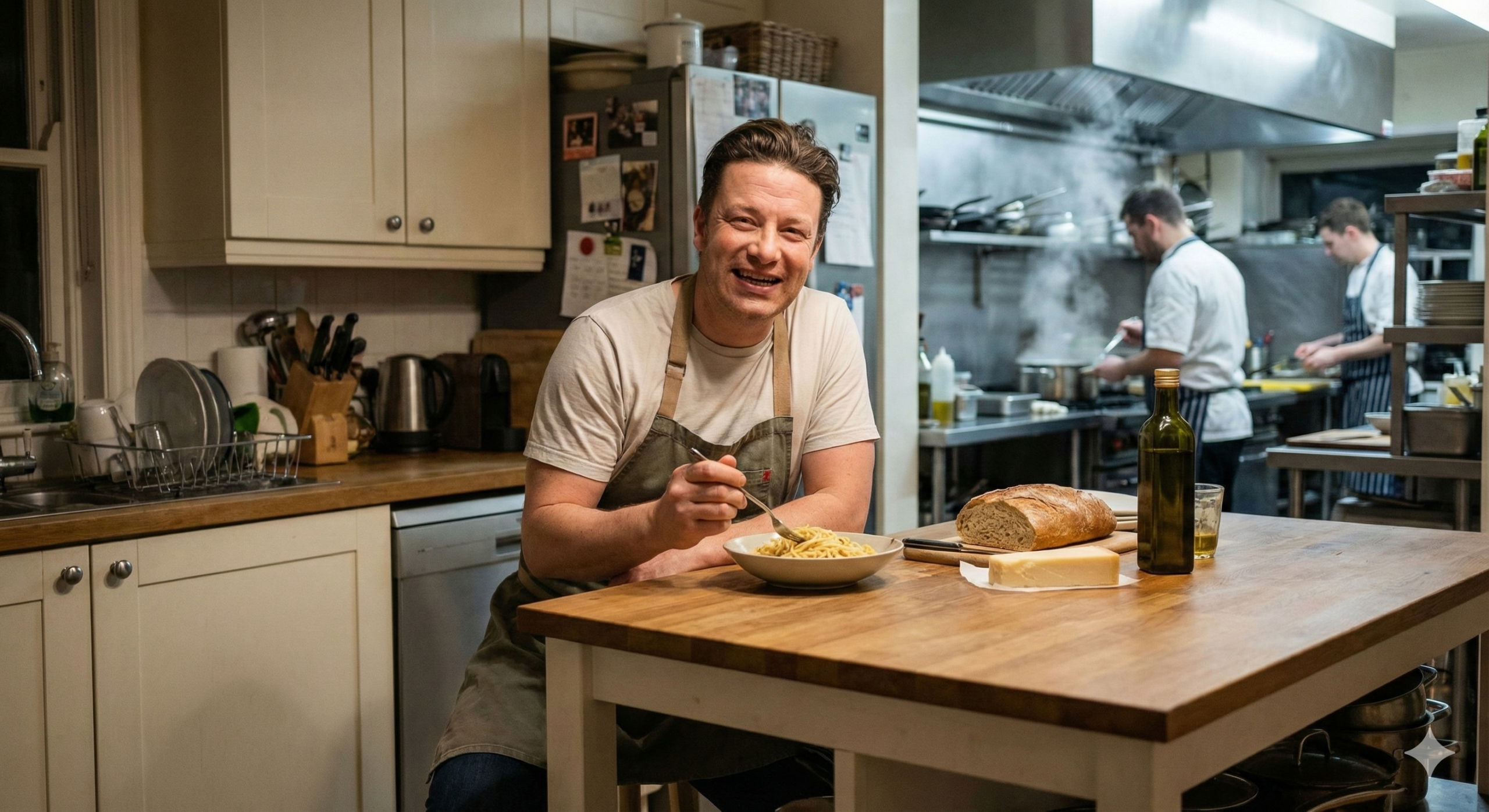
What Professional Cooks Do at Home (It’s Not What You Think)
You might assume that chefs and professional cooks go home after work and prepare elaborate, restaurant-quality meals for themselves using advanced techniques and exotic ingredients. The reality is almost the opposite – most professional cooks eat simply at home, often relying on quick preparations, leftovers, and minimal cooking after spending all day in professional kitchens. Understanding how professionals actually cook at home reveals important truths about sustainable cooking, what techniques genuinely matter, and the difference between cooking as a job versus cooking as part of daily life.
The disconnect between professional cooking and home cooking by professionals highlights that elaborate restaurant techniques often aren’t practical, necessary, or even desirable for everyday eating. Professional cooks develop strong opinions about what’s worth doing at home versus what’s just work they’re glad to leave at the restaurant. Their home cooking choices reflect what actually matters for daily meals when you deeply understand cooking but aren’t trying to impress anyone or optimize for restaurant economics and presentation.
They Eat Way More Simply Than You’d Expect
Professional cooks who spend 8-12 hours preparing complex dishes at work often have zero interest in cooking elaborately at home, choosing instead the simplest meals that meet their needs.
Pasta with butter and cheese becomes a legitimate dinner after a long shift, not a shameful shortcut. Professional cooks don’t judge simple food harshly because they understand that elaborate doesn’t necessarily mean better for everyday eating.
Eggs in various forms – scrambled, fried, omelets – appear frequently because they’re quick, nutritious, satisfying, and require minimal cleanup. The speed and reliability matter more than impressiveness.
Rice bowls with whatever’s available represent common professional cook dinners at home. Simple rice topped with leftover protein, fresh vegetables, and a sauce makes a complete meal in minutes.
Sandwiches and toast get elevated by technique and quality ingredients rather than complexity. A perfectly grilled cheese or excellent toast with good butter satisfies without requiring elaborate preparation.
The willingness to eat simply comes from understanding that cooking skill isn’t demonstrated through complexity but through making simple things well. A perfectly cooked egg shows more skill than an over-complicated dish executed poorly.
Professional cooks also recognize that food fatigue is real – after tasting and smelling food all day at work, they often want minimal food involvement at home, not more elaborate cooking.
They Actually Use Convenience Products
Professional cooks use store-bought items at home without guilt because they understand that some convenience products offer excellent value and quality that doesn’t justify making from scratch.
Rotisserie chickens from grocery stores appear regularly in professional cooks’ home meals. They recognize that the economics and convenience make these purchased birds smarter than roasting chicken themselves for weeknight dinners.
Quality jarred pasta sauce gets used and enhanced with fresh ingredients rather than making sauce from scratch every time. Adding fresh herbs, garlic, or vegetables to good jarred sauce creates excellent results with minimal effort.
Pre-washed salad greens eliminate tedious washing and spinning for simple weeknight salads. Professional cooks value their time and recognize when convenience justifies the cost premium.
Frozen vegetables often appear because professionals know these are frozen at peak freshness and require zero prep. The quality frequently exceeds “fresh” vegetables that spent days in transport and storage.
Good bread from bakeries replaces homemade for most purposes because professional cooks know their bread-baking time is better spent elsewhere unless they genuinely enjoy baking.
The key insight is that professional cooks use convenience strategically where it makes sense rather than either avoiding it entirely or relying on it completely. They know which shortcuts maintain quality and which ones compromise results.
They Focus on a Few Techniques Done Well
Rather than using the full range of professional techniques they know, home cooking by professionals usually involves a small set of reliable methods used repeatedly.
High-heat searing appears frequently because professionals know proper searing creates flavor quickly without elaborate preparation. A well-seared steak or piece of fish needs little else to be excellent.
Simple roasting of vegetables and proteins at high heat produces reliable results with minimal attention. Sheet pan dinners represent professional-level efficiency applied to home cooking.
Quick sautés that combine protein and vegetables in one pan create complete meals while minimizing cleanup. The speed and simplicity make this technique ideal for weeknight cooking.
Basic pan sauces from fond (browned bits) elevate simple proteins without requiring separate sauce preparation. This single technique adds restaurant quality to home meals with minimal additional effort.
The techniques professionals actually use at home are ones that create good results quickly with minimal setup and cleanup. Elaborate multi-step techniques stay at work where they have time, space, and economic justification.
They Keep Pantries Extremely Simple
Professional cooks’ home pantries often contain fewer items than enthusiastic home cooks keep, focusing on versatile staples rather than extensive collections of specialty ingredients.
Quality olive oil, salt, and pepper represent the foundation because professionals know that proper seasoning matters more than exotic ingredients. These basics appear in almost every dish.
Garlic, onions, and fresh herbs provide flavor bases for countless dishes without requiring extensive spice collections. A few aromatics create more versatility than dozens of specialty spices.
Rice, pasta, and one or two grains cover starch needs without maintaining extensive variety. Having too many options creates decision fatigue without adding genuine value.
Canned tomatoes, beans, and a few other pantry staples support quick meals without requiring extensive inventory management. Professional cooks know which shelf-stable items actually get used.
The minimal pantry reflects understanding that having too many ingredients creates waste and complexity without improving daily cooking. Better to have fewer items you actually use than extensive collections that expire before you finish them.
They’re Extremely Practical About Leftovers
Professional cooks waste almost nothing at home, viewing leftovers as valuable resources rather than depressing repeats to avoid.
Intentional leftover planning means cooking extra deliberately to provide future meals, not just dealing with whatever remains. Making a large batch of rice or beans is efficient meal planning, not accidental excess.
Leftover transformation rather than just reheating creates new meals from previous dinners. Yesterday’s roasted chicken becomes today’s tacos or soup without feeling like eating the same meal twice.
Component thinking means leftovers don’t need to be reheated as complete meals but can be ingredients in new dishes. Leftover protein works in salads, sandwiches, grain bowls, or countless other applications.
Zero judgment about eating leftovers multiple days running because professional cooks understand good food is good food regardless of when it was cooked. The stigma against leftovers disappears when you recognize quality doesn’t degrade overnight.
The practical approach to leftovers comes from working in professional kitchens where waste is expensive and using everything efficiently is standard practice that carries over to home cooking.
They Actually Care More About Ingredients Than Technique
Professional cooks at home often emphasize ingredient quality over cooking complexity because they understand that great ingredients need less manipulation to taste good.
Shopping at farmers markets or quality grocers for produce that actually tastes good eliminates the need for elaborate preparation to create flavor. Good tomatoes just need salt, not complex recipes.
Choosing quality proteins means simple preparation suffices. A good steak needs only salt, pepper, and proper cooking – no elaborate marinades or sauces required.
Seasonal eating happens naturally because professional cooks know in-season produce tastes dramatically better than out-of-season alternatives. They cook what’s good now rather than following recipes requiring specific ingredients year-round.
The willingness to pay more for key ingredients reflects understanding that quality here creates better results than fancy techniques with inferior ingredients. Better to eat excellent simple food than elaborate mediocre food.
This ingredient focus comes from professional experience tasting the difference quality makes and recognizing that technique can’t compensate for poor ingredients.
They Keep Knife Skills Sharp But Don’t Obsess
Professional cooks maintain basic knife skills at home but don’t demonstrate elaborate cuts or presentations that matter in restaurants but not for family dinners.
Quick, efficient cutting gets vegetables and proteins ready for cooking without aiming for perfect uniformity or decorative cuts. The food cooks fine even when pieces aren’t identical.
One good knife does everything rather than using specialized knives for each task. Professional cooks know that proper technique matters more than having extensive knife collections.
Sharp knives always because dull knives make cooking frustrating and dangerous. This one habit from professional kitchens transfers completely to home cooking.
Mise en place (prep before cooking) still happens for complex dishes but gets skipped for simple weeknight cooking where prep-as-you-go works fine. Professional cooks know when structure helps versus when it’s unnecessary.
The practical knife use reflects understanding what actually matters – efficiency and safety – versus what’s just professional performance that doesn’t serve home cooking needs.
They Have Strong Opinions About Equipment
Professional cooks develop specific preferences about kitchen equipment based on daily use, and these opinions shape their home kitchen setups.
One excellent pan gets used for almost everything rather than collections of specialty cookware. Professional cooks know that proper technique with good basic equipment beats having every specialized pan.
Cast iron and carbon steel appear frequently because professional cooks appreciate their versatility and performance after learning to use them properly.
Sheet pans from restaurant supply stores rather than retail “baking sheets” because professional cooks know commercial half-sheet pans are inexpensive, durable, and the perfect size for most home cooking.
Sharp knives maintained properly matter more than expensive knives maintained poorly. Professional cooks often use modest knives kept very sharp rather than expensive knives that dulled years ago.
The equipment choices reflect practical experience understanding what actually gets used versus what looks impressive but sits in cabinets. Better to have few items you use constantly than extensive collections rarely touched.
They Actually Don’t Cook Much on Days Off
Professional cooks often avoid their kitchens entirely on days off, recognizing that rest from cooking matters for sustainable careers.
Takeout happens without guilt because professional cooks don’t view eating out or ordering in as failures. Sometimes not cooking is the right choice.
Very simple assembly meals – cheese and crackers, charcuterie, prepared items from delis – constitute complete dinners without anyone feeling like they’re compromising.
Batch cooking on occasional days provides future meals without requiring daily cooking. Making large quantities once provides food for multiple days without daily kitchen time.
The boundary between work and home includes separating from cooking when needed. Professional cooks recognize that doing what you do all day for work doesn’t need to define your entire life.
They Season Everything Properly (This Actually Matters)
The one professional habit that transfers completely to home cooking is proper seasoning – professional cooks season food at home more aggressively and appropriately than most home cooks.
Tasting and adjusting throughout cooking rather than just following recipes ensures properly seasoned food. Professional cooks trust their palates over measurements.
Salt and acid get used liberally because professional cooks understand these aren’t health hazards in reasonable amounts but essential flavor builders.
Seasoning proteins well before cooking allows salt to penetrate and enhance flavor throughout rather than just sitting on surfaces.
Finishing seasoning right before serving provides final flavor adjustments that make good food taste great. This last-minute tweaking separates adequate from excellent.
The proper seasoning habit carries over from professional cooking because it’s fundamental to making anything taste good, requires no special equipment, and becomes automatic with practice.
What This Means for Home Cooks
Understanding how professional cooks actually eat at home reveals important lessons about sustainable, practical cooking.
Simplicity isn’t a failure – it’s often the smartest approach to daily cooking. Professional cooks choosing simple meals validates that elaborate isn’t always better.
Technique matters less than quality ingredients and proper seasoning. Focus on these fundamentals before worrying about advanced techniques.
Convenience products used strategically create efficiency without sacrificing quality. Don’t avoid all shortcuts – use them where they make sense.
Leftovers represent smart planning, not depressing repeats. Learn to view them as valuable resources rather than something to avoid.
Rest from cooking when needed maintains healthy relationships with food. Even professional cooks need breaks from kitchens.
The best approach to daily cooking emphasizes sustainability, efficiency, and satisfaction over complexity or performance. Professional cooks understand this deeply because they see both sides – elaborate restaurant cooking and simple home cooking – and know which serves each context better.
Your home cooking doesn’t need to resemble restaurant cooking to be excellent. It needs to taste good, suit your life, and be sustainable long-term. Professional cooks choosing simple home cooking validates that this approach isn’t settling – it’s often the smartest choice.