Cleaning

The Science Behind Sanitization in Dishwashers: COS-DWD24FBR and Its Advanced Technology

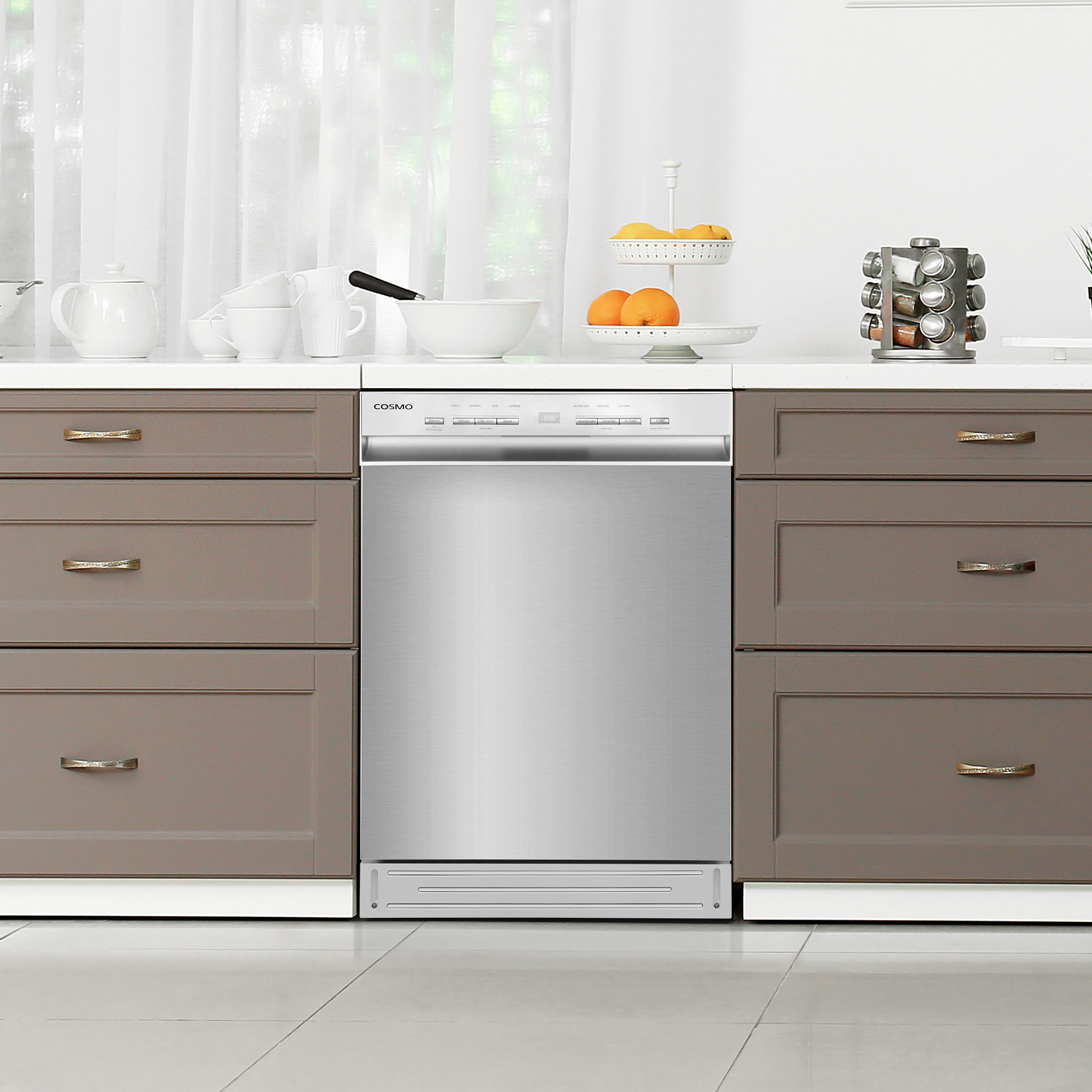
When it comes to kitchen hygiene, ensuring that your dishes are thoroughly cleaned and sanitized is crucial. The COS-DWD24FBR 24-Inch Built-In Dishwasher is equipped with sanitization technology, which eliminates harmful bacteria and ensures sparkling clean dishes. But how does high-temperature sanitization work? Let’s explore the science behind it. Dishwashers like the COS-DWD24FBR are designed with high-temperature cycles, giving you confidence that your dishes are not only clean but also free from harmful microorganisms. How High-Temperature Sanitization Eliminates Bacteria The key to effective sanitization is heat. The COS-DWD24FBR dishwasher uses a high-temperature rinse cycle, effectively killing bacteria, viruses, and other pathogens. Here’s how it works: Benefits of Sanitization ✅ Kills 99.99% of Bacteria – Ensures your dishes are safe for use, especially for households with children or individuals with weakened immune systems. ✅ Removes Food Residue Effectively – High temperatures break down even stubborn, stuck-on food particles. ✅ Eliminates Cross-Contamination Risks – Reduces the spread of bacteria from one dish to another.  Why Choose the COS-DWD24FBR? The COS-DWD24FBR Built-In Dishwasher combines advanced sanitization, energy efficiency, and sleek design to provide a top-tier cleaning experience. With multiple wash cycles, including high-temperature sanitization, you can enjoy peace of mind knowing your dishes are not just clean but hygienically safe. Upgrade your kitchen with the power of sanitization and experience spotless, bacteria-free dishes every day!

How to Set Up a Home Cooking Station for Baking: Essential Tips for a Smooth Baking Experience

Setting up a dedicated home cooking station for baking can transform your kitchen into a haven of culinary creativity. Whether you’re a seasoned baker or just starting out, organizing your space efficiently can make the baking process more enjoyable and less stressful. Here’s a step-by-step guide to creating an ideal baking station in your home kitchen. Choose the Right Location Organize Essential Tools Equip Your Baking Station Stock Baking Ingredients Implement Efficient Storage Solutions Set Up a Cleaning Station Personalize Your Space Safety and Accessibility A well-organized home cooking station for baking not only enhances your efficiency but also makes the baking process more enjoyable. By thoughtfully arranging your tools, ingredients, and equipment, you create a functional workspace that supports creativity and precision. Whether you’re whipping up a batch of cookies or baking a decadent cake, a dedicated baking station ensures you have everything you need at your fingertips, making your time in the kitchen as pleasant and productive as possible.

How to Prevent Cross-Contamination: Essential Tips for Safe Food Handling

Cross-contamination is a critical issue in food safety that occurs when harmful bacteria or allergens are transferred from one surface or food item to another. This can lead to foodborne illnesses and allergic reactions, making it essential to understand and implement effective strategies to prevent cross-contamination in your kitchen. This guide offers practical tips to help you maintain a safe and hygienic cooking environment. Separate Raw and Cooked Foods Why It Matters: Raw foods, especially meats, poultry, and seafood, can harbor harmful bacteria that may contaminate other foods if not properly separated. Cooked foods and ready-to-eat items are at risk of contamination if they come into contact with raw food juices. How to Prevent: Practice Proper Hand Hygiene Why It Matters: Hands can transfer bacteria and allergens to food and surfaces, leading to cross-contamination if not washed thoroughly. How to Prevent: Clean and Sanitize Surfaces and Utensils Why It Matters: Cutting boards, countertops, and utensils can harbor bacteria and allergens if not properly cleaned and sanitized. Cross-contamination can occur when these surfaces are not adequately maintained. How to Prevent: Store Foods Properly Why It Matters: Improper food storage can lead to cross-contamination, especially when raw and cooked foods are not kept at the correct temperatures. How to Prevent: Use Proper Cooking Temperatures Why It Matters: Cooking foods to the appropriate internal temperature kills harmful bacteria and prevents contamination. How to Prevent: Be Aware of Allergens Why It Matters: Cross-contamination with allergens can pose severe health risks for individuals with food allergies. Even small amounts of allergens can trigger allergic reactions. How to Prevent: Manage Food Waste Properly Why It Matters: Improper handling and disposal of food waste can contribute to bacterial growth and cross-contamination. How to Prevent: Preventing cross-contamination is vital for maintaining food safety and protecting health. By separating raw and cooked foods, practicing proper hand hygiene, cleaning and sanitizing surfaces, storing foods correctly, cooking to appropriate temperatures, managing allergens, and handling food waste properly, you can minimize the risk of contamination in your kitchen.

Upgrade Your Kitchen with the Cosmo COS-3019ORM2SS 30-Inch Over-the-Range Microwave

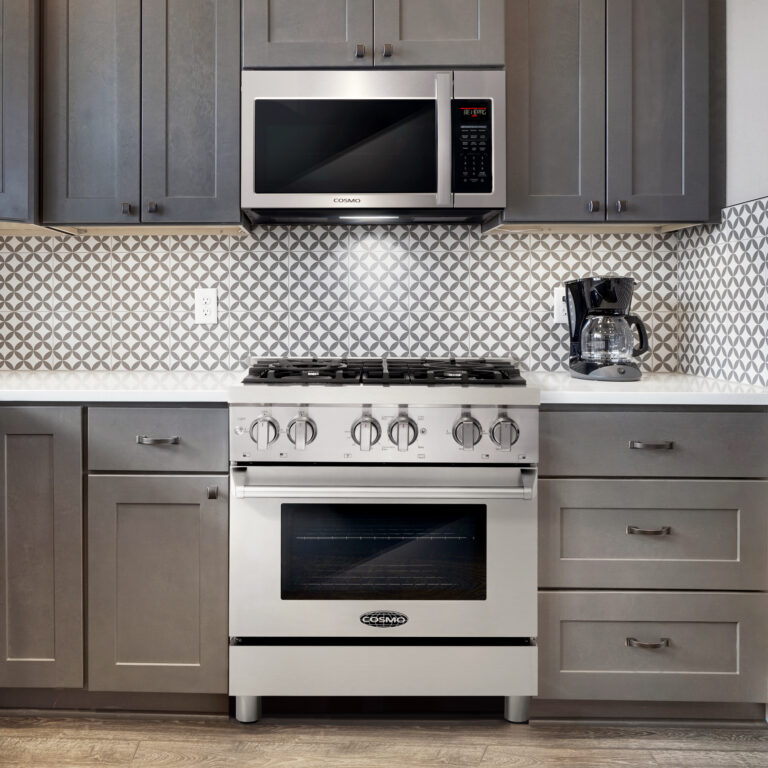
Microwave is an essential kitchen appliance, offering convenience, efficiency, and versatility. The Cosmo COS-3019ORM2SS 30-Inch Over-the-Range Microwave is designed to provide efficient cooking performance, space-saving installation, and modern features to elevate many kitchen installations. Why an Over-the-Range Microwave is a Great Choice Over-the-range microwaves combine the functionality of a microwave with a built-in ventilation system, making them ideal for maximizing kitchen space. They help keep countertops clutter-free while providing efficient venting for smoke, grease, and odors from cooking. Key Features of the COS-3019ORM2SS Benefits of Choosing the COS-3019ORM2SS With its sensor cooking technology, efficient ventilation, and spacious capacity, the COS-3019ORM2SS enhances both convenience and efficiency in the kitchen. Its over-the-range installation helps save valuable counter space while keeping the cooking area well-ventilated and illuminated.The Cosmo COS-3019ORM2SS 30-Inch Over-the-Range Microwave is an excellent addition to many kitchens, offering advanced features, efficient performance, and a stylish design. Whether you’re cooking, reheating, or venting, this appliance delivers superior functionality.

Enhance Your Kitchen with the Cosmo COS-30IRHP 30-Inch Insert Range Hood

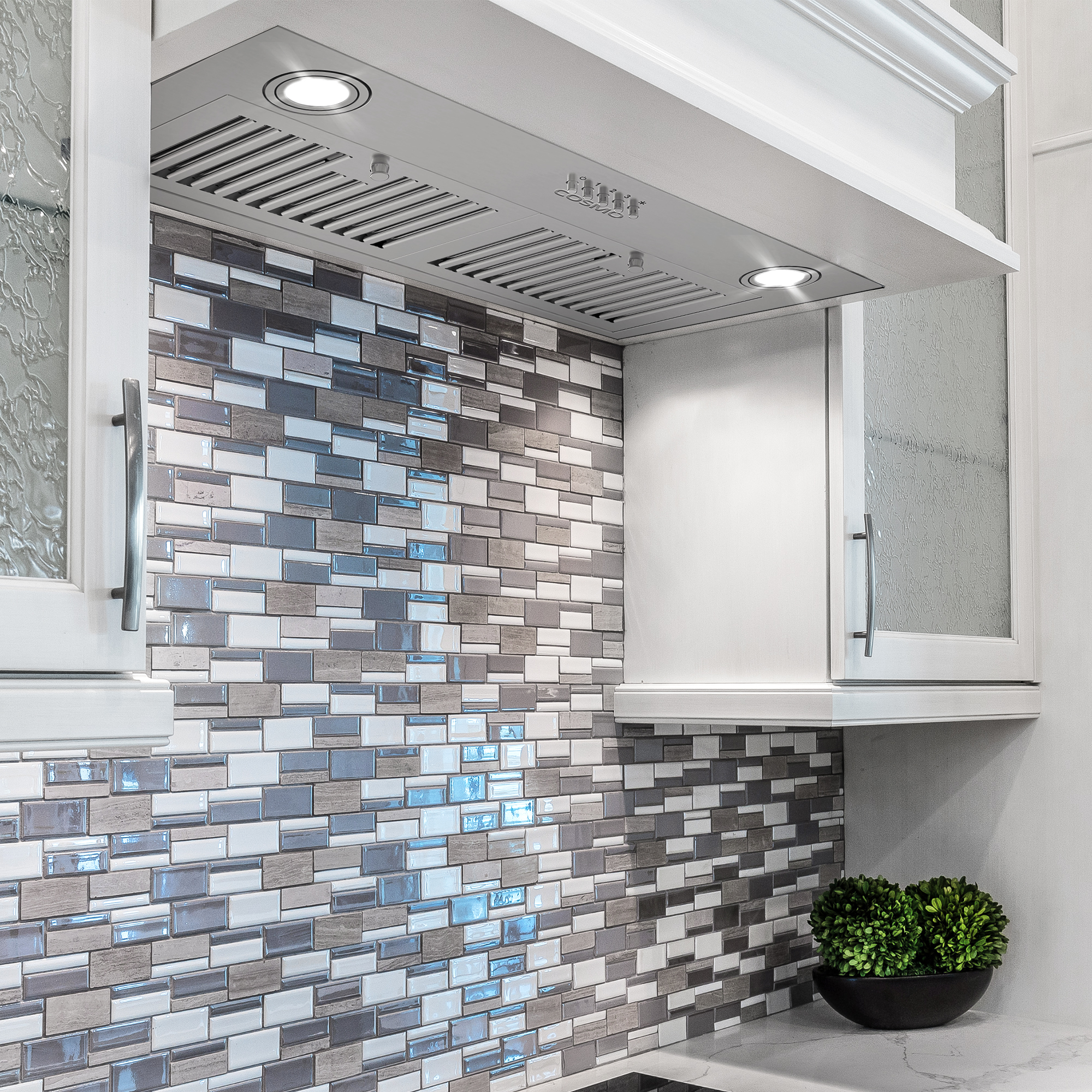
Range hood is essential for maintaining a fresh and clean kitchen environment. The Cosmo COS-30IRHP 30-Inch Stainless Steel Insert Range Hood is designed to provide efficient ventilation, sleek aesthetics, and convenient operation, making it a perfect addition to many modern kitchens. Why a Quality Range Hood is Important Range hoods play a crucial role in improving indoor air quality by removing smoke, grease, and odors from cooking. They also help prevent grease buildup on kitchen surfaces and reduce heat accumulation, making the cooking experience more comfortable and enjoyable. Key Features of the COS-30IRHP Benefits of Choosing the COS-30IRHP With its powered motor and user-friendly controls, the COS-30IRHP ensures efficient kitchen ventilation while maintaining a sleek, built-in aesthetic. The easy-to-maintain filters and bright LED lighting add to its convenience, making it a practical and stylish choice for homeowners.The Cosmo COS-30IRHP 30-Inch Stainless Steel Insert Range Hood is a perfect blend of style, performance, and functionality. Whether you’re a home chef or simply love a fresh kitchen environment, this range hood delivers top-tier results.

The Science of Baking and Pastry Making: Understanding the Fundamentals

Baking and pastry making are as much about science as they are about artistry. While the creativity of crafting beautiful and delicious treats is essential, understanding the science behind these processes can elevate your skills and ensure consistent, successful results. This blog post delves into the fundamental science of baking and pastry making, helping you grasp the key principles that drive these culinary arts. The Role of Ingredients Flour: Flour provides the structure for baked goods. Its proteins, primarily glutenin and gliadin, combine with water to form gluten, which gives dough its elasticity and strength. Different types of flour have varying protein content, affecting the texture of the final product. For instance, bread flour has higher protein content compared to cake flour, which results in a chewier texture in bread and a lighter, softer crumb in cakes. Sugars: Sugars are not just for sweetness; they play multiple roles in baking. They help with the browning process through caramelization and Maillard reaction, contribute to the texture by affecting moisture and tenderness, and enhance flavor. Different sugars, like granulated, brown, and powdered, impact the final product in distinct ways. Fats: Fats, such as butter, oil, or shortening, provide richness and moisture to baked goods. They interfere with gluten formation, creating a tender and flaky texture. Fats also help with flavor development and contribute to the overall mouthfeel. Leavening Agents: Baking powder, baking soda, and yeast are leavening agents that cause doughs and batters to rise. Baking soda and baking powder create gas through chemical reactions, while yeast ferments and produces gas, which makes dough expand. Proper use and understanding of these agents are crucial for achieving the desired texture and rise in baked goods. Liquids: Liquids, including water, milk, and eggs, are essential for hydrating flour, dissolving sugars, and activating leavening agents. They also affect the consistency of batters and doughs and contribute to the final texture and flavor of baked products. Mixing and Kneading Mixing: The method of mixing affects the texture of the final product. Over-mixing can develop too much gluten, leading to tough baked goods, while under-mixing can result in uneven distribution of ingredients. Different recipes require different mixing techniques, such as creaming, folding, or stirring, to achieve the desired consistency. Kneading: In bread making, kneading develops gluten, which gives bread its structure and chewiness. Proper kneading is crucial for achieving the right texture, as insufficient kneading can lead to dense bread, while excessive kneading can make it tough. Temperature and Time Oven Temperature: Accurate oven temperature is vital for even baking. Too high a temperature can cause products to brown too quickly on the outside while remaining raw inside, while too low a temperature can result in undercooked goods with poor texture. Using an oven thermometer can help ensure precise temperatures. Baking Time: Baking times vary depending on the recipe, oven, and size of the baked goods. Following the recommended baking time is important, but it’s also essential to monitor the baking process and make adjustments as needed. The Maillard Reaction and Caramelization Maillard Reaction: This complex chemical reaction between amino acids and reducing sugars occurs during baking and contributes to the browning and flavor development in baked goods. It’s responsible for the golden crust of bread and the rich flavors in cookies and cakes. Caramelization: Caramelization is the process of sugar breaking down and turning brown when exposed to heat. It adds depth of flavor and color to pastries and confections, such as caramel sauce and roasted nuts. Pastry Science Laminate Doughs: In pastry making, laminated doughs like croissant and puff pastry rely on creating layers of dough and fat. The process of folding and rolling creates thin layers of fat and dough that puff up when baked, resulting in a flaky texture. Temperature Control: Temperature is critical in pastry making. For example, keeping dough cold ensures that fats remain solid, leading to a flaky texture in pastries. Similarly, precise temperature control in chocolate tempering is essential for achieving a smooth and glossy finish. Understanding the science behind baking and pastry making can greatly enhance your culinary skills, leading to more consistent and successful results. By grasping the roles of different ingredients, the effects of mixing and kneading, and the importance of temperature and time, you can apply these principles to create delightful baked goods and pastries every time.

Cooking with the Cosmo COS-23AFAKB 2.3-Quart Compact Electric Air Fryer

Air fryers have revolutionized home cooking, offering a healthier way to enjoy crispy and delicious meals without excessive oil. The Cosmo COS-23AFAKB 2.3-Quart Compact Electric Air Fryer is an excellent addition to many kitchens, providing convenience, efficiency, and versatility in a compact design. Why an Air Fryer is a Must-Have Appliance Air fryers use rapid air circulation to cook food evenly, producing crispy textures similar to deep frying but with significantly less oil. This makes them a healthier alternative while also being faster and easier to use compared to traditional ovens. Whether you’re looking to fry, bake, roast, or reheat, an air fryer simplifies meal prep with minimal mess and effort. Key Features of the COS-23AFAKB Benefits of Choosing the COS-23AFAKB The compact size makes it ideal for small kitchens, dorms, and RVs while still providing efficient and even cooking. Its quick preheating time and easy cleanup make meal preparation hassle-free. Additionally, with healthier cooking options, you can indulge in crispy favorites without the guilt.The Cosmo COS-23AFAKB 2-Quart Compact Electric Air Fryer is a game-changer for those looking to cook delicious, healthier meals with ease. Whether you’re making crispy fries, roasted vegetables, or even baked goods, this air fryer is a versatile tool that enhances your cooking experience.

The Role of Detergents in Dishwashing: Finding the Best Option

When it comes to dishwashing, whether by hand or using a dishwasher, the detergent you choose plays a crucial role in ensuring your dishes come out sparkling clean. But with so many options on the market, how do you determine which detergent is best for your needs? This blog post will dive into the role of detergents in dishwashing and guide you in finding the best option. Understanding the Role of Detergents Detergents are specifically formulated to break down grease, remove food particles, and prevent stains from redepositing on your dishes. They work by combining surfactants, enzymes, and other cleaning agents to effectively clean and sanitize your dishes. Here’s a closer look at how these components work: Types of Dishwasher Detergents Dishwasher detergents come in several forms, each with its advantages and disadvantages. Understanding these options can help you make the best choice for your dishwasher and cleaning needs. Choosing the Right Detergent To find the best detergent for your dishwashing needs, consider the following factors: Maximizing Detergent Effectiveness Even with the best detergent, your dishwashing results can suffer if you’re not using it properly. Here are some tips to ensure optimal cleaning: Choosing the right detergent is essential for achieving spotless, sparkling dishes. By understanding the role of detergents and considering your specific needs, you can find the best option that not only cleans effectively but also fits your lifestyle and values. Whether you prefer powders, liquids, or pods, the key is to match the detergent to your dishwashing routine for the best results.

Maximizing Energy Efficiency with the COSMO 30” Gas Cooktop (COS-DIC304)

The COSMO 30” Stainless Steel Drop-In Gas Cooktop (COS-DIC304) is a powerhouse in the kitchen, providing excellent performance with its 4 sealed burners. But with the rising costs of utilities and an increasing focus on sustainability, many homeowners are looking for ways to use their kitchen appliances more efficiently. If you’re planning to get the most out of your new cooktop, here are some energy-saving tips to keep your cooking efficient while keeping costs low. 1. Match Your Cookware to the Burner Size One of the simplest and most effective ways to increase energy efficiency is by using the right cookware for each burner. The COSMO COS-DIC304 features different-sized burners, each designed for specific tasks. To get the most out of your gas burners: When you use the appropriately sized pot or pan, you avoid wasting energy by heating an oversized pot with a smaller burner, or vice versa. 2. Keep Lids On When Cooking Covering your pots and pans with a tight-fitting lid helps trap heat and steam inside, allowing food to cook faster. This reduces the amount of time you need the burner on, saving both energy and gas. Plus, it helps preserve the flavors and nutrients in your food. 3. Use the Right Flame Level With the COSMO COS-DIC304, you have full control over the flame. For energy efficiency, you don’t always need to turn the burner up to its highest setting. Cooking on medium heat is often more than sufficient for many tasks, from boiling pasta to simmering sauces. Overheating food or boiling water at full blast wastes energy, so aim to adjust the flame based on your cooking needs. 4. Keep the Burner Clean The sealed burners on the COSMO COS-DIC304 are designed for easy cleaning, but don’t overlook the importance of maintenance. Regularly cleaning the burners and surrounding areas ensures maximum heat transfer. If food residue or grease builds up on the burner caps, it can block the flame and reduce efficiency, meaning you’ll need to use more gas to reach the desired cooking temperature. 5. Preheat Efficiently When using the cooktop for high-heat cooking (like frying or grilling), it’s tempting to preheat the pan for a long time. Instead, use shorter preheating times to reduce energy consumption. Simply place your cookware on the burner for a few minutes to allow it to heat up before cooking. 6. Cook in Batches When Possible If you’re preparing multiple items, consider batch cooking on the COSMO COS-DIC304. Cooking more food at once means using the burner for longer periods, but also allows you to make the most out of each cooking session without wasting heat. This can be especially useful when cooking meals for the week, making leftovers, or preparing dishes that require similar cooking temperatures. 7. Turn Off Early and Let Residual Heat Finish Cooking Cooktops cool down quickly after the flame is turned off, so you can take advantage of the residual heat from your burners. For dishes that need a bit of extra time after the burner is turned off—like rice or stews—simply turn the burner off a few minutes before the cooking time ends and let the heat do the work. 8. Ensure Proper Ventilation This tip isn’t just about energy efficiency—it’s about cooking safety. The COSMO COS-DIC304 features high-performance burners that generate significant heat. Make sure to keep your kitchen well-ventilated so that you don’t waste energy trying to cool the space down after cooking. A good range hood can help vent excess heat and keep your kitchen comfortable, allowing you to avoid turning on additional cooling systems. 9. Plan Cooking Times Around Busy Hours If your household is particularly busy, consider meal planning during times when you’ll be using the cooktop anyway. This minimizes wasted energy, especially if you’re already preparing multiple meals at once. You can also combine stovetop cooking with baking in your oven, using both appliances efficiently. 10. Use Pressure Cookers and Steamers While the COSMO COS-DIC304 has burners that handle most cooking tasks with ease, pressure cookers and steamers are fantastic for speeding up cooking times and saving energy. These appliances require less heat and shorten cooking durations, helping you make the most of your cooktop while using less gas.With a few small adjustments, the COSMO 30” Stainless Steel Drop-In Gas Cooktop (COS-DIC304) can be even more energy-efficient, helping you cook like a pro while keeping costs down. From using the right cookware to making the most of residual heat, these tips will help you achieve perfectly cooked meals without wasting energy. After all, a little efficiency goes a long way in both your cooking and your utility bills!

The Importance of Sustainability and Reducing Food Waste: A Path to a Greener Future

In today’s world, sustainability is more than just a buzzword; it’s a necessity. As the global population grows and resources become scarcer, the importance of sustainable practices, particularly in food production and consumption, has never been greater. One of the most impactful ways individuals and communities can contribute to sustainability is by reducing food waste. This blog post explores the significance of sustainability and offers practical tips on how to reduce food waste at home. Understanding Sustainability in Food Systems Sustainability in food systems refers to practices that ensure food production, distribution, and consumption have minimal negative impacts on the environment, economy, and society. Sustainable food systems focus on: The Alarming Reality of Food Waste Despite the global emphasis on sustainability, food waste remains a significant challenge. According to the Food and Agriculture Organization (FAO), approximately one-third of all food produced for human consumption is wasted each year. This amounts to about 1.3 billion tons of food, which could feed billions of people. Food waste has serious environmental, economic, and social consequences: Practical Tips for Reducing Food Waste at Home Reducing food waste starts at home, and everyone can make a difference by adopting sustainable practices in their daily lives. Here are some practical tips to help you reduce food waste and contribute to a more sustainable food system: 1. Plan Your Meals Planning your meals in advance is one of the most effective ways to reduce food waste. By creating a weekly meal plan, you can buy only what you need, avoiding impulse purchases that often go to waste. Meal planning also helps you use up ingredients before they spoil. 2. Store Food Properly Proper storage can significantly extend the shelf life of your food. Make sure to store perishable items like fruits, vegetables, and dairy products in the right conditions. For example, keep fruits and vegetables in the crisper drawer of your refrigerator, and store dry goods like grains and cereals in airtight containers. 3. Understand Expiration Dates Many people mistakenly believe that food past its “best by” or “sell by” date is unsafe to eat. In reality, these dates are often indicators of quality, not safety. Use your senses to determine whether food is still good to eat, and don’t be afraid to consume items that are slightly past their labeled dates if they still look, smell, and taste fine. 4. Get Creative with Leftovers Leftovers don’t have to be boring! Get creative in the kitchen by transforming leftovers into new meals. For example, roasted vegetables can be turned into a hearty soup, and stale bread can be used for bread crumbs or croutons. By repurposing leftovers, you can reduce food waste and enjoy a variety of meals. 5. Compost Food Scraps Even with the best intentions, some food waste is inevitable. Composting is an excellent way to recycle food scraps and create nutrient-rich soil for your garden. Composting reduces the amount of waste sent to landfills and helps close the loop in the food system by returning nutrients to the earth. 6. Support Local and Sustainable Producers Buying locally produced food not only supports your community but also reduces the environmental impact of transporting food over long distances. Look for farmers’ markets, community-supported agriculture (CSA) programs, and local food cooperatives that prioritize sustainable practices. 7. Educate Yourself and Others Educating yourself about the impact of food waste and sharing that knowledge with others is crucial in the fight against waste. The more people understand the importance of sustainability, the more likely they are to adopt practices that reduce waste and promote a healthier planet. The Ripple Effect of Reducing Food Waste When we reduce food waste, the benefits extend far beyond our kitchens. By wasting less food, we conserve valuable resources, reduce greenhouse gas emissions, and contribute to a more equitable food system. Moreover, reducing food waste can help alleviate hunger by ensuring that more food reaches those in need rather than ending up in the trash. Sustainability and reducing food waste are essential for the health of our planet and future generations. By making small changes in our daily lives, such as planning meals, storing food properly, and composting, we can collectively make a big impact. Let’s commit to sustainable practices in our kitchens and beyond, and work towards a future where food is valued, resources are conserved, and waste is minimized. Together, we can create a greener, more sustainable world.