
home cooking

Why Expensive Ingredients Don’t Make You a Better Cook

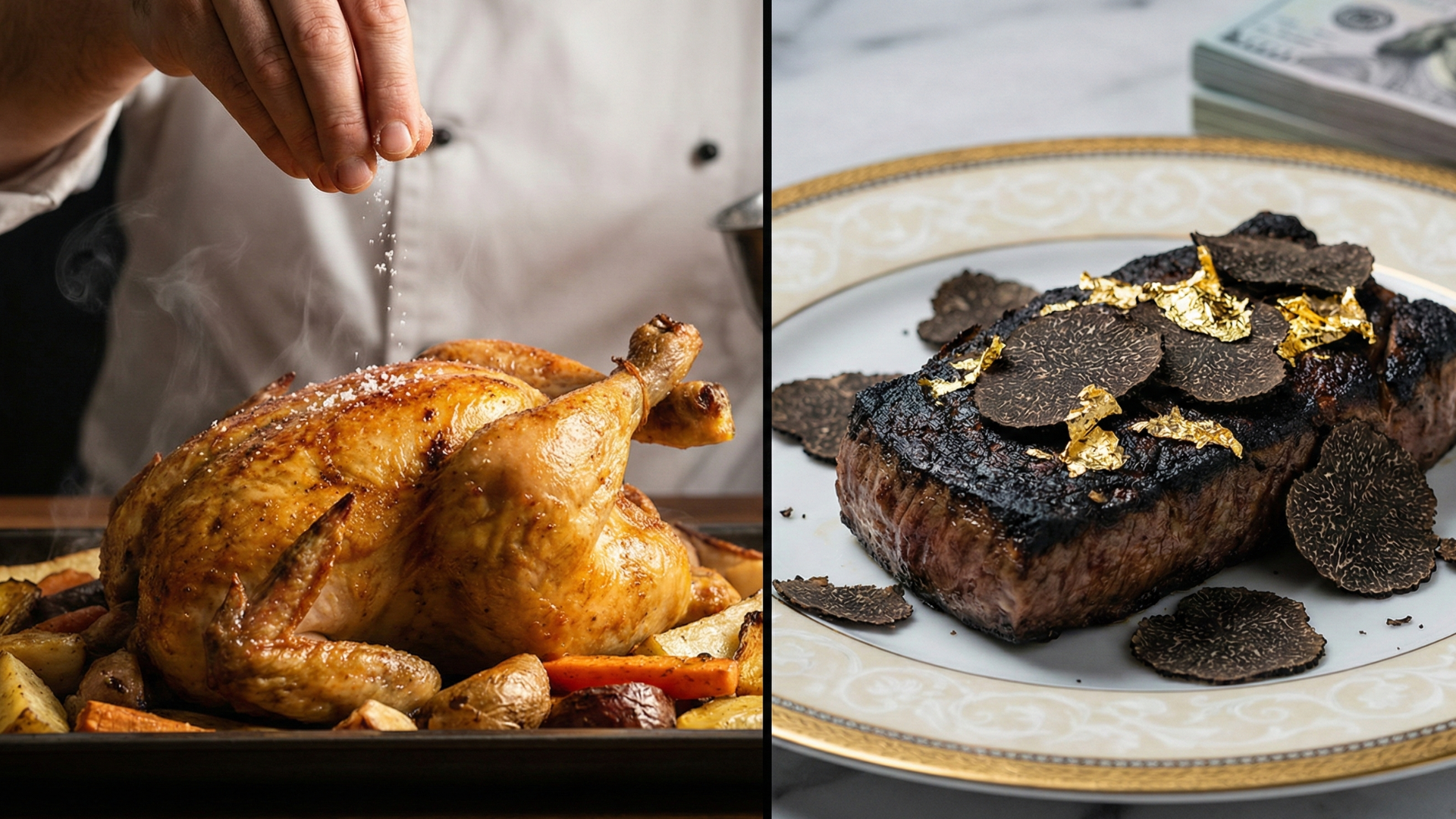
The assumption that premium ingredients automatically produce superior results pervades cooking culture, creating the belief that buying better costs more and that budget constraints prevent good cooking. This narrative benefits specialty food retailers and creates aspirational shopping habits, but it misrepresents how cooking actually works and what separates good results from mediocre ones. Technique, timing, and understanding what you’re doing matter far more than ingredient price points for most home cooking situations. Expensive ingredients can enhance dishes when used appropriately, but they cannot compensate for poor execution and often get wasted when cooks don’t understand how to handle them properly. The gap between ingredient cost and cooking results is larger than food marketing suggests. A skilled cook produces better meals with standard ingredients than an inexperienced cook produces with premium ones. Understanding this distinction helps you invest cooking energy where it actually improves results rather than assuming that spending more money solves cooking challenges. Technique Trumps Ingredients in Most Situations Proper cooking methods transform ordinary ingredients into good food while poor technique ruins expensive ingredients just as effectively as cheap ones. Heat control matters more than ingredient quality for most cooking tasks. Knowing when to use high heat versus low heat, understanding how pans retain and distribute heat, recognizing when food is properly seared versus burned—these skills affect results regardless of what you’re cooking. Seasoning appropriately with salt makes more difference to flavor than buying premium ingredients. Under-seasoned expensive steak tastes worse than properly salted standard steak. Salt enhances and balances flavors in everything you cook, making it the most impactful flavor element in your kitchen. Timing doneness correctly prevents ruining good ingredients. Overcooked expensive fish becomes dry and disappointing just like overcooked cheap fish. Knowing when food is done—through temperature, texture, or visual cues—preserves quality regardless of what you paid for ingredients. Understanding cooking processes like browning, deglazing, reducing, and emulsifying creates flavor through technique. These methods develop complexity from basic ingredients without requiring expensive specialty items. Knife skills affect cooking results by ensuring even cooking and proper texture. Uniformly cut vegetables cook evenly while haphazardly chopped ones create texture inconsistencies and uneven doneness regardless of vegetable quality. Building flavors through layering aromatics, acids, fats, and seasonings creates depth that expensive single ingredients cannot provide. Knowing how to develop flavor through cooking process matters more than starting with premium ingredients. The cook who understands these fundamentals produces better food with ordinary ingredients than someone who buys expensive items but doesn’t know how to handle them properly. Expensive Ingredients Often Get Wasted Through Misuse Premium ingredients require appropriate handling and preparation that inexperienced cooks often don’t provide, resulting in wasted money and disappointing results. High-end proteins get overcooked constantly because people don’t understand doneness temperatures or resting periods. A $40 steak cooked to 180°F internal temperature tastes worse than a $12 steak cooked to 135°F and rested properly. Delicate ingredients like fresh herbs, specialty greens, or premium produce deteriorate quickly when stored improperly. Buying expensive ingredients without knowing how to store them means watching them spoil before you use them. Subtle flavor differences in premium ingredients disappear when overwhelmed by heavy sauces or aggressive seasonings. Using truffle oil on heavily seasoned pasta wastes the truffle because you can’t taste it through everything else. Expensive cuts of meat get treated like lesser cuts requiring long cooking times. Cooking tender premium cuts low and slow turns them dry and tough when they should be cooked quickly at high heat. Specialty ingredients get used in inappropriate applications where their unique qualities don’t matter. Using expensive olive oil for high-heat cooking destroys its flavor compounds—you might as well use regular oil. Premium ingredients often shine best with minimal preparation. Buying them then cooking them elaborately can mask rather than highlight what you paid for. The expensive ingredient needed simple treatment, not complex preparation. The waste comes from not understanding how ingredients work rather than from the ingredients themselves being problematic. Standard Ingredients in Good Recipes Outperform Premium Ingredients in Bad Ones Recipe quality and cooking method matter more than ingredient cost for determining final results. Well-developed recipes using ordinary ingredients produce consistent good results. A tested recipe with proper ratios, cooking times, and technique guidance succeeds with standard ingredients. Poor recipes fail regardless of ingredient quality. Using expensive butter in a bad cake recipe still produces bad cake. The recipe’s structural problems—wrong ratios, incorrect technique, poor method—create failure that ingredients cannot fix. Recipe testing and development creates reliability. Recipes from sources that actually test their formulas work better than recipes thrown together without verification, regardless of suggested ingredients. Understanding why recipes work allows substitution of standard ingredients for premium ones. When you know the recipe’s underlying logic, you can adapt ingredient choices while maintaining good results. Traditional recipes evolved using available affordable ingredients. Classic dishes became classics using whatever people had access to, not specialty items. These recipes work because they’re fundamentally sound, not because they require expensive ingredients. Home cooks often achieve better results following reliable recipes with basic ingredients than attempting ambitious recipes with premium ingredients they don’t know how to handle. The recipe quality determines the outcome more than the ingredient quality in most home cooking situations. Ingredient Quality Matters Most Where Ingredients Aren’t Transformed The situations where premium ingredients genuinely improve results involve minimal cooking that showcases the ingredient rather than transforming it. Fresh raw applications like salads, caprese, or crudo highlight ingredient quality because there’s no cooking to develop flavor. When ingredients are eaten raw or barely cooked, their inherent quality matters significantly. Simple preparations with few ingredients put the spotlight on each component. Pasta with garlic and olive oil showcases the olive oil quality. Margherita pizza highlights the tomato and mozzarella. These simple dishes benefit from better ingredients because there’s nowhere to hide. Finishing elements added at the end taste exactly like themselves without transformation. The final drizzle of olive oil, the shaving of Parmesan, the squeeze of lemon—these additions aren’t cooked, so their quality is directly
How to Choose the Right Kitchen Appliances for Your Cooking Style: Match Your Tools to Your Needs

Choosing kitchen appliances can feel overwhelming with countless options, features, and price points competing for your attention. The secret to making smart appliance decisions lies in honestly assessing your actual cooking habits rather than aspirational ones. A baker needs different appliances than someone who primarily grills, while a busy family requires different features than a couple who loves elaborate weekend cooking projects. Understanding your cooking style helps you avoid expensive mistakes like investing in high-end appliances you rarely use or choosing budget options that can’t handle your actual cooking demands. The right appliances make cooking more enjoyable and efficient, while wrong choices lead to frustration and wasted money. This guide helps you identify your cooking style and select appliances that truly serve your needs. Identifying Your Cooking Style Before shopping for appliances, spend time honestly evaluating how you actually use your kitchen rather than how you wish you used it. Understanding your real cooking patterns prevents expensive mistakes while ensuring your appliances serve your actual needs. Frequency matters significantly when choosing appliances. Daily cooks need durable, high-performance appliances that can handle constant use, while occasional cooks might prioritize different features or invest less in equipment they use infrequently. Cooking methods you prefer influence appliance priorities dramatically. Someone who loves baking needs different oven capabilities than someone who primarily uses stovetop cooking. Consider which cooking techniques you use most often and which you rarely attempt. Family size affects appliance capacity requirements and features you’ll value most. Large families need bigger refrigerators, more burners, and larger oven capacity, while smaller households can choose more compact options that fit their space and needs better. Entertaining frequency changes appliance requirements substantially. If you regularly host dinner parties or holiday gatherings, you’ll value features like double ovens, warming drawers, and extra burner capacity that occasional entertainers might not need. Time constraints influence which convenience features provide genuine value versus unnecessary complexity. Busy families might prioritize features like rapid preheat or self-cleaning functions, while those with more flexible schedules might not need these premium features. Dietary preferences and restrictions affect appliance priorities. Health-conscious cooks might value steam oven capabilities or air fry functions, while those following specific diets might need specialized equipment for their cooking requirements. For the Daily Home Cook Daily home cooks who prepare most meals from scratch need reliable, efficient appliances that can handle constant use without excessive complexity. These cooks value durability and practical features over bells and whistles. Reliable ranges with good temperature control become essential when you cook multiple meals daily. Gas ranges offer instant heat control that many daily cooks prefer, while electric ranges provide consistent oven temperatures excellent for regular baking. Multiple burners with varied BTU outputs accommodate simultaneous cooking of different dishes. Four or five burners with at least one high-output option for rapid boiling and one low-output burner for gentle simmering serve daily cooking needs well. Self-cleaning ovens save time and effort when you use your oven frequently. The convenience of self-cleaning becomes more valuable the more often you cook, as buildup occurs faster with regular use. Adequate refrigerator capacity with good organization features helps manage regular grocery shopping and meal planning. French door models provide easy access to fresh foods you use daily while keeping frozen items organized below. Efficient dishwashers with multiple rack configurations handle the steady stream of dishes that daily cooking produces. Look for models with adequate capacity and flexible loading options that accommodate various dish types and sizes. Quality range hoods with good ventilation capacity maintain air quality when cooking produces regular smoke, steam, and odors. Adequate CFM ratings and quiet operation become important for daily use that might occur during family activities. For the Passionate Baker Serious bakers need different appliances than general cooks, with priorities focused on precise temperature control, adequate capacity, and features that support various baking techniques. Convection ovens provide even heat distribution crucial for consistent baking results. The fan circulation helps achieve uniform browning and cooking that’s particularly important for cookies, pastries, and breads. Accurate temperature control ensures recipes turn out correctly every time. Digital temperature displays and well-calibrated thermostats help bakers achieve the precise temperatures that baking demands. Multiple oven racks with various positioning options allow baking several items simultaneously. Adjustable racks accommodate different pan sizes while maintaining adequate spacing for proper air circulation. Large oven capacity accommodates multiple sheet pans or large items like holiday turkeys. Bakers who prepare multiple batches or large quantities benefit from generous oven space. Stand mixer storage and adequate counter space for baking equipment become important considerations. While not built-in appliances, bakers need kitchens designed to accommodate essential baking tools conveniently. Proof settings or warming drawers help with bread making by providing controlled environments for dough rising. These features support advanced baking techniques that serious bakers employ regularly. For the Health-Conscious Cook Health-focused cooks prioritize appliances that support nutritious cooking methods while making healthy eating convenient and appealing. These cooks value features that reduce fat while maintaining flavor. Air fry capabilities built into ranges or as separate appliances allow crispy textures with minimal oil. This technology supports healthy eating goals while providing satisfying results that don’t feel like deprivation. Steam oven functions preserve nutrients in vegetables while providing gentle cooking that doesn’t require added fats. Steam cooking maintains food’s natural flavors and colors while supporting healthy eating goals. Convection cooking reduces cooking times and temperatures, which can help preserve nutrients while using less energy. The efficient cooking method aligns with both health and environmental consciousness. Quality ventilation removes cooking byproducts effectively, maintaining healthy indoor air quality. Good range hoods eliminate smoke and particles that can affect respiratory health. Induction cooktops provide precise temperature control while keeping kitchen cooler and more comfortable. The responsive heat control helps with delicate cooking techniques while the cool cooking surface improves kitchen safety. Adequate refrigerator space for fresh produce and healthy ingredients supports meal planning and preparation. Crisper drawers with humidity controls keep vegetables fresh longer, reducing waste while supporting healthy eating. For

Essential Kitchen Appliances Every Home Chef Needs: Building Your Dream Cooking Space

Creating the perfect kitchen starts with choosing the right appliances. Whether you’re moving into your first home, renovating an existing kitchen, or simply upgrading your cooking setup, knowing which appliances are truly essential can save you time, money, and frustration. Today’s home chefs have access to amazing technology that makes cooking easier, faster, and more enjoyable than ever before. Building a functional kitchen doesn’t mean you need every gadget on the market. Smart planning and careful selection of key appliances will give you everything you need to create delicious meals while staying within your budget. Let’s explore the must-have appliances that form the foundation of any serious home kitchen. The Range: Your Kitchen’s Powerhouse Every great kitchen starts with a reliable range. This single appliance handles most of your daily cooking needs, combining a cooktop and oven in one efficient unit. Modern ranges offer incredible versatility, whether you prefer the precise control of gas burners or the consistent heat of electric cooking. Gas ranges provide instant heat control that professional chefs love. You can adjust flame levels immediately, making them perfect for techniques like stir-frying or searing. Electric ranges, on the other hand, offer more even heating and are often easier to clean. Many home cooks find electric ovens provide more consistent baking results. Dual-fuel ranges combine the best of both worlds with gas cooktops and electric ovens. These units give you the responsive control of gas for stovetop cooking plus the even heating of electric for baking and roasting. While they cost more initially, many serious home cooks consider them worth the investment. Size matters when choosing a range. Standard 30-inch models work well for most families, while larger 36-inch or 48-inch ranges provide extra burners and oven space for those who cook frequently or entertain often. Consider your cooking habits and kitchen layout when making this decision. Range Hoods: The Unsung Heroes of Kitchen Ventilation Many people overlook range hoods when planning their kitchen, but proper ventilation is crucial for maintaining air quality and preventing grease buildup. Good ventilation removes smoke, odors, and moisture that cooking produces, keeping your kitchen comfortable and your home’s air clean. Under-cabinet range hoods work well in most kitchens, mounting beneath existing cabinets to save space. Wall-mount hoods create a striking focal point while providing powerful ventilation. For kitchen islands, dedicated island range hoods suspend from the ceiling to capture cooking byproducts effectively. Look for range hoods with multiple fan speeds so you can adjust suction based on what you’re cooking. LED lighting helps illuminate your cooking surface, while dishwasher-safe filters make maintenance simple. Noise levels matter too – nobody wants to shout over a loud range hood during dinner preparation. The key is matching your range hood size to your cooktop. A 30-inch cooktop needs at least a 30-inch hood, though going slightly larger often provides better coverage. For high-output gas ranges, consider hoods with higher CFM ratings to handle the extra heat and moisture. Refrigerators: Keeping Your Ingredients Fresh Your refrigerator works harder than any other kitchen appliance, running 24/7 to keep your food fresh and safe. Modern refrigerators offer features that make meal planning and food storage much easier than older models. French door refrigerators have become incredibly popular because they provide easy access to fresh foods at eye level while keeping frozen items in convenient bottom drawers. Side-by-side models work well in narrower kitchens where you can’t open wide doors fully. Size your refrigerator based on your household needs and kitchen space. A family of four typically needs 20-25 cubic feet of storage, though cooking enthusiasts often want more space for ingredients and leftovers. Counter-depth models provide a built-in look that many homeowners prefer, even though they offer slightly less storage space. Energy efficiency has improved dramatically in recent years. Look for ENERGY STAR certified models that will save money on utility bills over time. Features like adjustable shelves, humidity-controlled crisper drawers, and door alarms add convenience to daily use. Built-in ice makers and water dispensers are convenient but take up interior space. Consider whether these features are worth the trade-off in storage capacity for your family’s needs. Dishwashers: Making Cleanup Effortless A quality dishwasher transforms kitchen cleanup from a chore into a simple task. Modern dishwashers clean dishes more effectively while using less water than hand washing, making them both convenient and environmentally friendly. Standard 24-inch dishwashers fit most kitchen layouts and handle typical family loads well. Compact 18-inch models work in smaller kitchens or as secondary units in large homes. Some manufacturers offer dishwasher drawers that can run independently, perfect for small loads or homes with varying dishwashing needs. Noise levels have improved significantly in recent dishwashers. Look for models rated at 44 decibels or lower for quiet operation that won’t interfere with conversations or television watching. Stainless steel interiors resist stains and odors better than plastic tubs. Multiple wash cycles let you customize cleaning based on soil levels and dish types. Quick wash cycles handle lightly soiled items in 30 minutes or less, while heavy-duty cycles tackle baked-on food. Some models include specialized cycles for wine glasses or sanitizing baby bottles. Flexible loading features like adjustable racks and fold-down tines help you fit dishes of various sizes. Third racks provide extra space for utensils and small items, maximizing capacity in each load. Microwaves: Quick Cooking and Reheating Microwaves handle quick cooking tasks and reheating leftovers efficiently. While not essential for cooking from scratch, they’re incredibly convenient for busy households and specific cooking techniques. Countertop microwaves offer the most flexibility and are usually the most affordable option. Over-the-range microwaves save counter space while providing built-in ventilation for your cooktop. Built-in models create a seamless look but require dedicated cabinet space. Microwave drawers represent the latest innovation, sliding out from beneath counters for easy access. They’re particularly useful for universal design kitchens or homes where counter space is limited. Power levels matter more than you might think. Higher wattage models (1000+ watts) cook more evenly and quickly

How to Set Up a Home Cooking Station for Baking: Essential Tips for a Smooth Baking Experience

Setting up a dedicated home cooking station for baking can transform your kitchen into a haven of culinary creativity. Whether you’re a seasoned baker or just starting out, organizing your space efficiently can make the baking process more enjoyable and less stressful. Here’s a step-by-step guide to creating an ideal baking station in your home kitchen. Choose the Right Location Organize Essential Tools Equip Your Baking Station Stock Baking Ingredients Implement Efficient Storage Solutions Set Up a Cleaning Station Personalize Your Space Safety and Accessibility A well-organized home cooking station for baking not only enhances your efficiency but also makes the baking process more enjoyable. By thoughtfully arranging your tools, ingredients, and equipment, you create a functional workspace that supports creativity and precision. Whether you’re whipping up a batch of cookies or baking a decadent cake, a dedicated baking station ensures you have everything you need at your fingertips, making your time in the kitchen as pleasant and productive as possible.